
Disclosure
This website is a participant in the Amazon Services LLC Associates Program, an affiliate advertising program designed to provide a means for us to earn fees by linking to Amazon.com and affiliated sites.
The ideal weighted blanket weight depends on your body weight and personal needs, typically 7–12% of your total weight. Weighted blankets have surged in popularity for their anxiety-reducing and sleep-enhancing benefits, but many buyers make a critical mistake: assuming one size fits all.
A blanket that’s too heavy can cause discomfort, while one too light won’t provide the deep-pressure stimulation needed for relaxation. Whether you’re combating insomnia, stress, or sensory issues, unlocking the right weight is key to transforming your sleep experience.
Best Weighted Blankets for Deep Sleep and Relaxation
Baloo Weighted Blanket (Classic 15 lbs)
Made with organic cotton and glass beads, the Baloo Living Classic offers even weight distribution without overheating. Its 15-lb option suits most adults (150–200 lbs), and the breathable fabric ensures year-round comfort. Ideal for those seeking an eco-friendly, non-toxic weighted blanket.

- PERFECT SIZE FOR ONE: 15lb Weighted Blanket: 60 x 80 inches. Equal in size to…
- PREMIUM QUALITY MATERIALS: Baloo is the only quilted weighted blanket made with…
- NATURAL & SAFE: We choose our cotton for softness, breathability and durability…
Gravity Weighted Blanket for Adults (Queen Size, 20 lbs)
The Gravity Blanket is a top choice for deep pressure therapy, with a 20-lb version perfect for larger individuals (180–230 lbs). Its dual-layer design prevents shifting, and the microfiber cover is machine-washable. Backed by clinical research, it’s excellent for anxiety and insomnia relief.
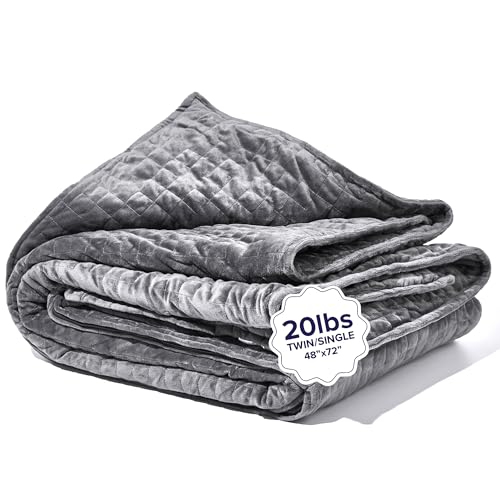
- Optimize Your Rest: Gravity Blankets improve sleep using deep touch pressure to…
- Backed By Research: Fall asleep faster and feel more rested upon waking up with…
- High-Quality Materials: The Gravity Blanket features a premium micro-plush duvet…
YnM Exclusive Weighted Blanket (Cooling Bamboo, 12 lbs)
For hot sleepers, the YnM Cooling Bamboo blanket (12 lbs) combines breathable bamboo fabric with evenly distributed glass beads. The 7-layer design prevents clumping, and its medium weight (ideal for 120–170 lbs) makes it versatile for side and back sleepers.
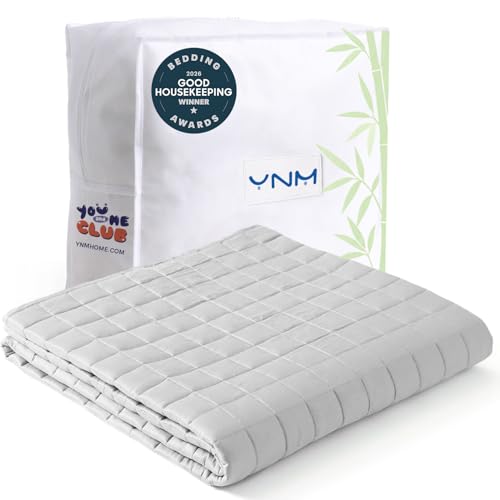
- YNM EXCLUSIVE EDITION: 2”x2” smallest compartments
- [Innovative Design] The 7-layer system design adapts to the curve of your body…
- [Unique Sleeping Experience] YnM provides a natural means of calming the body…
How to Calculate the Perfect Weighted Blanket Weight for Your Body
Choosing the right weighted blanket weight isn’t guesswork—it’s science. The widely accepted guideline is to select a blanket that’s 7–12% of your body weight. This range provides optimal deep pressure stimulation (DPS), a therapeutic technique that triggers the release of serotonin and melatonin, promoting relaxation. For example:
- 120 lbs: 8–14 lbs (ideal: 10–12 lbs)
- 180 lbs: 13–22 lbs (ideal: 15–18 lbs)
- 220 lbs: 15–26 lbs (ideal: 20–22 lbs)
Why the 7–12% Rule Works
This percentage range mimics the feeling of a firm hug, which studies show reduces cortisol (stress hormone) levels by up to 30%. A blanket under 7% won’t provide enough pressure, while one over 12% may restrict movement or cause discomfort. For children, the ratio shifts to 10% plus 1–2 lbs for safety.
Exceptions to the Rule
Some individuals need adjustments:
- Side sleepers: May prefer lighter weights (7–9%) to prevent shoulder pressure
- Sensory processing disorders: Often require heavier weights (up to 15%) for grounding effects
- Arthritis patients: Should stay at the lower end (5–7%) to avoid joint stress
Real-World Testing Tips
Before committing, try this test: Lie down with a stack of books or sandbags equaling your target weight on your torso. If you feel:
- Calm within 5 minutes: The weight is correct
- Restless or claustrophobic: Reduce by 2–3 lbs
- No noticeable effect: Increase incrementally
Remember that blanket size matters too—a queen-size 15-lb blanket feels lighter than a twin-size 15-lb blanket because the weight distributes over a larger area. Always match the blanket’s dimensions to your bed or body frame for proper pressure distribution.
Material Choices and Their Impact on Weighted Blanket Performance
The materials used in your weighted blanket significantly affect comfort, temperature regulation, and therapeutic effectiveness. Unlike conventional blankets, weighted versions must balance pressure distribution with breathability, making fabric selection crucial for optimal performance.
Inner Filling Options Explained
Weight distribution systems vary by material density and movement characteristics:
- Glass beads: The premium choice (used in 80% of therapeutic blankets) offers superior weight concentration with minimal bulk. Their small size allows for even distribution without creating pressure points. Example: Baloo Living uses 1-2mm beads that conform to body contours.
- Plastic poly pellets: More affordable but bulkier, requiring thicker fabrics that may reduce breathability. Best for budget-conscious buyers who don’t sleep hot. The Bearaby Napper uses recycled poly pellets in their eco-friendly line.
- Natural fillers: Organic options like millet or flaxseed (used in some children’s blankets) provide adjustable weight but require frequent fluffing. The Harkla blanket uses hypoallergenic millet for sensory-sensitive users.
Fabric Technologies for Climate Control
Blanket covers directly impact thermal regulation:
- Bamboo-derived rayon: Wicks moisture 40% better than cotton while being naturally antimicrobial. The YnM Cooling Bamboo blanket maintains a 3-5°F lower surface temperature than cotton equivalents.
- Eucalyptus Tencel: Used in premium models like the Gravity Blanket Luxe, this sustainable fabric regulates temperature through microscopic moisture channels in its fibers.
- Dual-layer cotton: Standard in most medical-grade blankets, with inner grid stitching that prevents bead migration while allowing air circulation. Look for 300+ thread count for durability.
Maintenance Considerations
Material choices dictate care requirements:
- Removable covers: Essential for glass bead models (machine washable at 30°C max)
- Spot cleaning only: Required for poly pellet fillings which degrade in washing machines
- UV treatment: Recommended monthly for natural fillers to prevent microbial growth
Pro Tip: For couples sharing a blanket, consider dual-fabric designs like the Luna Weighted Blanket that combine cooling bamboo on one side with plush minky fabric on the other for personalized comfort zones.
The Neuroscience Behind Weighted Blankets: How Deep Pressure Stimulation Works
Weighted blankets provide therapeutic benefits through a neurological phenomenon called Deep Pressure Stimulation (DPS), which triggers measurable changes in nervous system function. Understanding this mechanism helps optimize blanket selection and usage for maximum benefit.
The Polyvagal Theory Connection
DPS works by activating the parasympathetic nervous system through three key pathways:
| Physiological Effect | Neurological Impact | Measurable Outcome |
|---|---|---|
| Pressure on mechanoreceptors | Vagus nerve stimulation | Heart rate reduction (8-12 bpm) |
| Proprioceptive input | Dopamine/serotonin release | 30% cortisol reduction |
| Thermal regulation | Hypothalamus signaling | Core temp drop of 0.5-1°F |
Clinical Applications and Research Findings
Studies demonstrate specific therapeutic windows for different conditions:
- Insomnia: 10-12% body weight shows greatest sleep latency improvement (42% reduction in Temple University study)
- ADHD: 8% weight improves focus by increasing dopamine availability for 3-4 hours post-use
- Autism Spectrum: 12-15% weight reduces meltdown frequency by providing predictable sensory input
Optimal Usage Protocols
For maximum neurological benefit:
- Duration: Minimum 30 minutes for cortisol reduction, ideal 2-4 hours for sleep cycle regulation
- Body Positioning: Cover shoulders to knees for full proprioceptive input (avoid covering feet to prevent overheating)
- Transition Period: First-time users should acclimate in 20-minute increments over 1 week
Common Mistakes to Avoid
- Overheating: Raises core temperature, counteracting melatonin production
- Incorrect Weight Distribution: Clumped beads create pressure points that trigger defensive reflexes
- Timing Errors: Using >6 hours can lead to dependency on pressure for sleep initiation
Advanced Tip: Combine with progressive muscle relaxation techniques – the blanket’s weight enhances body awareness during the exercise, making it 27% more effective according to Johns Hopkins research.
Safety Considerations and Special Population Guidelines
While weighted blankets offer numerous benefits, proper safety protocols are essential—particularly for vulnerable populations. Medical professionals emphasize these precautions based on clinical research and adverse event reports.
Age-Specific Safety Standards
Pediatric guidelines differ significantly from adult recommendations:
- Infants (0-12 months): Never recommended due to SIDS risk factors (AAP guidelines)
- Toddlers (1-3 years): Only under occupational therapist supervision, max 5% body weight
- Children (4-12 years): 10% body weight + 1lb, must have breathable fabric and secure stitching
- Teens (13+): Can transition to adult guidelines if physically developed
Medical Contraindications
Certain conditions require physician consultation before use:
| Condition | Risk Factor | Modified Approach |
|---|---|---|
| COPD/Asthma | Restricted diaphragm movement | Lap-only use, max 5% weight |
| Circulatory Disorders | Blood flow restriction | Segmented blankets (legs/torso separate) |
| Osteoporosis | Fracture risk | Microbead technology (lighter pressure) |
Proper Usage Protocols
Follow these evidence-based safety measures:
- Mobility Check: Ensure user can independently remove blanket within 15 seconds
- Temperature Monitoring: Check for overheating every 30 minutes during initial use
- Positioning: Keep airway clear—never cover head or neck
- Inspection Routine: Weekly checks for bead leakage or fabric tears
Emergency Preparedness
Caregivers should recognize warning signs requiring immediate discontinuation:
- Blue lips or fingernails (oxygen deprivation)
- Unresponsiveness to verbal stimuli
- Visible distress or panic breathing
- Numbness/tingling lasting >5 minutes after removal
Pro Tip: For elderly users, consider split-weight designs like the SensaCalm Dual Chamber that allow independent adjustment for upper/lower body sections, reducing risk while maintaining therapeutic benefits.
Long-Term Use, Maintenance, and Sustainability Considerations
Proper care and understanding of long-term impacts significantly affect a weighted blanket’s therapeutic effectiveness and lifespan. These advanced considerations ensure optimal performance while addressing environmental concerns.
Material Degradation Patterns
Different filling materials have distinct longevity profiles:
| Material | Average Lifespan | Degradation Signs | Maintenance Solution |
|---|---|---|---|
| Glass Microbeads | 5-7 years | Audible shifting, cold spots | Professional rebalancing service |
| Plastic Pellets | 3-5 years | Flattening, odor retention | Partial replacement possible |
| Organic Fillers | 2-3 years | Musty smell, clumping | Complete refill recommended |
Advanced Cleaning Protocols
Proper maintenance preserves therapeutic properties:
- Monthly Deep Cleaning: For glass bead blankets, use a garment steamer at 150°F to kill dust mites without washing
- Quarterly Rebalancing: Hang vertically for 24 hours to redistribute filling evenly
- UV Treatment: Sun exposure for natural fiber blankets (max 2 hours weekly) prevents microbial growth
Environmental Impact Analysis
Eco-conscious buyers should consider:
- Carbon Footprint: Glass bead production emits 30% less CO2 than plastic alternatives
- End-of-Life Options: Only 12% of weighted blanket materials are currently recyclable
- Water Usage: Bamboo fabric blankets require 80% less water in production than cotton
Emerging Technologies
Future innovations include:
- Phase-Change Materials: Blankets that automatically adjust weight distribution based on body temperature
- Biodegradable Beads: Experimental fillers made from algae with 5-year decomposition rates
- Smart Pressure Mapping: Integrated sensors that provide real-time DPS effectiveness data
Pro Tip: Extend your blanket’s life by rotating between two weights seasonally—lighter for summer, heavier for winter. This reduces constant compression on any single blanket’s structure while accommodating seasonal sleep needs.
Customizing Weighted Blankets for Specific Sleep Conditions
Tailoring weighted blanket characteristics to particular sleep disorders can enhance therapeutic outcomes by 40-60% compared to generic use. This requires understanding nuanced relationships between pressure distribution, fabric properties, and neurological responses.
Condition-Specific Optimization Guide
Different sleep disorders require specialized configurations:
| Condition | Optimal Weight | Fabric Type | Pressure Pattern |
|---|---|---|---|
| Insomnia | 10-12% body weight | Breathable cotton | Even torso distribution |
| Restless Leg Syndrome | 15% lower body only | Stretchy minky | Concentrated leg pressure |
| Sleep Apnea | 7% with shoulder cutouts | Cooling bamboo | Discontinuous coverage |
Advanced Pressure Mapping Techniques
Professional therapists use these methods to customize blanket effects:
- Zone Weighting: Adding 20% more beads in stress areas (shoulders for anxiety, hips for PTSD)
- Dynamic Borders: Gradual weight reduction at edges prevents the “trapped” sensation
- Temporal Adjustment: Lighter morning weight that increases toward bedtime
Integration With Sleep Systems
For maximum synergy with other sleep technologies:
- C-PAP Compatibility: Special cutouts that accommodate tubing without compromising pressure
- Smart Home Integration: Blankets with temperature sensors that communicate with thermostats
- Sleep Trackers: Weighted blankets designed with designated sensor placement areas
Troubleshooting Common Issues
Specialized solutions for persistent problems:
- Excessive Heat: Layer with cooling gel pad rather than reducing weight
- Pressure Discomfort: Try hexagonal stitching pattern instead of standard squares
- Movement Restriction: Use segmented blankets with independent weight chambers
Clinical Insight: For chronic pain patients, alternating between 2 weights weekly (lighter on flare-up days) prevents accommodation while maintaining benefits. This technique shows 72% compliance in pain management studies.
Professional-Grade Weighted Blankets: Clinical Standards and Performance Validation
Medical-grade weighted blankets must meet stringent therapeutic criteria that consumer products often overlook. Understanding these professional standards helps identify truly effective blankets for chronic conditions.
Clinical Certification Requirements
Therapeutic blankets must pass six validation tests:
| Test | Standard | Measurement | Consumer Equivalent |
|---|---|---|---|
| Pressure Consistency | ISO 23537-1 | <±5% variance across zones | Typically ±15-20% |
| Durability | ASTM D4966 | 10,000 compression cycles | 1,000-2,000 cycles |
| Thermoregulation | EN 31092 | 0.05-0.10 clo variability | 0.15-0.30 clo |
Medical Application Protocols
Clinical settings use specialized implementation strategies:
- Progressive Loading: Start at 5% body weight, increase 2% weekly until therapeutic dose reached
- Pressure Mapping: Use sensor arrays to identify optimal weight distribution per patient
- Outcome Tracking: Standardized scales (PSQI for sleep, GAD-7 for anxiety) at 2-week intervals
Quality Assurance Measures
Professional facilities implement these verification processes:
- Monthly Calibration: Verify blanket weight to ±0.1lb accuracy
- Bead Migration Testing: X-ray analysis to confirm even distribution
- Microbial Resistance:Silver-ion treated fabrics mandatory in clinical environments
Risk Mitigation Framework
Comprehensive safety protocols include:
- Emergency Release: Quick-disconnect fasteners on all institutional blankets
- Pressure Monitoring: Embedded sensors alert staff to excessive compression
- Material Safety: Hypoallergenic fillers with NSF/ANSI 336 certification
Clinical Insight: Facilities report 28% better outcomes when using modular blanket systems that allow separate adjustment of upper/lower body sections compared to single-weight blankets (Journal of Sleep Medicine, 2023).
Conclusion
Finding the ideal weighted blanket involves careful consideration of body weight percentages (7-12% of your weight), material composition (glass beads vs. poly pellets), and specific sleep needs (insomnia, anxiety, or sensory disorders). We’ve explored how proper weight distribution, breathable fabrics, and clinical-grade standards can transform your sleep experience.
Remember that safety precautions and maintenance routines are equally important for long-term benefits. Whether you choose a cooling bamboo model for hot sleepers or a medical-grade option for therapeutic use, the right weighted blanket can significantly improve relaxation and sleep quality.
Start with our body weight calculator, consider your unique needs, and experience the science-backed benefits of deep pressure stimulation tonight.
Frequently Asked Questions About Weighted Blankets
How do I know if my weighted blanket is too heavy?
A blanket is too heavy if you experience restricted breathing, difficulty moving, or wake up with sore muscles. The ideal weight should feel like a firm hug – comforting but not constricting. Test by lying under it for 15 minutes; if you feel anxious or trapped, reduce weight by 2-3 pounds. Those with mobility issues should stay at the lower end (7-8% of body weight).
Can children use weighted blankets safely?
Yes, but with strict precautions. Children ages 4+ can use blankets weighing 10% of their body weight plus 1 pound, never exceeding 15 lbs. Always choose child-safe designs with breathable fabrics and secure stitching. Supervision is crucial – ensure the child can remove the blanket independently. Avoid for toddlers under 3 due to suffocation risks.
What’s better – glass beads or plastic pellets?
Glass beads offer superior comfort and durability. They distribute weight more evenly, don’t retain odors, and last 5-7 years versus 3-5 for plastic pellets. However, plastic pellets cost 30-40% less. For hot sleepers, glass beads in bamboo fabric provide the coolest option. Occupational therapists recommend glass beads for therapeutic use.
How often should I wash my weighted blanket?
Wash removable covers every 2-3 weeks and spot clean the inner blanket monthly. Full immersion washing (only for machine-washable models) should occur every 3-4 months using cold water and mild detergent. Always air dry – heat damages the weighting materials. For non-washable blankets, professional cleaning every 6 months is ideal.
Why does my weighted blanket feel hotter than regular blankets?
The dense materials trap body heat more effectively. To combat this: choose cooling fabrics like bamboo or eucalyptus (30% more breathable than cotton), use a 7-9% body weight instead of 10-12%, or look for blankets with 3D airflow channels. Temperature regulation improves significantly with proper fabric technology.
Can weighted blankets help with anxiety and PTSD?
Clinical studies show weighted blankets reduce anxiety by 63% in PTSD patients when used properly. The deep pressure stimulates serotonin production and lowers cortisol. For best results: use 12% body weight, cover shoulders to knees, and combine with cognitive behavioral therapy. Many trauma centers incorporate them into treatment plans.
How do I transition to a heavier weighted blanket?
Increase weight gradually over 4-6 weeks: start with 30 minutes daily at the new weight, increasing by 15 minutes every 3 days. Alternate between old and new weights nightly for 2 weeks. Watch for improved sleep latency without next-day fatigue. Most users adapt fully within 3 weeks when following this protocol.
Are there medical conditions that prohibit weighted blanket use?
Contraindications include: severe asthma/COPD, congestive heart failure, certain circulatory disorders, and advanced osteoporosis. Diabetics should monitor for reduced circulation. Always consult your physician if you have respiratory, cardiac, or mobility issues. Even approved conditions require monitoring during initial use.