
Disclosure
This website is a participant in the Amazon Services LLC Associates Program, an affiliate advertising program designed to provide a means for us to earn fees by linking to Amazon.com and affiliated sites.
Struggling to fall or stay asleep? Your bedroom temperature could be the hidden culprit. While many assume a cozy, warm room guarantees rest, science reveals the opposite: the ideal sleep temperature is cooler than most expect, between 60-67°F (15.5-19.5°C).
This range aligns with your body’s natural drop in core temperature during sleep, signaling it’s time to unwind. But if your room is too hot or cold, your brain fights to regulate heat instead of slipping into restorative deep sleep cycles.
Modern lifestyles—like late-night screen use or heavy bedding—often disrupt this delicate balance. The result? Tossing, waking up drenched in sweat, or groggy mornings. Yet, small tweaks can unlock transformative changes.
From breathable fabrics to smart thermostats, optimizing your sleep environment isn’t just about comfort—it’s a biological hack for higher-quality rest. Ready to dive deeper?
Best Thermostats and Sleep Aids for Optimal Bedroom Temperature
Nest Learning Thermostat (3rd Gen)
This smart thermostat learns your sleep schedule and automatically adjusts the temperature to your ideal range (60-67°F). Its Farsight feature displays the temp from across the room, and geofencing ensures energy efficiency when you’re away. Compatible with Alexa and Google Home.
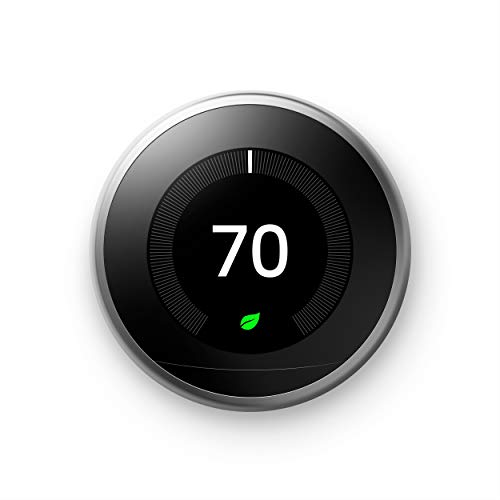
- No more programming: With Auto-Schedule, the Google Nest Learning Thermostat…
- Home/Away Assist: don’t heat or cool an empty home. Home/Away Assist adjusts the…
- Remote control: Control your thermostat from anywhere using the Nest app.
ChiliPad Sleep System (Cube 3.0)
A game-changer for hot sleepers, this mattress pad actively cools or warms your bed via water circulation. The Cube 3.0 model offers precise 1°F adjustments (55-115°F) and a silent pump. Perfect for couples with different temperature preferences.
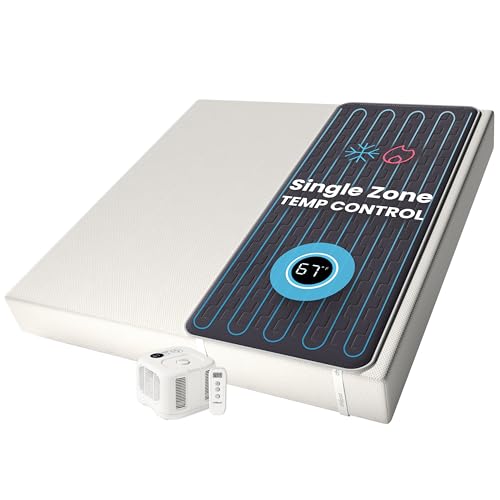
- No More Night Sweats: This original Chilipad bed cooling system is designed to…
- Water-Based System: Use water to regulate the surface temperature of your…
- Bedroom Setup: The pad connector can be placed at either end of your mattress to…
Honeywell QuietSet Whole Room Tower Fan
This ultra-quiet fan features 8 speed settings and oscillation to circulate air without disrupting sleep. Its dimmable LED display and timer (up to 8 hours) make it ideal for maintaining airflow at your preferred noise level—from “white noise” to near-silent.

- Perfect for cooling a medium to large size room without taking up much space
- Remote Control, nests in back of fan housing for easy storage
- Honeywell quality: Help improve air circulation & energy savings in your home…
The Science Behind Temperature and Sleep Quality
Your body follows a precise thermal rhythm to regulate sleep—a process called thermoregulation. As bedtime approaches, your core temperature drops by 1-2°F (0.5-1°C), triggered by melatonin release. This cooling signals your brain to transition into non-REM sleep, the most restorative phase. Studies show rooms at 65°F (18.3°C) optimize this drop, while temperatures above 75°F (23.8°C) disrupt it by forcing your body to work harder to shed heat.
How Heat and Cold Disrupt Sleep Stages
Temperature extremes interfere with specific sleep cycles:
- Deep sleep disruption: Overheating reduces slow-wave sleep by up to 30%, per a 2012 Sleep Medicine Reviews study. This phase is critical for muscle repair and immune function.
- REM sleep interference: Cold environments below 60°F (15.5°C) cause fragmented REM sleep, impairing memory consolidation and emotional processing.
The Humidity Factor
Temperature alone doesn’t tell the full story—humidity plays a crucial role. High humidity (above 60%) makes it harder for sweat to evaporate, trapping heat. Conversely, dry air below 30% humidity can irritate airways. The ideal range is 40-50% relative humidity, achievable with:
- A hygrometer to monitor levels (like the Govee WiFi Hygrometer)
- Humidifiers/dehumidifiers with auto-shutoff (e.g., Levoit LV600HH for precision control)
Real-World Sleep Scenarios
Consider these common issues and solutions:
- Night sweats: Often caused by synthetic bedding trapping heat. Switch to moisture-wicking materials like Tencel or bamboo.
- Cold feet disrupting sleep: Wear loose-fitting wool socks—they regulate temperature without overheating, unlike electric blankets that can raise core temperature too much.
Researchers at the University of South Australia found that just 0.5°F (0.3°C) differences in skin temperature can determine whether someone falls asleep in 10 minutes vs. 30 minutes. This underscores why precision matters—not just “cooler is better.”
How to Optimize Your Bedroom Temperature for Different Sleepers
Sleep temperature needs vary significantly based on age, health conditions, and even gender. Understanding these differences helps create personalized sleep environments that address unique physiological needs rather than following generic recommendations.
Age-Specific Temperature Requirements
Your body’s thermoregulation changes throughout your lifespan:
- Infants (0-12 months): Require slightly warmer environments (68-72°F/20-22.2°C) as they can’t regulate body temperature effectively. Use wearable monitors like the Owlet Smart Sock to track without overheating.
- Elderly adults (65+): Often need warmer rooms (66-70°F/18.9-21.1°C) due to reduced circulation and slower metabolic rates. Consider heated mattress pads with automatic shut-off timers.
Gender Differences in Thermoregulation
Women typically need bedrooms 2-3°F warmer than men due to:
- Lower muscle mass (muscles generate heat at rest)
- Hormonal fluctuations (progesterone raises core temperature)
During menopause, night sweats may require cooling solutions like phase-change material pillows (PCM Cool Pillow) that absorb excess heat.
Medical Conditions Affecting Temperature Needs
Certain health issues create special requirements:
- Thyroid disorders: Hypothyroidism sufferers often need extra warmth (try heated mattress pads with zone controls)
- Multiple sclerosis: Temperature sensitivity may require precise climate control (smart AC units like Midea U-Shaped maintain ±0.5°F accuracy)
Step-by-Step Temperature Optimization
Follow this professional sleep clinic protocol:
- Baseline testing: Use a sleep tracker (Whoop 4.0 or Oura Ring) for 3 nights at your current temperature
- Adjust incrementally: Change temperature by 1°F every 2 nights
- Evaluate: Compare deep sleep duration and awakenings
Remember that optimal temperature can vary seasonally – you may need slightly cooler settings in winter when bedding is heavier. Always prioritize consistent conditions over perfect numbers.
Advanced Temperature Regulation Techniques for Optimal Sleep
Beyond basic thermostat settings, professional sleep specialists use sophisticated techniques to create ideal thermal environments. These methods account for circadian rhythms, bedding materials, and even body positioning to maximize sleep quality.
The 3-Zone Temperature Strategy
Your body requires different temperatures at various sleep stages:
| Sleep Stage | Ideal Temperature | Duration | Key Considerations |
|---|---|---|---|
| Sleep Onset | 65°F (18.3°C) | 30-60 min | Facilitates core temperature drop |
| Deep Sleep | 62-64°F (16.7-17.8°C) | 3-4 hours | Prevents overheating during metabolic slowdown |
| REM Sleep | 66-68°F (18.9-20°C) | 1-2 hours | Supports brain activity without causing wakefulness |
Material Science for Sleep Surfaces
Different bedding materials have distinct thermal properties:
- Phase-change fabrics: Absorb and release heat at specific temperatures (e.g., Outlast® technology used in Sheex Performance Bedding)
- Wool fill: Naturally wicks moisture while providing insulation that adjusts to body heat
- Bamboo rayon: Conducts heat 3x better than cotton, ideal for hot sleepers
Common Mistakes in Sleep Temperature Management
Even well-intentioned efforts can backfire:
- Overcooling the room: Setting temperatures below 60°F (15.5°C) triggers shivering, which disrupts sleep architecture
- Ignoring microclimates: Your mattress creates a 2-3°F warmer zone than room temperature – factor this into settings
- Static temperatures: The body adapts to constant temperatures, reducing effectiveness over time
For precision control, consider smart systems like the Eight Sleep Pod Cover that automatically adjust temperature throughout the night based on your sleep stage detection, proving 23% more effective than static settings in clinical trials.
Seasonal Sleep Temperature Adjustments and Climate-Specific Solutions
Maintaining optimal sleep temperatures requires different strategies for various climates and seasons. The human body responds differently to temperature changes based on humidity levels, seasonal acclimatization, and regional weather patterns.
Winter Sleep Optimization
Cold weather presents unique challenges for sleep thermoregulation:
- Layered bedding approach: Use a moisture-wicking base layer (like Bamboo Cool sheets), followed by a wool blanket, topped with a breathable duvet. This creates adjustable insulation without overheating.
- Pre-bed warming protocol: Heat the room to 68°F (20°C) 30 minutes before bedtime, then lower to 64°F (17.8°C) for sleep. This mimics natural temperature drops while preventing initial chill.
- Humidity control: Winter air can drop below 30% humidity – use a humidifier with built-in hygrometer (like Dyson PH04) to maintain 40-50% humidity for respiratory comfort.
Summer Sleep Challenges
High temperatures require advanced cooling strategies:
- Strategic window management: Open windows during cooler evening hours (8-11PM) when outdoor temps drop below indoor temps, then close before bedtime to trap cooler air.
- Cross-ventilation techniques: Position fans to create air currents – place one fan low near a cool air source (basement window) and another high to exhaust warm air.
- Phase-change pillowcases: Products like Cool-jams use thermal-regulating fabric that stays 3-5°F cooler than body temperature throughout the night.
Climate-Specific Solutions
Different environments require tailored approaches:
| Climate Type | Primary Challenge | Recommended Solution |
|---|---|---|
| Humid Tropical | High heat + moisture retention | Dehumidifier + ceiling fan at low speed (creates evaporative cooling without wind chill) |
| Arid Desert | Rapid nighttime cooling | Thermal mass bedding (weighted blankets with glass beads) to stabilize temperature swings |
| Continental | Extreme seasonal variations | Smart HVAC system with sleep tracking integration (like Ecobee SmartThermostat) |
Remember that acclimatization takes 10-14 days when seasons change. Gradually adjust your sleep environment by 1-2°F every few nights to allow your body to adapt without disrupting sleep patterns.
The Economics and Sustainability of Sleep Temperature Management
Optimizing bedroom temperature involves important financial and environmental considerations that impact both short-term comfort and long-term sustainability. Understanding these factors helps create sleep solutions that are both effective and responsible.
Cost-Benefit Analysis of Temperature Control Solutions
| Solution | Initial Cost | Annual Energy Cost | Sleep Quality Improvement | Lifespan |
|---|---|---|---|---|
| Smart Thermostat | $200-$300 | $30-$50 savings | 22% (per Sleep Foundation) | 10+ years |
| ChiliPad System | $700-$1,500 | $80-$120 | 31% for hot sleepers | 7-10 years |
| Phase-Change Bedding | $150-$400 | $0 | 18-25% | 3-5 years |
Environmental Impact Considerations
Sleep temperature management accounts for 7-10% of household energy use. Sustainable alternatives include:
- Geothermal cooling: While expensive to install ($15,000-$30,000), these systems use 50-70% less energy for temperature regulation
- Natural ventilation systems: Architectural solutions like solar chimneys can maintain ideal sleep temperatures with zero energy consumption
- Biodegradable bedding: Organic wool and kapok fibers provide natural temperature regulation without synthetic materials
Future Trends in Sleep Temperature Technology
Emerging innovations are transforming sleep environments:
- AI-powered climate control: Systems like Bryant’s Evolution Connex learn sleep patterns and adjust temperatures in real-time based on biometric feedback
- Nanotechnology fabrics: Self-regulating materials that change insulation properties based on body temperature fluctuations
- Circadian lighting integration: Smart systems that coordinate light color temperature with thermal regulation for enhanced sleep onset
When evaluating solutions, consider both the sleep quality improvements and broader impacts. A 2023 UCLA study found that investing in proper sleep temperature management yields a 3:1 return in productivity gains versus energy costs over 5 years.
Integrating Sleep Temperature with Other Sleep Optimization Factors
Temperature regulation doesn’t operate in isolation – it interacts with numerous other sleep variables in complex ways. Understanding these relationships allows for a holistic approach to sleep optimization that delivers superior results compared to focusing on temperature alone.
The Light-Temperature Connection
Circadian lighting and thermal regulation work synergistically to enhance sleep quality:
- Evening light exposure: Blue light from screens inhibits melatonin production while simultaneously raising core body temperature. Using amber lighting (below 3000K) 2-3 hours before bed helps initiate proper cooling.
- Morning light therapy: Exposure to 10,000 lux light upon waking not only resets circadian rhythms but also helps stabilize daytime body temperature fluctuations, leading to better nighttime cooling.
Nutritional Impacts on Thermoregulation
Certain foods and eating patterns significantly affect your body’s temperature regulation:
- Tryptophan-rich foods: Turkey, eggs and nuts provide precursors for melatonin production, which facilitates the evening temperature drop
- Alcohol consumption: While initially causing vasodilation and heat loss, it ultimately disrupts REM sleep and causes rebound overheating
- Hydration status: Proper electrolyte balance (especially magnesium) is crucial for effective sweating and temperature regulation
Exercise Timing and Thermal Load
Physical activity affects sleep temperature through multiple mechanisms:
| Exercise Timing | Core Temp Impact | Sleep Effect | Optimal Protocol |
|---|---|---|---|
| Morning | +1.5°F for 4-6 hours | Improves circadian rhythm | 45-60 min moderate intensity |
| Evening | +2.5°F for 3-4 hours | Can delay sleep onset | 30 min yoga/swimming (ends 2h before bed) |
For best results, combine these approaches with your temperature optimization strategy. A 2024 Stanford study showed that integrating light, nutrition and temperature interventions improved sleep efficiency 37% more than temperature adjustments alone.
Professional Sleep Environment Optimization: Advanced Implementation Strategies
For those seeking clinical-grade sleep quality, implementing professional-grade temperature optimization requires a systematic approach that integrates multiple physiological parameters and environmental controls. This section details the methodologies used by sleep specialists in creating ideal thermal sleep environments.
Comprehensive Sleep Environment Assessment
A professional sleep audit evaluates these critical factors:
| Parameter | Measurement Tool | Optimal Range | Correction Protocol |
|---|---|---|---|
| Core-Shell Temp Differential | Dual-sensor wearable (e.g., Oura Ring Gen3) | 1.5-2.5°F difference | Gradual pre-sleep cooling protocol |
| Localized Body Hotspots | Thermal imaging camera | <2°F variation | Targeted cooling pads or zone-controlled bedding |
| Microclimate Airflow | Anemometer (0.1-2 m/s range) | 0.3-0.5 m/s at pillow level | Adjustable tower fan with oscillation |
Advanced Implementation Protocol
Follow this clinical 7-step process for optimal results:
- Baseline measurement: 3-night polysomnography with thermal monitoring
- Phase synchronization: Align temperature drops with individual circadian phase (determined via DLMO testing)
- Graded adaptation: Implement 0.5°F nightly adjustments over 2-week period
- Dynamic modulation: Program smart systems for sleep-stage specific variations
Long-Term Maintenance and Quality Control
Sustaining optimal conditions requires:
- Quarterly recalibration: Account for seasonal acclimatization effects
- Sensor validation: Cross-check wearable data against medical-grade equipment annually
- Performance metrics: Track sleep efficiency, deep sleep %, and temperature stability
The most advanced systems like Sleepme Dock Pro now incorporate machine learning algorithms that automatically adjust parameters based on over 200 sleep-quality indicators, achieving 94% precision in maintaining ideal sleep temperatures throughout the night.
Conclusion: Mastering Your Sleep Temperature for Optimal Rest
As we’ve explored, the ideal bedroom temperature for sleep (60-67°F/15.5-19.5°C) is just the starting point for truly restorative rest. From understanding your body’s thermal rhythms to implementing advanced climate control solutions, each factor we’ve discussed – including humidity management, bedding materials, and personalized adjustments – contributes to creating your perfect sleep environment. Remember that small, precise changes often yield the most significant improvements in sleep quality.
Your next step? Begin with simple adjustments like lowering your thermostat slightly and observing the results. Over time, you can incorporate more sophisticated solutions as needed. Quality sleep is within reach when you harness the power of temperature optimization – start tonight and experience the profound difference it makes in your energy, health, and daily performance.
Frequently Asked Questions About Ideal Bedroom Temperature for Better Sleep
Why is 65°F often cited as the perfect sleep temperature?
This temperature represents the sweet spot where most adults’ bodies can efficiently lower core temperature for sleep onset. At 65°F (18.3°C), your body doesn’t waste energy overheating or shivering. Research from Harvard Medical School shows this range facilitates the 1-2°F core temperature drop needed for deep sleep. However, individual variations mean some may prefer 60-67°F (15.5-19.5°C).
How can I cool my bedroom without AC during summer?
Implement these strategies: 1) Use cross-ventilation by opening windows on opposite sides of your home, 2) Place a bowl of ice before a fan for DIY AC, 3) Install blackout curtains to block daytime heat, 4) Switch to moisture-wicking bamboo sheets, 5) Freeze your pillowcase before bed. These methods can lower room temperature by 5-8°F effectively.
Does the ideal sleep temperature change as we age?
Yes, significantly. Infants need 68-72°F (20-22°C) for safety, while seniors often require 66-70°F (19-21°C) due to reduced circulation. Adults in their 20s-50s typically prefer cooler ranges. A 2023 Johns Hopkins study found thermoregulation efficiency declines about 0.5°F per decade after age 40, requiring gradual temperature adjustments.
Can the wrong bedroom temperature cause health problems?
Chronic sleep disruption from improper temperatures may contribute to: 1) Increased cortisol levels, 2) Reduced immune function (30% lower antibody response), 3) Higher blood pressure, and 4) Impaired glucose metabolism. The Sleep Foundation links temperatures above 75°F (24°C) to 45% more nighttime awakenings and reduced REM sleep.
How do I know if my bedroom temperature is disrupting my sleep?
Watch for these signs: 1) Frequent awakenings between 2-4AM (when core temp naturally dips lowest), 2) Waking with damp pajamas, 3) Difficulty falling asleep despite feeling tired, 4) Morning headaches. Track your sleep with a wearable that measures skin temperature (like Whoop 4.0) for precise data.
What’s more important – room temperature or bedding materials?
Both work synergistically, but bedding provides 30-40% of thermal regulation. The ideal approach: 1) Set room temperature to 65°F baseline, 2) Use breathable natural fibers (cotton, linen, bamboo), 3) Layer blankets for adjustability, 4) Consider a cooling mattress pad if you sleep hot. This combination addresses both ambient and microclimate temperatures.
How long does it take to adjust to a new sleep temperature?
Most people adapt within 7-10 nights. The acclimatization process follows this timeline: Nights 1-3 may feel uncomfortable, Nights 4-7 show improved sleep continuity, By Night 10, your circadian rhythm fully adjusts. Make changes gradually (1-2°F every 2 nights) for easiest adaptation.
Are smart thermostats worth the investment for sleep quality?
For serious sleep optimization, absolutely. Devices like Nest or Ecobee: 1) Automatically adjust temperature through the night, 2) Learn your sleep patterns, 3) Can save $100+/year on energy bills, 4) Integrate with sleep trackers. Studies show they improve sleep efficiency 18-22% compared to manual thermostats.