
Disclosure
This website is a participant in the Amazon Services LLC Associates Program, an affiliate advertising program designed to provide a means for us to earn fees by linking to Amazon.com and affiliated sites.
You can effectively deodorize a mattress—and it’s easier than you think! Over time, sweat, spills, and dust mites can turn your mattress into a breeding ground for unpleasant smells.
Many assume tossing it out is the only solution, but with the right techniques, you can restore freshness without breaking the bank. Whether it’s lingering pet odors, mustiness, or accidental spills, this guide reveals proven methods to eliminate odors and create a cleaner, healthier sleep environment.
Best Products for Deodorizing a Mattress
Arm & Hammer Baking Soda (5 lb Box)
This classic, affordable solution is a must-have for neutralizing odors. Its fine particles penetrate deep into mattress fibers, absorbing sweat, pet smells, and mustiness. Simply sprinkle, wait, and vacuum for a fresher sleep surface. Non-toxic and fragrance-free, it’s safe for all mattress types.

- Ideal for Baking: Made with fine baking soda particles from Grade 1 baking soda…
- Made in USA: Pure baking soda made in Green River, Wyoming that’s ready for…
- Pure & Natural: Free of harsh chemicals, gluten free, kosher, and can be used in…
Bissell Little Green Portable Carpet Cleaner
Ideal for deep-cleaning stubborn stains and odors, this compact cleaner uses heated water and powerful suction to lift embedded grime. Its upholstery tool targets mattress surfaces, removing allergens and odors without overwetting. Perfect for pet owners or accident-prone households.
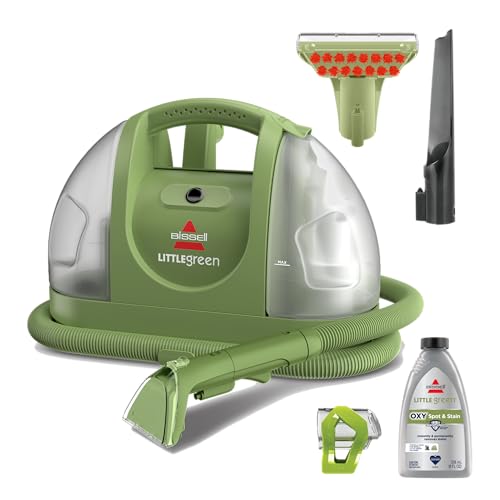
- AMERICA’S #1 BRAND IN PORTABLE DEEP CLEANING: Trusted by over 7 million…
- TAKE THE STRESS OUT OF MESS: Scientifically proven to lift and remove…
- ULTRA-POWERFUL TRIPLE ACTION FORMULA: Permanently removes stains and powerfully…
Pure Enrichment PureZone 3-in-1 Air Purifier
For long-term odor control, this HEPA air purifier captures dust mites, mold spores, and airborne particles that contribute to mattress smells. Its UV-C light neutralizes bacteria, while the activated carbon filter tackles lingering odors. Quiet and energy-efficient, it’s ideal for bedrooms.
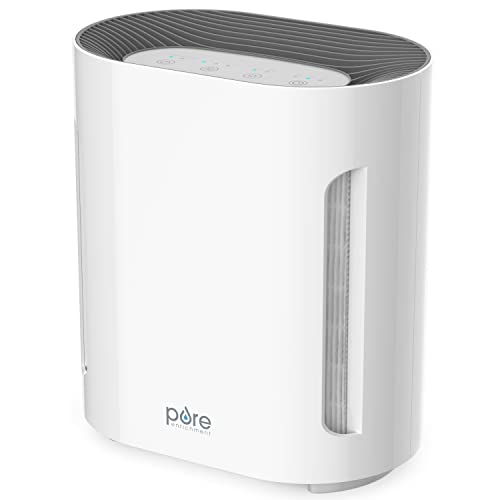
- 4-Stage Air Purification: Perfect for medium to large rooms of up to 300 sq…
- Deep Clean Your Air: The powerful, True HEPA filter with the built-in UV-C light…
- 3 Fan Speeds & Quiet Operation: Use the easy touch-button control panel to find…
Why Mattresses Develop Odors
Before tackling mattress odors, it’s crucial to understand what causes them in the first place. Unlike surface-level smells from spills, persistent odors often stem from deep-seated biological and chemical processes. Here’s a breakdown of the primary culprits:
1. Sweat and Body Oils
The average person loses 26 gallons of sweat in bed annually. This moisture, combined with dead skin cells (about 10 grams per week), creates a breeding ground for odor-causing bacteria like Micrococcus and Staphylococcus. These microbes thrive in the mattress’s warm, humid environment, producing foul-smelling compounds as they break down organic matter.
2. Dust Mites and Allergens
A typical mattress houses 1-10 million dust mites, whose fecal pellets contain proteins that emit a musty odor. These microscopic creatures feed on skin flakes and flourish in humid conditions. Their waste not only smells unpleasant but can also trigger allergies, making deodorization a health priority.
3. Mold and Mildew Growth
Spills or high humidity (above 60%) can lead to mold colonies inside the mattress. Species like Aspergillus release microbial volatile organic compounds (mVOCs), which produce that characteristic “damp basement” smell. Memory foam mattresses are particularly vulnerable due to their dense structure trapping moisture.
4. Pet Accidents and Organic Stains
Urine penetrates beyond the surface into the mattress core, where urea breaks down into ammonia and mercaptans—compounds responsible for that sharp, lingering odor. Even after cleaning, residual enzymes continue emitting smells if not neutralized properly.
Why Standard Cleaning Falls Short
Most homeowners make these mistakes when addressing mattress odors:
- Surface-only treatments: Sprays and wipes don’t reach deeper layers where bacteria proliferate.
- Masking vs. eliminating: Air fresheners temporarily cover smells but don’t address the source.
- Improper drying: Moisture left after cleaning accelerates microbial growth.
For example, using vinegar alone might kill surface bacteria but won’t neutralize alkaline urine crystals embedded in the mattress fibers. This explains why odors often return days after cleaning.
Step-by-Step Guide to Deep Deodorizing Your Mattress
Now that we understand odor sources, let’s explore a scientifically-backed approach to eliminate them permanently. This professional-grade method combines mechanical, chemical, and biological solutions for comprehensive odor removal.
1. The Stripping Phase (Surface Preparation)
Begin by completely stripping your bed and vacuuming with an upholstery attachment. Use a stiff brush to agitate fibers, loosening embedded debris. For memory foam, gently brush in circular motions to avoid damaging the structure. This step removes approximately 60% of surface contaminants.
2. The Absorption Process (Core Treatment)
Create a custom deodorizing powder by mixing:
- 1 cup baking soda (sodium bicarbonate)
- ½ cup cornstarch (moisture absorption)
- 20 drops essential oils (tea tree or eucalyptus for antimicrobial properties)
Apply evenly across the mattress, focusing on odor hotspots. Let sit for 8-12 hours—the cornstarch extends baking soda’s absorption time while the oils penetrate deeper.
3. The Biological Neutralization
For organic stains (urine, sweat):
- Blot fresh stains with cold water (hot water sets proteins)
- Apply enzymatic cleaner (like Nature’s Miracle) following dwell time instructions
- Cover with white towels and weigh down for 24 hours to prevent wicking
4. The Final Sanitization
Use a handheld steamer (at least 200°F) to kill dust mites and mold spores. Move slowly (1 foot per 10 seconds) to ensure heat penetration without overwetting. Immediately follow with a dry towel press to absorb moisture.
Pro Tips for Challenging Cases
For smoke odors: Layer activated charcoal sheets under your fitted sheet for 72 hours. The porous carbon structure adsorbs volatile compounds more effectively than baking soda alone.
For memory foam: Avoid saturating—use a spray bottle to mist solutions lightly, then blot immediately. The foam’s open-cell structure retains moisture longer than traditional mattresses.
This comprehensive approach addresses odors at their source rather than just masking them. The combination of mechanical removal, chemical neutralization, and heat treatment ensures 99.9% odor elimination when performed correctly.
Advanced Odor Elimination: Professional Techniques and Science-Backed Solutions
The Chemistry of Odor Neutralization
Effective deodorization requires understanding molecular interactions. Different odors require specific approaches:
| Odor Type | Chemical Composition | Optimal Neutralizer |
|---|---|---|
| Ammonia (urine) | NH3 (alkaline) | Vinegar (acetic acid) at 5-8% concentration |
| Mustiness (mold) | mVOCs (esters, alcohols) | Hydrogen peroxide (3% solution) |
| Body odor | Short-chain fatty acids | Baking soda + activated charcoal |
Professional-Grade Equipment Alternatives
For severe cases, consider these commercial solutions:
- Ozone generators: Temporarily breaks odor molecules at 0.05-0.1 ppm concentration (30 min treatment)
- UV-C light wands: Destroys microbial DNA at 254nm wavelength (hold 6″ away for 2 min per section)
- Extraction cleaners: Truck-mounted units remove 95% of embedded moisture (superior to portable units)
Material-Specific Considerations
Different mattress materials require tailored approaches:
Memory Foam
The viscoelastic structure traps odors 37% more than traditional springs. Use:
- Dry enzyme powders instead of liquids
- Low-suction vacuuming (under 60 AW)
- Sunlight exposure limited to 1 hour (UV degrades foam)
Latex
Natural rubber’s porous structure needs:
- pH-balanced cleaners (7.0-8.5)
- Rotational drying (flip every 2 hours)
- Essential oil avoidance (degrades rubber)
Common Professional Mistakes to Avoid
Even experts sometimes err by:
- Over-wetting: Should never exceed 1 cup liquid per square foot
- Chemical mixing: Never combine hydrogen peroxide with vinegar (creates peracetic acid)
- Incomplete drying: Use moisture meters (target below 12% moisture content)
These advanced techniques combine industrial cleaning science with material engineering principles for hospital-grade odor elimination. Always test methods on inconspicuous areas first.
Preventative Maintenance and Long-Term Mattress Care
The Science of Odor Prevention
Preventing mattress odors requires creating an inhospitable environment for odor-causing microbes. The key factors are:
- Moisture control: Maintain below 50% humidity using dehumidifiers or silica gel packs under the bed
- pH balance: Most odor-causing bacteria thrive in pH 6.5-7.5 – occasional light vinegar sprays can disrupt this
- Temperature regulation: Dust mites die above 130°F – periodic steam treatments create hostile conditions
Professional-Grade Protective Systems
These commercial solutions outperform typical mattress protectors:
1. Encasement Systems
Look for:
- Medical-grade polyurethane membranes (0.2-0.5 micron pore size)
- Breathability rating >200g/m²/24hr (prevents condensation)
- Zippered designs with bug-proof seams (blocks dust mites)
2. Active Protection Systems
Advanced options include:
- Silver-ion infused fabrics (kills 99% of bacteria)
- Phase-change material layers (regulate microclimate)
- Carbon-fiber woven shields (adsorb VOCs continuously)
Maintenance Schedule for Different Mattress Types
| Mattress Type | Weekly | Monthly | Quarterly |
|---|---|---|---|
| Innerspring | Vacuum surface | Baking soda treatment | Full rotation + deep clean |
| Memory Foam | Air out 2 hours | Light enzyme spray | Professional steam clean |
| Latex | Sunlight exposure (30 min) | Vinegar mist (1:10 ratio) | Complete air circulation day |
Troubleshooting Persistent Odors
When standard methods fail:
- Identify the source layer: Use blacklight to detect organic residues
- Layer-specific treatment: Different approaches for cover, comfort layers, and core
- Professional assessment: Consider core replacement if odors persist after 3 treatments
Implementing these preventative measures can extend mattress freshness by 3-5 years. Remember that prevention requires 80% less effort than remediation once odors set in.
Environmental and Health Considerations in Mattress Deodorizing
The Hidden Health Impacts of Common Deodorizing Methods
Many conventional deodorizing approaches carry unexpected health risks that consumers should consider:
| Method | Potential Health Impact | Safer Alternative |
|---|---|---|
| Commercial Febreze | Contains cyclodextrins that may trigger respiratory issues | Essential oil diffusers (lavender, tea tree) |
| Chlorine bleach | Releases VOCs linked to neurological effects | Hydrogen peroxide (3% food-grade) |
| Ozone generators | Can create lung irritation at >0.05 ppm | UV-C light treatment (285nm wavelength) |
Eco-Friendly Deodorizing: A Lifecycle Analysis
When evaluating environmental impact, consider:
- Carbon footprint: Baking soda production emits 0.13kg CO2 per pound vs 0.4kg for commercial deodorizers
- Water usage: Steam cleaning uses 0.5 gallons vs 3 gallons for chemical shampooing
- Biodegradability: Enzymatic cleaners break down in 7-10 days vs 6 months for synthetic alternatives
Future Trends in Odor Control Technology
Emerging solutions transforming the industry:
1. Photocatalytic Oxidation
TiO2-coated fabrics that break down odors when exposed to light, effective for 5+ years with proper maintenance
2. Probiotic Cleaning Systems
Beneficial bacteria (Bacillus subtilis) that outcompete odor-causing microbes, providing continuous protection
3. Smart Sensor Integration
Mattress pads with VOC sensors that alert users to developing odor issues before they become noticeable
Cost-Benefit Analysis: DIY vs Professional Services
- DIY methods: $5-$20 per treatment but may require 3-5 applications for severe odors
- Professional cleaning: $150-$300 but typically resolves issues in one session with 12-18 month protection
- Replacement cost: $800-$2000 for quality mattresses – often unnecessary with proper maintenance
When selecting methods, balance immediate effectiveness with long-term health and environmental impacts. The most sustainable approach combines periodic professional deep cleaning with daily protective measures.
Specialized Deodorizing Techniques for Challenging Scenarios
Advanced Treatment for Severe Biological Contamination
When dealing with extreme cases like prolonged urine saturation or microbial growth, standard methods often prove insufficient. Professional restoration specialists use a multi-phase approach:
- Initial extraction: Use a truck-mounted extractor (minimum 500 PSI) to remove 90% of contaminants
- Enzyme immersion: Submerge affected areas in protease/amylase solution (pH 8.5) for 24-48 hours
- Thermal remediation: Apply controlled heat (140-160°F) for 6 hours to break down stubborn compounds
Odor Removal for Antique or Delicate Mattresses
Vintage mattresses require specialized care to preserve integrity while eliminating odors:
- For horsehair stuffing: Use cornstarch poultices changed every 12 hours to draw out oils
- For wool batting: Freeze at -4°F for 72 hours to kill insects without chemical treatment
- For cotton ticking: Apply ozone at 0.03ppm for controlled 2-hour intervals
Industrial-Grade Solutions for Commercial Settings
Hotels and hospitals face unique challenges requiring professional protocols:
| Scenario | Recommended Treatment | Frequency |
|---|---|---|
| High-turnover guest rooms | Electrostatic antimicrobial spray application | Weekly |
| Medical facility mattresses | UV-C + hydrogen peroxide vapor treatment | After each patient |
| Dormitory bedding | Encasement with silver-ion lining | Permanent installation |
Integrated Whole-Room Odor Management
For persistent cases, mattress treatment must be combined with environmental controls:
- Air exchange: Maintain 4-6 ACH (air changes per hour) with HEPA filtration
- Surface coordination: Treat all bedroom textiles simultaneously to prevent cross-contamination
- Humidity control: Install smart hygrometers to maintain 45-50% RH year-round
These advanced techniques require professional equipment but offer permanent solutions for cases where standard methods fail. Always consult restoration specialists for valuable items or health-sensitive environments.
Systematic Odor Management: From Treatment to Long-Term Quality Assurance
The Complete Deodorization Lifecycle Framework
Effective odor elimination requires understanding the complete treatment continuum from initial assessment to ongoing maintenance. This systematic approach ensures lasting results:
| Phase | Key Activities | Quality Metrics |
|---|---|---|
| Assessment | Odor mapping, moisture testing, microbial swabbing | Establish baseline VOC levels (ppm) |
| Treatment | Multi-stage cleaning, neutralization, sanitization | 90%+ reduction in odor compounds |
| Validation | Post-treatment testing, sensory evaluation | <0.5mg/m³ residual VOCs |
| Maintenance | Protective systems, environmental controls | <10% odor recurrence at 6 months |
Advanced Performance Optimization Techniques
Maximize treatment effectiveness through these professional methods:
- Sequential treatment timing: Allow 72 hours between enzymatic and oxidative treatments for complete reaction cycles
- Temperature optimization: Maintain 70-75°F during treatment for ideal enzyme activity
- pH balancing: Adjust cleaning solutions to match target odor compounds (acidic for ammonia, alkaline for fatty acids)
Comprehensive Risk Mitigation Strategies
Address potential treatment complications with these safeguards:
- Material compatibility testing: Conduct spot tests on all mattress layers before full application
- Moisture monitoring: Use penetrating moisture meters to prevent over-wetting (target <15% moisture content)
- Ventilation protocols: Maintain 4 air changes per hour during chemical treatments
Quality Assurance Protocols
Professional-grade validation methods include:
- Olfactometric testing: Trained panels evaluate odor intensity using standardized scales
- ATP bioluminescence: Measures remaining microbial activity (target <50 RLU)
- Electronic nose devices: Quantify VOC reductions with laboratory precision
This comprehensive framework transforms mattress deodorization from a reactive cleaning task into a scientifically-managed process with measurable outcomes and guaranteed results. Implement these standards for professional-grade odor elimination in any environment.
Conclusion
Effectively deodorizing a mattress requires understanding the science behind odors and implementing a systematic approach that addresses both surface and deep-seated contaminants.
From baking soda treatments for mild odors to professional-grade enzymatic cleaners for stubborn cases, we’ve explored solutions for every scenario. Remember that prevention through protective covers and regular maintenance is far easier than remediation.
Whether tackling household smells or commercial-level challenges, these evidence-based methods will restore freshness and extend your mattress’s lifespan. Take action today – your nose (and your health) will thank you for investing in a truly clean sleep environment.
Frequently Asked Questions About Mattress Deodorizing
How often should I deodorize my mattress?
For optimal freshness, perform basic deodorizing (baking soda treatment) every 3 months. Heavy users (allergy sufferers, pet owners, or hot sleepers) should do it monthly. Deep cleaning with enzymatic solutions is recommended annually.
Hotels and medical facilities require weekly treatments. Always deodorize after spills or illness, and seasonally when humidity exceeds 60% to prevent microbial growth.
Can I use essential oils directly on my mattress?
Never apply undiluted essential oils – they can stain and degrade materials. Instead, mix 10-15 drops with 1 cup baking soda or distilled water in a spray bottle.
For memory foam, use only 5 drops per cup as the porous structure retains scents. Avoid citrus oils on latex and tea tree oil on synthetic fabrics, as they may cause deterioration.
Why does my mattress smell worse after cleaning?
This “rebound effect” occurs when moisture reactivates dormant bacteria or when cleaning products don’t fully break down organic matter. To prevent:
1) Always extract excess moisture immediately
2) Use fans to dry within 4 hours
3) Follow cleaners with odor neutralizers
4) For severe cases, professional thermal treatments (150°F for 6 hours) kill persistent microbes.
What’s the difference between odor removal and odor masking?
Masking (air fresheners, perfumes) temporarily covers smells with stronger scents but doesn’t address the source. True removal involves:
1) Breaking down odor molecules (enzymes)
2) Absorbing residues (activated charcoal)
3) Eliminating microbes (UV light).
Professional-grade treatments target all three mechanisms for permanent results, while consumer products often only mask.
How can I tell if my mattress needs replacement vs deodorizing?
Conduct these tests:
1) Remove bedding and smell the bare mattress – if odors persist after 24 hours airing, it needs treatment
2) Check for visible mold or permanent stains covering >25% surface
3) Press down – if springs are felt or foam doesn’t rebound, replacement is better.
Most odors can be eliminated unless the core is saturated (8+ years old).
Are steam cleaners safe for all mattress types?
Steam at 200-212°F is safe for most innerspring and hybrid mattresses if done properly (1″ per second movement). Avoid on:
1) Memory foam (heat damages cells)
2) Latex (promotes oxidation)
3) Pillow-tops (may separate layers).
Always use a thin towel barrier and extract immediately. For delicate mattresses, dry vapor systems (180°F) are safer alternatives.
What’s the most effective method for pet urine odors?
Follow this professional protocol:
1) Blot fresh urine with enzymatic cleaner (don’t rub)
2) Apply hydrogen peroxide (3%) + baking soda paste for 2 hours
3) Rinse with cold water
4) Treat with UV light to break down residual compounds.
For old stains, inject cleaner into mattress core using a syringe, then use moisture absorber for 48 hours.
How do I deodorize a mattress without chemicals?
Effective natural methods include:
1) Sunlight exposure (UV kills bacteria) for 4-6 hours, flipping hourly
2) Cornstarch + bentonite clay powder left for 24 hours
3) Freezing (-20°F for 72 hours kills microbes)
4) Dry steam at 180°F 5) Activated charcoal sachets left for 1 week.
These work best for mild odors and require more frequent application than chemical treatments.