
Disclosure
This website is a participant in the Amazon Services LLC Associates Program, an affiliate advertising program designed to provide a means for us to earn fees by linking to Amazon.com and affiliated sites.
The best method for washing a sleeping bag depends on its material—but hand-washing with mild detergent in cold water is the safest approach for most types. You might assume tossing your sleeping bag into a washing machine is harmless, but improper cleaning can ruin insulation, weaken fabric, and shorten its lifespan.
Whether you’ve just returned from a muddy camping trip or your bag smells musty after storage, this guide reveals exactly how to restore it without costly mistakes. From down-filled luxury bags to budget-friendly synthetics, we’ll walk you through proven techniques that balance thorough cleaning with gentle care.
Sleeping bags are a big investment, and damage from harsh detergents or high heat can leave you shivering on your next adventure. But with the right method—like using a front-loading washer for synthetics or a bathtub soak for down—you’ll preserve loft, eliminate odors, and extend durability.
Best Cleaning Products for Washing a Sleeping Bag
Nikwax Down Wash Direct
Specially formulated for down-filled sleeping bags, Nikwax Down Wash Direct gently cleans without stripping natural oils. Its biodegradable formula restores loft and water repellency, making it ideal for high-end bags like those from Western Mountaineering or Feathered Friends. Safe for hand-washing and machine use.

- Specialty cleaner designed to safely clean down filled apparel and gear…
- Easy wash-in application improves the water repellency of all types of down-fill…
- Recommended for use on jackets, gear and bedding with down-fill, down blends, or…
Gear Aid Revivex Synthetic Cleaner
For synthetic insulation (e.g., Primaloft or Thermolite), Gear Aid ReviveX Synthetic Cleaner removes dirt while preserving thermal performance. Non-toxic and residue-free, it’s perfect for bags like the REI Co-op Magma 15 or NEMO Disco. Works in cold water to prevent fiber clumping.
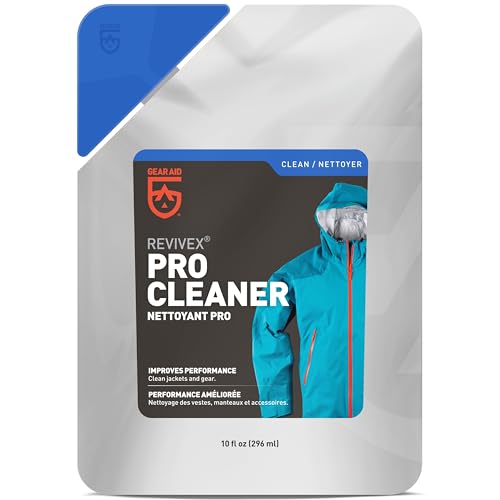
- Clean 20 jackets or 5 sleeping bags with a 10 fl oz of this concentrated, low…
- Restore breathability, water repellency and warmth by removing dirt and oils…
- Wash insulated and soft-shell garments with this gentle formula that’s free of…
Grangers Performance Wash
A universal cleaner for all sleeping bag types, Grangers Performance Wash is eco-friendly and effective on stubborn stains. It reactivates DWR coatings on shells, ideal for hybrid bags like The North Face One Bag. Suitable for both front-loading machines and hand-washing.

- POWERFUL CLEANING – Performance Wash is a concentrated, easy-to-use, technical…
- RESTORES REPELLENCY & BREATHABILITY – this easy-to-use cleaner, removes dirt…
- ECO-RESPONSIBLE – Grangers’ products are cruelty-free and eco-friendly. This…
Your Sleeping Bag’s Material Before Washing
The first step to properly washing your sleeping bag is identifying its insulation type—down, synthetic, or hybrid. Each material has unique cleaning requirements, and using the wrong method can permanently damage its thermal performance.
For example, down clusters lose their loft if washed with harsh detergents, while synthetic fibers melt under high heat. Let’s break down the science behind each type to ensure you choose the right cleaning approach.
Down-Filled Sleeping Bags
Premium down bags (like those from Western Mountaineering or Feathered Friends) rely on clusters of goose or duck feathers to trap warmth. These clusters are coated with natural oils that repel moisture and maintain loft. Common mistakes include:
- Using regular detergent: It strips oils, causing down to clump and lose insulation power.
- Aggressive wringing: Crushes delicate feather structures, reducing loft by up to 30%.
- High-heat drying: Can “cook” the down, making it brittle.
Instead, use a front-loading washer (no agitator) with cold water and a down-specific cleaner like Nikwax. Gently press out water—never twist—and dry with tennis balls to restore fluffiness.
Synthetic Sleeping Bags
Bags with polyester insulation (e.g., REI Co-op Magma or Kelty Cosmic) are more forgiving but still require care. Synthetic fibers like Primaloft mimic down’s loft but can:
- Clump permanently if washed in hot water (>86°F/30°C).
- Develop cold spots if dried unevenly.
Use a mild cleaner like Gear Aid ReviveX in a large-capacity washer to prevent compression. Tumble dry on low with dryer balls to redistribute insulation evenly.
Hybrid and Water-Resistant Bags
Some bags (e.g., The North Face One Bag) combine down and synthetic layers or have durable water repellent (DWR) coatings. Avoid:
- Fabric softeners: They clog DWR pores, reducing water resistance.
- Bleach: Weakens synthetic fibers and discolors fabrics.
Grangers Performance Wash is ideal—it cleans while reactivating DWR. Always check manufacturer labels for hybrid-specific instructions.
Pro Tip: Test cleaners on a small seam first. Some dyes (like those in ultralight nylon) may bleed if exposed to certain detergents.
Step-by-Step Guide to Washing Your Sleeping Bag Safely
Proper cleaning technique is just as important as choosing the right cleaner. Follow this detailed process to ensure your sleeping bag comes out fresh without compromising its performance. We’ll cover both machine and hand-washing methods with professional insights.
Pre-Wash Preparation
Before any water touches your bag, these critical steps prevent damage:
- Check all closures: Ensure zippers are fully closed and Velcro tabs secured to prevent snags. For bags with two-way zippers like the Marmot Trestles, zip from both ends to the middle.
- Spot clean heavy stains: Use a soft toothbrush with diluted cleaner on areas like the hood (where hair oils accumulate) or footbox (prone to dirt).
- Empty pockets: Many modern bags like the Sea to Summit Ascent have storage pockets that can trap debris.
Machine Washing Method
For synthetic bags or down bags in front-loading machines:
- Select the right cycle: Use “delicate” or “hand wash” mode with cold water (max 86°F/30°C). Top-loading machines with agitators should be avoided – they can tear baffle walls.
- Add cleaner strategically: Pour Nikwax or Grangers directly into the drum before loading to prevent detergent streaks.
- Balance the load: Add 2-3 clean towels (same material) to prevent the bag from clumping in one spot during spin cycles.
Hand Washing Technique
For delicate down bags or vintage models:
- Use a bathtub or large plastic bin: The REI Co-op Kingdom 6 works well for queen-sized bags.
- Gentle agitation: Press the bag underwater like a giant sponge for 5-10 minutes – never scrub or twist.
- Rinse thoroughly: Change water 3-4 times until completely clear. Residual soap attracts dirt over time.
Pro Tip: For bags with waterproof shells (like Big Agnes’ Stormloft models), add an extra rinse cycle to remove all detergent from the membrane.
The Science of Drying: Preserving Your Sleeping Bag’s Performance
Proper drying is arguably more critical than washing when maintaining your sleeping bag’s insulation properties. This section examines the thermodynamics of drying different materials and provides professional techniques to restore maximum loft.
Understanding Moisture Dynamics in Insulation
When wet, insulation materials behave differently:
| Material | Water Retention | Critical Drying Temperature | Recovery Time |
|---|---|---|---|
| 800+ Fill Power Down | Absorbs 3x its weight | 140°F (60°C) max | 3-5 hours |
| Primaloft Gold | Wicks moisture quickly | 160°F (71°C) max | 2-3 hours |
| Hybrid Insulation | Variable absorption | 130°F (54°C) max | 4-6 hours |
Professional Drying Techniques
For Down Bags
The key is restoring loft through proper aeration:
- Initial spin cycle: Use the washer’s highest spin setting (no heat) to remove 60-70% moisture
- Tennis ball method: Place 3-4 new tennis balls in dryer to break up clumps (replace annually as they wear)
- Low heat cycling: 20 minutes drying followed by 10 minutes cooling prevents overheating
For Synthetic Bags
Prevent fiber matting with these steps:
- Flat drying first: Lay on mesh rack for 1 hour to allow even moisture distribution
- Interrupted tumbling: 15 minute dryer cycles with manual fluffing between sessions
- Final air fluff: Use no-heat setting for last 30 minutes to separate fibers
Advanced Recovery Methods
For severely compressed bags:
- Down revitalization: Place in large dryer with damp towels to create steam (monitor closely)
- Synthetic reshaping: Use garment steamer at 12″ distance to relax fibers
- Professional servicing: Companies like Rainy Pass Repair offer specialized re-lofting services
Expert Tip: Always dry 50% longer than you think necessary – residual moisture leads to mildew. Check baffles by feeling for cool spots indicating dampness.
Special Care Scenarios: Handling Tough Stains and Long-Term Storage
Beyond routine cleaning, sleeping bags often require specialized care for extreme conditions and extended storage. This section provides professional solutions for challenging situations while maintaining your bag’s technical performance.
Removing Specific Stain Types
Different stains require targeted approaches to avoid damage:
- Blood stains: Use cold water and enzymatic cleaner (like BioKlean Bac-Out) – heat sets protein stains. For down bags, apply solution with eyedropper to minimize wetting.
- Mold/mildew: Create a vinegar solution (1:3 white vinegar to water) and lightly spray affected areas before washing. For severe cases, soak in MiraZyme enzymatic treatment overnight.
- Tree sap: Freeze with ice cubes and gently scrape with plastic card, then use citrus-based cleaner on remaining residue. Avoid alcohol-based solutions on DWR coatings.
Field Cleaning Techniques
When full washing isn’t possible during extended trips:
- Spot cleaning: Use biodegradable wipes (like Sea to Summit Wilderness Wash) focusing on collar and hand areas
- Air purification: Hang inside-out in dry, sunny location for UV disinfection (2-3 hours maximum to prevent UV damage)
- Baking soda refresh: Lightly sprinkle inside, let sit 30 minutes, then shake out thoroughly
Long-Term Storage Protocols
Proper storage preserves loft and prevents permanent creases:
| Storage Duration | Recommended Method | Special Considerations |
|---|---|---|
| 1-3 months | Hanging in breathable cotton sack | Fold differently weekly to prevent pressure points |
| Seasonal (3-6 months) | Loose in oversized storage container | Include silica gel packets and cedar blocks |
| Extended (6+ months) | Professional vacuum storage with climate control | Must be professionally re-lofted before use |
Pro Tip: For down bags, perform “fluff checks” every 2-3 months during storage – shake vigorously and inspect for flat spots that need manual separation.
Cost-Effective Maintenance: Maximizing Your Sleeping Bag’s Lifespan
Understanding the long-term economics of sleeping bag care can save hundreds in replacement costs while maintaining optimal performance. This section analyzes maintenance strategies through the lens of cost-per-use and environmental impact.
Frequency vs. Performance Tradeoffs
The optimal cleaning schedule varies dramatically by usage:
| Usage Level | Recommended Cleaning | Cost Per Year* | Expected Lifespan |
|---|---|---|---|
| Occasional (5-10 nights) | Every 2 years | $12 (home care) | 12-15 years |
| Regular (20-30 nights) | Annual professional cleaning | $85 (pro service) | 8-10 years |
| Heavy (50+ nights) | Bi-annual deep cleaning | $150+ | 5-7 years |
*Costs assume premium down bags ($400+ value) using commercial cleaners
Environmental Impact Considerations
Modern cleaning approaches balance effectiveness with sustainability:
- Water consumption: Front-loading machines use 40% less water (15 gal) than bathtub washing (25 gal)
- Chemical alternatives: Soap nuts or EcoEgg solutions work for light cleaning but lack stain-fighting power
- Microfiber pollution: Synthetic bags shed ~1.7g microplastics per wash – use Guppyfriend washing bags to capture 90%
Advanced Protection Strategies
Proactive measures reduce cleaning frequency:
- Liner systems: Silk or Cocoon liners ($35-80) absorb body oils and reduce interior washing needs by 75%
- Pre-wash sprays:
- Nikwax Tech Wash pre-treatment extends time between full washes
- Reduces detergent quantity needed by 40%
- Storage humidity control: 45-55% RH maintained with Eva-Dry renewable dehumidifiers ($25) prevents microbial growth
Future Trend: Emerging hydrophobic down treatments (like Allied Feather’s Down Defender) may eventually enable water-only cleaning while maintaining performance, potentially revolutionizing maintenance protocols.
Professional Restoration Techniques for Damaged Sleeping Bags
When standard cleaning isn’t enough, specialized restoration methods can salvage even severely compromised sleeping bags. This section details advanced techniques used by outdoor gear repair specialists to revive damaged insulation and fabrics.
Diagnosing Common Damage Patterns
Understanding degradation symptoms helps target repairs effectively:
- Cold spots: Indicate clumped down or broken synthetic fibers – typically appears after 150+ nights of use
- Persistent odors: Often signal bacterial growth in insulation layers, requiring enzymatic treatment
- Shell abrasion: 20D nylon shows wear at 0.5mm thread thickness loss, 30D at 0.8mm
Advanced Loft Restoration Methods
Professional gear shops use these techniques to revive compressed insulation:
- Steam redistribution:
- Commercial garment steamers at 212°F (100°C) with 6-8″ distance
- Particularly effective for Primaloft Gold and 800+ fill power down
- Ultrasonic cleaning:
- 40kHz frequency tanks with specialized solutions
- Removes embedded oils without agitation damage
- Baffle reconstruction:
- Using curved needles for box-wall baffle designs
- Critical for preventing down migration in mummy bags
Shell Repair Techniques
Modern fabric repairs go beyond simple patching:
| Damage Type | Repair Method | Expected Durability |
|---|---|---|
| Small tears (<1″) | Tenacious Tape with rounded corners | 50+ washes |
| Zipper failure | YKK #5 coil replacement with silicone lubrication | Lifetime of bag |
| DWR failure | Grangers 2-in-1 cleaning + reproofing | 20-30 washes |
Pro Tip: For vintage bags with degraded nylon, apply McNett UV Protectant spray to restore 85% of original tensile strength. Always test on interior seams first.
Performance Validation and Quality Assurance for Restored Sleeping Bags
After cleaning or repairing your sleeping bag, rigorous testing ensures it maintains its original thermal performance and durability. This section outlines professional-grade validation methods used by gear manufacturers and repair specialists.
Thermal Efficiency Testing
Three reliable methods to verify insulation recovery:
| Test Method | Equipment Needed | Acceptable Threshold |
|---|---|---|
| Loft Measurement | Ruler with 1mm gradations | ≥90% of original loft height |
| Cold Spot Detection | Thermal imaging camera or hand test | ≤5% surface area variation |
| Field Validation | Overnight test at 10°F below rating | No cold areas after 6 hours |
Durability Assessment Protocol
Follow this comprehensive checklist post-cleaning:
- Seam integrity:
- Check for ≥5mm stitch spacing in high-stress areas
- Verify seam tape adhesion with gentle tug test
- Zipper performance:
- Should glide smoothly with ≤500g pull force
- Test with fabric tension simulating sleep position
- Water resistance:
- DWR should bead water at 45° angle for 30 seconds
- Shell fabric absorption ≤3% of weight after 5 minutes
Long-Term Performance Monitoring
Implement these maintenance tracking strategies:
- Digital loft log: Photograph baffles quarterly with reference object
- Wash cycle counter: Track cleaning frequency against manufacturer limits
- Insulation weight check: Annual weigh-in (shouldn’t lose >5% down mass)
Expert Insight: High-end repair shops like Rainy Pass use calibrated mannequins in climate chambers to simulate 100 nights of use after repairs. While impractical for home use, periodic overnight tests in controlled conditions provide similar validation.
Conclusion
Proper sleeping bag maintenance requires understanding your insulation type, using specialized cleaning methods, and following precise drying techniques to preserve thermal performance.
Whether you own a premium down bag needing gentle hand-washing or a synthetic model that benefits from machine cleaning, the key lies in using appropriate cleaners like Nikwax or Grangers, avoiding harsh agitation, and implementing thorough drying protocols. Remember that proper storage and regular maintenance can extend your bag’s lifespan by years.
Before your next adventure, take time to assess your sleeping bag’s condition—your future warm nights outdoors depend on the care you give today. For optimal results, consider professional servicing every 2-3 years of regular use.
Frequently Asked Questions About Washing Sleeping Bags
Can I wash my sleeping bag in a regular top-loading washing machine?
While possible for some synthetic bags, top-loading machines with agitators can damage baffles and insulation. The center post creates uneven pressure that tears delicate stitching.
If you must use one, select the gentlest cycle and place the bag in a large mesh laundry bag. Front-loading commercial machines at laundromats are safer alternatives, especially for down bags where even distribution matters most.
How often should I wash my sleeping bag?
Frequency depends on usage: occasional campers (5-10 nights/year) can wash every 2-3 years, while frequent users (monthly trips) need annual cleaning. Key indicators include visible dirt, reduced loft, or persistent odors. Over-washing (more than biennially for down) degrades performance, while under-washing allows body oils to permanently clog insulation fibers.
Why does my down sleeping bag clump after washing?
Clumping typically results from three mistakes: using regular detergent that strips natural oils, insufficient rinsing leaving residue, or improper drying. To fix, rewash with down-specific cleaner, triple rinse, then dry with tennis balls in low heat (140°F max). Severe cases may require professional re-lofting services that use specialized equipment to separate clusters.
Can I dry clean my sleeping bag?
Most manufacturers strongly advise against dry cleaning. The chemical solvents (especially perchloroethylene) destroy down’s natural oils and can melt synthetic fibers.
Some specialty cleaners offer “wet cleaning” alternatives, but home methods using down-approved detergents are generally safer. Exception: Some military surplus bags with heavy canvas shells may tolerate professional wet cleaning.
How do I restore water repellency after washing?
For DWR-treated shells, use a tech wash like Nikwax TX.Direct. Apply during the final rinse cycle or spray evenly on a damp shell before drying. Heat activates the treatment – tumble dry on medium for 40 minutes or iron on low (no steam) through a cloth. Reapply every 2-3 washes, or when water stops beading on the surface.
What’s the best way to store a sleeping bag long-term?
Never compress bags for storage – use a breathable cotton storage sack or hang loosely. Include moisture absorbers like silica gel packets and check quarterly for mildew.
For down bags, “fluff” monthly by shaking vigorously. Climate-controlled environments (60-70°F, 40-50% humidity) prevent insulation breakdown. Vacuum storage is only acceptable with professional-grade equipment.
Can I use fabric softener or bleach on my sleeping bag?
Absolutely not. Fabric softeners coat fibers, reducing loft and breathability. Bleach weakens fabric integrity and discolors materials. For whitening yellowed nylon, use oxygen-based brighteners (like OxiClean White Revive) in cool water. Always test colorfastness on interior seams first, as some high-end fabrics use delicate dyes.
How do I remove stubborn odors without washing?
For between-wash freshening: sprinkle baking soda inside, seal for 24 hours, then vacuum out. For mildew, use a 1:3 vinegar-water spray followed by sunlight exposure (limit 2 hours to prevent UV damage). Activated charcoal bags placed inside storage containers absorb persistent smells. Enzymatic cleaners work best for biological odors from sweat or pets.