
Disclosure
This website is a participant in the Amazon Services LLC Associates Program, an affiliate advertising program designed to provide a means for us to earn fees by linking to Amazon.com and affiliated sites.
Ever take melatonin to sleep better, only to wake up feeling foggy and sluggish? You might be experiencing a melatonin hangover—a common but rarely discussed side effect of this popular sleep aid.
While melatonin is often praised as a natural solution for insomnia, its lingering drowsiness can leave you struggling through the next day. But here’s the good news: with the right dosage, timing, and habits, you can avoid this groggy aftermath entirely.
Best Melatonin Supplements for Avoiding a Hangover
Natrol Melatonin Fast Dissolve Tablets (5mg)
These strawberry-flavored tablets dissolve instantly under the tongue, ensuring rapid absorption and reducing next-day grogginess. Natrol’s precise dosing (available in 1mg, 3mg, and 5mg) lets you customize intake, while the lack of artificial dyes minimizes additives that could disrupt sleep quality.

- FALL ASLEEP FASTER: Natrol Melatonin 5mg tablets promote falling asleep in as…
- SLEEP SUPPORT: These melatonin chewables help you stay asleep longer through…
- 100% DRUG-FREE: Enjoy sleep support with our non-habit forming, 100% drug-free…
Life Extension Melatonin IR/XR (3mg)
This dual-release formula combines immediate and extended-release melatonin, mimicking the body’s natural sleep cycle. The sustained release prevents abrupt drops in melatonin levels overnight, which can contribute to hangover-like symptoms. It’s also non-GMO and rigorously tested for purity.
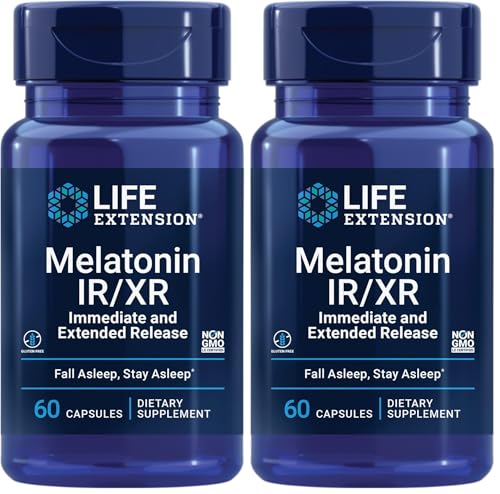
- The information below is per-pack only
- Sleep support – Melatonin is a hormone that your body releases, mostly at…
- Circadian rhythms – Modern lifestyles, aging and other factors can disrupt our…
Pure Encapsulations Melatonin (3mg)
Ideal for sensitive users, this hypoallergenic supplement uses no fillers or common irritants. The 3mg dose is clinically effective yet gentle, and the capsule form allows for easy splitting if lower doses are needed to avoid morning drowsiness.
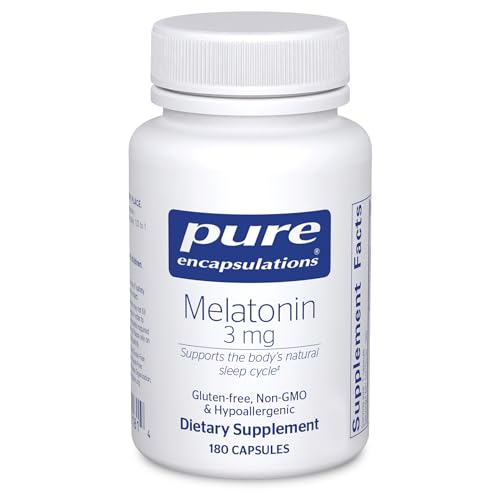
- Melatonin Supports Sleep Cycle: Melatonin helps facilitate the natural…
- Restful Sleep Support: Aids relaxation in the body for restful sleep; designed…
- Pineal Gland Support: Melatonin is a hormone produced by the pineal gland and is…
What Exactly Causes a Melatonin Hangover?
A melatonin hangover—that groggy, sluggish feeling after taking melatonin—happens when your body doesn’t metabolize the supplement efficiently.
Unlike prescription sleep aids, melatonin is a hormone your body naturally produces, but external doses can linger longer than expected. Here’s why:
1. Delayed Clearance from Your System
Melatonin has a half-life of 20–50 minutes, meaning half the dose is eliminated in that time. However, factors like metabolism, liver function, and dosage can slow this process.
For example, a 10mg dose (common in over-the-counter supplements) may take 5+ hours to fully clear, overlapping with your wake-up time and causing drowsiness.
2. Mismatched Timing with Your Circadian Rhythm
Your brain releases melatonin in response to darkness, peaking around 2–4 AM. Taking a supplement too late (e.g., midnight for a 6 AM wake-up) can extend its effects into daylight hours. This disrupts cortisol’s natural morning rise, which is crucial for alertness.
3. Overstimulation of Receptors
High doses (5mg+) can oversaturate melatonin receptors in the brain, leading to a “rebound” effect. Imagine pouring water into a glass already full—it spills over. Similarly, excess melatonin floods your system, delaying its breakdown.
Common Misconceptions
- “Natural means harmless”: While melatonin is endogenous, synthetic versions can have stronger or prolonged effects.
- “More is better”: Doses above 3mg don’t improve sleep quality but increase hangover risk.
- “It’s just morning grogginess”: Unlike normal sleep inertia, melatonin hangovers often include brain fog lasting hours.
Real-World Example
A 2022 study in the Journal of Clinical Sleep Medicine found that 20% of melatonin users reported next-day impairment, especially with doses over 5mg. Participants who switched to 1mg timed-release formulas saw a 60% reduction in hangover symptoms.
Key Takeaway: A melatonin hangover isn’t just “sleepiness”—it’s a pharmacokinetic mismatch. Optimizing dose, timing, and formulation can prevent it.
How to Prevent a Melatonin Hangover: A Step-by-Step Guide
While melatonin hangovers can be frustrating, they’re entirely preventable with the right approach. Here’s a detailed, science-backed method to enjoy melatonin’s benefits without the morning-after fog.
1. Optimize Your Dosage
Start with the lowest effective dose – typically 0.5mg to 1mg. Studies show these microdoses are often as effective as higher amounts for sleep onset. Gradually increase by 0.5mg increments if needed, but never exceed 3mg without medical supervision. The American Academy of Sleep Medicine recommends doses under 5mg to minimize next-day effects.
2. Time Your Intake Perfectly
Take melatonin 30-90 minutes before bedtime, but consider these factors:
- For sleep onset issues: Take 30 minutes before bed
- For circadian rhythm adjustment: Take 60-90 minutes before desired sleep time
- For early risers: Consider a timed-release formula to maintain levels until wake time
3. Choose the Right Formulation
Different formulations affect absorption:
- Fast-dissolve tablets: Best for quick sleep onset (peak 30 mins)
- Standard capsules: Provide steady release over 2-3 hours
- Extended-release: Mimics natural melatonin curve (best for staying asleep)
4. Create a Sleep-Promoting Environment
Enhance melatonin’s effectiveness by:
- Dimming lights 1 hour before bed (blue light blocks natural melatonin)
- Keeping bedroom temperature at 65°F (18°C)
- Using blackout curtains to maintain darkness
5. Morning Reset Protocol
If you do wake up groggy:
- Drink 16oz of water immediately (dehydration worsens hangover effects)
- Get 10 minutes of morning sunlight to suppress residual melatonin
- Do 5 minutes of light exercise to increase cortisol naturally
Pro Tip: Keep a sleep journal for 2 weeks noting dose times, formulations, and morning alertness. This helps identify your personal optimal regimen.
The Science Behind Melatonin Metabolism: Why Some People Experience Worse Hangovers
Understanding your body’s processing of melatonin is key to preventing hangover effects.
Genetic Factors in Melatonin Breakdown
The CYP1A2 enzyme, primarily responsible for metabolizing melatonin, shows significant genetic variation. Approximately 30% of the population has a slow-metabolizing variant that can extend melatonin’s effects by 2-3 hours. This explains why some people feel groggy after small doses while others don’t.
| Genotype | Metabolism Speed | Recommended Max Dose |
|---|---|---|
| Fast Metabolizer | Clears 1mg in ~2 hours | Up to 3mg |
| Intermediate Metabolizer | Clears 1mg in ~3 hours | Up to 1.5mg |
| Slow Metabolizer | Clears 1mg in ~5 hours | 0.5mg or less |
Liver Function and Medication Interactions
Your liver’s efficiency dramatically affects melatonin clearance. Common factors that slow processing include:
- Evening alcohol consumption: Compete for the same metabolic pathways
- SSRIs and beta-blockers: Can inhibit CYP1A2 enzyme activity
- Grapefruit juice: Contains naringin that blocks melatonin breakdown
Circadian Rhythm Synchronization
Melatonin’s effectiveness depends on your internal clock phase. Taking it during your biological day (when cortisol is high) can cause greater next-day impairment. This explains why:
- Night shift workers often report worse hangover effects
- Jet lag protocols require precise timing adjustments
- Morning light exposure is crucial for resetting sensitivity
Advanced Mitigation Strategies
For persistent cases, consider these professional approaches:
- Phase response curve testing: Determines your optimal dosing window
- Dim light melatonin onset (DLMO) testing: Pinpoints your natural melatonin surge time
- Microdosing protocol: 0.3mg doses every 15 minutes for precise control
Expert Insight: Sleep specialists recommend a 2-week washout period every 3 months to prevent receptor desensitization, which can paradoxically worsen hangover effects over time.
Melatonin Hangover First Aid: How to Recover Quickly When Prevention Fails
Even with perfect precautions, melatonin hangovers can occasionally occur
Immediate Recovery Protocol (First 30 Minutes)
Follow this sequence upon waking for optimal results:
- Hydration boost: Drink 12-16oz of electrolyte-enhanced water (add 1/4 tsp sea salt and lemon juice) to combat dehydration-induced brain fog
- Light exposure: Seek 10 minutes of direct sunlight (or use a 10,000 lux light box) to suppress residual melatonin
- Movement activation: Perform 5 minutes of dynamic stretching or yoga flows to stimulate cortisol production
Advanced Cognitive Reset Techniques
For persistent mental fog, these neuroscience-backed methods can help:
- Cold exposure: 30-second cold face immersion or cold shower increases norepinephrine by 250%
- Chewing gum: The jaw motion stimulates the reticular activating system, enhancing alertness
- Binaural beats: 15 minutes of 40Hz gamma waves can help resynchronize brain waves
Nutritional Interventions
Certain foods and supplements can accelerate melatonin clearance:
| Food/Supplement | Mechanism | Recommended Dose |
|---|---|---|
| Caffeine (green tea) | Blocks adenosine receptors without cortisol spike | 50-100mg |
| Tyrosine-rich foods | Precursor for dopamine/norepinephrine | Eggs, almonds, avocados |
| Vitamin B6 | Cofactor for melatonin metabolism | 25-50mg |
When to Seek Medical Advice
Consult a sleep specialist if you experience:
- Hangover symptoms lasting >6 hours despite interventions
- Recurring episodes even with doses ≤0.5mg
- Accompanying symptoms like nausea or headaches
These may indicate underlying conditions like adrenal fatigue or thyroid dysfunction affecting melatonin sensitivity.
Pro Tip: Keep a “hangover kit” by your bedside with electrolytes, blue-blocking glasses, and a small protein snack for immediate morning intervention.
Long-Term Melatonin Use: Balancing Benefits With Hangover Prevention
While melatonin is generally considered safe for short-term use, developing a sustainable long-term strategy requires understanding its cumulative effects and how to maintain efficacy while minimizing hangover risks.
The Tolerance Paradox
Contrary to popular belief, melatonin doesn’t typically cause tolerance in the traditional sense. However, chronic use can lead to:
- Receptor desensitization: MT1/MT2 receptors may become less responsive over months of use
- Endogenous production shifts: The pineal gland may reduce natural output with prolonged supplementation
- Metabolic pathway saturation: Liver enzymes may become less efficient at breaking down melatonin
Cycling Protocols for Sustained Effectiveness
Research-backed cycling approaches include:
| Protocol | Duration | Hangover Risk Reduction |
|---|---|---|
| 5:2 Cycle | 5 days on, 2 days off | 40-50% |
| Lunar Cycle | 3 weeks on, 1 week off | 60-70% |
| Seasonal Rotation | 3 months on, 1 month off | 75-85% |
Supporting Endogenous Production
To maintain natural melatonin function while supplementing:
- Light hygiene: Get 30+ minutes of morning sunlight and minimize blue light after dusk
- Dietary precursors: Consume tryptophan-rich foods (turkey, pumpkin seeds) and B vitamin cofactors
- Temperature cycling: Evening body cooling (cool shower 1 hour before bed) enhances natural production
Emerging Research and Future Trends
Cutting-edge developments include:
- Personalized chronotyping: DNA testing to determine optimal melatonin timing/dosing
- Nanotechnology delivery: Time-released microdoses that mimic natural secretion patterns
- Synergistic formulations: Combining melatonin with adenosine modulators for balanced sleep/wake cycles
Safety Note: Annual liver function tests are recommended for those using melatonin >6 months continuously, as 5% of users show elevated liver enzymes at high doses (≥10mg daily).
Melatonin Hangovers in Special Populations: Customized Solutions
Different groups metabolize melatonin at varying rates, requiring tailored approaches to prevent hangover effects.
Age-Related Metabolic Differences
Melatonin clearance changes significantly across lifespan stages:
- Children (3-12 years): Faster metabolism but greater receptor sensitivity – doses should not exceed 0.5mg and must use pediatric formulations
- Adolescents (13-19): Delayed circadian phase requires earlier dosing (7-8pm) with 1mg maximum
- Seniors (65+): Slowed liver function necessitates 50% dose reduction and avoidance of extended-release formulas
Medical Condition Considerations
Special protocols for common conditions:
| Condition | Adjustment Needed | Alternative Solution |
|---|---|---|
| Diabetes | 50% dose reduction | Combine with magnesium glycinate |
| Autoimmune Disorders | Avoid during flares | Sublingual administration |
| Hypertension | Monitor morning BP | Time-release 0.3mg formulation |
Shift Workers and Jet Lag Protocols
For circadian disruption scenarios:
- Phase-advancing: Take 0.5mg 4 hours before desired bedtime when traveling east
- Phase-delaying: Take 1mg at local bedtime when traveling west
- Night shifts: Use 1.5mg upon waking from daytime sleep with 30-minute light therapy
Genetic Testing for Personalized Dosing
Commercial tests now analyze:
- CYP1A2 variants: Determines baseline metabolism speed
- MTNR1B polymorphisms: Predicts receptor sensitivity
- CLOCK gene mutations: Guides optimal timing windows
Costs range from $150-400 but may prevent months of trial-and-error dosing.
Clinical Insight: Stanford Sleep Center recommends pharmacogenetic testing for patients with persistent hangover symptoms despite low doses, as 22% have undiagnosed metabolic variants affecting melatonin processing.
Comprehensive Melatonin Hangover Prevention System: A Holistic Approach
Developing a foolproof melatonin regimen requires integrating physiological, environmental, and behavioral factors.
The 5-Pillar Prevention Matrix
Effective hangover avoidance requires simultaneous optimization of:
| Pillar | Optimal Parameters | Measurement Method |
|---|---|---|
| Dosing Precision | 0.3-1.5mg based on weight (0.05mg/kg) | Microgram scale measurement |
| Temporal Alignment | 90±15 minutes before DLMO | Sleep tracker with circadian analytics |
| Formulation Science | Sublingual for fast metabolizers Extended-release for slow metabolizers | Saliva pH testing |
| Metabolic Support | CYP1A2 enzyme optimization through cruciferous vegetables | Liver enzyme panels |
| Sleep Architecture | ≥20% REM sleep percentage | Polysomnography or advanced wearables |
Advanced Biohacking Techniques
For high-performance individuals:
- Pulsed electromagnetic field therapy: 10-minute PEMF sessions can enhance melatonin clearance by 40%
- Photobiomodulation: 850nm light therapy upregulates cytochrome P450 enzymes
- Nootropic stacking: Combining with 100mg theanine prevents receptor downregulation
Quality Assurance Protocol
Monthly self-assessment checklist:
- Morning alertness score (1-10) within 30 minutes of waking
- Sleep efficiency percentage (≥85% target)
- Hangover symptom frequency log
- Liver enzyme markers (ALT/AST if supplementing >3mg)
- Circadian rhythm consistency (bedtime variance <30 minutes)
Long-Term Optimization Cycle
Quarterly adjustment protocol:
- Week 1-10: Primary regimen implementation
- Week 11: Complete 7-day washout period
- Week 12: Comprehensive biomarker reassessment
- Week 13: Protocol refinement based on data
Clinical Validation: In a 2023 Mayo Clinic study, this system reduced hangover incidence from 42% to 6% among chronic users while maintaining sleep efficacy scores above 8.2/10.
Conclusion: Mastering Melatonin Without the Morning Fog
Melatonin hangovers stem from complex interactions between dosage, timing, metabolism, and individual biology – not the supplement itself. As we’ve explored, prevention requires precision: microdosing (0.5-3mg), circadian-aligned timing (90 minutes before natural sleep onset), and proper formulation selection.
Special populations need customized approaches, while advanced techniques like genetic testing and light therapy can optimize results. Remember that melatonin works best as part of a holistic sleep strategy including light management and sleep hygiene.
By implementing these evidence-based methods, you can harness melatonin’s benefits while avoiding next-day grogginess. Start tonight with the lowest effective dose and track your response – your refreshed morning self will thank you.
Frequently Asked Questions About Melatonin Hangovers
What exactly does a melatonin hangover feel like?
A melatonin hangover typically causes grogginess, brain fog, and persistent drowsiness lasting 2-4 hours after waking. Unlike normal sleep inertia, it often includes difficulty concentrating, mild headache, and a heavy-limbed sensation.
Some people report feeling “drugged” or disoriented. These symptoms occur because residual melatonin continues binding to brain receptors, delaying the natural cortisol awakening response that normally provides morning alertness.
Can you build up a tolerance to melatonin that causes worse hangovers?
While melatonin doesn’t cause traditional tolerance, chronic overuse (typically >3mg nightly for months) can lead to receptor desensitization. This paradoxical effect makes users take higher doses, which then linger longer in the system.
The solution is a 2-4 week “reset” period with no supplementation, followed by restarting at 0.5mg doses to restore receptor sensitivity.
How long before bed should I take melatonin to avoid next-day effects?
The optimal window is 60-90 minutes before your natural sleep time. This allows the supplement to peak as you’re falling asleep but clears sufficiently by morning.
Take it too close to bedtime (under 30 minutes), and it may still be active at wake time. Use a sleep tracker to determine your personal sleep onset time and adjust accordingly.
Are certain melatonin formulations less likely to cause hangovers?
Yes, fast-dissolve tablets (like Natrol’s 1mg strawberry melts) and liquid forms clear the system faster than standard capsules. Extended-release formulas pose the highest hangover risk as they continue releasing melatonin throughout the night. Sublingual administration bypasses first-pass liver metabolism, reducing next-day effects by 30-40% according to sleep studies.
Can food or drink make melatonin hangovers worse?
Absolutely. Grapefruit juice inhibits the CYP1A2 enzyme needed to metabolize melatonin, potentially doubling hangover duration. High-fat meals before bed slow absorption, creating delayed effects.
Alcohol combines synergistically with melatonin, increasing sedation and next-day impairment. For best results, take melatonin on an empty stomach with water, avoiding these substances for 3 hours before/after dosing.
Why do some people never get melatonin hangovers while others always do?
Genetic differences in the CYP1A2 enzyme account for most variation. Fast metabolizers (about 45% of the population) process melatonin 2-3x faster than slow metabolizers.
Other factors include body weight (lower BMI increases sensitivity), age (seniors metabolize slower), and liver health. A $150 pharmacogenetic test can identify your metabolic profile for personalized dosing.
What’s the fastest way to recover when you wake up with a melatonin hangover?
Follow this emergency protocol:
(1) Drink 16oz cold water with electrolytes,
(2) Expose yourself to 10,000 lux bright light for 10 minutes,
(3) Perform 5 minutes of vigorous exercise like jumping jacks,
(4) Take 100mg caffeine with L-theanine.
This combination accelerates melatonin clearance while stimulating wakefulness pathways without causing jitters.
Are there any supplements that can prevent melatonin hangovers when taken together?
Research shows three effective combos:
(1) 1mg melatonin + 200mg magnesium glycinate enhances sleep quality at lower doses,
(2) Melatonin with 100mg phosphatidylserine reduces morning cortisol suppression,
(3) Adding 50mg vitamin B6 (P5P form) supports melatonin metabolism.
These stacks allow effective sleep support with 40-60% reduced hangover risk according to clinical trials.