
Disclosure
This website is a participant in the Amazon Services LLC Associates Program, an affiliate advertising program designed to provide a means for us to earn fees by linking to Amazon.com and affiliated sites.
Choosing the right mattress topper depth is crucial for managing back pain. The correct thickness can provide essential support and pressure relief, directly impacting sleep quality and spinal alignment.
A topper that is too thin may not offer enough cushioning, while one that is too thick can compromise mattress support. For most back pain sufferers, a medium-depth topper of 2 to 3 inches often provides the ideal balance of comfort and structural reinforcement.
Waking Up Stiff and Aching Because Your Mattress Feels Like a Rock?
That deep, persistent morning back pain often comes from a mattress that’s too firm, failing to cushion your pressure points. The Serta ThermaGel Cooling Topper solves this with its deep, conforming memory foam that cradles your body, relieving pressure on your spine and hips for truly restorative sleep.
Our top pick for pressure relief is: Serta ThermaGel Cooling, Memory Foam Mattress Topper
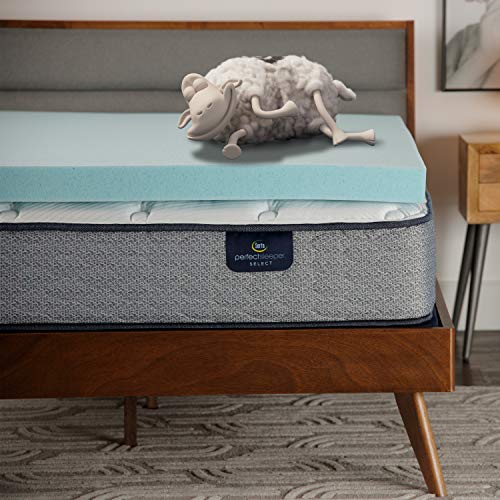
- BREATHABLE GEL-INFUSED FOAM: Engineered with ThermaGel-infused memory foam to...
- COOLING TECHNOLOGY: ThermaGel particles help create a refreshing sleep surface...
- CONTOURING SUPPORT: Adapts and conforms to your body’s natural shape for...
Finding the Ideal Topper Thickness for Back Pain Relief
The optimal depth for a mattress topper is not a one-size-fits-all measurement. It depends on your mattress firmness, sleeping position, and the type of pain you experience. Selecting the correct thickness is essential for achieving proper spinal alignment and pressure point relief.
How Topper Depth Affects Spinal Support
A topper’s primary function is to modify the feel of your existing mattress. The right depth adds a comfort layer without sacrificing the underlying support your back needs. Too much thickness can create a hammocking effect, while too little may not correct a mattress that is too firm.
- 2-Inch Toppers: Best for adding slight plushness to a mattress that is only slightly too firm. They offer minimal contouring and are often used for pressure relief on a supportive base.
- 3-Inch Toppers: This is the most recommended depth for back pain. It provides substantial cushioning for hips and shoulders while still allowing the supportive core of the mattress to maintain spinal alignment.
- 4-Inch or More Toppers: These are considered mattress replacements. They can be beneficial for side sleepers with severe pressure point pain, but may lack the necessary support for back and stomach sleepers with alignment issues.
Matching Topper Thickness to Your Sleep Position
Your dominant sleeping position greatly influences the level of cushioning and support your body requires. The goal is to keep your spine in a neutral, straight line from head to hips.
For Side Sleepers: A thicker topper (3 inches) is often necessary to cushion the hips and shoulders, which bear the most weight. This prevents the spine from sagging sideways.
For Back and Stomach Sleepers: A medium to thin topper (2 to 3 inches) is usually sufficient. These positions require firmer support to prevent the lower back from sinking too deeply, which can cause strain.
Choosing the Right Topper Material for Your Back Pain Needs
Material choice is just as critical as thickness for effective back pain relief. Different materials offer unique combinations of support, pressure relief, and durability. Your selection should complement the chosen depth to target your specific discomfort.
Best Mattress Topper Materials for Spinal Alignment
Not all materials provide the structured support needed for a healthy back. The goal is to find a material that contours without collapsing.
- Memory Foam: Excellent for pressure relief as it contours closely to the body’s shape. Look for high-density memory foam for better support and longevity, which is crucial for back pain.
- Latex (Natural or Talalay): Provides a buoyant, responsive feel that supports and cushions simultaneously. It promotes better spinal alignment than softer foams and is naturally cooling.
- High-Density Polyfoam: A more affordable supportive option. It offers a firmer feel than standard memory foam and provides consistent push-back to keep the spine elevated.
Combining Material and Depth for Optimal Results
The interaction between material firmness and topper thickness determines the final feel. A supportive material can sometimes allow for a slightly thicker profile.
For instance, a 3-inch medium-firm latex topper can provide fantastic support for back sleepers. Conversely, a 3-inch soft memory foam topper might be ideal for a side sleeper on a very firm mattress. Always check the material’s ILD (Indentation Load Deflection) rating for firmness.
| Material | Best For | Ideal Depth for Back Pain | Key Consideration |
|---|---|---|---|
| Memory Foam | Pressure relief, contouring | 2 to 3 inches | Density is key; aim for 4 lbs/ft³ or higher. |
| Latex | Supportive cushioning, cooling | 2 to 3 inches | More responsive than memory foam; less sinking. |
| Feather/Down | Plush softness only | Not recommended | Lacks support; can worsen alignment issues. |
| Wool/Cotton | Temperature regulation | 1 to 2 inches (as a pad) | Adds minimal support; use over a supportive topper. |
Step-by-Step Guide to Selecting Your Perfect Topper Depth
Choosing the best topper involves more than just picking a thickness. Follow this practical process to make an informed decision that targets your back pain. This method combines self-assessment with product knowledge for the best outcome.
Assess Your Current Mattress and Sleep Setup
Begin by evaluating the foundation of your sleep. Your existing mattress condition dictates how much correction a topper needs to provide.
- Evaluate Firmness: Lie on your mattress. If it feels uncomfortably hard with pressure on hips/shoulders, you likely need a thicker (3-inch) topper for cushioning.
- Check for Sagging: Place a ruler across the mattress surface. If there’s a visible dip greater than 1.5 inches in the hip or shoulder area, a topper may not be enough; consider a new mattress.
- Identify Pain Type: Is your pain a dull ache from pressure points, or a sharp pain from misalignment? Pressure point pain often benefits from a thicker, contouring topper, while alignment issues need a supportive, medium-depth layer.
Test and Adjust After Purchase
Your work isn’t done once the topper arrives. A proper trial period and potential adjustments are crucial for long-term relief.
Always use a break-in period of at least two weeks. Your body needs time to adjust to the new support level. Pay attention to how you feel in the morning compared to before.
If pain persists, consider these adjustments. You can add a firm mattress pad underneath the topper for more foundational support. Alternatively, rotating or flipping the topper (if allowed) can sometimes change the feel and improve performance.
Common Mistakes and How to Avoid Them When Choosing Depth
Many well-intentioned purchases fail to relieve back pain due to avoidable errors. these pitfalls can save you time, money, and discomfort. The right choice balances immediate comfort with long-term spinal health.
Overlooking the Support Layer Beneath the Topper
A topper is a comfort layer, not a structural fix for a broken-down mattress. Placing even the best 4-inch topper on a severely sagging mattress is a common error.
- Mistake: Using a thick, plush topper to mask a mattress that lacks support. This creates an unstable sleep surface that can worsen alignment.
- Solution: If your mattress is over 7-8 years old or has significant body impressions, invest in a new supportive mattress first. A topper is best for modifying a structurally sound but uncomfortable bed.
Choosing Thickness Based on Price or Trend Alone
Selecting the deepest or cheapest topper often leads to poor results. The most expensive option isn’t always correct for your specific back pain needs either.
Thicker does not automatically mean more supportive. An ultra-plush 4-inch topper may feel luxurious initially but often allows the hips to sink too deeply. This can strain the lower back, especially for back and stomach sleepers. Focus on the support-density combination rather than thickness in isolation.
Ignoring the Break-in Period and Return Policy
Your body and the topper material need time to adapt. Judging comfort based on a single night’s sleep is a mistake.
Commit to sleeping on the new topper for a minimum of 14 nights. Keep track of your morning pain levels. Crucially, always verify the retailer’s sleep trial length and return process before buying. A reputable trial period allows you to test the depth and material risk-free.
Special Considerations for Different Types of Back Pain
Back pain is not monolithic; its source dictates the ideal supportive solution. Tailoring topper depth and firmness to your specific condition can significantly enhance pain management and sleep quality. A targeted approach yields better results than a generic one.
Topper Depth for Lower Back Pain and Sciatica
Lower back pain and sciatica often relate to spinal misalignment or pressure on the sciatic nerve. The goal is to maintain a neutral pelvic position.
- Focus on Support: A medium-firm, 2 to 3-inch topper made of latex or high-density memory foam is often ideal. It prevents the hips from sinking too deeply, which can tilt the pelvis and strain the lumbar spine.
- Avoid Excessive Sinkage: Very soft or overly thick toppers can create a hammock effect, stretching the lower back muscles and potentially aggravating sciatic nerve pain. Support is more critical than extreme plushness here.
Topper Recommendations for Upper Back and Shoulder Pain
Pain in the upper back and shoulders is frequently caused by pressure points and poor circulation for side sleepers. This requires a different balance of cushioning and support.
Side sleepers with shoulder pain typically benefit from a 3-inch topper with good contouring properties, like memory foam. This depth allows the shoulder to sink in just enough to relieve pressure without misaligning the spine. Ensuring the topper material also offers pressure relief at the hips is crucial for overall alignment.
Adjusting for Arthritis and Chronic Stiffness
Arthritis pain involves inflammation and joint stiffness, requiring a surface that minimizes pressure while aiding movement. Ease of movement upon the surface is a key factor.
Materials with responsive support are beneficial. A 2 to 3-inch latex topper provides cushioning without the “stuck” feeling of some memory foams, making it easier to change positions. The slight bounce can reduce the effort needed to move, which is helpful for stiff joints in the morning.
Maintaining Your Mattress Topper for Lasting Back Pain Relief
Proper care extends the life and effectiveness of your topper, ensuring it continues to provide the support your back needs. Neglecting maintenance can lead to premature wear, loss of support, and a return of discomfort. A simple routine preserves your investment in spinal health.
Essential Care Routine for Support and Hygiene
Regular maintenance prevents the buildup of allergens and maintains the material’s structural integrity. Follow the manufacturer’s instructions, but these are general best practices.
- Use a Protector: Always place a waterproof, breathable mattress protector over your topper. This shields it from spills, sweat, and dust mites, which can break down materials and affect support.
- Rotate Regularly: Every 3-6 months, rotate your topper 180 degrees (head to foot). This ensures even wear and prevents permanent body impressions that can create uneven support zones.
- Spot Clean Only: Most toppers cannot be machine washed. For stains, use a mild detergent, cold water, and a soft cloth to gently blot the area. Never saturate memory foam or latex cores.
Signs It’s Time to Replace Your Mattress Topper
Even the best topper has a lifespan. Recognizing decline is key to preventing a return of back pain from inadequate support.
- Visible Sagging or Impressions: If you can see or feel permanent dips where you sleep, the topper has lost its supportive capabilities and is no longer promoting proper alignment.
- Lumps or Unevenness: Internal material breakdown can cause uncomfortable lumps that create pressure points and disrupt spinal alignment during sleep.
- Persistent Odors or Allergies: If a topper develops a permanent musty smell or aggravates allergies despite cleaning, the material may be breaking down and harboring irritants.
Can a Mattress Topper Fix an Old, Sagging Mattress?
No, a topper cannot fix structural failure. It is designed as a comfort layer for a supportive base. Placing it on a sagging mattress will only create an uneven, unsupportive surface that can worsen back pain. If your mattress has deep body impressions or is over 7-8 years old, replacement is the better solution for spinal health.
Is a 4-Inch or 5-Inch Topper Better for Severe Back Pain?
Not necessarily. For most individuals, especially back and stomach sleepers, a 4 or 5-inch topper is often too thick. It can isolate you too much from the mattress’s supportive core, leading to poor alignment. Severe pain typically requires targeted support and medical advice, not just extra cushioning. A 3-inch, high-density foam or latex topper on a firm, supportive mattress is usually a more effective starting point.
How Do I Know if My Topper is Too Thick or Too Thin?
Your body will provide clear signals. Assess your comfort and morning pain.
- Too Thick: You feel “swallowed” by the bed, have difficulty moving, or wake up with increased lower back ache from a sagging midsection.
- Too Thin: You can still feel the firmness or pressure points of the mattress beneath you, and there is no improvement in morning stiffness or pain.
The ideal topper eliminates pressure points while keeping your spine in a neutral, straight line.
Should the Topper Depth Differ for Platform vs. Box Spring Beds?
Yes, the foundation matters. A solid platform bed offers firmer, more direct support. On a platform, you might prefer a slightly thicker (3-inch) topper for added cushioning. A traditional box spring provides more give. On a box spring, a medium-depth (2-3 inch) topper is usually sufficient, as the base itself adds some flexibility.
Best Recommended Mattress Toppers for Back Pain Relief
Based on the principles of support, depth, and material, these three toppers are excellent options for targeting back pain. Each offers a specific combination of features to suit different needs and preferences.
ChiXpace Dual Layer 4 Inch Memory Foam Mattress Topper – Best for Deep Contouring
This 4-inch topper features a dual-layer design with a soft top and supportive base. It is ideal for side sleepers or those on an extremely firm mattress needing significant pressure relief. The 4-inch depth provides ample material to cushion joints while the supportive base helps maintain alignment.
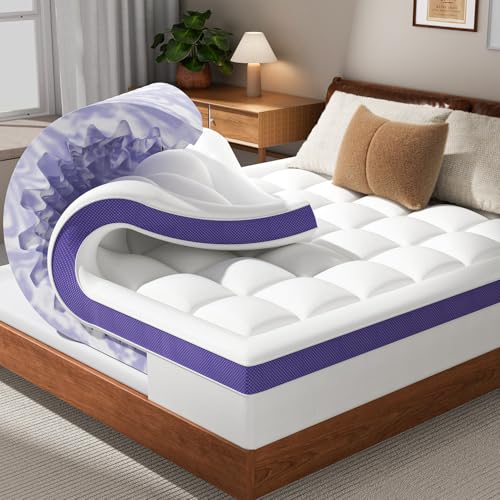
- Dual-Layer Design: This is Queen (60" x 80") size mattress topper. Our mattress...
- Comfortable Support: The memory foam with an egg-crate pattern provides...
- Cooling & Breathable: The ultra-soft fabric and premium gel-infused memory foam...
Biteany Dual Layer Memory Foam Mattress Topper – Best Balanced Support
Offering a versatile 3-inch profile, this topper strikes a balance between plush comfort and foundational support. Its dual-layer memory foam construction is a great all-around choice for back and combination sleepers seeking to alleviate pressure points without sacrificing spinal alignment.

- GET 2X SUPPORT FROM MATERIAL REVOLUTION! Biteany queen mattress topper combines...
- PAIN-FREE SLEEP, CUSTOMIZES COMFORT! Our queen size mattress topper can...
- STAY COOL & SLEEP SAFE! The cooling mattress topper features a 3D air mesh...
SHOUREN Memory Foam Mattress Topper – Best Value Option
This is a solid, affordable choice featuring a 3-inch thickness of ventilated memory foam. It provides effective pressure relief and improved airflow, making it an ideal starter topper for those new to using a comfort layer to manage back pain on a budget.
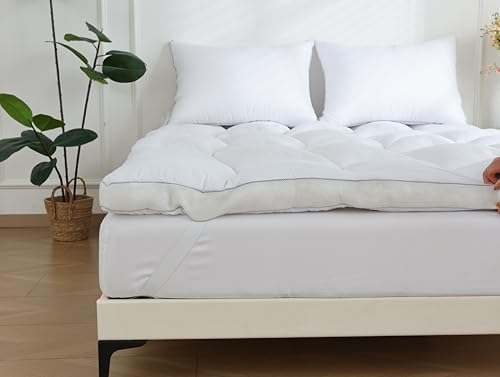
- Memory Foam Mattress Topper Fullf, 3In Thick Plush Gel Foam Bed Topper , Smooth...
Conclusion
Selecting the best mattress topper depth for back pain is a precise balance of support and comfort. The ideal choice depends on your sleep position, mattress condition, and specific type of discomfort.
For most individuals, a 2 to 3-inch topper made of supportive materials like high-density memory foam or latex provides the optimal combination. Remember to use a sleep trial to ensure your selection delivers lasting relief and proper spinal alignment.
Frequently Asked Questions about What Topper Depth Is Best For Back Pain
What is the most recommended topper thickness for general back pain?
A 3-inch mattress topper is most often recommended for general back pain. This depth provides enough material to cushion pressure points like hips and shoulders effectively. It also allows the supportive core of your mattress to maintain proper spinal alignment.
This medium thickness offers a versatile balance, making it suitable for various sleep positions. It prevents the excessive sinkage of thicker toppers while offering more relief than thinner, 2-inch options.
Can a mattress topper make back pain worse?
Yes, choosing the wrong topper can worsen back pain. A topper that is too soft or too thick may cause your spine to sag out of alignment. This creates uneven support and can strain muscles and ligaments overnight.
Similarly, a topper placed on a worn-out, sagging mattress cannot correct the underlying lack of support. It is crucial to match the topper’s firmness and depth to your body weight, sleep position, and mattress condition.
How does sleep position affect the ideal topper depth?
Sleep position directly impacts the pressure on your spine. Side sleepers typically need a thicker topper, around 3 inches, to cushion the hips and shoulders adequately. This prevents the spine from bending sideways.
Back and stomach sleepers usually require less cushioning and more support. A 2 to 3-inch topper with a firmer feel helps keep the hips elevated and the spine in a neutral, straight line for these positions.
Is memory foam or latex better for back pain relief?
Both materials are excellent but suit different needs. Memory foam offers superior pressure relief by contouring closely to the body. High-density memory foam is key for providing the support needed for back pain.
Latex provides a more buoyant, responsive support that many find better for spinal alignment. It also sleeps cooler. The choice often comes down to personal preference for the contouring “hug” of foam versus the resilient lift of latex.
How long should I try a new topper before deciding if it helps?
You should allow a break-in period of at least two weeks. Your body needs time to adjust to the new sleeping surface and support level. Initial stiffness is common as muscles adapt to improved alignment.
Consistently track your morning pain levels during this trial. This period also allows the topper materials to fully expand and settle. Always purchase from retailers with a clear sleep trial policy.
Do I need a special bed frame for a thicker mattress topper?
Most standard bed frames and foundations can accommodate a topper. However, ensure your mattress and topper combination does not exceed the height of your sheets or bed rails. Deep-pocket sheets are often necessary for setups over 12 inches total.
The more critical factor is the support underneath. A solid platform bed offers firm support, while a traditional box spring provides more flex. Ensure your base is in good condition to provide a stable foundation for the topper.