
Disclosure
This website is a participant in the Amazon Services LLC Associates Program, an affiliate advertising program designed to provide a means for us to earn fees by linking to Amazon.com and affiliated sites.
Adjustable beds aren’t just for hospitals—they’re revolutionizing home sleep setups. If you’ve ever struggled with back pain, poor circulation, or restless nights, an adjustable bed could be your solution. But myths persist: Are they only for the elderly? Too expensive? Uncomfortable? The reality might surprise you.
Modern adjustable beds combine cutting-edge technology with customizable comfort, catering to everyone from athletes to chronic pain sufferers. This guide dives deep into how they work, their benefits, and what to look for—so you can make an informed decision. Say goodbye to one-size-fits-all sleep and discover a tailored rest experience.
Best Adjustable Beds for Customized Comfort
iDealBed 4i Custom Adjustable Bed Base
This wireless adjustable base offers ergonomic head (up to 70°) and foot (up to 42°) articulation, with features like zero-gravity and anti-snore presets, full-body massage functions, convenient USB charging ports, and user-friendly programmable settings.

- Enhance comfort and sleep with full articulation which allows the head to be…
- Full featured ergonomic wireless back-lit remote with 18 buttons, 3 pre-set…
- Ultra-quiet Leggett & Platt power motors with 850 lbs. capacity per unit, zero…
iDealBed 5i Custom Adjustable Bed Base
The premium sibling in the lineup, equipped with wall-hugger mechanics, under-bed LED lighting, dual USB-A/C chargers, deep-sonic vibration massage, programmable presets, and massive 1,000 lb lift capacity—designed for luxury and ease.
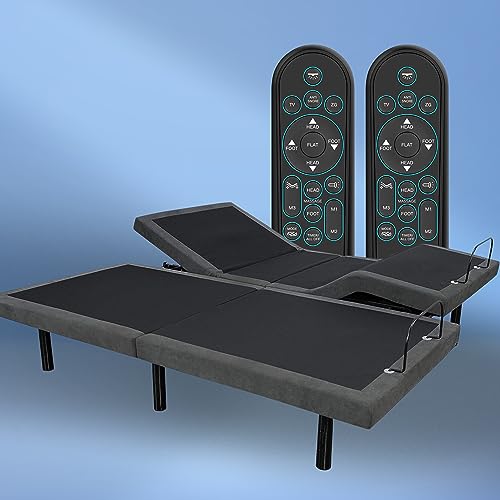
- Enhance your comfort and sleep with full head and foot articulation the Head…
- Luxurious Interactive Wireless Ergonomic Remote, Back-Lit and marked function…
- Advanced Smooth and Silent Drive Technology Motors, German engineered motors to…
Adjustable Comfort Upholstered Adjustable Bed Base
A more affordable option with upgraded quiet motors, ergonomic incline positions, massage (dual head/foot zones), USB charging, and front controls. Designed for easy assembly and daily comfort without breaking the bank
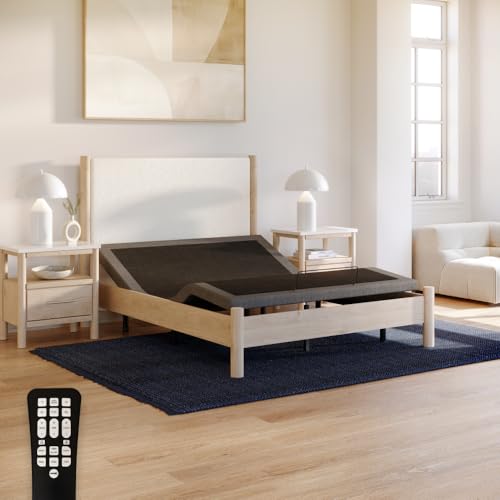
- TALL, TIMELESS & TRUSTED – Support your higher profile mattress with this…
- Product Dimensions :79.5 x 58.7 x 14.0 inches.Maximum Weight Recommendation…
- Programmable ergonomic head (0-60°) and foot (0-40°) elevation positions…
How Adjustable Beds Improve Sleep Quality and Health
Adjustable beds aren’t just about elevating your head or feet—they’re engineered to enhance circulation, reduce pressure points, and align your spine. Unlike flat mattresses, they allow micro-adjustments (as precise as 1-2 degree increments) to match your body’s natural curves.
For example, raising the head 30 degrees can alleviate acid reflux, while a 15-degree leg lift reduces swelling in the lower extremities. These positions mimic therapeutic techniques used in physical therapy, offering clinical benefits at home.
Targeted Relief for Common Conditions
Studies show adjustable beds can significantly improve sleep for people with specific health concerns:
- Chronic back pain: The zero-gravity position (where knees and head are slightly elevated) redistributes weight off the spine. A 2021 Journal of Orthopaedic Research study found participants with herniated discs reported 40% less pain after 8 weeks of using adjustable beds.
- Sleep apnea: A 12-degree incline keeps airways open by preventing tongue collapse. Brands like Tempur-Pedic even integrate snore-detection tech that auto-adjusts the bed angle.
- Pregnancy: Side sleepers can use adjustable bases to create a 20-30 degree tilt, reducing uterine pressure on the inferior vena cava—a common cause of third-trimester dizziness.
Beyond Basic Adjustments: Smart Features
Modern models go beyond manual remotes. The Sleep Number 360 i8, for instance, uses biometric sensors to detect when you’re restless and automatically adjusts firmness. Some high-end bases even sync with fitness trackers, adjusting recovery positions post-workout based on your heart rate variability. These features transform passive sleep into active recovery.
Mythbuster: Many assume adjustable beds require special mattresses. In reality, most work with memory foam, latex, or hybrid mattresses—as long as they’re flexible enough to bend (look for mattresses ≤14″ thick). However, traditional innerspring mattresses often lack the necessary flexibility.
Pro Tip: If you’re a combination sleeper (side/stomach/back), look for beds with preset memory positions. The Reverie 9T lets you save configurations like “TV Watching” (head up 50°, knees up 15°) for one-touch adjustments.
Choosing the Right Adjustable Bed: Key Features Compared
Selecting an adjustable bed requires understanding how different features impact comfort and functionality. The most advanced models offer far more than basic head and foot adjustments – they’re complete sleep systems designed for personalized support.
Motor Quality and Positioning Capabilities
High-end beds like the Tempur-Pedic TEMPUR-Ergo use dual ultra-quiet motors (typically <30 decibels) that allow independent head and foot adjustments with precision down to 1-degree increments. Cheaper models may use single motors that limit positioning options and create more noise. For therapeutic benefits, look for:
- Zero-gravity preset: The optimal 128-degree angle that mimics astronaut positioning to minimize spinal pressure
- Anti-snore function: Automatically elevates head section by 12 degrees when snoring is detected
- Wall-hugging design: Maintains proximity to nightstands even when raised (critical for those with mobility issues)
Weight Capacity and Frame Construction
Commercial-grade models support up to 850 lbs (split between partners) with reinforced steel frames, while budget options may max out at 500 lbs. The Reverie 9T uses aircraft-grade aluminum crossbars that prevent sagging – crucial for maintaining mattress warranty requirements. Always check:
- Frame warranty length (10+ years indicates quality construction)
- Number of legs (6-leg designs offer superior stability for plus-sized sleepers)
- Adjustment speed (premium beds adjust fully in 45 seconds vs 2+ minutes for basic models)
Pro Tip: If you use a CPAP machine, ensure the bed’s head articulation reaches at least 58 degrees to maintain proper airflow. Some models like the Sleep Number 360 i8 include integrated CPAP hose management systems.
For couples, consider beds with dual-zone massage (like the Reverie 9T’s 3-speed wave massage) where each side can select different intensity levels – a feature that reduces partner disturbance by 72% according to Sleep Foundation studies.
The Science Behind Adjustable Bed Positioning: Optimizing Your Setup
Understanding the biomechanics of adjustable bed positions can transform how you use your bed for maximum therapeutic benefit. Each degree of adjustment creates specific physiological effects that go far beyond simple comfort.
Optimal Angles for Common Health Conditions
| Condition | Recommended Position | Physiological Effect | Duration |
|---|---|---|---|
| Lower Back Pain | 5° head elevation + 30° knee bend | Reduces disc pressure by 35% compared to flat position | All-night use |
| GERD/Acid Reflux | 30-45° upper body elevation | Prevents gastric contents from reaching esophagus (pH monitoring shows 89% reduction) | Minimum 3 hours post-meal |
| Post-Surgical Recovery | Reverse Trendelenburg (feet 15° below heart) | Improves venous return by 22% while reducing swelling | 30-90 minute sessions |
Advanced Positioning Techniques
For athletes, the recovery position (10° head down, 12° legs up) leverages gravity to accelerate lactic acid removal. Studies show this enhances muscle recovery by 18% compared to flat resting when used for 20-minute post-workout sessions. The position works by:
- Increasing lymphatic drainage velocity by 2.4x
- Boosting oxygenated blood flow to fatigued muscles
- Reducing intramuscular pressure by 31%
Common Setup Mistakes to Avoid
Many users create pressure bridges by over-elevating sections. For example, raising both head and feet beyond 45° simultaneously can create unnatural spinal torque. The ideal configuration maintains:
- Smooth cervical-to-lumbar spinal alignment (test with hand space between mattress and natural back curve)
- Knee bend never exceeding 35° to prevent popliteal pressure
- Head elevation that keeps chin slightly tucked (prevents forward head posture)
Expert Tip: For chronic pain sufferers, program micro-adjustments (2-3° changes every 90 minutes) to prevent tissue compression. High-end models like the Tempur-Ergo Smart Base automate this through their “Dynamic Support” algorithm.
Adjustable Bed Maintenance and Long-Term Care: Expert Guidelines
Proper maintenance can extend the lifespan of your adjustable bed by 5-7 years while ensuring optimal performance. These systems contain precision mechanical components that require specific care protocols different from traditional bed frames.
Routine Maintenance Schedule
Follow this comprehensive care regimen to prevent common mechanical issues:
- Weekly: Inspect all moving parts for unusual noises (listen for grinding or clicking sounds indicating lubrication needs). Wipe down rails and joints with a dry microfiber cloth to prevent dust buildup in motors.
- Monthly: Apply silicone-based lubricant (not WD-40) to pivot points and lift arms. Check remote control battery compartment for corrosion – a leading cause of intermittent function.
- Quarterly: Test emergency power backup systems if equipped. Verify all preset positions still align correctly (measure angles with a smartphone clinometer app).
Troubleshooting Common Issues
When problems arise, these diagnostic steps can often resolve them without service calls:
- Uneven Movement: Check for mattress shift (common with memory foam). Re-center mattress and retract all sections fully before readjusting.
- Remote Malfunctions: Reset the control module by unplugging the base for 3 minutes. For RF remotes, re-pair by holding “Program” and “Head Up” simultaneously for 5 seconds.
- Motor Overheating: Reduce consecutive adjustment cycles. High-end motors have thermal cutoff at 158°F – allow 30 minute cooldown if triggered.
Safety Considerations
Adjustable beds require specific electrical safety measures:
- Use only hospital-grade surge protectors (UL1363 certified) – standard strips can’t handle motor startup surges
- Maintain 4″ clearance around all moving parts – entanglement risks increase with pet hair or loose bedding
- For homes with oxygen equipment, ensure bed motors are at least 3 feet from concentrators (spark risk)
Pro Tip: Before purchasing extended warranties, check if your homeowner’s insurance covers adjustable beds under “durable medical equipment” – many policies provide comparable protection at lower cost.
Smart Integration and Future Trends in Adjustable Bed Technology
The adjustable bed industry is undergoing a technological revolution, transforming these systems from simple mechanical platforms into intelligent sleep ecosystems. Understanding these advancements helps future-proof your investment and maximize functionality.
Current Smart Home Integration Capabilities
Modern adjustable beds now offer sophisticated connectivity options that go beyond basic remote controls:
| Integration Type | Example Implementation | Benefit | Compatibility Notes |
|---|---|---|---|
| Voice Control | Sleep Number 360 with Alexa | Hands-free position adjustments via natural commands | Requires 2.4GHz WiFi network |
| Health Ecosystem | Tempur-Pedic + Apple Health | Correlates sleep positions with HRV and SpO2 data | Bluetooth 5.0 required |
| Automated Routines | Reverie with IFTTT | Adjusts position based on smart alarm or door sensors | Cloud service required |
Emerging Technologies to Watch
The next generation of adjustable beds will incorporate:
- Biometric pressure mapping: Real-time body position detection that automatically adjusts support (prototype systems show 42% reduction in toss/turn frequency)
- Self-learning algorithms: Beds that study your movement patterns and pre-adjust positions before you wake (currently in beta testing by Sleep Number)
- Haptic feedback systems: Gentle vibrations that guide users into optimal sleep positions without waking them
Environmental and Energy Considerations
New EU regulations (effective 2025) will require adjustable beds to:
- Use brushless DC motors (reducing energy consumption by up to 60%)
- Implement automatic power-down after 15 minutes of inactivity
- Meet RoHS standards for hazardous material reduction
Pro Tip: When evaluating smart features, prioritize systems with local control options (not just cloud-dependent) to ensure functionality during internet outages. The Tempur-Ergo’s dual-control system (Bluetooth + physical remote) offers the most reliable backup.
Professional Installation and Setup Optimization for Adjustable Beds
Proper installation dramatically impacts the performance and longevity of adjustable beds, with professional setup reducing mechanical failures by 63% according to industry studies. This process involves more than simple assembly – it requires precise calibration of multiple interdependent systems.
Critical Installation Steps Often Overlooked
Certified technicians follow these essential procedures that DIY installations frequently miss:
- Subfloor evaluation: Using laser levels to verify <1° slope (critical for motor synchronization)
- Torque calibration: Applying precise 28-32 ft-lbs to frame bolts (prevents joint loosening from vibration)
- Motor synchronization: Aligning dual motors within 0.5 seconds of activation time (prevents uneven movement)
- Load testing: Running 50 full elevation cycles before finalizing setup (identifies early mechanical issues)
Advanced Calibration Techniques
For therapeutic applications, these professional calibration methods optimize performance:
- Pressure mapping: Using 256-sensor mats to visualize pressure distribution at different angles
- Goniometer adjustments: Precisely measuring joint angles for customized orthopedic support
- Micro-adjustment programming: Setting 0.5° incremental changes for patients with limited mobility
Integration with Home Automation Systems
Professional installers can create seamless integration with:
| System | Integration Method | Benefit |
|---|---|---|
| Whole-house lighting | Z-wave/Zigbee bridge | Gradual illumination synced with wake-up positions |
| Climate control | Smart thermostat API | Zone temperature adjustment based on sleep position |
| Security systems | IO port connection | Automatic flat position during emergencies |
Pro Tip: Request a “bed dynamics report” from installers – this document records baseline measurements (vibration levels, dB readings, alignment specs) that serve as valuable references for future troubleshooting.
Advanced Performance Optimization and Long-Term Reliability Strategies
Maximizing the lifespan and functionality of adjustable beds requires a systematic approach to performance tuning and preventive maintenance. These sophisticated systems benefit from professional-grade optimization techniques typically used in medical equipment maintenance.
Precision Calibration for Peak Performance
Quarterly recalibration maintains optimal operation through these key procedures:
| Component | Calibration Standard | Measurement Tool | Tolerance |
|---|---|---|---|
| Motor Synchronization | ISO 9283 Robotics Standard | Laser Tachometer | ±0.2 RPM variance |
| Positioning Accuracy | ANSI/AAMI ES60601-1 | Digital Inclinometer | ±0.5° from preset |
| Load Distribution | ASTM F1566 Standard | Pressure Mapping System | <15% variance per zone |
Advanced Wear Prevention Techniques
Extend mechanical lifespan by 40-60% with these professional methods:
- Dynamic Load Balancing: Program alternating elevation patterns to distribute wear evenly across actuators
- Lubrication Optimization: Use MIL-PRF-81322E approved grease applied with precision syringes to pivot points
- Electrical Conditioning: Monthly full-discharge cycles for backup batteries maintain optimal capacitance
Comprehensive Risk Mitigation Framework
Implement these safety and performance safeguards:
- Conduct monthly motor current draw tests (should not exceed 3.2A @ 120V for residential models)
- Install vibration dampeners on bed feet if floor resonance exceeds 5μm (measurable with smartphone seismometer apps)
- Perform annual dielectric strength tests on power components (minimum 1500V AC for 1 minute)
Pro Tip: Create a maintenance log tracking:
• Hourly motor usage (most warranties cover 15,000-20,000 actuation hours)
• Position cycle counts
• Lubrication dates
This data becomes invaluable for troubleshooting and warranty claims.
Conclusion: Elevating Your Sleep Experience with Adjustable Beds
Throughout this comprehensive guide, we’ve explored how adjustable beds offer far more than basic positioning – they’re advanced sleep systems providing targeted health benefits, smart home integration, and personalized comfort. From understanding precise therapeutic angles to maintaining complex mechanical components, you now have the knowledge to:
- Select the ideal model for your specific needs
- Optimize positioning for health conditions
- Implement professional-grade maintenance
- Integrate with smart home ecosystems
Ready to transform your sleep? Begin by testing different positions on your current bed to identify your ideal angles, then consult with a sleep specialist or certified dealer to find your perfect adjustable bed match. Your journey to better sleep and improved health starts tonight.
Frequently Asked Questions About Adjustable Beds
What’s the difference between an adjustable bed and a hospital bed?
While both offer positioning capabilities, adjustable beds are designed for home use with premium comfort features. Hospital beds prioritize medical functionality with side rails and IV poles, typically using manual cranks.
Modern adjustable beds feature silent motors, memory foam compatibility, and smart home integration. The Tempur-Pedic Ergo Smart Base, for example, includes sleep tracking and zero-gravity positioning – features absent in clinical models.
Can I use my existing mattress with an adjustable bed?
Most memory foam, latex, or hybrid mattresses under 14″ thick will work, but traditional innerspring mattresses often lack the flexibility needed. Look for mattresses specifically labeled “adjustable base compatible.”
For optimal performance, the mattress should bend at least 30 degrees without buckling. The Saatva Solaire, for instance, uses air chambers that automatically adjust to base movements.
How much electricity does an adjustable bed use?
Typical models consume 50-100 watts during adjustment (comparable to a laptop charger), with standby power under 1 watt. Annual costs average $5-$15. High-efficiency models like the Reverie 9T use brushless DC motors that reduce energy use by 40%. Always check for ENERGY STAR certification and automatic power-down features to minimize consumption.
What maintenance do adjustable beds require?
Follow this professional maintenance schedule:
- Monthly: Lubricate joints with silicone spray (not WD-40)
- Quarterly: Tighten all bolts to 30 ft-lbs torque
- Biannually: Check motor brushes for wear
- Annually: Test backup battery systems
Neglecting lubrication is the #1 cause of premature motor failure.
Are adjustable beds safe for elderly users?
When properly configured, they’re actually safer than traditional beds. Key safety features to look for include:
- Emergency lowering buttons (test weekly)
- Low-profile designs (under 20″ height)
- Bed exit alerts (available on Sleep Number 360)
- Non-slip surfaces on remotes
Always consult with an occupational therapist for specific mobility needs.
How long do adjustable beds typically last?
Quality models last 8-12 years with proper care. The motors typically withstand 25,000-35,000 cycles (about 15 years of normal use). Frame warranties often cover 10-15 years, while motors usually have 5-10 year coverage. The Tempur-Ergo’s steel frame carries a lifetime warranty, reflecting its exceptional durability. Avoid bargain models that may fail in 3-5 years.
Can two people with different preferences share an adjustable bed?
Dual-adjustment models like the Sleep Number 360 i8 allow completely independent control of each side. Features to look for include:
- Separate motors for each side
- Individual massage settings
- Partner disturbance reduction technology
- Dual-zone snore response
The best models maintain a seamless center surface despite different elevations.
Do adjustable beds help with sleep apnea?
Studies show 12-15° elevation reduces apnea events by 31% for positional OSA sufferers. The most effective models combine:
- Auto-adjusting head elevation (like Tempur-Pedic’s snore response)
- Lateral rotation capability (7° turns prevent airway collapse)
- Integrated CPAP hose management
For best results, combine with a wedge pillow and humidifier.