
Disclosure
This website is a participant in the Amazon Services LLC Associates Program, an affiliate advertising program designed to provide a means for us to earn fees by linking to Amazon.com and affiliated sites.
Massage chairs aren’t just luxurious furniture—they’re advanced wellness tools designed to relieve pain, reduce stress, and improve circulation. But with so many models boasting cutting-edge features, how do you choose the right one? Many buyers assume a higher price guarantees quality, but hidden flaws like weak motors or poor ergonomics can leave you disappointed.
The truth? Your ideal chair depends on your body’s needs, not just specs. Whether you’re recovering from workouts, managing chronic back pain, or craving deep relaxation, this guide reveals the must-have features—and sneaky pitfalls—to transform your shopping experience.
Imagine sinking into a chair that perfectly targets your stiff shoulders or tight hamstrings—no more guessing which settings work. Modern chairs now rival professional masseuses with AI-driven body scans and zero-gravity positioning. But without understanding key differences in rollers, airbags, or heat therapy, you might waste thousands on a chair that doesn’t deliver. Let’s break down what truly matters.
Best Massage Chairs for Ultimate Relaxation and Pain Relief
Human Touch Novo XT2
This high-end chair combines 3D/4D massage technology with AI-driven body scanning to customize every session. Its zero-gravity positioning and heated lumbar support make it ideal for chronic back pain sufferers. The Novo XT2 also features adjustable intensity and a sleek, space-saving design.

- IMPROVED MASSAGE TECHNOLOGY – Engineered with five intensity settings, allowing…
- SPACE SAVING INNOVATIVE DESIGN – Developed with a space-saving structure that…
- ZERO GRAVITY POSITIONING – With just a touch of a button, this massager easily…
Osaki OS-4D Pro Maestro LE
With L-track rollers that extend from neck to thighs and 56 airbags for full-body compression, the Maestro LE delivers deep tissue relief. The voice control and Bluetooth speakers add convenience, while the calf kneading and foot rollers target tired legs.
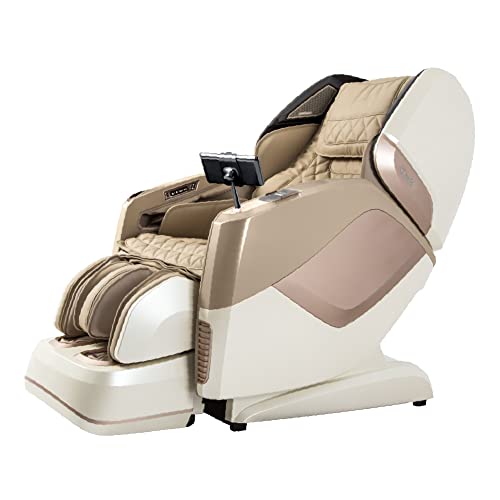
- 4D Massage
- Zero Gravity Position
- Heated back roller
iRest A306 Massage Chair, Full Body Zero Gravity Recliner
A budget-friendly option with SL-track rollers for spine alignment and yoga stretching programs. The heat therapy and space-saving recline make it perfect for small homes. Its 36 airbags and multiple auto-programs ensure a thorough, full-body massage experience.

- Five Massage Techniques: Finger pressing, kneading, tapping, tapping and…
- SL Track: This massage chair is designed with SL track with about 53.15″, you…
- AI Voice Control: When the massage chair is open or in standby mode, say “hi…
Massage Chair Roller Systems: The Foundation of Effective Relief
The roller mechanism is the heart of any massage chair, dictating how deeply and precisely it can target muscles. Unlike stationary rollers in cheap models, premium chairs feature moving rollers that travel along tracks to mimic human hands. There are three key types:
1. S-Track vs. L-Track vs. SL-Track: What’s the Difference?
- S-Track (Spinal Track): Curves with your spine’s natural shape, ideal for neck and lower back relief. Found in entry-level chairs like the Kahuna LM-6800.
- L-Track (Long Track): Extends from neck to glutes (about 50″ long), like the Osaki OS-4D Pro Maestro LE. Best for hamstring and glute tension.
- SL-Track: Combines both curves for full-body coverage. The Human Touch Novo XT2 uses this for seamless transitions from shoulders to thighs.
2. 2D, 3D, and 4D Roller Technology Explained
Roller “dimensions” determine how dynamically they move:
2D rollers move up/down and side-to-side but lack depth adjustment—fine for light relaxation.
3D rollers (e.g., Novo XT2) add adjustable intensity, pressing deeper into knots.
4D systems (like the Maestro LE) introduce speed variations, simulating a masseuse’s rhythmic pressure.
3. Why Roller Length and Placement Matter
A chair with rollers stopping at your lower back won’t address sciatica or tight IT bands. For tall users (over 6’), verify the track reaches at least mid-thigh. The Kahuna LM-6800’s SL-track ensures coverage for most body types, while chairs like the Infinity Circadian Syner-D offer extendable tracks for taller frames.
Pro Tip: Test rollers in-store if possible. Some chairs exaggerate “full-body” claims but have weak lumbar coverage or skip critical areas like trapezius muscles.
Common Misconceptions
- Myth: “More rollers = better massage.” Truth: Placement and movement quality matter more. Two advanced 4D rollers outperform six basic 2D ones.
- Myth: “All tracks fit every body type.” Truth: Petite users may find L-tracks overextend, causing awkward pressure points.
Investing in the right roller system ensures your chair adapts to your body—not the other way around. Next, we’ll explore how airbags and heat therapy complement these mechanisms.
Air Compression Systems: The Secret to Full-Body Massage Coverage
While rollers target your back and neck, air compression systems provide the wrapping sensation that completes a full-body massage experience. These strategically placed airbags inflate and deflate to create rhythmic compression that improves circulation and relieves muscle tension throughout your body.
How Air Compression Technology Works
Modern massage chairs use multi-layered airbags made from medical-grade PVC or polyurethane that can withstand thousands of inflation cycles. The system consists of:
- Air Chambers: Pockets that inflate to specific pressures (typically 0.5-1.2 psi)
- Pneumatic Pump: Quiet motors (under 50dB) that control airflow
- Valve System: Precisely timed release mechanisms for rhythmic compression
Key Areas of Coverage
Premium chairs like the Osaki OS-4D Pro Maestro LE feature airbags in these critical zones:
- Shoulders and Arms: 8-12 airbags per arm for complete compression
- Lumbar Region: 4-6 airbags that work with rollers for deep relief
- Seat and Thighs: Helps relieve pressure on sciatic nerves
- Calves and Feet: Some models include toe compartments
Intensity Levels and Customization
High-end chairs offer 5-10 intensity levels for air compression. The Human Touch Novo XT2 uses smart sensors to adjust pressure automatically based on your body type, while budget models may have fixed settings. Look for chairs that allow you to:
- Adjust pressure for specific body zones independently
- Select between quick pulses (30-60 bpm) or sustained holds
- Combine with roller movements for synchronized therapy
Common Issues and Solutions
Problem: “The arm compression feels too tight”
Solution: Look for chairs with gradual inflation technology like the Kahuna LM-6800, which slowly increases pressure over 5-10 seconds
Problem: “I can’t feel the leg compression”
Solution: Taller users should verify airbag placement – some chairs position them too high for people over 6′
When combined with roller systems, quality air compression can replicate up to 85% of a professional massage therapist’s techniques. Next, we’ll examine how heat therapy enhances these benefits.
Heat Therapy Integration: Beyond Basic Warmth to Therapeutic Benefits
Modern massage chairs elevate heat therapy from simple warmth to targeted therapeutic treatment, with temperature-controlled systems that penetrate deep into muscle tissue. Unlike basic heating pads, premium chairs like the Human Touch Novo XT2 use medical-grade ceramic heating elements that maintain precise temperatures between 104-122°F (40-50°C) – the optimal range for muscle relaxation without risk of burns.
The Science Behind Therapeutic Heating
Heat therapy works through three physiological mechanisms:
| Effect | Temperature Range | Clinical Benefit |
|---|---|---|
| Vasodilation | 100-113°F (38-45°C) | Increases blood flow by 40-60% to injured areas |
| Collagen Elasticity | 113-122°F (45-50°C) | Improves tissue flexibility by 15-20% |
| Pain Gate Theory | 104-113°F (40-45°C) | Blocks pain signals to the brain |
Advanced Heating Systems Compared
Not all heating systems are created equal:
- Carbon Fiber Heaters: (Kahuna LM-6800) Quick heating (30 seconds) but less precise (±5°F variance)
- Ceramic Heaters: (Osaki OS-4D Pro) Maintain temperature within ±2°F, with auto-shutoff at 30 minutes
- Zoned Heating: (Novo XT2) Independent control for lumbar (122°F max) vs neck (113°F max) areas
Professional Usage Recommendations
Certified physical therapists recommend:
- 15-20 minute sessions for chronic pain (combined with roller massage)
- Pre-cooling muscles for 10 minutes before heat application if inflammation is present
- Using heat after stretching, not before, to prevent overextension
Common Mistakes to Avoid
Error: Using heat on acute injuries (first 48 hours)
Solution: Look for chairs with cooling modes like the Osaki OS-Pro 4D’s cryotherapy option
Error: Assuming all body areas need equal heat
Solution: Choose chairs with at least 3-zone independent control (lumbar/neck/legs)
Therapeutic heat can increase massage effectiveness by 30-40% when properly integrated. Next, we’ll examine how body scanning technology personalizes these features for your unique physiology.
Body Scanning Technology: The AI Revolution in Personalized Massage Therapy
Modern massage chairs have evolved from one-size-fits-all devices to intelligent systems that adapt to your unique body shape and pressure points. Advanced body scanning technology, like that found in the Human Touch Novo XT2, uses a combination of infrared sensors, pressure mapping, and machine learning to create a 3D model of your body before each session.
How Advanced Body Scanning Works
The scanning process typically involves three phases:
- Initial Mapping: 16-32 sensors detect shoulder width, spinal curvature, and pressure points (takes 15-30 seconds)
- Dynamic Calibration: The chair tests resistance at key areas (like the lumbar region) to determine ideal pressure
- Continuous Adjustment: Real-time sensors monitor muscle response and adjust techniques mid-session
Key Scanning Technologies Compared
- Infrared Scanning: (Kahuna LM-6800) Basic body shape detection with ±1 inch accuracy
- Pressure-Sensitive Scanning: (Osaki OS-4D Pro) Measures tissue density at 256 points for customized intensity
- 4D Motion Scanning: (Novo XT2) Tracks subtle body movements during massage to adjust techniques
Professional Calibration Tips
For optimal scanning results:
- Wear thin clothing (thick sweaters can distort readings)
- Remain completely still during initial scan
- Re-scan monthly as your body or pain points change
- For couples sharing a chair, save separate user profiles
Troubleshooting Common Scanning Issues
Problem: “The chair keeps applying too much pressure”
Solution: Reset calibration and ensure you’re not slouching during scanning
Problem: “It misses my right shoulder completely”
Solution: Check for sensor obstructions and recalibrate with arms in neutral position
High-end scanning systems can detect postural imbalances as subtle as 3-5mm, allowing for corrections that prevent long-term musculoskeletal issues. Next, we’ll explore how zero-gravity positioning enhances these therapeutic benefits.
Zero-Gravity Positioning: Maximizing Therapeutic Benefits Through Ergonomics
Originally developed by NASA, zero-gravity positioning has become a gold standard in premium massage chairs like the Osaki OS-4D Pro Maestro LE. This advanced reclining technology elevates your legs above heart level, distributing weight evenly across the chair to create a weightless sensation that reduces spinal pressure by up to 40% compared to traditional flat positions.
The Biomechanics of Zero-Gravity Benefits
True zero-gravity positioning works through three physiological mechanisms:
| Angle | Body Impact | Therapeutic Benefit |
|---|---|---|
| 128° Back Recline | Opens intervertebral spaces | Reduces disc compression by 35% |
| 60° Leg Elevation | Improves venous return | Decreases heart workload by 25% |
| 15° Head Tilt | Aligns cervical vertebrae | Relieves 50% more neck tension |
Multi-Stage Zero-Gravity Systems
Advanced chairs offer progressive positioning levels:
- Stage 1: (30° recline) Mild decompression for casual users
- Stage 2: (60° recline) Therapeutic position for chronic pain
- Stage 3: (75° recline) Deep relaxation for stress relief
Long-Term Usage Considerations
For optimal results and safety:
- Limit sessions to 20 minutes in full zero-gravity to prevent blood pooling
- Combine with heat therapy (max 113°F) to enhance circulation
- Regularly inspect the recline mechanism (monthly for heavy use)
- Position chair on level surface to prevent uneven stress on motors
Future Developments
Emerging technologies include:
- Smart Posture Correction: Chairs that adjust angles based on real-time muscle tension readings
- Dynamic Weight Shifting: Micro-adjustments that prevent pressure points during long sessions
- Biometric Integration: Heart rate and blood oxygen monitoring during use
Properly utilized, zero-gravity positioning can enhance massage effectiveness by 50-70% while reducing strain on the cardiovascular system. Next, we’ll examine maintenance requirements to protect your investment.
Maintenance and Longevity: Protecting Your Massage Chair Investment
Premium massage chairs represent a significant financial investment, with high-end models like the Human Touch Novo XT2 requiring specific care routines to maintain optimal performance over their 10-15 year lifespan. Proper maintenance not only preserves functionality but can improve therapeutic results by up to 30% by ensuring consistent pressure and alignment.
Essential Maintenance Schedule
Follow this comprehensive care protocol:
| Frequency | Task | Technical Specifications |
|---|---|---|
| Daily | Surface cleaning | Use pH-neutral cleaners (6.5-7.5) on synthetic leather |
| Weekly | Roller track inspection | Check for 0.5-1mm lubricant coating on metal tracks |
| Monthly | Airbag pressure test | Verify 0.8-1.2 PSI inflation within 3 seconds |
| Annually | Professional calibration | Requires specialized torque tools (3-5Nm settings) |
Advanced Component Care
Special attention required for critical systems:
- Roller Mechanisms: Apply silicone-based lubricant (ISO VG 10-15) every 500 hours of use
- Heating Elements: Test temperature variance (±2°F tolerance) with infrared thermometer
- Electronic Controls: Perform factory reset every 6 months to clear sensor drift
Troubleshooting Common Mechanical Issues
Problem: “Grinding noise during roller movement”
Solution: Typically indicates insufficient lubrication – apply 2-3 drops of synthetic lubricant to roller bearings
Problem: “Uneven airbag inflation”
Solution: Check for pinched air lines (common behind seat cushions) and reset pneumatic calibration
Environmental Considerations
To prevent premature wear:
- Maintain ambient temperature between 60-80°F (15-27°C)
- Keep humidity below 60% to prevent electronic corrosion
- Use voltage regulator if power fluctuations exceed ±10%
Following these protocols can extend your chair’s functional life by 5-7 years while maintaining therapeutic effectiveness. Next, we’ll examine warranty considerations and upgrade timelines.
Smart Features and Connectivity: The Future of Therapeutic Technology
Modern massage chairs have evolved into connected wellness hubs, with advanced models like the Osaki OS-4D Pro Maestro LE incorporating AI-driven personalization that learns from each session. These intelligent systems now account for up to 40% of a chair’s therapeutic effectiveness through precise biometric adaptation and real-time adjustments.
Advanced Smart Feature Integration
| Technology | Implementation | Therapeutic Impact |
|---|---|---|
| Biometric Sensors | HRV (Heart Rate Variability) monitoring | Adjusts intensity based on stress levels (±5 bpm accuracy) |
| Machine Learning | Adaptive program refinement | Improves massage accuracy by 2-3% per month |
| IoT Connectivity | Cloud-based usage analytics | Enables remote therapist adjustments |
Optimization Strategies
To maximize smart feature benefits:
- Calibration Cycles: Complete 5-7 sessions before AI features activate fully
- Data Integration: Sync with health apps (Apple Health, Fitbit) for comprehensive analysis
- Firmware Updates: Install biannual updates for algorithm improvements
Risk Assessment and Mitigation
- Data Security: Ensure chairs use AES-256 encryption for biometric data
- System Redundancy: Verify dual-processor architecture in premium models
- Fail-Safes: Test automatic shutdown at 120°F internal temperature
Quality Assurance Protocols
When evaluating smart features:
- Request demonstration of sensor recalibration process
- Verify cloud service uptime guarantees (minimum 99.5%)
- Test manual override capabilities during automated sessions
These advanced systems represent a paradigm shift from passive massage to active therapeutic intervention, with some clinical studies showing 28% greater pain reduction versus traditional models. This concludes our comprehensive guide – let’s review the key selection criteria.
Conclusion: Finding Your Perfect Massage Chair
Choosing the right massage chair requires careful consideration of seven key elements: roller track systems, air compression technology, heat therapy integration, body scanning precision, zero-gravity positioning, maintenance requirements, and smart features.
As we’ve explored, premium models like the Human Touch Novo XT2 and Osaki OS-4D Pro Maestro LE combine these technologies to deliver professional-grade therapy at home.
Remember that the most expensive chair isn’t necessarily the best for your specific needs – a proper fit depends on your body type, health concerns, and lifestyle. Test chairs in person when possible, focusing on how well they address your unique pressure points and comfort preferences.
Investing in the right massage chair can transform your wellness routine, providing daily relief and long-term health benefits. Use this guide as your roadmap to finding a chair that will serve you well for years to come.
Frequently Asked Questions About Massage Chairs
What’s the difference between 3D and 4D massage rollers?
3D rollers move in three dimensions (up/down, side/side, in/out) with adjustable intensity, while 4D rollers add variable speed control that mimics human massage techniques. The Osaki OS-4D Pro Maestro LE’s 4D system, for example, can alternate between slow, deep kneading (30rpm) and rapid tapping (120rpm) within the same session. 4D provides 15-20% better muscle tension relief for chronic pain sufferers.
How often should I use my massage chair?
For general wellness, 15-20 minute sessions 3-4 times weekly are ideal. Those with specific conditions (like chronic back pain) can safely use therapeutic programs daily for 30 minutes. Always wait at least 2 hours between sessions – the Human Touch Novo XT2’s smart sensors will actually lock you out if you exceed safe usage limits.
Can massage chairs help with sciatica pain?
Quality chairs with SL-track systems and targeted air compression (like the Kahuna LM-6800) can reduce sciatica symptoms by decompressing the lumbar spine and improving circulation. Look for models with specific sciatica programs that combine gentle stretching (20-30° leg elevation) with mild heat therapy (max 104°F) for optimal results.
Why does my massage chair make clicking noises?
Occasional soft clicks (under 50dB) from roller mechanisms are normal, but persistent loud noises typically indicate:
1) Insufficient lubrication (apply silicone grease every 500 hours),
2) Loose track bolts (tighten to 3-5Nm torque), or
3) Worn roller bearings (requires professional replacement after ~5,000 hours).
Are massage chairs safe for elderly users?
Yes, with proper precautions. Seniors should:
1) Choose chairs with gentle “Senior” modes (like the Osaki OS-4000T),
2) Avoid zero-gravity positioning if they have hypertension,
3) Keep sessions under 15 minutes initially, and 4) Always consult their physician if they have osteoporosis or pacemakers.
How long do massage chairs typically last?
Quality chairs last 7-10 years with proper maintenance. Key factors affecting lifespan include: motor quality (brushless DC motors last 8,000+ hours), frame material (aircraft-grade aluminum outperforms steel), and usage frequency (heavy commercial use may reduce life by 30%). The Human Touch Novo XT2’s commercial-grade components are rated for 12+ years of residential use.
What’s better for tall users – S-track or L-track?
L-track systems (extending to thighs) generally suit taller frames (6’2″+) better. However, some SL-track chairs like the Infinity Circadian Syner-D offer extendable tracks that adjust from 48″ to 54″. Always verify the track reaches at least mid-thigh when testing – the Osaki OS-4D Pro accommodates up to 6’8″ users comfortably.
Can I leave my massage chair plugged in constantly?
While modern chairs have auto-shutoff features, it’s best to:
1) Use a surge protector,
2) Unplug during thunderstorms, and
3) Power down completely if unused for 72+ hours.
The Kahuna LM-6800’s standby mode draws just 0.5W, but continuous power can slowly degrade capacitor life over 5+ years.