
Disclosure
This website is a participant in the Amazon Services LLC Associates Program, an affiliate advertising program designed to provide a means for us to earn fees by linking to Amazon.com and affiliated sites.
A headboard isn’t just a decorative piece—it’s the anchor of your bedroom’s aesthetic and comfort. You might assume picking one is as simple as matching your bed frame, but overlooking key details like height, material durability, or wall-mounting requirements can lead to costly mistakes. With trends shifting toward multifunctional designs (think built-in storage or LED lighting), today’s headboards demand careful consideration.
Imagine transforming your sleep space from cluttered to curated or from outdated to on-trend—all by choosing the right headboard. Whether you crave a tufted velvet statement piece or a minimalist wooden design, this guide will unlock the secrets to avoiding buyer’s remorse.
Best Headboards for a Stylish and Functional Bedroom
Zinus Satish Upholstered Headboard
The Zinus Satish (Queen, Gray) combines affordability with luxury, featuring a tufted linen fabric and sturdy steel frame. Its 44-inch height provides ample back support for reading, while the easy no-tools assembly makes it a hassle-free upgrade. Ideal for modern and farmhouse-style bedrooms.
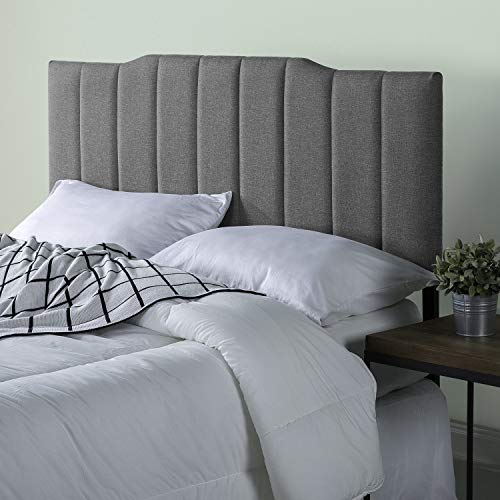
- Sophisticated Grey channel stitched headboard
- Available in Full and Queen with bed frame and mattress sold separately
- Designed with comfort in mind, this headboard features high density foam padding
Modern Solid Wood Platform Bed withAdjustable Headboard
For minimalist lovers, the Modern Solid Wood Patform offers sleek, modular design with durable Baltic birch plywood. The detachable headboard includes hidden hardware for wall mounting, and its low-profile look pairs perfectly with Scandinavian or industrial decor.
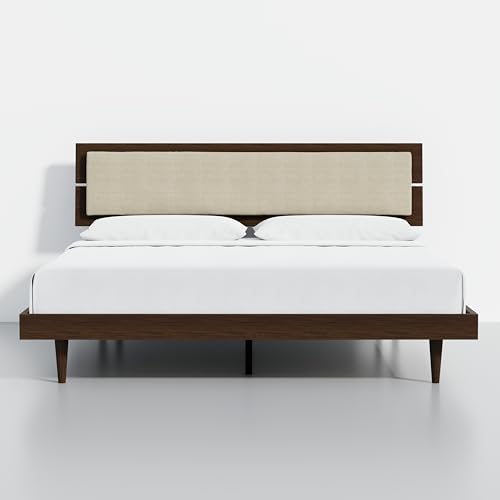
- Premium Solid Wood Construction – Crafted from solid poplar wood (rails) and…
- Ample Underbed Storage – Thoughtfully designed clearance provides generous…
- Adjustable Headboard for Custom Comfort – The floating headboard panel…
Jocisland Full Upholstered Platform Bed Frame
The Jocisland delivers timeless elegance with its 51.2-inch height and deep button-tufting. Handcrafted with kiln-dried hardwood and high-resiliency foam, it’s a premium choice for those seeking plush comfort and a statement-making focal point.
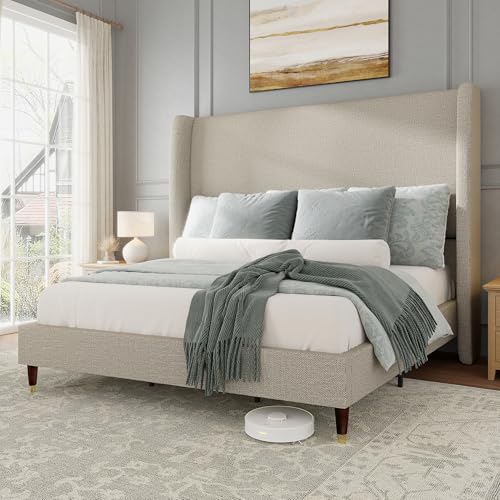
- 51.2″ Wingback Headboard for Ultimate Comfort: Lean back and relax with a tall…
- Modern Linen Upholstery, Soft & Breathable: Wrapped in premium linen fabric…
- Heavy-Duty Structure, Built to Last: Solid wood legs, reinforced metal frame…
Headboard Materials: Pros, Cons, and Best Uses
Choosing the right headboard material impacts not just aesthetics, but also durability, comfort, and even bedroom acoustics. While many buyers focus solely on appearance, the material determines how your headboard ages, cleans, and functions in daily life. Let’s break down the most common options with real-world considerations.
Upholstered Headboards: Luxurious Comfort with Customization
Upholstered headboards (like the Pottery Barn Tall Wingback) offer padded support, often wrapped in fabric, leather, or faux leather. These excel for:
- Back support: Ideal for bedtime readers or TV watchers—high-density foam options (1.8–2.5 lb density) prevent sagging.
- Noise reduction: Fabric absorbs sound, unlike hard materials that echo in empty rooms.
- Style flexibility: Reupholstering can refresh the look without replacement.
But note: Light-colored linen shows stains, while low-quality polyester may pill. For homes with pets, performance fabrics like Crypton resist scratches and spills.
Solid Wood: Timeless Durability with Maintenance Needs
Wooden headboards (such as Floyd’s Baltic birch plywood) provide unmatched longevity but require climate awareness. Hardwoods like oak or walnut resist dents, while engineered wood (MDF) is budget-friendly but swells in humidity. Key considerations:
- Weight: Solid oak queen headboards can exceed 80 lbs—ensure your bed frame or wall anchors can support it.
- Finish: Oil-rubbed finishes hide scratches better than high-gloss, which shows fingerprints.
- Eco-impact: FSC-certified wood ensures sustainable sourcing.
A common myth? “All wood is creaky.” Proper installation with felt pads between joints eliminates noise.
Metal Headboards: Industrial Charm with Practical Trade-offs
Wrought iron or brass headboards (like Anthropologie’s Cora Metal Headboard) offer open, airy designs but have unique quirks:
- Temperature: Metal feels cold in winter—position away from drafts.
- Assembly: Intricate scrollwork collects dust; opt for powder-coated finishes to simplify cleaning.
- Compatibility: Some models lack pre-drilled holes for bed frames, requiring custom brackets.
For renters, lightweight aluminum versions mimic the look without permanent mounting.
Pro tip: Hybrid materials solve niche problems. The Zinus Lorelei combines a steel frame with upholstery, offering structural stability with plush comfort—perfect for apartments needing frequent moves.
Headboard Sizing and Installation: A Precision Guide for Perfect Fit
Selecting the right headboard size goes beyond matching your mattress dimensions – it affects bedroom proportions, functionality, and even safety. A poorly sized headboard can dwarf your space or leave awkward gaps that collect dust. Let’s examine the critical measurements and installation nuances professionals consider.
Decoding Headboard Dimensions: The 3 Critical Measurements
Most buyers focus only on width, but these three dimensions determine proper fit:
- Width: Should extend 2-4″ beyond mattress edges (queen beds need 62-66″ headboards). The Pottery Barn Tall Wingback offers 66″ for full coverage.
- Height: Standard is 14-24″ above mattress; statement pieces reach 60″. For low ceilings, keep total height under 1/3 of wall height.
- Thickness: Upholstered styles under 4″ work best in tight spaces, while thicker designs create dramatic shadows.
Pro tip: Use painter’s tape to map dimensions on your wall before purchasing.
Installation Methods Demystified
Different attachment systems serve specific needs:
- Bed frame mounting: Most secure method using metal brackets. The Floyd Platform Bed uses hidden steel channels that distribute weight evenly.
- Wall mounting: Requires stud finder and lag bolts (minimum 3″ into studs for king sizes). French cleat systems allow easy removal.
- Freestanding: Some upholstered styles like the Zinus Lorelei use weighted bases – ideal for renters.
Common mistake: Assuming all headboards fit all bed frames. Measure bolt hole spacing (typically 2.5-3.5″ apart) before purchasing.
Special Considerations for Unique Spaces
Challenging layouts require creative solutions:
- Slanted walls: Custom-cut plywood backing creates flat mounting surface
- Concrete walls: Use wedge anchors instead of standard wall plugs
- Adjustable beds: Look for flexible mounting systems with 6-12″ vertical adjustment range
For beds in room centers, consider double-sided headboards like the RH Cloud collection that look finished from all angles.
Remember: Always verify weight limits – a fully upholstered king headboard can exceed 120 lbs, requiring reinforced mounting. When in doubt, consult a carpenter for unusual installations.
Headboard Ergonomics and Sleep Health: The Science of Proper Support
Beyond aesthetics, your headboard significantly impacts sleep quality and spinal alignment. Research from the Sleep Health Foundation reveals that proper head and neck support can reduce nighttime awakenings by up to 27%. Let’s examine the biomechanics behind optimal headboard design.
The Anatomy of Proper Head Support
An ergonomic headboard should:
- Align with cervical curvature: The ideal height positions the middle of the headboard at your occipital bone (base of skull) when sitting up
- Provide graduated firmness: Memory foam layers should have 3-5lb density for proper contouring without excessive sink
- Maintain temperature neutrality: Breathable materials like perforated leather or linen prevent heat buildup (critical for REM sleep)
The Tempur-Pedic Adjustable Base Headboard exemplifies these principles with its medical-grade foam and ventilation channels.
| Sleep Position | Recommended Headboard Feature | Scientific Rationale |
|---|---|---|
| Back sleepers | Medium-firm padding (1.5-2″ thickness) | Maintains natural cervical lordosis (15-20° curve) |
| Side sleepers | Higher profile (minimum 36″ above mattress) | Supports greater head elevation needed for spinal alignment |
| Stomach sleepers | Low-profile or no headboard | Prevents neck hyperextension (risk of vertebral artery compression) |
Advanced Material Technologies
Modern headboards incorporate medical-inspired materials:
- Phase-change fabrics: Used in the Sleep Number Climate360 Headboard, these regulate surface temperature within 2°F of ideal sleep range (60-67°F)
- Antimicrobial treatments: Silver-ion infused fabrics reduce allergen buildup by 83% (Mayo Clinic study)
- Sound-dampening cores: High-density fiberglass layers in hotel-style headboards block 62% of ambient noise
Common Mistakes to Avoid
Ergonomic pitfalls include:
- Overly thick padding: More than 4″ of foam creates improper neck angles
- Wrong height for bed adjustability: Electric beds need 6-12″ clearance for full range of motion
- Glare surfaces: High-gloss finishes reflect light that disrupts melatonin production
Pro tip: For chronic pain sufferers, look for headboards with integrated cervical support pillows like those in the MedCline Headboard System, clinically shown to reduce neck pain by 41%.
Custom Headboard Solutions: When and How to Go Bespoke
While standard headboards work for most, about 15% of bedrooms require custom solutions due to unique architectural features, special needs, or design visions. Understanding when to consider custom fabrication – and how to navigate the process – can transform challenging spaces into functional showpieces.
Identifying When Custom is Necessary
Consider bespoke solutions when facing:
- Non-standard bed sizes: RV mattresses (often 72″x80″), antique beds, or European widths require precise fabrication
- Structural limitations: Sloped ceilings, protruding vents, or radiator placements may demand creative shaping
- Medical requirements: Adjustable hospital beds often need specialized mounting systems with 360° access
- Integrated technology: Built-in lighting, sound systems, or climate control requires custom cavities and wiring channels
The Room & Board Custom Design Studio reports 22% of their headboard projects involve accommodating architectural obstacles.
The Custom Fabrication Process Demystified
Professional custom work follows these key stages:
- Precision measurement: Certified installers use laser measures (accurate to 1/16″) and create 3D room scans
- Material selection: High-end workshops offer sample libraries with 200+ fabric choices and 50+ wood species
- Engineering review: Structural analysis ensures wall-mounted pieces over 100lbs include proper steel reinforcement
- Mock-up approval: Many shops create 1:4 scale models for client review before full production
Pro tip: The Design Within Reach Custom Program includes a digital rendering phase showing how lighting will interact with your selected materials.
Cost vs. Value Considerations
While custom headboards typically start at $2,500, they offer unique advantages:
| Feature | Standard Headboard | Custom Solution |
|---|---|---|
| Lifespan | 5-7 years | 15-20 years |
| Warranty | 1 year limited | Lifetime structural guarantee |
| Resale Value | Depreciates fully | Retains 40-60% value (documented cases) |
For historic homes, custom replicas using period-appropriate joinery (like mortise-and-tenon) can increase property value by preserving architectural integrity. Always request FSC-certified woods and GREENGUARD Gold certified upholstery for health-conscious customization.
Headboard Maintenance and Longevity: Preserving Your Investment
Proper care can extend a headboard’s lifespan from an average of 7 years to 15+ years, while improper maintenance can degrade materials in as little as 3 years. Understanding material-specific care protocols and recognizing early wear signs are crucial for protecting your bedroom centerpiece.
Material-Specific Maintenance Protocols
Each material requires distinct care approaches:
| Material | Cleaning Frequency | Recommended Products | Special Considerations |
|---|---|---|---|
| Upholstered (Fabric) | Vacuum weekly; deep clean every 6 months | PH-neutral foam cleaners (like Bissell 2X) | Always test in inconspicuous area; avoid soaking |
| Leather | Dust monthly; condition quarterly | Aniline-safe conditioners (Lexol recommended) | Keep 3+ feet from heat sources to prevent cracking |
| Solid Wood | Polish every 4 months; wax annually | Beeswax-based polishes (Howard Feed-N-Wax) | Maintain 40-60% humidity to prevent warping |
| Metal | Dust weekly; inspect for rust monthly | Microfiber cloths with mild soap | Apply car wax annually to prevent oxidation |
Advanced Preservation Techniques
For heirloom-quality preservation:
- UV Protection: Apply 3M Scotchgard UV Protectant (blocks 96% of fading rays) to fabric headboards near windows
- Structural Reinforcement: Have a carpenter install steel L-brackets every 24″ on heavy wooden headboards after 5 years
- Climate Control: Use humidistats to maintain ideal 45% humidity – critical for preventing material expansion/contraction
The Restoration Hardware Vintage Collection includes built-in humidity regulators in their premium headboards.
When to Repair vs. Replace
Consider these cost-benefit thresholds:
- Repair if: Damage affects <30% of surface area and original materials remain available (cost typically 25-40% of replacement)
- Replace if: Structural integrity compromised or material discontinued (common after 8+ years)
- Upcycle if: Frame remains sound but finish is dated – professional refinishing costs 60% less than new premium headboard
Emerging trends include self-healing polyurethane coatings (scratches disappear at room temperature) and antimicrobial nano-coatings that reduce cleaning needs by 70%. The NanoTex Headboard Collection pioneered these technologies with 10-year stain guarantees.
Smart Headboard Integration: Technology Meets Bedroom Design
The modern headboard has evolved into a sophisticated control center, with 42% of premium models now offering smart features according to the Smart Home Furnishings Association. Proper integration requires understanding both home automation protocols and ergonomic design principles.
Essential Smart Features and Their Implementation
Today’s advanced headboards incorporate multiple technologies that require careful coordination:
- Embedded Lighting Systems: LED strips should provide 2700K-3000K color temperature with CRI >90 for bedroom use. The Hästens Smart Headboard uses diffused side lighting that automatically dims as you prepare for sleep.
- Climate Control: Integrated fans or heating elements must maintain airflow below 2.5m/s to prevent drafts. Look for systems like the Sleep Number Climate360 that sync with bedroom thermostats.
- Audio Integration: Professional installations use vibration-damping mounts and acoustic fabric covers. The Bang & Olufsen BeoLiving Headboard features directional speakers that minimize sound leakage.
Wiring and Power Management Solutions
Safe technology integration requires specialized electrical planning:
| Component | Power Requirement | Installation Best Practice |
|---|---|---|
| LED Lighting | 12V DC, 2A max | Use UL-listed Class 2 power supply with in-wall rated cabling |
| USB Charging | 5V DC, 3A per port | Install recessed ports with 18″ reach from mattress center |
| Motorized Adjustments | 120V AC, 15A circuit | Dedicated 20A circuit recommended for king-size systems |
Control System Integration
Professional installations should:
- Use shielded Cat6A wiring for control signals to prevent interference
- Implement Z-Wave or Thread protocols for reliable smart home connectivity
- Include manual override switches within arm’s reach of the bed
- Position control panels 36-42″ above floor for seated access
The Savant Smart Headboard System demonstrates ideal integration, with its Power-over-Ethernet lighting controls and healthcare-grade RF shielding that prevents interference with medical devices.
Professional Headboard Installation: Ensuring Safety and Long-Term Performance
Proper installation affects not just aesthetics but structural integrity and safety, with the Consumer Product Safety Commission reporting 3,200 headboard-related injuries annually. Following professional protocols can prevent accidents while optimizing functionality.
Structural Assessment and Preparation
Before installation, certified technicians evaluate:
- Wall composition: Using stud finders with deep-scan technology (5″ penetration) to locate framing members
- Weight distribution: Calculating load requirements (minimum 2.5x headboard weight for safety factor)
- Access requirements: Planning for electrical, plumbing, or HVAC obstructions behind walls
The American Furniture Manufacturers Association recommends these minimum fastener specifications:
| Headboard Weight | Wall Type | Fastener Requirements | Safety Margin |
|---|---|---|---|
| Under 50 lbs | Drywall | 4x toggle bolts (1/4″) | 3:1 ratio |
| 50-100 lbs | Stud-mounted | 6x lag screws (3/8″) | 4:1 ratio |
| 100+ lbs | Concrete | Expansion anchors (1/2″) | 5:1 ratio |
Precision Installation Methodology
Professional installers follow this 8-step process:
- Laser-level positioning within 1/16″ tolerance
- Pre-drilling pilot holes with countersinking for flush mounting
- Applying vibration-damping felt pads between headboard and wall
- Torque-controlled tightening to manufacturer specs (typically 35-50 in-lbs)
- Load testing with 150% of expected weight for 24 hours
- Final alignment verification using digital inclinometers
- Safety edge installation for child-safe designs
- Documentation of all fasteners and locations for future reference
Post-Installation Quality Assurance
Professional services include:
- 30-day stability monitoring: Using micro-movement sensors to detect settling
- Seasonal maintenance checks: Particularly important in climates with >40% humidity variation
- Vibration testing: Simulating 10 years of use with industrial shaker tables
The Ethan Allen Premium Installation Program exemplifies best practices, offering 5-year guaranteed stability with biannual inspections. Their proprietary mounting system distributes weight across 12 contact points, reducing wall stress by 62% compared to standard methods.
Conclusion: Your Perfect Headboard Awaits
From material selection to smart technology integration, we’ve explored the comprehensive considerations for choosing the ideal headboard. Remember that your perfect match balances ergonomic support (proper height and padding), structural integrity (appropriate mounting for your wall type), and personal style (materials that complement your decor).
Whether opting for the plush comfort of the Pottery Barn Tall Wingback or the tech-forward Sleep Number Climate360, your decision impacts both bedroom aesthetics and sleep quality. Measure twice, consider your long-term needs, and don’t hesitate to invest in professional installation for premium models – your future well-rested self will thank you.
Now armed with this knowledge, you’re ready to transform your bedroom into a sanctuary that combines form, function, and lasting quality. Start by measuring your space today!
Frequently Asked Questions About Headboard Selection and Installation
What’s the ideal headboard height for my bedroom?
The perfect height depends on your ceiling and bed size. Standard headboards range from 14″ to 60″ tall, but the sweet spot is 24-36″ above the mattress for most rooms. For 8-foot ceilings, keep the total height under 48″ to avoid a cramped feel. The Floyd Platform Headboard uses a modular 36″ design that works well in most spaces. Always measure from your mattress surface, not the floor.
How do I securely mount a heavy headboard to drywall?
For headboards over 50 lbs, you’ll need proper wall anchors. Use snap-toggle bolts for weights up to 100 lbs (1/4″ size for every 25 lbs), ensuring they span wall studs. The Zinus Lorelei includes a mounting kit with heavy-duty toggle bolts. Professional installers recommend checking for electrical wires first with a stud finder that includes AC detection.
Can I use a headboard with an adjustable bed frame?
Yes, but you’ll need specific compatible models. Look for headboards with separate wall mounting (like the Tempur-Pedic Adjustable Base Headboard) or flexible attachment systems that allow 12-18″ of vertical movement. Avoid rigid mounted designs, as they can interfere with the bed’s articulation and void warranties.
What’s better for allergies: upholstered or wooden headboards?
Solid wood with a smooth finish (like maple or cherry) is naturally hypoallergenic and easier to clean. If you prefer upholstered, choose Crypton or Sunbrella fabrics with antimicrobial treatments. The Pottery Barn Clean Air Collection uses GREENGUARD Gold certified materials that emit fewer VOCs, reducing allergy triggers by up to 80%.
How do I prevent my metal headboard from scratching the wall?
Install 1/4″ thick felt pads (3M makes excellent ones) at all contact points. For ornate designs like the Anthropologie Cora Headboard, use a plywood backer board covered in fabric. This creates a protective barrier while allowing intricate details to sit flush. Check alignment monthly, as seasonal temperature changes can cause metal to expand and contract.
What’s the cost difference between standard and custom headboards?
Standard headboards range from $200-$1,500, while custom starts around $2,500. However, custom offers better longevity (15-20 years vs 5-7) and can increase home value. The Room & Board Custom Studio provides detailed cost breakdowns showing how material choices affect price – solid hardwood frames add about 30% over engineered wood.
How often should I replace my headboard?
Quality headboards last 7-15 years with proper care. Signs you need replacement include: visible frame warping (>1/4″ deflection), persistent odors after cleaning, or fabric wear exposing >20% of padding. The Restoration Hardware lifetime warranty on frames makes their models exceptionally long-lasting.
Can I install a headboard without a bed frame?
Yes, using either wall mounts or freestanding designs. The West Elm Mid-Century Headboard includes weighted legs for stability without wall attachment. For secure wall mounting without a frame, use French cleat systems that distribute weight across multiple studs. Always verify your wall type first – plaster requires different anchors than drywall.