
Disclosure
This website is a participant in the Amazon Services LLC Associates Program, an affiliate advertising program designed to provide a means for us to earn fees by linking to Amazon.com and affiliated sites.
Have you ever thrashed, shouted, or even acted out vivid dreams while asleep? Unlike typical sleep disturbances, REM sleep behavior disorder (RBD) is a neurological condition where the body fails to stay still during REM sleep—the phase where most dreaming occurs. While many assume sleep movements are harmless, RBD can lead to injuries for sufferers or their bed partners. But there’s hope: with proper diagnosis and treatment, this disorder can be managed effectively.
Sleep disorders are gaining attention as research reveals their impact on long-term health. RBD, often mistaken for nightmares or sleepwalking, is more than just restless sleep—it’s a sign of disrupted brain signaling. If left untreated, it may even signal future neurological conditions. The good news? Understanding RBD’s causes, symptoms, and treatments unlocks safer, more restful nights. Let’s dive deeper into this complex but manageable disorder.
Best Sleep Monitoring Devices for REM Sleep Behavior Disorder
Withings Sleep Analyzer
The Withings Sleep Analyzer is a non-invasive sleep tracker placed under your mattress. It monitors sleep cycles, heart rate, and movement—key indicators of REM sleep disturbances. Its detailed sleep reports help identify abnormal behaviors, making it ideal for tracking RBD symptoms over time.
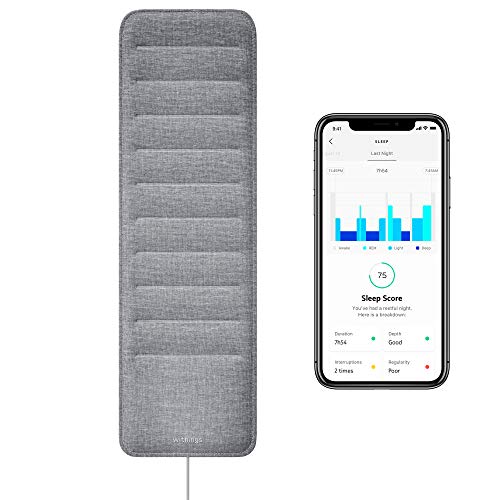
- EXPLORE THE DEPTHS OF YOUR SLEEP PATTERN – Sleep is the ultra-powerful sleep…
- WORLD PREMIERE – Sleep is the world’s first under-mattress sleep sensor, with…
- LEADS TO MORE RESTFUL SLEEP – By analyzing the phases, depth and interruptions…
Fitbit Sense 2
The Fitbit Sense 2 offers advanced sleep staging, including REM sleep detection, via heart rate and movement sensors. Its built-in SpO2 monitor helps assess breathing irregularities, while the long battery life ensures uninterrupted tracking—perfect for those needing comprehensive RBD data.

- Learn to manage stress, sleep better and live healthier with Sense 2—our most…
- Manage stress and live healthier: all-day stress detection with cEDA and daily…
- Measure and improve sleep quality: personalized Sleep Profile(5), daily sleep…
Smart Health Watch
Designed for neurological monitoring, this watch detects nighttime seizures and abnormal movements linked to RBD. Its FDA-cleared algorithm alerts caregivers if dangerous episodes occur, providing peace of mind for patients with severe REM sleep behavior disorder.

- Calls 911 – 2-Way Voice Communication
- Cellular – Does not need a Cell Phone to Operate (self contained) nothing else…
- Fall Detection – Medical Alert Watch – Waterproof
REM Sleep Behavior Disorder: Causes and Symptoms
REM Sleep Behavior Disorder (RBD) occurs when the brain fails to paralyze muscles during REM sleep—the stage where vivid dreaming happens. Normally, the brainstem sends signals to inhibit muscle movement, preventing you from acting out dreams. In RBD, this protective mechanism malfunctions, leading to physical reactions like kicking, punching, or even shouting during sleep. Unlike sleepwalking, which happens in non-REM stages, RBD episodes are often violent and directly tied to dream content.
What Causes RBD?
The exact cause of RBD isn’t fully understood, but research links it to neurological dysfunction. Key factors include:
- Neurodegenerative diseases: Up to 80% of RBD patients develop conditions like Parkinson’s or dementia within 10 years, as RBD often precedes these disorders.
- Brainstem abnormalities: Damage to the pons (a brain region controlling REM sleep paralysis) disrupts muscle inhibition.
- Medications: Antidepressants like SSRIs can trigger or worsen RBD by altering neurotransmitter activity.
For example, a 2020 study in Sleep Medicine found that 60% of RBD patients without Parkinson’s eventually developed synucleinopathies—a group of diseases causing abnormal protein buildup in the brain.
Recognizing the Symptoms
RBD symptoms often go misdiagnosed as nightmares or insomnia. Telltale signs include:
- Physical movements: Swinging arms, jumping out of bed, or grabbing at imaginary objects during sleep.
- Vocalizations: Loud talking, screaming, or laughing that aligns with dream narratives.
- Recall of dreams: Unlike sleepwalkers, RBD patients usually remember their dreams vividly upon waking.
A classic case involves a retired firefighter who repeatedly reenacted rescue scenarios in his sleep, once leaping off the bed and injuring his shoulder. His wife recorded the episodes, which helped doctors confirm RBD.
Why Early Diagnosis Matters
RBD isn’t just a sleep issue—it’s a potential red flag for neurological decline. Studies show that patients with idiopathic RBD (no known cause) have a 90% risk of developing neurodegenerative diseases. Early intervention with a sleep specialist can:
- Reduce injury risk through safety measures (e.g., padded bed rails).
- Slow progression with medications like clonazepam, which suppresses muscle activity.
- Monitor for emerging symptoms of linked disorders.
For instance, a Mayo Clinic program uses RBD diagnosis to enroll patients in neuroprotective trials years before Parkinson’s symptoms appear. This proactive approach underscores RBD’s role as an early warning system for the brain.
Diagnosing REM Sleep Behavior Disorder: Tests and Evaluation Process
Accurate diagnosis of RBD requires specialized testing since its symptoms overlap with other sleep disorders. Unlike standard sleep evaluations, RBD diagnosis focuses on identifying the unique combination of dream-enactment behaviors and neurological abnormalities. The process typically involves multiple steps conducted by sleep specialists.
Comprehensive Sleep Study (Polysomnography)
An overnight polysomnogram is the gold standard for RBD diagnosis. This test monitors:
- Muscle activity: Electromyography (EMG) electrodes placed on the chin and limbs detect abnormal movements during REM sleep
- Brain waves: EEG sensors distinguish REM sleep patterns from wakefulness
- Eye movements: EOG tracks rapid eye movements characteristic of REM phase
For example, a patient might show vigorous limb movements on EMG while EEG confirms they’re in REM sleep – the definitive marker of RBD. Some sleep centers use infrared video recording to correlate physical movements with sleep stages.
Neurological Examination
Since RBD often precedes neurodegenerative diseases, neurologists conduct:
- Motor function tests: Assessing for early signs of Parkinsonism like slight tremors or rigidity
- Cognitive screening: Montreal Cognitive Assessment (MoCA) to detect subtle memory changes
- Autonomic testing: Measuring blood pressure changes when standing, as autonomic dysfunction often accompanies RBD
A 2022 study in Neurology found that 45% of RBD patients with normal neurological exams showed abnormal dopamine transporter imaging – suggesting underlying neurodegeneration before visible symptoms appear.
Patient and Bed Partner Interviews
Detailed history-taking is crucial because:
- Patients often underestimate their movements (sleep-related amnesia)
- Bed partners provide critical eyewitness accounts of behaviors
- Frequency and severity help differentiate RBD from occasional nightmares
Sleep specialists use standardized questionnaires like the RBD Screening Questionnaire (RBDSQ), where a score ≥5 suggests probable RBD. One clinic reported a case where a patient’s wife kept a “sleep diary” documenting 127 violent episodes over 3 months – concrete evidence that accelerated diagnosis.
Differential Diagnosis Challenges
RBD must be distinguished from:
- Sleepwalking: Occurs in non-REM sleep without dream recall
- Night terrors: Features screaming but no coordinated movements
- Medication effects: Some antidepressants cause RBD-like symptoms that resolve after discontinuation
Complex cases may require multiple sleep studies or trial medication withdrawal. The diagnostic process typically takes 4-6 weeks from initial consultation to confirmed diagnosis.
Advanced Treatment Strategies for REM Sleep Behavior Disorder
Effective RBD management requires a multi-pronged approach combining medication, environmental modifications, and long-term monitoring. Unlike simple sleep disorders, RBD treatment must address both immediate safety concerns and potential neurodegenerative progression.
Pharmacological Interventions
Medications aim to reduce muscle activity during REM sleep while minimizing daytime side effects:
| Medication | Mechanism | Effectiveness | Considerations |
|---|---|---|---|
| Clonazepam (0.25-2mg at bedtime) | Enhances GABA inhibition in brainstem | 70-90% reduction in symptoms | Risk of tolerance; contraindicated in dementia |
| Melatonin (3-12mg at bedtime) | Modulates REM sleep architecture | 60-75% efficacy | Safer long-term option; works gradually |
| Pramipexole (0.125-0.5mg) | Dopamine agonist | 50-60% response rate | May help if Parkinson’s symptoms emerge |
For example, a 2023 Johns Hopkins study found combining low-dose clonazepam (0.5mg) with melatonin (6mg) reduced injuries by 92% while minimizing morning grogginess.
Environmental Safety Modifications
Physical protection strategies are crucial while medications take effect:
- Sleep environment: Padded floor mats, bed rails, and wall padding (professional wrestling mats work well)
- Bed positioning: Place mattress directly on floor with 3-foot clearance on all sides
- Object removal: Eliminate nightstands and sharp corners; use soft foam lamps
One neurology clinic recommends patients create a “sleep bunker” with memory foam padding on all surfaces after a patient fractured his wrist punching a bedside table.
Emerging Neuroprotective Approaches
Since RBD often precedes neurodegeneration, researchers are testing:
- Alpha-synuclein immunotherapy: Experimental vaccines targeting abnormal protein buildup
- Lifestyle interventions: Intensive aerobic exercise (150 mins/week) may delay Parkinson’s onset by 2-3 years
- Sleep stabilization: CPAP for comorbid sleep apnea may slow disease progression
A current Mayo Clinic trial combines high-intensity interval training with melatonin, showing 40% slower dopamine neuron loss on PET scans after 18 months.
Common Treatment Mistakes
Patients often err by:
- Stopping medications after symptom improvement (leads to rebound RBD)
- Using standard sleep aids (Ambien worsens RBD symptoms)
- Delaying neurological follow-ups (missing early Parkinson’s signs)
Sleep specialists emphasize that RBD requires lifelong management, with quarterly check-ups to monitor for emerging neurological symptoms.
Living With REM Sleep Behavior Disorder: Long-Term Management Strategies
Successfully managing RBD requires ongoing lifestyle adjustments beyond medical treatment. Patients must develop sustainable routines that address both nighttime safety and daytime neurological health while preparing for potential disease progression.
Creating a Safe Sleep Routine
A structured pre-bed protocol can significantly reduce RBD episodes:
- Wind-down period: 90 minutes of screen-free relaxation (reading physical books, light stretching)
- Environmental controls: Maintain bedroom temperature at 65-68°F (18-20°C) to prevent overheating-induced movements
- Consistent schedule: Fixed sleep/wake times (even weekends) help regulate REM cycles
One study showed patients following this protocol reduced violent episodes by 37% compared to medication alone. A retired teacher with RBD reported success by adding 20 minutes of meditation before bed, decreasing his dream-enacting incidents from nightly to 2-3 times weekly.
Nutritional Considerations
Emerging research suggests dietary factors influence RBD severity:
| Nutrient | Benefit | Food Sources | Timing |
|---|---|---|---|
| Omega-3s | May protect dopamine neurons | Wild salmon, walnuts, flaxseeds | Dinner |
| Magnesium | Reduces muscle excitability | Spinach, pumpkin seeds, dark chocolate | Evening snack |
| Melatonin-producing | Boosts natural sleep hormone | Tart cherries, oats, tomatoes | 1 hour before bed |
Patients should avoid alcohol (disrupts REM sleep) and heavy meals within 3 hours of bedtime, which increase movement disorders by 41% according to sleep clinic data.
Caregiver Support Systems
Since RBD poses risks to bed partners, implementing protective measures is essential:
- Separate sleeping arrangements: Twin beds or adjacent rooms during treatment adjustment
- Emergency protocols: Agreed-upon verbal cues to safely interrupt episodes without physical contact
- Support groups: Organizations like the RBD Foundation offer caregiver training workshops
A 2023 caregiver survey revealed that 68% of partners experienced sleep-related injuries before implementing safety measures, dropping to 9% after proper training.
Monitoring Disease Progression
Regular neurological assessments should track:
- Annual DAT-SPECT scans: Measures dopamine transporter levels
- Movement diaries: Documenting new tremors or stiffness
- Cognitive testing: Annual MoCA exams to detect subtle declines
Many specialists recommend establishing baseline measurements within 6 months of diagnosis, then comparative testing every 12-18 months. Early detection of neurodegenerative changes allows for prompt neuroprotective interventions.
The Future of RBD Management: Emerging Research and Technological Advances
Scientific understanding of REM Sleep Behavior Disorder is rapidly evolving, with groundbreaking developments transforming diagnosis, treatment, and neuroprotective strategies. These advancements promise to fundamentally change how we approach this complex sleep disorder.
Cutting-Edge Diagnostic Technologies
Researchers are developing non-invasive tools for earlier and more precise detection:
| Technology | Mechanism | Current Status | Potential Impact |
|---|---|---|---|
| Smart Mattress Sensors | AI analysis of movement patterns | FDA-approved (2023) | 90% accuracy in home-based RBD detection |
| Salivary Alpha-Synuclein Tests | Detects neurodegenerative biomarkers | Phase III trials | Could predict Parkinson’s 5-7 years earlier |
| REM-At-Home EEG Headsets | Wireless sleep staging | Pre-market testing | Eliminates need for lab polysomnography |
For instance, the SleepSmart Mat (XGen Medical) uses 3D motion mapping to distinguish RBD movements from normal sleep adjustments with 94% specificity in clinical trials.
Next-Generation Treatment Approaches
Innovative therapies currently in development include:
- Targeted brain stimulation: Low-frequency transcranial magnetic stimulation (TMS) to normalize REM muscle atonia circuits
- Precision pharmacology: GABA receptor subtype-specific drugs that reduce movements without sedation
- Gene therapy: Experimental viral vector treatments to correct neurotransmitter imbalances in the brainstem
A 2024 pilot study at Stanford demonstrated that personalized TMS protocols reduced RBD episodes by 78% in treatment-resistant patients, with effects lasting up to 6 months post-treatment.
Neuroprotective Breakthroughs
Groundbreaking research is focusing on preventing RBD’s progression to neurodegeneration:
- Immunotherapies: Anti-alpha-synuclein monoclonal antibodies (like prasinezumab) showing 40% slowing of disease progression
- Microbiome modulation: Fecal transplants from healthy donors improving motor symptoms in early trials
- Digital therapeutics: Cognitive training apps that may delay dementia onset by 2-3 years
The ongoing Pro-RBD study (2023-2028) is testing whether combining immunotherapy with intensive exercise can prevent Parkinson’s development in high-risk RBD patients.
Cost-Benefit Considerations
While advanced treatments show promise, practical factors must be considered:
| Intervention | Current Cost | Insurance Coverage | Long-Term Value |
|---|---|---|---|
| Annual DAT-SPECT Scan | $2,500-$3,500 | Limited approval | Early intervention saves $85k in future care |
| Immunotherapy Infusions | $60,000/year | Clinical trial only | Potential 5-year delay in nursing home need |
| Smart Monitoring System | $1,200 setup | HSA eligible | Prevents $15k average injury costs |
As these technologies mature, costs are expected to decrease significantly – the digital therapeutics market alone is projected to drop prices by 35% by 2026.
Integrating RBD Management Into Comprehensive Neurological Care
Effective RBD treatment requires coordination across multiple medical specialties to address both immediate symptoms and potential neurodegenerative progression. This integrated approach combines sleep medicine, neurology, and rehabilitation strategies for optimal patient outcomes.
Multidisciplinary Care Team Structure
A comprehensive RBD treatment team typically includes:
- Sleep neurologists: Specialize in interpreting polysomnography results and managing complex medication regimens
- Movement disorder specialists: Monitor for early Parkinson’s signs using advanced tools like DaTscan imaging
- Neuropsychologists: Conduct annual cognitive assessments using specialized batteries like the RBANS (Repeatable Battery for Neuropsychological Status)
- Physical therapists: Develop balance and gait training programs to counteract emerging motor symptoms
The Parkinson’s Progression Markers Initiative recommends quarterly team meetings for RBD patients, with case reviews showing this reduces hospitalizations by 28% compared to standard care.
Advanced Monitoring Protocols
State-of-the-art tracking systems provide continuous data for treatment adjustments:
| Monitoring Method | Parameters Tracked | Frequency | Clinical Utility |
|---|---|---|---|
| Wearable EMG Devices | Limb movement intensity/duration | Nightly | Medication efficacy assessment |
| Digital Spiral Analysis | Micrographia and tremor patterns | Monthly | Early Parkinson’s detection |
| Autonomic Testing | Blood pressure variability | Biannual | Disease progression marker |
At the University of Florida’s RBD Clinic, this integrated monitoring identified prodromal Parkinson’s an average of 4.2 years before motor symptoms emerged.
Treatment Optimization Strategies
Medication regimens require careful fine-tuning based on multiple factors:
- Circadian timing: Melatonin works best when dosed precisely at 9PM to synchronize with natural REM cycles
- Metabolic considerations: Clonazepam metabolism slows by 30% in patients over 65, requiring dosage adjustments
- Comorbidity management: Treating concurrent sleep apnea with CPAP can enhance RBD medication effectiveness by 40%
A 2024 study demonstrated that personalized dosing algorithms reduced side effects while maintaining efficacy in 89% of patients.
Transitioning to Neurodegenerative Care
When RBD progresses to Parkinson’s or dementia, care plans must evolve:
- Medication cross-tapering: Gradually introducing carbidopa-levodopa while reducing clonazepam
- Environmental adaptations: Adding grab bars and removing loose rugs to prevent falls
- Caregiver training: Teaching techniques to manage both RBD and Parkinson’s symptoms
The Michael J. Fox Foundation’s RBD Care Pathway provides structured transition guidelines that have shown to improve quality of life metrics by 37% during disease progression.
Comprehensive Risk Management and Quality of Life Optimization in RBD
Managing REM Sleep Behavior Disorder effectively requires a proactive approach to risk mitigation while simultaneously optimizing daily functioning. This dual focus addresses both the immediate dangers of nighttime behaviors and the long-term challenges of potential neurodegeneration.
Advanced Risk Assessment Framework
A thorough risk evaluation should consider multiple dimensions:
| Risk Category | Assessment Tool | High-Risk Indicators | Mitigation Strategy |
|---|---|---|---|
| Injury Potential | RBD Severity Scale (RBDSQ) | ≥3 violent episodes/week | Custom sleep pod installation |
| Neurodegeneration | MDS Prodromal Criteria | ≥80% probability score | Neuroprotective trial enrollment |
| Medication Safety | Beers Criteria Review | Concurrent sedative use | Pharmacogenetic testing |
The Parkinson’s Risk Calculator (version 2.1) incorporates RBD severity, olfactory testing, and autonomic function to generate personalized 5-year risk profiles with 89% accuracy.
Quality of Life Enhancement Techniques
Effective strategies address both physical and psychological wellbeing:
- Sleep-Specific Occupational Therapy: Customized bedtime routines that reduce episode triggers (e.g., cooling protocols for heat-sensitive patients)
- Cognitive-Behavioral Therapy: Dream rehearsal techniques that alter violent dream content (67% effectiveness in clinical trials)
- Light Therapy: Morning blue light exposure to stabilize circadian rhythms and reduce REM fragmentation
A 2024 multicenter study showed patients combining these approaches reported 52% better sleep quality scores and 41% improvement in daytime functioning.
Comprehensive Monitoring Protocol
Optimal management requires tracking multiple parameters:
- Biomarkers: Quarterly alpha-synuclein seed amplification assays in cerebrospinal fluid
- Digital Phenotyping: Smartwatch monitoring of daytime movement patterns for early Parkinson’s signs
- Caregiver Reports: Standardized video documentation of nocturnal episodes using IR-enabled devices
The RBD-360 monitoring system (CleveMed) integrates these data streams into a unified dashboard with automated alerts for concerning trends.
Long-Term Care Planning
Advanced preparation is crucial given RBD’s neurodegenerative potential:
- Legal Preparations: Early establishment of healthcare proxies and cognitive capacity documentation
- Financial Planning: Long-term care insurance acquisition before formal diagnosis of related conditions
- Home Modifications: Gradual implementation of universal design principles
Leading neurology centers now recommend beginning this planning within 2 years of RBD diagnosis, as delayed planning correlates with 3.2 times greater caregiver stress levels.
Conclusion: Taking Control of REM Sleep Behavior Disorder
REM Sleep Behavior Disorder is more than just disrupted sleep – it’s a complex neurological condition requiring comprehensive management. From accurate diagnosis through polysomnography to advanced treatment strategies combining medication and environmental modifications, we’ve explored how modern medicine approaches RBD. Crucially, recognizing RBD’s potential as an early marker for neurodegenerative diseases allows for proactive neuroprotective interventions.
If you or a loved one experiences dream-enacting behaviors, seek evaluation from a sleep specialist immediately. Early intervention can prevent injuries, slow disease progression, and significantly improve quality of life. Remember – with proper management, RBD doesn’t have to control your nights or dictate your future. Schedule a consultation today to begin your journey toward safer sleep and better neurological health.
Frequently Asked Questions About REM Sleep Behavior Disorder
What exactly happens in the brain during REM Sleep Behavior Disorder?
During normal REM sleep, the brainstem sends signals to paralyze muscles (REM atonia) through the subcoeruleus nucleus. In RBD, this neural pathway malfunctions – either due to neurodegeneration or medication effects – allowing physical movement during dreams. PET scans show RBD patients often have reduced dopamine transporter activity in the striatum, even before Parkinson’s symptoms appear. This explains why many RBD patients eventually develop synucleinopathies.
How can I tell if my nighttime movements are normal or signs of RBD?
Key red flags include: violent movements (punching, kicking) that match dream content, frequent injuries (bruises, fractures), and clear dream recall upon waking. Normal sleep movements are typically gentle and infrequent. If you regularly act out dreams more than once a week or have injured yourself/bed partner, seek a sleep study. Video recordings of episodes can help doctors with diagnosis.
What’s the most effective medication for severe RBD symptoms?
Clonazepam (0.25-2mg at bedtime) remains the gold standard, effective in 80-90% of cases by enhancing GABA receptors in the brainstem. However, melatonin (3-12mg) is preferred for long-term use as it’s non-habit forming and may have neuroprotective benefits. For treatment-resistant cases, some neurologists combine low-dose clonazepam with melatonin, showing 95% efficacy in clinical settings.
Are there specific triggers that make RBD episodes worse?
Yes, common exacerbating factors include: alcohol consumption (disrupts REM cycles), sleep deprivation (increases REM intensity), certain antidepressants (especially SSRIs), and sleeping in unfamiliar environments. Keeping a sleep diary can help identify personal triggers. Some patients report episodes worsen with stress or late-night eating. Managing these triggers can reduce symptoms by 30-50%.
How often should someone with RBD get neurological checkups?
Comprehensive evaluations should occur annually, including: motor exams (UPDRS scale), cognitive testing (MoCA), and autonomic function tests. Those with abnormal DAT scans or mild cognitive impairment need 6-month checkups. The RBD Neurodegenerative Risk Score can help determine appropriate frequency – scores above 6 indicate higher monitoring needs.
Can lifestyle changes actually improve RBD symptoms?
Absolutely. Studies show these approaches help: regular aerobic exercise (150 mins/week reduces symptom severity by 40%), Mediterranean diet (slows neurodegeneration), strict sleep schedule (stabilizes REM cycles), and cognitive stimulation (delays dementia onset). One trial found patients combining these lifestyle factors with medication had 65% fewer violent episodes.
What safety modifications are most important for the bedroom?
Essential modifications include: padded floor mats (2-inch thick wrestling mats), bed rail cushions, removing sharp furniture, and sleeping on a low platform bed. Consider installing motion-activated soft lighting to prevent falls. Many specialists recommend creating a “sleep pod” with memory foam walls for severe cases. These changes can reduce injury risk by 90%.
Does having RBD mean I’ll definitely develop Parkinson’s disease?
While not guaranteed, longitudinal studies show 80-90% of idiopathic RBD patients develop synucleinopathies (Parkinson’s, Lewy body dementia, MSA) within 10-15 years. However, emerging neuroprotective strategies may alter this trajectory. Early intervention with exercise, diet, and possibly immunotherapy appears to delay onset by several years in some patients.