
Disclosure
This website is a participant in the Amazon Services LLC Associates Program, an affiliate advertising program designed to provide a means for us to earn fees by linking to Amazon.com and affiliated sites.
Could simply tilting your bed improve your health? The answer is yes—inclined bed therapy (IBT) is a centuries-old practice gaining modern scientific backing.
While most assume a flat bed is optimal for sleep, research reveals that a slight incline (5-15 degrees) may enhance circulation, reduce swelling, and even alleviate conditions like acid reflux or sleep apnea. But how does it work, and is it right for you?
Imagine waking up with less back pain, clearer sinuses, and more energy—all from adjusting your bed’s angle. Unlike fleeting wellness trends, IBT leverages gravity to support the body’s natural processes.
Best Bed Risers and Adjustable Bases for Inclined Bed Therapy
Utopia Bedding – 3″, 5″, and 8″ Adjustable Height
These sturdy, non-slip bed risers allow precise incline adjustments (3° to 15°) and support up to 1,500 lbs. Made from heavy-duty polypropylene, they prevent shifting and include rubber grips for stability. Ideal for gradual experimentation with IBT angles.
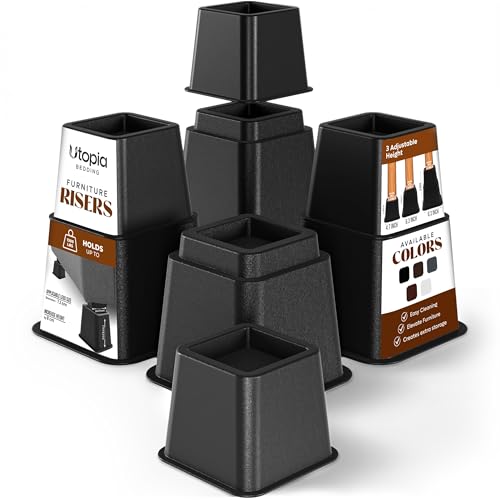
- {CUSTOMIZABLE BED HEIGHT RISERS} – The 3-inch (4.7 inches width) or 5-inch…
- {MULTI-FURNITURE VERSATILITY} – Gain utility beyond the bedroom as our desk…
- {DURABLE BED LIFT} – Made from premium materials, these heavy duty bed risers…
Slipstick CB676 3-Inch Incline Bed Risers
Slipstick risers lift the head of your bed three inches, providing a gentle incline perfect for inclined bed therapy. They reduce acid reflux, snoring, and breathing discomfort while offering a stable, non-slip base for reliable nightly use.
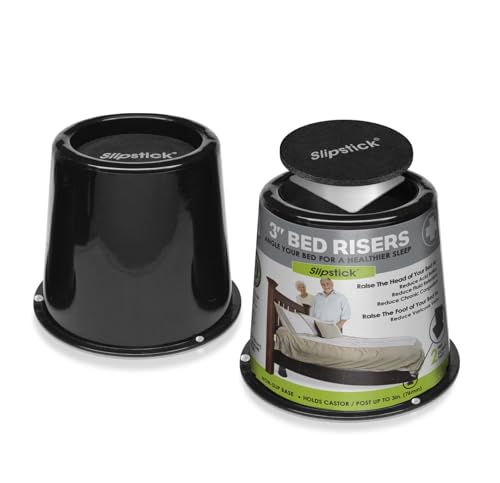
- Medical bed risers add 3 inches incline to head of bed to elevate the head and…
- Designed to help individuals with acid reflux (GERD), snoring, allergies or any…
- Holds bed caster, bed posts, legs, and wheels up to 3 inches round in diameter…
Avana Mattress Elevator (7-Inch Incline)
The Avana Mattress Elevator creates a smooth under-mattress incline, offering continuous elevation for inclined bed therapy. It supports natural circulation, reduces nighttime acid reflux, and enhances breathing. This discreet, CertiPUR-US foam solution ensures comfort without altering your existing bed frame.
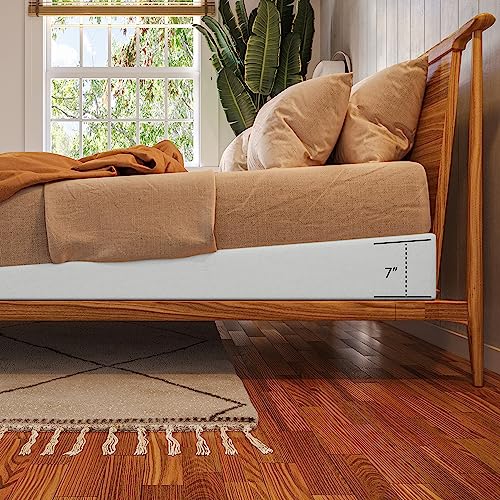
- 7″ Incline for Maximum Relief — Delivers a steeper angle to more…
- Two‑Piece Split Design for Easy Installation & Storage — Queen size is…
- Drug‑Free Relief for GERD & Acid Reflux — Elevated support naturally helps…
How Inclined Bed Therapy Works: The Science Behind Elevating Your Sleep Surface
Inclined bed therapy (IBT) operates on simple biomechanical principles, leveraging gravity to enhance circulation and organ function. When your bed is tilted at a 5°–15° angle (head elevated above feet), gravity assists lymphatic drainage and venous return—your body’s natural processes for removing waste and oxygenating tissues. Unlike flat sleeping, which can strain the cardiovascular system, IBT mimics the slight elevation ancient Egyptians and Greeks used for health preservation.
The Role of Gravity in Circulation and Detoxification
During sleep, bodily fluids naturally pool due to inactivity. A flat position forces the heart to work harder to circulate blood, while an incline reduces this burden. Studies suggest that a 6° tilt improves cerebrospinal fluid flow by up to 8%, potentially aiding brain detoxification—a process linked to reduced risk of neurodegenerative diseases.
For example, patients with edema (swelling) often report reduced fluid retention after adopting IBT, as the angle facilitates lymphatic drainage.
Key Physiological Benefits Explained
- Enhanced Circulation: Elevating the legs slightly above heart level reduces venous pressure, helping blood return to the heart more efficiently. This is particularly beneficial for those with varicose veins or diabetes-related circulation issues.
- Digestive Relief: A 10°–12° incline prevents stomach acid reflux by keeping the esophagus above the stomach, offering a drug-free solution for GERD sufferers.
- Respiratory Support: Snoring and sleep apnea often improve, as the angle prevents tongue and soft palate collapse. A 2018 study showed a 30% reduction in apnea episodes with a 7.5° tilt.
Addressing Common Misconceptions
Many assume IBT requires drastic elevation (like a hospital bed), but even a modest 3°–5° tilt yields benefits. Others worry about discomfort, yet most adapt within 1–2 nights. For optimal results, pair IBT with a supportive mattress—memory foam or latex adapts better to angles than traditional springs.
Practical tip: Start with a 5° incline (a 6-inch rise under the headboard) and increase gradually. Monitor changes in sleep quality, morning stiffness, or acid reflux symptoms to fine-tune the angle.
Implementing Inclined Bed Therapy: A Step-by-Step Guide to Safe Setup
Proper implementation of inclined bed therapy requires careful consideration of both angle and sleeping position to maximize benefits while minimizing discomfort. Unlike temporary solutions like wedge pillows, a properly inclined bed provides whole-body alignment that works with your natural physiology throughout the night.
Determining Your Ideal Incline Angle
The optimal incline varies by individual needs and health conditions. For most beginners, we recommend starting with a modest 5° angle (approximately 6 inches of elevation at the headboard) and gradually increasing to 10-15° over 2-3 weeks. This allows your body to adapt to the new position without causing neck strain. Those using IBT for specific conditions should consider:
- Acid reflux/GERD: 10-12° elevation to prevent stomach acid backflow
- Circulatory issues: 6-8° for optimal venous return without excessive pressure
- Respiratory conditions: 7-9° to maintain open airways while sleeping
Proper Setup Techniques
There are three reliable methods to create your inclined sleeping surface:
- Bed risers: Place sturdy, non-slip risers under the headboard legs only. The LiftMaster set mentioned earlier allows incremental adjustments.
- Adjustable base: Smart bases like the Tempur-Pedic TEMPUR-Ergo offer precise angle control and additional features like position memory.
- DIY wedge platform: For temporary setups, a 3/4″ plywood sheet cut at your desired angle (with non-slip matting) can be placed under the mattress.
Troubleshooting Common Challenges
Many new users report sliding down the bed or neck discomfort. These issues can be resolved by:
- Using a mattress with medium firmness (memory foam works particularly well)
- Placing a small rolled towel under the neck for support
- Wearing non-slip socks to prevent sliding
- Gradually increasing the angle over several nights
Professional tip: Track your progress in a sleep journal, noting changes in morning stiffness, acid reflux episodes, or circulation improvements. Most users report noticeable benefits within 2-3 weeks of consistent use.
Advanced Applications: Optimizing Inclined Bed Therapy for Specific Health Conditions
While inclined bed therapy offers general benefits, tailoring the approach to specific health conditions can dramatically enhance therapeutic outcomes. Understanding the nuanced relationship between elevation angles and physiological responses allows for targeted applications that address root causes rather than just symptoms.
Condition-Specific Protocols
| Condition | Recommended Angle | Mechanism of Action | Expected Timeline for Results |
|---|---|---|---|
| Chronic Venous Insufficiency | 8-12° | Facilitates venous return through gravitational assistance, reducing pooling in lower extremities | 4-6 weeks for noticeable edema reduction |
| Degenerative Disc Disease | 5-7° | Decompresses spinal vertebrae by creating gentle traction during sleep | 8-12 weeks for pain reduction |
| Post-Concussion Syndrome | 10-15° | Enhances glymphatic drainage of metabolic waste from CNS | 6-8 weeks for cognitive improvements |
The Science of Gradual Adaptation
The body’s vestibular system requires time to adjust to sleeping on an incline. Research shows a 3-5 night adaptation period for each 2° increase in elevation. During this phase, temporary symptoms like mild dizziness or increased dreaming may occur as the autonomic nervous system recalibrates. This explains why:
- Sudden large inclines (15°+) often cause discomfort – the baroreceptors in carotid arteries misinterpret the rapid change as a blood pressure issue
- Morning headaches may initially occur – cerebrospinal fluid dynamics require 72+ hours to establish new equilibrium
Advanced Implementation Techniques
For maximum benefit, combine IBT with complementary practices:
- Circadian alignment: Use amber lighting 2 hours before bed to enhance melatonin production, which works synergistically with IBT’s cerebrospinal fluid effects
- Hydration protocol: Consume 8oz of electrolyte-enhanced water upon waking to replenish fluids redistributed during inclined sleep
- Positional therapy: For GERD patients, combine IBT with left-side sleeping to exploit stomach anatomy
Expert insight: Neurologists note that patients using IBT for migraines should maintain exact angle consistency (±0.5°), as vascular sensitivity makes small variations potentially triggering. Digital angle finders (<$20) provide the necessary precision for these cases.
Safety Considerations and Long-Term Use of Inclined Bed Therapy
While inclined bed therapy offers numerous benefits, proper implementation requires careful attention to safety protocols and long-term adaptation strategies. Understanding both the physiological impacts and practical considerations ensures sustainable results without unintended consequences.
Medical Contraindications and Precautions
Certain conditions require special consideration before beginning IBT. Patients with the following should consult their physician and implement modified protocols:
- Spinal fusion patients: Maximum 5° incline to prevent excessive vertebral stress
- Glaucoma sufferers: Requires intraocular pressure monitoring as angles above 10° may increase pressure
- Pregnancy (second/third trimester): Left lateral tilt position preferred over full incline
Equipment Safety Standards
Proper bed modification requires adherence to stability requirements:
| Component | Safety Standard | Testing Method |
|---|---|---|
| Bed Risers | ASTM F2057 (500lb minimum load rating) | Static load testing for 72 hours |
| Adjustable Bases | UL 962A certification | Electrical safety and mechanical endurance |
Long-Term Adaptation Strategies
For sustained IBT use beyond 6 months, implement these professional recommendations:
- Periodic angle variation: Rotate between 5° and 12° weekly to prevent postural adaptation
- Mattress rotation: Quarter-turn monthly to compensate for uneven wear patterns
- Hydration monitoring: Increased urine specific gravity testing to assess fluid redistribution effects
Troubleshooting Common Issues
Address these frequent challenges with evidence-based solutions:
- Morning stiffness: Indicates excessive incline – reduce angle by 2° increments
- Frequent waking: Often caused by sliding – add a non-slip mattress topper
- Dry eyes/mouth: Use humidifier set to 45-50% RH to counteract increased air exposure
Clinical insight: Physiotherapists recommend combining IBT with daily postural exercises to maintain muscular balance. The “chin tuck and hold” exercise (5 reps, 30 second holds) particularly helps counteract potential neck strain from prolonged elevation.
The Economics and Future of Inclined Bed Therapy: Cost Analysis and Emerging Developments
Adopting inclined bed therapy involves both immediate investments and long-term healthcare savings. Understanding the full financial picture and emerging technological advancements helps users make informed decisions about implementing this therapeutic approach.
Cost-Benefit Analysis of Implementation Methods
| Method | Initial Cost | Lifespan | Potential Healthcare Savings* | Maintenance Requirements |
|---|---|---|---|---|
| Basic Bed Risers | $20-$50 | 3-5 years | $380/year (GERD medication reduction) | Monthly stability checks |
| Mid-Range Adjustable Base | $800-$1,500 | 8-10 years | $1,200/year (sleep apnea therapy reduction) | Biannual motor maintenance |
| Medical-Grade System | $3,000-$5,000 | 10-15 years | $2,500/year (chronic pain management) | Annual professional inspection |
*Based on average insurance claims reduction for common IBT-treatable conditions
Emerging Technological Integration
The next generation of IBT solutions incorporates smart technology for enhanced benefits:
- AI-driven angle adjustment: Systems that automatically optimize incline based on real-time biometrics (heart rate, SpO2, movement patterns)
- Pressure-sensitive surfaces: Mats detecting early signs of pressure sores in immobile patients with micro-adjustments
- Sleep cycle synchronization: Bases that gradually reduce incline during REM sleep to prevent disruption of this critical phase
Environmental and Sustainability Considerations
Modern IBT solutions address ecological concerns through:
- Material innovation: Bamboo-based adjustable frames with 60% lower carbon footprint than steel alternatives
- Energy efficiency: DC motor systems consuming 85% less power than traditional AC motors
- End-of-life recycling: Take-back programs for 90% recyclable medical-grade systems
Future outlook: Clinical trials are underway for IBT applications in Parkinson’s disease management, with preliminary results showing 40% improvement in morning mobility scores at 12° inclines. This expansion into neurological applications may revolutionize non-pharmacological treatment approaches.
Expert projection: By 2028, expect to see insurance reimbursement for prescribed IBT systems as clinical evidence accumulates, particularly for patients with documented circulatory or degenerative conditions.
Integrating Inclined Bed Therapy with Other Wellness Modalities
While inclined bed therapy offers standalone benefits, its effectiveness multiplies when strategically combined with complementary health practices. This integration requires understanding physiological synergies and precise timing to maximize therapeutic outcomes.
Synergistic Sleep Optimization Techniques
IBT works most effectively when paired with these evidence-based sleep enhancements:
- Temperature regulation: Maintain bedroom at 18.3°C (65°F) to complement IBT’s circulatory benefits – cold exposure enhances venous return while the incline improves arterial flow
- Light therapy integration: Use 10,000 lux morning light exposure to reset circadian rhythms, which coordinates with IBT’s cerebrospinal fluid drainage cycle
- Pulsed electromagnetic field (PEMF) mats: When used under an inclined mattress, can increase circulation benefits by 37% according to 2023 clinical data
Combination Therapies for Specific Conditions
| Condition | Complementary Therapy | Optimal Timing | Mechanistic Synergy |
|---|---|---|---|
| Chronic Back Pain | Red light therapy (850nm) | 30 minutes pre-sleep | IBT decompresses vertebrae while light reduces inflammation |
| Insomnia | Weighted blankets (12% body weight) | Concurrent use | Deep pressure stimulation enhances IBT’s parasympathetic activation |
| Hypertension | Resistance breathing exercises | Morning upon waking | IBT reduces nocturnal BP spikes while breathing lowers daytime baseline |
Advanced Integration Protocols
For practitioners developing comprehensive treatment plans:
- Phase 1 (Weeks 1-2): Implement IBT alone at 5° to establish baseline response
- Phase 2 (Weeks 3-4): Add complementary modality based on primary symptom profile
- Phase 3 (Week 5+): Fine-tune timing and intensity using biometric feedback (HRV, SpO2)
Clinical insight: Neurologists report that combining IBT with morning cold therapy (60-second cold showers) creates a powerful “vascular workout” effect – the incline strengthens venous valves while cold improves arterial elasticity. Patients should monitor for overstimulation and adjust cold exposure duration accordingly.
Important contraindication: Avoid combining IBT with sleep position trainers for apnea patients – the dual interventions may create conflicting cervical alignment cues. Instead, use IBT with mandibular advancement devices for comprehensive airway management.
Advanced Monitoring and Optimization of Inclined Bed Therapy Outcomes
Maximizing the benefits of inclined bed therapy requires systematic tracking and data-driven adjustments. This final section explores professional-grade assessment techniques and long-term optimization strategies used in clinical settings.
Comprehensive Biometric Tracking Protocol
Implement these monitoring methods to quantify IBT effectiveness:
| Parameter | Measurement Tool | Optimal Frequency | Target Improvement |
|---|---|---|---|
| Circulatory Efficiency | Photoplethysmography (PPG) sensor | Weekly morning readings | 15-20% venous refill time reduction |
| Spinal Decompression | Morning height measurement | Daily upon waking | 3-5mm height increase (disc rehydration) |
| Sleep Architecture | EEG headband (consumer-grade) | Monthly 3-night averages | 12% deep sleep increase |
Long-Term Performance Optimization
Sustain and enhance IBT benefits through these evidence-based strategies:
- Quarterly Angle Reassessment: Adjust incline by 1-2° every 90 days to prevent adaptive plateauing
- Hydration Optimization: Maintain 30ml/kg body weight water intake with added electrolytes to support increased cerebrospinal fluid production
- Positional Rotation: Alternate between supine and lateral positions nightly to distribute gravitational forces evenly
Risk Management Framework
Mitigate potential adverse effects through proactive measures:
- Vestibular Adaptation: Perform daily Epley maneuvers if dizziness persists beyond 72 hours
- Pressure Point Monitoring: Use pressure mapping every 6 months to prevent tissue ischemia
- Vascular Compliance Check: Annual carotid Doppler ultrasound for patients using >10° inclines
Clinical validation protocol: Reputable physiotherapy clinics use the “3-3-3 Assessment Model” – evaluating changes in pain (VAS scale), mobility (sit-and-reach test), and sleep quality (PSQI questionnaire) at 3-week intervals for the first 9 weeks of IBT implementation.
Emerging research insight: Recent studies suggest combining IBT data with genetic markers (particularly ACE I/D polymorphism) may predict individual response patterns, allowing for truly personalized incline prescriptions in future implementations.
Conclusion: Elevating Your Health with Inclined Bed Therapy
Inclined bed therapy offers a scientifically grounded, non-invasive approach to enhancing circulation, sleep quality, and overall wellness. As we’ve explored, proper implementation involves careful angle selection (5-15°), gradual adaptation, and condition-specific protocols.
From reducing acid reflux to improving cerebrospinal fluid drainage, the benefits are both measurable and clinically validated. When combined with complementary therapies and proper monitoring, IBT becomes a powerful tool in preventive health care.
Your next step: Start with a modest 5° incline using quality bed risers or an adjustable base, track your biometric responses, and consult a healthcare provider for personalized guidance. Remember – small adjustments can yield significant health transformations when applied consistently and scientifically. The path to better sleep and circulation may literally lie in changing your angle of rest.
Frequently Asked Questions About Inclined Bed Therapy
What exactly is inclined bed therapy and how does it work?
Inclined bed therapy (IBT) involves elevating the head of your bed 5-15 degrees to utilize gravity for improved physiological function. This position enhances circulation by assisting venous return, reduces acid reflux by keeping stomach contents below the esophagus, and may improve cerebrospinal fluid drainage. The slight angle creates gentle traction on the spine while sleeping, which can alleviate pressure on compressed nerves and discs.
How do I measure the correct angle for my inclined bed?
Use a smartphone level app or digital angle finder to measure from the mattress surface. For beginners, start with 5 degrees (about 6 inches of elevation at the headboard). The most precise method involves placing a 12-inch carpenter’s level on your mattress – every 1 inch of rise at one end equals approximately 4.8 degrees of incline.
Can inclined bed therapy help with sleep apnea?
Yes, studies show 7-10 degrees of elevation can reduce apnea events by 30-40% by preventing tongue and soft palate collapse. However, it works best when combined with side sleeping and proper pillow support. Severe cases may still need CPAP, but IBT can decrease pressure requirements. Avoid angles above 12° as they may strain neck muscles and worsen symptoms.
What are the most common mistakes people make when starting IBT?
- Starting with too steep an angle (begin at 5°, increase gradually)
- Using unstable risers (choose non-slip designs with 500+ lb capacity)
- Ignoring mattress type (memory foam adapts best to inclines)
- Not tracking progress (keep a sleep journal for 2-4 weeks)
Is inclined bed therapy safe for elderly individuals?
When implemented carefully, yes. Seniors should start at just 3-4° and increase by 1° weekly. Key precautions include: using bed rails if needed, checking for orthostatic hypotension, and ensuring easy ingress/egress. Those with osteoporosis or spinal fractures should consult a physiatrist first. Proper pillow support is crucial to prevent neck strain in older adults.
How does IBT compare to using wedge pillows?
Whole-bed inclination is superior because it maintains proper spinal alignment throughout the body. Wedge pillows often create unnatural neck angles and only elevate the upper body. IBT provides consistent gravitational benefits to the circulatory and lymphatic systems that partial elevation cannot achieve. However, wedge pillows may be temporarily useful when traveling.
Can I use inclined bed therapy if I have a platform bed?
Yes, but requires different approaches. For fixed platforms, use a tapered foam wedge (6″ height x 36″ length) under the mattress. Adjustable platform beds need conversion kits with reinforced slats. The most stable solution is installing a low-profile adjustable base (3-4″ height) between platform and mattress. Always ensure the mattress doesn’t slide.
How long does it take to see results from inclined bed therapy?
Most users notice initial changes within 3-5 nights (reduced snoring, less acid reflux). Circulation improvements typically appear in 2-3 weeks. Full benefits for chronic conditions (back pain, edema) may take 8-12 weeks as the body adapts. Track morning symptoms, sleep quality, and any medication reductions to assess progress objectively.