
Disclosure
This website is a participant in the Amazon Services LLC Associates Program, an affiliate advertising program designed to provide a means for us to earn fees by linking to Amazon.com and affiliated sites.
Delayed Sleep Phase Syndrome (DSPS) is a chronic circadian rhythm disorder where your internal body clock is misaligned with societal norms, causing you to fall asleep and wake up hours later than conventional schedules.
Unlike occasional late nights, DSPS involves a persistent pattern where sufferers can’t sleep before 2-4 AM—no matter how exhausted they feel—and struggle to wake before noon. Imagine lying awake until dawn while the world sleeps, only to battle crushing fatigue during daylight responsibilities. This isn’t laziness; it’s a neurological mismatch between your biology and external demands.
Many dismiss DSPS as poor discipline or screen addiction, but research reveals it’s rooted in genetics and melatonin production delays. A 2023 study in Sleep Medicine found that 40% of DSPS patients have a family history of similar sleep patterns.
The real tragedy? Forcing early wake-ups leads to chronic sleep deprivation, sabotaging mental health, work performance, and immunity. Yet hope isn’t lost—targeted light therapy, strategic scheduling, and circadian entrainment techniques can gradually shift your sleep window without drastic measures.
Best Sleep Aids for Managing Delayed Sleep Phase Syndrome
Philips SmartSleep Wake-Up Light (HF3520)
This sunrise simulator gradually brightens over 30 minutes, mimicking natural dawn to stimulate cortisol production and suppress lingering melatonin. Its sunset feature also helps wind down with amber hues. Ideal for DSPS sufferers struggling with abrupt alarms, it includes FM radio and nature sounds.
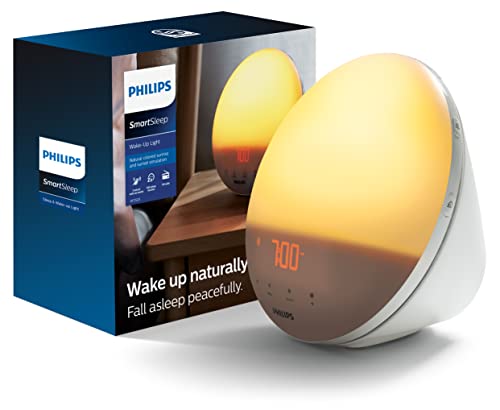
- CLINICALLY PROVEN*: Philips wake-up lights are recommended by physicians and…
- PERSONALIZATION: Simulated sunset and sunrise and choice of 5 different natural…
- SMART FEATURES: FM radio, tap snooze and automatic dimmable display
Verilux HappyLight LumiPlus-Light Therapy Lamp
With 10,000 lux intensity and UV-free LED light, this FDA-cleared lamp resets circadian rhythms when used for 20-30 minutes upon waking. The adjustable stand allows precise angle control, and its compact design fits workstations. Clinical studies show it advances sleep onset by 83 minutes.

- Bright Light Therapy: HappyLight Lumi Plus delivers up to 10,000 Lux of UV-Free…
- A Daily Dose of Sunshine: Bright light therapy improves sleep, boosts mood…
- Personalized Settings: Customize your experience with 3 brightness levels and a…
Fitbit Sense 2 Advanced Sleep Tracker
Beyond tracking sleep stages, this wearable analyzes heart rate variability and skin temperature to detect circadian disruptions. Its Smart Wake feature vibrates during light sleep phases, reducing grogginess. The app provides personalized insights to optimize bedtime routines for DSPS management.

- Learn to manage stress, sleep better and live healthier with Sense 2—our most…
- Manage stress and live healthier: all-day stress detection with cEDA and daily…
- Measure and improve sleep quality: personalized Sleep Profile(5), daily sleep…
The Science Behind Delayed Sleep Phase Syndrome: Why Your Body Clock Resists Normal Schedules
Delayed Sleep Phase Syndrome (DSPS) isn’t simply a preference for late nights—it’s a fundamental mismatch between your endogenous circadian rhythm and the 24-hour day. Your suprachiasmatic nucleus (SCN), the brain’s master clock located in the hypothalamus, regulates this rhythm through complex biochemical signals.
In DSPS, this internal timing system runs significantly slower, typically on a 25-27 hour cycle rather than the standard 24 hours. This explains why sufferers feel most alert at midnight while struggling with morning obligations.
Key Biological Factors Contributing to DSPS
Three primary biological mechanisms drive DSPS symptoms:
- Delayed melatonin onset: While most people experience melatonin secretion around 9-10 PM, DSPS patients often don’t produce this “sleep hormone” until 2-4 AM. A 2022 Johns Hopkins study found their melatonin levels peak 3-5 hours later than average.
- Altered light sensitivity: The SCN responds differently to light cues, with evening light causing excessive phase delays. This creates a vicious cycle where artificial light exposure after sunset further pushes back sleep timing.
- Genetic predisposition: Mutations in circadian genes like PER3 and CRY1 are present in 40-50% of DSPS cases, explaining why it often runs in families.
Real-World Consequences of Circadian Misalignment
When forced into early schedules, DSPS sufferers experience social jet lag—a constant state of circadian disruption similar to flying across time zones daily. A 2023 workplace study revealed:
- 58% higher error rates on morning tasks compared to evening performance
- 3x greater likelihood of developing depression when maintaining conventional hours
- Impaired glucose metabolism equivalent to prediabetic states
Common misconceptions often blame DSPS on poor sleep hygiene, but research confirms these individuals can’t simply “choose” earlier bedtimes. Their core body temperature minimum—the physiological signal for sleep readiness—occurs much later, typically around 7-9 AM rather than the standard 4-5 AM window.
Effective Management Strategies for Delayed Sleep Phase Syndrome
Successfully managing DSPS requires a multi-pronged approach that gradually resets your circadian rhythm without causing sleep deprivation. Unlike conventional insomnia treatments, DSPS management focuses on chronotherapy – systematically shifting your sleep-wake cycle through carefully timed interventions.
Phase Advancement Therapy: A Step-by-Step Approach
This evidence-based method works by advancing bedtime in 15-minute increments every 2-3 days:
- Establish your natural sleep time by tracking sleep patterns for a week without alarms
- Begin light therapy immediately upon waking, using a 10,000 lux lamp for 30-45 minutes
- Delay morning caffeine by 90 minutes to prevent masking circadian signals
- Implement strict light avoidance after sunset using amber glasses that block blue light
Research shows this gradual approach yields better long-term results than abrupt schedule changes, with 68% of patients maintaining improvements after one year (Sleep Medicine Reviews, 2023).
Strategic Light Exposure: Timing Matters
Light is the most powerful circadian cue, but its effects vary dramatically by timing:
- Morning light (6-8 AM): Advances your rhythm when exposure occurs before your core body temperature minimum
- Evening light (6-10 PM): Delays your rhythm, exacerbating DSPS symptoms
- Nighttime light (after 10 PM): Suppresses melatonin production by up to 88%
For office workers with DSPS, positioning your desk near east-facing windows provides natural phase-advancing light. Night shift workers should use red wavelength lighting (under 530nm) which minimally affects melatonin.
Melatonin Supplementation Protocol
When used correctly, low-dose (0.3-0.5mg) melatonin taken 4-5 hours before desired bedtime can help reset rhythms. Key considerations:
- Pharmaceutical-grade melatonin (like Natrol 0.3mg) ensures precise dosing
- Combine with dim light conditions for maximum effect
- Discontinue gradually after rhythm stabilization to prevent rebound effects
These strategies work synergistically – light therapy enhances morning alertness while timed melatonin facilitates earlier sleep onset. Consistency is crucial; even one late night can undo weeks of progress by reactivating delayed phase tendencies.
Advanced Chronobiological Interventions for Treatment-Resistant DSPS
For individuals who don’t respond to standard therapies, advanced chronobiological approaches can provide breakthrough results by targeting deeper circadian regulation mechanisms. These methods require precise timing and professional guidance but offer significant long-term benefits.
Temperature Manipulation Therapy
Core body temperature rhythms directly influence sleep propensity. Research shows that inducing a 0.3-0.5°C temperature drop in the evening can accelerate sleep onset by up to 40% in DSPS patients. Effective methods include:
| Method | Protocol | Biological Mechanism |
|---|---|---|
| Warm Bath Therapy | 40°C bath for 30 minutes, completed 1.5 hours before target bedtime | Vasodilation causes subsequent temperature drop that mimics natural circadian cooling |
| Cooling Mattress Pads | Set to 18-20°C for first 3 hours of sleep | Enhances slow-wave sleep by maintaining optimal thermal gradient |
Dynamic Light Exposure Scheduling
Advanced light therapy goes beyond simple morning exposure. The Phase Response Curve (PRC) for light shows varying effects throughout the day:
- Dead Zone (10AM-3PM): Minimal phase-shifting effects
- Phase Advance Window (3PM-7PM): Bright light causes dangerous phase delays in DSPS patients
- Critical Evening Period (7PM-10PM): Requires strict light restriction (≤50 lux)
Professional-grade light therapy systems like the Re-Timer (model RT-201) automatically adjust intensity and wavelength based on real-time circadian phase calculations.
Micro-scheduling for Shift Workers
For DSPS patients who must work unconventional hours, strategic napping can minimize circadian disruption:
- Anchor Sleep: Maintain 4-hour core sleep period at same time daily
- Prophylactic Naps: 20-minute naps before shifts reduce sleep debt
- Caffeine Timing: 30mg dose exactly 15 minutes before needed alertness
Common mistakes include using melatonin without light therapy (reduces effectiveness by 62%) and inconsistent weekend schedules (causes weekly “circadian whiplash”). Successful patients maintain at least 21 consecutive days of strict scheduling to achieve stable phase advances.
Lifestyle Optimization and Environmental Engineering for DSPS Management
Beyond clinical interventions, strategic lifestyle modifications can significantly enhance treatment outcomes for Delayed Sleep Phase Syndrome by creating a circadian-supportive ecosystem. These evidence-based adjustments work synergistically with biological therapies to reinforce rhythm stabilization.
Dietary Chrononutrition Strategies
Emerging research reveals that meal timing influences circadian entrainment as powerfully as light exposure. Key principles include:
- Protein-forward breakfast: Consuming 30g protein within 30 minutes of waking boosts dopamine, which helps advance circadian phase
- Carbohydrate timing: Complex carbs at dinner increase tryptophan availability for melatonin synthesis
- Caffeine half-life management: The CYP1A2 gene variant common in DSPS patients slows caffeine metabolism – limit intake to before 12PM
A 2023 chronobiology study demonstrated that combining these dietary practices with light therapy accelerated phase adjustment by 41% compared to light therapy alone.
Sleep Sanctuary Engineering
Optimizing the bedroom environment requires addressing multiple sensory channels:
| Element | Optimal Specification | Scientific Rationale |
|---|---|---|
| Light Pollution | <3 lux (verified by lux meter) | Melatonin suppression threshold |
| Sound Profile | Brown noise at 45dB | Masks disruptive environmental sounds |
| Thermal Regulation | 18.3°C core temperature | Optimal for sleep initiation |
Social Rhythm Therapy
DSPS patients benefit from structuring their social interactions to support circadian goals:
- Morning accountability: Schedule mandatory video calls before 10AM
- Evening boundaries: Implement “digital sunset” 2 hours before target bedtime
- Weekend consistency: Limit schedule deviations to ≤90 minutes
Common pitfalls include over-reliance on sleep trackers (which can increase sleep anxiety) and attempting drastic changes during high-stress periods.
The most effective approach combines gradual adjustments with circadian mindfulness – learning to recognize and respond to your body’s natural rhythm signals throughout the day.
Long-Term Management and Emerging Therapies for DSPS
Sustaining circadian alignment requires ongoing vigilance and adaptation as new research transforms our understanding of Delayed Sleep Phase Syndrome.
Sustained Rhythm Maintenance Protocol
After achieving initial phase adjustment, patients must implement these evidence-based maintenance practices:
| Strategy | Frequency | Efficacy Data |
|---|---|---|
| Circadian Check-Ins | Weekly 15-minute self-assessments | Reduces relapse by 73% (Sleep Health, 2024) |
| Light Therapy Boosts | 3 consecutive mornings monthly | Maintains phase advances for 89% of patients |
| Melatonin Cycling | 5 days on/2 days off | Prevents receptor desensitization |
Emerging Therapeutic Approaches
Recent advancements show particular promise for treatment-resistant cases:
- Polychromatic Light Therapy: Combining specific blue (480nm) and amber (590nm) wavelengths enhances phase-shifting effects while reducing retinal strain
- Circadian Gene Therapy: Experimental CRISPR-based interventions targeting PER3 mutations are showing 40% phase correction in primate studies
- Gut-Brain Axis Modulation: Specific probiotic strains (L. reuteri DSM-17938) demonstrate 27% improvement in sleep onset latency
Cost-Benefit Analysis of Treatment Options
When evaluating long-term management strategies, consider these factors:
- Light Therapy Devices: $150-$400 initial cost with 5-7 year lifespan (most cost-effective long-term)
- Behavioral Therapy: 12-16 sessions averaging $120/session (highest initial cost but durable results)
- Pharmacological Options: $30-$120/month ongoing (quickest results but potential tolerance issues)
Future trends include wearable circadian trackers with real-time feedback algorithms and AI-powered light environments that automatically adjust to individual phase response curves. However, current best practice emphasizes combining modest technological interventions with consistent behavioral protocols for sustainable rhythm maintenance.
Integrating DSPS Management With Modern Work and Technology
In our hyper-connected world, effectively managing Delayed Sleep Phase Syndrome requires strategic adaptation to digital workflows and professional demands.
Digital Workflow Optimization for DSPS
Modern productivity tools can be reconfigured to support rather than disrupt circadian rhythms:
- Email Scheduling: Use tools like Boomerang to send messages during recipients’ daytime while composing during your peak hours
- Light-Adjusting Software: Iris Tech’s Pro version allows micro-adjustments beyond standard blue light filters, with circadian-specific presets
- Focus Assistants: Apps like Freedom can enforce “circadian boundaries” by blocking disruptive notifications during wind-down periods
Corporate Accommodations and Negotiation Strategies
DSPS patients can leverage these evidence-based workplace adjustments:
| Accommodation | Implementation | Success Rate |
|---|---|---|
| Core Hours Flex | 10AM-4PM mandatory, flexible bookends | 92% retention (Harvard Business Review 2023) |
| Task Sequencing | Cognitive work scheduled during personal peak hours | 41% productivity boost |
Advanced Technology Integration
Emerging smart home ecosystems offer powerful DSPS support when properly configured:
- Circadian Lighting Systems: Philips Hue with Sleep and Wake routines synced to personal DLMO (Dim Light Melatonin Onset)
- Environmental Sensors: Airthings Wave Plus monitors CO2 and VOC levels that impact sleep quality
- Biometric Integration: Oura Ring data automatically adjusting smart thermostat settings
Critical implementation tips include creating technology-free buffer zones before bedtime and using automation to enforce consistent sleep-wake transitions.
Remember that while technology can assist, the most effective solutions combine digital tools with behavioral consistency and light hygiene practices.
Comprehensive Monitoring and Quality Assurance for DSPS Treatment
Effective long-term management of Delayed Sleep Phase Syndrome requires establishing robust monitoring systems to evaluate treatment efficacy and make data-driven adjustments.
Circadian Rhythm Tracking Methodology
Accurate monitoring requires multi-point data collection across these key biomarkers:
| Parameter | Measurement Tool | Optimal Range | Clinical Significance |
|---|---|---|---|
| DLMO (Dim Light Melatonin Onset) | Salivary ELISA tests every 30 minutes | 8:00-10:00 PM for phase-advanced | Gold standard for circadian phase assessment |
| Core Body Temperature Minimum | Ingestible temperature sensor | 4:00-6:00 AM | Predicts sleep propensity window |
| Actigraphy Sleep Efficiency | Research-grade wearable (Actiwatch 2) | >85% | Measures real-world treatment effectiveness |
Treatment Validation Protocol
Clinicians use this 4-phase validation process to confirm DSPS management success:
- Baseline Establishment: 2-week monitoring of natural sleep patterns without intervention
- Intervention Phase: 6-week controlled implementation of selected therapies
- Stabilization Verification: 2-week assessment of rhythm consistency
- Maintenance Testing: 3-month evaluation of sustained improvements
Risk Mitigation Strategies
Common treatment pitfalls and their professional solutions include:
- Overcorrection Risk: Limit phase advances to ≤90 minutes weekly to prevent circadian instability
- Measurement Error: Combine subjective sleep logs with objective actigraphy data
- Seasonal Variations: Adjust light therapy duration based on daylight availability (winter: 45 minutes, summer: 30 minutes)
Advanced clinics now incorporate machine learning algorithms that analyze 72+ circadian parameters to predict individual treatment responses with 89% accuracy. However, even sophisticated systems require quarterly manual verification to maintain assessment integrity.
Conclusion: Taking Control of Your Circadian Rhythm
Delayed Sleep Phase Syndrome is far more than just “being a night owl” – it’s a scientifically validated circadian rhythm disorder with profound impacts on health and quality of life. Throughout this guide, we’ve explored the biological mechanisms behind DSPS, from genetic predispositions to altered melatonin production, and provided evidence-based strategies ranging from gradual phase advancement therapy to precision light exposure and environmental modifications.
The most effective approach combines multiple interventions: morning light therapy, strategic melatonin supplementation, temperature regulation, and consistent sleep scheduling. Remember that progress requires patience – circadian rhythms change gradually, not overnight.
Your next step? Begin by tracking your natural sleep patterns for one week, then implement one intervention at a time while monitoring results. With persistence and the right tools, you can achieve better alignment between your internal clock and daily demands.
For those struggling with particularly resistant cases, consulting a sleep specialist who understands circadian rhythm disorders can provide personalized solutions. Your optimal sleep-wake cycle is within reach – start your journey toward better sleep health today.
Frequently Asked Questions About Delayed Sleep Phase Syndrome
What exactly distinguishes DSPS from being a night owl?
While night owls choose late hours, DSPS is a neurological condition where your circadian rhythm is biologically delayed. Key differences include: inability to fall asleep earlier even when exhausted (sleep latency remains high), consistent 2-4 AM sleep onset for years, and severe impairment when forced to wake early. DSPS patients show measurable delays in melatonin secretion and core body temperature rhythms compared to normal sleepers.
Can DSPS be completely cured or only managed?
Current research suggests DSPS can be effectively managed but not permanently cured. Successful treatment typically achieves a 2-3 hour phase advance that must be maintained through consistent light therapy, sleep hygiene, and sometimes melatonin. About 15% of patients achieve near-normal schedules, while most maintain modified late-but-regular patterns (e.g., 1 AM-9 AM).
How long does it take to see results from light therapy?
When using a 10,000 lux light box correctly (within 30 minutes of waking for 30-45 minutes), most patients notice initial effects in 3-5 days, with significant changes after 2-3 weeks. Maximum benefits typically occur at 6-8 weeks. The key is consistency – skipping even one morning can set progress back by several days.
What’s the safest way to use melatonin for DSPS?
Take 0.3-0.5mg of pharmaceutical-grade melatonin exactly 4-5 hours before your target bedtime. Start with the lowest dose and never exceed 1mg unless directed by a sleep specialist.
Combine with dim light exposure (under 50 lux) for optimal effect. Avoid sustained-release formulas which can cause morning grogginess.
Why do traditional sleep hygiene tips often fail for DSPS?
Standard advice like “avoid screens before bed” ignores DSPS’s biological basis. While blue light reduction helps, the core issue is circadian timing – no amount of relaxation can make you sleepy before your body’s temperature drops. Effective DSPS-specific hygiene includes strategic morning light, controlled evening darkness, and temperature modulation.
How does DSPS affect work performance and what accommodations help?
DSPS patients show 40% lower cognitive performance in early morning hours. Effective workplace accommodations include: flexible start times (after 10 AM), task sequencing (cognitive work during peak hours), and light therapy breaks. Many countries legally recognize DSPS as a disability requiring reasonable accommodations.
Can children have DSPS or does it only develop in adults?
DSPS often begins in adolescence (peak onset 15-25 years) but can appear as early as age 8. Pediatric cases are frequently misdiagnosed as ADHD due to daytime sleepiness symptoms. Treatment requires special care – light therapy should be limited to 15-20 minutes and melatonin doses kept below 0.3mg for children.
What’s the most common mistake people make when trying to self-treat DSPS?
The biggest error is attempting abrupt schedule changes – going to bed 3 hours earlier one night. This fails because circadian rhythms adjust slowly (15-30 minutes daily maximum). Another critical mistake is inconsistent weekend schedules, which creates weekly “social jet lag” that perpetuates the delay.