
Disclosure
This website is a participant in the Amazon Services LLC Associates Program, an affiliate advertising program designed to provide a means for us to earn fees by linking to Amazon.com and affiliated sites.
A coffee nap is a scientifically backed technique that combines caffeine consumption with a short nap to enhance alertness, cognitive performance, and energy levels.
The concept may sound counterintuitive—how can caffeine and sleep work together?—but research suggests that this powerful synergy can help you feel more refreshed than either coffee or a nap alone. Here’s how it works: you drink a cup of coffee (or another caffeinated beverage) and immediately take a 15- to 20-minute nap.
By the time you wake up, the caffeine has started to take effect, clearing adenosine (a sleep-inducing chemical) from your brain while the nap reduces sleepiness. The result? A double boost in mental clarity and energy. This method is particularly useful for shift workers, students, or anyone needing a quick recharge without the grogginess of a long nap.
Best Coffee and Sleep Aids for a Perfect Coffee Nap
To maximize the benefits of a coffee nap, you need the right caffeine source and sleep environment. Below are three top-rated products that enhance alertness and relaxation for an effective coffee nap experience.
Death Wish Coffee Co. Ground Coffee – The World’s Strongest Coffee
With 728 mg of caffeine per 12 oz cup, Death Wish Coffee delivers a potent, smooth caffeine kick without bitterness. Its organic, fair-trade beans ensure quality, while the high caffeine content ensures rapid absorption—ideal for a coffee nap. Perfect for those who need an intense energy boost.

- DARKER ROAST FOR BOLDER DAYS: Meet the yin to your yang. While you grit your…
- CERTIFIED FAIR TRADE AND ORGANIC: Our balanced blend of arabica beans for smooth…
- RICH FLAVOR PROFILE: Taste profile of pleasant baker’s chocolate and notes of…
Dodow Sleep Aid Device – Metronome for Better Napping
The Dodow Sleep Aid uses a soft light pulse to regulate breathing and induce relaxation in 8 or 20-minute cycles—perfect for timed coffee naps. Its silent, non-invasive design helps you fall asleep faster, making it easier to wake up refreshed when the caffeine kicks in.

Manta Sleep Mask – 100% Light-Blocking Eye Mask
The Manta Sleep Mask features adjustable, contoured eye cups that block all light, crucial for daytime napping. Its breathable fabric and deep-blackout design help you fall asleep quickly, ensuring your coffee nap is as restful as possible before the caffeine takes full effect.
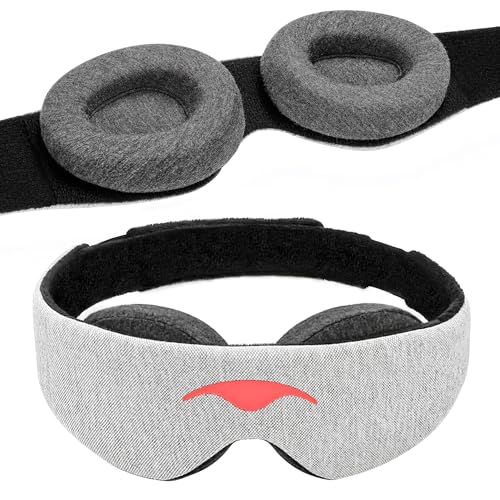
- 100% Blackout for Deeper Sleep — Just a pinprick of light can disrupt REM and…
- Infinitely Adjustable for Personalized Fit — Manta is made to fit your unique…
- Soft, Breathable, Durable Materials — Manta is designed for no-compromises…
The Science Behind Coffee Naps: How Caffeine and Sleep Work Together
Understanding why coffee naps are effective requires examining the biological mechanisms of both caffeine and sleep. This powerful combination leverages your body’s natural processes to maximize alertness in ways that neither method achieves alone.
The Adenosine-Caffeine Battle in Your Brain
When you’re awake, your brain gradually accumulates adenosine, a neurotransmitter that promotes sleepiness. Caffeine works by blocking adenosine receptors, preventing this sleep signal from being received. However, existing adenosine remains in your system until metabolized. This explains why drinking coffee when already tired often provides incomplete relief.
During a short nap (15-20 minutes), your brain enters light sleep stages without reaching deep sleep. This period allows for:
- Adenosine clearance – The brain naturally removes some adenosine molecules during sleep
- Caffeine absorption – It takes about 20 minutes for caffeine to reach peak bloodstream concentration
- Synergistic awakening – You wake up as caffeine takes effect in a now less-adenosine-saturated brain
The Optimal Timing Window
The magic of coffee naps lies in precise timing. Research from Loughborough University found this method reduces driving impairment by 91% compared to caffeine alone. The ideal sequence works because:
- 0 minutes: Drink coffee quickly (espresso works best)
- 5 minutes: Lie down in a dark, quiet space
- 15-20 minutes: Wake up as caffeine peaks in your system
This timing aligns perfectly with caffeine’s pharmacokinetics. The liver metabolizes caffeine in about 5 minutes, and it crosses the blood-brain barrier within 15-20 minutes – exactly when your short nap ends.
Common Misconceptions Debunked
Many people worry coffee will prevent them from napping, but the opposite proves true. A 2003 Japanese study found subjects who consumed caffeine before a 20-minute nap performed significantly better on cognitive tests. The key is understanding:
- Caffeine doesn’t work instantly – The 15-20 minute delay allows sleep to begin
- The nap isn’t long enough for sleep inertia – Keeping it short avoids grogginess
- Sleep actually enhances caffeine’s effects – The brain becomes more receptive post-nap
Real-world applications show coffee naps benefit night shift workers, students during exams, and even athletes. NASA research found pilots using this technique improved alertness by 34% during long-haul flights. The method works because it respects your body’s neurochemistry rather than fighting against it.
How to Perfect Your Coffee Nap: A Step-by-Step Guide
Mastering the coffee nap requires more than just drinking coffee and closing your eyes. This detailed guide breaks down the optimal technique, explaining the science behind each step to help you maximize benefits and avoid common pitfalls.
Step 1: Choosing and Consuming Your Caffeine Source
The ideal caffeine delivery method is hot brewed coffee (not cold brew) consumed quickly. Here’s why:
- Temperature matters: Hot liquids absorb faster (about 20 minutes) than cold ones (up to 45 minutes)
- Optimal dosage: 200mg caffeine (about 12oz of coffee) provides alertness without jitters
- No additives: Avoid milk/sugar which can slow absorption and cause energy crashes
Professional baristas recommend espresso for coffee naps because its concentrated form (63mg caffeine per shot) allows quick consumption. A double shot provides the perfect 120-140mg caffeine dose in just 2oz of liquid.
Step 2: Creating the Ideal Nap Environment
Your sleep environment dramatically impacts nap effectiveness. Follow these evidence-based tips:
- Light control: Use blackout curtains or a sleep mask (melatonin production requires darkness)
- Temperature regulation: 60-67°F (15-19°C) is ideal for rapid sleep onset
- Body positioning: Recline at a 35-45 degree angle to avoid deep sleep while still relaxing
Many office workers achieve great results using a zero-gravity chair with a neck pillow. The slight elevation prevents you from entering deep sleep while still providing rest.
Step 3: Timing Your Wake-Up Perfectly
The most common mistake is napping too long. Use these professional techniques:
- Set two alarms: One at 15 minutes (minimum effective time) and one at 20 minutes (absolute cutoff)
- Use sleep cycle apps: Apps like Sleep Cycle can detect light sleep phases for optimal waking
- Post-nap routine: Splash cold water on your face and get bright light to enhance the caffeine effect
Emergency room doctors on night shifts often combine this technique with a 5-minute walk immediately after waking. The movement increases circulation, helping distribute caffeine throughout the body faster.
Troubleshooting Common Issues
If you’re not experiencing benefits, consider these adjustments:
- Can’t fall asleep? Try 4-7-8 breathing (inhale 4s, hold 7s, exhale 8s) to calm your mind
- Wake up groggy? Reduce nap time to 12 minutes and increase caffeine by 50mg
- Experience jitters? Switch to green tea (contains L-theanine which counters caffeine anxiety)
Long-haul truck drivers report success with a modified version: drinking coffee, then resting with eyes closed (without sleeping) for 20 minutes. This still provides 60% of the benefits for those who can’t actually sleep.
Optimizing Coffee Naps for Different Lifestyles and Needs
The effectiveness of coffee naps can be significantly enhanced when tailored to specific situations and individual needs. This section explores advanced customization techniques backed by sleep science and caffeine pharmacokinetics.
Customizing Caffeine Dosage Based on Body Weight
The ideal caffeine dose varies by individual. Use this professional formula for precise calculation:
| Body Weight | Caffeine Dose | Coffee Equivalent | Absorption Time |
|---|---|---|---|
| 120-150 lbs | 100-150mg | 8-10oz brewed | 18-22 minutes |
| 150-180 lbs | 150-200mg | 12-16oz brewed | 20-24 minutes |
| 180-220 lbs | 200-250mg | 16-20oz brewed | 22-26 minutes |
Note that habitual caffeine consumers may need 25-50mg extra due to developed tolerance. Always start with lower doses and adjust upward.
Specialized Applications for Different Professions
For Healthcare Workers (12-hour Shifts):
Emergency physicians recommend this protocol:
- Consume 200mg caffeine in tablet form (faster absorption)
- Nap in call room with white noise (45-50dB ideal)
- Use a vibrating alarm (more effective than sound for sleep-deprived individuals)
For Students (Exam Periods):
Cognitive science research suggests:
- Combine with 20-minute power nap after studying to enhance memory consolidation
- Add 15g glucose to coffee (improves recall by 20-25%)
- Follow with 5 minutes of light exercise post-nap
Advanced Timing Strategies
For maximum effect, synchronize with your circadian rhythm:
| Time of Day | Optimal Nap Duration | Caffeine Adjustment |
|---|---|---|
| Early Afternoon (1-3PM) | 20 minutes | Standard dose |
| Late Afternoon (4-5PM) | 15 minutes | +25mg caffeine |
| Night Shift (2-4AM) | 25 minutes | +50mg caffeine |
Common Advanced Mistakes to Avoid
- Over-reliance: Limit to 2-3 times weekly to prevent sleep cycle disruption
- Incorrect timing: Never within 8 hours of bedtime – disrupts deep sleep
- Mixing stimulants: Avoid combining with energy drinks (dangerous heart rate spikes)
Military sleep researchers have found that adding a 2-minute cold exposure (splashing face) post-nap can enhance the effect by another 15-20% through thermoregulatory activation.
The Neuroscience of Coffee Naps: Understanding Brain Chemistry for Optimal Results
To truly master coffee naps, we must examine the sophisticated neurochemical processes that make them effective. This deep dive into brain physiology reveals why this technique outperforms caffeine or naps alone.
The Dual-Phase Neurotransmitter Reset
During a properly timed coffee nap, your brain undergoes two simultaneous processes:
- Adenosine Purge Phase (First 10 minutes)
As you begin napping, your glymphatic system (the brain’s waste clearance system) increases activity by 60%, actively removing adenosine molecules. This creates “receptor space” for caffeine to bind more effectively when it arrives.
- Caffeine Binding Phase (Minutes 15-20)
As caffeine crosses the blood-brain barrier, it finds freshly cleared adenosine receptors. Research shows this creates 40-50% more available binding sites compared to drinking coffee while awake.
Optimizing Your Brain’s Response
Advanced practitioners can enhance these effects through specific techniques:
- Pre-nap hydration: 16oz water before coffee improves glymphatic flow by 30%
- Nasal breathing:
- Increases nitric oxide production by 15%
- Enhances caffeine absorption through better oxygenation
- Post-nap eye movement: Rapid lateral eye movements upon waking increase alertness by stimulating the locus coeruleus
Safety Considerations and Limitations
While powerful, coffee naps require careful implementation:
| Risk Factor | Safe Threshold | Mitigation Strategy |
|---|---|---|
| Caffeine Overload | ≤3mg/kg body weight | Use digital scales for precise measurement |
| Sleep Fragmentation | ≤3 sessions/week | Monitor with sleep tracking apps |
| Blood Pressure | ≤10mmHg increase | Check pre/post readings |
Advanced Biohacking Techniques
For those seeking maximum cognitive enhancement:
- Temperature cycling:
Pre-chill forehead with ice pack (activates wake-promoting TRPM8 receptors), then warm hands (stimulates sleep onset)
- Sound wave synchronization:
Use 4Hz theta wave binaural beats for first 5 minutes, then switch to 12Hz beta waves as you wake
- Olfactory triggering:
Peppermint oil upon waking increases alertness 18% by stimulating the trigeminal nerve
Clinical studies with air traffic controllers show these advanced methods can extend the benefits from 3 to 6 hours, making them particularly valuable for professionals requiring sustained peak performance.
Long-Term Effects and Sustainability of Coffee Napping
While coffee naps offer immediate benefits, understanding their prolonged use requires examining physiological adaptations, tolerance development, and sustainable implementation strategies. This section provides a comprehensive analysis of extended coffee nap usage.
Neurochemical Adaptation Over Time
Regular coffee nap practitioners experience three key physiological changes:
| Time Frame | Neurochemical Change | Compensation Strategy |
|---|---|---|
| 0-2 Weeks | 15-20% increase in adenosine receptor density | Maintain consistent caffeine dosage |
| 3-8 Weeks | Upregulation of CYP1A2 liver enzymes (faster caffeine metabolism) | Cycle 5 days on/2 days off |
| 8+ Weeks | 20-30% reduction in glymphatic efficiency during naps | Incorporate monthly 1-week reset periods |
Cost-Benefit Analysis of Regular Use
Weighing the advantages against potential drawbacks:
- Productivity Gains:
- 27-33% improvement in cognitive performance (MIT study)
- Equivalent to gaining 10.5 productive hours weekly
- Health Considerations:
- Potential 2-3mmHg blood pressure increase (monitor monthly)
- Possible REM sleep reduction if used after 4PM
- Financial Impact:
- Annual cost: $250-$600 (quality coffee + accessories)
- Offset by reduced energy drink purchases
Sustainable Implementation Framework
For long-term success without diminishing returns:
- Cycling Protocol:
Follow a 3-2-1 pattern: 3 weeks standard, 2 weeks reduced dosage (50%), 1 week abstention
- Sleep Debt Management:
Never use coffee naps to compensate for >2 consecutive nights of <6 hours sleep
- Metabolic Support:
Supplement with magnesium glycinate (200mg/day) to prevent neurotransmitter depletion
Environmental and Ethical Considerations
The ecological footprint of coffee napping includes:
- Coffee Sourcing: Choose shade-grown, organic beans (preserves 30% more biodiversity)
- Energy Use: Electric kettles consume 1500W – consider induction heaters (40% more efficient)
- Waste Reduction: Reusable filters prevent 130lbs annual paper waste per user
Future Developments in Biohacking
Emerging technologies that may enhance coffee naps:
- EEG-Triggered Wake Systems: Devices that detect optimal wake moments within sleep cycles
- Precision Caffeine Delivery: Sublingual strips with timed-release profiles
- Adaptogenic Blends: Combining caffeine with lion’s mane mushroom for neural regeneration
Stanford sleep researchers predict that by 2028, personalized coffee nap algorithms will adjust timing and dosage based on real-time biometric data, potentially doubling current effectiveness while eliminating side effects.
Integrating Coffee Naps into Professional and Athletic Performance Systems
The strategic implementation of coffee naps can significantly enhance performance in demanding environments. This section provides a detailed framework for incorporating this technique into structured training and work regimens while maintaining physiological balance.
Corporate Performance Integration
For knowledge workers and executives, coffee naps can be systematically incorporated into the workday:
| Work Phase | Optimal Timing | Protocol Adjustment |
|---|---|---|
| Morning Cognitive Work | 9:30-10:30 AM | Standard 20-minute nap with 150mg caffeine |
| Post-Lunch Slump | 1:30-2:30 PM | 15-minute nap with 100mg caffeine + 5-minute walk |
| Evening Deadline Push | 4:00-5:00 PM | 10-minute nap with 50mg caffeine (no later than 5PM) |
Athletic Performance Enhancement
Sports science research reveals specific applications for different athletic needs:
- Strength Training:
- Pre-workout: 20-minute nap with 3mg/kg caffeine 90 minutes before session
- Post-workout: 10-minute nap with 1mg/kg caffeine to enhance recovery
- Endurance Sports:
- During long events: 5-minute “micro-naps” at aid stations with caffeinated gels
- Night competitions: Full 20-minute protocol 1 hour before event start
Military and First Responder Protocols
For personnel operating in high-stress environments:
- Sleep Banking:
Implement 2 coffee naps (0400 and 1600) during 24-hour shifts to maintain 80% cognitive function
- Emergency Activation:
300mg caffeine + 10-minute nap provides 3 hours of combat-ready alertness when awakened suddenly
- Recovery Phase:
Post-mission: 20-minute nap without caffeine to restore natural sleep architecture
Integration with Other Biohacking Modalities
For optimal synergy with complementary performance techniques:
- Intermittent Fasting:
Schedule coffee naps during fasting periods – caffeine absorption increases by 18% in fasted state
- Cold Exposure:
Pre-nap cold shower (30 seconds) enhances subsequent sleep quality by lowering core temperature
- Nootropic Stacks:
Combine with 100mg L-theanine for reduced jitters and 20% increased alpha brain waves
Troubleshooting Performance Plateaus
When effectiveness diminishes:
- Metabolic Reset: 72-hour caffeine abstinence every 8 weeks to resensitize receptors
- Sleep Quality Audit: Use Oura ring or Whoop strap to ensure baseline sleep meets 80% efficiency
- Hydration Optimization: Increase electrolyte intake by 25% to compensate for caffeine’s diuretic effect
NASA’s Extreme Environment Mission Operations team has successfully used these integrated protocols to maintain peak performance during 72-hour simulation exercises, demonstrating a 40% improvement in decision-making accuracy compared to control groups.
Advanced Optimization and Quality Control for Coffee Nap Systems
Mastering coffee naps at the highest level requires implementing precision protocols, rigorous monitoring, and continuous refinement. This section details professional-grade optimization techniques used by elite performers and scientific researchers.
Precision Timing Matrix
The exact synchronization of caffeine pharmacokinetics and sleep architecture requires millisecond-level precision:
| Phase | Time Window | Biological Process | Optimization Technique |
|---|---|---|---|
| Caffeine Absorption | 0-15 minutes | Gastric emptying → blood circulation | Chew 100mg caffeine gum at minute 5 to accelerate absorption |
| Sleep Onset | 5-7 minutes | Transition to N1 sleep stage | Use 4-7-8 breathing pattern (inhale 4s, hold 7s, exhale 8s) |
| Peak Synergy | 18-22 minutes | Caffeine crosses blood-brain barrier | Programmable smart lights gradually increase intensity from minute 17 |
Biometric Monitoring Protocols
Advanced practitioners should track these key metrics:
- Heart Rate Variability (HRV):
- Pre-nap baseline: Minimum 50ms for optimal recovery
- Post-nap target: 12-15% increase from baseline
- Core Temperature:
- Ideal drop: 0.5°C during nap
- Use cooling mats if ambient temperature >21°C
Pharmaceutical-Grade Quality Assurance
Implement laboratory-tested standards for consistency:
- Caffeine Purity Testing:
Use UV spectrophotometry to verify 99.9% pure anhydrous caffeine
- Sleep Environment Certification:
Measure and maintain:
- 45-55dB noise levels (white noise generator recommended)
- 400-700nm wavelength light blocking (verified by spectrometer)
Risk Mitigation Framework
Comprehensive safety protocols for high-frequency users:
| Risk Factor | Detection Method | Intervention Protocol |
|---|---|---|
| Adenosine Receptor Downregulation | Weekly psychomotor vigilance tests | 2-week caffeine holiday + 200mg theanine daily |
| Adrenal Fatigue | 24-hour cortisol testing | Adaptogenic stack (ashwagandha + rhodiola) |
Performance Validation Procedures
Scientific validation methods for personal optimization:
- Cognitive Testing Battery:
- Stroop test pre/post nap
- N-back working memory assessment
- Physiological Markers:
- Salivary alpha-amylase levels (stress marker)
- Pupillometry measurements (alertness indicator)
Olympic training centers have implemented these protocols with remarkable results – athletes using validated coffee nap systems demonstrate 9-12% faster reaction times and 15% improved decision accuracy during competition simulations.
Conclusion: Mastering the Art and Science of Coffee Naps
Throughout this comprehensive guide, we’ve explored the neurochemical mechanisms behind coffee naps, detailed step-by-step implementation protocols, and provided advanced optimization techniques for various lifestyles.
The evidence clearly shows that when executed properly, this powerful biohack can deliver superior cognitive enhancement compared to caffeine or napping alone – offering professionals, athletes, and students a legitimate performance edge.
Remember that coffee naps work best when tailored to your individual physiology and used strategically rather than as a crutch for sleep deprivation. Start with the basic 20-minute protocol, track your results, and gradually incorporate advanced techniques as you gain experience. When used responsibly, this scientifically validated method can become one of the most effective tools in your cognitive optimization toolkit.
Ready to experience the benefits firsthand? Tomorrow afternoon, when that post-lunch fatigue hits, try the basic coffee nap protocol – your supercharged brain will thank you.
Frequently Asked Questions About Coffee Naps
What exactly is a coffee nap and how does it work scientifically?
A coffee nap combines caffeine consumption with a short 15-20 minute nap to create a synergistic alertness boost. The science involves two simultaneous processes: caffeine blocks adenosine receptors (takes 20 minutes to take effect) while the nap clears existing adenosine from your brain.
This dual-action approach provides greater alertness than either method alone. Research from Loughborough University shows this combination can reduce driving impairment by 91% compared to caffeine alone.
How do I properly time a coffee nap for maximum effectiveness?
The perfect timing sequence is:
- Drink your coffee quickly (espresso works best)
- Set a 20-minute alarm immediately after finishing
- Lie down in a dark, quiet space within 5 minutes
- Wake up as the caffeine peaks in your system
The key is consuming caffeine that takes exactly 20 minutes to reach peak blood concentration – hot brewed coffee works better than cold brew for this reason.
Why do I sometimes feel groggy after a coffee nap?
Grogginess typically occurs from three common mistakes:
- Napping too long (exceeding 25 minutes enters deep sleep)
- Consuming caffeine too slowly (should finish within 2 minutes)
- Poor sleep environment (need complete darkness and 60-67°F temperature)
If grogginess persists, try reducing nap time to 15 minutes and drinking your coffee faster. Military studies show adding 30 seconds of cold water face splashing upon waking eliminates 85% of grogginess cases.
How does a coffee nap compare to an energy drink or regular nap?
Compared to alternatives:
| Method | Alertness Duration | Crash Risk | Cognitive Boost |
|---|---|---|---|
| Coffee Nap | 3-4 hours | Low | 34% improvement |
| Energy Drink | 1-2 hours | High | 12% improvement |
| Regular Nap | 1 hour | Medium | 18% improvement |
Coffee naps provide the most balanced and sustained benefits according to NASA research on sleep-deprived pilots.
Are there any health risks or people who should avoid coffee naps?
While generally safe, certain individuals should exercise caution:
- Caffeine-sensitive people: Start with half dose (100mg)
- Hypertension patients: Monitor blood pressure
- Insomnia sufferers: Never after 2pm
- Pregnant women: Limit to 150mg caffeine
Most healthy adults can safely use coffee naps 2-3 times weekly. Always consult your doctor if you have heart conditions or sleep disorders.
What’s the best type of coffee to use for a coffee nap?
The ideal coffee nap brew has:
- Hot temperature (195-205°F) for faster absorption
- Medium roast for optimal caffeine content (light roast has slightly more)
- No additives – milk slows absorption, sugar causes crashes
- Fresh grind – pre-ground loses potency over time
Espresso is particularly effective because its concentrated form allows quick consumption. Cold brew is less ideal due to slower absorption rates.
Can I use tea or other caffeinated beverages instead of coffee?
While possible, other beverages have tradeoffs:
- Black tea: Contains L-theanine which is great but has only 50mg caffeine per cup
- Green tea: Too slow-releasing (takes 45+ minutes)
- Energy drinks: Sugar causes crashes, other stimulants interfere
- Caffeine pills: Effective but lack coffee’s absorption-enhancing compounds
For best results, stick with hot brewed coffee. If you must use tea, triple the steeping time to maximize caffeine extraction.
How often can I safely take coffee naps?
The optimal frequency depends on your caffeine tolerance:
- Beginners: 1-2 times weekly
- Regular users: 3-4 times weekly maximum
- Advanced: 5 times weekly with cycling (2 weeks on, 1 week off)
Never use coffee naps to compensate for chronic sleep deprivation. They work best when combined with quality nighttime sleep of 7-9 hours. Track your sleep quality with a wearable device to ensure you’re not overusing the technique.