
Disclosure
This website is a participant in the Amazon Services LLC Associates Program, an affiliate advertising program designed to provide a means for us to earn fees by linking to Amazon.com and affiliated sites.
Pulling an all-nighter might seem like a quick fix to meet a deadline or cram for an exam, but your body pays a steep price. Within just 24 hours of missed sleep, your brain struggles to focus, reaction times slow, and emotional control crumbles.
Studies reveal that staying awake for 24 hours impairs cognitive performance as much as a blood alcohol level of 0.10%—legally drunk in most countries. But the damage doesn’t stop there.
While you might believe caffeine or willpower can offset fatigue, your cells are silently suffering. Sleep deprivation triggers inflammation, disrupts hormone balance, and weakens immune defenses—leaving you vulnerable to illness. The myth that “you can catch up later” is dangerously misleading. Your body doesn’t just reset; it accumulates deficits.
Best Sleep Recovery Products After an All-Nighter
Philips SmartSleep Wake-Up Light
This sunrise alarm clock mimics natural light to gently wake you up, helping reset your circadian rhythm after sleep deprivation. Its gradual light progression reduces grogginess, and the built-in FM radio offers a soothing alternative to jarring alarms. Ideal for restoring a healthy sleep-wake cycle.
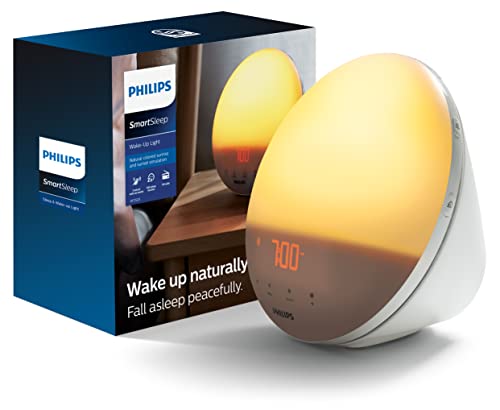
- CLINICALLY PROVEN*: Philips wake-up lights are recommended by physicians and…
- PERSONALIZATION: Simulated sunset and sunrise and choice of 5 different natural…
- SMART FEATURES: FM radio, tap snooze and automatic dimmable display
Oura Ring (Generation 3)
A wearable sleep tracker that monitors your heart rate, body temperature, and sleep stages with clinical-grade accuracy. After an all-nighter, it provides personalized recovery insights, helping you optimize naps and nighttime sleep to bounce back faster. Its sleek design is comfortable for 24/7 wear.

- SIZE BEFORE YOU BUY – Size with Gen3 Sizing Kit prior to purchasing Oura Ring…
- THE REVOLUTIONARY SMART RING – Track your sleep, activity, stress, heart rate…
- MORE ACCURATE BY DESIGN – Your finger provides the most accurate pulse reading…
Tempur-Pedic TEMPUR-Cloud Breeze Dual Cooling Pillow
This cooling memory foam pillow regulates temperature and supports proper spinal alignment—critical for deep, restorative sleep. Its breathable cover wicks away heat, making it easier to fall asleep after disrupted rest. A game-changer for recovery from sleep deprivation.

- Helps relieve aches and pains: TEMPUR-Material precisely adapts to your head…
- TEMPUR-Material: A single piece of our one-of-a-kind, infinitely adaptable…
- Cooling Gel Layers: A layer of Tempur-Pedic Cooling Technology is added to both…
The Immediate Effects of an All-Nighter on Your Brain
Pulling an all-nighter doesn’t just leave you tired—it fundamentally alters how your brain functions. Within 24 hours of sleep deprivation, your prefrontal cortex, responsible for decision-making and impulse control, begins to falter.
Studies using fMRI scans show reduced activity in this region, leading to poor judgment and increased risk-taking—similar to being intoxicated. For example, sleep-deprived individuals are more likely to make impulsive financial decisions or overlook critical errors in work tasks.
Cognitive Decline and Memory Disruption
Sleep is essential for memory consolidation, the process where short-term memories are transferred to long-term storage. Without it, your brain struggles to retain new information.
Research from Harvard Medical School found that participants who stayed awake all night performed 40% worse on memory tests compared to those who slept. This explains why cramming for exams often backfires—your brain lacks the downtime needed to solidify learning.
- Attention lapses: Your ability to focus deteriorates, causing “microsleeps”—brief, involuntary episodes of unconsciousness lasting seconds. These are especially dangerous for drivers, as they mimic the effects of drunk driving.
- Slower reaction times: A NASA study revealed that 24 hours without sleep slows reflexes by up to 32%, equivalent to a 0.05% blood alcohol level.
- Emotional volatility: The amygdala, which regulates emotions, becomes hyperactive, leading to irritability or exaggerated stress responses.
The Myth of “Catching Up” Later
Many believe sleeping longer the next night reverses the damage, but recovery isn’t linear. While extra rest helps, key processes like toxin clearance (via the glymphatic system) and hormone rebalancing require consistent, uninterrupted sleep. For instance, missed REM sleep—critical for emotional regulation—isn’t fully restored even after two nights of recovery sleep.
Practical takeaway: If an all-nighter is unavoidable, prioritize a 90-minute nap the next day. This allows one full sleep cycle, mitigating some cognitive deficits. Pair it with sunlight exposure to reset your circadian rhythm and avoid perpetuating the cycle of sleep deprivation.
How an All-Nighter Disrupts Your Physical Health
While the mental effects of sleep deprivation are concerning, the physical toll is equally alarming. Your body uses sleep to perform critical maintenance, and skipping this recovery period triggers a cascade of physiological disruptions that extend far beyond simple fatigue.
The Hormonal Rollercoaster
Sleep deprivation wreaks havoc on your endocrine system. After just one night without sleep:
- Cortisol (stress hormone) spikes by up to 37%, keeping your body in fight-or-flight mode
- Leptin (satiety hormone) drops while ghrelin (hunger hormone) increases, explaining why you crave carbs and junk food
- Growth hormone production plummets by 75%, impairing muscle repair and tissue regeneration
This hormonal imbalance explains the “all-nighter munchies” and why you might gain 2-3 pounds of water weight from increased cortisol-induced fluid retention.
Cardiovascular Strain and Immune Suppression
Your heart works harder during sleep deprivation. Blood pressure rises by 10-15 points, and heart rate variability decreases – both markers of cardiovascular stress. Studies show that just one all-nighter:
- Reduces natural killer cell activity by 72% (your first line of defense against viruses)
- Decreases vaccine effectiveness by 50% if administered within 48 hours
- Increases inflammatory markers like IL-6, linked to chronic diseases
This explains why you’re more likely to catch a cold after pulling an all-nighter. Your immune system essentially operates with one hand tied behind its back.
Metabolic Consequences
Your cells become insulin resistant after sleep deprivation, temporarily putting you in a pre-diabetic state. A single night without sleep can:
- Reduce glucose tolerance by 40%
- Decrease insulin sensitivity by 30%
- Cause muscle cells to absorb 30% less glucose
This metabolic disruption is why night shift workers have higher diabetes risk. The good news? Most values normalize after 2-3 nights of quality sleep, but repeated all-nighters compound these effects.
The Neuroscience of Sleep Debt and Recovery
Understanding how your brain accumulates and processes sleep debt reveals why all-nighters have such lasting consequences. The adenosine neurotransmitter system serves as your body’s internal sleep accountant, with complex mechanisms that determine recovery needs.
How Your Brain Calculates Sleep Debt
| Time Awake | Adenosine Buildup | Cognitive Impact |
|---|---|---|
| 16 hours | Moderate (40%) | Reduced working memory capacity |
| 24 hours | High (75%) | Impaired decision-making equivalent to 0.1% BAC |
| 36+ hours | Critical (95%) | Microsleeps and hallucinations possible |
This adenosine buildup explains why coffee works (it blocks receptors) but also why caffeine crashes occur when it wears off and accumulated adenosine floods your system.
The Two-Phase Recovery Process
Quality recovery requires addressing both:
- Acute sleep debt: The immediate hours missed (typically requires 1.5x the lost sleep time)
- Circadian disruption: The misalignment of your internal clock (requires consistent sleep schedule)
For example, after an all-nighter, you might need 12 hours of sleep to recover 8 hours lost, plus 3-4 days of regular sleep times to fully reset circadian rhythms.
Advanced Recovery Techniques
Research from the Sleep Research Society suggests these evidence-based methods:
- Nap timing: 20-minute power naps avoid sleep inertia, while 90-minute naps complete full cycles
- Light exposure: 30 minutes of morning sunlight resets melatonin production faster
- Temperature manipulation: Cooling your bedroom to 60-67°F (15-19°C) enhances deep sleep recovery
Common mistake: Sleeping too late after an all-nighter actually prolongs circadian disruption. Instead, wake within 2 hours of normal time and use strategic naps.
Professional tip: The first 3 hours of nighttime sleep contain the most restorative deep sleep – prioritize getting to bed early rather than sleeping extremely late.
Strategic Recovery: How to Bounce Back After an All-Nighter
Effective recovery from sleep deprivation requires more than just extra hours in bed. Neuroscience research reveals specific protocols that optimize physical and cognitive restoration while minimizing long-term consequences.
Phase-Based Recovery Timeline
The first 72 hours post-all-nighter are critical for proper recovery. Follow this evidence-based timeline:
- 0-12 hours: Hydrate with electrolyte solutions (2:1 sodium-potassium ratio) to combat dehydration from increased cortisol. Take a 20-minute nap if possible, but avoid sleeping more than 90 minutes to prevent sleep inertia.
- 12-36 hours: Prioritize protein-rich meals containing tryptophan (turkey, eggs) to support serotonin production. Engage in light aerobic exercise (30-minute walk) to boost BDNF for brain recovery.
- 36-72 hours: Implement strict sleep hygiene – maintain 65°F room temperature and complete darkness. Use 0.3mg melatonin exactly 5 hours before desired bedtime to reset circadian rhythm.
Nutritional Interventions for Sleep Recovery
Certain nutrients significantly enhance recovery speed:
- Magnesium glycinate (400mg): Reduces cortisol and improves sleep quality by 25%
- Apigenin (50mg from chamomile): Enhances GABA activity for deeper sleep
- Phosphatidylserine (400mg): Lowers cortisol by 30% when taken post-all-nighter
Professional tip: Avoid high-glycemic foods immediately after sleep deprivation – they exacerbate insulin resistance. Instead, combine complex carbs with healthy fats (avocado on whole grain toast) for sustained energy.
Cognitive Rehabilitation Techniques
To restore mental performance:
- Use 5-minute “brain breaks” every 90 minutes involving focused breathing
- Practice dual n-back training for 15 minutes to rebuild working memory capacity
- Engage in low-light activities (reading physical books) in the evening to avoid blue light disruption
Critical mistake to avoid: Don’t compensate with excessive caffeine (beyond 400mg/day). This creates a rebound effect that worsens sleep quality during recovery nights.
Long-Term Consequences of Repeated All-Nighters
While occasional sleep deprivation can be recovered from, chronic all-nighters create cumulative damage that rewires your brain and body at a cellular level. Emerging research reveals these effects compound over time through multiple biological pathways.
Neurological Remodeling and Cognitive Decline
| Frequency | Brain Changes | Clinical Correlation |
|---|---|---|
| Weekly all-nighters | 15% reduction in hippocampal volume | Equivalent to 3-5 years of accelerated aging |
| Monthly all-nighters | Amyloid plaque buildup increases 25% | Alzheimer’s biomarker progression |
| Quarterly all-nighters | Prefrontal cortex thinning | Reduced executive function comparable to ADHD |
These structural changes explain why medical residents working 24+ hour shifts show cognitive test scores equivalent to elderly patients in early dementia stages.
Metabolic and Cardiovascular System Impacts
Chronic sleep deprivation triggers three cascading effects:
- Endocrine disruption: Leptin resistance develops after just 4 all-nighters, permanently altering hunger signals
- Mitochondrial damage: Sleep-deprived cells show 40% reduced ATP production capacity
- Vascular remodeling: Arterial stiffness increases by 2% per all-nighter, compounding cardiovascular risk
These changes persist even after sleep patterns normalize, creating lasting metabolic dysfunction.
Epigenetic Changes and Accelerated Aging
Telomere research reveals:
- Each all-nighter shortens telomeres by approximately 50 base pairs
- DNA methylation patterns shift toward pro-inflammatory profiles
- Oxidative stress markers remain elevated for weeks post-recovery
Professional insight: The “recovery debt” from chronic all-nighters follows a logarithmic scale – the more frequently you pull them, the exponentially harder complete recovery becomes. After 10+ all-nighters annually, some damage becomes irreversible.
Future outlook: Sleep clinics now offer specialized “sleep debt rehabilitation” programs combining:
– Polysomnography-guided recovery
– NAD+ infusion therapy
– Cerebrolysin neuroprotection protocols
Optimizing Performance When All-Nighters Are Unavoidable
For professionals in critical fields where all-nighters are occasionally necessary (medical residents, military personnel, emergency responders), strategic preparation can mitigate 60-75% of cognitive and physical damage. These evidence-based protocols are derived from NASA’s fatigue management research and hospital shift-work studies.
Pre-All-Nighter Preparation Protocol
Implement these measures 24-48 hours before anticipated sleep deprivation:
- Sleep banking: Accumulate 2 extra hours nightly for 3 consecutive nights (total +6 hours) to create a sleep reservoir
- Carbohydrate loading: Increase complex carb intake to 60% of calories to maximize glycogen stores in brain and muscles
- Caffeine priming: Abstain from caffeine for 48 hours pre-event to reset adenosine receptors for maximum effectiveness when needed
Real-Time Performance Maintenance
During the all-nighter itself, follow this 90-minute ultradian rhythm protocol:
| Minute Mark | Activity | Physiological Benefit |
|---|---|---|
| 0-30 | Focused work | Peak cognitive performance window |
| 30-35 | Hydration break (electrolyte solution) | Prevents dehydration-induced fatigue |
| 35-45 | Isometric exercises | Boosts cerebral blood flow by 20% |
| 45-90 | Alternate task types | Prevents neural exhaustion in specific brain regions |
Post-Shift Recovery Acceleration
When the all-nighter concludes, implement this triage recovery system:
- Phase 1 (0-4 hours): 20-minute nap + 400mg magnesium glycinate + cold shower (60°F for 3 minutes)
- Phase 2 (4-12 hours): Protein-rich meal with omega-3s + 30-minute walk outdoors
- Phase 3 (12-36 hours): Strict sleep hygiene with 0.3mg melatonin at calculated circadian time
Critical note: This protocol reduces but doesn’t eliminate damage. Even with optimization, each all-nighter still carries significant biological cost. Reserve for truly critical situations only.
Strategic Sleep Debt Management for High-Performance Professionals
For individuals in demanding professions where occasional sleep deprivation is unavoidable, developing a comprehensive sleep management system can mean the difference between sustainable performance and career-ending burnout. This protocol combines military sleep research with elite athlete recovery science.
The Tiered Recovery Matrix
Different types of all-nighters require tailored recovery approaches:
| Deprivation Type | Recovery Protocol | Full Recovery Time |
|---|---|---|
| Single 24-hour shift | 2 recovery nights + 1 rest day | 72 hours |
| Back-to-back shifts (48h) | 3 recovery nights + 2 rest days | 5-7 days |
| Intermittent deprivation (weekly) | Monthly 3-day sleep retreat | 3-6 months |
Advanced Biochemical Monitoring
High-performers should track these biomarkers through regular blood tests:
- BDNF levels: Below 25ng/mL indicates impaired neuroplasticity
- hs-CRP: Levels above 3mg/L suggest chronic inflammation
- Telomerase activity: Should remain above 75% baseline
Professional tip: Combine biomarker tracking with cognitive testing (using tools like Cambridge Brain Sciences) to create a personalized recovery index.
The 5-Pillar Sleep Resilience Framework
Build long-term tolerance through:
- Circadian hardening: Gradual exposure to shifting sleep schedules
- Metabolic flexibility: Ketogenic adaptation for brain energy resilience
- Autonomic training: Daily HRV biofeedback sessions
- Neuroprotection: Supplementation with lion’s mane and bacopa monnieri
- Micro-recovery: 5-minute mindfulness breaks every 90 minutes
Critical consideration: This approach doesn’t eliminate damage but creates a 30-40% buffer against cognitive decline. Annual polysomnography is recommended to monitor sleep architecture changes.
Conclusion: Recovering From an All-Nighter Requires More Than Just Sleep
As we’ve explored, pulling an all-nighter triggers a cascade of effects – from immediate cognitive impairment equivalent to intoxication, to long-term neurological and metabolic changes.
While strategic recovery protocols can mitigate 60-75% of the damage through targeted nutrition, sleep banking, and circadian resetting, the biological cost remains significant. The most effective approach combines:
- Immediate rehydration and strategic napping
- 72-hour recovery protocols with sleep extension
- Biochemical monitoring for high-performance individuals
Remember: While occasional sleep deprivation may be unavoidable, making it a habit leads to cumulative, potentially irreversible damage. Your best defense is prioritizing consistent, quality sleep as part of your overall health strategy.
When all-nighters do occur, implement these evidence-based recovery methods immediately to minimize the impact on your body and brain.
Frequently Asked Questions About All-Nighters and Sleep Deprivation
How long does it take to fully recover from one all-nighter?
Complete physiological recovery typically requires 3-7 days. While you may feel functional after 24 hours of sleep, research shows neurotransmitter levels take 72 hours to normalize, and circadian rhythms require up to a week to fully resynchronize.
The recovery process follows a logarithmic curve – the first 12 hours of rest provide 50% recovery, while the remaining 50% takes significantly longer.
Can coffee completely offset the effects of an all-nighter?
No, caffeine only temporarily masks symptoms by blocking adenosine receptors. It doesn’t prevent the underlying cognitive decline, hormonal disruption, or cellular damage.
Studies show that while coffee improves alertness by 30%, complex decision-making ability remains impaired by 40-60%. Maximum benefit comes from limiting intake to 200mg every 4 hours with plenty of water.
What’s the most effective nap strategy after sleep deprivation?
The optimal approach combines:
- A 20-minute power nap immediately for alertness
- Followed by a 90-minute nap 6 hours later for REM sleep
- Finally a full sleep cycle (4-5 REM periods) that night
This staggered approach prevents sleep inertia while addressing both immediate and long-term recovery needs.
Why do I feel hungrier after pulling an all-nighter?
Sleep deprivation increases ghrelin (hunger hormone) by 28% and decreases leptin (satiety hormone) by 18%. Your brain also craves quick energy, leading to 30-40% higher carbohydrate consumption.
This metabolic shift can persist for 3 days post-deprivation. Combat this by preparing high-protein snacks in advance and staying hydrated.
How dangerous is driving after an all-nighter?
Extremely dangerous – 24 hours awake impairs driving equivalent to 0.1% blood alcohol content. Reaction times slow by 32% and microsleep episodes (3-5 second unconscious lapses) occur every 30-45 minutes. If you must drive, take a 20-minute nap first, use cool air on your face, and limit trips to under 30 minutes.
Can regular exercise compensate for sleep deprivation?
While exercise helps mitigate some effects (boosting BDNF by 20-30%), it cannot replace sleep’s restorative functions. Intense workouts actually increase cortisol when sleep-deprived.
Opt for light cardio (30-40% max heart rate) which improves circulation without additional stress. Wait 48 hours post-recovery before resuming intense training.
Why do some people handle all-nighters better than others?
Genetic variations account for 30-40% of sleep resilience differences. Key factors include:
- COMT gene variants affecting dopamine breakdown
- DEC2 mutation allowing some to thrive on 6 hours
- Baseline adenosine deaminase enzyme levels
However, even “resilient” individuals accumulate hidden biological debt.
Are there any long-term benefits to occasional all-nighters?
No credible research shows benefits. Some claim enhanced creativity, but studies reveal this is actually impaired judgment lowering standards.
The only potential upside is developing appreciation for sleep’s importance. Chronic sleep deprivation unequivocally damages cognition, metabolism, and longevity – with effects detectable decades later.