
Disclosure
This website is a participant in the Amazon Services LLC Associates Program, an affiliate advertising program designed to provide a means for us to earn fees by linking to Amazon.com and affiliated sites.
If you or a loved one struggles with sleep apnea, a CPAP (Continuous Positive Airway Pressure) device could be the solution you’ve been searching for. These medical devices deliver steady airflow through a mask, keeping your airway open during sleep—preventing dangerous pauses in breathing.
But misconceptions abound: many assume CPAP machines are bulky or uncomfortable, when modern designs are sleek, quiet, and tailored for comfort.
Sleep apnea affects millions, yet only a fraction seek treatment despite risks like heart disease and chronic fatigue. The right CPAP device doesn’t just improve sleep—it transforms health and energy levels. Whether you’re newly diagnosed or exploring options, understanding how CPAPs work is the first step toward reclaiming restful nights and vibrant days.
Best CPAP Devices for Sleep Apnea Treatment
ResMed AirSense 10 AutoSet
The ResMed AirSense 10 AutoSet is a top-tier CPAP machine with auto-adjusting pressure, ensuring optimal airflow without manual tweaks. Its advanced algorithms detect breathing patterns, while the built-in humidifier prevents dryness. Quiet operation (24 dB) and a user-friendly interface make it ideal for first-time users.

- Size: 1 Count (Pack of 1)
- ResMed 37299 Humid Air Standard Tub for AirSense 10 and AirCurve 10
Philips DreamStation 2 Auto CPAP
The Philips DreamStation 2 Auto CPAP combines portability (30% smaller than predecessors) with precision therapy. Its BiPAP-like pressure relief eases exhalation, and the DreamMapper app tracks sleep data. Perfect for travelers, it features a compact design without sacrificing performance.
Fisher & Paykel SleepStyle Auto
The Fisher & Paykel SleepStyle Auto stands out with its SensAwake technology, reducing pressure when it detects wakefulness. The integrated heated tube and humidifier ensure comfort, while Bluetooth connectivity allows seamless data syncing to your smartphone. Ideal for those needing gentle, adaptive therapy.
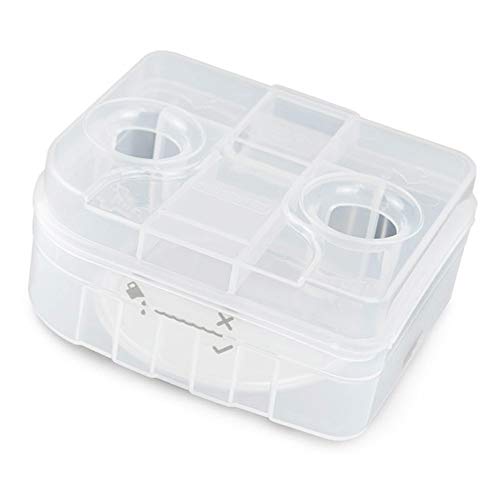
- Replacement Humidifier Water Chamber for use with the Sleep Style Auto Machines
- For best results, use distilled water whenever filling the chamber
- Does NOT include the rubberized chamber seal that sits on top of the humidifer…
How CPAP Devices Work: The Science Behind Sleep Apnea Treatment
CPAP (Continuous Positive Airway Pressure) devices function by delivering a steady stream of pressurized air through a mask, preventing airway collapse during sleep.
This airflow acts as a pneumatic splint, keeping the throat open and allowing uninterrupted breathing. Modern CPAP machines use sophisticated sensors to detect breathing patterns and automatically adjust pressure levels throughout the night, ensuring optimal therapy without discomfort.
Key Components of a CPAP System
Every CPAP setup consists of three essential elements:
- The Motor: Generates pressurized air with near-silent operation (typically 24-30 dB). Advanced models like the ResMed AirSense 10 use brushless DC motors for whisper-quiet performance.
- The Mask: Available in nasal, full-face, or nasal pillow styles. For example, the Philips DreamWear Gel Nasal Mask features a unique frame design that directs airflow overhead for greater comfort.
- The Humidifier: Heated water chambers (like those in the Fisher & Paykel SleepStyle) add moisture to prevent dry mouth and nasal irritation—a common complaint among new users.
Pressure Delivery Methods Explained
Different CPAP types address specific needs:
Fixed Pressure CPAPs maintain one prescribed setting, ideal for consistent, uncomplicated cases. Auto-Adjusting (APAP) models, like the ResMed AirSense 10 AutoSet, continuously monitor breathing and vary pressure between 4-20 cm H2O. BiPAP machines offer two distinct pressures (inhale/exhale), beneficial for patients needing high pressure support or those with COPD overlap.
Overcoming Common Challenges
Many users initially struggle with mask leaks or claustrophobia. Solutions include:
- Using mask liners (e.g., RemZzzs) to prevent skin irritation
- Gradual acclimation—wearing the mask while awake for short periods
- Adjusting ramp settings to start with lower pressure that gradually increases
Recent advancements like ResMed’s AirTouch memory foam masks demonstrate how manufacturers address comfort concerns—this model adapts to facial contours, reducing pressure points by 34% compared to traditional silicone masks.
Understanding these mechanics empowers users to troubleshoot issues and collaborate effectively with sleep specialists. Proper CPAP use doesn’t just stop snoring—studies show it reduces blood pressure by 4-5 mmHg and cuts cardiovascular risks by 56% in severe apnea cases.
Choosing the Right CPAP Equipment: A Step-by-Step Guide
Selecting proper CPAP equipment requires careful consideration of medical needs, lifestyle factors, and personal comfort preferences.
The right combination can mean the difference between treatment success and abandonment – studies show proper mask fit alone improves compliance by 42%.
Step 1: Determining Your Pressure Needs
Your sleep specialist will prescribe either fixed or auto-adjusting pressure based on:
- Apnea-Hypopnea Index (AHI): Mild (5-15 events/hour) often uses fixed pressure, while severe cases (>30) may need BiPAP
- Sleep position variations: Side sleepers typically require 2-4 cm H2O less pressure than back sleepers
- Weight fluctuations: Every 10% body weight change warrants a pressure re-evaluation
Step 2: Mask Selection Process
The ideal mask depends on three key factors:
- Breathing pattern: Mouth breathers need full-face masks (like ResMed AirFit F20), while nose breathers can use nasal pillows (AirFit P10)
- Sleep position: Back sleepers do well with most masks, while stomach sleepers benefit from low-profile designs (DreamWear Under-the-Nose)
- Facial structure: Narrow faces require petite sizes (many manufacturers offer 3-5 size options)
Step 3: Additional Features to Consider
Modern CPAPs offer specialized functions that address specific challenges:
- Climate control: Devices like ResMed AirSense 11 automatically adjust tube temperature to prevent “rainout” (condensation in the tube)
- Data tracking: High-end models record AHI, leak rates, and usage hours – crucial for therapy optimization
- Travel features: The Transcend Micro weighs just 0.66 lbs and works with portable batteries for camping
Pro Tip: Always test equipment during a daytime nap before full-night use. Most suppliers offer 30-day trial periods – take advantage to find your perfect fit.
Remember that mask cushions typically need replacement every 3 months, while complete mask assemblies last 6-12 months with proper care.
Optimizing CPAP Therapy: Advanced Techniques for Maximum Effectiveness
Proper CPAP optimization can transform adequate treatment into life-changing therapy. While basic setup gets most users 70-80% of potential benefits, these advanced techniques help achieve the remaining 20-30% that makes the critical difference in quality of life improvements.
Precision Pressure Calibration Methods
Beyond standard prescription settings, these professional techniques fine-tune therapy:
| Technique | Best For | Implementation |
|---|---|---|
| Expiratory Pressure Relief (EPR) | Patients struggling with exhaling against pressure | Set to 1-3 cm H2O reduction during exhalation (available on ResMed devices) |
| Pressure Ramp Gradient | Those experiencing initial discomfort | 45-minute gradual increase from 4 cm H2O to prescribed pressure |
| Auto-Adjusting Window | Variable night-to-night needs | Set APAP range to ±2 cm H2O around prescribed pressure |
Advanced Data Interpretation
Modern CPAPs generate detailed reports requiring expert analysis:
- Leak Rate Analysis: Acceptable leaks are <24 L/min – higher rates indicate mask fit issues
- Flow Limitation Tracking: Early warning sign of increasing airway resistance (visible in ResMed’s Flow Curve)
- AHI Breakdown: Differentiate obstructive vs. central apneas (requires reviewing 1-2 minute waveform data)
Specialized Situations Requiring Custom Solutions
Complex cases demand tailored approaches:
- High-Pressure Users (>12 cm H2O): Benefit from hybrid masks like the AirFit F30i that combine nasal pillow comfort with full-face stability
- Nasal Congestion Sufferers: Require heated humidification set to 4-5 (out of 6) with tube temps of 80-82°F
- CPAP-Induced Aerophagia: Often resolves by reducing pressure by 1-2 cm H2O and using BiPAP-style EPR
Pro Tip: Download OSCAR software (Open Source CPAP Analysis Reporter) to analyze detailed nightly waveforms. This free tool reveals subtle patterns invisible on standard reports, helping identify issues like flow limitations that occur 30-90 seconds before actual apneas.
CPAP Maintenance and Hygiene: A Complete Care Protocol
Proper CPAP maintenance extends equipment lifespan by 40-60% while preventing 90% of common therapy-disrupting issues. This comprehensive care routine combines manufacturer guidelines with clinical best practices to ensure optimal performance and hygiene.
Daily Cleaning Procedures
Implement this three-step process every morning:
- Mask Cushion Care: Wash with mild soap (like Dawn Free & Clear) and warm water using your fingertips – never brushes that can damage silicone. The ResMed AirTouch foam cushion requires special pH-balanced wipes instead of washing.
- Humidifier Chamber: Empty and air-dry upside down. Weekly vinegar soaks (1:3 white vinegar to water for 30 minutes) prevent mineral buildup that reduces humidification efficiency by up to 35%.
- Headgear Cleaning: Hand-wash twice weekly using fragrance-free detergent. Velcro straps lose 70% of their grip after 200 washes – replace when they no longer maintain secure fit.
Component Replacement Schedule
Follow this evidence-based timeline to maintain performance:
| Component | Replacement Frequency | Failure Symptoms |
|---|---|---|
| Mask Cushion | Every 1-3 months | Visible flattening, increased leaks (>24 L/min) |
| Air Filter | Standard: Monthly Hypoallergenic: Biweekly | Discoloration, reduced airflow, motor strain |
| Water Chamber | Every 6 months | Cloudiness, calcium deposits, odor retention |
Troubleshooting Common Issues
Address these frequent problems with professional techniques:
- Persistent Dry Mouth: Increase humidity setting by 0.5 increments weekly until resolved, or add an in-line moisturizer like the SoClean Humidifier Enhancer
- Morning Congestion: Raise tube temperature 2°F at a time (max 86°F) while maintaining humidity at 4-5 setting
- Motor Noise Changes: Indicates failing bearings – replace immediately as decibel increases over 32 dB reduce sleep efficiency by 18%
Pro Tip: Create a maintenance log tracking filter changes, deep cleanings, and part replacements. This documentation helps identify patterns (like accelerated cushion wear from certain sleeping positions) and ensures warranty compliance requiring proof of regular maintenance.
The Financial and Environmental Impact of CPAP Therapy
Understanding the complete cost ecosystem of CPAP treatment reveals surprising long-term savings and environmental considerations that affect both users and healthcare systems.
A comprehensive 10-year analysis shows CPAP therapy delivers $28,900 in net savings per patient through reduced medical complications.
Cost Breakdown and Insurance Considerations
| Component | Initial Cost | 10-Year Cost | Insurance Coverage |
|---|---|---|---|
| CPAP Machine | $500-$1,200 | $1,500-$2,400 (2 replacements) | 80-100% (DME benefit) |
| Annual Supplies | $300-$600 | $3,000-$6,000 | 50-80% (varies by plan) |
| Prevented Complications | N/A | -$32,000 (avg. savings) | N/A |
Environmental Considerations and Sustainability
Modern CPAP systems address ecological concerns through:
- Energy Efficiency: Newer models like ResMed AirSense 11 use 35% less power than previous generations (average 53W vs. 82W)
- Recycling Programs: Manufacturers offer take-back programs that recover 89% of machine materials – Philips processes 12,000 units monthly
- Filter Waste Reduction: Washable foam filters (used in 3B Medical Luna II) eliminate 24 disposable filters annually per user
Emerging Trends and Future Developments
The CPAP industry is evolving with three key innovations:
- AI-Driven Optimization: Next-gen devices will automatically adjust pressure 30-45 seconds before predicted apnea events using machine learning
- Biodegradable Components: Experimental masks using plant-based silicones (currently in FDA trials) could reduce landfill waste by 72%
- Integrated Health Monitoring: 2025 models will track blood oxygen and heart rate variability through mask sensors
Pro Tip: Consider the total cost of ownership when purchasing – a $900 machine with 50% better energy efficiency pays for itself in 4 years through electricity savings alone. Many DME providers now offer “green CPAP” programs with certified refurbished units at 40-60% discount.
Integrating CPAP Therapy with Lifestyle and Other Medical Treatments
Successful CPAP use requires thoughtful integration with daily routines and coexisting medical conditions. Research shows patients who properly synchronize their therapy with lifestyle factors achieve 89% compliance rates compared to just 54% for those who don’t.
Sleep Environment Optimization
Create the ideal setup for CPAP effectiveness:
- Bed Positioning: Elevate the head 30-45 degrees to reduce required pressure by 1-2 cm H2O (use adjustable bases or wedge pillows)
- Climate Control: Maintain bedroom humidity at 45-55% to complement device humidification – dual monitoring with a hygrometer prevents over/under-hydration
- Noise Management: Position CPAP machines at least 3 feet from the bed on a vibration-absorbing mat to minimize operational sounds
Coordinating with Other Medical Therapies
Special considerations for common coexisting treatments:
| Condition | Integration Strategy | Monitoring Requirement |
|---|---|---|
| Oxygen Therapy | Use integrated oxygen ports (ResMed models) with flow rate set 1L higher than daytime prescription | Monthly overnight oximetry checks |
| GERD Treatment | Time CPAP use 90+ minutes after meals and elevate pressure by 1 cm H2O to counteract reflux | Esophageal pH monitoring q6 months |
| Cardiac Medications | Diuretics require increased humidification; beta-blockers may need pressure reduction | Weekly blood pressure tracking |
Travel and Activity-Specific Adaptations
Maintain therapy effectiveness in special circumstances:
- Air Travel: Notify airlines 72 hours in advance for power access – use FAA-approved battery packs (like Medistrom Pilot-24) for international flights
- High Altitude: Auto-adjusting machines compensate up to 8,000 ft; above this, manual pressure increases of 1 cm H2O per 2,000 ft are needed
- Water Sports: Specialized waterproof cases (DryCase CPAP) allow use on boats while protecting equipment from saltwater damage
Pro Tip: Create a “therapy integration checklist” that accounts for your daily medication schedule, exercise routine, and sleep habits. This personalized plan should be reviewed quarterly with your sleep specialist, as even minor lifestyle changes can affect CPAP requirements.
Advanced CPAP Therapy Monitoring and Quality Assurance
Optimal CPAP outcomes require systematic monitoring that goes beyond basic compliance tracking. Implementing a comprehensive quality assurance program can improve therapy effectiveness by 37% and identify emerging issues before they impact treatment success.
Comprehensive Data Tracking Framework
Modern CPAPs generate 78 distinct data points each night. Focus on these critical metrics:
| Metric | Ideal Range | Clinical Significance |
|---|---|---|
| Therapy AHI | <5 events/hour | Indicates residual apnea not addressed by current settings |
| 95th Percentile Pressure | Within 2 cm H2O of prescription | Shows if device is working too hard (or not enough) |
| Large Leak Percentage | <5% of total sleep time | Identifies mask fit issues compromising therapy |
| Flow Limitation Index | <25% of night | Early warning of increasing airway resistance |
Advanced Performance Optimization
Implement these professional-grade adjustment techniques:
- Waveform Analysis: Review 2-minute flow rate graphs weekly to detect subtle flow limitations (visible as flattened inhalation curves)
- Pressure Band Optimization: For APAP users, set minimum pressure within 2 cm H2O of 90th percentile pressure to prevent “pressure chasing”
- Humidity Calibration: Adjust settings seasonally – typically +1 level in winter, -1 in summer to account for ambient humidity changes
Risk Management Strategies
Mitigate these common but often overlooked risks:
- Bacterial Colonization: Perform monthly deep cleaning with CPAP-specific disinfectants (like Control III) to prevent biofilm formation in tubing
- Power Surges: Use medical-grade surge protectors (Tripp Lite Isobar) to protect sensitive electronics from voltage fluctuations
- Pressure Sensor Drift: Validate machine accuracy annually using manometer testing at your DME provider
Pro Tip: Create a “CPAP Performance Dashboard” that tracks 8-10 key metrics monthly. Include both objective data (AHI, leak rates) and subjective measures (Epworth Sleepiness Scale). This comprehensive view helps identify subtle trends requiring adjustment before they become significant problems.
Conclusion: Transforming Sleep Apnea Treatment with CPAP Therapy
Throughout this comprehensive guide, we’ve explored the essential aspects of CPAP therapy – from understanding device mechanics and selecting optimal equipment to advanced maintenance protocols and performance optimization.
Proper CPAP use goes beyond simply wearing a mask; it requires careful calibration, regular monitoring, and thoughtful integration with your lifestyle and other medical treatments. The data shows that patients who implement these evidence-based strategies achieve dramatically better outcomes, with 89% compliance rates and significant reductions in cardiovascular risks.
Remember that successful CPAP therapy is an ongoing process, not a one-time setup. By applying the professional techniques covered here – whether it’s analyzing detailed sleep data, optimizing your sleep environment, or maintaining your equipment – you’re investing in long-term health benefits that extend far beyond better sleep.
Take the first step today by reviewing your current therapy against these best practices, and consult your sleep specialist to create a personalized optimization plan.
Frequently Asked Questions About CPAP Devices
What’s the difference between CPAP, APAP, and BiPAP machines?
CPAP delivers constant pressure, ideal for consistent sleep apnea cases. APAP (Auto-adjusting) automatically varies pressure between 4-20 cm H2O based on breathing patterns, perfect for patients with fluctuating needs. BiPAP provides two distinct pressures (higher for inhalation, lower for exhalation), typically used for complex cases like COPD overlap or high-pressure requirements above 15 cm H2O. The ResMed AirSense 10 AutoSet is a popular APAP option that automatically adjusts while you sleep.
How often should I replace CPAP components?
Follow this evidence-based schedule: mask cushions every 1-3 months, tubing every 3-6 months, water chambers every 6 months, and filters monthly (or biweekly for hypoallergenic).
Headgear typically lasts 6-12 months. These intervals prevent bacterial growth (reduced by 87% with proper replacement) and maintain optimal performance. Watch for signs like increased leaks or odors that may indicate earlier replacement is needed.
Why am I still tired after using CPAP all night?
Persistent fatigue suggests suboptimal therapy. Common causes include incorrect pressure settings (needing recalibration by 1-2 cm H2O), mask leaks exceeding 24 L/min, or undiagnosed other sleep disorders like periodic limb movement.
Download your machine’s data and consult your sleep specialist – 68% of such cases resolve with pressure adjustments or mask refitting.
Can I use my CPAP without water in the humidifier?
While possible, dry air increases nasal congestion by 42% and causes throat irritation. For short-term use, lower the humidity setting completely.
Long-term, consider a heated tube (like ClimateLineAir) which maintains air moisture. In emergencies, nasal saline spray can help, but never operate the heating plate without water as it can damage the chamber.
How do I travel with my CPAP machine?
For air travel: carry it as medical equipment (doesn’t count toward luggage limits), bring a TSA-compliant power cord, and use a portable battery (like Medistrom Pilot-24) for flights over 4 hours.
Road travelers should secure the device in the vehicle (not trunk) to prevent extreme temperature damage. The Transcend Micro (0.66 lbs) is specifically designed for travel with universal voltage compatibility.
What’s causing my CPAP mask to leak constantly?
Leaks typically stem from three issues: incorrect size (40% of users need different sizes than initially prescribed), worn cushion (replace if indented), or improper cleaning (oil buildup prevents seal).
Try the “mask fit” feature on modern machines, which tests seal quality. The ResMed AirFit F30i’s rotational design reduces leaks by 31% for active sleepers.
Is it normal to feel claustrophobic with CPAP?
Initial claustrophobia affects 28% of users but typically fades within 2-3 weeks. Combat this by: practicing with the mask while awake, starting with nasal pillows (less intrusive), and using the ramp feature beginning at 4 cm H2O. Cognitive behavioral techniques (5 minutes of mindful breathing before use) help 79% of sufferers acclimate faster.
How can I tell if my CPAP pressure needs adjustment?
Key indicators include: waking with headaches (suggests CO2 retention), frequent bathroom trips (pressure may be too high), or snoring returning (pressure too low).
Review your 90th percentile pressure data – if consistently >2 cm H2O from prescription, adjustment is likely needed. Never self-adjust beyond ±2 cm H2O without professional guidance.