
Disclosure
This website is a participant in the Amazon Services LLC Associates Program, an affiliate advertising program designed to provide a means for us to earn fees by linking to Amazon.com and affiliated sites.
Insomnia, the persistent difficulty in falling or staying asleep, affects millions worldwide and can stem from various physical, psychological, and environmental factors.
The most common causes include chronic stress, poor sleep habits, medical conditions like anxiety or chronic pain, and lifestyle choices such as excessive caffeine or irregular sleep schedules. Understanding these triggers is crucial for diagnosing and managing sleep disruptions effectively.
Best Sleep Aids for Managing Insomnia
Philips SmartSleep Wake-Up Light (HF3520)
This sunrise-simulating alarm clock gradually brightens to mimic natural sunlight, helping regulate your circadian rhythm. It also includes soothing sounds like birdsong and ocean waves, making it ideal for those struggling with sleep onset insomnia or irregular sleep schedules.
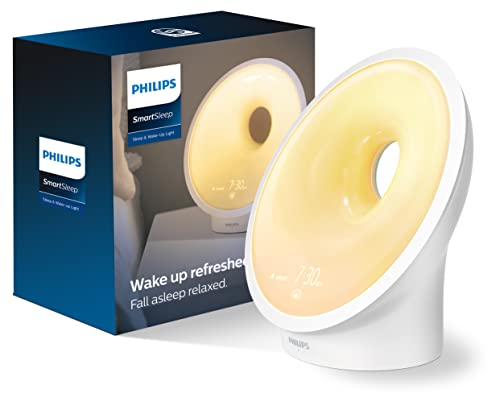
- PERSONALIZED WAKE-UP & WIND-DOWN: Customizable sunset, sunrise, and sound…
- SMART FEATURES: Midnight light, FM radio, phone charging dock, power back-up…
- MOOD AND ENERGY: Proven to give you an easy and energetic wake-up and improve…
LectroFan Classic White Noise Machine
With 20 non-looping sound options (10 fan sounds and 10 white noise variations), this compact device masks disruptive noises that often trigger insomnia. Its precise volume control and consistent sound quality make it perfect for light sleepers and shift workers.
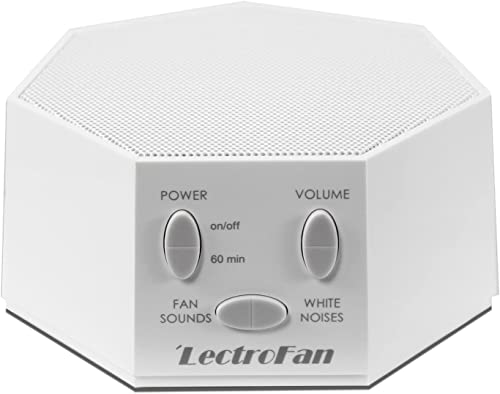
- LectroFan Classic: This compact sleep sound machine from Adaptive Sound…
- Noise Masking Mastery: With precision volume control, the LectroFan sleep…
- Sleep Timer Feature: Equipped with a convenient sleep timer, this sleep device…
Nature’s Bounty Melatonin 5mg Quick Dissolve Tablets
These fast-acting melatonin supplements provide a science-backed sleep aid without grogginess. The quick-dissolve format ensures rapid absorption, while the optimal 5mg dosage helps reset sleep cycles naturally – particularly effective for jet lag or occasional sleeplessness.
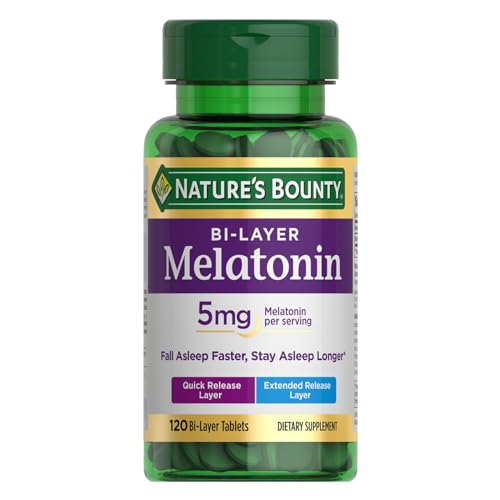
- A DRUG-FREE SLEEP AID
- BI-LAYER TECHNOLOGY
- CALM SLEEP
Psychological Causes of Insomnia: When Your Mind Won’t Shut Off
Psychological factors represent the most prevalent and complex causes of chronic insomnia, often creating a vicious cycle where sleep difficulties exacerbate the very conditions causing them. Understanding these mental health connections is crucial for effective treatment and long-term sleep improvement.
Stress and Anxiety: The Sleep Saboteurs
Acute stress triggers the body’s fight-or-flight response, flooding your system with cortisol and adrenaline that directly oppose sleep hormones. When this becomes chronic, your nervous system remains in a heightened state of alertness.
For example, work-related stress might manifest as racing thoughts about unfinished tasks just as you try to sleep, while financial worries can cause early morning awakenings with an inability to return to sleep.
Depression’s Complex Relationship With Sleep
While depression is commonly associated with hypersomnia (excessive sleep), approximately 40% of depressed patients experience insomnia symptoms. The biological mechanisms involve:
- Neurotransmitter imbalances: Reduced serotonin levels disrupt both mood regulation and sleep-wake cycles
- Circadian rhythm disruption: Depressed individuals often show flattened cortisol rhythms and abnormal melatonin secretion
- Rumination: Persistent negative thoughts that intensify at night when distractions fade
Less Recognized Psychological Contributors
Several underdiagnosed conditions significantly impact sleep quality:
- Perfectionism: The pressure to perform creates mental hyperactivity at bedtime
- Conditioned insomnia: When the bedroom becomes associated with wakefulness rather than sleep
- Trauma-related hypervigilance: PTSD sufferers often remain in light sleep stages to maintain awareness of threats
What makes psychological insomnia particularly challenging is that unlike physical causes, you can’t simply remove the source. Effective management requires cognitive behavioral therapy for insomnia (CBT-I), which research shows has a 70-80% success rate by addressing the root thought patterns and behaviors maintaining sleep difficulties.
A common misconception is that psychological insomnia is “all in your head” and can be overcome through willpower alone. In reality, these conditions create measurable physiological changes in brain activity, hormone levels, and nervous system function that require professional intervention.
Lifestyle and Environmental Causes of Insomnia: The Hidden Sleep Disruptors
While psychological factors dominate insomnia discussions, daily habits and surroundings play an equally critical role in sleep quality. These often-overlooked elements create cumulative effects that can sabotage even the most disciplined sleep routines.
The Caffeine Conundrum: More Than Just Coffee
Caffeine’s half-life of 5-6 hours means that afternoon coffee can linger in your system until bedtime. However, sensitivity varies dramatically:
- Genetic factors: Slow metabolizers (with CYP1A2 gene variants) feel effects twice as long
- Hidden sources: Chocolate, medications, and even decaf coffee contain sleep-disrupting amounts
- Withdrawal effects: Regular consumers may experience rebound insomnia when trying to quit
A 2022 sleep study found participants who consumed caffeine within 9 hours of bedtime lost 41 minutes of sleep on average.
Light Exposure: Your Body’s Natural Alarm System
Artificial light, especially blue wavelengths from screens, suppresses melatonin production by up to 85%. The impact follows a dose-response relationship:
- 100 lux (typical bedside lamp): Delays melatonin onset by 30 minutes
- 500 lux (office lighting): Can shift circadian rhythm by 1.5 hours
- 1000+ lux (smartphones at full brightness): Completely blocks melatonin for some individuals
Sleep Environment Optimization Checklist
Transforming your bedroom into a sleep sanctuary requires addressing multiple factors:
- Temperature: The ideal 60-67°F range facilitates the core body temperature drop needed for sleep onset
- Noise control: Consistent 30-40 decibel background noise (equivalent to a quiet library) prevents micro-awakenings
- Mattress selection: Medium-firm surfaces provide optimal spinal alignment for most sleep positions
Many sufferers don’t realize how small daily choices – like checking emails in bed or keeping the thermostat too high – create compounded sleep debt. Unlike psychological causes, these factors often respond well to systematic adjustments through proper sleep hygiene protocols.
Medical and Physiological Causes of Insomnia: When Your Body Keeps You Awake
Beyond psychological and environmental factors, numerous medical conditions and physiological disruptions can directly interfere with sleep architecture. These biological causes often require clinical intervention and specialized treatment approaches.
Neurological and Hormonal Disruptions
The sleep-wake cycle is governed by complex neurochemical processes that can malfunction:
| Condition | Mechanism | Sleep Impact |
|---|---|---|
| Hyperthyroidism | Elevated metabolic rate and excess thyroid hormones | Difficulty falling asleep, frequent awakenings |
| Restless Leg Syndrome | Dopamine dysfunction and iron deficiency | Sleep onset insomnia with irresistible limb movements |
| Menopause | Estrogen decline affecting thermoregulation | Night sweats causing 3-4 awakenings per hour |
Chronic Pain and Sleep Disruption
Pain creates a bidirectional relationship with insomnia:
- Inflammatory markers like IL-6 and TNF-alpha disrupt slow-wave sleep
- Pain hypersensitivity increases during sleep deprivation (60% higher pain ratings after poor sleep)
- Medication side effects from opioids or steroids often worsen sleep quality
Respiratory Conditions and Sleep Architecture
Breathing-related disorders fragment sleep through distinct mechanisms:
- Obstructive Sleep Apnea: 5+ airway collapses/hour cause micro-arousals (often unnoticed)
- Asthma: Nocturnal bronchoconstriction peaks at 4am due to natural cortisol dip
- GERD: Supine position allows acid to trigger protective awakenings
Many patients don’t connect their medical conditions to sleep problems until undergoing polysomnography. For instance, a 45-year-old with undiagnosed mild sleep apnea might attribute their fatigue to “normal aging,” when in reality they’re experiencing 20-30 breathing disruptions per hour that prevent deep sleep.
Proper diagnosis often requires specialized testing like actigraphy (movement tracking) or in-lab sleep studies that measure brain waves, oxygen levels, and muscle activity throughout the night. Treatment must address both the underlying condition and resulting sleep disruption.
Medication and Substance-Related Insomnia: The Chemical Sleep Disruptors
Many commonly used medications and substances have profound effects on sleep architecture, often creating insomnia as an unintended side effect. Understanding these pharmacological impacts is essential for proper sleep management and medication reconciliation.
Prescription Medications With Sleep-Disrupting Effects
Several drug classes contain ingredients that interfere with normal sleep patterns through different mechanisms:
- SSRI Antidepressants (e.g., Fluoxetine, Sertraline): Increase REM latency and reduce total REM sleep by 20-30%
- Beta Blockers (e.g., Metoprolol, Atenolol): Suppress nighttime melatonin production by up to 80%
- Corticosteroids (e.g., Prednisone): Mimic stress hormones, causing hyperarousal when taken after noon
Clinical studies show that 25% of chronic insomnia cases are medication-induced, with effects often persisting for weeks after discontinuation due to drug half-lives and receptor adaptation.
Over-the-Counter Products and Herbal Supplements
Even “natural” remedies can disrupt sleep through unexpected pathways:
- Decongestants (Pseudoephedrine): Adrenergic effects last 12+ hours, increasing sleep latency
- Weight Loss Supplements: Often contain stimulants like bitter orange (synephrine)
- Valerian Root: Paradoxically causes agitation in 15% of users due to GABA receptor variability
Alcohol and Cannabis: The False Sleep Aids
While these substances may help with sleep onset, they severely compromise sleep quality:
| Substance | Immediate Effect | Long-Term Impact |
|---|---|---|
| Alcohol | Reduces sleep onset time by 15-20 minutes | Suppresses REM by 40%, causes rebound insomnia at 3-4AM |
| Cannabis (THC-dominant) | Decreases dream recall | Leads to REM suppression and withdrawal-related insomnia |
For medication-related insomnia, solutions involve careful timing adjustments (taking stimulants earlier), alternative medications (trazodone instead of SSRIs for sleep), or compensatory strategies like bright light therapy to counteract circadian disruptions. Always consult with a pharmacist or sleep specialist before making changes to prescribed regimens.
Circadian Rhythm Disorders: When Your Internal Clock Is Misaligned
Circadian rhythm disorders represent a distinct category of insomnia causes where the body’s internal timing system becomes desynchronized with environmental time cues. These conditions require specialized diagnostic approaches and targeted interventions beyond conventional sleep hygiene.
Types of Circadian Rhythm Sleep-Wake Disorders
Six clinically recognized disorders affect sleep timing and quality through different biological mechanisms:
| Disorder | Core Feature | Biological Basis | Prevalence |
|---|---|---|---|
| Delayed Sleep-Wake Phase | Falling asleep 2+ hours later than desired | Longer than 24-hour circadian period | 7-16% in adolescents |
| Advanced Sleep-Wake Phase | Falling asleep 2+ hours earlier than desired | Shorter than 24-hour circadian period | 1% middle-aged adults |
| Irregular Sleep-Wake Rhythm | Fragmented sleep across 24 hours | Loss of circadian amplitude | Common in dementia patients |
Diagnostic Challenges and Solutions
Accurate diagnosis requires multi-modal assessment:
- Actigraphy: 7-14 days of continuous movement monitoring
- Salivary/DLMO Testing: Measures dim light melatonin onset timing
- Core Body Temperature: Tracks circadian phase markers
Advanced Treatment Modalities
Effective management combines multiple evidence-based approaches:
- Timed Light Therapy: 10,000 lux morning light for DSPD, evening light for ASPD
- Chronotherapy: Progressive 3-hour daily bedtime delays until desired schedule
- Melatonin Agonists: Tasimelteon for non-24-hour sleep-wake disorder
Emerging research shows promise for personalized chronotherapy using genetic testing (PER3 gene variants) and smart lighting systems that automatically adjust color temperature and intensity based on individual phase response curves. These approaches may reduce treatment timelines from months to weeks for certain circadian disorders.
Long-term management requires ongoing monitoring as circadian rhythms naturally shift with aging – typically advancing in later life. Environmental factors like artificial light exposure and shift work can cause permanent changes to circadian periodicity if not properly managed.
Age-Related Insomnia: How Sleep Changes Across the Lifespan
The biological processes governing sleep undergo significant transformations from childhood through old age, creating distinct insomnia patterns at each life stage. Understanding these physiological changes enables targeted interventions for age-specific sleep challenges.
Developmental Changes in Sleep Architecture
Sleep needs and patterns evolve dramatically across decades:
Special Considerations for Older Adults
Geriatric insomnia requires unique management approaches due to:
- Circadian rhythm flattening: Reduced melatonin amplitude (60-70% lower nighttime peaks)
- Blunted homeostatic sleep drive: Weakened sleep pressure accumulation
- Nocturia: 2-4 nightly bathroom trips from reduced bladder capacity and medication effects
Optimizing Sleep Across the Lifespan
Evidence-based strategies for different age groups:
- Teens: Strategic afternoon light exposure to advance circadian phase
- Midlife Adults: Stress-reduction protocols to prevent hyperarousal
- Seniors: Scheduled daytime activity to strengthen sleep-wake signals
Emerging research on senescence markers shows cellular aging accelerates with chronic sleep deprivation, creating a feedback loop where poor sleep hastens age-related sleep deterioration. Advanced interventions now incorporate telomere length assessments to personalize treatment intensity for older patients.
Pediatric sleep specialists emphasize that childhood sleep problems often predict adult insomnia, making early intervention crucial. The sleep continuity index (a measure of uninterrupted sleep) declines approximately 5% per decade after age 30, highlighting the importance of proactive sleep health maintenance.
Comorbid Insomnia: When Sleep Disorders Intersect With Other Conditions
Comorbid insomnia represents the most complex and clinically challenging form of sleep disturbance, occurring alongside other medical or psychiatric conditions in a bidirectional relationship that complicates diagnosis and treatment.
The Bidirectional Nature of Comorbid Insomnia
Insomnia rarely exists in isolation, instead forming complex relationships with other health conditions:
| Primary Condition | Insomnia Prevalence | Mechanism of Interaction | Treatment Implications |
|---|---|---|---|
| Major Depression | 90% | Hyperactive HPA axis disrupts sleep architecture | Requires simultaneous treatment of both conditions |
| Chronic Pain | 50-75% | Pain signals prevent deep sleep stages | Sleep improvement reduces pain sensitivity by 30% |
| Cardiovascular Disease | 44% | Sympathetic overactivity during sleep | Sleep treatment lowers blood pressure variability |
Diagnostic Challenges in Comorbid Cases
Accurate assessment requires specialized protocols:
- Temporal analysis: Determining whether insomnia preceded or followed the comorbid condition
- Polysomnography: Identifying subtle sleep architecture disruptions masked by medications
- Actigraphy monitoring: 2-week minimum to establish baseline sleep-wake patterns
Integrated Treatment Approaches
Effective management requires coordinated interventions:
- Pharmacological: Selective serotonin reuptake inhibitors with sedating properties for depression-related insomnia
- Behavioral: Sleep restriction therapy adapted for pain-related sleep fragmentation
- Technological: Wearable devices to monitor both sleep parameters and comorbid condition markers
Emerging research in precision medicine now allows for genetic testing (COMT gene variants) to predict individual responses to various insomnia treatments when comorbidities exist. This represents a significant advancement over traditional trial-and-error approaches that often exacerbate comorbid conditions.
Quality assurance in comorbid insomnia treatment requires regular polysomnographic reassessment, as sleep architecture changes may indicate progression of the underlying condition. The insomnia severity index should be tracked alongside disease-specific metrics to ensure comprehensive care.
Conclusion: Understanding and Addressing the Complex Causes of Insomnia
This comprehensive examination reveals insomnia as a multifaceted condition with diverse causes ranging from psychological stressors and medical conditions to circadian disruptions and medication effects.
We’ve explored how chronic stress and anxiety create hyperarousal states, how medical conditions like hyperthyroidism or chronic pain directly interfere with sleep architecture, and how substances from caffeine to prescription medications can sabotage rest.
The intricate relationship between aging and sleep quality, along with the complex challenges of comorbid insomnia, demonstrate why personalized treatment approaches are essential.
If you’re struggling with persistent sleep difficulties, we recommend consulting a sleep specialist who can help identify your specific contributing factors. Remember that effective treatment often requires addressing both the symptoms and root causes through a combination of behavioral changes, environmental adjustments, and when necessary, targeted medical interventions. Quality sleep is within reach when you understand and properly address its underlying disruptors.
Frequently Asked Questions About Insomnia Causes
What exactly happens in the body during insomnia?
During insomnia, your body remains in a state of hyperarousal with elevated cortisol and adrenaline levels. The hypothalamic-pituitary-adrenal (HPA) axis becomes overactive, while melatonin production is suppressed.
Brain scans show increased beta wave activity (associated with wakefulness) and decreased delta waves (needed for deep sleep). This creates a vicious cycle where physiological stress responses prevent the relaxation needed for sleep.
How can I determine if my insomnia is psychological or physical?
Track your symptoms: Psychological insomnia typically involves racing thoughts at bedtime and waking with anxiety, while physical causes often manifest as body discomfort or unexplained awakenings. A sleep study (polysomnography) can measure physiological markers like limb movements, breathing patterns, and brain waves to identify physical contributors. Most cases involve both components to some degree.
What’s the most effective way to manage medication-induced insomnia?
First consult your doctor about timing adjustments – taking stimulants earlier or switching to extended-release formulations. For unavoidable medications, implement strict sleep hygiene: maintain consistent bedtimes, create a dark/cool sleep environment, and consider short-term melatonin supplementation (0.5-3mg) taken 1 hour before desired bedtime to counteract drug effects on circadian rhythms.
Why do I sometimes sleep well despite stress, but other times can’t sleep at all?
This variation relates to your “sleep resilience” threshold, influenced by cumulative sleep debt, daily stress load, and biological factors. When stress exceeds your current capacity (affected by factors like recent sleep quality, nutrition, and exercise), insomnia emerges. Keeping a sleep-stress diary can help identify your personal thresholds and warning signs.
How does chronic insomnia physically change the brain?
Long-term insomnia leads to measurable brain changes: shrinkage in the hippocampus (memory center), reduced prefrontal cortex activity (decision-making), and heightened amygdala response (emotional processing). Neurochemical imbalances develop, including GABA deficiency and glutamate excess. These changes explain why chronic insomnia becomes self-perpetuating and requires targeted treatment to reverse.
Can fixing my insomnia help other health conditions I have?
Absolutely. Improving sleep quality can significantly impact comorbid conditions: it reduces pain sensitivity by 30% in chronic pain patients, lowers HbA1c in diabetics by 0.5-1%, and decreases depression relapse rates by 40%. Quality sleep enhances immune function, hormone regulation, and cellular repair processes that affect overall health.
What’s the difference between occasional sleeplessness and clinical insomnia?
The key distinctions are frequency (3+ nights/week), duration (3+ months), and daytime impairment. Clinical insomnia involves persistent difficulty falling/staying asleep despite adequate opportunity, plus significant daytime consequences like fatigue, mood disturbances, or cognitive impairment. Occasional sleep problems lack these chronic patterns and functional impacts.
Are there any dangerous underlying conditions that can cause insomnia?
Yes, certain serious conditions often present with insomnia: hyperthyroidism, neurodegenerative diseases (Parkinson’s, Alzheimer’s), autoimmune disorders, and some cancers. Warning signs include unexplained weight loss with insomnia, neurological symptoms, or sudden onset after age 50. These cases require prompt medical evaluation to rule out underlying pathology.