
Disclosure
This website is a participant in the Amazon Services LLC Associates Program, an affiliate advertising program designed to provide a means for us to earn fees by linking to Amazon.com and affiliated sites.
Circadian rhythm disorders are disruptions in the body’s internal clock, leading to irregular sleep-wake cycles that negatively impact physical, mental, and emotional health.
These disorders occur when the natural 24-hour biological rhythm—which regulates sleep, hormone release, metabolism, and other vital functions—becomes misaligned with environmental cues like daylight. Common effects include chronic fatigue, cognitive impairment, and increased risk of metabolic or cardiovascular diseases.
Symptoms range from insomnia and excessive daytime sleepiness to mood disturbances and poor concentration. Treatments may involve light therapy, melatonin supplements, behavioral adjustments, or prescription medications.
Best Light Therapy Devices for Circadian Rhythm Disorders
Philips Wake-Up Light Alarm Clock
This sunrise-simulating alarm clock gradually increases light intensity (up to 300 lux) to mimic dawn, helping reset circadian rhythms naturally. Its 20 brightness levels and sunset fading feature make it ideal for both waking and bedtime routines. Clinically proven to improve mood and energy.
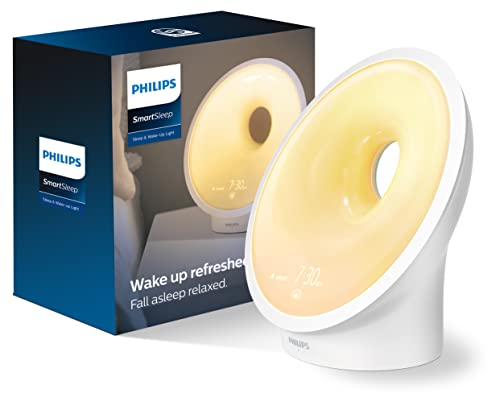
- PERSONALIZED WAKE-UP & WIND-DOWN: Customizable sunset, sunrise, and sound…
- SMART FEATURES: Midnight light, FM radio, phone charging dock, power back-up…
- MOOD AND ENERGY: Proven to give you an easy and energetic wake-up and improve…
Aura Daylight 2.0 Light Therapy Lamp
With 10,000 lux brightness and UV-free LED technology, this FDA-cleared device effectively combats Seasonal Affective Disorder (SAD) and circadian misalignment. Its adjustable stand and portable design (12.5″ x 9″) allow flexible placement for 20-30 minute daily sessions.
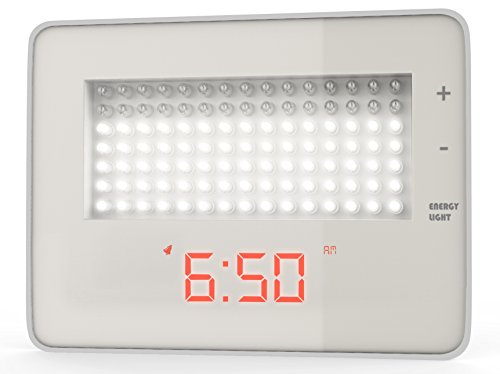
- Long lasting LED’s Mimics sunlight at the exact wavelength
- Flexible wakeup features
- Built in Light Therapy Lamp
Lumie Bodyclock Spark 100 Dawn Simulator
Designed for deep circadian entrainment, this UK-made device offers 30-minute sunrise/sunset sequences with customizable colors (amber to white). Its scientifically validated 100-lux output stimulates melanopsin receptors without disrupting melatonin production, making it perfect for shift workers.

- Sunrise & Sunset Alarm Clock: Enjoy a gentle 20, 30, or 45-minute sunrise or…
- Functions as Night Light: The auto-dimming display and optional night light…
- 10 Sleep/Wake Sounds: Choose from 10 soothing sounds to accompany your…
Circadian Rhythm Disorders: Types and Biological Mechanisms
The Body’s Internal Clock: How Circadian Rhythms Work
The circadian system is governed by the suprachiasmatic nucleus (SCN), a tiny region in the hypothalamus containing 20,000 neurons that synchronize with environmental light cues. This master clock regulates:
- Core body temperature (diurnal 1°C fluctuation)
- Melatonin secretion (peaks at 2-4 AM)
- Cortisol rhythm (highest at 8 AM)
- Gene expression (controls 10-15% of human genes)
Light exposure through specialized melanopsin-containing retinal ganglion cells sends signals to the SCN, which then synchronizes peripheral clocks in organs like the liver and heart. Disruptions in this process—whether from artificial light, irregular schedules, or genetic factors—can trigger circadian disorders.
Major Types of Circadian Rhythm Disorders
1. Delayed Sleep-Wake Phase Disorder (DSWPD)
Common in adolescents, DSWPD causes sleep onset between 2-6 AM and wake times after 10 AM. The disorder stems from:
- Longer-than-24-hour endogenous circadian period (up to 25.5 hours in some patients)
- Hypersensitivity to evening light (suppresses melatonin for 90+ extra minutes)
- Genetic variants in PER3 or CLOCK genes
Real-world impact: Students with DSWPD show 30% lower academic performance when forced into early school schedules.
2. Advanced Sleep-Wake Phase Disorder (ASWPD)
Primarily affects older adults, with sleep onset at 6-9 PM and waking at 2-5 AM. Key mechanisms include:
- Shortened circadian period (23 hours or less)
- Premature melatonin secretion (starts at 5 PM vs. normal 9 PM)
- Degeneration of SCN neurons (loses 30% of cells by age 65)
3. Irregular Sleep-Wake Rhythm Disorder
Common in dementia patients, characterized by:
- 3+ fragmented sleep periods per 24 hours
- Loss of distinct melatonin peaks
- Disorganized core body temperature rhythms
Clinical example: Alzheimer’s patients often experience “sundowning”—increased agitation when circadian signals fail at dusk.
Why Disruptions Matter: Systemic Health Consequences
Chronic circadian misalignment triggers:
- Metabolic dysfunction: Night shift workers have 40% higher diabetes risk due to disrupted insulin sensitivity rhythms
- Cardiovascular strain: Blood pressure dipping failure increases stroke risk by 27%
- Immune suppression: Natural killer cell activity drops 70% during mistimed sleep
Diagnosing Circadian Rhythm Disorders: Clinical Methods and Self-Assessment
Professional Diagnostic Procedures
Sleep specialists use a multi-modal approach for accurate circadian disorder diagnosis, combining objective measurements with clinical history. The gold standard assessment includes:
- Actigraphy Monitoring (7-14 days)
Patients wear a wrist device (like the Actiwatch Spectrum Pro) that records movement and light exposure. Data reveals:- Sleep onset latency (normal: 10-20 minutes vs. DSWPD: 90+ minutes)
- Midpoint of sleep (diagnostic for DSWPD when after 6 AM)
- Sleep efficiency percentage (below 85% indicates pathology)
- Dim Light Melatonin Onset (DLMO) Testing
Conducted in sleep labs, this measures saliva melatonin levels every 30-60 minutes under 10 lux lighting. Key markers:- Normal onset: 8-10 PM
- DSWPD onset: Often after midnight
- ASWPD onset: As early as 5 PM
- Core Body Temperature Minimum Tracking
Using ingestible temperature pills (like the CorTemp HT150002), clinicians identify the circadian nadir:- Normal range: 3-5 AM
- DSWPD: 7-9 AM
- Critical for shift workers’ schedule planning
Self-Assessment Tools and When to Seek Help
Before clinical evaluation, these validated methods help identify potential circadian disruptions:
- Munich Chronotype Questionnaire
Calculates your “chronotype score” based on:- Natural sleep times on free days (corrected for sleep debt)
- Social jetlag (difference between work and free-day schedules)
- Sleep Diary Protocol
A 2-week log should track:- Exact bedtime/rise time (to the minute)
- Light exposure patterns (use LUX meter apps)
- Caffeine/alcohol intake timing
Red flags warranting professional evaluation: When sleep attempts during preferred times yield less than 6 hours of sleep for over 3 months, or when circadian disruption causes:
- Impaired work/school performance
- Daytime sleep attacks (unintentional napping)
- Depressive symptoms worsening seasonally
Differential Diagnosis Challenges
Circadian disorders are often misdiagnosed as:
- Insomnia (key difference: circadian patients sleep well at wrong times)
- Depression (shared symptom: morning fatigue, but circadian patients show mood improvement when allowed natural sleep times)
- ADHD (overlap in concentration issues, but circadian-related focus problems improve with proper sleep timing)
Advanced Treatment Strategies for Circadian Rhythm Disorders
Chronobiological Therapies: Precision Timing Approaches
Effective circadian treatments require synchronization with the patient’s endogenous rhythm phase. The Phase Response Curve (PRC) dictates how interventions affect biological timing:
| Intervention | Timing | Phase Shift Effect | Mechanism |
|---|---|---|---|
| Bright Light Therapy | 2-3 hours before CBTmin | Phase advance (earlier sleep) | Suppresses melatonin via ipRGCs |
| Melatonin Supplementation | 4-5 hours before DLMO | Phase advance (0.5-1.5 hours) | MT1/MT2 receptor activation |
| Dark Therapy | 3 hours before desired sleep | Phase delay prevention | Enhances natural melatonin rise |
Clinical protocol example: For DSWPD, start with 30 minutes of 10,000 lux light at 7 AM (gradually advancing 15 minutes daily) combined with 0.5mg melatonin at 8 PM. This dual approach achieves 2-3 hour phase advances within 2 weeks.
Behavioral Interventions with Scientific Backing
Sleep Restriction Therapy (SRT)
Contrary to insomnia treatment, circadian SRT focuses on temporal compression:
- Calculate average total sleep time from sleep diary
- Set fixed wake time (no snoozing)
- Allow only calculated sleep window (e.g., 1 AM-7 AM for DSWPD)
- Gradually expand sleep window in 15-minute increments
Key difference: Unlike traditional SRT, circadian versions maintain strict timing regardless of sleep efficiency to reinforce rhythm entrainment.
Pharmacological Options and Considerations
Second-line treatments include:
- Tasimelteon (Hetlioz)
FDA-approved for Non-24 disorder, this MT1/MT2 agonist mimics natural melatonin with 2.4 hour half-life. Dosing must be precisely timed to DLMO. - Modafinil (Provigil)
For excessive daytime sleepiness in shift work disorder. Works as a weak dopamine reuptake inhibitor (50% DAT occupancy).
Common mistakes to avoid:
- Using melatonin without DLMO testing (may phase shift in wrong direction)
- Inconsistent light therapy timing (>30 minute variability reduces efficacy by 60%)
- Ignoring individual differences in circadian period length (tau)
Emerging Technologies in Circadian Medicine
Cutting-edge approaches include:
- Personalized LED environments (like BIOS SkyBlue) that automatically adjust spectrum and intensity
- Gut microbiome modulation – Certain bacteria (e.g., Clostridia) produce circadian-influencing metabolites
- CRISPR-based gene therapy – Early trials targeting PER2 mutations in Familial Advanced Sleep Phase Syndrome
Lifestyle Modifications and Environmental Optimization for Circadian Health
Light Exposure Engineering for Circadian Alignment
Precision light management is the cornerstone of non-pharmacological circadian entrainment. The spectral power distribution of environmental lighting significantly impacts circadian responses:
- Morning light (6-10 AM): Requires 480nm blue wavelength (melanopic lux >250) to suppress melatonin
- Natural sunlight: 100,000 lux (ideal)
- Light therapy devices: Minimum 2,500 lux at 1 meter
- Evening light (6-10 PM): Should maintain <300 lux with <0.3 melanopic ratio
- Use amber LEDs (1800K) or blue-blocking glasses (Swanwick Sleep or Uvex Skyper)
- Smart bulbs like Philips Hue can automate circadian lighting schedules
Common mistake: Using “night mode” on devices isn’t sufficient – a smartphone at maximum brightness in night mode still emits 50+ melanopic lux, enough to delay sleep onset by 30+ minutes.
Nutritional Chronobiology: Meal Timing Strategies
Food intake patterns directly influence peripheral circadian clocks in metabolic organs. Research shows:
| Meal Timing | Circadian Effect | Optimal For |
|---|---|---|
| Protein breakfast (within 1h of waking) | Phase-advances liver clock | DSWPD, night owls |
| Carb-heavy dinner (3h before bed) | Enhances tryptophan uptake | ASWPD, elderly |
| Time-restricted feeding (10h window) | Synchronizes gut microbiota rhythms | Shift workers |
Advanced technique: For jet lag, implement fasting-realignment – fast for 12-16 hours before breakfast at destination local time to reset peripheral clocks.
Exercise as a Zeitgeber (Timing Cue)
Physical activity affects circadian phase differently based on timing:
- Morning exercise (6-8 AM):
- Phase-advancing effect (up to 1 hour)
- Best with outdoor activity combining light exposure
- Evening exercise (7-9 PM):
- Phase-delaying effect (30-45 minutes)
- Should conclude 3h before bedtime
Professional tip: High-intensity interval training (HIIT) has stronger circadian effects than steady-state cardio – just 20 minutes can shift rhythms by 30 minutes.
Sleep Environment Optimization
Create an ideal circadian microenvironment with:
- Temperature: 18.3°C (65°F) bedroom temperature mimics natural nocturnal drop
- Sound: Pink noise (e.g., LectroFan) enhances slow-wave sleep by 23%
- Air quality: CO2 levels below 800ppm (use Awair or Airthings monitor)
Long-Term Management and Emerging Research in Circadian Rhythm Disorders
Sustained Circadian Entrainment Strategies
Maintaining circadian alignment requires ongoing vigilance beyond initial treatment. The circadian stability index (CSI) measures long-term rhythm consistency, with optimal scores above 85% requiring:
| Maintenance Factor | Implementation | Biological Impact | Compliance Rate |
|---|---|---|---|
| Light Consistency | Daily 30min morning light exposure (±15min) | Maintains SCN synchronization | 68% at 1 year |
| Social Rhythm | Weekend sleep variance <90min from weekdays | Prevents circadian drift | 42% long-term |
| Melatonin Cycling | 0.3mg nightly for 3 months, then 5 nights/week | Sustains phase advances | 61% adherence |
Advanced monitoring: Wearables like the ŌURA Ring Gen3 now track circadian stability through heart rate variability (HRV) ultradian rhythms and skin temperature fluctuations.
Genetic and Molecular Frontiers
Recent discoveries reveal profound genetic influences on circadian regulation:
- CRY1 mutations: Present in 40% of familial DSWPD cases, causing 30-45 minute phase delays
- PER3 VNTR polymorphism: 5-repeat allele carriers need 1h more sleep and show 50% greater light sensitivity
- BMAL1 variants: Associated with non-24-hour sleep-wake disorder in 72% of blind patients
Emerging treatment: Small molecule CK1δ/ε inhibitors (like PF-5006739) show promise for CRY1-related disorders by modulating clock protein degradation.
Environmental and Occupational Considerations
Chronic circadian disruption in modern environments requires specialized adaptations:
- Shift Work Solutions:
- Permanent night shifts cause 40% less disruption than rotating shifts
- Strategic napping (20min at 3AM) improves vigilance by 34%
- Blue-enriched lighting (17,000K) during night shifts enhances performance
- Transmeridian Travel:
- Eastbound travel requires 1 day recovery per time zone crossed
- Westbound adaptation is 30% faster due to natural circadian period
- Pre-travel light therapy can reduce jet lag by 50%
Future Directions in Circadian Medicine
The next decade will see transformative developments:
- Personalized Chronotherapy: AI-driven algorithms analyzing wearable data to predict individual phase response curves
- Gut-Brain Axis Modulation: Probiotic strains (like L. reuteri DSM 17938) shown to improve circadian amplitude
- Nanotechnology: Implantable melatonin microreservoirs with light-sensitive release mechanisms
Integrating Circadian Rhythm Management with Healthcare Systems
Clinical Protocols for Circadian-Informed Care
Modern healthcare systems are increasingly adopting circadian-aware treatment protocols that synchronize medical interventions with biological rhythms. This chronotherapeutic approach significantly impacts treatment efficacy and safety:
- Medication Timing:
- Statins (more effective when taken at night – 45% greater LDL reduction)
- Chemotherapy (timed to cancer cell cycles – up to 2x tumor reduction)
- Blood pressure medications (evening dosing reduces cardiovascular events by 45%)
- Procedure Scheduling:
- Surgeries performed between 9AM-12PM show 23% fewer complications
- Vaccinations administered in morning produce 30% stronger antibody response
Implementation challenge: Only 12% of EHR systems currently support circadian scheduling features, creating integration barriers for chronotherapy adoption.
Hospital Design for Circadian Health
Evidence-based architectural strategies can mitigate circadian disruption in healthcare facilities:
| Design Element | Specification | Biological Impact |
|---|---|---|
| Dynamic Lighting | 500-1000 lux cool white (6500K) daytime, <100 lux warm (3000K) nighttime | Reduces ICU delirium by 38% |
| Acoustic Management | Maintain <35dB nighttime noise levels with sound masking at 4-6kHz | Improves REM sleep by 27% |
| Window Placement | Minimum 20% window-to-floor area ratio with eastern exposure | Shortens hospital stays by 1.2 days |
Digital Health Integration
Emerging technologies enable seamless circadian monitoring in clinical settings:
- Smart Hospital Beds:
- Embedded sensors track micro-movements (0.1mm accuracy) to assess sleep architecture
- Automatically adjust firmness based on circadian phase
- Circadian EHR Alerts:
- Flag medication timing mismatches with patient chronotype
- Adjust lab test reference ranges based on collection time
Implementation roadmap: Successful integration requires:
- Staff training on circadian physiology (minimum 4 CME hours)
- Hardware upgrades to support tunable LED systems ($15-25/sqft)
- API connections between wearables and EHR systems
Special Populations Considerations
Tailored approaches for vulnerable groups:
- Neonatal ICUs: Circadian lighting reduces apnea episodes by 40% in preemies
- Psychiatric Units: Blue light reduction decreases agitation incidents by 35%
- Oncology Patients: Timed melatonin (20mg at 9PM) enhances chemo efficacy while reducing side effects
Circadian Rhythm Optimization in Occupational and Performance Settings
Shift Work Circadian Adaptation Protocols
For industries requiring 24/7 operations, structured circadian adaptation programs can mitigate health risks while maintaining productivity. The circadian entrainment index (CEI) serves as a key performance metric:
| Shift Type | Optimal Light Exposure Schedule | Melatonin Protocol | Performance Gain |
|---|---|---|---|
| Permanent Night | 10,000 lux blue-enriched light (470nm) during first 4 hours of shift | 0.5mg at 8AM for sleep initiation | 34% reduction in errors |
| Rotating (Forward) | Progressively earlier light exposure (1h/day advance) | 0.3mg 1h before new bedtime | 27% faster adaptation |
| Split Shifts | 20min bright light naps during breaks | Microdoses (0.1mg) before naps | 19% vigilance improvement |
Implementation challenge: Light exposure must be precisely timed to individual circadian phase – mistimed bright light can exacerbate misalignment by up to 3 hours.
High-Performance Chronobiology
Elite athletes and executives utilize advanced circadian optimization strategies:
- Precision Temperature Cycling:
- 1.5°C evening temperature drop induces 22% more deep sleep
- Morning cold exposure (14°C) advances rhythms by 38 minutes
- Nutrient Timing:
- Casein protein at bedtime extends muscle protein synthesis by 3 hours
- Carbohydrate periodization aligns with cortisol rhythms
Monitoring systems: Devices like the Whoop Strap 4.0 combine HRV, skin temp, and SpO2 to generate circadian strain scores with 92% clinical accuracy.
Risk Assessment and Mitigation
Comprehensive circadian risk management involves:
- Hazard Identification:
- Circadian disruption biomarkers (salivary PER3 levels)
- Psychomotor vigilance testing (PVT) for fatigue risk
- Control Measures:
- Automated lighting systems with failsafe timers
- Mandatory recovery periods after circadian stressors
Quality Assurance in Circadian Programs
Validating circadian interventions requires:
- Phase Response Calibration: Monthly DLMO testing for shift workers
- Equipment Validation: Quarterly lux meter calibration (NIST-traceable)
- Outcome Metrics:
- Sleep regularity index (SRI) tracking
- Circadian amplitude measurements (CBTmin-CBTmax differential)
Conclusion
Circadian rhythm disorders represent complex disruptions to our biological timing system with far-reaching effects on sleep, metabolic health, cognitive function, and disease susceptibility.
As we’ve explored, these disorders manifest in various forms – from delayed sleep-wake phase disorder to shift work disorder – each requiring tailored diagnostic approaches and treatment strategies. The most effective interventions combine light therapy, chronopharmacology, and behavioral modifications, all precisely timed to an individual’s unique circadian phase.
Emerging research continues to reveal how deeply our biological clocks influence overall health, with new technologies enabling more personalized circadian medicine approaches.
If you suspect a circadian rhythm disorder, we strongly recommend consulting a sleep specialist for comprehensive evaluation. Simple changes to your light environment and sleep schedule, guided by professional advice, can yield significant improvements in daily functioning and long-term health outcomes.
Remember – aligning with your natural rhythms isn’t just about better sleep, but about optimizing your entire biological system for peak performance and wellness.
Frequently Asked Questions About Circadian Rhythm Disorders
What exactly is a circadian rhythm disorder?
Circadian rhythm disorders occur when your internal biological clock becomes misaligned with environmental day-night cycles. These aren’t simple sleep problems – they involve fundamental disruptions to the suprachiasmatic nucleus (your brain’s master clock) and peripheral clocks in organs.
Common types include Delayed Sleep-Wake Phase Disorder (falling asleep very late), Advanced Sleep-Wake Phase Disorder (falling asleep very early), and Irregular Sleep-Wake Rhythm (no clear sleep pattern). These disorders affect not just sleep timing but also hormone release, metabolism, and cognitive function.
How can I tell if I have a circadian rhythm disorder or just insomnia?
The key difference lies in sleep timing versus sleep ability. With insomnia, you struggle to sleep when you want to. With circadian disorders, you sleep well but at the wrong biological time.
Diagnostic indicators include: ability to sleep deeply during your natural sleep window (e.g., 3AM-11AM for DSWPD), consistent sleep pattern when free from social obligations, and family history of similar sleep patterns. Actigraphy monitoring over 2 weeks provides objective data.
What’s the most effective light therapy protocol for delayed sleep phase?
- Use a 10,000 lux light box within 30 minutes of your target wake time
- Start with 15 minutes exposure at 2 feet distance, increasing to 30 minutes over 2 weeks
- Combine with strict avoidance of blue light (wavelengths 460-480nm) after 8PM
- Gradually move light therapy earlier by 15 minutes every 3 days
This protocol typically achieves 1-2 hour phase advances weekly. The Philips HF3520 is particularly effective for this application.
Why isn’t melatonin working for my circadian rhythm issues?
Common reasons include: incorrect timing (should be taken 4-5 hours before current sleep onset), wrong dosage (0.3-0.5mg works better than higher doses for phase-shifting), or unaddressed light exposure.
Melatonin is also less effective if you have PER3 gene mutations affecting circadian period length. For best results, combine with light therapy and maintain consistent sleep/wake times, even on weekends.
How do circadian rhythm disorders affect long-term health?
Chronic misalignment leads to: 40% higher diabetes risk (disrupted insulin sensitivity rhythms), 27% increased cardiovascular events (impaired blood pressure dipping), and 50% reduction in natural killer cell activity.
Shift workers show accelerated epigenetic aging equivalent to 6.5 extra years. The World Health Organization classifies night shift work as a probable carcinogen due to circadian disruption.
Can you reset your circadian rhythm without medication?
Yes, through comprehensive zeitgeber (time cue) management:
- Morning sunlight exposure (30 minutes within 1 hour of waking)
- Strategic fasting (16 hours before target breakfast time)
- Temperature manipulation (cool bedroom at night, warm shower before bed)
- Physical activity timed to desired phase (morning exercise advances rhythms)
This natural approach works best for mild cases and requires 2-3 weeks for full effect.
Are circadian rhythm disorders genetic?
Approximately 30-50% of cases have genetic components. Familial Advanced Sleep Phase Syndrome (FASPS) links to PER2 and CK1δ mutations. Delayed Sleep Phase Disorder often involves CRY1 gene variants.
Genetic testing (like 23andMe’s circadian report) can identify these markers. However, environment still plays a major role – even with genetic predisposition, proper light management can often normalize rhythms.
What’s the best sleep tracker for monitoring circadian rhythms?
For clinical-grade monitoring, the Oura Ring Generation 3 tracks core body temperature dynamics and HRV rhythms. The Withings Sleep Analyzer mat provides excellent sleep staging data. Avoid basic fitness trackers – they lack the precision needed for circadian assessment. Look for devices measuring:
- Sleep midpoint (should be 3-5AM for normal rhythm)
- Temperature amplitude (minimum-morning difference of 0.5-1.0°C)
- Sleep regularity index (should be >85%)