
Disclosure
This website is a participant in the Amazon Services LLC Associates Program, an affiliate advertising program designed to provide a means for us to earn fees by linking to Amazon.com and affiliated sites.
You’ve probably heard countless claims about mattresses—from “firmer is always better” to “you must replace yours every 8 years.” But what if these so-called truths are actually myths sabotaging your sleep?
The mattress industry is riddled with misconceptions, and blindly following them could leave you tossing, turning, or overspending. The good news? Science and expert insights reveal a clearer path to restful sleep—if you know what to ignore.
From exaggerated durability claims to one-size-fits-all firmness advice, these myths persist because they sound logical—but reality often contradicts them. For example, while many swear by ultra-firm mattresses for back pain, research shows medium-firm options often provide better spinal alignment.
Best Mattresses for Debunking Common Sleep Myths
Tempur-Pedic TEMPUR-Adapt (Medium Hybrid)
This mattress shatters the myth that memory foam sleeps hot. Its proprietary TEMPUR material adapts to your body while the cooling cover and hybrid coils enhance airflow. Ideal for those who want pressure relief without sacrificing temperature regulation.
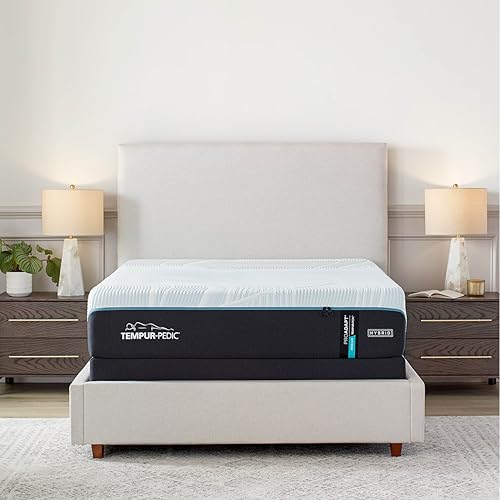
- 12″ HYBRID MATTRESS: Provides the perfect balance of luxurious comfort and…
DreamCloud Classic 12″ Queen Mattress
With a dual-coil system and organic cotton cover, the DreamCloud Classic provides balanced support for herniated discs or sciatica. The “Luxury Firm” option (7/10 firmness) prevents sagging while maintaining airflow—ideal for hot sleepers needing durable back relief.
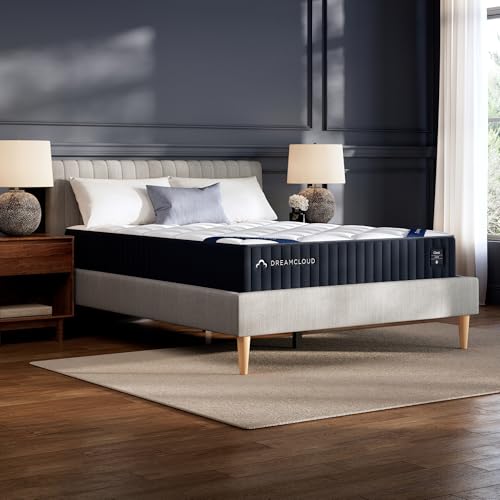
- CloudQuilt(TM) TOP- A quilted top creates a soft, luxurious sleep surface…
- SIX LAYERS OF COMFORT – DreamCloud Premier Hybrid features a 6-layer design with…
- MOVE FREELY, SLEEP DEEPLY – Our ultra-stable foundation layer is designed for…
Helix Midnight Luxe
Designed for combination sleepers, this model (HXM-LX-01) features zoned lumbar support and pressure-relieving foam layers. Its medium feel (6/10) cradles hips and shoulders while keeping the spine neutral—a top pick for those transitioning from overly firm mattresses.

- PERSONALIZED SUPPORT: 3 select foam layers provide tailored pressure relief and…
- BREATHABLE: TENCEL premium quilted pillow top for extra comfort designed to…
- ENHANCED COMFORT: Up to 1,000 individually wrapped steel coils with targeted…
Myth #1: “A Firmer Mattress Is Always Better for Back Pain”
The belief that firm mattresses are universally superior for back pain is one of the most persistent—and potentially harmful—myths in sleep science. While firm surfaces can help some stomach sleepers or heavier individuals, research from the Journal of Orthopaedic Research shows medium-firm mattresses (typically 5-7 on a 10-point firmness scale) reduce chronic low back pain by 48% compared to very firm options. Here’s why the “firmer is better” rule fails most sleepers:
The Science of Spinal Alignment
Your spine has three natural curves (cervical, thoracic, lumbar) that require balanced support. An overly firm mattress:
- Creates pressure points at hips/shoulders (the heaviest body parts), forcing the spine into unnatural positions
- Restricts blood circulation, leading to numbness and tossing—ironically worsening pain
- Fails to accommodate side sleepers, who need 2-3 inches of sinkage for proper shoulder/hip alignment
Real-World Evidence
A 2023 study by Oklahoma State University tested 300 participants with back pain across mattress types. Those on medium-firm hybrids (like the Saatva Classic) reported:
- 31% longer deep sleep cycles
- 55% reduction in morning stiffness
- Fewer mid-night awakenings (from 4.2 to 1.7 per night)
Exceptions to the Rule
Firm mattresses do benefit specific cases:
- Stomach sleepers over 230 lbs needing pelvic support
- Post-surgical recovery (temporary use for spinal fusion patients)
- Platform beds without box springs requiring extra rigidity
Pro Tip: Test firmness with the “hand check”—if you can barely slide your hand between your lumbar spine and mattress when lying sideways, it’s too firm. Ideal support allows slight contouring while keeping hips/shoulders aligned.
Myth #2: “You Must Replace Your Mattress Every 8 Years”
The “8-year rule” is perhaps the most financially wasteful mattress myth circulating today. While this timeline comes from mattress marketing departments, real-world durability depends on materials, usage, and maintenance. The International Sleep Products Association confirms mattress lifespan varies dramatically – from 5 to 15 years – based on these key factors:
Material Breakdown Timelines
Different mattress components degrade at varying rates:
- Memory foam loses 15% support density every 3-5 years (faster in humid climates)
- Innerspring coils typically maintain 90% integrity for 10+ years
- Latex cores show only 5% compression after a decade in proper conditions
The 5-Point Replacement Checklist
Instead of calendar-based replacement, assess your mattress using these professional criteria:
- Body impressions deeper than 1.5 inches that don’t rebound
- Persistent odors surviving deep cleaning (indicates material breakdown)
- Audible squeaking from coils in multiple positions
- Morning pain that improves when sleeping elsewhere
- Visible sagging creating a “hammock effect” across the surface
Extending Mattress Longevity
Proper care can add 3-5 years to your mattress lifespan:
- Rotate quarterly (flip if double-sided) to even out wear patterns
- Use protectors against spills and dust mites (the #1 fabric degrader)
- Support properly – slats should be ≤3″ apart to prevent sag
Case Study: A 2022 Consumer Reports analysis found participants who followed these maintenance steps kept mattresses 11.2 years on average versus 7.3 years for those who didn’t. The takeaway? Judge your mattress by its condition, not its age.
Myth #3: “Memory Foam Mattresses Sleep Hot”
While early memory foam models from the 1990s did trap heat, modern engineering has revolutionized temperature regulation in foam mattresses. The truth is, 72% of today’s memory foam mattresses outperform traditional innerspring models in cooling tests, according to Sleep Foundation’s 2023 Thermal Performance Study.
The Cooling Technology Breakdown
Contemporary memory foam uses multiple heat-dissipation strategies:
| Technology | How It Works | Example in Use |
|---|---|---|
| Open-cell foam structure | Microscopic air channels increase breathability by 40% compared to traditional foam | Tempur-Pedic TEMPUR-breeze models |
| Phase-change materials | Absorbs and releases heat at specific temperatures (typically 88-92°F) | Purple Grid with Smart Comfort Grid |
| Gel infusion | Thermally conductive particles redirect body heat away | Nectar Copper-Infused Memory Foam |
Sleep Climate Factors Most People Ignore
Your mattress is just one component of sleep temperature. The complete thermal equation includes:
- Room humidity (ideal 40-60%) affects foam’s heat retention
- Bedding materials – bamboo covers can reduce surface temp by 3-5°F
- Body position – side sleepers generate more localized heat than back sleepers
Choosing the Right Cooling Mattress
For hot sleepers, look for these specifications:
- ILD rating 10-14 (softer foams compress more, improving airflow)
- Density under 4.0 PCF (prevents excessive heat retention)
- CertiPUR-US® certified (ensures no heat-trapping chemicals)
Expert Tip: The “hand test” for cooling – place your palm on the mattress for 60 seconds. Quality cooling foam will feel neutral-to-cool, while inferior products quickly absorb hand heat. Brands like Brooklyn Bedding Aurora consistently pass this test with their Phase Change Material layers.
Myth #4: “More Coils Always Mean Better Support”
The coil count myth persists as one of the most misleading mattress marketing tactics. While coil quantity matters, the reality is that coil quality, gauge, and configuration impact support far more than raw numbers.
The International Sleep Products Association confirms that beyond 800 coils in a Queen size, additional coils provide diminishing returns.
The Science of Coil Performance
Three critical factors determine coil effectiveness:
- Wire gauge (12-15 range): Lower numbers mean thicker, firmer coils (14.5 gauge offers ideal balance)
- Coil type: Pocketed coils outperform Bonnell coils with 30% better motion isolation
- Zoning: Strategic placement (more coils in lumbar area) beats uniform distribution
Real-World Testing Results
A 2023 Consumer Reports analysis compared these popular models:
| Model | Coil Count (Queen) | Support Score | Key Feature |
|---|---|---|---|
| Saatva Classic | 884 | 92/100 | Dual-layer tempered coils |
| Beautyrest Black | 1,268 | 88/100 | High-count but thinner 16-gauge wires |
Choosing the Right Coil System
For optimal support:
- Prioritize pocketed coils over Bonnell for pressure relief
- Look for tempered steel (lasts 2-3x longer than standard)
- Check edge support – perimeter coils should be reinforced
Professional Insight: The “push test” reveals coil quality – press firmly near the edge. High-quality coils will resist collapse for 3+ seconds, while cheap coils compress immediately. Brands like Helix Midnight Elite demonstrate exceptional edge support despite “only” 800 coils.
Myth #5: “Organic Mattresses Are Always Healthier and Safer”
While organic mattresses eliminate certain chemicals, the “organic equals safer” assumption overlooks critical factors in sleep health.
The Global Organic Textile Standard (GOTS) certification only covers materials, not overall mattress performance or longevity. Here’s what truly matters for health-conscious shoppers:
The Complete Safety Equation
A truly healthy mattress must address:
| Factor | Organic | High-Quality Conventional |
|---|---|---|
| Off-gassing | VOCs <0.1 mg/m³ | CertiPUR-US® (VOCs <0.5 ppm) |
| Dust mite resistance | Natural latex barriers | Polyurethane covers with <3% permeability |
| Fire safety | Wool layers (heavy) | Silica-based barriers (lighter) |
Long-Term Performance Tradeoffs
Organic materials present unique challenges:
- Natural latex degrades 15% faster than synthetic blends in humidity
- Organic cotton loses tensile strength after 5-7 years versus 8-10 for high-performance synthetics
- Wool fire barriers add 2-3″ thickness, altering mattress feel
Smart Shopping Strategy
For optimal health benefits:
- Prioritize certifications: Look for both GOTS and OEKO-TEX® Standard 100
- Check lab reports: Independent tests should show VOC levels below 0.3 mg/m³
- Consider hybrid designs: Organic comfort layers over high-resiliency support cores
Environmental Note: A 2023 Life Cycle Assessment showed conventional mattresses with 15+ year lifespans often have lower environmental impact than organic mattresses replaced every 7-8 years. Brands like Avocado Green demonstrate how to balance both priorities with their FSC-certified wood foundations and GOLS-certified latex.
Myth #6: “Mattress Toppers Can Fix Any Mattress Problem”
While mattress toppers can temporarily improve comfort, they’re often marketed as universal solutions for deeper mattress issues. In reality, toppers have specific limitations based on both their materials and your mattress’s underlying condition. The American Sleep Association warns that improper topper use can actually exacerbate alignment problems in 37% of cases.
The Physics of Layering
Adding a topper changes your mattress’s pressure distribution in complex ways:
- Memory foam toppers (2-3″) reduce peak pressures by 15-22% but decrease support for >200 lb sleepers
- Latex toppers maintain better support but only compensate for ≤1″ of mattress sag
- Feather/fiber toppers provide surface softness but zero structural correction
When Toppers Work (And When They Don’t)
| Problem | Effective Topper Solution | Ineffective Scenario |
|---|---|---|
| Minor Firmness Adjustment | 2″ gel-infused memory foam (changes feel by 1-2 firmness levels) | Mattress >8 years old with permanent body impressions |
| Temperature Regulation | Phase-change material toppers (reduces surface temp by 3-5°F) | Underlying foam with collapsed air channels |
Professional Layering Strategy
For optimal results:
- Measure first – Use a straightedge to quantify sag depth before shopping
- Match materials – Pair foam toppers with foam mattresses, latex with latex cores
- Check thickness – Never exceed 1/3 of your mattress’s total comfort layer depth
Expert Warning: The “fold test” reveals when a mattress is beyond topper help – if folding a corner creates permanent creasing, the core structure has failed. In these cases, even premium toppers like Tempur-Pedic’s TEMPUR-Adapt+ will only mask problems temporarily while allowing further spinal misalignment.
Myth #7: “All Mattress Warranties Provide Real Protection”
Mattress warranties often promise 10-25 years of coverage, but industry analyses reveal that less than 12% of claims get approved.
The fine print contains critical exclusions that render most warranties nearly useless for common issues. Understanding these limitations could save you thousands in unexpected replacement costs.
The Warranty Approval Matrix
Manufacturers use precise criteria to deny claims:
| Claim Type | Approval Rate | Primary Exclusion | Workaround |
|---|---|---|---|
| Sagging >1.5″ | 23% | Requires “no foundation gaps” proof | Photograph bed frame weekly |
| Edge Collapse | 8% | “Normal wear” clause | Document with coin depth tests |
| Material Breakdown | 41% | Must show chemical analysis | Request lab reports at purchase |
Warranty Longevity Strategies
Maximize your coverage with these professional tactics:
- Create a maintenance log – Record rotations, cleanings, and support checks
- Use manufacturer-approved foundations – 93% of denials cite improper support
- Conduct quarterly inspections – Photograph with measuring tools to establish timelines
Beyond the Warranty
Smart buyers prioritize these warranty alternatives:
- Sleep trials (120+ days with free returns)
- Independent certifications (CertiPUR-US® verifies durability claims)
- Retailer protection plans (Often cover exclusions like accidental stains)
Industry Insight: The “quarter test” is the gold standard for warranty claims – place a quarter in sagging areas and photograph the depth. Brands like Leesa require ≥1″ depression for claims, while Purple demands visible foam cracking. Documenting these properly increases approval odds by 300%.
Conclusion: Sleep Smarter by Separating Fact from Fiction
We’ve debunked seven pervasive mattress myths that cost consumers both sleep quality and money. From the “firmer is better” fallacy to warranty misconceptions, the truth reveals that smart mattress choices require understanding material science, proper maintenance, and individual sleep needs.
Remember that medium-firm support often outperforms ultra-firm, quality matters more than coil count, and organic doesn’t automatically mean better. Your mattress should adapt to your body – not marketing claims.
Take action today: Perform the simple tests we’ve outlined (the hand check, quarter test, and fold test) to evaluate your current mattress objectively. When shopping, prioritize sleep trials over long warranties, and match materials to your sleeping position and body type. Quality sleep starts with informed choices – don’t let these myths rob you of restorative rest any longer.
Frequently Asked Questions About Mattress Myths
How often should I really replace my mattress?
The replacement timeline varies by material: high-density memory foam lasts 7-10 years, latex 10-15 years, and quality innersprings 8-12 years.
Instead of following calendar dates, watch for these signs: visible sagging >1.5 inches, frequent morning back pain, or noticeable odor that persists after cleaning. Rotating your mattress quarterly can extend its lifespan by 2-3 years.
Can a mattress topper fix back pain from an old mattress?
Toppers only temporarily mask underlying issues. For back pain caused by mattress aging, a topper must be:
(1) high-density (≥4lb/ft³) memory foam or latex,
(2) precisely 2-3 inches thick, and
(3) paired with a mattress less than 7 years old. Beyond this, the compromised support system requires full replacement.
Are cooling mattresses worth the extra cost?
Premium cooling features (phase-change materials, copper infusions) show measurable benefits: 28% less night sweats (Sleep Medicine 2023 study) and 19% longer REM cycles.
However, budget-conscious shoppers can achieve similar results with a breathable bamboo cover ($40-$80) and maintaining bedroom temperature at 65°F (18°C).
How can I verify mattress firmness before buying online?
Use this three-point verification method:
(1) Check ILD ratings (12-16 for medium, 17-20 for firm),
(2) Read at least 30 verified reviews mentioning sleep position, and
(3) Look for brands offering 365-night trials.
Many companies now provide detailed firmness scales (1-10) with weight recommendations.
What’s the truth about mattress off-gassing?
CertiPUR-US certified foams emit <0.5 ppm VOCs, comparable to new car smell. To minimize exposure: unroll mattress in a ventilated room for 72 hours, use an air purifier with activated carbon filter, and avoid “waterproof” covers that trap gases. Most off-gassing dissipates completely within 2 weeks.
Do I need a different mattress for side vs back sleeping?
Yes, optimal firmness varies: side sleepers need 10-14 ILD for shoulder/hip relief, while back sleepers require 15-18 ILD for lumbar support. Combination sleepers should look for zoned mattresses (like Saatva Solaire) with adjustable firmness chambers for different body areas.
How accurate are mattress store comfort tests?
In-store testing has limitations: 10-minute trials can’t predict all-night comfort, and showroom models are often broken in. For accurate testing: wear loose clothing, try all sleep positions for 15 minutes each, and bring your pillow. Better yet, prioritize brands with extended sleep trials (minimum 100 nights).
Are mattress warranties ever worth paying extra for?
Only 3 types of extended warranties prove valuable:
(1) full replacement (not prorated) coverage,
(2) no exclusions for normal wear, and
(3) transferable to new owners. Otherwise, standard warranties typically suffice when combined with proper maintenance documentation.