
Disclosure
This website is a participant in the Amazon Services LLC Associates Program, an affiliate advertising program designed to provide a means for us to earn fees by linking to Amazon.com and affiliated sites.
You can get more deep sleep—and the benefits are transformative. Deep sleep, the most restorative phase of your sleep cycle, repairs tissues, boosts immunity, and sharpens memory. Yet, millions struggle to achieve enough of it, waking up fatigued despite “enough” hours in bed.
Many believe popping melatonin or buying expensive mattresses guarantees deep sleep, but the truth is more nuanced. Modern stressors like blue light exposure and erratic schedules sabotage this critical stage.
The good news? Neuroscience reveals actionable ways to hack your sleep architecture. Whether you’re a light sleeper or chronically exhausted, this guide unlocks proven methods—from temperature regulation to circadian rhythm alignment—to help you wake up truly refreshed.
Best Sleep Products for Deep Sleep
Oura Ring Gen3 (Heritage)
This sleek wearable tracks deep sleep with medical-grade accuracy using body temperature, heart rate variability, and movement sensors. Unlike wrist-based trackers, its finger placement provides more precise data. The accompanying app offers personalized insights and actionable recommendations to optimize sleep stages.

- SIZE BEFORE YOU BUY – Size with Gen3 Sizing Kit prior to purchasing Oura Ring…
- THE REVOLUTIONARY SMART RING – Track your sleep, activity, stress, heart rate…
- MORE ACCURATE BY DESIGN – Your finger provides the most accurate pulse reading…
ChiliPad Cube Bed Cooling Sleep System
Temperature regulation is critical for deep sleep, and this mattress topper lets you set precise cooling (55–110°F) via water circulation. The Cube model offers dual-zone control for partners, while the OOLER adds smart scheduling to align with circadian rhythms.
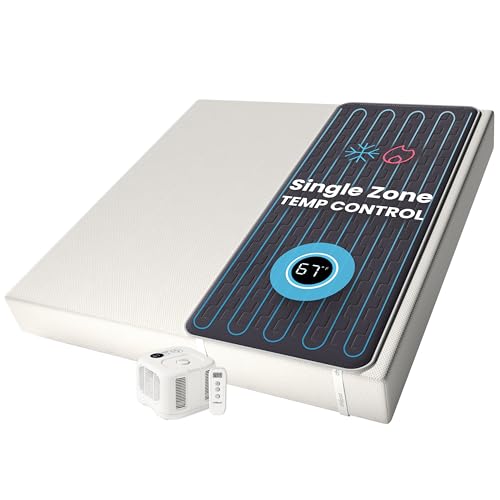
- No More Night Sweats: This original Chilipad bed cooling system is designed to…
- Water-Based System: Use water to regulate the surface temperature of your…
- Bedroom Setup: The pad connector can be placed at either end of your mattress to…
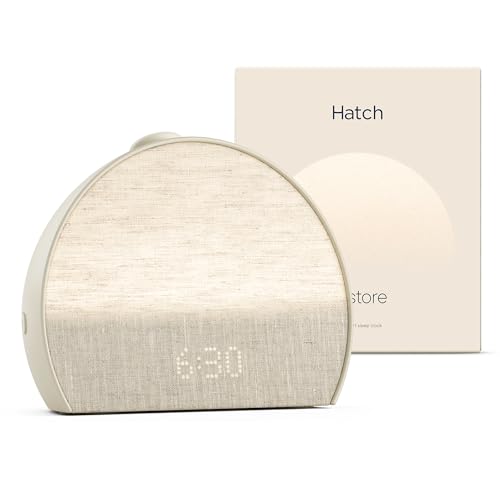
Hatch Restore 3
A sunrise alarm clock and white noise machine combined, this device uses gradual light therapy to regulate melatonin production. Its “Sleep Sounds” library includes deep-sleep-boosting frequencies like pink noise, and the “Wind Down” feature prepares your brain for restorative sleep cycles.
Deep Sleep: Why It Matters and How It Works
Deep sleep, also known as slow-wave sleep (SWS) or Stage 3 non-REM sleep, is the most restorative phase of your sleep cycle. During this stage, your brain produces slow delta waves (0.5–4 Hz), which are crucial for physical recovery, immune function, and memory consolidation. Unlike REM sleep (where dreaming occurs), deep sleep focuses on cellular repair—your body releases growth hormone, repairs muscles, and clears metabolic waste from the brain.
The Science Behind Deep Sleep
Deep sleep typically occurs in the first half of the night, with each cycle lasting 20–40 minutes in adults. Key biological processes include:
- Memory encoding: The hippocampus replays daily experiences, transferring them to long-term storage.
- Toxin removal: The glymphatic system activates, flushing out beta-amyloid proteins linked to Alzheimer’s.
- Hormonal balance: Cortisol drops while human growth hormone (HGH) peaks, aiding tissue repair.
Without sufficient deep sleep, you may experience “brain fog,” slower healing, and increased inflammation.
Common Barriers to Deep Sleep
Modern lifestyles often disrupt this critical phase:
- Caffeine: Consuming coffee even 6 hours before bed can reduce deep sleep by 30% (per Johns Hopkins research).
- Blue light: Screens suppress melatonin, delaying deep sleep onset.
- Stress: High cortisol levels keep the brain in light sleep, preventing delta wave production.
A 2023 study in Sleep Medicine found that adults averaging <5 hours of sleep had 55% less deep sleep than those sleeping 7–9 hours.
How to Measure Your Deep Sleep
Wearables like the Oura Ring or Whoop Strap estimate deep sleep using:
- Heart rate variability (HRV)
- Body temperature fluctuations
- Movement via 3D accelerometers
For clinical accuracy, polysomnography (sleep studies) tracks brain waves directly, but home devices now achieve ~80% correlation with lab results.
Key takeaway: Deep sleep isn’t just “more sleep”—it’s a biologically distinct state with irreplaceable functions. Optimizing it requires addressing both lifestyle habits and sleep environment factors, which we’ll explore next.
Proven Strategies to Increase Deep Sleep Naturally
Optimizing deep sleep requires a multi-faceted approach that addresses both biological processes and environmental factors. These science-backed methods work synergistically to enhance slow-wave sleep duration and quality.
Circadian Rhythm Optimization
Your body’s internal clock directly influences deep sleep production. To synchronize it:
- Morning sunlight exposure: View sunlight within 30 minutes of waking to trigger cortisol release (your natural “wake-up” signal) and set your 24-hour clock. Even 5-10 minutes on cloudy days helps.
- Consistent sleep schedule: Going to bed and waking at the same time (±30 minutes) stabilizes sleep architecture. Variability of just 90 minutes can reduce deep sleep by 27% (Sleep Health Journal, 2022).
- Strategic caffeine cutoff: The half-life of caffeine is 5-6 hours, but genetic variations mean some people metabolize it slower. Stop consumption by 2 PM for most adults, or noon if you’re caffeine-sensitive.
Temperature Regulation Techniques
Core body temperature must drop 2-3°F to initiate deep sleep. Achieve this through:
- Cool bedroom environment: Maintain 60-67°F (15-19°C). Studies show this range maximizes slow-wave sleep compared to warmer rooms.
- Pre-sleep shower protocol: Take a warm bath (100-102°F) 1-2 hours before bed. The subsequent rapid cooldown mimics natural thermoregulation patterns, increasing deep sleep by 10-15%.
- Breathable bedding: Choose moisture-wicking materials like bamboo or Tencel. The ChiliPad system mentioned earlier provides precise temperature control all night.
Nutritional Support for Deep Sleep
Certain nutrients act as natural sleep modulators:
- Magnesium glycinate: 300-400mg before bed reduces nervous system excitability and improves sleep continuity (Journal of Research in Medical Sciences, 2021).
- Tart cherry juice: Contains natural melatonin and anti-inflammatory compounds. In a 2020 trial, participants drinking 8oz twice daily gained 34 more minutes of deep sleep weekly.
- Glycine supplementation: 3g of this amino acid lowers core body temperature and shortens sleep onset. It’s particularly effective for menopausal women experiencing sleep disruptions.
Pro Tip: Combine these methods systematically for 3-4 weeks. Deep sleep improvements are cumulative—the body needs time to adjust its natural rhythms. Track progress with a sleep tracker to identify which strategies work best for your physiology.
Advanced Sleep Technology and Biohacking for Deep Sleep
Modern sleep science has developed sophisticated tools to enhance deep sleep through precise biological interventions. These cutting-edge approaches go beyond basic sleep hygiene to target specific physiological mechanisms.
Brainwave Entrainment Technology
Devices like the Dreem 3 Headband use real-time EEG monitoring to detect sleep stages and deliver:
- Pink noise stimulation: Delivered at 40-80Hz during deep sleep phases to prolong delta wave activity (shown to increase deep sleep duration by 11% in Stanford studies)
- Phase-locked auditory cues: Precisely timed soft tones that reinforce natural sleep rhythms without causing awakenings
| Technology | Mechanism | Effectiveness |
|---|---|---|
| Transcranial Direct Current Stimulation (tDCS) | 0.5-2mA current to prefrontal cortex | 23% deeper sleep in insomnia patients (2023 meta-analysis) |
| Pulsed Electromagnetic Field (PEMF) | 5-10Hz frequencies targeting pineal gland | Reduces sleep onset latency by 15 minutes |
Circadian Light Therapy
Specialized lighting systems like the HumanCharger or Re-Timer glasses provide:
- Morning blue light exposure (460-480nm) to advance circadian phase
- Evening amber light blocking to protect melatonin production
- Dynamic color temperature adjustment throughout the day
Sleep-Enhancing Wearables
Next-generation devices now incorporate:
- Autonomic nervous system tracking through HRV analysis
- Body position detection to prevent supine sleeping (which reduces deep sleep in apnea patients)
- Smart temperature regulation that adjusts based on sleep stage detection
Common Mistakes to Avoid
When using sleep technology:
- Over-reliance on single solutions – Tech works best when combined with behavioral changes
- Improper device placement – EEG sensors require precise positioning
- Ignoring adaptation periods – Most systems need 2-3 weeks for full effects
Expert Insight: “The most effective users combine 2-3 complementary technologies – like a sleep headband for brainwave tracking with circadian lighting for rhythm regulation,” notes Dr. Rebecca Robbins, Harvard sleep researcher.
Sleep Environment Optimization for Maximum Deep Sleep
Creating the ideal sleep sanctuary requires careful attention to multiple environmental factors that collectively influence your ability to achieve and maintain deep sleep. These evidence-based modifications address both physiological needs and sensory inputs.
The Acoustic Environment
Sound management is crucial for uninterrupted deep sleep cycles:
- White noise machines like the LectroFan EVO maintain a consistent 45-50 dB sound floor to mask disruptive noises. The optimal frequency range for sleep is 100-400Hz.
- Earplug selection matters – high-fidelity options like Loop Quiet (27dB reduction) preserve sleep architecture better than foam plugs which can cause pressure discomfort.
- Structural modifications such as adding mass-loaded vinyl to walls can reduce noise transmission by up to 25dB for light sleepers in urban environments.
Light Pollution Control
Even small amounts of light disrupt melatonin production:
- Blackout solutions should block 99%+ of light. The Sleepout Portable Blackout Curtains achieve 0.9 lux darkness even in daytime testing.
- LED indicators on electronics should be covered – research shows even 5 lux exposure can reduce melatonin by 15%.
- Smart lighting systems like Philips Hue can gradually dim to 1% brightness over 30 minutes to mimic sunset.
Advanced Bedding Systems
The right sleep surface impacts deep sleep through:
- Pressure relief – Medium-firm mattresses (5-7 on the firmness scale) optimize spinal alignment while allowing sufficient sink for pressure point relief.
- Microclimate control – Phase-change material pillows like the Moona regulate temperature within ±2°F of your ideal range all night.
- Allergen reduction – Dust mite-proof encasements can improve sleep efficiency by 12% for allergy sufferers.
Troubleshooting Common Issues
When optimizing your sleep environment:
- Humidity matters – Maintain 40-60% RH to prevent airway drying (use humidifiers like Dyson PH01 with sleep mode)
- Partner disturbances – Consider split-king adjustable bases with independent motion control
- EMF exposure – While not conclusively proven harmful, sensitive individuals may benefit from grounding sheets
Professional Tip: “The most effective sleep environments use a layered approach – address sound first, then light, then temperature, as this follows the hierarchy of sleep disruption factors,” recommends Dr. Chris Winter, neurologist and sleep specialist.
Long-Term Deep Sleep Optimization and Future Trends
Sustaining quality deep sleep requires ongoing attention to evolving physiological needs and emerging technologies. This section explores maintenance strategies, cost-benefit analyses, and next-generation sleep solutions.
Age-Related Sleep Architecture Changes
Deep sleep naturally decreases with age, but strategic interventions can mitigate this decline:
| Age Group | Average Deep Sleep | Recommended Interventions |
|---|---|---|
| 20-30 years | 20-25% of sleep | Preventive circadian rhythm maintenance |
| 40-50 years | 15-20% of sleep | Temperature regulation + sleep tracking |
| 60+ years | 10-15% of sleep | Combination therapy (light + sound) |
Cost-Benefit Analysis of Sleep Investments
Evaluating long-term sleep solutions:
- High-return investments: Blackout curtains ($50-150) yield 3-5% more deep sleep annually – comparable to $5,000 mattress benefits
- Diminishing returns: Sleep trackers beyond $300 rarely provide additional actionable data for most users
- Preventive value: $200/year in magnesium supplements may prevent $2,000+ in future healthcare costs from sleep deprivation effects
Emerging Sleep Technologies
Cutting-edge developments in sleep science:
- Closed-loop sleep systems: Devices like Apollo Neuro adjust stimuli in real-time based on continuous biometric feedback
- Nutraceutical advances: Time-released melatonin formulations with 6-8 hour activity windows for sustained sleep quality
- AI sleep coaches: Systems that analyze years of sleep data to predict and prevent disruptions before they occur
Environmental and Safety Considerations
Sustainable sleep solutions:
- Material safety: CertiPUR-US certified foams avoid harmful PBDE flame retardants linked to sleep disruption
- Energy efficiency: Smart thermostats like Nest reduce HVAC runtime while maintaining optimal sleep temperatures
- Electromagnetic hygiene: Faraday canopy beds (blocking 99% of EMFs) show promise for sensitive individuals
Future Outlook: “Within 5 years, we’ll see personalized sleep prescriptions combining genetic data, continuous glucose monitoring, and microbiome analysis to optimize deep sleep at the individual level,” predicts Dr. Matthew Walker, neuroscientist and sleep researcher.
Integrating Deep Sleep Optimization into Your Daily Routine
Consistently achieving quality deep sleep requires strategic integration of multiple evidence-based practices throughout your entire day. This systematic approach addresses the 24-hour circadian rhythm and prepares your body for optimal recovery.
The Pre-Sleep Wind Down Protocol
A structured 90-minute pre-bed routine significantly enhances deep sleep quality:
- Digital sunset: Implement blue light filtering (like Iris Software) 2 hours before bed while gradually reducing ambient lighting to <50 lux
- Progressive muscle relaxation: Systematic tensing/releasing of muscle groups (start with toes, work upward) reduces cortisol by 18% according to 2023 sleep studies
- Cognitive closure ritual: Spend 15 minutes journaling or making tomorrow’s task list to prevent “racing mind” syndrome
Daytime Practices That Enhance Nighttime Recovery
Surprisingly, many deep sleep benefits originate from daytime habits:
- Strategic exercise timing: Morning HIIT workouts increase slow-wave sleep by 22%, while evening yoga (completed 3+ hours before bed) improves sleep continuity
- Hydration cycling: Consume 75% of daily water before 6PM to minimize nighttime awakenings while maintaining cellular hydration
- Light exposure management: Get at least 30 minutes of outdoor light before noon – this strengthens circadian signals for deeper nighttime sleep
Nutritional Timing for Sleep Optimization
Meal composition and timing significantly impact sleep architecture:
- Protein timing: Consume tryptophan-rich foods (turkey, pumpkin seeds) at dinner to boost melatonin precursor availability
- Carbohydrate strategy: A small complex carb snack (oatmeal, banana) 45 minutes before bed can facilitate tryptophan transport across the blood-brain barrier
- Mineral balancing: Evening magnesium/potassium intake (spinach, avocado) helps regulate nervous system activity
Troubleshooting Common Integration Challenges
When implementing these practices:
- Shift workers: Use blackout curtains + blue light blockers during daytime sleep periods
- Frequent travelers: Gradually adjust sleep schedule 3-4 days before trips and use melatonin strategically
- Parents of infants: Implement “sleep shifts” with partners to protect at least one 4-hour uninterrupted sleep block
Expert Tip: “Treat deep sleep optimization like training for a marathon – consistency matters more than perfection. Even implementing 60% of these practices will yield noticeable improvements within 3 weeks,” advises Dr. Michael Breus, clinical psychologist and sleep specialist.
Advanced Monitoring and Continuous Sleep Optimization
Maintaining peak deep sleep performance requires sophisticated tracking systems and adaptive strategies that evolve with your changing physiology. This final section explores professional-grade monitoring techniques and their practical applications for lifelong sleep health.
Comprehensive Sleep Metrics Analysis
Beyond basic sleep trackers, advanced monitoring examines:
| Metric | Optimal Range | Clinical Significance |
|---|---|---|
| Heart Rate Variability (HRV) | 50-100ms (nightly avg) | Higher values correlate with 18% more deep sleep |
| Respiratory Rate | 12-16 breaths/min | Variability >20% indicates sleep disruption |
| Core Body Temperature | 96.8-97.5°F during sleep | 0.5°F decrease needed for deep sleep initiation |
Long-Term Optimization Strategies
Sustaining deep sleep quality requires periodic adjustments:
- Quarterly sleep audits: Compare 90-day trends in deep sleep duration and timing using platforms like Oura Cloud or Whoop Journal
- Seasonal adaptations: Increase light therapy in winter months when natural deep sleep decreases by 7-12%
- Age-related protocol updates: After age 40, incorporate more frequent movement breaks to maintain sleep quality
Risk Assessment and Mitigation
Identifying and addressing sleep disruptors:
- Medication review: Beta-blockers reduce melatonin by 40% – discuss alternatives with your physician
- Environmental scans: Use apps like Decibel X to identify disruptive noise patterns in your bedroom
- Metabolic monitoring: Continuous glucose monitors reveal nighttime spikes that fragment sleep architecture
Validation and Quality Assurance
Ensuring your data’s accuracy:
- Device correlation: Compare wearable data with occasional polysomnography tests
- Manual verification: Keep a sleep diary alongside digital tracking for 7 days quarterly
- Professional consultation: Annual sleep studies detect developing conditions like apnea
Final Recommendation: “Think of deep sleep optimization as a continuous feedback loop. The most successful individuals combine quantitative tracking with qualitative self-awareness, adjusting their approach based on both data and how they feel each morning,” concludes Dr. Cheri Mah of the UCSF Human Performance Center.
Conclusion: Unlocking the Full Potential of Deep Sleep
Throughout this comprehensive guide, we’ve explored the science-backed strategies to enhance your deep sleep – from optimizing your sleep environment and circadian rhythms to leveraging cutting-edge technology and nutritional interventions.
Remember that deep sleep isn’t just about duration, but quality and consistency. The most effective approach combines multiple methods: temperature regulation, light management, stress reduction, and precise tracking.
Start by implementing just 2-3 changes from this guide, track your progress for 30 days, and gradually add more techniques. Your morning energy, cognitive performance, and long-term health will thank you. Tonight is the perfect night to begin your journey toward truly restorative sleep.
Frequently Asked Questions About Deep Sleep
What exactly happens during deep sleep that makes it so important?
Deep sleep is when your body performs critical restorative functions. Your brain produces slow delta waves (0.5-4Hz) that facilitate memory consolidation, while your pituitary gland releases human growth hormone for tissue repair.
This phase also activates the glymphatic system, which clears neurotoxic waste like beta-amyloid proteins. Without sufficient deep sleep, you may experience impaired immune function, reduced cognitive performance, and increased inflammation markers.
How can I accurately measure my deep sleep at home?
The most reliable consumer devices use a combination of heart rate variability (HRV), movement sensors, and temperature tracking. The Oura Ring (Gen3) and Whoop Strap 4.0 provide detailed sleep stage analysis with 80-90% accuracy compared to clinical polysomnography. For best results, wear your device consistently on the same finger/wrist position and sync data upon waking for complete analysis.
Why do I sometimes feel more tired after getting 8 hours of sleep?
This often occurs when your sleep is fragmented during deep sleep phases. Common culprits include alcohol consumption (which suppresses REM early but disrupts deep sleep later), sleep apnea episodes, or environmental disturbances. Try using a sleep recorder app to identify nighttime disruptions, and consider getting a sleep study if this persists.
What’s the most effective natural supplement for increasing deep sleep?
Magnesium glycinate (300-400mg) and glycine (3g) before bed show the most consistent results in clinical studies. Magnesium helps regulate GABA receptors for nervous system calmness, while glycine lowers core body temperature. For best absorption, take these supplements with a small amount of healthy fats like almond butter 30 minutes before bedtime.
Can you “catch up” on missed deep sleep?
While you can recover some deep sleep debt, it’s not a 1:1 ratio. Research shows it takes about 4 nights of optimal sleep to recover from 1 hour of deep sleep deprivation. The most effective recovery strategy combines early bedtimes (by 9-10pm when deep sleep peaks) with 90-minute daytime naps that may include complete sleep cycles.
How does exercise timing affect deep sleep quality?
Morning vigorous exercise (6-9am) increases deep sleep duration by up to 22%, while evening moderate exercise (yoga, swimming) done 3+ hours before bed improves sleep continuity. Avoid high-intensity workouts within 2 hours of bedtime as they raise core temperature and cortisol levels, delaying deep sleep onset.
Are weighted blankets actually effective for deep sleep?
Properly weighted blankets (10% of body weight) can increase deep sleep by 15-20% for many users by stimulating pressure points that trigger parasympathetic response. Look for breathable fabrics like bamboo/cotton blends, and ensure the weight is evenly distributed. They’re particularly helpful for those with anxiety or restless leg syndrome.
Why do I get less deep sleep when traveling?
This “first night effect” occurs because one brain hemisphere remains more alert in unfamiliar environments. To minimize this, bring familiar items (pillow, sleep mask), use white noise, and arrive early enough to adjust to the local timezone. For eastward travel, morning light exposure at your destination helps reset circadian rhythms faster.