
Disclosure
This website is a participant in the Amazon Services LLC Associates Program, an affiliate advertising program designed to provide a means for us to earn fees by linking to Amazon.com and affiliated sites.
You can recycle an old duvet—and it’s easier than you think! Many people assume worn-out bedding belongs in the trash, but tossing it contributes to landfill waste and environmental harm.
The truth? Your old duvet holds hidden potential, whether through donation, textile recycling, or clever DIY projects. With sustainability trends on the rise, repurposing household textiles is both eco-conscious and practical.
Best Recycling Solutions for Old Duvets
Earth911 Recycling Locator Tool
Earth911’s online Recycling Locator is a must-use resource for finding nearby textile recycling centers that accept duvets. Simply enter your ZIP code and filter by “bedding” to discover facilities with drop-off programs. It’s free, updated in real-time, and covers thousands of locations across the U.S. and Canada.
Green City Recyclers Textile Recycling Bin
For hassle-free recycling, look for Green City Recyclers bins in your community. These bright green collection points specifically accept duvets, pillows, and other textiles, diverting them from landfills. Their partnered processors shred and repurpose materials into insulation or industrial rags.
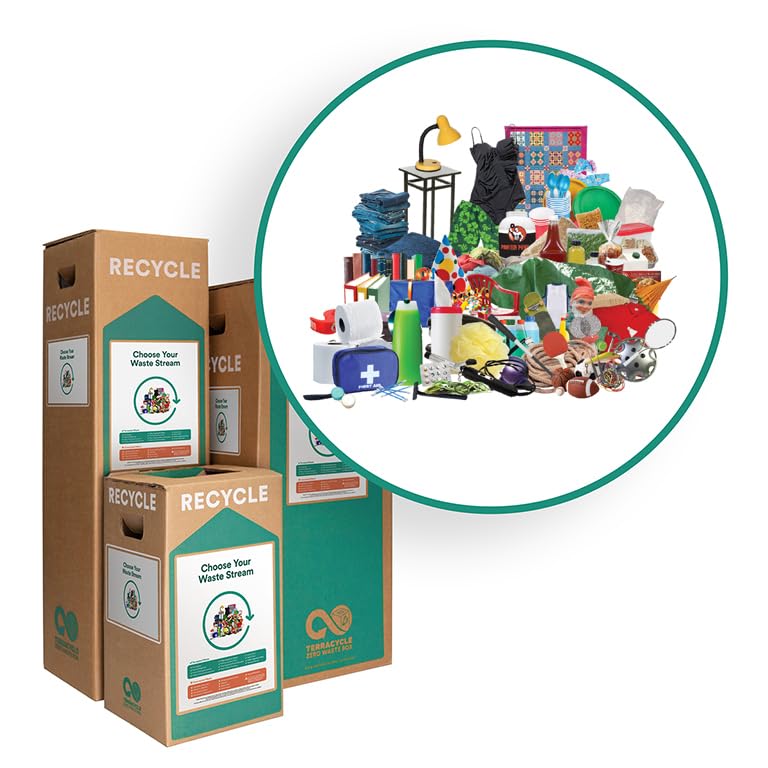
Terracycle Zero Waste Box – All-In-One
The Terracycle Fabric & Clothing Zero Waste Box lets you mail in old duvets for responsible recycling. Though pricey (~$100 for a medium box), it guarantees ethical breakdown into fibers for new products. Ideal for those without local options.
- WHAT YOU CAN RECYCLE
- Use the All-In-One Zero Waste to recycle any waste stream including but not…
- How It Works
How to Prepare Your Old Duvet for Recycling or Donation
Before recycling or donating your duvet, proper preparation ensures it meets acceptance criteria and maximizes its reuse potential. Many facilities reject improperly cleaned or damaged items, so following these steps is crucial for successful repurposing.
Step 1: Assess the Duvet’s Condition
Check for significant stains, tears, or mold that might disqualify it from donation programs. Light wear is usually acceptable, but heavily soiled duvets should only go to textile recycling (where materials are shredded). Pet hair or minor discoloration often doesn’t disqualify donations if cleaned thoroughly.
Step 2: Deep Cleaning Methods
Most duvets require washing in large-capacity machines (check laundromats if yours is small). Use these guidelines:
- Down/feather duvets: Mild detergent + tennis balls in the dryer to fluff
- Synthetic fills: Cold water wash to prevent clumping
- Wool duvets: Professional dry cleaning recommended
Air-dry completely to prevent mildew—a dealbreaker for charities.
Step 3: Packaging for Drop-Off or Shipping
For donation: Fold neatly and place in a sealed plastic bag to protect against dust. For mail-in recycling programs like Terracycle, compress the duvet tightly into their prepaid box to fit maximum material. Include a note if there are specific damage areas recyclers should know about.
Common Mistakes to Avoid
People often assume all stains are disqualifying—but food spills (if cleaned) may be acceptable, while bodily fluids or chemical stains usually aren’t. Another error: donating duvets with broken zippers or missing ties. These are easily repairable with basic sewing—a 10-minute fix that makes your donation far more valuable.
Pro Tip: Call your chosen facility beforehand. Some animal shelters accept lightly used duvets as pet bedding even if human charities won’t, provided they’re free of stuffing leaks.
Where to Recycle Your Old Duvet: Local and National Options
Finding the right recycling solution for your duvet depends on your location, the condition of the bedding, and your willingness to put in extra effort. Below we break down all available options with insider tips for each.
Municipal Textile Recycling Programs
Many cities now offer curbside textile collection through waste management providers. For example:
- New York City’s RefashionNYC program picks up from apartment buildings
- Portland’s Green Initiative accepts bedding at designated drop-off centers
Key limitation: Most municipal programs only accept completely clean items without any filling leaks. Call your local waste authority to confirm their specific bedding policies.
Specialized Textile Recyclers
For damaged duvets, these commercial processors are your best bet:
- Secondary Materials and Recycled Textiles (SMART) members: Facilities that shred textiles for industrial use
- Community Recycling Centers: Often partner with companies like Green Tree Textiles for bulk processing
Pro Tip: Ask if they charge by weight—a king duvet might cost $5-10 to recycle but prevents 15+ lbs from landfills.
Mail-In Recycling Services Compared
When local options fail, consider these services:
| Service | Cost | Turnaround | Best For |
|---|---|---|---|
| Terracycle | $100/box | 4 weeks | Large quantities |
| Retold Recycling | $20/bag | 2 weeks | Single items |
Warning: Some services only accept certain fabric types—polyester fills are widely accepted while wool often requires specialty processors.
Alternative: Creative Reuse Centers
Organizations like Scrap Creative Reuse in multiple states take clean duvets for:
- Art installations
- Theater productions
- School craft projects
Call ahead as demand fluctuates—spring cleaning season often means they’re overwhelmed with donations.
Remember: Even if your duvet seems worthless, its fibers could become carpet padding, moving blankets, or even new clothing through proper recycling channels.
The Science Behind Duvet Recycling: Materials and Processes
Understanding what happens to your recycled duvet requires knowledge of textile material science and industrial processing methods. Different duvet compositions follow distinct recycling pathways with varying environmental impacts.
Material Breakdown by Duvet Type
| Material | Recycling Method | End Products | Energy Savings |
|---|---|---|---|
| Polyester fill | Mechanical shredding + melting | Fiberfill, carpet backing | 75% vs virgin polyester |
| Down/feathers | Sanitization + reblending | New bedding, outdoor gear | 85% energy savings |
| Cotton shell | Chemical decomposition | Regenerated cellulose fibers | 60% water reduction |
The Mechanical Recycling Process
For synthetic-filled duvets, facilities use specialized equipment:
- Pre-sorting: Infrared scanners separate materials by polymer type
- Shredding: Industrial rotary cutters reduce fabric to 2-3 inch pieces
- Fiber extraction: Centrifugal separators remove stitching threads
- Pelletizing: Melt extrusion creates raw material pellets
Note: This process degrades fiber quality slightly – recycled polyester typically becomes insulation rather than new clothing.
Chemical Recycling Advancements
New technologies like:
- Enzymatic hydrolysis for cotton/polyester blends (pioneered by Carbios)
- Supercritical fluid separation for down/feather purification
- Ionic liquid dissolution for mixed-fiber recovery
These methods preserve fiber integrity better than mechanical processes but remain cost-prohibitive for widespread use.
Environmental Impact Analysis
Recycling one king-size duvet (avg. 4kg) saves:
- 25,000 liters of water (cotton production equivalent)
- 8kg CO2 emissions
- 0.3 cubic meters landfill space
However, transport emissions can negate benefits if recycling centers are over 50 miles away – always choose local options when possible.
Expert Insight: The European Textile Recycling Association recommends separating duvet shells from fills when possible, as this allows for higher-value recycling streams and reduces processing contamination.
Creative Upcycling Projects for Old Duvets: From Waste to Worth
When recycling isn’t available, transforming your duvet through upcycling preserves resources while creating valuable household items. These professional-grade projects maximize material utility with varying skill requirements.
Beginner-Friendly Transformations
For those with basic sewing skills:
- Pet Bed: Use the entire duvet as stuffing for a durable cover (minimum 600D polyester fabric recommended)
- Moving Blankets: Triple-layer sections with quilt stitching for furniture protection (ideal weight: 12oz/sq yd)
- Garden Kneeler: Waterproof the filling with PUL fabric for outdoor use
Pro Tip: Preserve down clusters by sewing channels before cutting to prevent shifting during use.
Intermediate Crafting Projects
For those with sewing machine experience:
- Weighted Blanket: Create 10″x10″ pockets filled with duvet scraps (aim for 10% body weight distribution)
- Insulated Curtains: Sandwich filling between decorator fabric with box-stitch quilting (R-value improvement up to 1.5)
- Travel Neck Pillow: Use memory foam-like polyester fill with contoured pattern cutting
Safety Note: Always pre-wash materials when creating items for children or allergy sufferers.
Advanced Material Repurposing
For experienced crafters:
| Material | Advanced Project | Special Equipment |
|---|---|---|
| Down clusters | Winter coat insulation | Baffle wall sewing jig |
| Cotton shell | Rag rug weaving | Locker hook tool |
| Polyfill | Acoustic panel stuffing | Density testing scale |
These projects require understanding material properties – for example, down needs 550+ fill power to be effective as new insulation.
Community Upcycling Opportunities
Consider donating materials to:
- School art programs: For textile sculptures or theater props
- Homeless shelters: As emergency bedding materials
- Animal rescues: Particularly for large duvets as kennel liners
Important: Always disclose the item’s history – shelters won’t accept bedding from homes with bedbug incidents.
Expert Insight: The Upcycle That movement recommends keeping a “textile transformation kit” with fabric scissors, quilting gloves, and a seam ripper specifically for repurposing projects.
The Economics and Environmental Impact of Duvet Recycling
Understanding the full lifecycle implications of duvet disposal requires examining both financial and ecological factors. This comprehensive analysis reveals why proper recycling makes economic sense while benefiting the environment.
Cost Comparison: Recycling vs Landfill Disposal
| Disposal Method | Average Cost | Long-Term Savings | Environmental Cost |
|---|---|---|---|
| Landfill | $5-15 per duvet | None | 12kg CO2 equivalent |
| Municipal Recycling | $0-5 | Potential tax benefits | 2kg CO2 equivalent |
| Specialty Recycling | $10-25 | Material recovery value | 0.5kg CO2 equivalent |
Note: Many municipalities offer textile recycling at no extra cost when included with regular waste services. Specialty processors often provide rebates for bulk quantities.
Environmental Benefits Breakdown
Recycling one standard duvet (queen size) provides measurable ecological advantages:
- Water conservation: Saves 7,000 liters (equivalent to 50 showers) when cotton is recovered
- Energy savings: 85% reduction compared to virgin polyester production
- Landfill reduction: 0.25 cubic meters of space preserved indefinitely
These benefits compound significantly when considering the average household replaces duvets every 5-7 years.
Emerging Industry Trends
The textile recycling sector is evolving with several key developments:
- Blockchain tracking: New systems verify recycling claims through material passports
- Chemical recycling subsidies: Government incentives making advanced processes more accessible
- Brand take-back programs: Major retailers now offering duvet recycling with purchase incentives
These innovations are reducing costs while improving transparency in the recycling process.
Safety and Health Considerations
Proper handling of old duvets requires attention to:
- Dust mites: Freeze items for 48 hours before recycling to eliminate allergens
- Chemical treatments: Flame-retardant coatings may require special handling
- Mold prevention: Ensure complete dryness before storage or transport
Professional recyclers follow OSHA guidelines for textile handling, which homeowners should emulate when preparing items.
Future Outlook: The EU’s Circular Economy Action Plan will likely mandate duvet recycling by 2027, with North America expected to follow. Early adoption positions households and communities for compliance while maximizing current benefits.
Specialized Duvet Recycling for Different Material Types
Not all duvets are created equal when it comes to recycling. The material composition dramatically affects the recycling process, end products, and overall environmental impact. This section provides a detailed technical breakdown of handling various duvet materials.
Down and Feather Duvets
Premium natural fillings require specialized processing:
- Sanitization: Industrial steam cleaning at 140°F for 30 minutes kills microorganisms while preserving loft
- Sorting: Pneumatic separation removes quills and damaged feathers (target: 90% down clusters)
- Reblending: Computer-controlled systems mix old and new down to achieve specific fill power ratings
Technical Note: Down with 650+ fill power can be directly reused in premium bedding, while lower quality becomes insulation.
Synthetic Fiber Duvets
Polyester-filled duvets undergo mechanical recycling:
- Shredding: Rotary cutters with titanium blades reduce fabric to 2-3cm pieces
- Extrusion: Melt filtration systems remove impurities at 260°C
- Pelletizing: Strand cutting creates uniform 3mm pellets for textile manufacturing
Quality Control: Each batch is tested for melt flow index (MFI) to ensure proper viscosity for future applications.
Wool Duvets
Natural wool requires chemical processing:
| Process | Chemical Agent | Temperature | Output |
|---|---|---|---|
| Carbonization | Sulfuric Acid (5%) | 90°C | Purified wool fibers |
| Felting | Alkaline Solution | 40°C | Industrial felt |
Safety: Professional facilities must neutralize all chemicals before water discharge.
Hybrid and Blended Materials
Modern duvets often combine materials, requiring advanced separation:
- Electrostatic separation: For polyester/cotton blends (95% purity achievable)
- Hydroentanglement: Water jets separate layers without damaging fibers
- Enzymatic breakdown: New bio-based processes target specific fiber types
Professional Insight: The Textile Recycling Association recommends checking care labels before recycling – the international fiber identification code (ISO 3758) provides crucial recycling information in standardized symbols.
Implementing a Comprehensive Duvet Recycling Program: Institutional Approaches
For hotels, hospitals, and other institutions that regularly replace bedding, establishing an efficient duvet recycling system requires careful planning and execution. This section outlines professional-grade solutions for large-scale operations.
Volume Processing Infrastructure
High-volume generators need specialized equipment:
| Equipment | Function | Capacity | Cost Range |
|---|---|---|---|
| Industrial Baler | Compacts duvets | 200+ lbs/hour | $15,000-$50,000 |
| Conveyor System | Material transport | 1 ton/hour | $25,000-$75,000 |
| RFID Tagging | Tracking | 500+ items/day | $5,000 setup |
Pro Tip: Many recyclers offer equipment leasing programs with volume-based pricing.
Quality Control Protocols
Implement these standards to maximize recycling yields:
- Pre-sorting: Separate by material type (down, synthetic, wool) before collection
- Moisture Testing: Use handheld meters (max 8% moisture content)
- Contamination Screening: Metal detectors and visual inspection stations
- Documentation: Maintain chain-of-custody records for sustainability reporting
Staff Training Requirements
Effective programs require specialized knowledge:
- Material Identification: Recognizing fiber types by burn tests and microscopy
- Safety Procedures: Handling soiled linens and using PPE
- Equipment Operation: Proper baler loading and maintenance
- Data Collection: Tracking weights and destinations
Certification: The Textile Recycling Council offers accredited training programs.
Performance Metrics and Optimization
Track these KPIs to improve your program:
- Diversion Rate: Target >85% of total bedding weight
- Processing Cost: Aim for <$0.25/lb including labor
- Carbon Impact: Measure CO2 savings quarterly
- Material Value: Track revenue from recyclables
Risk Management: Maintain contingency contracts with multiple recyclers to prevent service interruptions during peak replacement seasons.
Conclusion: Giving Your Old Duvet a Sustainable Second Life
From municipal recycling programs to creative upcycling projects, we’ve explored multiple responsible pathways for your old duvet. Whether it’s donating to animal shelters, participating in textile recycling programs, or transforming materials into new household items, each option prevents unnecessary landfill waste while conserving valuable resources.
Remember that preparation is key—proper cleaning and material assessment will determine your best recycling solution. As textile recycling technology advances and sustainability becomes increasingly crucial, your choice to recycle bedding makes a measurable environmental impact. Take action today—locate your nearest textile recycler or start an upcycling project to extend your duvet’s useful life while reducing your ecological footprint.
Frequently Asked Questions About Recycling Old Duvets
Can duvets with stains or minor damage still be recycled?
Yes, but options vary by condition. Lightly stained duvets can often be donated to animal shelters or textile recyclers who shred materials. However, duvets with bodily fluids, mold, or chemical stains typically can’t be donated but may still qualify for industrial recycling where materials are sterilized and repurposed. Always disclose the damage when dropping off items.
What’s the most eco-friendly way to dispose of a down duvet?
Down recycling offers the highest environmental benefit. Specialized facilities like Down Decor in Colorado clean and recondition feathers to 550+ fill power. Alternatively, local upholsterers may reuse down for cushions. As a last resort, textile recyclers can process it, though this loses the down’s premium insulating properties.
How do I prepare a duvet for recycling if I can’t wash it at home?
For oversized duvets, visit a laundromat with commercial 40+ lb capacity machines. Use mild detergent and avoid fabric softener. If washing isn’t possible, some recyclers accept “as-is” items for a small fee – they’ll professionally clean them before processing. Always call ahead to confirm acceptance policies.
Are there any parts of a duvet that can’t be recycled?
Most components are recyclable, but plastic zippers and metal grommets should be removed if possible. Some synthetic fills with fire retardant coatings require special handling. The biggest challenge is blended materials – cotton/polyester mixes may need advanced separation technology available only at certain facilities.
How can I verify if a textile recycler is reputable?
Look for SMART (Secondary Materials and Recycled Textiles) certification. Ask where materials end up – ethical recyclers can trace them to specific end uses like insulation or wiping rags. Beware of “donation” bins that actually sell textiles overseas. Check reviews and request transparency about processing methods.
What creative uses exist for old duvet filling?
Beyond crafts, consider practical applications: use polyester fill for draft stoppers, down clusters for homemade pillows, or shredded material as packaging cushioning. Theater groups often need stuffing for props. Some urban gardeners use clean fill for container garden drainage layers. The filling’s loft and insulation properties make it versatile.
Why do some charities refuse duvet donations?
Many shelters can’t accept used bedding due to hygiene policies, storage limitations, or bed bug risks. However, organizations like Project Linus accept clean, handmade duvets for children in crisis. Always call ahead – requirements vary significantly between organizations and may change seasonally.
How does duvet recycling compare environmentally to other textiles?
Duvets have greater impact potential due to their size and material density. Recycling one queen duvet saves 8x more energy than a t-shirt. However, their bulk increases transportation emissions, so local recycling is crucial. The complex construction (shell + filling) also makes them more challenging to process than simple fabrics.