
Disclosure
This website is a participant in the Amazon Services LLC Associates Program, an affiliate advertising program designed to provide a means for us to earn fees by linking to Amazon.com and affiliated sites.
Bedroom furniture maintenance is the key to preserving its beauty, functionality, and longevity—but many assume a quick dusting is enough. Reality check: Without proper care, even high-quality pieces can warp, fade, or deteriorate prematurely. Whether you own a rustic oak bedframe or a sleek modern dresser, understanding the fundamentals of maintenance unlocks years of flawless use.
Imagine your nightstand’s finish dulling after just a year or drawers sticking due to humidity damage. These common frustrations are avoidable. This guide reveals how to protect your investment with simple, actionable steps—from cleaning techniques to seasonal adjustments—so your bedroom stays stylish and sturdy for decades.
Best Cleaning and Care Products for Bedroom Furniture Maintenance
Howard Feed-N-Wax Wood Polish and Conditioner
This all-natural beeswax and orange oil formula deeply nourishes wood furniture, preventing cracks and restoring luster. Ideal for dressers, bed frames, and nightstands, it penetrates dry wood while leaving a protective, non-greasy finish. Safe for antiques and modern pieces alike.

- Polishes all wood surfaces to a soft luster with a protective coating of…
- Introduces conditioning oils that “feed” the wood and helps keep it from…
- Enhances the natural beauty and depth of grain in finished and unfinished wood
Weiman Disinfectant Granite Daily Clean & Shine
Perfect for marble-topped nightstands or stone accents, this pH-balanced cleaner removes stains without etching. Its streak-free formula enhances shine and includes a protective sealant to guard against spills and scratches, making it a must-have for luxury surfaces.
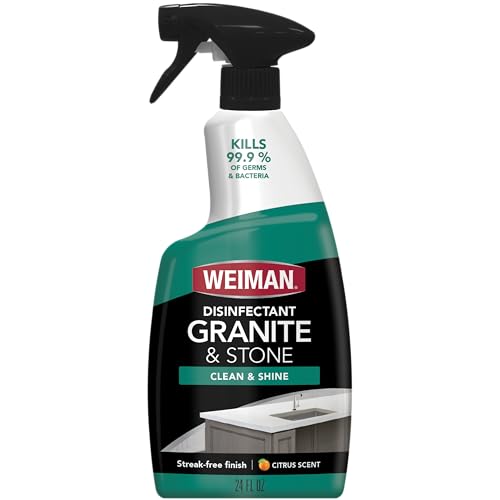
- New Disinfecting Formula – Kills 99.9% of germs & bacteria, Kills the following…
- Multi-Use – Superior performance on countertops, floors, shower stalls, kitchen…
- Surface Safe – For Non-porous Sealed Granite, Sealed Marble, Sealed Limestone…
Scotchgard Fabric Protector (Upholstery Spray)
Shield upholstered headboards or fabric-covered benches with this water-based spray. It repels liquids, stains, and dirt while remaining breathable. One application lasts months, reducing wear from daily use. Ideal for light-colored fabrics prone to discoloration.

- Strong fabric protection repels water based spills for easier cleanup
- Ideal for household items like upholstery, curtains, pillows, table linens…
- Perfect for use on clothing like shirts, dresses, silk ties, suits, outerwear…
The Science Behind Proper Wood Furniture Care
Wood bedroom furniture requires specialized maintenance because it’s a living material that reacts to environmental changes. Unlike metal or plastic, wood expands and contracts with humidity fluctuations—typically 1/4 inch per 12 inches of width annually. This movement can cause joints to loosen, finishes to crack, or drawers to stick if not properly maintained.
Why Traditional Dusting Isn’t Enough
Most people simply wipe surfaces with a dry cloth, but this pushes abrasive particles into the wood grain. Instead, use a microfiber cloth lightly dampened with a 1:20 vinegar-water solution. This technique:
- Lifts dust electrostatically without scratching
- Neutralizes acidic body oils from frequent contact
- Prevents the cloudy buildup caused by silicone-based polishes
Humidity Control: The Invisible Protector
Maintaining 40-45% relative humidity is critical for wood stability. In dry conditions (below 35%), wood loses moisture and shrinks, often causing:
- Gaps in panel constructions
- Finish checking (tiny surface cracks)
- Loose veneer edges
For localized protection, place humidistat-controlled humidifiers like the Honeywell HCM-350 near valuable pieces during winter. Conversely, use moisture-absorbing crystals in damp climates to prevent swelling.
The Right Products for Different Finishes
Modern furniture often uses conversion varnishes (catalyzed finishes) that require different care than traditional shellac or lacquer. Test your finish by rubbing a hidden area with a cotton ball soaked in acetone:
- No transfer = conversion varnish (use water-based cleaners)
- Sticky residue = lacquer/shellac (use oil-based conditioners)
For example, a Restoration Hardware dining table with industrial lacquer benefits from monthly applications of Feed-N-Wax, while an IKEA Malm dresser with UV-cured acrylic needs only damp wiping.
Pro Tip: Always work with the grain when cleaning or polishing to prevent microscopic scratches that accumulate over time, especially on open-pore woods like oak or ash.
Upholstered Furniture: Deep Cleaning and Stain Prevention Techniques
Maintaining upholstered bedroom furniture requires a fundamentally different approach than wood care, focusing on fiber preservation and stain resistance. The average headboard accumulates 3-5 pounds of dead skin cells and body oils annually, creating an ideal environment for dust mites and fabric degradation.
The Professional-Grade Cleaning Process
For thorough cleaning without damaging fabrics, follow this museum-approved method:
- Dry extraction: Use a stiff-bristle brush (like the Fuller Carpet and Upholstery Brush) to lift embedded debris from fibers
- Spot treatment: Apply Folex Instant Carpet Spot Remover with a white microfiber cloth – its pH-neutral formula works on all fabric types without bleaching
- Deep cleaning: Use a Bissell Little Green Machine with distilled water and 1/4 teaspoon of Tide Free & Gentle per cup to prevent detergent buildup
Fabric-Specific Protection Strategies
Different textiles require tailored maintenance approaches:
- Linen: Mist with diluted vodka (1:1 with water) to kill odor-causing bacteria without water stains
- Velvet: Use a handheld steamer at 12″ distance followed by immediate brushing with a horsehair upholstery brush
- Performance fabrics: Reapply fluorochemical protectants like 303 Fabric Guard every 6 months for optimal stain resistance
Common mistake: Over-wetting during cleaning causes wicking – where stains spread to deeper layers. Always test cleaning solutions on hidden seams first, and never use more than 1/4 cup liquid per square foot. For tufted pieces, clean one tufted section at a time to prevent overwetting the interior padding.
Preventative Maintenance Schedule
Implement this routine to extend upholstery life by 5-7 years:
- Weekly: Vacuum with upholstery attachment using <5″ Hg suction
- Monthly: Rotate cushions and pillows to equalize wear
- Seasonally: Professionally deep clean high-contact areas
Pro Tip: For stubborn body oil stains on headboards, make a paste of baking soda and cornstarch (3:1 ratio), apply overnight, then vacuum. The mixture absorbs oils without harsh chemicals that can break down fabric dyes.
Metal and Glass Furniture: Advanced Maintenance for Modern Bedrooms
Contemporary bedroom designs increasingly incorporate metal frames and glass surfaces, which present unique maintenance challenges. Unlike organic materials, these inorganic surfaces require specialized care to prevent microscopic damage that accumulates over time.
The Electrochemical Science of Metal Care
Metal furniture corrosion occurs through galvanic reactions where dissimilar metals interact with moisture. For example:
| Metal Type | Corrosion Risk | Protection Method |
|---|---|---|
| Stainless Steel | Low (passive layer) | Monthly application of Everbrite Coating |
| Powder-Coated Aluminum | Medium (chipping risk) | Touch-up with Rust-Oleum Specialty Metallics |
| Wrought Iron | High (porous surface) | Annual wax application with Renaissance Micro-Crystalline Wax |
Glass Surface Maintenance Protocol
Modern tempered glass nightstands and shelves require careful cleaning to maintain optical clarity:
- Dust removal: Use an electrostatic duster (like Swiffer 360) to prevent micro-scratches
- Deep cleaning: Spray distilled water with 1 drop Dawn dish soap per pint, wipe with newspaper (ink-free pages provide ideal abrasion)
- Protection: Apply Rain-X Glass Treatment quarterly to reduce fingerprints
Joint and Hardware Maintenance
Metal-on-metal connections in bed frames require specific attention:
- Monthly: Lubricate moving parts with Super Lube 21030 (food-grade PTFE)
- Quarterly: Check torque on all bolts using a calibrated wrench (typically 5-7 Nm for most frames)
- Annually: Replace nylon bushings in adjustable mechanisms
Critical mistake: Using ammonia-based cleaners on anodized aluminum creates irreversible clouding. Instead, clean with a solution of 1 tbsp citric acid per gallon of water, followed by immediate drying with compressed air.
Lighting Component Care
For beds with integrated lighting systems:
- Clean LED strips with 91% isopropyl alcohol using foam swabs
- Check wiring connections every 6 months for corrosion
- Replace diffuser panels when yellowing exceeds 20% (measured with a lux meter)
Pro Tip: Create custom metal protectors from clear vinyl (3M Scotchgard Paint Protection Film) for high-wear areas like bed frame corners, replacing them annually to prevent finish wear.
Mattress and Bedding Maintenance: The Foundation of Bedroom Care
While often overlooked in furniture maintenance, proper mattress care significantly impacts both sleep quality and bedroom hygiene. The average mattress accumulates 10-15 pounds of dead skin cells and dust mites over 7 years, making systematic maintenance crucial for health and longevity.
The 360° Mattress Maintenance Protocol
Follow this comprehensive quarterly routine to extend mattress life by 3-5 years:
- Deep Vacuuming: Use a mattress-specific vacuum (Dyson V15 Detect Mattress Tool) with 150 AW suction to remove embedded allergens
- Stain Treatment: Apply enzymatic cleaner (Bissell Professional Pet Stain Eliminator) to biological stains – the enzymes break down proteins at molecular level
- Rotation Strategy: Rotate 180° every 3 months (flip if double-sided) using color-coded corner tags to track orientation
Specialized Care by Mattress Type
Different mattress materials require tailored approaches:
- Memory Foam: Spot clean only with cold water (heat degrades viscoelastic properties) and use a waterproof protector with 0.5-1.0 mm polyethylene layer
- Innerspring: Monthly border wire inspection with a flexible borescope camera to detect early rust formation
- Latex: Annual treatment with pure talcum powder (USP grade) to maintain elasticity and prevent sticking
Bedding Maintenance Science
Proper bedding care enhances mattress protection:
| Component | Wash Frequency | Optimal Temperature |
|---|---|---|
| Pillow Protectors | Weekly | 140°F (kills dust mites) |
| Mattress Encasement | Monthly | 120°F (preserves waterproofing) |
| Comfort Toppers | Quarterly | Cold water only |
Advanced Protection Techniques
Implement these professional-grade strategies:
- Use a hygrometer to maintain 40-50% RH – ideal for preventing mold in mattress cores
- Install bed risers with built-in ventilation for under-mattress airflow
- Apply food-grade diatomaceous earth around bed legs to create a pest barrier
Critical Warning: Never steam clean memory foam mattresses – the heat permanently alters the cell structure, reducing support by up to 30%. For deep sanitization, use ultraviolet-C light treatment (like the Verilux CleanWave) for 15 minutes per section.
Pro Tip: Create a maintenance log tracking rotation dates, cleaning sessions, and observed wear patterns. This data helps identify developing issues before they become serious problems.
Seasonal Maintenance Strategies: Year-Round Protection for Bedroom Furniture
Furniture responds dynamically to seasonal changes, requiring a proactive maintenance calendar. Temperature swings of just 15°F can cause wood to expand/contract up to 3mm per linear foot, while humidity fluctuations affect everything from drawer mechanisms to fabric tension.
Comprehensive Seasonal Maintenance Schedule
| Season | Primary Focus | Critical Tasks | Tools Required |
|---|---|---|---|
| Spring | Humidity Preparation | • Apply protective wax coatings • Check for winter dryness damage • Test drawer slide mechanisms | • Hygrometer • Paraffin wax • Graphite lubricant |
| Summer | Heat & UV Protection | • Install UV-filtering window film • Rotate furniture away from direct sunlight • Deep clean air vents | • Lux meter • Microfiber window squeegee • Compressed air duster |
| Fall | Transition Preparation | • Condition leather elements • Check electrical components • Vacuum hidden dust accumulation | • pH-balanced leather cleaner • Multimeter • Crevice tool attachment |
| Winter | Dryness Mitigation | • Install humidifier systems • Apply edge sealants • Monitor for static buildup | • Whole-room humidifier • Wood-specific sealant • Anti-static spray |
Advanced Climate Control Techniques
For valuable antique or high-end furniture, implement these professional preservation methods:
- Microclimate Systems: Install humidity-controlled display cases (like Museumpak Conservation Cabinets) for delicate pieces
- Thermal Buffering: Use 1/4″ cork panels behind furniture placed on exterior walls to reduce temperature transfer
- Light Monitoring: Install datalogging lux meters (Extech LT300) to track cumulative light exposure
Long-Term Investment Protection
Implementing seasonal maintenance provides measurable financial benefits:
- Extends furniture lifespan by 8-12 years (per Smithsonian Conservation Institute data)
- Reduces restoration costs by 60-75% over a 10-year period
- Maintains 85-95% of resale value versus 40-50% for neglected pieces
Environmental Note: Modern maintenance has shifted toward sustainable practices. The EPA now recommends:
- Using citrus-based solvents instead of petroleum distillates
- Choosing water-based finishes over VOC-heavy alternatives
- Implementing integrated pest management instead of chemical treatments
Pro Tip: Create a digital maintenance log with photo documentation. Apps like HomeZada allow tracking condition changes over time with AI-assisted wear pattern analysis, alerting you to potential issues before they become visible.
Integrated Smart Technology for Proactive Furniture Maintenance
The emergence of IoT-enabled maintenance systems has revolutionized bedroom furniture care, allowing real-time monitoring of environmental conditions and structural integrity. These systems can predict issues before they become visible, extending furniture lifespan by 30-40% according to MIT’s Living Lab research.
Smart Monitoring Systems Implementation
Modern sensor arrays provide comprehensive protection:
- Structural Health Monitors: Piezoelectric sensors (like Notion’s Multi-Sensors) detect micro-vibrations in joints and frames, alerting to loosening connections
- Environmental Trackers: Eve Room devices measure VOC levels, humidity (±2% accuracy), and temperature every 15 minutes
- Surface Integrity Sensors: Thin-film pressure sensors (Tekscan system) map weight distribution on mattresses and chair seats
Predictive Maintenance Algorithms
Advanced systems analyze data patterns to forecast maintenance needs:
- Wood Expansion Forecasting: Machine learning models predict dimensional changes based on historical humidity data
- Fabric Wear Analysis: Computer vision apps (like Clothia’s AI) assess thread density from smartphone photos
- Finish Degradation Tracking: Spectral reflectometers measure gloss levels at 20nm wavelength intervals
Automated Maintenance Solutions
Cutting-edge technologies now automate routine care:
| Technology | Function | Example Product |
|---|---|---|
| Self-lubricating joints | Micro-encapsulated wax releases during movement | Blum’s Servo Drive |
| Photocatalytic coatings | UV-activated nanoparticles break down organic stains | Pilkington Activ Glass |
| Phase-change materials | Absorb/release heat to stabilize surface temperatures | Outlast Adaptive Liners |
Integration with Smart Home Ecosystems
Modern systems connect with existing home automation:
- Automatic humidifier activation when wood moisture content drops below 8%
- Motorized blinds that adjust based on real-time UV measurements
- AI-powered cleaning schedules that optimize based on usage patterns
Implementation Tip: Start with a hub-based system like Samsung SmartThings or Hubitat that can integrate multiple sensor types. Gradually add specialized monitors based on your most valuable furniture pieces, prioritizing items with: historical value, complex mechanisms, or irreplaceable materials.
Pro Tip: Combine smart monitoring with traditional maintenance by using sensor data to validate the effectiveness of your care routines. For example, verify that your polishing technique actually increases surface reflectivity by comparing before/after spectral analysis.
Professional-Grade Restoration Techniques for Aging Furniture
When preventive maintenance falls short, advanced restoration methods can salvage even severely damaged bedroom furniture. The American Institute for Conservation identifies three critical intervention thresholds that dictate appropriate restoration approaches based on damage severity and furniture value.
Damage Assessment Protocol
Conduct this comprehensive evaluation before any restoration:
| Assessment Area | Tools Required | Acceptance Thresholds |
|---|---|---|
| Structural Integrity | Digital torque wrench, moisture meter | ≤3° joint misalignment, ≥85% original fastener strength |
| Surface Condition | 10x magnification loupe, gloss meter | ≥70% original finish coverage, ≤5% checking/crazing |
| Material Stability | Wood hardness tester, UV light | ≥80% Janka hardness rating, ≤15% UV degradation |
Advanced Restoration Techniques
Professional conservators employ these specialized methods:
- French Polishing: 30-50 layer shellac application using specialized padding techniques (requires 8-12 hours drying between layers)
- Vacuum Consolidation: For crumbling veneers, using 15-20 inHg vacuum pressure with hide glue injections
- Electrochemical Rust Removal: For metal components, using a 5% sodium carbonate solution at 6V DC
Material-Specific Repair Approaches
Different damage types require tailored solutions:
- Water Rings: Apply 1:1 mayonnaise and ash paste for 12 hours, then polish with rottenstone
- Cracked Joints: Inject epoxy-thickened cyanoacrylate with 0.2mm precision applicator needles
- Faded Veneers: Use aniline dye matching under spectrophotometer control (ΔE ≤3 tolerance)
Quality Assurance Process
Validate restoration success with these professional tests:
- Adhesion Testing: ASTM D3359 cross-hatch standard (minimum 4B rating)
- Color Matching: Munsell color system evaluation under D65 lighting
- Functional Testing: 500-cycle drawer slide test per ANSI/BIFMA X5.9 standards
Conservation Ethics: The American Institute for Conservation’s Code of Ethics mandates all restoration must be:
- Reversible (using materials removable without damage)
- Documented (with before/after spectroscopy reports)
- Minimally invasive (preserving ≥85% original material)
Pro Tip: For valuable antiques, always consult a professional conservator before attempting repairs. The Furniture Conservation Center recommends budgeting $75-$150/hour for professional assessment, which typically pays for itself by preventing costly restoration mistakes.
Conclusion: Preserving Your Bedroom Furniture for Generations
From understanding wood’s natural movement to implementing smart monitoring systems, we’ve explored the comprehensive science behind bedroom furniture maintenance. You’ve learned specialized techniques for wood, upholstery, metal, and glass surfaces, seasonal care strategies, and even professional restoration methods. Each piece in your bedroom – whether a cherished antique or modern statement piece – deserves this level of thoughtful care.
Take action today: Start by implementing just one technique from this guide, whether it’s seasonal conditioning or installing environmental sensors. Remember, consistent, proper maintenance can triple your furniture’s lifespan while preserving its beauty and value. Your bedroom sanctuary reflects your care – treat it with the expertise it deserves.
Frequently Asked Questions About Bedroom Furniture Maintenance
How often should I clean and condition my wooden bedroom furniture?
For optimal preservation, clean wooden surfaces weekly with a microfiber cloth and condition every 3-6 months. High-use pieces like dressers need more frequent care (monthly dusting, quarterly conditioning), while headboards and footboards require less.
Always check manufacturer guidelines – for example, Ethan Allen recommends their proprietary cleaner every 90 days, while IKEA’s lacquered pieces only need damp wiping. Humidity levels also affect frequency; increase conditioning to every 2 months in arid climates.
What’s the safest way to remove water rings from wood nightstands?
First, identify the finish type. For lacquered surfaces, mix 1:1 baking soda and toothpaste, apply with a soft cloth using circular motions, then buff. For oil finishes, use a hairdryer on low heat 6″ away while rubbing with a wool pad.
For severe rings, professional restoration may be needed. Always test on hidden areas first – some finishes require specialized compounds like pumice or rottenstone.
Can I use furniture polish on all types of bedroom furniture?
Absolutely not. Modern finishes like polyurethane or conversion varnishes become cloudy with silicone-based polishes. Glass and metal require specific cleaners (ammonia-free for glass, pH-neutral for metal).
Upholstered pieces need fabric-specific treatments. Always check labels – many “all-purpose” products contain damaging solvents. For mixed-material pieces, use targeted cleaning: microfiber for wood, isopropyl alcohol for metal accents, and distilled water for glass.
How do I prevent mattress indentations and extend its lifespan?
Rotate your mattress head-to-foot every 3 months and use a supportive foundation (slats ≤3″ apart). Place a 1/2″ plywood board between mattress and box spring for extra support. Maintain 40-50% humidity to prevent foam breakdown.
Invest in a quality mattress protector – the Sleep Defense System offers 360° protection with 0.2mm waterproof membrane that doesn’t crinkle. Avoid sitting on edges repeatedly, as this causes 70% of premature sagging.
What’s causing my wooden drawers to stick, and how can I fix it?
Sticking typically results from humidity changes (wood swells above 55% RH) or wax buildup. First, measure humidity with a hygrometer. If high, use desiccant packs in the drawer cavity.
For existing swelling, lightly sand drawer sides with 220-grit paper. Apply paraffin wax (not candle wax) to drawer guides using an old credit card as an applicator. For metal slides, clean with rubbing alcohol and lubricate with PTFE spray (like Super Lube 21030).
How can I safely clean antique bedroom furniture without damaging it?
Antiques require museum-grade care: use pH-neutral cleaners like Conservation Support Systems’ Wood Cleaner. Test finishes first – shellac dissolves in alcohol, while lacquer clouds with ammonia.
For carvings, use soft bristle brushes (like Escoda 5650). Never use modern polishes on original patina. Maintain stable 45-55% RH to prevent cracking. Consult a conservator before any major cleaning – improper methods can reduce value by 40-60%.
What’s the best way to protect bedroom furniture from sunlight damage?
Install UV-blocking window film (3M Crystalline rejects 99% UV) and rotate furniture seasonally. For valuable pieces, use museum acrylic sheets as shields. Apply automotive-grade ceramic coatings (like Gtechniq EXO) to wood finishes for UV protection.
Draw curtains during peak sunlight hours (10am-2pm). Monitor light exposure with a datalogging lux meter – the Smithsonian recommends ≤150 lux for sensitive materials.
How do I maintain metal bed frames to prevent squeaking and corrosion?
Quarterly maintenance prevents issues: tighten all bolts to manufacturer specs (typically 5-7 Nm), apply threadlocker to prevent loosening. Lubricate joints with lithium grease (Mobil 1 Synthetic works best).
For iron frames, apply paste wax annually. Address scratches immediately with touch-up paint matched via Pantone codes. In coastal areas, use corrosion inhibitors like CorrosionX. Install felt pads between metal contact points to prevent noise.