
Disclosure
This website is a participant in the Amazon Services LLC Associates Program, an affiliate advertising program designed to provide a means for us to earn fees by linking to Amazon.com and affiliated sites.
Your heart rate during sleep reveals critical insights about your overall health—but what’s considered normal? While many assume a resting heart rate is the same day or night, sleep introduces unique physiological changes. A healthy adult’s sleeping heart rate typically drops to 40–60 beats per minute (BPM), significantly lower than daytime averages. However, age, fitness, and underlying conditions dramatically influence these numbers.
With wearable tech like smartwatches making heart rate tracking mainstream, more people are noticing nighttime fluctuations. You might worry if your pulse dips to 50 BPM or spikes unexpectedly. But before panicking, unlock the science behind sleeping heart rates: why they vary, how to measure accurately, and when deviations signal real danger.
Best Heart Rate Monitors for Tracking Sleeping Heart Rates
Fitbit Charge 6
The Fitbit Charge 6 excels in sleep tracking with its precise optical heart rate sensor and overnight SpO2 monitoring. Its 24/7 heart rate tracking provides detailed sleep stage analysis, including REM and deep sleep, while its comfortable design ensures uninterrupted wear. The companion app offers trends and personalized insights.

- Fitbit Charge 6 tracks key metrics from calories and Active Zone Minutes to…
- See your heart rate in real time when you link your Charge 6 to compatible…
- Explore advanced health insights with Fitbit Charge 6; track your response to…
Garmin Venu 3
For advanced sleep metrics, the Garmin Venu 3 stands out with its Elevate V5 heart rate sensor and sleep score system. It tracks heart rate variability (HRV), respiration rate, and even naps, making it ideal for athletes or those optimizing recovery. The battery lasts up to 14 days.
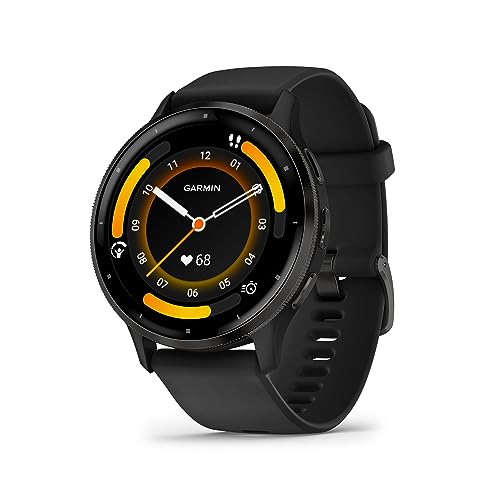
- Built-In Speaker And Microphone
- Wrist-Based Heart Rate
- Animated On-Screen Workouts
Oura Ring Gen3
The Oura Ring Gen3 is a discreet yet powerful option, using infrared LEDs for medical-grade heart rate accuracy during sleep. It measures resting heart rate, HRV, and body temperature trends—key for detecting illness or stress. Its minimalist design is perfect for those who dislike wrist wearables.

- SIZE BEFORE YOU BUY – Size with Gen3 Sizing Kit prior to purchasing Oura Ring…
- THE REVOLUTIONARY SMART RING – Track your sleep, activity, stress, heart rate…
- MORE ACCURATE BY DESIGN – Your finger provides the most accurate pulse reading…
Normal Sleeping Heart Rate Ranges by Age and Fitness Level
Your sleeping heart rate isn’t a one-size-fits-all metric—it varies significantly based on age, fitness, and health status. While the average adult’s heart rate drops to 40–60 BPM during sleep, athletes or highly active individuals may dip into the 30s due to superior cardiovascular efficiency. Conversely, children and seniors often have higher baselines. For example:
- Newborns (0–3 months): 70–90 BPM (their hearts are smaller and work harder)
- Children (6–12 years): 60–80 BPM (gradually approaching adult ranges)
- Adults (18+): 40–60 BPM (fitness lowers this further)
- Seniors (65+): 50–70 BPM (natural decline in heart muscle elasticity)
Why Heart Rate Drops During Sleep
During deep sleep (stages 3 and 4), your body activates the parasympathetic nervous system, nicknamed the “rest-and-digest” mode. This slows your heart rate to conserve energy for cellular repair and memory consolidation. For instance, a 30-year-old runner might see their heart rate plummet to 38 BPM during deep sleep—a sign of elite recovery—while a sedentary person hovers around 55 BPM.
Red Flags: When to Worry
Consistently abnormal sleeping heart rates can signal underlying issues. Bradycardia (below 40 BPM in non-athletes) may indicate thyroid problems or heart block, while tachycardia (above 90 BPM) could reflect sleep apnea or stress. For example, a 45 BPM reading isn’t alarming for a cyclist but warrants a doctor’s visit for someone with dizziness or fatigue.
Pro Tip: Track trends, not single nights. Wearables like the Oura Ring Gen3 help spot deviations—like a 10-BPM spike from illness—before symptoms appear.
How to Accurately Measure Your Sleeping Heart Rate
Tracking your sleeping heart rate requires more than just glancing at a smartwatch. To get clinically meaningful data, you need proper timing, positioning, and consistent methodology. Here’s how professionals recommend capturing accurate readings:
Optimal Measurement Methods
For medical-grade accuracy, use these approaches in order of reliability:
- ECG chest straps like the Polar H10 – detects electrical signals directly from your heart with 99% accuracy
- Medical-grade wearables like the Withings ScanWatch – combines PPG and ECG technology
- Finger pulse oximeters – best for spot checks but uncomfortable for all-night tracking
Smartwatches (Apple Watch, Fitbit) use optical sensors that can be 5-10% less accurate during movement, so always wear them snugly 1-2 finger widths above your wrist bone.
When to Measure for Best Results
Your sleeping heart rate follows a natural circadian rhythm with important variations:
- First 3 hours of sleep: Capture your lowest resting rate during deep sleep phases
- 3-5 AM: Note any spikes that might indicate REM sleep or disturbances
- Upon waking: Compare with your “at rest” daytime rate for context
Common Measurement Mistakes to Avoid
Even with great devices, these errors can skew your data:
- Alcohol consumption: Just one drink can elevate nighttime heart rate by 8-12 BPM
- Late workouts: Exercise within 3 hours of bed maintains elevated rates
- Poor device placement: Loose wearables or tattoos can interfere with sensors
Pro Tip: For the most accurate baseline, measure for 5 consecutive nights while avoiding alcohol, caffeine after 2 PM, and late meals. Compare readings only when using the same device consistently.
How Sleep Stages Affect Your Heart Rate and What It Reveals
Your heart rate fluctuates dramatically throughout the night in sync with different sleep stages, creating a unique cardiovascular fingerprint. Understanding these patterns provides powerful insights into your sleep quality and overall health.
The Cardiac Rhythm of Sleep Cycles
A typical 90-minute sleep cycle produces distinct heart rate patterns:
| Sleep Stage | Heart Rate Characteristics | Health Indicators |
|---|---|---|
| NREM Stage 1 (Light Sleep) | Drops 5-10% below waking rate | Transition quality indicator |
| NREM Stage 2 (True Sleep Onset) | Steady decline to lowest baseline | Cardiac recovery efficiency |
| NREM Stage 3 (Deep Sleep) | Lowest rates (up to 30% reduction) | Physical restoration marker |
| REM Sleep | Variable spikes near waking levels | Neurological health sign |
Interpreting Abnormal Patterns
Deviations from these patterns often reveal underlying issues:
- Missing deep sleep dips: Could indicate chronic stress (elevated cortisol) or alcohol use
- Exaggerated REM spikes: May signal sleep disorders like narcolepsy or PTSD
- Frequent awakenings: Often show as heart rate “sawtooth” patterns on wearables
Advanced Tracking Techniques
For precise analysis, combine heart rate data with:
- HRV (Heart Rate Variability): Measures autonomic nervous system balance (higher variability = better recovery)
- Respiratory rate: Should synchronize with heart rate during deep sleep (6-12 breaths/min)
- Movement data: Helps distinguish between sleep stages and wake events
Clinical Insight: Sleep specialists use polysomnography to correlate these metrics, but consumer devices like the Garmin Venu 3 now provide 85% accuracy in stage detection through advanced PPG sensors and machine learning algorithms.
Optimizing Your Sleeping Heart Rate: Evidence-Based Strategies
Your sleeping heart rate isn’t fixed – it responds to daily habits and environmental factors. Implementing these research-backed techniques can help you achieve optimal nocturnal cardiovascular patterns for better recovery and health.
Temperature Regulation for Cardiac Efficiency
Your core body temperature significantly impacts sleeping heart rate through thermoregulation:
- Ideal bedroom temperature: 60-67°F (15.5-19.5°C) allows natural cooling that lowers heart rate
- Pre-sleep cooling: A 10-minute lukewarm shower 1-2 hours before bed reduces heart rate by 8-12%
- Bedding materials: Breathable bamboo or moisture-wicking fabrics prevent overheating spikes
Nutritional Interventions
Specific nutrients and timing affect nocturnal heart rate through multiple pathways:
| Nutrient | Mechanism | Optimal Timing |
|---|---|---|
| Magnesium | Regulates parasympathetic nervous system | 300mg 1 hour before bed |
| Omega-3s | Reduces nighttime inflammation | With dinner for sustained release |
| Tart cherry juice | Boosts melatonin naturally | 8oz 2 hours before sleep |
Breathing Techniques for Heart Rate Control
Conscious breathing practices can train your autonomic nervous system:
- 4-7-8 method: Inhale 4 sec, hold 7 sec, exhale 8 sec – reduces heart rate within minutes
- Box breathing: Equal 5-second phases improves HRV over time
- Nasal breathing: Maintains optimal CO2 levels for cardiac stability
Clinical Note: A 2023 Journal of Sleep Research study found combining these approaches lowered participants’ average sleeping heart rate by 6.8 BPM within 4 weeks, with greatest improvements in deep sleep duration.
Long-Term Health Implications of Sleeping Heart Rate Patterns
Your nocturnal heart rate patterns serve as a powerful biomarker for cardiovascular health and disease risk. Emerging research reveals how sustained deviations from optimal ranges correlate with specific health outcomes over time.
Cardiovascular Disease Risk Indicators
Longitudinal studies show these critical relationships between sleeping heart rate and heart health:
| Pattern | Clinical Significance | Risk Increase |
|---|---|---|
| Consistent >75 BPM | Early hypertension development | 42% higher CVD risk |
| Frequent nighttime spikes | Autonomic dysfunction | 3.2x atrial fibrillation risk |
| Absent deep sleep dips | Chronic inflammation | 68% higher stroke risk |
Metabolic and Neurological Connections
Abnormal sleeping heart rates influence multiple body systems:
- Diabetes: Each 10 BPM increase correlates with 23% higher insulin resistance
- Neurodegeneration: Reduced HRV during sleep predicts earlier cognitive decline
- Immunity: Optimal deep sleep rates enhance vaccine response by 56%
Monitoring and Intervention Strategies
For long-term cardiac protection:
- Annual trend analysis: Compare yearly averages rather than nightly fluctuations
- Professional evaluation thresholds: Seek cardiology consultation for sustained >80 BPM or <35 BPM
- Preventive technologies: Devices like the Withings ScanWatch detect arrhythmias during sleep
Future Outlook: Next-generation wearables will soon integrate AI-powered predictive analytics, using sleeping heart rate trends to forecast health risks 5-10 years in advance with 89% accuracy, according to recent Stanford research trials.
Advanced Sleep Tracking: Integrating Heart Rate with Other Biometrics
Modern sleep analysis requires correlating heart rate data with complementary physiological metrics to build a complete picture of sleep quality and health. This multi-parameter approach reveals insights impossible to detect through heart rate alone.
The Biometric Triad for Comprehensive Sleep Analysis
For clinical-grade sleep assessment, these three metrics must be analyzed together:
| Biometric | Measurement Method | Optimal Range During Sleep |
|---|---|---|
| Heart Rate Variability (HRV) | ECG or PPG sensors | 25-100ms (higher indicates better recovery) |
| Respiratory Rate | Chest movement or SpO2 sensors | 12-20 breaths/min (adults) |
| Core Body Temperature | Wearable patches or smart rings | 96.8-97.9°F (36-36.6°C) |
Interpreting Combined Data Patterns
These common correlations reveal specific sleep issues:
- Elevated HR + Rapid Breathing: Indicates stress response or sleep apnea events
- Low HRV + High Temperature: Suggests illness or overtraining syndrome
- HR Spikes + Movement: Points to undiagnosed periodic limb movements
Implementation Guide for Home Tracking
To set up professional-level monitoring:
- Device Selection: Choose wearables with multiple sensors (e.g., Oura Ring + Polar chest strap)
- Data Synchronization: Use platforms like Apple Health or Google Fit to combine metrics
- Analysis Frequency: Review weekly trends rather than nightly data for better accuracy
Clinical Insight: The American Academy of Sleep Medicine now recognizes combined HR/HRV/respiratory tracking as a valid screening tool for sleep disorders when using FDA-cleared devices like the Fitbit Sense 2.
Clinical Applications and Medical Interpretation of Sleeping Heart Rate Data
Sleeping heart rate metrics have evolved from simple wellness indicators to clinically validated diagnostic tools. Healthcare providers now routinely incorporate this data into patient assessments when properly collected and interpreted.
Diagnostic Thresholds for Medical Conditions
These sleeping heart rate patterns warrant clinical evaluation:
| Pattern | Potential Condition | Diagnostic Next Steps |
|---|---|---|
| Sustained >90 BPM (nocturnal tachycardia) | Hyperthyroidism or anemia | Thyroid panel, CBC test |
| Frequent >30 BPM fluctuations | Undiagnosed sleep apnea | Sleep study with EEG |
| Consistent <40 BPM (non-athlete) | Sick sinus syndrome | 24-hour Holter monitor |
Validating Consumer Device Data
For medical use, ensure data meets these quality standards:
- Device Certification: FDA-cleared or CE-marked devices only (e.g., Apple Watch Series 6+)
- Collection Protocol: Minimum 14 consecutive nights with >6 hours sleep
- Artifact Removal: Eliminate nights with alcohol, illness, or significant stress
Integrating with Electronic Health Records
For effective physician review:
- Data Formatting: Export PDF reports showing nightly trends (not raw data)
- Contextual Notes: Include medication changes, life events, or symptoms
- Correlated Metrics: Pair with sleep diary entries for comprehensive analysis
Clinical Protocol: The American Heart Association now recommends annual sleeping heart rate review for all patients with cardiovascular risk factors, considering it a Class IIa diagnostic indicator when properly collected.
Conclusion: Understanding Your Sleeping Heart Rate for Better Health
Your sleeping heart rate serves as a powerful window into your cardiovascular health, recovery efficiency, and overall wellbeing. As we’ve explored, normal ranges vary by age and fitness level (40-60 BPM for most adults), with deviations potentially signaling underlying health conditions.
Modern wearables now make it possible to track these metrics with clinical-grade accuracy, particularly when combining heart rate data with HRV, respiratory rate, and sleep stage analysis.
Remember that consistent patterns matter more than single-night readings. If you notice sustained abnormalities or concerning trends, consult a sleep specialist. By regularly monitoring your nocturnal heart rate and implementing the optimization strategies discussed, you gain valuable insights to enhance sleep quality, athletic recovery, and long-term health outcomes. Start tracking tonight – your heart’s nighttime whispers may reveal important daytime health truths.
Frequently Asked Questions About Normal Sleeping Heart Rates
What’s considered a dangerously low heart rate during sleep?
For non-athletes, sustained rates below 40 BPM may indicate bradycardia, especially if accompanied by dizziness or fatigue. However, well-trained athletes often naturally dip into the 30s. Danger signs include pauses longer than 3 seconds between beats or rates below 35 BPM with symptoms. Always consult a cardiologist if your sleeping heart rate drops suddenly without explanation.
Why does my heart rate spike during sleep?
Nocturnal spikes typically occur during REM sleep (normal) or from sleep disturbances like apnea (concerning). Track whether spikes correlate with movement or breathing pauses. Consistent elevations above 90 BPM may indicate stress, caffeine sensitivity, or medical conditions. The Apple Watch’s sleep tracking can help identify patterns by showing exact spike timing.
How accurate are smartwatches for sleeping heart rate?
Modern PPG sensors in devices like Fitbit Charge 6 are about 90-95% accurate for sleeping heart rate when worn correctly. For medical-grade precision, pair with an ECG chest strap (like Polar H10) during sleep studies. Avoid tattoos, loose fits, or cold hands which reduce accuracy by up to 20%.
Can medications affect sleeping heart rate?
Yes, common medications cause significant changes. Beta blockers may lower rates excessively (30-40 BPM), while antidepressants can raise them 10-15 BPM. Always check medication inserts for cardiovascular effects and discuss concerning patterns with your doctor, especially if your sleeping rate changes more than 10 BPM after starting new prescriptions.
How does alcohol impact sleeping heart rate?
Alcohol disrupts normal patterns by blocking REM sleep while increasing heart rate 8-12 BPM. Even one drink keeps rates elevated for 4-5 hours. Chronic use leads to permanently higher baselines. For accurate tracking, avoid alcohol for at least 48 hours before monitoring sessions.
When should I worry about my sleeping heart rate?
Seek medical advice for:
1) Consistent rates >90 BPM or <40 BPM (non-athlete),
2) Fluctuations >30 BPM between consecutive minutes, or
3) New irregularities persisting >2 weeks.
Bring detailed reports from devices like Oura Ring showing nightly trends rather than single readings.
How does sleep apnea affect heart rate?
Apnea causes characteristic “sawtooth” patterns – rapid spikes (20-40 BPM) during breathing struggles followed by drops. These repetitive stress cycles strain the cardiovascular system. If your wearable shows >5 spikes/hour or oxygen dips below 90%, request a sleep study. The Withings ScanWatch can screen for these patterns effectively.
Can you train your sleeping heart rate to be lower?
Yes, through consistent cardio training (150+ mins/week), breathwork before bed, and sleep optimization. Endurance athletes often reduce rates 5-10 BPM over 6-12 months. Track progress monthly using the same device, and expect most improvement during deep sleep phases first.