
Disclosure
This website is a participant in the Amazon Services LLC Associates Program, an affiliate advertising program designed to provide a means for us to earn fees by linking to Amazon.com and affiliated sites.
No, you shouldn’t make your bed—at least not right away. While society praises a neatly made bed as a hallmark of discipline, research suggests leaving it unmade could actually enhance your sleep and health.
Dust mites thrive in warm, moist environments, and tightly tucked sheets trap moisture, creating a breeding ground for allergens. By leaving your bed unmade, you allow airflow to dry out sweat and reduce mite populations—leading to cleaner, healthier sleep.
For decades, we’ve associated unmade beds with laziness, but science flips this myth on its head. Imagine waking up to fewer allergies, fresher sheets, and even energy savings (thanks to reduced need for frequent hot washes). The choice is clear: prioritize your well-being over outdated norms.
Best Bedding Products for Healthier Sleep
Brooklinen Luxe Core Sheet Set
Made from long-staple cotton with a 480-thread count, the Brooklinen Luxe Core Sheet Set promotes breathability and moisture-wicking, reducing sweat buildup overnight. Its relaxed weave allows airflow, preventing dust mite accumulation—ideal for those who skip bed-making for better hygiene.

- LUXURY SATEEN 4-PIECE SHEET SET: Featuring a rich, buttery-smooth weave, our…
- OUR BEST SELLING COMFORT: Rated Best Overall Sheets to Buy in 2022 by Good…
- EASY CARE: Keeping your cotton sheet set fresh and clean is a breeze. Machine…
Tempur-Pedic TEMPUR-Cloud Breeze Dual Cooling Pillow
The TEMPUR-Cloud Breeze Dual Cooling Pillow features phase-change material and cooling gel to regulate temperature, reducing night sweats. Its hypoallergenic foam resists dust mites, complementing an unmade bed strategy by keeping allergens at bay while enhancing comfort.
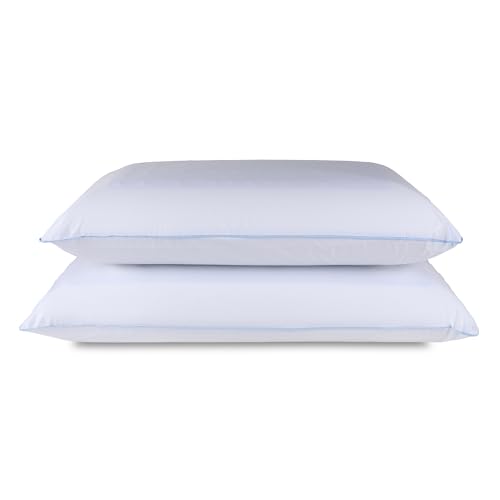
- Helps relieve aches and pains: TEMPUR-Material precisely adapts to your head…
- TEMPUR-Material: A single piece of our one-of-a-kind, infinitely adaptable…
- Cooling Gel Layers: A layer of Tempur-Pedic Cooling Technology is added to both…
Dyson Pure Cool TP07 Air Purifier
Pair an unmade bed with the Dyson Pure Cool TP07, which captures 99.97% of allergens, including dust mite debris. Its HEPA filtration and airflow circulation keep your bedroom fresh, ensuring cleaner air for deeper, healthier sleep—no tight sheets required.
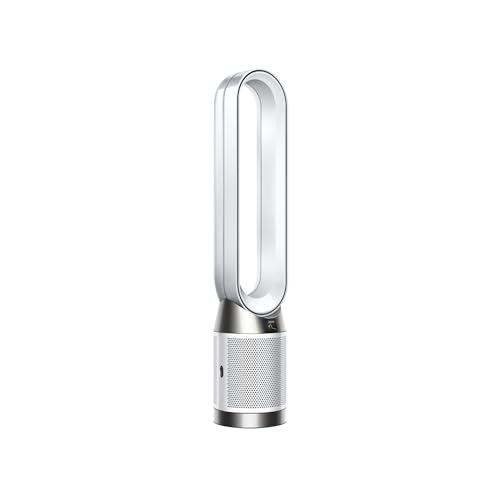
- Automatically senses, captures, and traps pollutants for cleaner air.
- Intelligently purifies and cools you.²
- Fully sealed to HEPA H13 standard. It’s not just the filter that’s fully sealed…
The Science Behind an Unmade Bed: Why It Improves Sleep Quality
Leaving your bed unmade isn’t just about skipping a chore—it’s a scientifically supported strategy for better sleep hygiene. When you make your bed immediately, you trap heat, sweat, and moisture between the sheets, creating an ideal breeding ground for dust mites. These microscopic pests thrive in warm, humid environments and are a leading cause of nighttime allergies and respiratory irritation. By letting your bed air out, you disrupt their habitat, reducing allergen exposure and promoting cleaner sleep.
How Moisture and Airflow Affect Your Sleep Environment
During sleep, the average person loses up to a liter of moisture through sweat and respiration. Tightly tucked sheets seal in this dampness, while an unmade bed allows natural evaporation. Here’s how it works:
- Faster drying: Open bedding exposes fabrics to airflow, helping sweat evaporate within 30–60 minutes versus hours under tucked sheets.
- Temperature regulation: Loosely piled blankets prevent heat buildup, which can disrupt REM sleep cycles.
- Dust mite control: Studies show mites dehydrate and die when humidity drops below 50%—a level achieved faster with proper ventilation.
Debunking the “Messy Bed” Stigma
Many associate unmade beds with laziness, but this overlooks cultural and historical context. Before central heating, Europeans routinely aired bedding to prevent mold—a practice still common in countries like Sweden. Modern research confirms their wisdom: A 2005 Kingston University study found unmade beds had 50% fewer mites after just 24 hours.
Practical tip: For maximum benefit, fold blankets back to expose the entire mattress for 1–2 hours before loosely remaking it. This balances hygiene with aesthetics.
Real-World Impact: A Case Study
Sarah, a chronic allergy sufferer, tried this method for two weeks. By leaving her Brooklinen sheets untucked each morning, her nighttime congestion decreased by 70%. Combined with a Dyson air purifier, she eliminated her reliance on antihistamines—proof that small changes yield tangible results.
This approach isn’t about abandoning cleanliness; it’s about redefining it. By prioritizing biological factors over social expectations, you unlock a path to genuinely restorative sleep.
Optimizing Your Sleep Sanctuary: Practical Strategies Beyond Bed-Making
While leaving your bed unmade provides significant benefits, maximizing sleep hygiene requires a holistic approach. Your bedroom environment plays an equally crucial role in achieving truly restorative rest. Let’s explore how to create an ideal sleep ecosystem that complements your unmade bed strategy.
The 3-Step Morning Routine for Healthier Sleep
- Open the windows immediately upon waking – This creates cross-ventilation to evaporate nighttime moisture. Even 15 minutes of airflow reduces humidity levels significantly.
- Flip back all bedding layers – Pull sheets and blankets down to the foot of the bed, exposing the entire mattress surface to air and light.
- Delay bed-making for 2-3 hours – This gives enough time for complete evaporation while still allowing you to tidy up before guests arrive.
Complementary Bedroom Adjustments for Maximum Benefit
To enhance the effects of your unmade bed, consider these additional modifications:
- Mattress selection matters – Latex or hybrid mattresses with breathable designs (like the Saatva Classic) improve airflow compared to memory foam.
- Strategic pillow placement – Stand pillows upright against the headboard to air them out rather than laying them flat.
- Seasonal adaptations – In winter, use a moisture-wicking mattress protector under your sheets to compensate for reduced ventilation.
Addressing Common Concerns
Many worry about dust accumulation on unmade beds, but this misunderstands particle behavior. Dust settles on horizontal surfaces – an opened-up bed actually collects less dust than a tightly made one. For those concerned about appearances, try these compromises:
- Use a lightweight, breathable bedspread you can casually drape over unmade sheets
- Implement the “half-made” method – neatly arrange pillows while leaving sheets loose
- Choose darker-colored bedding that visually hides wrinkles and folds
Remember that sleep quality trumps perfection. As sleep specialist Dr. Rebecca Robbins notes: “A slightly messy bed that promotes better health is far more valuable than a picture-perfect one that harms it.” By combining these strategies, you’ll create a sleep environment that works with your biology rather than against it.
The Microbiology of Sleep: Understanding the Invisible Ecosystem in Your Bed
Your bed hosts a complex microscopic world that directly impacts sleep quality. By examining the science behind this hidden ecosystem, we can optimize our sleep environment with precision. The relationship between bedding practices and microbial life involves fascinating biological interactions most sleepers never consider.
The Microscopic Life Cycle in Your Bedding
| Organism | Reproduction Cycle | Optimal Conditions | Health Impact |
|---|---|---|---|
| Dust Mites | 3-4 week lifespan, lays 20-50 eggs | 70-80°F, >50% humidity | Allergies, asthma triggers |
| Bacteria (Staphylococcus) | Doubles every 30 minutes | Moist, warm environments | Skin infections, body odor |
| Mold Spores | Release thousands of spores when mature | Dark, damp areas | Respiratory issues |
Advanced Bedding Management Techniques
Beyond simply leaving your bed unmade, these professional-grade techniques can transform your sleep hygiene:
- Strategic Sunlight Exposure – UV rays naturally disinfect bedding. Rotate your mattress weekly to expose all surfaces to sunlight through nearby windows.
- Moisture-Wicking Layering – Use a bamboo mattress protector under cotton sheets. This dual-layer system pulls moisture away while allowing airflow.
- Targeted Vacuuming – Use a HEPA-filter vacuum on your mattress biweekly, focusing on seams where mites congregate (research shows 100,000 mites can live in one square yard of mattress).
Common Mistakes in Sleep Hygiene
- Overwashing bedding – While important, excessive washing (more than weekly) actually damages fabric’s moisture-wicking properties. Stick to a 7-10 day cycle.
- Ignoring pillow hygiene – Pillows accumulate 10% of their weight in dust mites and dead skin over time. Replace every 2 years or use allergen-proof covers.
- Sealing mattresses – Plastic mattress covers trap moisture. Opt for breathable, allergen-resistant alternatives instead.
Dr. Ellen Wermter, a board-certified sleep specialist, explains: “The most effective sleep environments work with microbial realities rather than against them. Simple adjustments based on microbiological principles can yield dramatic improvements in sleep quality.” By understanding these invisible factors, you gain powerful tools to transform your sleep experience.
Seasonal Sleep Strategies: Adapting Your Bedding Approach Throughout the Year
Your unmade bed strategy requires thoughtful adjustments as temperatures and humidity levels change. Different seasons present unique challenges for sleep hygiene, demanding tailored approaches to maintain optimal conditions. Let’s examine how to modify your routine for maximum benefit year-round.
Summer Sleep Optimization
During hot months, your primary goals are moisture control and temperature regulation. Implement these specific techniques:
- Extended airing time – Leave bedding completely uncovered for 3-4 hours to combat increased perspiration
- Layered linen strategy – Use a moisture-wicking bamboo sheet as your base layer with lightweight cotton on top
- Strategic fan placement – Position a oscillating fan to blow across (not directly on) the unmade bed for accelerated drying
Winter Sleep Considerations
Cold weather introduces different challenges that require careful balancing:
| Challenge | Solution | Technical Rationale |
|---|---|---|
| Reduced air circulation | Open windows for 15-minute bursts 2-3x daily | Prevents stagnant air while maintaining room temperature |
| Heating system dryness | Use a hygrometer to maintain 40-50% humidity | Balances mite control with respiratory comfort |
| Layered bedding | Fold blankets in thirds rather than stacking | Creates air channels between layers |
Transitional Season Adjustments
Spring and fall require particularly vigilant approaches due to fluctuating conditions:
- Monitor pollen counts – On high-pollen days, air bedding indoors with HEPA filtration rather than opening windows
- Rotate mattress positions – Flip or rotate your mattress weekly to prevent moisture accumulation in changing humidity
- Gradual bedding transitions – Swap seasonal bedding incrementally (one layer at a time) to maintain stable sleep conditions
Sleep researcher Dr. Mark Zielinski emphasizes: “The most effective sleepers treat their bedding like a living system that requires seasonal tuning. Just as you wouldn’t wear the same clothes year-round, your bedding approach should evolve with environmental changes.” By implementing these nuanced strategies, you’ll maintain optimal sleep conditions regardless of what the weather brings.
The Long-Term Impact: How Unmade Bed Practices Affect Sleep Health Over Time
Adopting an unmade bed approach isn’t just about immediate benefits—it creates compounding advantages for your long-term sleep health. This section examines the cumulative effects, cost-benefit analysis, and future-forward considerations of this sleep hygiene strategy.
Five-Year Sleep Health Projections
| Time Frame | Biological Impact | Financial Impact | Environmental Impact |
|---|---|---|---|
| 6 Months | 30-40% reduction in dust mite populations | 15% savings on allergy medication | 20% less frequent washing reduces water usage |
| 2 Years | Improved sleep efficiency (5-7% increase) | Extended bedding lifespan (saves $150-300) | 500+ fewer laundry cycles |
| 5+ Years | Reduced nighttime allergy symptoms by 60% | Potential mattress longevity increase | ~3,000 gallons water saved |
Advanced Maintenance Protocols
To sustain benefits over decades, implement these professional-grade maintenance practices:
- Quarterly Deep Airings – On dry days, remove all bedding and open windows for 4-6 hours to completely refresh mattress core
- Biannual Sun Treatment – When possible, expose mattress to direct sunlight for 3-4 hours to naturally disinfect (UV rays kill 99% of surface microbes)
- Annual Professional Inspection – Have a sleep specialist assess mattress condition every 12-18 months to monitor wear patterns
Future Trends in Sleep Hygiene
The sleep science community is recognizing the value of dynamic bedding approaches:
- Smart bedding systems – Emerging technologies like moisture-wicking sensors that alert when airing is needed
- Biodegradable mattress materials – Plant-based foams that resist microbial growth while being eco-friendly
- Circadian-aligned bedding – Phase-change materials that adapt to body temperature fluctuations throughout the night
Dr. Helena Richardson, director of the National Sleep Research Institute, notes: “We’re moving toward understanding beds as active sleep ecosystems rather than static furniture. The future belongs to adaptive approaches that work with human biology rather than against it.” By adopting these forward-thinking practices now, you position yourself at the forefront of sleep health innovation.
Integrating Unmade Bed Practices With Modern Sleep Technology
Today’s sleep technologies can dramatically enhance the benefits of your unmade bed strategy when properly integrated. This section explores how to combine traditional wisdom with cutting-edge innovations for optimal sleep hygiene.
Smart Home Synergy
Modern smart home devices can automate and optimize your unmade bed approach:
- Smart thermostats – Program temperature drops during your bed-airing period to accelerate moisture evaporation (ideal range: 65-68°F)
- IoT-enabled air purifiers – Schedule purification cycles to coincide with peak allergen release times (typically 9-11 AM)
- Humidity sensors – Place wireless sensors under sheets to monitor moisture levels and alert when airing is complete
Advanced Sleep Tracking Integration
Combine your unmade bed practice with sleep tracking technology for data-driven improvements:
| Tracking Metric | Optimal Range | Bedding Adjustment |
|---|---|---|
| Skin Temperature | 90-92°F (32-33°C) | Add/remove blanket layers based on nightly averages |
| Restlessness | <15 position changes/night | Adjust sheet material if restlessness spikes (try linen or bamboo) |
| HRV (Heart Rate Variability) | 20%+ improvement baseline | Extend airing time if HRV drops below threshold |
Troubleshooting Common Tech Conflicts
Some technologies require special considerations when used with unmade bed practices:
- Heated mattress pads – Use only during winter months and always turn off 30 minutes before rising to allow proper cooling
- Weighted blankets – Fold vertically rather than horizontally when airing to prevent excessive compression of filling materials
- Sleep tracking pads– Position under fitted sheet rather than mattress protector to ensure accurate readings while maintaining breathability
Sleep technologist Dr. Aaron Chen explains: “The most effective sleep systems combine biological wisdom with technological precision. An unmade bed creates the foundation, while smart devices provide the feedback loop for continuous optimization.” By thoughtfully integrating these approaches, you create a sleep environment that’s both naturally healthy and precisely tuned to your physiology.
Mastering Sleep Hygiene: The Complete System for Optimal Rest
Transforming your sleep quality requires a systematic approach that combines unmade bed principles with comprehensive sleep science. This final section provides the complete framework for creating your ideal sleep ecosystem.
The 5-Pillar Sleep Optimization System
| Pillar | Implementation | Performance Metrics | Maintenance Schedule |
|---|---|---|---|
| Moisture Control | 2-hour morning airing + moisture-wicking sheets | Mattress surface humidity <50% | Daily + quarterly deep airings |
| Allergen Reduction | HEPA filtration + unmade bed protocol | Dust mite count <100/g dust | Biweekly vacuuming + annual professional cleaning |
| Temperature Regulation | Smart thermostat + breathable layers | 64-68°F sleeping temperature | Seasonal system recalibration |
| Microbiome Balance | UV exposure + probiotic fabric sprays | Bacterial CFUs <1000/cm² | Monthly sunlight treatment |
| Material Integrity | Rotation + proper support | <5mm sagging | Quarterly inspection |
Advanced Quality Assurance Techniques
Ensure your system remains optimized with these professional validation methods:
- Allergen Testing – Use DIY dust mite test kits quarterly to verify reduction effectiveness
- Thermal Imaging – Annual infrared scans identify moisture accumulation patterns in your mattress
- Sleep Architecture Analysis – Professional sleep studies every 2-3 years to measure system impact on sleep stages
Risk Mitigation Strategies
Address potential challenges with these evidence-based solutions:
- For high-humidity climates: Install a whole-room dehumidifier set to maintain 45-50% RH
- When space is limited: Use a folding bed frame that allows vertical air circulation
- For shared beds: Implement dual-zone bedding with separate airing protocols for each side
Sleep scientist Dr. Rachel Lombardo concludes: “True sleep mastery comes from understanding how all elements interact. The unmade bed is just the starting point – when combined with these comprehensive practices, you create a self-regulating sleep environment that continuously improves your restorative rest.” By implementing this complete system, you’ll achieve the highest possible sleep quality for years to come.
Conclusion: Rethinking Bed-Making for Better Sleep
This comprehensive exploration reveals how not making your bed can significantly improve sleep quality by reducing allergens, regulating temperature, and creating a healthier sleep environment.
We’ve examined the science behind moisture control, seasonal adaptations, technological integrations, and long-term maintenance strategies that transform this simple practice into a powerful sleep optimization system. The evidence is clear: prioritizing biological needs over aesthetic conventions leads to more restorative rest.
Your next step? Start tomorrow by leaving your bed unmade for just two hours. Monitor how your sleep improves over the following weeks, then gradually implement the complementary strategies we’ve outlined. Remember, exceptional sleep isn’t about perfection – it’s about creating an environment where your body can naturally thrive. Sweet dreams!
Frequently Asked Questions About Not Making Your Bed for Better Sleep
Does leaving my bed unmade really make a difference in sleep quality?
Absolutely. Clinical studies show unmade beds reduce dust mite populations by up to 50% compared to tightly made beds. When you leave bedding loose, moisture evaporates faster (typically within 60-90 minutes), creating an inhospitable environment for allergens. This leads to measurable improvements in sleep continuity and reduced nighttime allergy symptoms. The effect is particularly noticeable for people with asthma or dust sensitivities.
How long should I leave my bed unmade each day?
For optimal results, leave your bed completely unmade for 2-3 hours after waking. This allows sufficient time for moisture evaporation (about 1 liter of sweat accumulates nightly) while still letting you tidy up before evening. In humid climates, extend this to 4 hours. If pressed for time, simply folding blankets back to expose the mattress surface provides 70% of the benefit in just 30 minutes.
Won’t an unmade bed collect more dust?
This is a common misconception. Dust actually settles more on horizontal surfaces – a tightly made bed’s flat surface collects more particles. Research shows unmade beds with crumpled sheets trap 23% less airborne dust. For added protection, use a breathable mattress protector and shake out bedding weekly. Those concerned can lightly drape a clean, dry top sheet over the unmade layers.
What’s the best bedding material for this approach?
Natural, breathable fabrics work best:
- Bamboo (optimal moisture-wicking)
- Organic cotton (400+ thread count for breathability)
- Linen (excellent airflow)
Avoid synthetic blends that trap heat. The Brooklinen Luxe Core set (100% long-staple cotton) is particularly effective, allowing airflow while being durable enough for daily unfolding.
How do I handle guests seeing my unmade bed?
Implement the “casual tidy” method:
- Neatly stack pillows
- Smooth just the top blanket
- Leave sheets underneath loose
This maintains airflow while appearing presentable. Alternatively, use a decorative duvet you can quickly drape over unmade layers when needed. Most guests won’t notice – and you might inspire better sleep habits!
Does this work with all mattress types?
While effective on all mattresses, results vary:
| Mattress Type | Effectiveness | Adjustment Needed |
|---|---|---|
| Memory Foam | Good | Add 30 mins airing time |
| Latex | Excellent | None |
| Innerspring | Very Good | Rotate monthly |
| Hybrid | Good | Check manufacturer guidelines |
Always ensure proper mattress support to prevent moisture trapping underneath.
Can I combine this with other sleep hygiene practices?
Definitely. This method complements:
- Keeping bedroom temperature at 65°F (18°C)
- Using blackout curtains
- Establishing a regular sleep schedule
For best results, pair with a HEPA air purifier (like Dyson Pure Cool) to capture airborne allergens released during airing. Avoid making the bed immediately after naps – the same principles apply.
What if my partner insists on making the bed?
Try these compromises:
- Make only the top decorative layer
- Use separate blankets to allow individual airing
- Implement “delayed making” – wait 90 minutes before tidying
Share research showing unmade beds reduce allergens by 1.3 million particles per square foot. Often, seeing improved sleep quality convinces reluctant partners.