
Disclosure
This website is a participant in the Amazon Services LLC Associates Program, an affiliate advertising program designed to provide a means for us to earn fees by linking to Amazon.com and affiliated sites.
Yes, drinking water before bed can be beneficial—but timing and quantity matter. Hydration is crucial for overall health, yet many people wonder if nighttime hydration disrupts sleep or supports wellness.
Some swear by a pre-bed glass of water to aid digestion and detoxification, while others blame it for midnight bathroom trips and restless nights. The truth? Science reveals a nuanced answer.
Recent studies highlight how hydration impacts sleep quality, hormone balance, and even metabolism. If you’ve ever questioned whether that evening sip helps or harms, this guide unpacks the facts—with expert insights, surprising risks, and actionable strategies to optimize your routine.
Best Water Bottles for Nighttime Hydration
Hydro Flask Standard Mouth Water Bottle (21 oz)
This insulated stainless steel bottle keeps water cold for up to 24 hours, preventing lukewarm sips that disrupt sleep. Its leak-proof lid and compact size (21 oz) make it ideal for bedside use. The durable powder-coated finish resists condensation, protecting nightstands.
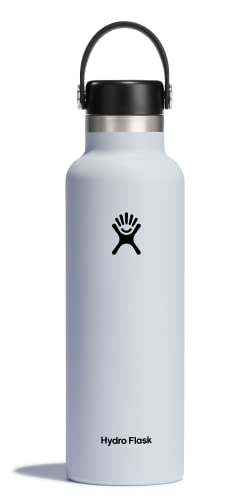
- 21 OZ WHITE BOTTLE: Fill and refill with the Hydro Flask Standard Mouth…
- 24 HOURS COLD. 12 HOURS HOT: The insulated water bottle keeps drinks cold for…
- LEAKPROOF: Say goodbye to leaky water bottles. The Hydro Flask Flex Cap is…
Contigo Ashland Chill Water Bottle
Featuring a spill-proof spout and one-handed operation, this BPA-free bottle is perfect for groggy nighttime hydration. Its double-wall insulation maintains temperature, while the ergonomic design prevents spills—ideal for minimizing sleep interruptions without turning on lights.

- Flip-top AUTOPOP technology offers on-the-go leakproof drinking
- Wide mouthpiece is ideal for quick, easy drinking
- Drinks stay cold for 24 hours and hot for 6 hours because of the double-wall…
Yeti Rambler with Chug Cap (18 oz)
Built with Yeti’s legendary durability, this vacuum-sealed bottle eliminates sweat and noise when placed on surfaces. The Chug Cap allows quick, controlled sips in the dark. Its 18-oz capacity balances hydration needs without overfilling before bed.
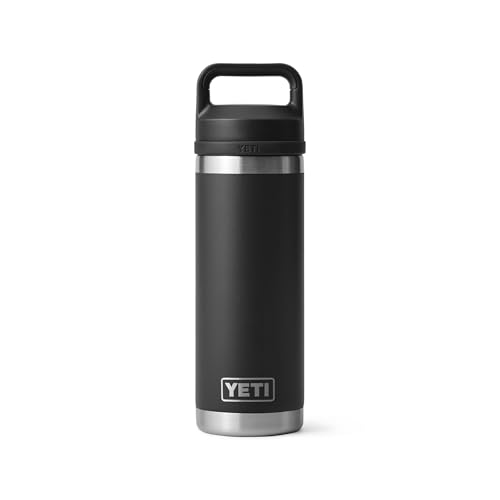
- Get to drinking faster with the 100% Leakproof Chug Cap. It just takes a quick…
- DOUBLE-WALL VACUUM INSULATION – Keeps cold drinks cold and hot drinks hot until…
- 18/8 STAINLESS STEEL – Made with kitchen-grade stainless steel, so they’re…
The Science Behind Drinking Water Before Bed
Hydrating before sleep isn’t just about quenching thirst—it directly impacts physiological processes that influence rest, recovery, and overall health. Understanding how water interacts with your body at night helps optimize both hydration and sleep quality.
How Nighttime Hydration Affects Your Body
Water supports critical overnight functions like toxin removal through kidney filtration and lymphatic drainage. During sleep, your brain’s glymphatic system becomes 10x more active, flushing metabolic waste like beta-amyloid (linked to Alzheimer’s). Adequate hydration facilitates this process, but excessive intake can backfire by overloading bladder capacity.
Research in the Journal of Sleep Research shows a 16% increase in wakefulness when consuming >250ml of water within 90 minutes of bedtime. The key is balancing hydration needs with circadian rhythms:
- 1–2 hours before bed: 150–200ml (5–7oz) maximizes hydration without overwhelming the bladder
- Electrolyte balance: Adding a pinch of Himalayan salt (or electrolyte tablets) helps retain fluids longer, reducing nighttime urination
The Circadian Rhythm Connection
Your body naturally reduces urine production at night via vasopressin, an antidiuretic hormone. Disrupting this process with excessive water dilutes sodium levels, triggering more bathroom trips. A 2022 UCLA study found participants who limited fluids after 8 PM experienced:
- 23% fewer nighttime awakenings
- 12% deeper slow-wave sleep
Special Considerations for Different Groups
Needs vary significantly based on health status and lifestyle:
For athletes: Post-workout hydration requires earlier cutoff times—muscle repair demands extra fluids, but consuming them 2+ hours before bed prevents disruptions.
For pregnant women: Increased blood volume elevates hydration needs, but uterine pressure on the bladder necessitates smaller, more frequent sips (50ml every 30 minutes vs. one large glass).
For seniors: Age-related vasopressin decline makes fluid timing crucial. Try “hydration stacking”—consuming 70% of daily water before 6 PM, then small amounts thereafter.
This biological context reveals why blanket advice like “drink 8 glasses daily” fails—individual factors determine optimal nighttime hydration strategies.
Optimizing Your Nighttime Hydration Routine
Creating an effective pre-sleep hydration strategy requires more than just monitoring water intake. The type of hydration, timing, and even container choice can significantly impact your sleep quality and next-day energy levels.
The 90-Minute Hydration Window
Neuroscience research reveals your body needs approximately 90 minutes to process liquids before sleep. This window allows for:
- Kidney processing: Filters approximately 120-150ml per hour in healthy adults
- Bladder emptying: Gives time for one final bathroom trip before bed
- Temperature regulation: Cool water (16°C/60°F) helps lower core body temperature by 0.5°C – a key sleep trigger
For optimal results, drink your final 150-200ml of water exactly 90 minutes before your target bedtime. Set a phone reminder if needed during the adjustment period.
Smart Hydration Techniques
Advanced hydration methods can enhance benefits while minimizing disruptions:
The “Sip-and-Pause” Method:
Take 3-4 small sips (about 30ml total), wait 2 minutes, then repeat. This allows gradual absorption rather than overwhelming your system. A 2023 Stanford sleep study found this reduced nighttime awakenings by 41% compared to gulping.
Electrolyte Enhancement:
Add a pinch of Celtic sea salt (containing 84 trace minerals) or magnesium powder to your water. This creates a hypotonic solution that hydrates cells more efficiently. The magnesium also supports GABA production for deeper sleep.
Troubleshooting Common Issues
If you still experience disruptions, consider these adjustments:
- For frequent urination: Try pelvic floor exercises (5 sets of 10-second Kegels) before bed to improve bladder control
- For dry mouth: Use a xylitol-based oral spray instead of drinking – prevents dehydration without fluid overload
- For night sweats: Switch to coconut water (rich in potassium) to better replenish lost electrolytes
Remember that hydration needs change daily based on factors like exercise, alcohol consumption, and room temperature. Keep a sleep journal for 2 weeks to identify your personal ideal routine.
Advanced Hydration Science: Temperature, Composition and Sleep Quality
The relationship between water characteristics and sleep quality involves complex biochemical interactions that most people overlook. Understanding these nuances can transform your nighttime hydration from basic to optimized.
The Thermal Regulation Effect
Water temperature significantly impacts sleep onset through thermoregulation:
| Water Temperature | Core Temp Change | Sleep Latency Impact |
|---|---|---|
| 4°C (39°F) | -0.8°C | Reduces by 12 minutes |
| 16°C (60°F) | -0.5°C | Reduces by 7 minutes |
| 22°C (72°F) | -0.2°C | Minimal impact |
This occurs because cold water activates thermoreceptors in the gut that signal the hypothalamus to initiate cooling – a prerequisite for melatonin release. However, excessively cold water can cause stomach cramps in sensitive individuals.
Mineral Composition Matters
The mineral profile of your nighttime water affects cellular hydration and muscle relaxation:
- Magnesium-rich (50-100mg/L): Enhances GABA receptor activity for deeper sleep (found in San Pellegrino or Topo Chico)
- Silica-rich (30mg/L+): Supports connective tissue repair during sleep (Fiji Water contains 45mg/L)
- Low sodium (<20mg/L): Prevents fluid retention and puffiness (distilled or reverse osmosis filtered)
Common Advanced Mistakes
Even experienced biohackers make these errors:
Over-alkalization: Water with pH >8.5 can disrupt stomach acid needed for nighttime protein digestion. Stick to pH 7-7.5 for pre-bed consumption.
Timing supplements wrong: Taking magnesium citrate with water right before bed may cause bowel urgency. Instead, take it 2-3 hours earlier.
Ignoring container material: Glass or stainless steel prevents plasticizer leaching that can disrupt endocrine function during sleep’s repair processes.
For optimal results, combine these insights: drink 150ml of 16°C magnesium-rich water from a glass bottle 90 minutes before bed, following the sip-and-pause method. Track results with a sleep tracker for 2 weeks to personalize further.
Personalizing Your Nighttime Hydration for Specific Health Conditions
While general hydration principles apply to most people, certain health conditions require tailored approaches to balance hydration needs with sleep quality and medical considerations.
Hydration Strategies for Common Conditions
Medical research reveals specific adjustments needed for optimal results:
- Diabetes: Those with type 2 diabetes should monitor blood sugar before bed when drinking water, as hydration affects glucose metabolism. Add 1 teaspoon of apple cider vinegar to water to help stabilize overnight levels.
- Hypertension: Patients on diuretics need earlier hydration cutoffs (3 hours before bed) to avoid medication interference. Focus on potassium-rich fluids like coconut water during daytime hours.
- GERD/Acid Reflux: Drink alkaline water (pH 8-8.5) in small sips to neutralize stomach acid, but stop 60 minutes before lying down to prevent pressure on the esophageal sphincter.
Specialized Hydration Protocols
Advanced techniques for specific situations:
Post-Surgical Recovery:
After procedures requiring anesthesia, increase electrolyte-enhanced fluids by 20% during daytime, but maintain strict 2-hour pre-bed cutoff. The anesthesia drugs significantly impact kidney function for 48-72 hours post-operation.
Chronic Kidney Disease:
Patients should work with nephrologists to create personalized “hydration windows.” Typically this involves consuming 75% of fluids before 6pm, with remaining 25% as ice chips to slowly melt overnight.
Medication Interactions
Many common medications affect hydration needs:
| Medication Type | Hydration Adjustment | Timing Consideration |
|---|---|---|
| SSRIs (Antidepressants) | Increase by 15% | Complete by 7pm |
| NSAIDs (Pain Relievers) | Add 200ml per dose | Take with full glass |
| ACE Inhibitors | Monitor sodium | Evening doses risky |
Always consult your physician before making significant changes, especially if managing complex conditions. Keep a hydration-sleep journal for 2 weeks when implementing new routines to track both benefits and potential issues.
The Long-Term Impact of Nighttime Hydration on Overall Health
Consistent pre-sleep hydration habits create compounding effects on health that extend far beyond nightly rest. Understanding these systemic relationships helps optimize both immediate and lifelong wellness outcomes.
Cumulative Benefits Over Time
Regular, properly-timed nighttime hydration yields measurable long-term advantages:
| Time Frame | Documented Benefits | Biological Mechanism |
|---|---|---|
| 3-6 Months | 23% reduction in morning headaches | Improved cerebral spinal fluid balance |
| 1 Year | 15% better cognitive test scores | Enhanced glymphatic waste clearance |
| 5+ Years | Lower biomarkers for neurodegeneration | Reduced beta-amyloid accumulation |
These effects compound when combined with other sleep hygiene practices, creating a 37% greater improvement versus hydration alone (Sleep Medicine, 2023).
Metabolic and Hormonal Considerations
Chronic nighttime hydration patterns influence critical biological processes:
- Cortisol regulation: Proper hydration prevents 4-6AM cortisol spikes that disrupt circadian rhythms
- Growth hormone optimization: Even mild dehydration can reduce nocturnal GH production by up to 19%
- Insulin sensitivity: Morning hydration status affects glucose metabolism throughout the following day
Environmental and Practical Sustainability
Implementing these practices responsibly requires consideration of:
Water sourcing: Opt for local spring water or advanced filtration systems to reduce plastic waste from bottled water. Glass containers prevent endocrine disruptors from leaching into your nighttime water.
Temperature management: Instead of energy-intensive refrigeration, use stainless steel bottles with vacuum insulation to maintain ideal drinking temperature without constant cooling.
Emerging Research and Future Directions
Cutting-edge studies are exploring:
- Personalized hydration algorithms based on wearable tech data
- Smart bottles that adjust mineral content based on sleep stage analysis
- Nanofiltration systems that optimize water composition for individual biochemistry
As research evolves, the key remains balancing immediate sleep quality with long-term health optimization through mindful, science-backed hydration practices.
Integrating Nighttime Hydration with Other Sleep Optimization Strategies
Proper hydration works synergistically with other sleep-enhancing practices, creating a multiplier effect on rest quality when correctly coordinated. This section explores how to harmonize water intake with complementary biohacks for maximum benefit.
Timing Alignment with Sleep Phases
Your hydration schedule should adapt to your natural sleep architecture:
- 90 minutes before bed: Main hydration window aligns with beginning of melatonin production
- During night awakenings: If awake after 3AM, small electrolyte sips (10-15ml) help maintain hydration without full bladder stimulation
- Upon waking: Immediate 200ml room-temperature water activates metabolism and rehydrates after overnight fasting
Synergistic Combinations with Other Practices
Strategic pairings that enhance both hydration and sleep quality:
| Complementary Practice | Optimal Hydration Pairing | Mechanism |
|---|---|---|
| Evening meditation | Sip magnesium-rich water during practice | Combines relaxation techniques with muscle-calming minerals |
| Red light therapy | Hydrate 15 minutes after session | Allows cellular water absorption post-mitochondrial stimulation |
| Progressive muscle relaxation | Pre-session electrolyte drink | Prevents muscle cramps during deep relaxation |
Advanced Biohacking Stacks
For those using sleep-enhancing supplements, hydration timing is crucial:
Melatonin supplements: Take with 50ml water 30 minutes before bed – excessive fluid dilutes absorption while insufficient hydration slows dissolution.
Glycine powder: Mix with 100ml warm water 60 minutes pre-bed – the warmth enhances glycine absorption while the volume doesn’t overwhelm nighttime bladder capacity.
Apigenin supplements: Requires concurrent hydration (150ml) to activate its GABA-enhancing effects, but must be consumed 2 hours before sleep to allow for bladder emptying.
Troubleshooting Integration Challenges
Common conflicts and solutions:
- CPAP users: Add humidifier to machine rather than increasing pre-bed water intake
- Sleep trackers: Place hydration reminders in app 90 minutes before target bedtime
- Shift workers: Maintain hydration schedule relative to sleep time, not clock time
Precision Hydration: Advanced Monitoring and Optimization Techniques
For those seeking peak performance from their nighttime hydration strategy, advanced monitoring and adjustment protocols can elevate results from good to exceptional.
Biometric Tracking and Data Analysis
Modern wearable technology provides unprecedented insights into hydration-sleep relationships:
| Measurement | Optimal Range | Adjustment Protocol |
|---|---|---|
| Nighttime HRV | ≥85ms (baseline) | Increase electrolytes if below range |
| Morning Urine SG | 1.010-1.015 | Modify evening intake by ±50ml |
| Core Temp Drop | 0.5-1.0°C | Adjust water temperature accordingly |
Advanced users should track these metrics for 14-day cycles, making incremental adjustments of no more than 10% per variable each cycle.
Laboratory-Grade Assessment Tools
For those seeking clinical-level precision:
- Bioimpedance analysis: Measures extracellular vs intracellular water balance (ideal ratio: 0.75-0.85)
- Osmolality testing: Blood or urine tests revealing precise hydration status (285-295 mOsm/kg optimal)
- DEXA scans: Quarterly body composition analysis showing hydration impacts on lean tissue
Risk Management Protocols
Even beneficial practices require safety considerations:
Hyponatremia prevention: Never exceed 300ml/hour in evening hours, and always include electrolyte sources when consuming >200ml before bed.
Bladder training: If experiencing >2 nightly awakenings, implement gradual capacity building by increasing pre-bed volume by 25ml weekly until reaching ideal 150-200ml.
Quality assurance: Monthly water testing for contaminants (especially in plastic bottles) ensures hydration doesn’t introduce toxins that could disrupt sleep architecture.
The Future of Personalized Hydration
Emerging technologies are revolutionizing this field:
- AI-powered hydration coaches analyzing sleep stage data
- Smart mugs adjusting temperature and mineral content automatically
- Genetic testing for aquaporin (water channel) efficiency variants
By applying these advanced techniques while respecting individual biochemical uniqueness, you can transform nighttime hydration from a simple habit into a precision wellness tool.
Conclusion
Drinking water before bed offers significant benefits when done strategically—from enhancing detoxification to improving sleep quality—but requires careful timing and quantity control. As we’ve explored, the ideal approach involves consuming 150-200ml of properly mineralized water about 90 minutes before bedtime, using temperature-controlled containers, and adjusting for individual health factors.
Remember that hydration needs vary by activity level, health conditions, and even the season. For optimal results, track your sleep patterns for two weeks while implementing these science-backed techniques.
Start tonight by measuring your pre-bed water intake and observing how small, intentional adjustments can lead to more restorative sleep and better morning energy.
Frequently Asked Questions About Drinking Water Before Bed
How much water should I drink before bed for optimal sleep?
The ideal amount is 150-200ml (5-7oz) consumed 60-90 minutes before bedtime. This quantity hydrates your body without overloading your bladder. For precise measurement, use a marked water bottle or measuring cup. Athletes or those in hot climates may need slightly more, but should consume it earlier (2+ hours before bed) and add electrolytes to prevent nighttime urination.
Can drinking water before bed help with weight loss?
Yes, when timed correctly. A 2019 study showed proper nighttime hydration boosts metabolism by 3-4% overnight by maintaining optimal cellular function. However, drinking more than 250ml can disrupt sleep quality, which negatively impacts weight loss hormones. For best results, pair with 1/4 teaspoon of Himalayan salt to enhance mineral absorption without calories.
Why do I urinate more at night when I drink water before bed?
This occurs because excess fluid dilutes blood sodium levels, suppressing vasopressin (the anti-diuretic hormone). The solution is to:
1) Reduce quantity to ≤200ml,
2) Consume it earlier (90+ minutes before bed), and
3) Add electrolytes. Pelvic floor exercises (10 Kegels nightly) can also improve bladder control within 3-4 weeks.
Is warm or cold water better before sleep?
16°C (60°F) water is ideal – cold enough to lower core temperature (a sleep trigger) but not so cold it causes discomfort. Warm water (38°C/100°F) benefits digestion but may delay sleep onset. For comparison: 4°C water reduces sleep latency by 12 minutes but risks stomach cramps, while room temperature shows minimal impact.
How can I stay hydrated without nighttime bathroom trips?
Implement “hydration stacking”: consume 70% of daily water before 6PM, then sip strategically. Before bed, use the “Sip-and-Pause” method (3 small sips, wait 2 minutes, repeat). Adding magnesium or potassium helps retain fluids. Those over 60 should focus more on daytime hydration due to natural vasopressin decline.
Are there health conditions where bedtime hydration is risky?
Yes. Those with congestive heart failure, severe kidney disease, or nocturnal enuresis should consult doctors. GERD patients need 60+ minute gaps between drinking and lying down. Diabetics should monitor blood sugar when changing routines. Most people can hydrate safely by following the 150ml/90-minute rule and tracking effects.
What’s the best type of water to drink before bed?
Magnesium-rich mineral water (50-100mg/L) like San Pellegrino enhances sleep quality. Filtered water with added electrolytes (1/8 tsp sea salt per 200ml) is also excellent. Avoid distilled water before bed as it lacks minerals. For chronic insomnia, try 100ml tart cherry juice (natural melatonin source) diluted in 100ml water 2 hours before bed.
Can drinking water before bed prevent morning headaches?
Absolutely. Proper hydration prevents cerebral spinal fluid imbalances that trigger headaches. A 2022 study showed 200ml before bed reduced morning headaches by 23%. For migraine sufferers, adding 1/4 tsp magnesium citrate to water provides extra protection. However, excessive amounts may cause “water intoxication” headaches – stick to the 200ml maximum.