
Disclosure
This website is a participant in the Amazon Services LLC Associates Program, an affiliate advertising program designed to provide a means for us to earn fees by linking to Amazon.com and affiliated sites.
Introduction
A non-toxic mattress is one made without harmful chemicals, flame retardants, or synthetic materials that can off-gas and pollute your indoor air.
Most people don’t realize their mattress could be emitting volatile organic compounds (VOCs) every night. If you’ve ever unboxed a new mattress and smelled that “chemical” odor, that’s off-gassing—sometimes caused by toxic glues, synthetic foams, or flame retardants. Over time, these chemicals may contribute to respiratory irritation, skin sensitivity, hormone disruption, or worse.
With more awareness about sleep health and indoor air quality, choosing a safer mattress isn’t just trendy—it’s essential.
Why Go Non-Toxic?
- Healthier Sleep Environment: Reduces exposure to allergens and toxins.
- Better for Kids & Babies: Infants are especially vulnerable to chemical exposure.
- Sustainability: Non-toxic mattresses often use organic, biodegradable materials.
- Peace of Mind: You can rest easier knowing you’re not inhaling harmful chemicals.
Best Mattresses for Non-Toxic Sleep
If you’re looking for a healthier sleep experience, these top-rated non-toxic mattresses stand out for their safety, comfort, and third-party certifications. Each one is free from harmful chemicals and designed with your wellbeing in mind.
Top Picks for Non-Toxic Mattresses
1.Avocado Green Mattress

- COMFORT – Upgrade or rejuvenate any mattress with luxurious natural latex…
- RELIEVE PRESSURE – Deliver pressure-point relief for aching hips and shoulders…
- CERTIFIED ORGANIC – Enjoy Medium firmness, GOLS-certified organic Dunlop…
- Made with GOLS-certified organic latex, GOTS-certified organic wool and cotton.
- Why we picked it: Exceptional eco-certifications, handcrafted in the USA, and backed by environmental sustainability and ethical sourcing.
2.Naturepedic EOS Classic Organic Mattress
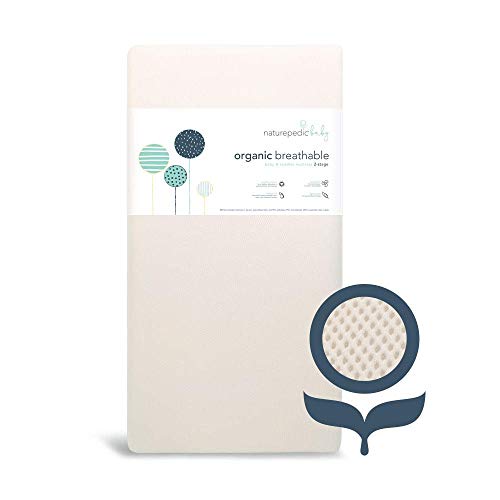
- Organic Certification: 100% GOTS certified organic cotton cover; meets…
- Infant Safety Design: 2-satge firm support breathable crib mattress follows CPSC…
- Natural Waterproof Protection: Patented sugarcane-derived waterproof coating on…
- Features customizable layers, all-organic materials, and zero flame retardant chemicals.
- Why we picked it: Offers modular comfort options with uncompromising safety standards—perfect for couples with different sleep needs.
3.Pure Green Organic Latex Mattress
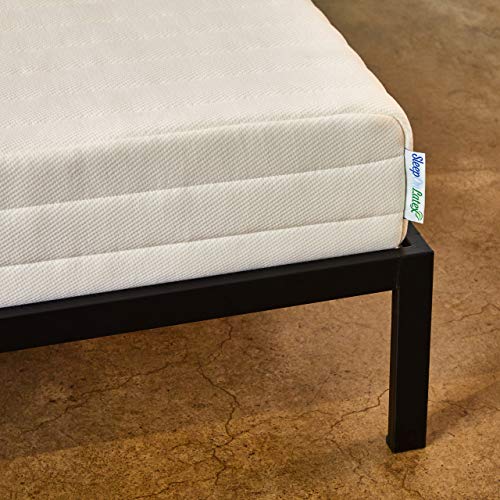
- Medium Firmness – Great for Side Sleepers, Back Sleepers and Couples
- Filled with 8” Organic Latex Foam (GOLS Certified) – Quilted Cover Made of…
- Designed, Quilted, Sewn, Assembled and Packaged in our Chicago Factory
- Composed of 100% natural latex, organic cotton, and wool, with no synthetic blends.
- Why we picked it: Highly breathable and hypoallergenic with clean, toxin-free construction verified by multiple third-party labs.
Materials to Avoid in a Mattress
When searching for a truly non-toxic mattress, knowing what not to buy is just as important as knowing what to look for. Many mattresses, even those labeled “green” or “eco-friendly,” still contain hidden toxins.
Common Toxic Materials to Avoid
- Polyurethane Foam
- Found in most memory foam mattresses. Often derived from petroleum and known to off-gas VOCs.
- Synthetic Flame Retardants
- Chemicals like PBDEs and chlorinated tris can disrupt hormones and are linked to cancer.
- Vinyl (PVC)
- Common in waterproof mattress covers, but it can leach phthalates—endocrine-disrupting chemicals.
- Formaldehyde-based adhesives
- Often used in mattress glues and bonding agents. A known respiratory irritant and potential carcinogen.
- Glues and Chemical Adhesives
- Uncertified adhesives may emit harmful gases long after production.
How to Spot These Red Flags
- Check the label: If the materials list includes “polyfoam,” “FR barrier,” or vague terms like “proprietary blend,” dig deeper.
- Smell test: A strong chemical odor upon unboxing often indicates off-gassing VOCs.
- No certifications: Lack of third-party certifications is a major warning sign.
Certifications That Actually Matter
In a world where “natural” and “eco-friendly” are often used loosely, certifications are your most reliable tool for verifying if a mattress is truly non-toxic. But not all labels are created equal.
Top Non-Toxic Mattress Certifications
- GOTS (Global Organic Textile Standard)
- Covers organic fibers like cotton and wool.
- What it means: Verified organic, no toxic dyes, bleaches, or processing chemicals.
- GOLS (Global Organic Latex Standard)
- Specific to latex used in mattresses.
- What it means: Latex is at least 95% organic and harvested sustainably.
- OEKO-TEX Standard 100
- Tests for harmful substances in textiles.
- What it means: Every component has been tested and found safe from a human-ecological perspective.
- Greenguard Gold
- Focuses on indoor air quality and VOC emissions.
- What it means: Mattress meets strict chemical emissions limits for healthier indoor air.
- MADE SAFE® Certified
- A comprehensive safety check of all ingredients used.
- What it means: No known harmful chemicals—confirmed safe for humans and the environment.
Beware of “Greenwashing”
- “Natural” or “Eco” without certification: These are often unregulated marketing terms.
- No third-party testing: Always verify claims with trusted, independent certifications.
- Only CertiPUR-US certified: While better than nothing, this cert only applies to foam—not the entire mattress.
Safe & Sustainable Materials to Look For
When shopping for a non-toxic mattress, the safest choices are natural, minimally processed, and certified organic materials. These not only protect your health but also support a more sustainable planet.
Recommended Non-Toxic Materials
- Organic Cotton
- Grown without pesticides or synthetic fertilizers.
- Benefits: Breathable, hypoallergenic, and gentle on sensitive skin.
- Organic Wool
- Naturally flame-resistant and temperature-regulating.
- Benefits: No need for chemical flame retardants; moisture-wicking and odor-resistant.
- Natural Latex (GOLS-certified)
- Harvested from rubber tree sap.
- Benefits: Durable, responsive, mold-resistant, and free of synthetic fillers when certified organic.
- Plant-Based Covers & Dyes
- Some brands use botanical dyes and plant-based moisture barriers.
- Benefits: Eliminates petroleum-based chemicals and toxic solvents.
- Recycled Steel Coils
- Found in hybrid and innerspring mattresses.
- Benefits: Supportive, long-lasting, and more sustainable than foam cores.
Additional Features That Matter
- Hand-tufting instead of gluing: Keeps layers together without toxic adhesives.
- Removable, washable covers: Encourages cleanliness without needing chemical sprays.
- Modular construction: Allows you to replace worn layers, extending mattress life and reducing waste.
Hidden Toxins & Marketing Traps to Avoid
Even mattresses labeled as “green” or “natural” can contain hidden toxins. Brands sometimes use misleading language and incomplete ingredient disclosures to make products sound safer than they are.
Common Hidden Toxins
- “Natural” Memory Foam
- Often marketed as eco-friendly but still made primarily from petroleum-based chemicals with minor plant oil content.
- Chemical Flame Barriers
- Some manufacturers blend synthetic materials with “natural” ones to pass flammability standards without disclosing exact ingredients.
- Synthetic Latex
- Blended latex is often labeled “natural,” but may contain up to 70% synthetic components.
- Fragrance Additives
- Used to mask chemical smells from glues or foam—these can trigger allergies or asthma.
Marketing Traps to Watch Out For
- Greenwashing Terms
- Words like eco-comfort, bio-foam, or plant-based can be deceptive without certifications.
- Lack of Transparency
- If a company doesn’t list all mattress components or share test results, that’s a red flag.
- CertiPUR-US Misuse
- While helpful, this certification only applies to foam safety—not the entire mattress or its non-foam parts.
Tips to Avoid the Traps
- Ask for full material disclosure—every layer, not just the top.
- Look for third-party testing—ideally multiple certifications.
- Read the fine print—avoid vague or generic product descriptions.
What Makes a Mattress Truly Non-Toxic?
A mattress is only truly non-toxic if it meets strict safety, health, and environmental standards—from raw material sourcing to final assembly. It’s not just about having a few clean ingredients; it’s about the entire lifecycle of the product.
Key Features of a Truly Non-Toxic Mattress
- Certified Organic Materials
- GOTS or GOLS certified cotton, wool, and latex ensure purity and sustainability.
- Zero VOC Emissions
- GREENGUARD Gold or MADE SAFE certifications confirm extremely low to no off-gassing.
- No Flame Retardants or Glues
- Safe mattresses use wool (a natural fire barrier) and hand-tufting instead of adhesives.
- Full Transparency
- Brands list every material used—no proprietary blends, no “secret layers.”
- Responsibly Made
- Look for ethical manufacturing practices, such as Fair Trade certifications or eco-conscious production facilities.
Additional Signs of a Truly Safe Mattress
- Customizable or Modular Design: Allows replacement of parts rather than full disposal—good for health and the planet.
- Natural Cover Fabrics: Avoids polyester blends or synthetic coatings.
- Long Warranty + Trial Period: Shows brand confidence and reduces waste from premature replacements.
Conclusion
Choosing a non-toxic mattress isn’t just about better sleep—it’s about protecting your health, your loved ones, and the environment. With the rise in chemical sensitivity, allergies, and awareness of indoor air quality, investing in a mattress made with certified organic materials, low-VOC construction, and complete transparency is more important than ever.
By avoiding toxic materials like polyurethane foam, synthetic flame retardants, and misleading marketing terms, you gain peace of mind and a cleaner sleep environment. Trustworthy certifications such as GOTS, GOLS, and GREENGUARD Gold help you separate real safety from greenwashing hype.
Frequently Asked Questions About Non-Toxic Mattresses
What is a non-toxic mattress, exactly?
A non-toxic mattress is free from harmful chemicals like flame retardants, formaldehyde, heavy metals, and VOCs. It uses safer, natural materials such as organic cotton, wool, or latex and is verified by third-party certifications like GOTS, GOLS, and GREENGUARD Gold.
Are memory foam mattresses toxic?
Most memory foam mattresses are made from polyurethane foam, which is derived from petrochemicals and can off-gas VOCs. Some brands use CertiPUR-US certified foam, which is safer, but it’s still not completely non-toxic. If you’re highly sensitive or want full peace of mind, consider organic latex instead.
Which certifications should I trust when buying a non-toxic mattress?
Look for these trusted third-party certifications:
- GOTS (for organic textiles)
- GOLS (for organic latex)
- GREENGUARD Gold (for low chemical emissions)
- MADE SAFE® (for ingredient safety)
Avoid relying solely on marketing claims like “eco-friendly” or “green.”
Can a mattress be both comfortable and non-toxic?
Absolutely. Brands like Avocado, Naturepedic, and PlushBeds have proven that you don’t have to sacrifice comfort for safety. Many use natural latex, which offers both pressure relief and durability, along with breathable wool and cotton for comfort.
Are non-toxic mattresses more expensive?
Yes, typically. But you’re paying for higher-quality, safer materials and ethical production. Consider it an investment in long-term health and better sleep. Some brands also offer financing and trial periods to make them more accessible.