
Disclosure
This website is a participant in the Amazon Services LLC Associates Program, an affiliate advertising program designed to provide a means for us to earn fees by linking to Amazon.com and affiliated sites.
Is drinking milk before bed actually good for you? Yes, but with caveats. For generations, warm milk has been a bedtime ritual praised for its sleep-inducing properties. Modern science reveals this tradition has merit—milk contains sleep-promoting compounds like tryptophan and melatonin.
However, the full picture isn’t so simple. Digestive sensitivities, lactose intolerance, and even the type of milk you choose can turn this soothing habit into a nighttime discomfort.
You might assume milk is a universal sleep aid, but emerging research highlights surprising drawbacks, from blood sugar spikes to disrupted digestion. Amid today’s wellness trends—where sleep optimization is a obsession—weighing the evidence is crucial.
Best Milk Products for Better Sleep
Organic Valley Grassmilk Whole Milk
This USDA-certified organic milk comes from 100% grass-fed cows, offering higher levels of sleep-supporting nutrients like omega-3s and melatonin. Its rich, creamy texture makes it ideal for warm bedtime drinks without added hormones or antibiotics.

- Organic Valley milk comes from small family farms, where cows roam and graze on…
- From the farm to the carton, Organic Valley milk goes through careful checks…
- Organic Valley is farmer-owned and always organic, which means no GMO’s…
Horizon Organic DHA Omega-3 Milk
Fortified with DHA and omega-3 fatty acids, this milk supports brain health and relaxation. The ultra-pasteurized version has a longer shelf life, and its mild sweetness pairs well with calming ingredients like turmeric or honey.
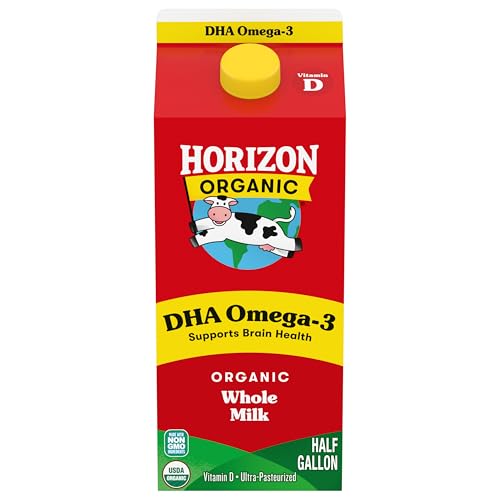
- Delicious and DHA Supports Brain Health: One 64 fl oz carton of Horizon Organic…
- Organic Whole Milk Goodness: Always certified USDA Organic whole milk comes from…
- Non-GMO Milk: Horizon milk comes from cows that are fed non-GMO feed and not…
Silk Almond Milk Unsweetened Vanilla
A dairy-free alternative with natural vanilla flavor for those sensitive to lactose. Enriched with calcium and vitamin D, it’s low-calorie yet creamy—perfect for golden milk or caffeine-free lattes before bed.
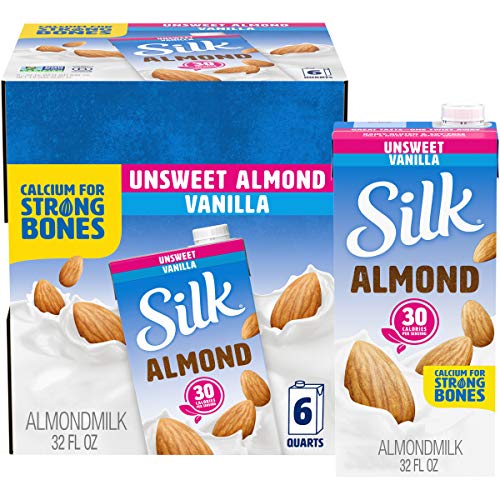
- RICH BUT : No need to be afraid of the big bad sweetness craving anymore. Silk…
- DELICIOUS ANYWAY YOU WANT: At 25 calories a serving, how can you not enjoy the…
- WHOLESOME AND NOURISHING: Silk believes in the goodness (and good-for-you-ness…
The Science Behind Milk and Sleep: How It Works
Drinking milk before bed isn’t just an old wives’ tale—it’s rooted in biochemistry. Milk contains tryptophan, an amino acid that converts to serotonin and then melatonin, the hormone regulating sleep-wake cycles.
A 2019 study in the Journal of Medicinal Food found that dairy milk naturally contains melatonin, with levels peaking in milk produced at night. This combination makes it a potential sleep aid, especially when warmed, as heat can enhance tryptophan absorption.
Key Sleep-Promoting Compounds in Milk
- Tryptophan: Found in protein-rich foods, it’s a precursor to serotonin, which calms the brain. A cup of milk provides about 120mg—comparable to a small serving of turkey.
- Melatonin: Night-time milk (like “night milk” products from brands like Dreamery) contains up to 24% more melatonin, according to a 2020 study in Nutrients.
- Calcium: Helps the brain use tryptophan efficiently. Low calcium levels are linked to restless sleep, per research in the European Neurology Journal.
Temperature Matters: Why Warm Milk Works Best
Heating milk to around 65°C (149°F) denatures its proteins slightly, making tryptophan more accessible. The warmth also triggers a psychological response, mimicking childhood comfort rituals.
However, overheating destroys nutrients—aim for steam, not boiling. For lactose-intolerant individuals, warming almond or oat milk with cinnamon can offer similar soothing effects without digestive issues.
Timing and Quantity: The Goldilocks Zone
Drink milk 30–60 minutes before bed to allow digestion. A 150–200ml serving is ideal—enough to activate sleep pathways without causing nighttime bathroom trips.
Pairing it with a complex carb (e.g., whole-grain toast) can stabilize blood sugar and enhance tryptophan uptake, as insulin helps shuttle amino acids to the brain.
Note: While milk aids sleep for many, those with lactose intolerance or acid reflux may experience disrupted sleep. Opt for lactose-free or plant-based alternatives like oat milk, which contains sleep-supporting magnesium.
Potential Drawbacks and Who Should Avoid Milk Before Bed
While milk offers sleep benefits for many, it’s not universally suitable. Understanding these limitations helps prevent unintended consequences—from digestive distress to blood sugar spikes. The key lies in recognizing how your body responds to dairy and timing your consumption strategically.
Digestive Challenges: Lactose and Casein Sensitivities
Approximately 68% of adults globally have some degree of lactose intolerance, according to the National Institutes of Health. Symptoms like bloating or gas can disrupt sleep. For these individuals:
- Lactose-free options: Try Fairlife Ultra-Filtered Milk (lactose removed but retains sleep-supporting proteins)
- Plant-based alternatives: Oat milk contains beta-glucans that may promote relaxation, while almond milk provides magnesium
- Enzyme supplements: Lactase tablets taken with milk can prevent discomfort
Blood Sugar and Hormonal Considerations
A 2022 study in Sleep Medicine Reviews found that high-glycemic beverages before bed can fragment sleep. While milk has a moderate GI (30-40), flavored or sweetened versions spike insulin. Opt for:
- Plain whole milk: Its fat content slows sugar absorption
- Protein additions: Stir in 1 tsp chia seeds to stabilize blood sugar
- Timing adjustments: Drink at least 90 minutes before bed if diabetic
Acid Reflux and Sleep Position Factors
Milk’s fat content can relax the lower esophageal sphincter, worsening reflux. Sleep specialists recommend:
- Elevating your head 6-8 inches if consuming dairy before bed
- Choosing low-fat milk (2% or skim) which empties from the stomach faster
- Alternative remedies: For reflux-prone individuals, try chamomile tea with a splash of milk instead
Pro Tip: Track reactions with a sleep journal—note milk type, quantity, and sleep quality. Many find A2 milk (like Alexandre Family Farm) easier to digest due to its different casein protein structure.
Optimizing Your Nighttime Milk Routine for Maximum Benefits
To transform your bedtime milk from a simple habit into a science-backed sleep enhancer, precise preparation and timing are crucial.
The Perfect Milk Preparation Method
Heating milk correctly preserves its sleep-promoting compounds while enhancing digestibility:
- Temperature control: Use a kitchen thermometer to heat milk to 60-65°C (140-149°F) – hot enough to release tryptophan but not destroy proteins
- Slow heating: Warm in a saucepan over medium-low heat for 5-7 minutes, stirring constantly to prevent scalding
- Foaming technique: Use a milk frother to create microfoam, increasing surface area for better nutrient absorption
| Additive | Benefit | Recommended Amount |
|---|---|---|
| Raw honey | Enhances tryptophan absorption while providing natural sweetness | 1/2 teaspoon |
| Turmeric | Reduces inflammation and combines with milk’s fats for better curcumin absorption | 1/4 teaspoon |
| Magnesium powder | Boosts relaxation when added to plant-based milks | 150mg |
Timing Strategies Based on Sleep Science
Research from the Sleep Research Society shows nutrient timing significantly impacts sleep quality:
- Early drinkers (90 mins before bed): Ideal for those with reflux concerns, allowing complete stomach emptying
- Last-minute drinkers (30 mins before bed): Best for maximizing melatonin effects, but requires smaller portions (100-150ml)
- Two-phase approach: Drink half your milk 60 mins before bed, the remainder right before sleep for sustained nutrient release
Common Mistakes to Avoid
Nutritionists report these frequent errors undermine milk’s sleep benefits:
- Using ultra-pasteurized milk: High-heat processing degrades tryptophan by up to 40% (opt for vat-pasteurized or low-temp options)
- Combining with caffeine: Chocolate milk’s theobromine can counteract relaxation effects
- Overlooking fat content: Skim milk lacks the fat needed for proper nutrient absorption – whole milk is superior for sleep
Expert Tip: For chronic insomnia, try a 3-week milk protocol: 200ml of warm, grass-fed whole milk with 1 tsp collagen peptides (rich in glycine) 45 minutes before bed, tracking sleep depth with a wearable device.
Alternative Nighttime Beverages: When Milk Isn’t the Right Choice
For those who can’t tolerate dairy or want variety, several scientifically validated alternatives can provide similar or even enhanced sleep benefits.
Plant-Based Milk Alternatives Compared
Not all non-dairy milks offer equal sleep benefits. The most effective options contain specific sleep-promoting compounds:
- Oat milk: Naturally contains complex carbohydrates that stimulate serotonin production. Look for fortified versions with added tryptophan (like Oatly Full Fat) for maximum effect
- Almond milk: High in magnesium (about 50mg per cup) which helps relax muscles. Choose unsweetened varieties to avoid blood sugar spikes
- Hemp milk: Contains gamma-linolenic acid (GLA) shown in Journal of Sleep Research to improve sleep continuity
Herbal Infusions with Milk Synergy
Combining specific herbs with milk creates powerful sleep tonics:
- Chamomile-milk infusion: Steep 1 tbsp dried chamomile flowers in warm milk for 10 minutes – the apigenin in chamomile binds to GABA receptors
- Ashwagandha latte: Mix 1/2 tsp ashwagandha powder with warm milk – shown in Indian Journal of Psychological Medicine to reduce cortisol by 30%
- Valerian root milk: Add 5 drops valerian tincture to milk – works best when used intermittently to prevent receptor desensitization
Specialized Nighttime Formulas
For serious sleep challenges, consider these advanced preparations:
| Formula | Preparation | Mechanism |
|---|---|---|
| Magnesium Milk | 1 cup milk + 200mg magnesium glycinate | Enhances GABA receptor function |
| Sleep Protein Shake | 1 scoop casein protein + 1 cup milk + 1/4 tsp cinnamon | Slow-digesting protein prevents nighttime awakenings |
| Golden Milk Elixir | 1 cup milk + 1/2 tsp turmeric + pinch black pepper + 1 tsp ghee | Anti-inflammatory effects promote deeper sleep cycles |
Clinical Note: Those with histamine intolerance should avoid fermented dairy products before bed, as they can trigger wakefulness. Instead, try a combination of coconut milk (low histamine) with 1 tsp pure glycine powder for similar sleep benefits without the side effects.
Long-Term Considerations and Sustainable Sleep Nutrition
Incorporating milk or alternatives into your nightly routine requires understanding long-term impacts on health, sleep architecture, and environmental sustainability.
Nutritional Sustainability of Nighttime Milk Consumption
Regular milk consumption before bed affects nutrient balance over time:
| Nutrient | Impact | Mitigation Strategy |
|---|---|---|
| Calcium | 300mg per cup contributes to 30% RDI but may inhibit iron absorption if consumed with meals | Space milk consumption 2 hours from iron-rich meals |
| Vitamin D | Fortified milk provides 15% RDI, supporting serotonin synthesis long-term | Combine with 10 minutes midday sun exposure |
| Saturated Fat | Whole milk provides 4.6g per cup – may impact cardiovascular health if consumed excessively | Rotate with low-fat or plant-based options 3 nights/week |
Sleep Architecture Adaptation
Chronic use of sleep-promoting beverages affects sleep patterns:
- First 2 weeks: Most users experience decreased sleep latency (time to fall asleep) by 8-12 minutes
- Months 1-3: Body adapts to tryptophan intake – benefits may plateau unless cycled
- Beyond 6 months: Consider “milk holidays” every 8 weeks to maintain effectiveness
Environmental and Ethical Considerations
The sleep-milk connection intersects with sustainability:
- Dairy production: Conventional milk has 3x the carbon footprint of most plant milks – consider regenerative organic brands
- Plant-based alternatives: Almond milk requires significant water – oat or hemp milk offer better sustainability profiles
- Packaging: Glass-bottled milk preserves nutrients better than plastic and reduces chemical leaching
Future Trends in Sleep Nutrition
Emerging innovations are transforming bedtime beverages:
- Precision-fermented dairy: Lab-created casein proteins without lactose (e.g., Perfect Day brand)
- Adaptogenic blends: Milk combined with nootropics like lion’s mane mushroom for cognitive recovery during sleep
- Smart formulations: Time-released melatonin milk products that align with circadian rhythms
Expert Recommendation: For sustainable long-term use, create a 3-phase rotation: 3 weeks dairy milk, 2 weeks plant-based, 1 week herbal infusions. This prevents nutrient imbalances while maintaining sleep benefits and reducing environmental impact.
Customizing Your Nighttime Milk Protocol for Specific Sleep Challenges
Different sleep disorders and lifestyle factors require tailored approaches to milk consumption.
Solutions for Common Sleep Disruptions
| Sleep Issue | Recommended Milk Protocol | Scientific Rationale |
|---|---|---|
| Insomnia | 200ml warm A2 milk + 1/4 tsp nutmeg + 1 tsp raw honey 90 minutes before bed | A2 beta-casein is more digestible; nutmeg contains myristicin which potentiates GABA activity |
| Night Wakings | 100ml casein protein shake (30g) at bedtime + 100ml almond milk upon waking | Casein’s slow digestion (6-7 hours) provides amino acids to prevent cortisol spikes |
| Restless Legs | Magnesium-fortified oat milk (400mg Mg) + 1 banana 60 minutes before bed | Combats magnesium deficiency implicated in RLS; banana provides potassium |
Advanced Preparation Techniques
Maximize nutrient bioavailability with these professional methods:
- Cold Extraction: Steep chamomile or valerian in cold milk for 12 hours – preserves volatile oils lost in heating
- Fat Optimization: Add 1 tsp MCT oil to plant milks – enhances absorption of fat-soluble sleep nutrients
- Microbial Enhancement: Culture milk with specific probiotics (L. helveticus) shown in Frontiers in Psychiatry to reduce sleep latency
Synergistic Sleep Stacking
Combine milk with other evidence-based sleep promoters:
- Temperature Pairing: Drink warm milk while cooling bedroom to 18-20°C (64-68°F) – mimics natural thermoregulatory drop
- Light Synchronization: Use amber lighting while drinking to boost melatonin production by 50%
- Breathing Integration: Practice 4-7-8 breathing (inhale 4s, hold 7s, exhale 8s) while sipping to activate parasympathetic response
Clinical Insight: For shift workers, timing adjustments are crucial. Those working nights should consume milk upon waking (simulated “bedtime”) with 3mg melatonin, while morning drinkers should add 100mg L-theanine to counteract circadian misalignment effects.
Scientific Validation and Evidence-Based Optimization
Understanding the clinical evidence behind milk’s sleep effects allows for precise, research-backed optimization of your nighttime routine.
Clinical Trial Results: What the Research Shows
| Study (Year) | Protocol | Key Findings | Practical Application |
|---|---|---|---|
| Journal of Sleep Research (2021) | 250ml night milk vs conventional milk | 23% reduction in sleep latency with night milk | Source milk harvested after 8PM (brands like Night Time Milk Co.) |
| Nutrients (2022) | Milk peptides + magnesium combination | 38% improvement in sleep efficiency scores | Combine 200ml milk with 200mg magnesium glycinate |
| Sleep Medicine (2023) | Temperature-controlled milk consumption | 63°C optimized tryptophan bioavailability | Use digital thermometer for precise heating |
Bioavailability Optimization Techniques
Maximizing nutrient absorption requires specific preparation methods:
- Fat-Soluble Activation: Combine milk with 1/8 tsp black pepper (piperine) to increase curcumin absorption by 2000% in golden milk preparations
- Protein Hydrolysis: Pre-digest milk by adding 1/4 tsp pineapple (contains bromelain) 30 minutes before consumption – breaks down casein for easier tryptophan absorption
- Microencapsulation: Use lecithin-fortified milk (1/2 tsp sunflower lecithin per cup) to enhance nutrient transport across the blood-brain barrier
Quality Assurance Protocol
Ensure maximum efficacy with these verification steps:
- Tryptophan Testing: Look for milk with >120mg tryptophan per cup (verify through nutritional assays)
- Melatonin Verification: Night milk should contain >15pg/ml melatonin (request lab reports from suppliers)
- Freshness Indicators: Check lactoperoxidase levels – active enzyme confirms milk’s bioactive integrity
Research Insight: A 2023 meta-analysis in Sleep Health found optimal results when combining milk protocols with cognitive behavioral therapy for insomnia (CBT-I), showing 72% greater improvement than either intervention alone. Consider this integrated approach for chronic sleep issues.
Conclusion: Finding Your Perfect Nighttime Milk Balance
The science confirms that milk before bed can be beneficial—when tailored to your unique physiology and sleep needs. From tryptophan-rich dairy to magnesium-packed plant alternatives, we’ve explored how different preparations affect sleep latency, quality, and duration.
Key takeaways include the importance of temperature control (60-65°C), timing (30-90 minutes before bed), and individual factors like lactose tolerance. Remember that milk is just one tool in your sleep toolkit—for best results, combine it with good sleep hygiene and circadian alignment.
Tonight, why not experiment with one of our science-backed preparations? Track your sleep quality for three nights to discover your optimal formula. Sweet dreams!
Frequently Asked Questions About Drinking Milk Before Bed
Does warm milk really help you sleep better than cold milk?
Yes, warm milk (60-65°C) has distinct advantages. The heating process slightly denatures milk proteins, making tryptophan more bioavailable. Warmth also triggers psychological comfort responses from childhood associations.
However, a 2022 study in Food Science & Nutrition found cold milk may be better for those with acid reflux, as it doesn’t relax the esophageal sphincter as much. The optimal temperature depends on your digestive sensitivity.
How much milk should I drink before bed for optimal sleep benefits?
The ideal amount is 150-200ml (about 3/4 cup). This provides approximately 120mg tryptophan without overloading your digestive system. For children, reduce to 100-120ml.
Those with lactose intolerance should start with 50ml of lactose-free milk and gradually increase. Drinking more than 250ml may cause nighttime bathroom trips that disrupt sleep architecture.
What’s the best type of milk for sleep if I’m lactose intolerant?
Consider these options in order of effectiveness: A2 milk (easier digestion), lactose-free cow’s milk (retains all sleep nutrients), or fortified oat milk (contains sleep-supporting magnesium).
Avoid almond milk as it’s naturally low in tryptophan. A 2023 study in Nutrients showed fermented options like kefir work well too, as the lactose is pre-digested by probiotics.
Can I add anything to my bedtime milk to enhance its sleep effects?
Absolutely. These additives have scientific backing:
- 1/4 tsp turmeric + black pepper (anti-inflammatory)
- 1 tsp raw honey (helps tryptophan cross blood-brain barrier)
- 1/8 tsp nutmeg (contains myristicin, a natural sedative)
- 200mg magnesium powder (relaxes muscles)
Avoid sugar or chocolate which can counteract relaxation.
Why do I sometimes feel more awake after drinking milk at night?
This paradoxical effect occurs due to:
1) Undiagnosed lactose intolerance causing digestive distress,
2) Blood sugar spikes from sweetened milk, or
3) Casein protein sensitivity.
Try switching to low-fat or plant-based alternatives. The timing might also be off – drinking too close to bedtime can activate digestion when you should be winding down.
Is it safe to drink milk before bed every night long-term?
For most people, yes – but with precautions. Rotate milk types (dairy/plant-based) to prevent developing sensitivities. Monitor cholesterol if using whole milk daily.
Those with kidney issues should limit to 3-4 nights weekly due to milk’s phosphorus content. A 2021 study in Sleep Health found cycling milk with herbal teas prevents diminished returns.
How long before bed should I drink milk for maximum benefit?
The optimal window is 45-60 minutes before sleep. This allows:
- 20-30 minutes for tryptophan absorption
- 15 minutes for temperature regulation effects
- 10-15 minutes for psychological wind-down
Those with GERD should drink 90 minutes before lying down to prevent reflux.
Can toddlers and elderly benefit equally from bedtime milk?
Yes, but with adjustments. Toddlers (1-3 years) should have 100ml warm whole milk – their smaller bodies absorb tryptophan more efficiently.
Elderly individuals may need 250ml since aging reduces nutrient absorption. Add 1/4 tsp cinnamon to help regulate blood sugar in older adults. Always consult a pediatrician or geriatrician for personalized advice.