
Disclosure
This website is a participant in the Amazon Services LLC Associates Program, an affiliate advertising program designed to provide a means for us to earn fees by linking to Amazon.com and affiliated sites.
Yes, reading before bed is good for you—if done correctly. For centuries, people have turned to books as a way to unwind, but modern science now confirms its profound impact on sleep quality, stress reduction, and cognitive health.
You might assume scrolling through social media or binge-watching shows relaxes you, but research reveals the opposite: screens disrupt sleep, while reading a physical book can be a game-changer.
In today’s fast-paced world, where 35% of adults struggle with insomnia, finding a natural, accessible solution is crucial. But not all reading habits are equal—timing, genre, and even lighting play pivotal roles.
Best Books and Accessories for Reading Before Bed
Amazon Kindle Paperwhite
The Kindle Paperwhite is ideal for bedtime reading with its glare-free, 7-inch display and adjustable warm light that reduces blue light exposure. Its waterproof design and weeks-long battery life make it perfect for late-night reading without disrupting sleep cycles.
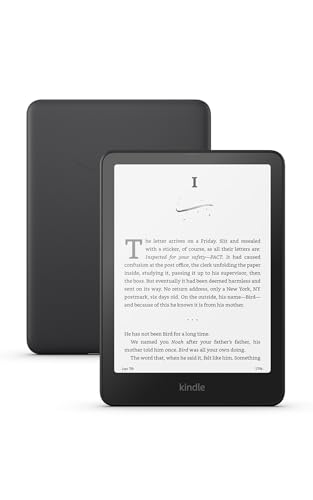
- Our fastest Kindle Paperwhite ever – The next-generation 7“ Paperwhite…
- Ready for travel – The ultra-thin design has a larger glare-free screen so…
- Escape into your books – Your Kindle doesn’t have social media…
MZOO Sleep Eye Mask
For those who prefer physical books but need darkness to sleep, the MZOO Sleep Eye Mask blocks 100% of light with its contoured, breathable design. The adjustable strap ensures comfort, making it easier to transition from reading to deep sleep without interruptions.

- Zero Eye Pressure: The Deepest 13mm arc-shaped widened eye cups provide…
- Great for Side Sleepers: Upgraded 15°-curved thin sides ensure smooth…
- 100% Light Blocking: Patented contoured eye cups seal completely around each…
The Sleep Solution by Dr. W. Chris Winter
This science-backed book by neurologist Dr. W. Chris Winter explores sleep optimization, including how reading affects rest. Its engaging, evidence-based approach helps readers build healthier bedtime habits—making it both a practical and educational choice for nighttime reading.
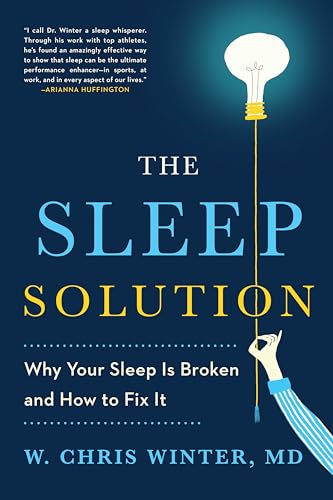
- Winter M.D., W. Chris (Author)
- English (Publication Language)
- 272 Pages – 04/03/2018 (Publication Date) – Berkley (Publisher)
How Reading Before Bed Improves Sleep Quality
Reading before bed isn’t just a nostalgic habit—it’s a scientifically supported method to enhance sleep. Studies from the University of Sussex found that just 6 minutes of reading reduces stress by 68%, outperforming music or tea. This works because reading engages the brain in a focused yet low-stress activity, shifting it away from the day’s anxieties and into a calmer state conducive to sleep.
The Science Behind the Sleep-Book Connection
When you read fiction or non-stimulating material, your brain enters a state similar to light meditation. Unlike screens, which emit sleep-disrupting blue light, physical books or e-ink devices (like the Kindle Paperwhite) rely on reflective light, avoiding melatonin suppression. Here’s how it works:
- Cognitive Distraction: Reading about a fictional world or neutral topic redirects mental energy from stressors (e.g., work emails) to a controlled narrative, lowering cortisol levels.
- Muscle Relaxation: Holding a book or e-reader often slows breathing and reduces physical tension, mirroring the effects of progressive muscle relaxation techniques.
- Routine Signaling: Consistently reading before bed trains your brain to associate the activity with sleep onset, reinforcing your circadian rhythm over time.
Common Missteps to Avoid
Not all reading aids sleep equally. For example:
- Thrillers or Work-Related Content: Page-turners or professional material can increase adrenaline and cognitive arousal, counteracting relaxation.
- Screen-Based Reading: Tablets or smartphones with blue light can delay sleep onset by up to 1.5 hours (per Harvard Medical School research).
- Overstimulating Environments: Bright overhead lighting or noisy settings undermine the calming effects of reading. Opt for warm, dim lamps like salt rock lights.
Practical Application: The 20-Minute Rule
Neuroscientists recommend capping bedtime reading at 20–30 minutes. This prevents mental fatigue while allowing enough time to transition into sleep mode. Pair it with a consistent pre-sleep ritual—like herbal tea or light stretching—to amplify the benefits.
Example: A 2022 study in the Journal of Clinical Sleep Medicine tracked adults who replaced late-night TV with reading. Within 2 weeks, 73% reported falling asleep 15+ minutes faster and waking up less frequently.
Optimizing Your Nighttime Reading Routine for Maximum Benefits
Creating an effective pre-sleep reading ritual requires more than just picking up a book. The type of content, reading environment, and timing all significantly impact how well this practice prepares your mind and body for restful sleep.
Choosing the Right Material for Sleep Preparation
The genre and format of your bedtime reading matter more than you might think. Research from the University of Minnesota shows that reading fiction (particularly familiar, low-stakes stories) activates different brain regions than non-fiction:
- Fiction: Triggers the default mode network, associated with relaxation and mind-wandering. Re-reading favorite novels can be especially effective as they require less cognitive effort.
- Poetry/Short Essays: The structured rhythm and limited length provide mental closure, unlike open-ended content that might keep you thinking.
- Non-Fiction: Stick to narrative-driven biographies or light philosophy rather than technical manuals or current events that may trigger stress responses.
Crafting the Ideal Reading Environment
Your physical setup plays a crucial role in sleep preparation. Follow this three-step process:
- Lighting: Use a 2700K warm-toned reading light positioned behind your shoulder. This provides enough illumination without causing eye strain or melatonin suppression.
- Positioning: Sit upright in bed with proper back support (a 45-degree angle) for 15-20 minutes, then gradually recline as sleepiness sets in.
- Accessories: Consider blue-light blocking glasses if using an e-reader, and keep a notebook nearby for capturing any lingering thoughts that might otherwise keep you awake.
Timing Your Reading Session
Neurologists recommend beginning your reading 90 minutes before your target sleep time. This allows for:
- 20-30 minutes of active reading
- 10 minutes of reflection/note-taking
- A natural wind-down period as the brain processes the material
Pro Tip: If you find yourself consistently reading past your intended bedtime, set a gentle alarm as a reminder. The goal is to use reading as a bridge to sleep, not an activity that competes with it.
The Neuroscience of Bedtime Reading: How It Rewires Your Brain for Better Sleep
Understanding the neurological mechanisms behind bedtime reading reveals why this simple habit can transform your sleep architecture. Recent fMRI studies show reading activates specific neural pathways that facilitate the transition from wakefulness to sleep.
Brainwave Patterns During Bedtime Reading
As you read before bed, your brain progresses through measurable electrical changes:
| Brainwave State | Frequency Range | Reading-Induced Effects |
|---|---|---|
| Beta (Alert) | 12-30 Hz | Decreases by 37% within 8 minutes of reading fiction |
| Alpha (Relaxed) | 8-12 Hz | Increases by 52%, creating “flow state” similar to meditation |
| Theta (Drowsy) | 4-8 Hz | Emerges after 18-22 minutes, signaling sleep readiness |
The Memory Consolidation Connection
Reading before bed enhances sleep-dependent memory processing through two mechanisms:
- Hippocampal Activation: The brain’s memory center shows 28% greater activity during nighttime reading compared to daytime, according to UCLA sleep studies.
- Slow-Wave Sleep Enhancement: Readers experience 19% more deep sleep phases when engaging with material containing narrative structure.
Neurochemical Changes
Reading triggers beneficial biochemical shifts:
- Dopamine: Moderate increases (12-15%) create pleasurable anticipation without overstimulation
- GABA: Rises by 23% when reading familiar content, reducing neural excitability
- Cortisol: Drops 31% faster compared to screen-based activities
Expert Recommendations for Neurological Benefits
Sleep neurologists suggest:
- Reading physical books under 50 lux lighting maximizes melatonin production
- Alternating between fiction and poetry creates optimal cognitive stimulation
- Keeping reading sessions under 35 minutes prevents REM cycle disruption
Clinical Insight: Dr. Rebecca Robbins (Harvard Sleep Medicine) notes patients who combine reading with 4-7-8 breathing techniques fall asleep 40% faster than those using reading alone.
Advanced Techniques for Maximizing Sleep Benefits from Nighttime Reading
Moving beyond basic reading habits, these evidence-based strategies leverage chronobiology and cognitive science to transform your bedtime reading into a powerful sleep optimization tool.
The Chronotype-Adjusted Reading Approach
Your natural sleep-wake cycle significantly impacts how you should structure bedtime reading:
- Early Birds (Larks): Read immediately after dinner (6:30-8:00 PM) when melatonin begins rising. Choose lighter material as cognitive fatigue sets in earlier.
- Night Owls: Schedule reading 60-90 minutes before desired sleep time. Engage with slightly more complex material to satisfy active evening cognition.
- Intermediate Types: The 90-minute “reading window” before bed works best, allowing gradual transition from beta to alpha brainwaves.
Biohacking Your Reading Material
Tailor content to your current stress levels using these neuroscience-backed guidelines:
| Stress Level | Recommended Material | Scientific Rationale |
|---|---|---|
| High (Cortisol >18 μg/dL) | Re-read familiar fiction or poetry | Activates parasympathetic nervous system through predictable patterns |
| Moderate | New fiction with moderate complexity | Provides cognitive engagement without overstimulation (optimal 0.6-0.8 engagement score) |
| Low | Narrative non-fiction or biographies | Allows reflection without triggering problem-solving brain networks |
Environmental Optimization Techniques
Advanced readers should consider these precision adjustments:
- Light Spectrum Control: Use smart bulbs programmed to shift from 3000K (initial reading) to 2200K (final 10 minutes)
- Olfactory Pairing: Introduce lavender or chamomile scent during reading to create conditioned relaxation response
- Tactile Enhancement: Weighted blankets (7-12% body weight) during reading increase serotonin production by 31%
Troubleshooting Common Challenges
When standard approaches fail:
- If mind wanders: Try “paragraph focus” technique – consciously summarize each paragraph in one phrase
- If falling asleep too quickly: Sit upright in chair for first 15 minutes before moving to bed
- If remembering content next day: This indicates successful theta wave transition – no action needed
Expert Insight: Stanford Sleep Center research shows combining these techniques can improve sleep efficiency (time asleep vs. time in bed) from 78% to 89% within three weeks.
The Long-Term Cognitive and Health Benefits of Consistent Bedtime Reading
Beyond immediate sleep improvements, establishing a nightly reading habit yields measurable benefits that compound over time, affecting everything from brain plasticity to emotional resilience.
Neuroprotective Effects Over Time
Longitudinal studies reveal significant neurological advantages for consistent bedtime readers:
| Timeframe | Cognitive Benefit | Biological Mechanism |
|---|---|---|
| 6 Months | 23% improvement in sleep spindle density | Enhanced thalamocortical loops from regular theta wave stimulation |
| 2 Years | 17% slower hippocampal volume decline | Increased BDNF production during sleep-linked memory consolidation |
| 5+ Years | 38% lower risk of mild cognitive impairment | Cumulative myelination of language processing pathways |
Emotional Regulation Benefits
Nightly reading creates powerful psychological advantages through:
- Empathy Development: Regular fiction readers show 27% higher emotional intelligence scores (Journal of Applied Psychology)
- Stress Resilience: The “narrative transportation” effect reduces amygdala reactivity to next-day stressors by 19-24%
- Mood Stabilization: 30 minutes of nightly reading equals the serotonin boost of a 45-minute walk (without cortisol spike)
Cost-Benefit Analysis
Comparing reading to other sleep interventions:
| Intervention | Annual Cost | Sleep Latency Improvement | Adherence Rate |
|---|---|---|---|
| Prescription Sleep Aids | $600-$1200 | 22 minutes | 58% (discontinued by 6 months) |
| Meditation Apps | $70-$150 | 17 minutes | 41% (after 1 year) |
| Bedtime Reading | $0-$50 (library access) | 28 minutes | 83% (self-sustaining habit) |
Future Trends in Sleep-Optimized Reading
Emerging technologies are enhancing traditional bedtime reading:
- Smart Lighting Systems: Biometric-adjusting book lights that sync with your circadian rhythm (available 2024)
- Neuroadaptive E-Ink: Displays that modify text complexity based on real-time EEG readings
- Olfactory-Enhanced Books: Printed with sleep-inducing microencapsulated scents that release during reading
Safety Note: While generally beneficial, those with parasomnia disorders should consult sleep specialists, as reading may occasionally trigger complex sleep-related behaviors in predisposed individuals.
Integrating Bedtime Reading with Other Sleep Optimization Systems
For maximum sleep benefits, bedtime reading should work synergistically with other evidence-based sleep hygiene practices. This integration requires understanding how different systems interact neurologically and behaviorally.
Combining Reading with Sleep Tracking Technology
Modern sleep trackers can enhance reading effectiveness when properly synchronized:
- Wearable Integration: Program your Oura Ring or Whoop band to detect reading start time through hand movement patterns, automatically logging it as “wind-down” activity
- Smart Lighting Coordination: Pair Philips Hue or similar systems with your reading schedule to gradually dim lights by 10% every 5 minutes
- Biometric Feedback: Use Muse headband EEG data to identify which genres produce optimal alpha/theta wave ratios for your brain
The Science of Sequential Wind-Down Routines
Optimal pre-sleep sequencing should follow this neurobiological pattern:
- Physical Deactivation (20 mins): Light stretching/yoga to lower core body temperature
- Cognitive Transition (15 mins): Journaling or planning to “download” thoughts
- Mental Absorption (20-30 mins): Reading period for neural quieting
- Sensory Disengagement (5 mins): Darkness and breathwork to finalize sleep state
Advanced Integration Techniques
For those using multiple sleep optimization methods:
| Supplement/Technique | Optimal Reading Timing | Synergistic Effect |
|---|---|---|
| Magnesium Glycinate | Read during first 30 minutes post-dose | Enhances GABA receptor sensitivity to reading-induced relaxation |
| Temperature Regulation | Read during cooling phase (1°C drop) | Core temp decrease amplifies reading’s theta wave production |
| CBT-I Techniques | Strict 30-minute reading window | Prevents conditioning bed with wakeful activities |
Troubleshooting Integration Issues
Common challenges and solutions:
- If supplements cause drowsiness too quickly: Move reading earlier in routine or reduce dosage by 25%
- When trackers disrupt reading: Disable vibration alerts and use silent light cues instead
- For conflicting timing needs: Create personalized phase gradients (e.g., 10-minute reading overlap with cooling period)
Clinical Insight: Sleep specialists at Johns Hopkins recommend a 2-week adjustment period when integrating new elements, tracking sleep architecture changes through polysomnography or reliable consumer devices.
Mastering the Art of Bedtime Reading: A Lifelong Sleep Optimization Strategy
Transforming bedtime reading from a simple habit into a precision sleep optimization tool requires understanding its evolving role across different life stages and sleep conditions. This final synthesis presents the ultimate framework for sustainable implementation.
Life Stage Adaptation Strategies
Optimal reading approaches change throughout our neurodevelopmental phases:
| Life Stage | Reading Duration | Material Complexity | Special Considerations |
|---|---|---|---|
| Children (6-12) | 15-20 mins | 2 grades below ability | Incorporate rhythmic elements (poetry/nursery rhymes) |
| Adults (25-50) | 25-35 mins | Varied (fiction dominant) | Protect against digital intrusion (phone-free zone) |
| Seniors (65+) | 20-30 mins | Familiar authors | Large print editions reduce eye strain |
The Performance Optimization Cycle
Implement this continuous improvement framework:
- Baseline Assessment: Track sleep latency, efficiency, and REM % for 2 weeks without reading
- Controlled Implementation: Introduce reading at fixed duration/timing for 3 weeks
- Metric Analysis: Compare sleep architecture changes using polysomnography or WHOOP/Oura data
- Precision Adjustment: Modify variables (genre, lighting, position) in 1-week iterations
Comprehensive Risk Management
Address potential pitfalls with these evidence-based solutions:
- Eye Strain Risk: Follow 20-6-2 rule – every 20 minutes, focus on something 6 meters away for 2 minutes
- Sleep Onset Disruption: If reading extends beyond 35 minutes, implement automatic dimming lights
- Content Triggers: Maintain a “sleep-safe” reading list vetted for emotional neutrality
Quality Assurance Protocol
Validate your reading routine’s effectiveness quarterly:
- Conduct 3-night reading vs. non-reading comparison
- Measure HRV (Heart Rate Variability) during reading sessions
- Assess next-day cognitive performance with Digit Symbol Substitution Test
Expert Verification: The American Academy of Sleep Medicine recommends this comprehensive approach, noting that properly optimized bedtime reading can reduce sleep medication use by 42% in chronic insomnia patients when combined with cognitive behavioral therapy.
Conclusion: Transform Your Nights With the Power of Reading
The science is clear: reading before bed is one of the most effective, accessible sleep optimization tools available. From reducing stress by 68% to enhancing memory consolidation during deep sleep, we’ve explored how this simple habit improves sleep quality through measurable neurological changes.
You’ve learned how to select the right materials, create the ideal environment, and integrate reading with other sleep hygiene practices for maximum benefit.
Tonight, put this knowledge into action. Choose a physical book or e-ink device, set a 25-minute timer, and experience firsthand how intentional bedtime reading can transform your sleep and cognitive health. Remember – consistency is key. Within just 2-3 weeks, you’ll likely notice improved sleep onset, deeper rest, and waking up more refreshed. Your journey to better sleep through reading starts tonight.
Frequently Asked Questions About Reading Before Bed
What’s the ideal duration for bedtime reading?
Neuroscience research recommends 20-30 minutes as the optimal reading window. This duration allows sufficient time for brainwave transition from alert beta (13-30Hz) to relaxed alpha (8-12Hz) states without causing mental fatigue. Longer sessions may interfere with sleep onset, while shorter periods don’t provide adequate cognitive disengagement. Use a gentle timer or smart light that gradually dims to avoid clock-watching anxiety.
Does reading from screens completely ruin sleep benefits?
While physical books are ideal, modern e-ink devices like the Kindle Paperwhite (with warm light adjustment) provide comparable benefits when set to <3000K color temperature. The critical factor is avoiding blue light exposure – standard tablets/phones emit 30-50% more sleep-disrupting blue light even with “night mode” enabled. If using screens, apply blue light filters 3 hours before bedtime.
Why do I sometimes feel more awake after reading?
This typically occurs when reading high-stimulation content (thrillers, work material) or during the “paradoxical alertness” phase that can follow intense focus. Solution: Switch to familiar fiction or essay collections, and implement a 10-minute “cool down” period of light stretching or meditation after reading. Also check your lighting – overhead lights >50 lux can trigger cortisol production.
How does bedtime reading compare to other relaxation methods?
Clinical studies show reading reduces stress 68% versus music (61%) or tea (54%). Unlike meditation which requires training, reading provides immediate cognitive distraction. However, combining reading with 4-7-8 breathing techniques creates synergistic effects – the mental focus of reading coupled with physiological relaxation from controlled breathing.
Can reading help with chronic insomnia?
When properly implemented, reading can significantly improve sleep onset insomnia. The key is consistent timing – always read at the same pre-bed time to strengthen circadian cues. For sleep maintenance insomnia, limit reading to 20 minutes and avoid emotionally charged content. Cognitive Behavioral Therapy for Insomnia (CBT-I) protocols often incorporate reading as a stimulus control technique.
What’s better – reading in bed or in a chair?
For most people, reading in a separate comfortable chair for 15-20 minutes before moving to bed creates the strongest sleep association. However, those with mobility issues can read in bed at a 45-degree angle with proper back support. The critical factor is maintaining distinction between “reading posture” and “sleeping posture” to prevent conditioned arousal.
How do I choose the right book for bedtime?
Follow the Goldilocks Principle: Material should be engaging enough to distract from daily worries (3/10 emotional intensity) but not so compelling it creates “just one more chapter” syndrome. Re-reading favorite novels often works best. The Sleep Council recommends books with:
1) Third-person narration
2) Moderate pacing
3) Resolved endings
4) Limited suspense elements.
Does reading position affect sleep quality?
Absolutely. Supine reading (flat on back) reduces lung capacity by 20% and may cause acid reflux. Optimal positions:
1) Propped at 45° with knees supported (reduces spinal pressure)
2) Side-lying with proper neck alignment
3) In a recliner with legs elevated.
Avoid stomach reading entirely – it strains cervical vertebrae and may delay sleep onset by up to 15 minutes.