
Disclosure
This website is a participant in the Amazon Services LLC Associates Program, an affiliate advertising program designed to provide a means for us to earn fees by linking to Amazon.com and affiliated sites.
No, memory foam isn’t inherently toxic—but some products emit chemicals that may affect air quality. If you’ve ever unboxed a memory foam mattress and noticed a strange odor, you’re not alone. Many people worry about “off-gassing” and potential health risks, especially with rising demand for non-toxic sleep products.
While memory foam’s durability and pressure relief make it popular, myths about its safety persist. But here’s the reality: Toxicity depends on manufacturing processes, materials, and certifications.
Best Non-Toxic Memory Foam Mattresses for Safer Sleep
Avocado Eco Organic Latex Mattress Topper
Certified by GOLS (organic latex) and GOTS (organic textiles), this hybrid mattress combines natural latex with pocketed coils and a thin layer of CertiPUR-US® memory foam. It minimizes off-gassing with plant-based thistle flame retardants and zero PBDEs, making it ideal for eco-conscious buyers.

- COMFORT – Upgrade or rejuvenate any mattress with luxurious natural latex…
- RELIEVE PRESSURE – Deliver pressure-point relief for aching hips and shoulders…
- CERTIFIED ORGANIC – Enjoy Medium firmness, GOLS-certified organic Dunlop…
Tempur-Pedic TEMPUR-Cloud
Though traditional memory foam, Tempur-Pedic’s TEMPUR-Cloud uses proprietary foam with low VOC emissions (meeting CertiPUR-US® standards). Its dense structure reduces sagging, and the brand’s rigorous testing ensures long-term durability without harsh chemical odors after initial airing.
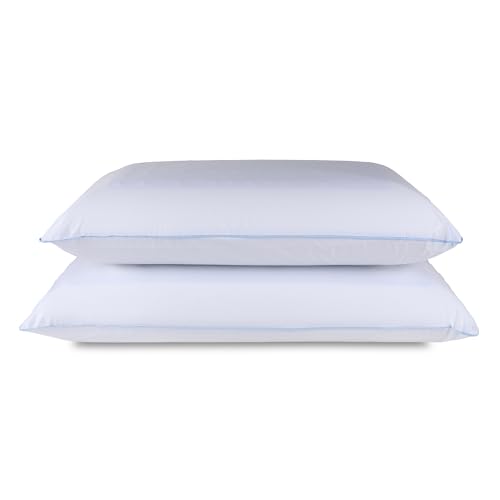
- Helps relieve aches and pains: TEMPUR-Material precisely adapts to your head…
- TEMPUR-Material: A single piece of our one-of-a-kind, infinitely adaptable…
- Cooling Gel Layers: A layer of Tempur-Pedic Cooling Technology is added to both…
ZINUS Green Tea Memory Foam Mattress
Infused with green tea and cooling gel, this mattress features pressure-relieving foam with CertiPUR-US and OEKO-TEX certification, and it avoids fiberglass fire barriers—delivering clean, budget-friendly comfort for health-conscious sleepers

- FOR GREAT SLEEP AND A CLEAN PLANET – Featuring our patented zoned pressure…
- COMFORTABLE SUPPORT – Pressure-relieving memory foam conforms to the shape of…
- ALL NIGHT FRESHNESS – The all-natural green tea and purified charcoal infusions…
What Chemicals Are Found in Memory Foam? Understanding Off-Gassing and VOC Emissions
Memory foam’s potential toxicity largely stems from volatile organic compounds (VOCs)—chemicals that evaporate at room temperature, releasing gases (a process called “off-gassing”). While not all VOCs are harmful, some may trigger headaches, allergies, or respiratory irritation, especially in enclosed spaces like bedrooms. Here’s what’s typically present:
Common Chemicals in Conventional Memory Foam
- Polyurethane: The base material of most memory foam, derived from petroleum. While non-toxic when fully cured, low-quality foam may contain residual isocyanates, which can irritate lungs.
- Formaldehyde: Used as a binding agent in some cheaper foams. Classified as a carcinogen by the WHO, though reputable brands now avoid it.
- Flame retardants (PBDEs): Banned in many countries due to links to hormone disruption. Modern alternatives like fiberglass or hydrated silica are safer but still debated.
How Long Does Off-Gassing Last?
New memory foam typically emits the strongest odors for 24–72 hours, with trace emissions fading over 2–4 weeks. However, factors like foam density, ventilation, and temperature play a role. For example:
- High-density foams (5+ lbs/ft³) may off-gas longer due to more material.
- Heat accelerates VOC release—placing a mattress in a sunny room can intensify smells temporarily.
Certifications to Look For
These third-party labels verify low emissions and safer materials:
- CertiPUR-US®: Ensures foam is free from PBDEs, heavy metals, and formaldehyde, with VOC limits below 0.5 ppm.
- OEKO-TEX® Standard 100: Tests fabrics for over 350 harmful substances, including pesticides and dyes.
- GREENGUARD Gold: The strictest standard, capping VOCs at levels safe for children and immunocompromised individuals.
Key takeaway: Off-gassing doesn’t automatically mean danger—it’s the type and concentration of chemicals that matter. Opting for certified products and airing out your mattress can drastically reduce exposure.
How to Minimize Memory Foam Toxicity: Practical Steps for a Healthier Sleep Environment
Proper Ventilation Strategies
Effective air circulation is the first defense against VOC exposure. Unlike simply opening a window, a strategic cross-ventilation approach yields better results:
- 72-hour rule: Unwrap your mattress immediately and place it in a well-ventilated room with fans circulating air for at least three days before use
- Temperature control: Maintain room temperature below 75°F (24°C) as heat accelerates chemical off-gassing
- Air purifier placement: Use HEPA filters with activated carbon near the mattress, which can capture up to 90% of airborne VOCs
Accelerating the Off-Gassing Process
For those sensitive to smells or with time constraints, these professional-grade methods can help:
- Baking soda treatment: Lightly sprinkle food-grade baking soda over the mattress surface, leave for 8 hours, then vacuum thoroughly – the alkaline powder neutralizes acidic VOCs
- Sunlight exposure: 2-3 hours of direct sunlight (flipping halfway) helps break down chemical bonds faster, but limit to avoid material degradation
- Enzyme sprays: Specialty products like EC3 Mold Solution contain natural enzymes that break down VOC molecules at the molecular level
Long-Term Maintenance for Reduced Exposure
Even after initial off-gassing, these practices maintain air quality:
- Mattress encasements: Organic cotton or bamboo covers with GOTS certification create a breathable barrier against residual emissions
- Seasonal air-outs: Every 3-6 months, remove bedding and allow the mattress to breathe for 24 hours
- Humidity control: Keep bedroom humidity between 30-50% using a dehumidifier to prevent chemical re-emission
Pro tip: People with chemical sensitivities should consider pre-off-gassing services offered by some retailers, where mattresses are unwrapped and aired in warehouse conditions before delivery. While adding 1-2 weeks to delivery time, this can eliminate up to 80% of initial emissions.
Memory Foam Alternatives: Comparing Safety and Performance
Natural Material Options and Their Benefits
For those seeking completely non-toxic sleep surfaces, several plant-based alternatives offer comparable pressure relief without chemical concerns:
| Material | Density (lbs/ft³) | Off-Gassing Potential | Pressure Relief | Average Lifespan |
|---|---|---|---|---|
| Organic Latex (Dunlop) | 4.5-5.5 | None (when certified) | Excellent | 10-15 years |
| Shredded Natural Rubber | 3.0-4.0 | Minimal | Good (adjustable) | 7-10 years |
| Buckwheat Hull | 2.5-3.5 | None | Firm Support | 5-7 years |
Hybrid Solutions for Compromise Seekers
Many manufacturers now combine minimal memory foam with natural materials to balance safety and performance:
- Latex-over-foam cores: 2-3″ of natural latex atop a thin (1″) CertiPUR-US® memory foam base reduces VOC exposure by 60-70% while maintaining contouring benefits
- Wool-infused designs: Brands like Naturepedic use organic wool as both a flame barrier and natural VOC absorber between foam layers
- Plant-based foams: Materials like soy-based polyols replace up to 30% of petroleum content, though complete “bio-foams” remain rare due to durability challenges
Special Considerations for Sensitive Groups
Children, pregnant women, and chemically sensitive individuals should prioritize:
- GOTS-certified organic textiles for all mattress covers and bedding
- 100% natural rubber cores with no synthetic additives
- Wool or cotton flame barriers instead of fiberglass or chemical treatments
- Independent lab testing for heavy metals and phthalates beyond standard certifications
Expert insight: The Asthma and Allergy Foundation of America recommends at least 6″ of air space between mattress and floor for proper ventilation, regardless of material choice. This simple adjustment can reduce airborne particle concentration by up to 40%.
Decoding Memory Foam Certifications: What They Really Mean for Your Health
Understanding Certification Testing Protocols
Third-party certifications vary significantly in their testing rigor and scope. The most reliable programs employ:
- Chamber testing: Materials are sealed in environmental chambers at specific temperatures/humidity levels while measuring VOC emissions (typically over 14 days)
- Content analysis: X-ray fluorescence (XRF) spectroscopy detects heavy metals down to parts-per-million levels
- Long-term stability tests: Accelerated aging simulations verify chemical stability over 10+ years of use
Certification Comparison Guide
Not all eco-labels offer equal protection. Here’s how top certifications differ:
| Certification | VOC Limit (µg/m³) | Tested Substances | Retesting Frequency |
|---|---|---|---|
| CertiPUR-US® | ≤ 500 | 50+ chemicals | Annual |
| GREENGUARD Gold | ≤ 220 | 360+ chemicals | Quarterly |
| OEKO-TEX® Standard 100 | Varies by substance | 1,000+ substances | Biannual |
Red Flags in Greenwashing Claims
Watch for these misleading marketing tactics:
- “Made with organic materials” – May indicate as little as 1% organic content
- “Nontoxic” without certification – No legal definition exists for this term
- Proprietary “eco-friendly” formulas – Lack independent verification
- Vague “phthalate-free” claims – Should specify all 7 restricted phthalates
Verifying Authentic Certifications
Follow this verification protocol before purchasing:
- Check the certifier’s website for current licensee lists
- Request the specific test report for your product batch
- Verify the testing lab is ISO 17025 accredited
- Confirm the certification covers all mattress components
Industry insight: The most comprehensive protection comes from products with dual certifications (e.g., GREENGUARD Gold + OEKO-TEX®), as they cover both emissions and material content. However, only 12% of memory foam products on the market currently meet this standard.
The Lifecycle of Memory Foam: From Manufacturing to Disposal
Production Process and Chemical Exposure Risks
Understanding memory foam manufacturing reveals key toxicity control points:
- Polyol blending stage: Where 80% of VOC emissions occur during production – quality manufacturers use closed-loop systems to capture these emissions
- Curing period: High-grade foams cure for 72+ hours (vs 24 hours for budget options), allowing more complete chemical reactions
- Post-production off-gassing: Responsible factories warehouse products for 2-4 weeks before packaging to reduce consumer exposure
Long-Term Performance and Degradation
Memory foam breaks down differently based on quality and environment:
| Foam Density | Average Lifespan | Degradation Signs | Potential Emissions |
|---|---|---|---|
| 3.0-4.0 lb/ft³ | 5-7 years | Permanent body impressions >1.5″ | Increased dust particles |
| 4.0-5.0 lb/ft³ | 8-10 years | Surface crumbling | Trace formaldehyde |
| 5.0+ lb/ft³ | 12-15 years | Reduced elasticity | Minimal VOCs |
Environmental Impact and Disposal Challenges
Memory foam presents unique recycling obstacles:
- Mechanical recycling: Only 20-30% of foam can be repurposed into carpet padding or insulation
- Chemical recycling: Emerging glycolysis processes can recover 85% of polyols, but require specialized facilities
- Landfill concerns: May take 500+ years to decompose while potentially leaching antimony trioxide into soil
Emerging Sustainable Alternatives
Innovations addressing toxicity and waste include:
- Bio-based memory foams: Using 40-60% renewable content from soy, castor oil, or algae
- Closed-loop manufacturing: Brands like Tempur-Sealy now recover 90% of production waste
- Take-back programs: Select retailers offer mattress recycling with purchase of new certified foam products
Future outlook: The industry is moving toward Cradle-to-Cradle certification, with 3 major manufacturers committing to fully circular production by 2028. Consumers should inquire about recycling options when purchasing, as proper disposal reduces environmental toxicity by 65% compared to landfill dumping.
Memory Foam in Specialized Environments: Hospitals, Nurseries, and Beyond
Medical-Grade Memory Foam Specifications
Hospital-approved memory foam undergoes rigorous testing beyond consumer standards:
- ISO 10993 biocompatibility testing: Evaluates tissue irritation and cytotoxicity over 30-day continuous contact periods
- Antimicrobial infusion: Silver-ion or copper-oxide treatments must demonstrate >99% bacterial reduction per ASTM E2149 standards
- Fluid resistance: Medical foams feature closed-cell structures with 0% absorption rates for bodily fluids (tested per AATCC 42)
Pediatric Safety Considerations
Memory foam for children requires additional precautions:
| Age Group | Recommended Density | Required Certifications | Special Features |
|---|---|---|---|
| 0-2 years | Not recommended | N/A | Firm, breathable surfaces only |
| 2-5 years | 3.5-4.0 lb/ft³ max | GREENGUARD Gold + CPSIA | Hypoallergenic covers |
| 5+ years | 4.0-5.0 lb/ft³ | CertiPUR-US® + OEKO-TEX® | Temperature regulation |
High-Humidity Climate Adaptations
Memory foam performance varies significantly by environment:
- Open-cell structure optimization: Foams with 95-97% open cells (vs standard 85-90%) improve breathability in tropical climates
- Moisture-wicking additives: Bamboo charcoal or phase-change materials help regulate humidity absorption
- Enhanced support cores: Hybrid designs with ventilated latex layers prevent heat retention issues
Commercial Use Case Analysis
Hotels and care facilities require specialized formulations:
- High-traffic durability: 6.0+ lb/ft³ density with 25+ ILD rating for 10+ year commercial use
- Fire safety compliance: Meets California TB 117-2013 without chemical retardants using silica-infused barriers
- Sanitization compatibility: UV-C light and ozone cleaning resistance testing (500+ cycles)
Professional insight: Healthcare facilities should request Material Safety Data Sheets (MSDS) that include USP Class VI testing results, which verify biocompatibility for continuous patient contact. This exceeds standard consumer certifications and ensures safety for immunocompromised individuals.
Advanced Testing and Quality Assurance for Memory Foam Safety
Independent Laboratory Testing Protocols
Reputable manufacturers employ rigorous third-party testing that goes beyond basic certifications:
- Accelerated aging tests: Simulates 10 years of use through 2,000+ compression cycles (ASTM D3574) while monitoring VOC emissions
- Micro-chamber analysis: Uses 40L chambers (ISO 16000-9) to detect formaldehyde at concentrations as low as 0.001 ppm
- Migration testing: Evaluates chemical transfer to skin using synthetic sweat solutions (EN 1811 standard)
Performance vs. Safety Tradeoffs
Different formulations balance comfort with toxicity risks:
| Additive Type | Performance Benefit | Potential Risk | Safer Alternative |
|---|---|---|---|
| Petroleum-based plasticizers | Enhanced elasticity | Phthalate migration | Plant-based glycerides |
| Chemical flame retardants | Meets fire codes | PBDE accumulation | Silica-infused fibers |
| Synthetic cooling gels | Temperature regulation | Off-gassing compounds | Phase-change fabrics |
Long-Term Monitoring Strategies
For consumers concerned about gradual degradation effects:
- Annual VOC testing: Home air quality monitors with PID sensors (photoionization detectors) can track toluene and benzene levels
- Material integrity checks: Look for yellowing or crumbling edges which may indicate antioxidant depletion
- Professional evaluation: Industrial hygienists can conduct surface wipe tests for heavy metals after 5+ years of use
Industry Validation Processes
Leading manufacturers implement additional quality controls:
- Batch-to-batch consistency: Gas chromatography-mass spectrometry (GC-MS) verification of raw materials
- Post-production audits: Random selection of warehouse stock for re-testing after 6 month storage
- Clinical trials: Some medical-grade foams undergo 90-day human exposure studies
Expert recommendation: When comparing products, request the full test report summary rather than just certification logos. Reputable companies will provide detailed documentation showing actual measurement values rather than just pass/fail results. This transparency indicates higher manufacturing standards.
Conclusion: Making Informed Choices About Memory Foam Safety
While memory foam isn’t inherently toxic, our investigation reveals that product quality and manufacturing standards make all the difference. From understanding VOC emissions and off-gassing timelines to evaluating certifications like CertiPUR-US® and GREENGUARD Gold, you now have the tools to navigate this complex landscape.
Remember that proper ventilation, material selection, and long-term maintenance significantly reduce any potential risks. Whether choosing conventional memory foam or exploring natural alternatives, prioritize products with transparent testing data and reputable certifications.
Your healthiest sleep solution starts with being an informed consumer – don’t hesitate to contact manufacturers directly for detailed safety documentation before making your purchase.
Frequently Asked Questions About Memory Foam Toxicity
What exactly causes the chemical smell in new memory foam?
The distinctive odor comes from volatile organic compounds (VOCs) released during the off-gassing process. These include toluene, benzene, and formaldehyde derivatives used in foam production.
Higher-density foams (5+ lb/ft³) typically emit stronger initial odors due to more material, but the smell usually dissipates within 2-4 weeks with proper ventilation. The odor intensity doesn’t necessarily correlate with danger – some harmless odorants may smell strong while more concerning VOCs can be odorless.
How can I test my memory foam mattress for toxicity?
For DIY testing, use an indoor air quality monitor with VOC detection (look for PID sensor models). Professional testing involves either:
- Surface wipe tests analyzed in EPA-certified labs
- Chamber testing that seals mattress samples for 24+ hours
More affordable options include VOC test strips that change color when exposed to certain chemicals. For comprehensive results, consider hiring an industrial hygienist for detailed analysis.
Are memory foam toppers safer than full mattresses?
Toppers generally pose lower risk because:
- They contain less material (typically 2-4″ vs 10-14″ in mattresses)
- Most sit atop breathable surfaces that improve air circulation
- They’re easier to remove for airing out
However, low-quality toppers may use denser, cheaper foams with higher VOC content. Always check for CertiPUR-US® or OEKO-TEX® certifications regardless of size.
Can memory foam cause long-term health problems?
Current research suggests properly certified memory foam poses minimal risk to most healthy adults. However, sensitive individuals may experience:
- Respiratory irritation from prolonged VOC exposure
- Allergic reactions to flame retardant chemicals
- Neurological symptoms from heavy metal exposure (in rare cases)
The EPA notes these risks decrease significantly after the initial off-gassing period if the product meets safety standards.
How does temperature affect memory foam toxicity?
Heat dramatically increases VOC emissions – for every 18°F (10°C) rise in temperature, off-gassing rates approximately double. This means:
- Memory foam in hot climates may emit chemicals longer
- Electric mattress warmers can reactivate off-gassing
- Direct sunlight exposure should be limited during initial airing
Maintain bedroom temperatures below 75°F (24°C) for optimal safety.
What’s the difference between CertiPUR-US® and GREENGUARD Gold certifications?
While both test for harmful chemicals, they differ significantly:
| CertiPUR-US® | GREENGUARD Gold |
|---|---|
| Tests foam only | Tests complete product |
| 500 µg/m³ VOC limit | 220 µg/m³ VOC limit |
| Annual recertification | Quarterly retesting |
GREENGUARD Gold is stricter and better for sensitive individuals, while CertiPUR-US® is more common for budget options.
Are there any completely non-toxic memory foam options?
True 100% non-toxic memory foam doesn’t exist commercially, but these come closest:
- Plant-based foams (30-50% bio-content) with organic covers
- Medical-grade foams meeting ISO 10993 biocompatibility standards
- Custom-order foams using food-grade polyols (very expensive)
For absolute safety, natural latex or organic cotton mattresses remain better alternatives to conventional memory foam.
How often should I replace my memory foam mattress for health reasons?
Replacement timelines vary by quality:
- 3-5 years for basic 3.0 lb/ft³ density foam
- 7-10 years for 4.0-5.0 lb/ft³ premium foam
- 10+ years for medical-grade 5.0+ lb/ft³ foam
Visible signs like permanent indentations >1.5″, surface cracks, or increased dust indicate breakdown and potential increased chemical release. Always replace immediately if you notice new allergic reactions.