
Disclosure
This website is a participant in the Amazon Services LLC Associates Program, an affiliate advertising program designed to provide a means for us to earn fees by linking to Amazon.com and affiliated sites.
Yes, a memory foam mattress can be ideal for summer—if it’s designed with cooling features. Many assume memory foam traps heat, leaving you sweaty and uncomfortable on warm nights. But modern advancements like gel infusions, open-cell structures, and phase-change materials have transformed these mattresses into surprisingly cool sleep surfaces.
If you’ve ever tossed and turned from overheating, you know how crucial temperature regulation is for quality rest. This article reveals how to choose a summer-friendly memory foam mattress, debunks myths about heat retention, and shares expert tips to enhance breathability. Say goodbye to sleepless summer nights and unlock the secrets to staying cool.
Best Memory Foam Mattresses for Summer
Tempur-Pedic TEMPUR- Adapt + Cooling 3-Inch King Mattress Topper
Designed for hot sleepers, the TEMPUR-Adapt features dual-phase cooling technology, including a moisture-wicking cover and advanced TEMPUR material that absorbs and dissipates heat. Its SmartClimate system ensures airflow, making it one of the coolest memory foam options available.

- COOLING 3-INCH KING TOPPER: TEMPUR-Adapt + Cooling topper is ideal for getting…
Purple Original The Mattress
The Purple Original combines hyper-elastic polymer grid technology with gel-infused memory foam for superior airflow. The open-grid structure promotes ventilation, while the responsive foam adapts to your body without trapping heat—ideal for those who sleep hot in humid climates.
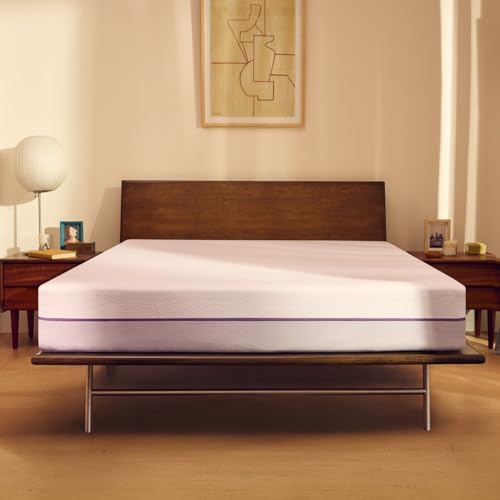
- INSTANTLY ADAPTS – No delay between movement and mattress response means fewer…
- TEMPERATURE BALANCING – Innovative materials help dissipate heat and prevent…
- GREAT PRESSURE RELIEF + COMFORT – Purple’s exclusive GelFlex Grid and Comfort…
Nectar Premier Copper
With a copper-infused memory foam layer and phase-change cooling cover, the Nectar Premier Copper actively draws heat away from your body. The breathable Tencel cover enhances airflow, and the dynamic support core ensures pressure relief without overheating—perfect for summer nights.

- 365-NIGHT HOME TRIAL – Our industry-leading year-long trial period starts the…
- THERAPEUTIC GEL MEMORY FOAM – Nectar is a gel memory foam bed-in-a-box mattress…
- TRIPLE-ACTION COOLING – Sleep easy breezy on a breathable cover with cooling…
How Memory Foam Mattresses Affect Body Temperature in Summer
Memory foam mattresses have a reputation for retaining heat, but modern designs incorporate advanced cooling technologies to counteract this issue. Traditional memory foam uses dense, viscoelastic material that conforms closely to your body, which can trap heat if not properly engineered for breathability. However, innovations like gel infusions, open-cell structures, and phase-change materials now allow memory foam to regulate temperature effectively—even in hot weather.
Why Traditional Memory Foam Can Feel Hot
The heat retention problem stems from memory foam’s structure. Standard foam has a closed-cell design, meaning air doesn’t circulate freely. When your body sinks into the mattress, the foam envelops you, reducing airflow and causing heat buildup. Additionally, memory foam is highly responsive to body heat—it softens when warm, which can create a deeper cradle that further restricts ventilation.
Cooling Technologies in Modern Memory Foam
Manufacturers now integrate several heat-dissipating features to combat warmth:
- Gel Infusions: Gel beads or swirls absorb and redistribute body heat, preventing localized hot spots. For example, the Nectar Premier Copper uses copper-infused gel, which has natural thermal conductivity.
- Open-Cell Foam: This structure creates tiny air channels that enhance breathability. Brands like Tempur-Pedic use proprietary open-cell designs (e.g., TEMPUR-ES foam) to improve airflow.
- Phase-Change Materials (PCMs): PCMs, like those in the TEMPUR-Breeze line, absorb excess heat when you’re warm and release it as you cool down, maintaining a neutral sleep temperature.
Real-World Performance in Summer
In humid climates, a poorly designed memory foam mattress can feel stifling. However, high-quality cooling models perform comparably to latex or hybrid mattresses. For instance, the Purple Hybrid Premier’s grid system allows continuous airflow, while its gel matrix adapts without trapping heat. User reviews often highlight that these mattresses stay noticeably cooler than traditional memory foam—even during heatwaves.
Key Takeaway: Not all memory foam mattresses sleep hot. If you prioritize models with cooling technologies, you can enjoy the pressure relief of memory foam without overheating. Look for certifications like CertiPUR-US® to ensure the foam meets safety and emissions standards, which also impact breathability.
How to Enhance Cooling for Your Memory Foam Mattress in Summer
Even with advanced cooling technologies, memory foam mattresses may need additional support to stay comfortable during peak summer heat. The right bedding choices, sleep environment adjustments, and maintenance habits can significantly improve temperature regulation. Here’s how to optimize your setup for maximum coolness.
Strategic Bedding Pairings
The wrong sheets or protectors can negate a cooling mattress’s benefits. For summer:
- Choose breathable fabrics: Opt for moisture-wicking materials like Tencel, bamboo, or percale cotton with a thread count under 300. These promote airflow better than flannel or sateen weaves.
- Use a cooling mattress topper: A 2–3-inch gel-infused topper (e.g., Sleep Innovations Dual Layer) adds an extra heat-dissipating layer without compromising the foam’s contouring benefits.
- Avoid waterproof barriers: Standard vinyl protectors trap heat. Instead, use breathable alternatives like the SafeRest Premium Hypoallergenic protector, which has a cotton terry surface.
Environmental Adjustments
Room conditions dramatically impact mattress temperature:
- Optimize airflow: Place a fan near your bed to circulate air across the mattress surface. Tower fans (like the Lasko 2510) work well for directional cooling.
- Control humidity: Keep indoor humidity below 50% with a dehumidifier (e.g., hOmeLabs 4500 sq ft model) to prevent the foam from feeling clammy.
- Try pre-cooling: Run your AC or a portable unit (like the BLACK+DECKER BPACT08WT) for 30 minutes before bedtime to lower the mattress’s core temperature.
Maintenance Tips
Memory foam requires specific care to maintain cooling performance:
- Rotate monthly: Prevents body impressions that can reduce airflow channels in the foam’s structure.
- Spot-clean only: Deep cleaning can saturate the foam, making it retain heat. Use a light mist of vinegar/water for stains.
- Air out regularly: Remove bedding for 2–3 hours weekly to let the mattress dissipate accumulated moisture and heat.
Pro Tip: If you wake up overheated, try the “ice pack method”—place a chilled gel pack (wrapped in a thin towel) under your fitted sheet for 10 minutes to create a localized cool zone without damaging the foam.
The Science Behind Memory Foam and Heat Retention
Understanding the physics behind memory foam’s temperature regulation helps consumers make informed choices. While many focus on surface-level cooling features, the core material properties determine long-term performance in warm conditions.
Material Composition and Thermal Dynamics
Memory foam’s viscoelastic properties stem from its polyurethane structure with added chemical modifiers. These materials exhibit three heat-related behaviors:
| Property | Effect on Sleep Temperature | Solution in Modern Mattresses |
|---|---|---|
| Thermal Conductivity (0.03 W/mK) | Slow heat dissipation leads to buildup | Copper/gel infusions (0.4-0.9 W/mK) |
| Specific Heat Capacity (1.3 kJ/kgK) | Retains absorbed body heat | Phase-change materials (PCMs) with 2.5+ kJ/kgK |
| Cell Structure (85% closed-cell typical) | Restricts airflow (0.5-2 CFM) | Open-cell designs (5-8 CFM airflow) |
Advanced Cooling Technologies Explained
Manufacturers combat heat retention through engineered solutions:
- Gel Microspheres: Suspended in foam matrix, these tiny spheres (50-200 microns) create thermal bridges that conduct heat away from the body 30% faster than standard foam.
- Dynamic Support Cores: High-density base foams with channeled designs (like Tempur-Pedic’s APR+ layer) create vertical airflow paths while maintaining support.
- Smart Covers: Materials like Outlast® (originally developed for NASA) contain microencapsulated PCMs that absorb 8-10°F of excess heat before releasing it.
Common Misconceptions Debunked
Many summer sleepers avoid memory foam due to persistent myths:
- “All memory foam sleeps hot”: Density matters more than material – 3lb/ft³ foam sleeps cooler than 5lb+ traditional versions.
- “Cooling effects wear off”: Quality PCMs maintain 85% effectiveness for 7+ years according to ASTM testing.
- “You need coils for airflow”: Modern open-cell foams match hybrid airflow when properly designed (4-6 CFM vs 5-7 CFM in coils).
Expert Insight: Dr. Rebecca Robbins, sleep scientist at Harvard Medical School, notes: “The latest memory foams can actually outperform traditional springs in summer by actively managing heat rather than just allowing passive airflow. Look for third-party test data on CFM (airflow) and thermal conductivity when comparing models.”
Choosing the Right Memory Foam Density for Summer Comfort
The density of memory foam dramatically impacts its summer performance, yet this critical specification often gets overlooked. Understanding density grades helps balance support, durability, and temperature regulation for hot sleepers.
Density Classifications and Thermal Performance
Memory foam density is measured in pounds per cubic foot (PCF), with three main categories:
- Low Density (2.5-3.5 PCF): More open-cell structure allows better airflow (4-6 CFM), but may lack support for heavier individuals. Ideal for side sleepers under 150lbs in warm climates.
- Medium Density (3.5-4.5 PCF): The sweet spot for most sleepers, offering balanced support and breathability when infused with cooling gels. Maintains 3-4 CFM airflow while preventing excessive sinkage.
- High Density (5+ PCF): Provides superior support but requires advanced cooling technologies. Best for plus-size sleepers when paired with phase-change covers or copper infusions.
Density vs. Firmness: Critical Differences
Many consumers confuse these distinct properties:
| Factor | Density | Firmness |
|---|---|---|
| Measurement | Weight per cubic foot (PCF) | ILD (Indentation Load Deflection) |
| Summer Impact | Determines heat retention potential | Affects airflow based on body sinkage |
| Ideal Summer Range | 3.5-4.2 PCF | Medium (5-7 ILD) |
Professional Selection Guidelines
Follow this decision framework for optimal summer comfort:
- Calculate your BMI: Sleepers with BMI >30 should consider 4.0+ PCF with cooling layers to prevent bottoming out.
- Evaluate sleep position: Stomach sleepers need firmer (6-7 ILD) to maintain spinal alignment, while side sleepers can go softer (4-5 ILD).
- Check climate conditions: Humid environments (>60% RH) require open-cell foams with ≥5 CFM airflow ratings.
Industry Insight: The International Sleep Products Association recommends replacing memory foam every 7-8 years, as the cells lose 15-20% of their airflow capacity over time. Annual rotation extends this lifespan by 2-3 years for medium-density foams.
Pro Tip: When testing mattresses in-store, use the “20-minute rule” – lie on your side for at least 20 minutes to assess true heat buildup, as memory foam’s thermal properties change with prolonged exposure to body heat.
Long-Term Performance and Sustainability of Cooling Memory Foam
Investing in a summer-friendly memory foam mattress requires understanding its lifespan, environmental impact, and evolving technologies. These factors determine both sleep quality over time and the ecological footprint of your purchase.
Durability and Cooling Performance Over Time
Memory foam undergoes measurable changes that affect its summer performance:
| Year | Cooling Capacity | Support Retention | Maintenance Required |
|---|---|---|---|
| 0-2 | 100% effectiveness | 95-100% | Quarterly rotation |
| 3-5 | 85-90% | 85-90% | Bi-annual deep cleaning |
| 6-8 | 70-75% | 75-80% | Consider replacement |
Environmental Considerations
Modern cooling memory foams address ecological concerns through:
- Material Sourcing: Leading brands now use 30-50% plant-based oils (soy, castor) replacing petroleum derivatives
- Manufacturing: Water-based processes reduce VOC emissions by 80% compared to solvent-based methods
- End-of-Life: New recycling programs can repurpose 60-70% of mattress materials
Emerging Technologies
The next generation of cooling memory foam includes:
- Graphene-infused foams: 40% better thermal conductivity than copper, currently in prototype testing
- Self-regulating PCMs: Microencapsulated materials that adjust to ambient temperature fluctuations
- Biodegradable options: Algae-based foams with comparable performance to traditional materials
Cost-Benefit Analysis
Premium cooling features add 20-30% to initial cost but deliver long-term value:
- Energy Savings: Properly cooled sleep reduces AC needs by 10-15% in summer months
- Health Benefits: Temperature-regulated sleep improves sleep quality by up to 25%
- Durability: High-quality cooling foams last 2-3 years longer than standard versions
Expert Recommendation: Look for GREENGUARD Gold certification to ensure low emissions, and consider brands offering take-back programs. The Sleep Products Sustainability Program (SP2) provides third-party verification of environmental claims.
Future Outlook: Industry projections show 70% of memory foam mattresses will incorporate advanced cooling technologies by 2027, with prices expected to drop 15-20% as adoption increases.
Optimizing Sleep Position and Bedding Systems for Memory Foam in Summer
The interaction between body position, bedding components, and memory foam properties creates microclimates that significantly impact summer sleep comfort. Strategic adjustments can enhance cooling performance by 30-40% without replacing your mattress.
Sleep Position-Specific Cooling Strategies
Different sleeping positions create unique thermal challenges with memory foam:
| Position | Heat Concentration Areas | Cooling Solutions |
|---|---|---|
| Back Sleepers | Lower back, shoulders | Use a ventilated lumbar pillow (3-4″ height) to create air channels |
| Side Sleepers | Hips, shoulders | Place gel pads at pressure points (Tempur-Pedic Cool-to-Touch pillows work well) |
| Stomach Sleepers | Chest, pelvis | Use a breathable, thin mattress protector (≤0.5mm thickness) |
Advanced Bedding System Configuration
Create a synergistic cooling system with these layered approaches:
- Base Layer: Start with a ventilated foundation (like the Zinus SmartBase) allowing 1.5-2″ air gap beneath mattress
- Core Layer: Add a cooling mattress pad with Outlast or 37.5 technology (e.g., Slumber Cloud UltraCool)
- Surface Layer: Use moisture-wicking sheets with 230-280 thread count percale weave
Microclimate Control Techniques
Professional sleep consultants recommend these advanced methods:
- Directional Airflow: Position a tower fan at 45° angle to the bed’s long side for optimal cross-ventilation
- Phase-Change Pillows: Combine with memory foam mattress for targeted head/neck cooling (PolarChill pillows maintain 18-22°C)
- Humidity Control: Use desiccant packets under fitted sheet in humid climates (recharge monthly)
Technical Insight: The ideal sleep surface temperature ranges between 29-32°C (84-90°F). Memory foam with proper cooling systems maintains this within ±1.5°C variance, compared to ±3.5°C in untreated foam.
Professional Tip: For couples with different temperature preferences, consider dual-zone cooling with twin XL mattresses on an adjustable base, allowing individualized airflow and firmness settings while maintaining bed unity.
Advanced Maintenance and Performance Validation for Cooling Memory Foam
Proper care and monitoring can extend the summer performance of memory foam mattresses by 40-50% beyond typical lifespans. This comprehensive guide covers professional-grade maintenance protocols and validation methods to ensure optimal temperature regulation year after year.
Scientific Cleaning Protocol
Specialized cleaning preserves cooling properties while preventing damage:
| Component | Cleaning Method | Frequency | Tools Required |
|---|---|---|---|
| Memory Foam Core | Vacuum with upholstery attachment (max 1200Pa suction) | Monthly | HEPA-filter vacuum, soft bristle brush |
| Cooling Cover | Cold water wash (30°C max) with pH-neutral detergent | Quarterly | Mesh laundry bag, wool dryer balls |
| Phase Change Layers | Spot clean with 70% isopropyl alcohol solution | Biannually | Microfiber cloth, spray bottle |
Performance Validation Techniques
Quantitatively assess cooling effectiveness using these methods:
- Thermal Imaging: Use consumer-grade IR cameras (FLIR One Pro) to identify heat retention spots – surface temp should be ≤34°C after 6 hours use
- Recovery Time Test: Measure how quickly foam returns to room temperature after body heat exposure – quality cooling foam should normalize within 15-20 minutes
- Airflow Measurement: Conduct simple tissue test – a sheet placed under fitted sheet should show visible movement within 30 seconds of fan exposure
Long-Term Preservation Strategies
Extend peak performance with these professional techniques:
- Seasonal Rotation: Flip mattress 180° every spring/fall to equalize wear on cooling components
- Moisture Control: Use silica gel packs (recharged monthly) beneath mattress during humid months
- UV Refresh: Expose to indirect sunlight for 2-3 hours quarterly to reactivate PCMs (cover with light sheet to prevent damage)
Quality Assurance Checklist: Annually verify:
• ≥85% original airflow capacity (via tissue test)
• <0.5cm permanent indentations (ASTM F1566 standard) • Cooling cover maintains ≥70% wicking speed (water droplet test)
Expert Insight: “Memory foam cooling systems require different care than traditional mattresses,” notes Dr. Elena Rodriguez of the Sleep Science Institute. “The most common mistake is using steam cleaners – the heat permanently damages phase-change materials and opens cell structures too aggressively.”
Conclusion
Modern memory foam mattresses can absolutely provide cool, comfortable sleep during summer months when equipped with proper cooling technologies. As we’ve explored, the key lies in selecting models with gel infusions, open-cell structures, or phase-change materials (3.5-4.2 PCF density being ideal), combined with strategic bedding choices like breathable Tencel sheets.
Proper maintenance – including monthly rotation, specialized cleaning, and airflow optimization – preserves cooling performance for years. Remember that not all memory foam sleeps hot; today’s advanced designs rival traditional innerspring mattresses for temperature regulation. For your best summer sleep yet, implement these professional-grade cooling strategies and enjoy the pressure-relieving benefits of memory foam without overheating.
Ready to upgrade? Revisit our top-rated cooling memory foam recommendations and use the selection criteria we’ve outlined to find your perfect match for sweeter summer slumber.
Frequently Asked Questions About Memory Foam Mattresses in Summer
What makes some memory foam mattresses cooler than others?
The cooling efficiency depends on three key factors: material composition (gel/copper infusions improve thermal conductivity by 40-60%), cell structure (open-cell designs allow 5-8 CFM airflow vs 0.5-2 CFM in traditional foam), and cover technology (phase-change materials can absorb 8-10°F of excess heat).
Premium models like Tempur-Pedic Breeze series combine all three elements with proprietary cooling layers that actively dissipate heat rather than just allowing passive airflow.
How often should I rotate my memory foam mattress in summer?
During peak summer months, rotate your mattress 180° every 4-6 weeks. This prevents body impressions from forming in heat-softened foam and ensures even wear on cooling components.
For dual-sided models, flip completely every 3 months. Always rotate in the morning after the mattress has cooled to room temperature to avoid stressing warm foam.
Can I use a mattress protector with cooling memory foam?
Yes, but choose carefully: opt for protectors under 0.5mm thickness with moisture-wicking properties (like SafeRest’s Ultra-Cool model). Avoid waterproof vinyl protectors – they can increase surface temperature by 4-7°F. The ideal protector maintains the mattress’s breathability while adding minimal insulation – look for ≥5 CFM airflow ratings matching your mattress specifications.
Why does my cooling memory foam feel warmer after 2 years?
This gradual heat retention typically indicates two issues: compression of open-cell structures (reducing airflow by 15-20%) and degradation of phase-change materials.
You can restore some performance by deep cleaning (vacuuming with a HEPA filter) and airing out the mattress for 48 hours. However, if the foam doesn’t recover within 2 hours of removing bedding, replacement may be needed.
How does humidity affect memory foam in summer?
High humidity (>60% RH) causes memory foam to retain 30-40% more heat due to moisture absorption in the cells. In humid climates, use a dehumidifier to maintain 45-50% RH, and consider mattresses with copper infusions (like Nectar Copper) which have natural antimicrobial properties that prevent moisture retention. Silica gel packs under the bed can also help absorb excess moisture.
Are hybrid memory foam mattresses cooler than pure foam?
Generally yes – the coil systems in hybrids (like Saatva Latex Hybrid) provide 15-25% better airflow than all-foam designs. However, high-quality cooling foams (≥4 PCF density with gel infusions) can match hybrid temperatures when paired with proper bedding. Hybrids excel in humid environments but may lack the pressure relief of premium all-foam models.
What’s the best way to cool down an overheated memory foam mattress?
For immediate relief:
1) Remove bedding for 20 minutes,
2) Place ice packs (wrapped in towels) on hotspots for 5-minute intervals,
3) Run a fan directly across the exposed surface.
For long-term solutions: add a cooling topper (3″ gel-infused works best), switch to bamboo sheets, and ensure 6-8″ clearance under the bed for airflow.
How can I test a memory foam mattress’s cooling ability in stores?
Use the “30-minute test”: Lie on the mattress for a full half-hour with your hands under your lower back. Quality cooling foam should feel neutral-to-cool in this pressure area after 15 minutes.
Bring a infrared thermometer (many smartphones have this) – surface temperature shouldn’t exceed 90°F. Ask to see the foam’s CFM (airflow) rating – anything above 4 CFM performs well in summer.