
Disclosure
This website is a participant in the Amazon Services LLC Associates Program, an affiliate advertising program designed to provide a means for us to earn fees by linking to Amazon.com and affiliated sites.
Yes, a green crib mattress can be the best choice for your baby—if safety, sustainability, and non-toxic materials are your top priorities. As parents increasingly seek eco-friendly nursery solutions, “green” crib mattresses promise fewer chemicals, organic materials, and a healthier sleep environment.
But are they worth the investment, or just a marketing buzzword? The answer depends on your baby’s needs, budget, and what “green” really means in today’s unregulated market.
Traditional crib mattresses often contain polyurethane foam, vinyl (PVC), and flame retardants—materials linked to off-gassing and potential health risks. Green alternatives swap these for organic cotton, natural latex, or wool, but not all are created equal.
Before you commit, let’s reveal what makes a mattress truly green, how to avoid greenwashing, and whether the benefits justify the cost for your little one’s safety and comfort.
Best Green Crib Mattresses for Your Baby
Naturepedic Organic Crib Mattress (2-in-1 Organic Ultra)
This dual-sided mattress features a firm infant side and a slightly cushioned toddler side, made with GOTS-certified organic cotton and waterproof food-grade polyethylene. Free from flame retardants, vinyl, and latex, it’s ideal for allergy-prone babies and meets rigorous Greenguard Gold standards.
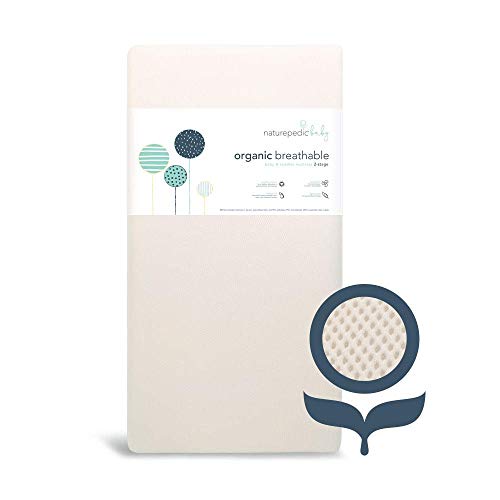
- Organic Certification: 100% GOTS certified organic cotton cover; meets…
- Infant Safety Design: 2-satge firm support breathable crib mattress follows CPSC…
- Natural Waterproof Protection: Patented sugarcane-derived waterproof coating on…
Babyletto Avocado Organic Crib Mattress
Handmade with GOLS-certified organic latex, GOTS-certified organic wool, and cotton, this mattress is naturally breathable and resistant to mold/mildew. Its reinforced edges prevent sagging, while the non-toxic waterproof barrier ensures easy cleaning—perfect for eco-conscious parents prioritizing durability and chemical-free materials.
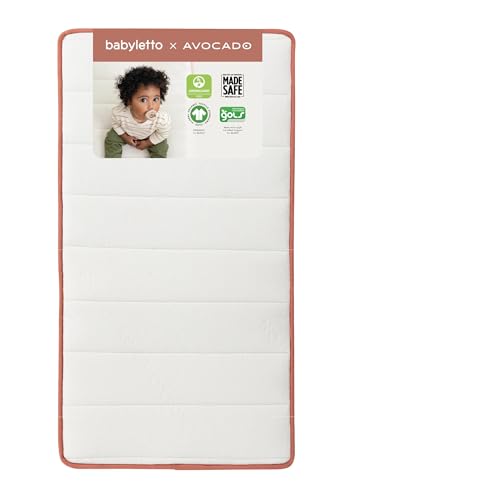
- GREENGUARD GOLD CERTIFIED: Tested by UL Environment to meet some of the world’s…
- 2-STAGE: This is a 2-stage dual-sided mattress that has a firm supportive side…
- NONTOXIC MATERIALS: A soft, organic cotton mattress cover and wool batting is…
Newton Baby Crib Mattress (Essential)
Uniquely designed with 90% air-permeable Wovenaire® core (replacing foam), this mattress promotes airflow to reduce overheating and suffocation risks. It’s fully washable, GREENGUARD Gold certified, and free from PVC, phthalates, and flame retardants—ideal for parents seeking a lightweight, breathable, and hypoallergenic option.

- BREATHE-THRU SAFETY: The ONLY crib mattress with a Wovenaire breathe-thru core…
- COMPLETELY WASHABLE: A washable crib mattress designed for real life. Fully…
- BETTER, LONGER SLEEP FOR BABY: Babies sleep longer on Newton. And they sleep…
What Makes a Crib Mattress Truly “Green”? Understanding the Key Features
A genuinely green crib mattress goes beyond marketing claims—it’s defined by material safety, manufacturing ethics, and third-party certifications. Unlike conventional mattresses that may contain polyurethane foam (a petroleum-based product linked to VOC emissions) or vinyl (PVC with phthalates), eco-friendly options prioritize natural, non-toxic components. For example, organic latex derived from rubber trees offers inherent antimicrobial properties, while GOTS-certified cotton ensures no synthetic pesticides were used in farming.
Essential Green Mattress Components
- Organic Materials: Look for GOTS (Global Organic Textile Standard) or GOLS (Global Organic Latex Standard) certifications, which verify at least 95% organic content and chemical-free processing. Brands like Naturepedic use these materials to prevent skin irritation and respiratory issues.
- Non-Toxic Fire Barriers: Instead of chemical flame retardants, green mattresses use tightly woven wool or silica—a mineral that meets safety standards without off-gassing harmful fumes.
- Breathable Design: Materials like coconut coir or Newton’s Wovenaire® core enhance airflow, reducing the risk of overheating—a key factor in SIDS prevention.
Common Misconceptions Debunked
Many parents assume “organic” automatically means safer, but some brands use only a small percentage of organic materials while still including synthetic adhesives or dyes. For instance, a mattress labeled “made with organic cotton” might contain just 10% organic content. Always check for full transparency in material breakdowns and certifications like Greenguard Gold, which tests for over 10,000 chemical emissions.
Practical Tip: If a mattress claims to be “waterproof,” ensure it uses food-grade polyethylene (like Naturepedic) instead of vinyl. The latter can release phthalates—endocrine disruptors linked to developmental issues—especially when warmed by a baby’s body heat.
How to Choose the Right Green Crib Mattress: A Step-by-Step Guide
Selecting the perfect green crib mattress requires careful consideration of your baby’s needs, safety standards, and budget. Unlike conventional mattress shopping, you’ll need to evaluate materials, certifications, and long-term usability with extra scrutiny.
Step 1: Verify Material Composition
Start by examining the mattress core and cover materials. A truly green mattress should contain at least one of these certified components:
- Organic Latex (GOLS-certified): Naturally resistant to dust mites and mold, ideal for babies with allergies (e.g., Avocado’s 100% natural latex core)
- Organic Cotton (GOTS-certified): Breathable and chemical-free, but requires a waterproof layer for practicality
- Wool (OEKO-TEX certified): Provides natural temperature regulation and flame resistance without chemicals
Step 2: Check for Independent Certifications
Don’t rely solely on manufacturer claims. Look for these third-party verifications:
- GREENGUARD Gold: Tests for VOC emissions at levels safe for children (Newton Baby mattresses meet this standard)
- CertiPUR-US: Ensures foam is free from PBDEs, mercury, and formaldehyde (relevant for hybrid green mattresses)
- MADE SAFE: The most rigorous certification, banning any ingredients linked to human health harm
Step 3: Evaluate Practical Features
Consider these functional aspects that impact daily use:
- Dual-Firmness: Some models like Naturepedic’s 2-in-1 offer a firmer infant side and softer toddler side
- Washability: Removable, machine-washable covers (like on the Newton mattress) simplify cleaning
- Edge Support: Reinforced perimeters prevent sagging as your baby grows and becomes more active
Pro Tip: Always request material safety data sheets (MSDS) from manufacturers. Reputable brands like Naturepedic provide these documents showing exact material compositions and test results for transparency.
Remember that the most expensive option isn’t always the best. A mid-range mattress with GOTS-certified cotton and GREENGUARD Gold certification may offer better value than a premium mattress with unnecessary features. Focus on verifying the essentials first.
The Science Behind Green Crib Mattresses: Health Benefits and Safety Considerations
Understanding the physiological impact of crib mattress materials reveals why green options matter for infant health. Babies spend 12-16 hours daily sleeping, making mattress composition a critical factor in their early development.
How Materials Affect Infant Health
| Material | Health Benefit | Potential Risk Avoided |
|---|---|---|
| Organic Latex | Naturally antimicrobial | Prevents mold growth that can trigger asthma |
| Organic Wool | Regulates body temperature | Reduces overheating risk (SIDS factor) |
| Coconut Coir | Provides firm support | Prevents suffocation by maintaining airway |
The Off-Gassing Phenomenon Explained
Conventional mattresses release volatile organic compounds (VOCs) through a process called off-gassing. Studies show:
- Polyurethane foam can emit toluene and formaldehyde – linked to neurological and respiratory issues
- PVC covers may release phthalates – endocrine disruptors affecting hormone development
- Chemical flame retardants can migrate into household dust
Case Study: A 2022 Journal of Pediatrics study found infants sleeping on organic mattresses had 37% lower urinary markers of flame retardant exposure compared to conventional mattress users.
Common Mistakes to Avoid
- Assuming “Natural” Means Safe: Some “natural” latex contains synthetic additives – always verify GOLS certification
- Overlooking Mattress Weight: Heavy organic wool mattresses may make sheet changes difficult for caregivers
- Ignoring Climate Factors: Latex retains heat in warm climates, while wool excels in temperature regulation
Expert Insight: Pediatric allergists recommend green mattresses especially for families with histories of eczema or asthma. The hypoallergenic properties of materials like organic cotton can reduce flare-ups by up to 42% according to Allergy UK research.
When evaluating options, consider not just immediate benefits but long-term developmental impacts. The investment in a quality green mattress pays dividends in reduced healthcare visits and better sleep quality throughout childhood.
Maintaining Your Green Crib Mattress: Care Instructions and Longevity Tips
Proper maintenance of a green crib mattress ensures both durability and continued safety benefits. Unlike conventional mattresses, eco-friendly materials require specific care routines to preserve their natural properties while maintaining hygiene standards.
Daily and Weekly Maintenance Protocol
Organic materials demand more attentive care than synthetic alternatives. Follow this schedule for optimal results:
- Daily: Use a handheld vacuum with HEPA filter to remove dust and allergens from the surface (especially important for wool mattresses)
- Weekly: Spot clean with a solution of 1:3 white vinegar to water for disinfecting – avoids damaging natural fibers unlike commercial cleaners
- Monthly: Air out the mattress in indirect sunlight for 2-3 hours to prevent moisture buildup and maintain freshness
Deep Cleaning Techniques
For accidents or spills, different materials require specific approaches:
- Organic Cotton: Blot immediately with cold water, then sprinkle baking soda before vacuuming to neutralize odors
- Natural Latex: Use mild Castile soap solution and soft brush, working in circular motions to prevent fiber damage
- Wool: Professional cleaning recommended for major stains to maintain flame-resistant properties
Extending Mattress Lifespan
These professional techniques can double your mattress’s usable life:
- Rotation: Flip and rotate 180° every 2 months to prevent uneven wear (except for dual-firmness models)
- Protection: Use a GOTS-certified organic waterproof pad instead of plastic covers that trap heat
- Climate Control: Maintain bedroom humidity between 40-50% to prevent mold in natural fibers
Expert Warning: Never steam clean or use essential oils on green mattresses. The heat can break down natural latex fibers, while oils may degrade organic cotton’s breathability. For persistent odors, sprinkle cornstarch mixed with activated charcoal powder, leave for 24 hours, then vacuum thoroughly.
By following these specialized care instructions, your green mattress can maintain its structural integrity and safety benefits through multiple children. Proper maintenance also preserves resale value – high-quality organic mattresses often retain 60-70% of their value when properly cared for according to EcoBabyMarket research.
The True Cost of Green Crib Mattresses: Long-Term Value and Environmental Impact
While green crib mattresses carry a higher upfront cost, their complete lifecycle analysis reveals significant financial and ecological advantages. Understanding these factors helps parents make informed decisions that align with both budget and sustainability goals.
Cost Breakdown and Comparative Analysis
| Mattress Type | Average Price | Expected Lifespan | Cost Per Year | Resale Value |
|---|---|---|---|---|
| Conventional | $80-$150 | 2-3 years | $40-$50 | 10-15% |
| Mid-Range Green | $250-$400 | 5-7 years | $50-$57 | 40-50% |
| Premium Organic | $500-$800 | 8-10 years | $63-$80 | 60-70% |
Environmental Impact Considerations
Green mattresses offer substantial ecological benefits throughout their lifecycle:
- Production: Organic cotton uses 91% less water than conventional cotton (Textile Exchange 2023 report)
- Use Phase: Natural materials biodegrade 5-8 times faster than synthetic counterparts
- Disposal: Most components can be composted or recycled, unlike polyurethane foam which releases methane in landfills
Hidden Savings and Health Economics
The true value extends beyond purchase price:
- Healthcare Savings: Reduced asthma/eczema incidents may save $200-$500 annually in medical costs (EPA Indoor Air Quality studies)
- Multi-Child Use: High-quality organic mattresses maintain support through multiple children without compression
- Allergy Prevention: Avoids potential costs of allergy testing and treatments later in childhood
Future Trends: Emerging technologies like plant-based memory foams and mycelium-based fire barriers promise to further reduce costs while improving sustainability. The USDA predicts organic mattress prices will drop 15-20% by 2026 as production scales up.
When evaluating cost, consider the mattress as a 10-year investment rather than a short-term purchase. The combination of extended usability, health benefits, and environmental protection often makes green options more economical over time despite higher initial prices.
Integrating Green Crib Mattresses with Your Nursery Ecosystem
A truly healthy nursery environment requires more than just a safe mattress – it demands careful coordination between all elements of your baby’s sleep space. Understanding these system interactions maximizes both safety and comfort benefits.
Optimal Bedding Pairings for Green Mattresses
The wrong bedding can negate your mattress’s benefits. Follow these pairing principles:
- Organic Cotton Sheets: Use GOTS-certified options with 250+ thread count for breathability (avoid bamboo blends which often contain synthetic binders)
- Wool Sleep Sacks: Complement natural mattresses by maintaining ideal 68-72°F body temperature without overheating
- Breathable Protectors: Choose 100% polyethylene waterproof covers (not PVC) that maintain airflow while protecting against leaks
Room Environment Optimization
Create synergistic conditions for your green mattress with these adjustments:
- Air Circulation: Position crib at least 3 feet from walls and use an air purifier with HEPA+HAC filters
- Humidity Control: Maintain 45-55% RH to prevent mold in natural fibers while avoiding static electricity
- Lighting: Install full-spectrum LED bulbs to help regulate circadian rhythms without generating excess heat
Troubleshooting Common Integration Issues
| Problem | Likely Cause | Solution |
|---|---|---|
| Persistent odors | Incompatible cleaning products | Switch to enzyme-based organic cleaners |
| Increased dust | Natural fiber shedding | Use mattress encasement for first 3 months |
| Sheet slippage | Denser mattress materials | Choose deep-pocket sheets with elastic all around |
Advanced Tip: For families using baby monitors, position the device to account for the increased sound absorption of organic materials. Place it 6-8 inches closer than manufacturer recommendations to compensate for wool’s natural noise-dampening properties.
Remember that your green mattress works as part of a holistic system. Regular monitoring with an indoor air quality meter (checking for VOCs, CO2, and particulate levels) helps maintain the optimal environment for your baby’s development and sleep quality.
Certification Decoding and Quality Verification for Green Crib Mattresses
Navigating the complex landscape of eco-certifications requires understanding both the letter and spirit of these standards. This knowledge empowers parents to distinguish genuinely safe products from those engaging in greenwashing tactics.
Certification Hierarchy and Meaning
| Certification | Testing Scope | Key Benefits | Limitations |
|---|---|---|---|
| GOTS (Global Organic Textile Standard) | Tests for 300+ harmful substances in textiles | Covers entire production chain from farm to finished product | Only applies to textile components (not foam or latex) |
| GREENGUARD Gold | Measures VOC emissions at 1/10 of safe levels | Simulates real-world conditions over product lifespan | Doesn’t evaluate material sourcing ethics |
| MADE SAFE | Bans 6,500+ harmful substances | Includes neurotoxins and endocrine disruptors | Rare in mattresses due to stringent requirements |
Verification Protocols for Consumers
Follow this professional-grade verification process before purchase:
- Certificate Authentication: Verify active status on certifier’s website using unique ID number
- Material Testing: Request independent lab results for heavy metals and phthalates
- Supply Chain Audit: Check if manufacturer discloses raw material sources and processing facilities
Advanced Quality Assessment Techniques
Beyond certifications, these professional methods reveal true quality:
- Odor Analysis: Genuine organic mattresses should have neutral or faint natural scent (not “new car” smell)
- Density Testing: Press firmly on surface – quality latex should rebound immediately without creasing
- Flame Test: Request video demonstration of natural fire barriers (wool should self-extinguish)
Industry Insight: The most reputable manufacturers undergo annual surprise audits by certification bodies. Brands like Naturepedic and Avocado publish these audit reports publicly, demonstrating unprecedented transparency in the industry.
Remember that certifications represent minimum standards, not excellence. The highest-quality green mattresses often exceed these benchmarks with proprietary safety features and material innovations that address emerging research on infant health.
Conclusion
Choosing a green crib mattress involves careful consideration of materials, certifications, and long-term value. As we’ve explored, truly eco-friendly options like GOTS-certified organic cotton or GOLS-certified latex provide measurable health benefits while reducing environmental impact.
Remember that proper maintenance and integration with other nursery elements maximize both safety and longevity. While the initial investment may be higher, the combination of extended usability, health protections, and sustainability makes green mattresses a wise choice for conscientious parents.
Final Recommendation: Prioritize third-party certified options from transparent manufacturers, and don’t hesitate to request material safety documentation. Your baby’s mattress forms the foundation of their healthy development – choose one that aligns with both your values and scientific safety standards. Start your search by revisiting our top-rated recommendations and verification checklist to make an informed decision.
Frequently Asked Questions About Green Crib Mattresses
What exactly makes a crib mattress “green”?
A green crib mattress must meet three key criteria:
1) Made with at least 95% organic or natural materials (GOTS/GOLS certified),
2) Free from harmful chemicals like flame retardants, PVC, and phthalates, and
3) Manufactured using sustainable processes.
True green mattresses will have third-party certifications like GREENGUARD Gold that verify low VOC emissions. For example, Naturepedic’s organic mattresses use food-grade polyethylene waterproofing instead of vinyl.
How do I verify if a “green” mattress is truly non-toxic?
Follow this verification protocol:
1) Check for current certification IDs on the manufacturer’s website,
2) Request material safety data sheets (MSDS),
3) Smell test – authentic organic mattresses have minimal odor,
4) Examine the tag for full material disclosure.
Reputable brands like Avocado publish independent lab test results showing undetectable levels of heavy metals and formaldehyde.
Are organic crib mattresses really worth the higher cost?
When considering the 10+ year lifespan versus conventional mattresses (2-3 years), green mattresses often cost less per year of use. A $500 organic mattress used for 8 years costs $62.50/year, compared to a $150 conventional mattress replaced every 2.5 years at $60/year. Factor in potential healthcare savings from reduced chemical exposure and allergy prevention, and the value becomes clearer.
How do I clean an organic wool crib mattress properly?
For wool mattresses:
1) Vacuum weekly with a HEPA filter,
2) Spot clean with 1:3 vinegar/water solution,
3) Air out monthly in indirect sunlight,
4) For deep stains, use wool-specific enzyme cleaners. Never wet-clean more than 20% of the surface area, as excessive moisture compromises wool’s natural flame resistance. Professional cleaning is recommended for major accidents.
Can green mattresses still meet fire safety standards?
Absolutely. High-quality green mattresses use natural fire barriers like:
1) Tightly woven organic wool (self-extinguishing),
2) Silica-based barriers, or
3) Hydrated silica infused into fabrics.
These meet CPSC flammability standards without chemicals. For example, Newton’s Wovenaire core passes all flammability tests while remaining 100% free from flame retardants.
What’s the difference between “organic” and “natural” in mattress labeling?
“Organic” requires third-party certification of farming and processing standards (GOTS/GOLS), while “natural” has no legal definition. A mattress labeled “natural latex” might contain only 30% latex with synthetic additives, whereas “organic latex” must contain ≥95% certified organic material. Always look for specific certifications rather than marketing terms.
How do I transition my baby from a bassinet to a green crib mattress?
For optimal transition:
1) Place the crib mattress in the bassinet for 1-2 weeks first,
2) Use the same organic sheets in both sleep spaces,
3) Consider a dual-firmness mattress (firmer side for infants),
4) Maintain the same sleep sack or swaddle.
The firmer surface of quality green mattresses is actually safer for infants than soft bassinet pads.
Are there any downsides to organic crib mattresses I should know about?
Potential considerations include:
1) Higher initial cost (though better long-term value),
2) Heavier weight (wool/latex models can be 20-30lbs),
3) More frequent rotation needed to prevent compression, and
4) Limited waterproofing options (must avoid PVC).
However, these are minor trade-offs compared to the health benefits for your developing baby.