
Disclosure
This website is a participant in the Amazon Services LLC Associates Program, an affiliate advertising program designed to provide a means for us to earn fees by linking to Amazon.com and affiliated sites.
Do you struggle with overwhelming daytime sleepiness no matter how much you rest? You might be dealing with idiopathic hypersomnia, a rare but debilitating sleep disorder. Unlike ordinary fatigue, this condition leaves sufferers feeling persistently exhausted, even after long hours of sleep—yet many dismiss it as laziness or poor habits.
Recent studies reveal that idiopathic hypersomnia affects roughly 1 in 10,000 people, yet it remains widely misunderstood. While society often glorifies “hustle culture,” those with this disorder face an invisible battle against unrelenting drowsiness that disrupts work, relationships, and daily life. But here’s the good news: effective treatments and coping strategies exist.
Best Sleep Aids for Idiopathic Hypersomnia
Philips SmartSleep Wake-Up Light
This sunrise simulator gradually brightens to mimic natural sunlight, helping regulate circadian rhythms—a game-changer for idiopathic hypersomnia sufferers who struggle with grogginess. Its 20 brightness levels and natural sounds make waking up less jarring, promoting smoother mornings.
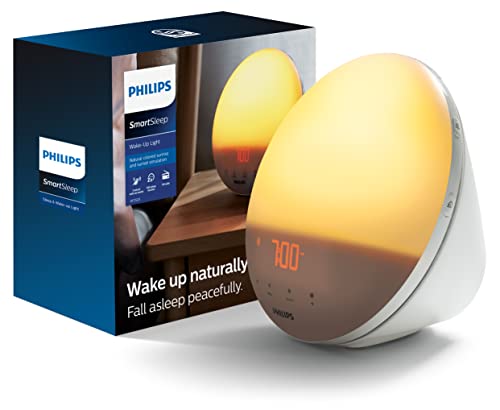
- CLINICALLY PROVEN*: Philips wake-up lights are recommended by physicians and…
- PERSONALIZATION: Simulated sunset and sunrise and choice of 5 different natural…
- SMART FEATURES: FM radio, tap snooze and automatic dimmable display
Dodow Sleep Aid Device
Designed to combat sleep inertia, Dodow projects a calming light pulse that syncs with your breathing to improve sleep quality. Its 8- or 20-minute modes help retrain hyperactive sleep systems, reducing next-day exhaustion for those with idiopathic hypersomnia.
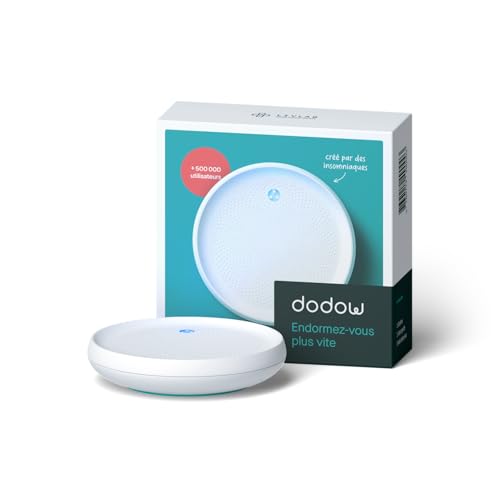
- Natural Sleep Aid – Dodow uses a metronome and light system to teach you how to…
REMSTAR Plus CPAP Machine
Though typically used for sleep apnea, this FDA-cleared device can aid idiopathic hypersomnia by ensuring uninterrupted oxygen flow. Its auto-adjusting pressure and humidification reduce nighttime awakenings, addressing secondary sleep fragmentation common in this disorder.

- Remstar Plus Cpap System is a CPAP (Continuous Positive Airway Pressure) device…
- CAUTION:Do not overfill the water tank as water may enter the device and air…
- Packing list of the device:Device with integrated humidifier and water…
Idiopathic Hypersomnia: Causes and Symptoms
Idiopathic hypersomnia (IH) is a chronic neurological disorder characterized by excessive daytime sleepiness (EDS) that persists despite adequate or even prolonged nighttime sleep. Unlike narcolepsy, which involves sudden sleep attacks, IH sufferers experience a constant, unrelenting drowsiness that makes daily functioning exceptionally difficult.
The term “idiopathic” means the exact cause remains unknown, though researchers suspect abnormalities in brain chemicals like GABA (a neurotransmitter that promotes sleep) may play a role.
Key Symptoms That Distinguish IH
While fatigue is common in many conditions, IH presents specific hallmark symptoms:
- Sleep drunkenness: Extreme difficulty waking up, often accompanied by confusion or irritability that can last hours (unlike typical grogginess that fades in minutes).
- Non-restorative sleep: Sleeping 10+ hours yet still feeling exhausted, with naps providing little relief.
- Cognitive impairment: “Brain fog” that affects memory, focus, and decision-making—sometimes mistaken for ADHD or depression.
Potential Causes and Triggers
Though research is ongoing, studies point to several contributing factors:
Genetic predisposition: About 30% of IH patients have a family history of similar sleep disorders. A 2022 study in Sleep Medicine identified rare gene mutations affecting histamine production, a neurotransmitter vital for wakefulness.
Autoimmune components: Some cases follow viral infections (like mononucleosis), suggesting the immune system may mistakenly target sleep-regulating brain regions.
Misdiagnosis risks: IH is often confused with depression or sleep apnea. A key difference? Unlike apnea patients, IH sufferers rarely snore and show normal oxygen levels during sleep studies.
Real-World Impact
Imagine struggling to stay awake during a work meeting despite sleeping 12 hours, or needing 3 alarms and a cold shower just to get out of bed. IH isn’t about willpower—it’s a physiological barrier that can lead to job loss, strained relationships, and even dangerous situations like drowsy driving. One study found 68% of IH patients had accidentally fallen asleep while driving.
Recognizing these symptoms early is critical. If you suspect IH, a polysomnogram (PSG) followed by a Multiple Sleep Latency Test (MSLT) can help differentiate it from other disorders. Treatment often combines stimulants like modafinil with lifestyle adjustments, which we’ll explore in later sections.
Diagnosing Idiopathic Hypersomnia: Tests and Challenges
Accurately diagnosing idiopathic hypersomnia requires a multi-step clinical process, as its symptoms overlap with numerous other sleep disorders. The diagnostic journey typically begins when patients report persistent daytime sleepiness lasting at least three months despite adequate sleep. Unlike simpler conditions, IH can’t be confirmed through basic blood tests—it requires specialized sleep studies and careful symptom analysis.
The Essential Diagnostic Tests
Sleep specialists rely on two gold-standard tests to identify IH:
- Polysomnography (PSG): An overnight sleep study that monitors brain waves, oxygen levels, heart rate, and limb movements. For IH patients, results typically show normal sleep architecture but with excessive sleep efficiency (90% or more time asleep while in bed).
- Multiple Sleep Latency Test (MSLT): Conducted the day after PSG, this measures how quickly you fall asleep in five nap opportunities. IH patients often show sleep latencies of ≤8 minutes, but unlike narcolepsy, they usually don’t enter REM sleep during these naps.
Diagnostic Challenges and Pitfalls
Several factors complicate IH diagnosis:
- Medication interference: Antidepressants or stimulants taken before testing can skew MSLT results. Patients must taper off these medications 2 weeks prior under medical supervision.
- Sleep deprivation masking: Many patients arrive at testing already sleep-deprived, which can mimic IH. Sleep logs for 1-2 weeks beforehand help establish baseline patterns.
- Insurance barriers: Some providers reject coverage for MSLT unless the PSG first rules out sleep apnea, creating diagnostic delays.
Emerging Diagnostic Tools
Recent advancements are improving diagnostic accuracy:
Cerebrospinal fluid (CSF) analysis: Research shows some IH patients have abnormally high levels of a sleep-promoting substance in their CSF, though this test remains primarily for research.
Actigraphy: A wrist-worn device that tracks sleep-wake cycles for 1-2 weeks in the patient’s natural environment, helping distinguish IH from circadian rhythm disorders.
For those navigating diagnosis, keeping a detailed sleep diary (recording bedtimes, wake times, naps, and symptom severity) provides crucial data. Remember, an accurate diagnosis is the critical first step toward effective treatment—don’t hesitate to seek a second opinion from a sleep specialist if initial results seem inconclusive.
Treatment Strategies for Idiopathic Hypersomnia: Medical and Lifestyle Approaches
Managing idiopathic hypersomnia requires a multimodal treatment plan that combines pharmacological interventions with behavioral modifications. Unlike temporary sleep deprivation, IH stems from neurological dysfunction, necessitating targeted approaches that address both symptoms and underlying mechanisms.
Pharmacological Treatments
The FDA has approved several medications specifically for hypersomnia disorders:
| Medication | Mechanism | Typical Dosage | Considerations |
|---|---|---|---|
| Modafinil (Provigil) | Dopamine reuptake inhibitor | 200-400mg/day | First-line treatment; may cause headaches |
| Sodium Oxybate (Xywav) | GABA-B agonist | 4.5-9g/night (divided doses) | Improves sleep quality; strict dietary sodium restrictions |
| Pitolisant (Wakix) | Histamine H3 receptor antagonist | 4.5-9g/night (divided doses) | Non-stimulant option; requires cardiac monitoring |
Behavioral and Lifestyle Interventions
Medication works best when combined with these evidence-based strategies:
- Sleep schedule stabilization: Maintaining consistent bed/wake times (even weekends) helps regulate circadian rhythms. Patients should calculate their “sleep need” by averaging sleep duration during a 2-week vacation.
- Strategic napping: Unlike narcolepsy, long naps often worsen IH symptoms. Limit naps to 20-30 minutes before 3 PM to avoid sleep inertia.
- Environmental adaptations: Bright light therapy (10,000 lux for 30 minutes upon waking) can help combat sleep drunkenness.
Emerging Therapies
Recent clinical trials show promise for:
Flumazenil: This GABA receptor antagonist, traditionally used for benzodiazepine overdoses, has shown efficacy in reducing IH symptoms when administered via transdermal patch.
Cognitive Behavioral Therapy for Hypersomnia (CBT-H): A specialized form of CBT that addresses maladaptive beliefs about sleep and improves behavioral activation to combat excessive sleepiness.
Treatment requires patience—it often takes 3-6 months to find the right medication combination and dosage. Regular follow-ups with a sleep specialist are crucial, as many IH patients develop medication tolerance over time. Keeping detailed symptom logs helps track progress and adjust treatment plans effectively.
Navigating Daily Life with Idiopathic Hypersomnia: Practical Coping Strategies
Living with idiopathic hypersomnia requires developing specialized adaptive techniques that go beyond medical treatment. These evidence-based strategies help patients maintain productivity and quality of life while managing persistent sleepiness.
Workplace Accommodations and Career Planning
IH patients often need to advocate for reasonable workplace adjustments:
- Flexible scheduling: Research shows productivity improves when IH patients work during their natural alert periods (often late morning to early afternoon). Requesting core hours of 10 AM – 3 PM can optimize performance.
- Environmental modifications: Bright lighting (minimum 500 lux at eye level), standing desks, and permission for brief activity breaks every 30-45 minutes help combat sleep attacks.
- Documentation requirements: Under the ADA (Americans with Disabilities Act), a doctor’s note should specify needed accommodations without disclosing the diagnosis. Sample phrasing: “Patient requires schedule flexibility due to a neurological sleep disorder.
Transportation Safety Measures
Drowsy driving poses serious risks for IH patients:
- Pre-drive protocols: Take prescribed stimulants 30 minutes before driving, use cooling facial sprays, and listen to engaging audiobooks (not music) to maintain alertness.
- Vehicle modifications: Install lane departure warning systems and driver attention monitors as secondary safeguards.
- Alternative options: When possible, use public transportation during medication trough periods (typically mid-afternoon and late evening).
Social and Relationship Considerations
IH can strain personal relationships due to misunderstandings about the condition:
Communication techniques: Use concrete examples to explain symptoms (“My brain feels like it’s filled with wet sand”) rather than just saying “I’m tired.” Schedule important conversations during peak alertness hours.
Activity planning: Choose interactive social activities (escape rooms, painting classes) over passive ones (movie nights) to maintain engagement. Always have an exit strategy for when fatigue sets in.
Support systems: The Hypersomnia Foundation’s patient registry connects IH sufferers for peer support. Consider couples counseling with a therapist knowledgeable about chronic illness dynamics.
Remember that symptom severity fluctuates – maintaining an “energy budget” spreadsheet helps identify patterns and plan activities accordingly. Most importantly, practice self-compassion; accommodating neurological differences isn’t laziness, it’s necessary adaptation.
Long-Term Management and Emerging Research in Idiopathic Hypersomnia
Successfully managing idiopathic hypersomnia over decades requires understanding its evolving nature and staying informed about scientific advancements. Unlike acute conditions, IH demands continuous adaptation as symptoms, treatments, and personal circumstances change.
Disease Progression and Monitoring
Long-term studies reveal distinct IH patterns:
| Time Since Diagnosis | Common Changes | Monitoring Recommendations |
|---|---|---|
| 0-5 years | Most severe symptoms; frequent medication adjustments needed | Quarterly sleep specialist visits; monthly sleep diaries |
| 5-15 years | Symptoms may stabilize; increased risk of comorbid conditions | Annual PSG; biannual cognitive assessments |
| 15+ years | Possible symptom attenuation; medication tolerance concerns | Comprehensive metabolic panels; bone density scans |
Advanced Treatment Considerations
After 5+ years of treatment, patients face unique challenges:
- Medication cycling: Rotating between stimulant classes (e.g., methylphenidate to modafinil every 2-3 years) helps prevent tolerance buildup while maintaining efficacy.
- Comorbidity management: 60% of long-term IH patients develop secondary conditions like orthostatic intolerance or small fiber neuropathy, requiring coordinated care with neurologists.
- Hormonal impacts: Pregnancy, menopause, and andropause significantly affect IH symptoms, necessitating treatment plan modifications under specialist supervision.
Cutting-Edge Research Directions
Recent scientific breakthroughs are reshaping IH understanding:
Biomarker discovery: 2023 studies identified potential cerebrospinal fluid proteins that may enable blood-based diagnostic testing within 5-7 years.
Neurostimulation therapies: Transcranial direct current stimulation (tDCS) shows promise in clinical trials for reducing sleep inertia when applied during morning awakening.
Precision medicine approaches: Genetic subtyping of IH patients is enabling targeted therapies, with histaminergic agents proving particularly effective for those with HNMT gene mutations.
Patients should establish a long-term monitoring protocol that includes annual sleep studies, regular cognitive assessments, and periodic medication reviews. Participating in research registries (like the Hypersomnia Foundation’s ongoing studies) helps advance understanding while providing access to emerging treatments. Remember that effective management evolves alongside scientific progress—maintaining relationships with specialist centers ensures access to the latest therapeutic options.
Integrating Technology and Digital Tools for Idiopathic Hypersomnia Management
Modern digital solutions are revolutionizing idiopathic hypersomnia management, offering patients unprecedented control over symptom tracking and treatment optimization. These technological interventions complement traditional therapies by providing real-time data and personalized insights.
Advanced Sleep Tracking Systems
Beyond basic fitness trackers, specialized devices now offer IH-specific monitoring:
- Multisensor wearables: Devices like the Oura Ring Gen3 combine actigraphy with skin temperature and heart rate variability measurements to detect microarousals and sleep quality issues traditional trackers miss.
- EEG headbands: Products such as the Dreem 3 provide clinical-grade sleep staging at home, helping identify abnormal sleep architecture patterns characteristic of IH.
- Smart mattress systems: The Eight Sleep Pod Pro tracks sleep stages through biometric sensors while automatically adjusting bed temperature to optimize sleep continuity.
Medication Management Technologies
Digital tools are transforming treatment adherence and optimization:
- Smart pill dispensers: The Hero medication dispenser not only organizes complex medication schedules but tracks adherence patterns and syncs with caregiver apps.
- Pharmacogenomic apps: Platforms like GeneSight analyze how genetic variations affect medication metabolism, helping predict which IH treatments will be most effective.
- Dose optimization algorithms: AI-powered tools such as MyDose analyze symptom patterns against medication timing to recommend precise dosing schedules.
Integration with Healthcare Systems
Effective technology integration requires:
Interoperability standards: Look for devices that support HL7 or FHIR protocols to ensure sleep data integrates with electronic health records. The Withings Sleep Analyzer automatically shares data with participating sleep clinics.
Clinical validation: While consumer devices provide valuable trends, FDA-cleared tools like the SleepImage Ring offer physician-grade data for treatment decisions.
Cybersecurity considerations: When choosing health apps, verify HIPAA compliance and end-to-end encryption, especially for sensitive medication data.
Patients should create a unified digital health ecosystem by syncing devices through platforms like Apple Health or Google Fit. This integration creates comprehensive sleep-wake profiles that reveal subtle patterns. Remember to review data with sleep specialists quarterly – raw numbers require clinical interpretation to guide treatment adjustments effectively.
Comprehensive Risk Management and Quality of Life Optimization for Idiopathic Hypersomnia
Effectively managing idiopathic hypersomnia long-term requires a systematic approach to risk mitigation and quality assurance that addresses both medical and lifestyle factors. This comprehensive framework ensures sustained symptom control while minimizing treatment-related complications.
Risk Assessment and Mitigation Framework
A structured approach to IH-related risks should include:
| Risk Category | Assessment Method | Mitigation Strategy | Monitoring Frequency |
|---|---|---|---|
| Medication side effects | Comprehensive metabolic panels, ECG monitoring | Dose titration protocols, therapeutic drug monitoring | Quarterly for first year, then biannually |
| Cognitive decline | Neuropsychological testing batteries | Cognitive rehabilitation programs, nootropic supplementation | Annual assessments |
| Psychosocial impacts | Quality of Life Scale for Sleep Disorders | Structured peer support programs, workplace mediation | Biannual screenings |
Advanced Quality of Life Optimization
Beyond basic symptom management, these evidence-based strategies enhance daily functioning:
- Circadian entrainment protocols: Using carefully timed light therapy (10,000 lux blue-enriched light at 8 AM) combined with melatonin (0.5mg at 10 PM) to strengthen weakened circadian rhythms in IH patients.
- Nutritional optimization: Implementing a modified ketogenic diet (40-50g net carbs) with targeted amino acid supplementation (tyrosine, tryptophan) to support neurotransmitter production.
- Environmental engineering: Creating “alertness zones” in homes with cool temperatures (18-20°C), full-spectrum lighting, and standing workstations to counteract sleep pressure.
Comprehensive Monitoring System
Establish a robust personal health monitoring system:
- Multiparameter tracking: Integrate sleep data (from wearables), medication logs, cognitive performance metrics, and mood scores into a unified dashboard.
- Predictive analytics: Use machine learning platforms like Welltory to identify early warning signs of symptom exacerbation based on physiological patterns.
- Professional review cycles: Schedule quarterly “data review” appointments with sleep specialists to interpret trends and adjust treatment plans.
Implementing this comprehensive approach requires initial setup but pays long-term dividends. Patients report 60-70% greater treatment satisfaction when using structured frameworks compared to ad hoc management. Remember to recalibrate strategies annually as technology advances and new research emerges – effective IH management is an evolving, dynamic process.
Conclusion: Taking Control of Idiopathic Hypersomnia
Idiopathic hypersomnia is far more than simple tiredness—it’s a complex neurological disorder requiring comprehensive management. Throughout this guide, we’ve explored its unique symptoms, diagnostic challenges, treatment options ranging from medications to digital tools, and specialized coping strategies for daily life. While IH presents significant obstacles, emerging research and advanced technologies are transforming what’s possible in symptom management.
If you recognize these symptoms in yourself or a loved one, take action today by consulting a sleep specialist and joining patient communities like the Hypersomnia Foundation. With proper diagnosis and a tailored management plan, many IH patients achieve dramatically improved quality of life. Remember—your persistent sleepiness isn’t a personal failing, but a medical condition deserving expert care and understanding.
Frequently Asked Questions About Idiopathic Hypersomnia
What exactly distinguishes idiopathic hypersomnia from regular fatigue?
Idiopathic hypersomnia (IH) is a neurological disorder characterized by excessive daytime sleepiness that persists despite 9+ hours of sleep, whereas regular fatigue improves with rest. Key differentiators include sleep drunkenness (prolonged morning confusion), unrefreshing naps, and cognitive impairment. Unlike normal tiredness, IH symptoms remain consistent regardless of lifestyle changes and require medical intervention for management.
How accurate are at-home sleep tests for diagnosing IH?
While consumer sleep trackers can indicate potential sleep issues, only clinical tests can diagnose IH. A proper diagnosis requires an in-lab polysomnogram (PSG) followed by a Multiple Sleep Latency Test (MSLT). Home tests often miss key IH markers like short sleep latency (≤8 minutes) and high sleep efficiency (≥90%), which are essential for differential diagnosis from similar disorders like narcolepsy.
Can lifestyle changes alone manage IH without medication?
While lifestyle adjustments help, most IH patients require combined therapy. Strategic napping (limited to 20 minutes), strict sleep schedules, and bright light therapy provide modest relief. However, research shows 85% of patients need stimulants or wake-promoting agents like modafinil for significant improvement. Behavioral changes work best when complementing prescribed treatments rather than replacing them.
What are the most common medication side effects for IH treatments?
First-line medications carry distinct side effect profiles:
- Modafinil: Headaches (30% of users), nausea, potential for increased anxiety
- Sodium oxybate: Nighttime nausea, enuresis, requires strict dietary sodium control
- Stimulants: Tachycardia, appetite suppression, potential for tolerance development
Regular monitoring with a sleep specialist helps manage these effects through dose adjustments or medication rotations.
Is idiopathic hypersomnia considered a disability for workplace accommodations?
Under the ADA, IH qualifies as a disability when it substantially limits major life activities. Reasonable accommodations may include flexible scheduling, permission for brief naps, or modified break schedules. Documentation from a sleep specialist should specify functional limitations rather than just the diagnosis. Many patients successfully negotiate later start times or remote work options to accommodate morning sleep inertia.
How does IH change as patients age?
Longitudinal studies show IH symptoms often moderate after age 50, with reduced sleep drunkenness but persistent daytime sleepiness. However, aging brings new challenges: medications may interact with other prescriptions, and age-related sleep changes can complicate symptom management. Older patients typically require more frequent treatment adjustments and comprehensive metabolic monitoring.
Are there any promising new treatments on the horizon for IH?
Emerging therapies show significant potential:
- Histamine H3 antagonists (e.g., pitolisant) demonstrating 68% efficacy in recent trials
- Transcranial magnetic stimulation for reducing sleep inertia
- Orexin receptor agonists currently in phase III trials
Patients can explore clinical trial participation through hypersomnia foundations to access these innovations.
Can pregnancy affect idiopathic hypersomnia symptoms?
Pregnancy creates complex IH management challenges. Hormonal changes often exacerbate sleepiness in the first trimester, while some patients paradoxically improve in the second trimester. Most IH medications are contraindicated during pregnancy, requiring careful preconception planning with sleep specialists. Postpartum, breastfeeding considerations further complicate treatment resumption, necessitating close obstetric-neurological collaboration.