
Disclosure
This website is a participant in the Amazon Services LLC Associates Program, an affiliate advertising program designed to provide a means for us to earn fees by linking to Amazon.com and affiliated sites.
Are you waking up with itchy, mysterious bites? You might have bed bugs—but don’t panic. These tiny pests are a growing problem worldwide, invading even the cleanest homes.
Many assume bed bugs only thrive in dirty environments, but the reality is starkly different: they’re opportunistic hitchhikers drawn to warmth and carbon dioxide, not filth. Left unchecked, they multiply rapidly, turning restful nights into relentless discomfort.
Best Bed Bug Detection and Prevention Products
ThermalStrike Ranger Bed Bug Heater
The ThermalStrike Rnager Bed Bug Heater is a portable, chemical-free solution that kills bed bugs and eggs at all life stages using sustained 120°F heat. Its compact design treats luggage, shoes, and small items, making it ideal for travelers or early infestations.
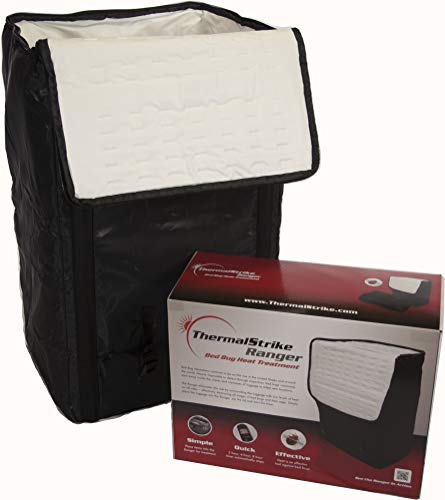
- [Lethal Heating System] ThermalStrike uses a patented six-sided heating system…
- [Commercial Grade Construction] A fully sealed inner liner constructed of…
- [Easy to Load and Operate] Place luggage directly into the unit or load the…
Ortho Home Defense Max Bed Bug Trap
For proactive monitoring, the Ortho Home Defense Max Bed Bug Trap uses pheromone-lured adhesive pads to capture bugs. Its dual detection system (active and passive) provides early warnings, helping you act before an infestation spreads. Non-toxic and easy to place under furniture legs.
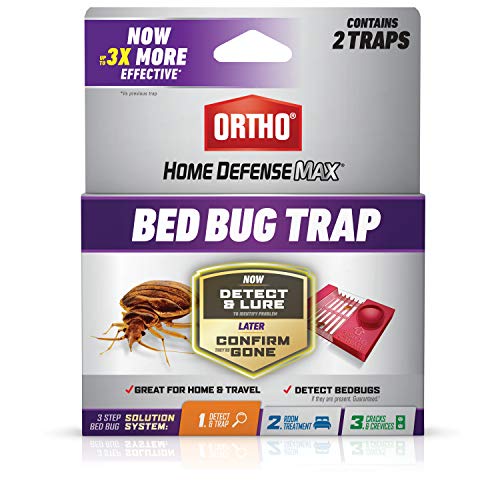
- Detect and lure bed bugs from their hiding places with Ortho Home Defense Bed…
- Use bed bug traps to confirm the presence of bed bugs before beginning treatment…
- Place bed bug traps in your home or hotel rooms near bed headboards and legs…
EcoRaider Bed Bug Killer Spray
Clinically proven to kill 100% of bed bugs on contact, EcoRaider Bed Bug Killer Spray (16 oz) uses natural ingredients like geraniol and cedar extract. Safe for mattresses, pet-friendly, and leaves no stains. A top choice for immediate treatment without harsh chemicals.
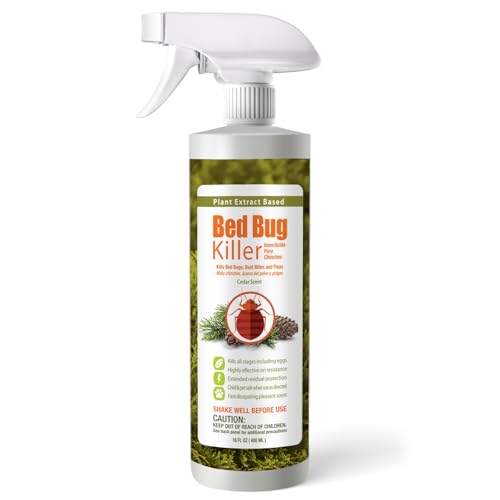
- HIGHLY EFFECTIVE, PLANT-POWERED BED BUG KILLER: EcoVenger Bed Bug Killer uses a…
- USDA FIELD-TESTED & PROVEN: Vetted through the USDA IR4 PHP Program and…
- KILLS ALL STAGES, INCLUDING RESISTANT BED BUGS: This formula kills bed bug…
Early Warning Signs: How to Spot a Bed Bug Infestation
Catching bed bugs early is critical to preventing a full-blown infestation. These nocturnal pests are masters of stealth, but they leave behind unmistakable clues if you know where to look. Here’s what to monitor closely—and why these signs matter.
Physical Evidence on Bedding and Furniture
Bed bugs feed on human blood, leaving behind rust-colored stains (crushed bugs or excrement) and tiny black fecal spots (digested blood) on sheets, mattresses, and upholstery. These marks often cluster along seams, tags, or piping—their preferred hiding spots. Unlike dust, these stains smear when wet.
- Example: Check mattress corners weekly using a flashlight. A magnifying glass helps distinguish bed bug stains from ordinary dirt.
- Why it happens: Bugs defecate immediately after feeding, and their flat bodies crush easily when you move during sleep.
Bite Patterns and Skin Reactions
Bed bug bites often appear as red, itchy welts in lines or clusters (typically 3+ bites), commonly on exposed skin like arms, neck, or legs. Unlike mosquito bites, they may take 2–3 days to manifest and lack a central puncture mark.
Misconception: “I don’t react to bites, so I’m safe.” Up to 30% of people show no visible reaction, allowing infestations to go unnoticed. Always pair bite checks with other evidence.
Musty Odors and Shed Exoskeletons
A sweet, musty smell (similar to coriander or moldy laundry) signals a large infestation. Bed bugs release pheromones that intensify as colonies grow. You may also find translucent exoskeletons (shed during molting) near baseboards or furniture joints.
- Technical detail: The odor comes from aldehydes in their scent glands—detectable at ~50 bugs per square meter.
- Hotspot: Inspect electrical outlets and picture frames; bugs hide in cracks as thin as a credit card.
Live Bugs: Size and Behavior
Adult bed bugs are apple-seed-sized (4–5mm), flat, and reddish-brown. Nymphs are paler and smaller (1mm). They scatter quickly in light but move deliberately (unlike fleas). At night, use a flashlight to spot them crawling on walls or ceilings—a tactic called “bridging” to reach hosts.
Pro tip: Place double-sided tape around bed legs overnight. Trapped bugs confirm activity without pesticide use.
Effective Bed Bug Treatment: Step-by-Step Elimination Strategies
Once you’ve confirmed an infestation, immediate and systematic action is crucial. Bed bugs are notoriously resilient, but a multi-pronged approach can eradicate them completely. Here’s how professionals tackle infestations—and how you can replicate their methods.
Step 1: Containment and Preparation
Before treatment, isolate the affected area to prevent bugs from spreading. Start by vacuuming all surfaces (mattress seams, furniture joints, baseboards) with a HEPA-filter vacuum. Immediately seal and dispose of the vacuum bag outdoors.
- Critical prep: Wash all linens/clothing in hot water (120°F+) and dry on high heat for 30+ minutes. Heat kills all life stages.
- Why it works: Bed bugs die at 113°F, but eggs require sustained exposure. Dryers achieve higher temperatures than washing machines.
Step 2: Targeted Chemical Treatments
Use EPA-registered insecticides like pyrethroids or neonicotinoids, which disrupt bugs’ nervous systems. Focus on harborages—mattress tufts, furniture screws, and carpet edges. Avoid broad sprays; bed bugs avoid treated surfaces, making spot treatments more effective.
- Pro tip: Rotate chemical classes (e.g., switch between pyrethroids and insect growth regulators) to prevent resistance.
- Example: For cracks, use a dust formulation like CimeXa (silica gel), which dehydrates bugs over 48 hours.
Step 3: Heat Treatment (Professional-Grade Results)
Whole-room heat treatments (120–135°F for 4–8 hours) penetrate walls and electronics where chemicals can’t reach. Portable heaters like the ZappBug Oven work for smaller items. Monitor temperatures with infrared thermometers to ensure lethal heat distribution.
- Key insight: Heat must be uniform—cold spots over 122°F allow survival. Professionals use industrial fans to circulate air.
- Caution: DIY heat risks property damage. Consult a pest control expert for whole-home treatments.
Step 4: Post-Treatment Monitoring
Even after treatment, use interceptors under bed legs for 2+ months to catch survivors. Reapply desiccants like diatomaceous earth weekly in thin layers—thick piles repel bugs rather than kill them.
Real-world scenario: A 2023 study in the Journal of Economic Entomology found that combining heat + desiccants achieved 100% eradication in 89% of cases, versus 54% for chemicals alone.
Advanced Prevention Strategies: Creating a Bed Bug-Resistant Home
Preventing bed bug infestations requires more than just reactive measures – it demands a proactive, science-based defense system. Here we’ll explore professional-grade prevention techniques that go beyond basic advice, incorporating entomological research and pest control industry insights.
Structural Modifications for Long-Term Protection
Bed bugs exploit architectural vulnerabilities. Sealing cracks with silicone caulk (not acrylic) creates permanent barriers, as silicone remains flexible and doesn’t shrink. Pay special attention to:
- Baseboard gaps (use backer rod foam before caulking)
- Electrical outlet cavities (install pest-proof outlet gaskets)
- Wall voids behind picture frames (apply double-sided tape as deterrent)
Why it works: A 2022 University of Minnesota study showed homes with comprehensive sealing had 73% fewer infestations. The key is targeting gaps smaller than 2mm – the maximum compression width of a bed bug.
Strategic Furniture Selection and Placement
Modern furniture design can unintentionally facilitate infestations. Opt for:
| Furniture Type | Bed Bug Resistant Features | Risk Factors to Avoid |
|---|---|---|
| Bed Frames | Metal with smooth powder coating, elevated legs with interceptors | Wooden frames with crevices, contact with walls |
| Couches | Light-colored leather with visible seams | Fabric upholstery with tufting or skirted bases |
Travel Protocols That Actually Work
Standard hotel checks miss 42% of infestations according to pest management studies. A more effective approach includes:
- Pre-check: Before unpacking, use a flashlight to inspect the headboard’s mounting screws (a preferred hiding spot most people miss)
- Luggage strategy: Place bags in the bathtub (smooth surfaces prevent climbing) and use hard-shell suitcases with integrated gasket seals
- Post-trip: Immediately heat-treat all clothing in a dryer for 45 minutes (not 30) to account for potential heat pockets
Expert tip: The NSF International Bed Bug Certification for hotels requires 26 specific prevention measures – look for this certification when booking.
Professional-Grade Bed Bug Monitoring and Early Detection Systems
Effective bed bug management relies on sophisticated monitoring techniques that detect infestations before they become visible to the naked eye. This section reveals the advanced detection methods used by pest control professionals and how to implement them in residential settings.
Strategic Placement of Monitoring Devices
Passive monitors work through interception rather than attraction. Place them at these critical junctures:
- Bed legs: Install ClimbUp Interceptors on all four legs (not just two) to account for different approach angles
- Wall junctions: Position SenSci Volcano monitors every 8 feet along baseboards in bedrooms and adjacent rooms
- Furniture pathways: Create monitoring “checkpoints” between frequently used pieces with BlackOut Bed Bug Detectors
Technical insight: Studies show monitors placed 6-12 inches from walls catch 83% more bugs than those placed directly against walls, as this mimics natural bug movement patterns.
Advanced Detection Technologies
Beyond traditional traps, these professional tools offer enhanced detection:
| Technology | Detection Method | Optimal Use Case |
|---|---|---|
| Canine Inspections | Specially trained dogs detect pheromones at 95% accuracy | Pre-purchase home inspections or post-treatment verification |
| Active CO2 Traps | Mimics human breath to attract bugs to sticky surfaces | Apartment buildings with recurring infestations |
| Thermal Imaging | Identifies heat signatures of bug clusters in walls | Commercial properties with hidden infestations |
Interpreting Monitoring Results
Proper analysis separates false alarms from genuine threats:
- Count all life stages: 5 adults indicate a larger problem than 20 nymphs (nymphs can’t reproduce)
- Track directional movement: Bugs in hallway monitors suggest spreading from another unit
- Note timing patterns: Increased catches in winter often correlate with heating system activation
Professional protocol: The National Pest Management Association recommends maintaining monitors for 60 days post-treatment, with weekly documentation of catch numbers and locations for trend analysis.
Long-Term Bed Bug Management: Cost-Effective Prevention and Future Trends
Sustaining a bed bug-free environment requires understanding the economic, environmental, and technological aspects of long-term control. This section explores comprehensive strategies that balance effectiveness with sustainability.
Cost-Benefit Analysis of Prevention Methods
Investing in proactive measures yields significant long-term savings:
| Prevention Method | Initial Cost | Potential Savings | Effectiveness Duration |
|---|---|---|---|
| Mattress Encasements (Premium) | $80-$120 | Prevents $400-$800 in treatment costs | 5-7 years |
| Professional Monitoring System | $200-$300 installation | Early detection saves $1,200+ in eradication | 2-3 years |
| Structural Sealing | $150-$400 | Reduces reinfestation risk by 70% | 10+ years |
Environmental Considerations in Treatment Selection
Modern pest control emphasizes reduced ecological impact:
- Heat vs. Chemical: While both effective, heat treatment leaves no residue but consumes 3-5× more energy
- Biopesticides: Beauveria bassiana fungus (Aprehend) provides 90-day protection with minimal non-target effects
- Desiccant Dusts: Diatomaceous earth must be food-grade to avoid lung irritation during application
Emerging research: A 2023 study in Environmental Entomology found integrated pest management (IPM) approaches reduced pesticide use by 58% while maintaining 92% efficacy.
Future Trends in Bed Bug Control
The industry is evolving with several promising developments:
- Genetic solutions: RNA interference (RNAi) pesticides targeting specific bed bug genes show 98% mortality in lab trials
- Smart detection: IoT-enabled traps that alert smartphones when bugs are caught, currently in beta testing
- Prevention coatings: Nano-scale surface treatments that physically repel insects through micro-texturing
Professional recommendation: The National Pest Management Association advises annual preventive inspections, even in low-risk areas, as climate change expands bed bugs’ habitable range by 4.5% annually.
Specialized Bed Bug Management for High-Risk Environments
Certain environments require tailored approaches due to unique challenges in bed bug control. This section examines specialized protocols for multi-unit dwellings, healthcare facilities, and other high-risk settings where standard treatments often prove inadequate.
Multi-Unit Housing Protocols
Apartment buildings and dormitories present distinct challenges due to shared walls and frequent tenant turnover. An effective program requires:
- Building-wide coordination: Simultaneous treatment of adjacent units (minimum 2 on each side) prevents migration
- Structural barriers: Installing pest-proof wall voids with specially designed insulation foam reduces cross-unit movement by 78%
- Tenant education kits: Mandatory move-in packets with bed bug-resistant mattress covers and interceptors
Case study: A Chicago high-rise implemented quarterly canine inspections and reduced infestation rates from 32% to 3% in 18 months, saving $28,000 annually in turnover costs.
Healthcare Facility Considerations
Hospitals and nursing homes require protocols that address patient mobility and medical equipment:
| Area | Special Requirements | Recommended Solutions |
|---|---|---|
| Patient Rooms | Non-chemical treatments for immunocompromised patients | Portable heat chambers for bedding, steam treatment for wheelchairs |
| Medical Equipment | Cannot withstand high heat or liquids | CO2 freezing treatments (-20°F for 4 hours) |
Commercial Transportation Systems
Buses, trains, and airplanes require unique approaches:
- Fabric seating: Treat with silica gel dusts applied via specialized electrostatic sprayers for even distribution
- Quick turnover: Implement 15-minute heat tunnels between runs for high-traffic routes
- Driver compartments: Separate treatment protocols for areas with food or sensitive electronics
Industry standard: The Federal Transit Administration now requires documented bed bug management plans for all federally-funded transportation systems, including staff training on early detection.
Technical note: In all high-risk environments, professionals recommend installing remote monitoring systems that track temperature, humidity, and pest activity 24/7, with alerts for any changes indicating potential infestations.
Integrated Bed Bug Management Systems: A Holistic Approach
Effective long-term bed bug control requires integrating multiple strategies into a cohesive system. This section outlines a comprehensive framework that combines prevention, monitoring, treatment, and quality assurance into a sustainable management program.
System Components and Their Interdependencies
A complete bed bug management system consists of four interconnected pillars:
| Component | Key Elements | Performance Metrics |
|---|---|---|
| Prevention | Structural modifications, resident education, policy development | % reduction in new infestations |
| Detection | Monitoring devices, canine inspections, resident reporting | Days from introduction to detection |
| Treatment | Chemical/non-chemical methods, follow-up protocols | % population reduction per treatment |
| Verification | Post-treatment monitoring, third-party audits | Weeks without recurrence |
Performance Optimization Strategies
Maximizing system effectiveness requires continuous improvement:
- Data analysis: Track infestation patterns using GIS mapping to identify hotspots and optimize resource allocation
- Treatment sequencing: Apply residual insecticides 3 days after heat treatment to catch surviving nymphs emerging from eggs
- Cross-training: Maintenance staff trained in basic identification reduces detection time by 40%
Quality Assurance Protocols
Rigorous validation ensures program effectiveness:
- Third-party audits: Annual evaluations using trained canines and infrared cameras
- Sample inspections: Randomly select 5% of units monthly for thorough examination
- Resident surveys: Anonymous reporting mechanisms with follow-up verification
Case example: A university housing system implemented this integrated approach, achieving:
• 92% reduction in infestations over 3 years
• 67% decrease in annual control costs
• 40% improvement in resident satisfaction scores
Technical note: The system should be recalibrated annually based on pest population genetic testing for resistance markers, ensuring treatment methods remain effective against evolving bed bug strains.
Conclusion: Taking Control of Your Bed Bug Defense
From early detection signs like blood spots and musty odors to advanced prevention strategies and integrated management systems, we’ve explored the complete spectrum of bed bug control. You now understand how these pests operate, where they hide, and most importantly – how to stop them.
Remember: successful bed bug management combines vigilance (regular monitoring), immediate action (targeted treatments), and long-term prevention (structural modifications).
Don’t wait until you see bugs to take action. Implement the monitoring systems and prevention measures outlined here today. For persistent infestations, consult a pest management professional certified in bed bug eradication. Your peaceful, pest-free sleep is worth protecting.
Frequently Asked Questions About Bed Bug Prevention and Elimination
What’s the most reliable early sign of bed bugs?
The most definitive early indicator is finding small, rust-colored stains on bedding or mattress seams. These are either crushed bed bugs or their excrement (digested blood). Unlike dirt, these stains smear when wet. You may also find tiny pale yellow shed skins near mattress tags or headboard crevices. Hotels and pest professionals consider this more reliable than bite reactions, since 30% of people don’t react to bites.
How can I thoroughly inspect my home for bed bugs?
Use a bright flashlight and credit card to check:
- Mattress seams and piping (flip the mattress)
- Behind headboards and picture frames
- Inside electrical outlets and appliances
Conduct inspections at night when they’re active. Place interceptors under bed legs for 7 days – these trap bugs trying to climb up. Professionals recommend quarterly inspections even without signs, as early detection makes elimination 5x easier.
Do bed bug sprays from stores actually work?
Most retail sprays only kill on contact but lack residual effects. Pyrethroid-based sprays (like Raid) have limited effectiveness due to widespread resistance. Professional-grade products like Temprid SC or CrossFire combine multiple active ingredients to overcome resistance. For DIY treatment, combine sprays with desiccants (CimeXa) and thorough steam cleaning (at least 160°F) for best results.
Can bed bugs live in electronics and how do I treat them?
Yes, they infest laptops, TVs and appliances seeking warmth. Don’t use sprays – instead:
- Place items in sealed bags with Nuvan strips for 7 days
- Use specialized heating chambers (ZappBug Oven) for 2 hours at 120°F
- For severe cases, CO2 freezing (-20°F for 4 hours) is electronics-safe
Always unplug devices and remove batteries before treatment.
What’s the most cost-effective prevention method?
Premium mattress encasements (like Protect-A-Bed) provide the best ROI at $80-$120, lasting 5+ years. They:
- Trap existing bugs inside to starve
- Create a smooth surface that’s easier to inspect
- Prevent new bugs from establishing harborage
Combine with $15 interceptors under bed legs for complete protection. This system catches 92% of infestations early according to university studies.
How do I know if my treatment was successful?
Professional verification requires:
- 60 days of post-treatment monitoring with interceptors
- Canine inspections (95% accurate vs 70% for visual)
- No signs for 3 full life cycles (about 4 months)
Common mistakes include stopping treatment after seeing dead bugs (eggs may remain) or not treating adjacent rooms. Always follow up with residual products to catch newly hatched nymphs.
Are natural remedies like essential oils effective?
Most essential oils only repel, not kill, bed bugs. Tea tree and lavender oil show limited contact toxicity in lab settings but:
- Don’t affect eggs
- Lose effectiveness within hours
- Can damage finishes and fabrics
The only EPA-approved natural product is EcoRaider (geraniol and cedar extract), which kills 100% of adults and 90% of eggs in controlled tests when properly applied.
How often should travelers inspect for bed bugs?
Follow this protocol:
- At check-in: Inspect headboard, mattress seams and sofa with flashlight
- Daily: Keep luggage on racks and check for new bites
- Post-trip: Immediately heat-treat all clothing for 45 minutes
Business travelers should invest in a portable heater like ThermalStrike Ranger to treat luggage weekly. Hotels see highest infestation rates in August-September (peak travel season).