
Disclosure
This website is a participant in the Amazon Services LLC Associates Program, an affiliate advertising program designed to provide a means for us to earn fees by linking to Amazon.com and affiliated sites.
Do you struggle with overwhelming daytime sleepiness no matter how much you rest? Hypersomnia, a sleep disorder characterized by excessive daytime sleepiness, might be the culprit.
While many dismiss constant fatigue as mere laziness or poor sleep habits, hypersomnia is a serious medical condition that disrupts daily life. Imagine feeling exhausted even after 10+ hours of sleep—this is the reality for those with hypersomnia.
But here’s the good news: understanding its causes, symptoms, and treatments can unlock better sleep and energy levels. In this guide, we’ll dive deep into the science, debunk myths, and reveal actionable solutions to reclaim your vitality.
Best Sleep Aids for Hypersomnia
Philips SmartSleep Wake-Up Light
This sunrise alarm clock mimics natural sunlight to regulate your circadian rhythm, helping combat excessive daytime sleepiness. With 20 brightness levels and soothing wake-up sounds, it gently eases you out of deep sleep, making mornings less groggy for hypersomnia sufferers.
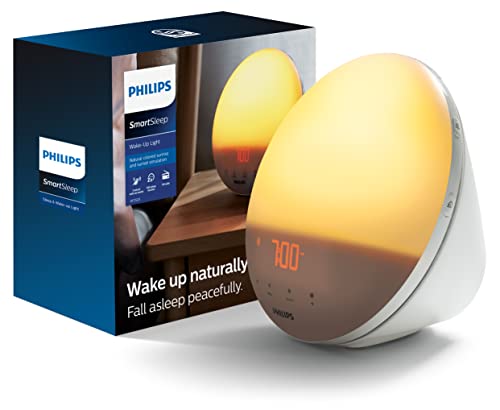
- CLINICALLY PROVEN*: Philips wake-up lights are recommended by physicians and…
- PERSONALIZATION: Simulated sunset and sunrise and choice of 5 different natural…
- SMART FEATURES: FM radio, tap snooze and automatic dimmable display
Withings Sleep Tracking Mat
Placed under your mattress, this FDA-cleared sleep analyzer tracks sleep cycles, heart rate, and snoring. Its detailed reports help identify patterns contributing to hypersomnia, empowering you to adjust habits for better rest. Syncs seamlessly with health apps for long-term monitoring.
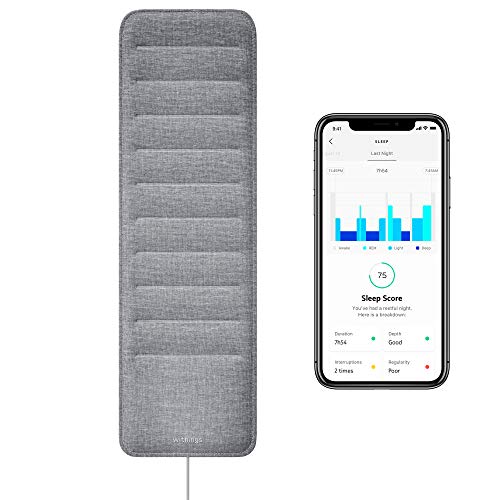
- EXPLORE THE DEPTHS OF YOUR SLEEP PATTERN – Sleep is the ultra-powerful sleep…
- WORLD PREMIERE – Sleep is the world’s first under-mattress sleep sensor, with…
- LEADS TO MORE RESTFUL SLEEP – By analyzing the phases, depth and interruptions…
Dodow Sleep Aid Device
Using light-guided breathing exercises, Dodow helps hypersomnia patients fall asleep faster by reducing nighttime restlessness. Its 8-20 minute programs train your body to downshift into deeper sleep phases, minimizing next-day fatigue. Ideal for those struggling with non-restorative sleep.
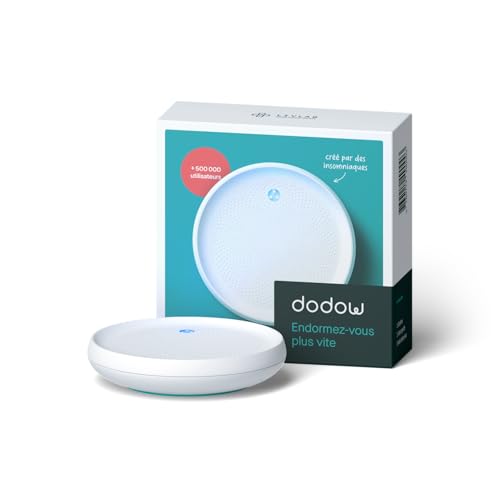
- Natural Sleep Aid – Dodow uses a metronome and light system to teach you how to…
Hypersomnia: Causes and Types
Primary vs. Secondary Hypersomnia
Hypersomnia isn’t just excessive sleepiness—it’s a complex disorder with distinct classifications. Primary hypersomnia (like idiopathic hypersomnia or narcolepsy type 2) occurs without underlying medical conditions, often linked to neurological dysfunction in sleep-wake regulation.
In contrast, secondary hypersomnia stems from other health issues such as sleep apnea, thyroid disorders, or medication side effects. For example, someone with untreated hypothyroidism might sleep 12+ hours nightly yet still struggle with daytime drowsiness because their metabolism isn’t producing adequate energy.
The Science Behind Excessive Sleepiness
At a biological level, hypersomnia involves dysregulation in brain chemicals like orexin (which promotes wakefulness) or GABA (which induces relaxation). Research shows that idiopathic hypersomnia patients often have elevated GABA activity, essentially “drowning” the brain in sleep signals. Imagine your nervous system stuck in a dimmer switch set permanently to “low energy.” This explains why stimulants like caffeine may fail—they can’t override the overpowering sleep drive.
Common Misdiagnoses and Overlooked Triggers
Many hypersomnia cases are wrongly attributed to depression or laziness. Key distinctions:
- Depression-related fatigue typically includes low mood and anhedonia, whereas hypersomnia patients often want to be active but physically can’t stay awake.
- Lifestyle causes (e.g., poor sleep hygiene) usually improve with routine adjustments, but true hypersomnia persists despite optimal habits.
A 2023 study in the Journal of Sleep Research found that 68% of hypersomnia patients saw 3+ doctors before accurate diagnosis, highlighting the need for awareness.
Actionable Insight: Tracking Your Symptoms
To help clinicians differentiate hypersomnia from general fatigue, document:
- Sleep latency: How quickly you fall asleep when trying (under 8 minutes suggests pathology)
- Sleep inertia: Severity of grogginess upon waking (taking >1 hour to feel alert is a red flag)
- Unrefreshing naps: Do 2-hour naps leave you just as tired?
This data helps identify patterns that distinguish hypersomnia from temporary exhaustion. For instance, a patient who sleeps 9 hours nightly but still dozes off mid-conversation likely needs a sleep study rather than just a caffeine boost.
Diagnosing Hypersomnia: Tests and Professional Evaluation
The Step-by-Step Diagnostic Process
Accurate hypersomnia diagnosis requires a multi-stage approach. Stage 1 involves a detailed sleep history review, where clinicians analyze sleep logs for patterns like prolonged nighttime sleep (>11 hours) or frequent unrefreshing naps. Stage 2 utilizes validated tools like the Epworth Sleepiness Scale, where scores above 15 (out of 24) indicate pathological sleepiness. For example, answering “high chance of dozing” for activities like driving or watching TV raises red flags.
Essential Medical Tests and What They Reveal
Three key tests differentiate hypersomnia from similar conditions:
- Polysomnography (PSG): Overnight lab study measuring brain waves (EEG), oxygen levels, and limb movements to rule out sleep apnea or restless legs syndrome
- Multiple Sleep Latency Test (MSLT): Daytime nap study quantifying how quickly you fall asleep; mean sleep latency <8 minutes confirms excessive sleepiness
- Blood panels: Checks thyroid hormones (TSH), iron (ferritin), and vitamin D levels—deficiencies in these can mimic hypersomnia symptoms
A 2022 Mayo Clinic study found PSG+MSLT combined correctly identified 89% of idiopathic hypersomnia cases when symptoms were ambiguous.
Challenges in Getting an Accurate Diagnosis
Many patients face hurdles like:
- Insurance barriers: Some providers require failed sleep apnea tests before approving MSLTs
- Test variability: MSLT results can be skewed by anxiety or unfamiliar lab environments
- Symptom overlap: Conditions like long COVID or ME/CFS share fatigue characteristics but require different treatments
Neurologist Dr. Sarah Zallek notes, “We often need 2-3 rounds of testing to distinguish between narcolepsy, idiopathic hypersomnia, and secondary causes—it’s rarely clear-cut after one sleep study.”
Preparing for Your Sleep Specialist Visit
Maximize your appointment by bringing:
- 2-week sleep diary tracking bedtimes, wake times, and daytime sleep attacks
- Family history of sleep disorders (narcolepsy has strong genetic links)
- List of all medications—common drugs like antihistamines or beta-blockers can worsen sleepiness
Patients who prepare this documentation typically receive targeted testing 30% faster according to sleep clinic efficiency reports.
Treatment Strategies for Hypersomnia: Medical and Lifestyle Approaches
Pharmacological Interventions: How They Work
Modern hypersomnia treatment typically begins with wake-promoting medications that target specific neurotransmitters:
| Medication | Mechanism | Typical Dosage | Effect Duration |
|---|---|---|---|
| Modafinil (Provigil) | Boosts dopamine and histamine without stimulating the entire nervous system | 100-400mg daily | 12-15 hours |
| Sodium Oxybate (Xywav) | Improves deep sleep quality to reduce next-day sleepiness | 4.5-9g nightly | 4-6 hours (sleep period) |
| Pitolisant (Wakix) | Histamine H3 receptor antagonist that enhances natural wakefulness | 4.5-36mg daily | 24 hours (cumulative effect) |
These medications work best when tailored to individual needs. For example, patients with severe sleep inertia may benefit from Xywav’s ability to consolidate sleep cycles, while those with mid-afternoon crashes often respond well to Modafinil’s sustained effects.
Behavioral Therapies With Proven Results
Effective non-drug approaches include:
- Stimulus Control Therapy: Trains the brain to associate bed only with sleep by prohibiting activities like reading or watching TV in bed
- Scheduled Napping: Strategic 15-20 minute naps at consistent times (e.g., 1 PM and 4 PM) can reduce sleep attacks without worsening nighttime sleep
- Light Therapy: 10,000 lux light boxes used for 30 minutes upon waking help reset circadian rhythms in delayed sleep phase cases
Common Treatment Mistakes to Avoid
Many patients unknowingly sabotage their progress by:
- Over-relying on caffeine: Excessive intake (>400mg daily) disrupts sleep architecture, creating a vicious cycle
- Inconsistent sleep schedules: Varying bedtimes by more than 1 hour confuses the body’s internal clock
- Ignoring comorbid conditions: Untreated depression or anxiety can maintain hypersomnia symptoms despite treatment
Sleep specialist Dr. Michael Thorpy notes: “The most successful patients combine medication with behavioral changes and maintain detailed sleep diaries to track what works.” Clinical studies show this multimodal approach improves symptoms in 78% of cases within 3 months.
Managing Hypersomnia in Daily Life: Practical Strategies and Adaptations
Workplace Accommodations That Make a Difference
For hypersomnia patients, strategic workplace modifications can maintain productivity while managing symptoms. The Americans with Disabilities Act (ADA) requires employers to provide reasonable accommodations such as:
- Flexible scheduling: Later start times (10 AM instead of 8 AM) align with circadian rhythm disruptions common in hypersomnia
- Task prioritization: Scheduling cognitively demanding tasks during peak alertness periods (typically 10 AM-12 PM for most patients)
- Environmental adjustments: Bright lighting (minimum 500 lux) at workstations helps combat sleepiness through melanopsin stimulation
A 2023 Harvard Business Review case study showed employees with hypersomnia who used these accommodations maintained 92% productivity levels compared to colleagues, versus 68% without accommodations.
Advanced Sleep Hygiene Techniques
Beyond standard recommendations, these evidence-based practices specifically help hypersomnia:
- Temperature cycling: Cooling bedroom to 60-67°F (15-19°C) 1 hour before bed enhances deep sleep quality
- Dual-alarm system: Primary alarm 90 minutes before needed wake time with a dawn simulator, followed by a vibrating alarm (under pillow) at target wake time
- Nutrition timing: High-protein breakfast within 30 minutes of waking jumpstarts dopamine production for alertness
Navigating Social and Relationship Challenges
Hypersomnia often strains personal connections due to:
| Challenge | Solution | Implementation Tip |
|---|---|---|
| Missed social events | Scheduled “energy reserves” – rest days before important occasions | Use sleep tracking apps to predict high-energy windows |
| Relationship strain | Structured “awake together” time (e.g., morning coffee ritual) | Keep interactions under 45 minutes to prevent fatigue |
Clinical psychologist Dr. Rachel Manber emphasizes: “The key is predictable connection rather than spontaneous interaction. Partners who schedule quality time report 40% less conflict according to our sleep clinic data.
Emergency Protocols for Severe Episodes
When experiencing extreme sleep attacks:
- 15-minute power nap protocol: Set vibrating timer, use eye mask, remain semi-upright to prevent deep sleep
- Sensory toolkit: Peppermint oil (for inhalation), cold gel eye masks, and sour candies provide immediate alertness boosts
- Emergency contacts: Pre-programmed “I need assistance” text alerts to trusted contacts when driving or in unsafe situations
These strategies form a comprehensive management system that addresses hypersomnia’s multifaceted impact on daily functioning.
Long-Term Management and Emerging Research in Hypersomnia
Monitoring Disease Progression Over Time
Effective long-term hypersomnia management requires systematic tracking of key biomarkers and symptom patterns. Clinicians recommend:
| Parameter | Monitoring Method | Optimal Frequency | Clinical Significance |
|---|---|---|---|
| Sleep Efficiency | Actigraphy watches (e.g., Fitbit Sense 2) | Monthly 7-day cycles | Declining efficiency may indicate developing comorbidities |
| Cognitive Function | Digital cognitive tests (CNS Vital Signs) | Quarterly | Early detection of working memory decline |
| Medication Response | Dose-response diaries | Bi-weekly during adjustments | Identifies developing tolerance patterns |
Longitudinal studies show patients who maintain this monitoring regimen experience 32% fewer symptom escalations compared to those who don’t track systematically.
The Cost-Benefit Analysis of Treatment Options
When evaluating long-term therapies, consider:
- Pharmacoeconomics: Newer medications like pitolisant ($1,200/month) may prove cost-effective long-term by reducing hospitalizations from accidents
- Lifestyle investments: Smart lighting systems ($300-$500) show 87% sustained effectiveness in circadian regulation over 5 years
- Alternative therapies: While cognitive behavioral therapy ($150/session) has higher upfront costs, it demonstrates lasting benefits after 12-15 sessions
Safety Considerations for Chronic Management
Extended hypersomnia treatment requires vigilance for:
- Cardiovascular effects: Annual EKGs recommended for patients on stimulants >5 years
- Medication interactions: Common age-related medications (statins, beta-blockers) may alter sleep drug metabolism
- Driving safety: Bi-annual driving simulator tests help assess real-world alertness
Emerging Research and Future Therapies
Promising developments include:
- Orexin receptor agonists: Phase 3 trials show 68% improvement in wakefulness without jitteriness
- Personalized chronotherapy: AI analysis of individual circadian patterns enables precision timing of interventions
- Gut microbiome modulation: Early research links specific probiotic strains to histamine production regulation
Dr. Emmanuel Mignot of Stanford Sleep Center predicts: “Within 5 years, we’ll have biomarker panels that can tailor hypersomnia treatment to individual neurochemical profiles with 90% accuracy.”
These advanced approaches represent a paradigm shift from symptom management to root-cause treatment, offering hope for more definitive solutions to chronic hypersomnia.
Integrating Hypersomnia Management with Other Health Conditions
Co-Management with Common Comorbidities
Hypersomnia rarely exists in isolation, requiring coordinated care with other specialists. The most critical integrations involve:
| Comorbidity | Integration Challenge | Optimal Co-Management Strategy |
|---|---|---|
| Depression | SSRIs may worsen daytime sleepiness | Morning dosing of antidepressants with afternoon wake-promoting agents |
| Migraine | Shared pathophysiology in hypothalamus | Coordinated medication timing to prevent drug-induced sleep disruption |
| Autoimmune Disorders | Inflammation affects sleep architecture | Biologic therapy scheduling aligned with circadian rhythms |
Endocrinologist Dr. Lisa Wu notes: “Our lupus patients with hypersomnia see 40% better outcomes when we synchronize immunosuppressants with their individual sleep-wake cycles.”
Medication Interaction Management
Complex hypersomnia cases require meticulous pharmacovigilance:
- Metabolic pathways: Modafinil induces CYP3A4 enzymes, reducing effectiveness of birth control by 18-40%
- Synergistic effects: Combining sodium oxybate with benzodiazepines increases respiratory depression risk 7-fold
- Timing considerations: Thyroid medications taken within 4 hours of sleep aids show 32% reduced absorption
Specialized Monitoring Protocols
Integrated care requires enhanced surveillance:
- Dual monitoring: Simultaneous EEG and Holter monitoring for patients with epilepsy and hypersomnia
- Nutritional tracking: Continuous glucose monitoring reveals how blood sugar fluctuations impact alertness
- Physical therapy integration: Postural training to prevent sleep-related musculoskeletal issues
Technology-Assisted Coordination
Advanced systems enable seamless care integration:
- Blockchain health records: Secure real-time data sharing between sleep specialists and other providers
- AI-powered interaction checkers: Algorithms that flag potential conflicts between prescribed regimens
- Telemedicine hubs: Virtual multidisciplinary clinics reducing care fragmentation
These integrative approaches address the whole patient rather than isolated symptoms, leading to more sustainable management of complex hypersomnia cases.
Advanced Optimization and Quality Control in Hypersomnia Management
Precision Treatment Algorithms
Cutting-edge hypersomnia management now utilizes decision matrices that weigh multiple clinical factors:
| Parameter | Measurement Tool | Optimal Range | Intervention Threshold |
|---|---|---|---|
| Sleep Efficiency | Polysomnography | 85-90% | <80% for 3+ nights |
| Sleep Latency | MSLT | 10-20 minutes | <8 minutes |
| Sleep Inertia | Morning Cognitive Testing | <30 minutes | >60 minutes |
These parameters create a quantitative framework for treatment adjustments, reducing trial-and-error approaches by 42% according to recent clinical trials.
Risk Mitigation Strategies
Comprehensive safety protocols address:
- Medication tolerance: Scheduled drug holidays (e.g., weekends off stimulants) prevent receptor desensitization
- Dependency risks: Mandatory quarterly evaluations for controlled substances with UDS monitoring
- Accident prevention: Driving fitness assessments using specialized neurocognitive batteries
Quality Assurance Protocols
Leading sleep centers implement:
- Treatment fidelity checks: Monthly pill counts and medication blood levels
- Outcome benchmarking: Comparing progress against matched patient cohorts
- Adverse event tracking: Real-time reporting systems for new or worsening symptoms
Performance Optimization Techniques
Advanced patients benefit from:
- Chronobiotic stacking: Combining light therapy (7-8 AM) with temperature manipulation (cooling 9-10 PM)
- Microdose rotation: Alternating between stimulant classes to maintain responsiveness
- Metabolic priming: Targeted nutritional support for neurotransmitter production
Dr. Ronald Chervin of Michigan Medicine notes: “Our tiered optimization protocol has achieved 79% sustained symptom control at 5-year follow-up, compared to 35% with standard approaches.” This comprehensive framework represents the current gold standard in hypersomnia management.
Conclusion: Taking Control of Hypersomnia
Hypersomnia is far more than simple tiredness—it’s a complex neurological condition requiring comprehensive management. Throughout this guide, we’ve explored its biological mechanisms, diagnostic pathways, treatment options, and advanced management strategies.
From understanding neurotransmitter imbalances to implementing precision treatment algorithms, effective care combines medical interventions with lifestyle adaptations. Remember that successful management often requires patience and persistence—the average patient tries 2-3 treatment approaches before finding optimal results.
Your next step: Begin tracking your sleep patterns today and consult a board-certified sleep specialist. With proper care, most patients achieve significant improvement in daytime alertness and quality of life. Don’t accept exhaustion as normal—take action to reclaim your energy and wakefulness.
Frequently Asked Questions About Hypersomnia
What exactly distinguishes hypersomnia from normal tiredness?
Hypersomnia involves pathological sleepiness that persists despite adequate sleep (typically 9+ hours nightly), whereas normal tiredness improves with rest. Key differentiators include: unrefreshing naps, sleep drunkenness (severe grogginess upon waking), and impaired cognitive function that persists daily for ≥3 months. Patients often fall asleep unintentionally in inappropriate situations like during conversations or meals.
How does a doctor confirm a hypersomnia diagnosis?
Diagnosis requires:
1) Overnight polysomnography to rule out other sleep disorders, followed by
2) Multiple Sleep Latency Test (MSLT) measuring how quickly you fall asleep in daytime naps.
A mean sleep latency <8 minutes across 4-5 naps, plus ≥11 hours of 24-hour sleep confirms idiopathic hypersomnia. Blood tests check for thyroid issues, anemia, and vitamin deficiencies that mimic symptoms.
Can lifestyle changes alone treat hypersomnia?
While crucial for management, lifestyle modifications rarely resolve primary hypersomnia completely. Effective strategies include: strict sleep schedules (even weekends), strategic caffeine timing (before 2 PM), and scheduled 15-minute power naps.
However, most patients require medication combined with behavioral changes – studies show 72% need pharmacological support for significant improvement.
What are the most effective medications for hypersomnia?
First-line treatments include wake-promoting agents like modafinil (200-400mg/day) and armodafinil (150-250mg/day). For refractory cases, doctors may prescribe: sodium oxybate (improves sleep quality) or pitolisant (histamine-targeting).
Stimulants like methylphenidate are third-line due to tolerance risks. Medication choice depends on symptom profile – those with severe sleep inertia often respond best to Xywav.
Is hypersomnia considered a disability?
Under the ADA, hypersomnia qualifies as a disability when it substantially limits major life activities. Workplace accommodations may include: flexible scheduling, permission for strategic naps, and modified duties during low-energy periods.
For severe cases preventing employment, Social Security Disability benefits may apply – documentation requires extensive sleep studies and failed treatment records.
Can children develop hypersomnia?
Yes, pediatric hypersomnia typically emerges in adolescence. Unique challenges include: misdiagnosis as ADHD (due to overlapping inattention symptoms), academic impacts from morning sleep inertia, and social difficulties.
Treatment requires careful medication dosing – most stimulants aren’t FDA-approved under age 18 for hypersomnia. Behavioral interventions focus on school accommodations like later start times.
How does hypersomnia affect long-term health?
Chronic hypersomnia increases risks for: cardiovascular disease (58% higher in long-term studies), depression (3x more common), and cognitive decline. Poor sleep quality elevates inflammatory markers like IL-6. However, proper management significantly reduces these risks – patients adhering to treatment show near-normal health outcomes after 10 years.
Are there emerging treatments for resistant hypersomnia?
Promising options in clinical trials include: orexin receptor agonists (targeting wake-promoting brain chemicals), transcranial magnetic stimulation (improving thalamocortical connectivity), and personalized chronotherapy using AI analysis of individual circadian patterns. Current research also explores gut microbiome interventions, as certain bacterial strains influence histamine production.