
Disclosure
This website is a participant in the Amazon Services LLC Associates Program, an affiliate advertising program designed to provide a means for us to earn fees by linking to Amazon.com and affiliated sites.
Do you struggle with relentless daytime sleepiness no matter how much you rest? Hypersomnia—a condition marked by excessive sleepiness—is more than just fatigue; it’s a disruptive force stealing productivity and joy.
While many dismiss it as laziness, research reveals it’s often tied to neurological, genetic, or lifestyle factors. But here’s the good news: understanding its causes unlocks targeted solutions
Best Sleep Aids for Hypersomnia Management
Philips SmartSleep Wake-Up Light
This sunrise alarm clock mimics natural light to regulate circadian rhythms, helping hypersomnia sufferers wake up more naturally. Its 20 brightness levels and sunset simulation promote deeper sleep, while built-in nature sounds reduce grogginess. Ideal for those struggling with non-restorative sleep.
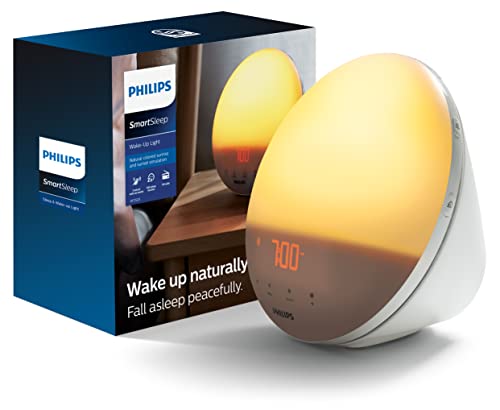
- CLINICALLY PROVEN*: Philips wake-up lights are recommended by physicians and…
- PERSONALIZATION: Simulated sunset and sunrise and choice of 5 different natural…
- SMART FEATURES: FM radio, tap snooze and automatic dimmable display
Withings Sleep Tracking Mat (Sleep Analyzer)
A non-wearable sleep tracker that monitors sleep cycles, heart rate, and snoring. Its detailed reports help identify patterns contributing to hypersomnia. The mat syncs with health apps, making it perfect for data-driven users seeking to optimize sleep hygiene.
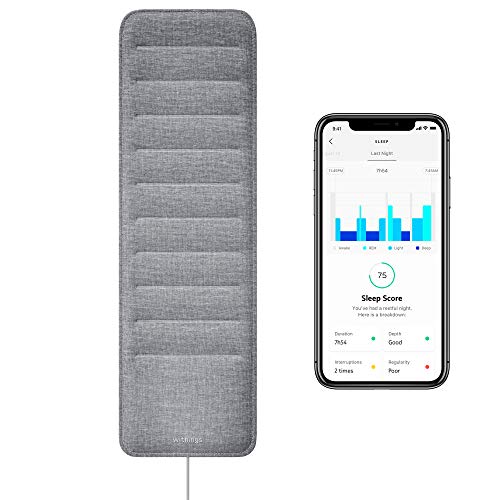
- EXPLORE THE DEPTHS OF YOUR SLEEP PATTERN – Sleep is the ultra-powerful sleep…
- WORLD PREMIERE – Sleep is the world’s first under-mattress sleep sensor, with…
- LEADS TO MORE RESTFUL SLEEP – By analyzing the phases, depth and interruptions…
REMSTAR Plus CPAP Machine
Clinically proven for sleep apnea-related hypersomnia, this auto-adjusting CPAP features Expiratory Pressure Relief (EPR) for comfort. Its built-in humidifier prevents dryness, and quiet operation ensures uninterrupted sleep. A game-changer for those with obstructive sleep disorders causing excessive daytime sleepiness.

- Remstar Plus Cpap System is a CPAP (Continuous Positive Airway Pressure) device…
- CAUTION:Do not overfill the water tank as water may enter the device and air…
- Packing list of the device:Device with integrated humidifier and water…
Hypersomnia: Types and Key Symptoms
Hypersomnia isn’t just “feeling tired”—it’s a clinical disorder characterized by excessive daytime sleepiness (EDS) that persists despite adequate nighttime sleep. Unlike fatigue, which involves physical exhaustion, hypersomnia creates an overwhelming urge to sleep during the day, often leading to unplanned naps that don’t restore alertness. To diagnose it, doctors look for symptoms lasting at least three months, significantly impairing work, relationships, or safety (e.g., drowsy driving).
Primary vs. Secondary Hypersomnia
Primary hypersomnia, like idiopathic hypersomnia or narcolepsy type 2, originates from neurological dysfunction. For example, idiopathic hypersomnia involves excessive deep sleep due to abnormal GABA activity in the brain. In contrast, secondary hypersomnia stems from underlying conditions such as:
- Sleep apnea (interrupted breathing reduces sleep quality)
- Thyroid disorders (hypothyroidism slows metabolism)
- Medication side effects (e.g., sedatives or antihistamines)
Red Flags and Misdiagnosis Risks
Many dismiss hypersomnia as depression or laziness, but key differences exist. Depression often includes early morning awakening, whereas hypersomnia sufferers sleep 10+ hours yet still feel exhausted. A hallmark symptom is “sleep drunkenness”—extreme grogginess upon waking, sometimes lasting hours. Other warning signs:
- Automatic behaviors (e.g., typing without memory of doing so)
- Brain fog that resists caffeine
- Frequent sleep attacks (sudden, uncontrollable sleep episodes)
Real-world example: A 2022 Sleep Medicine study found 68% of hypersomnia patients were initially misdiagnosed with depression, delaying proper treatment by an average of 5 years. Polysomnography (sleep studies) and Multiple Sleep Latency Tests (MSLT) are critical for accurate diagnosis.
Why This Matters for Treatment
Identifying the type of hypersomnia dictates therapy. Primary cases may require stimulants like modafinil, while secondary cases need root-cause fixes (e.g., CPAP for sleep apnea). Lifestyle tweaks like light therapy or strategic napping (20-minute “power naps”) can also help manage symptoms.
Effective Treatment Strategies for Hypersomnia: Medical and Lifestyle Approaches
Managing hypersomnia requires a multimodal approach that combines medical interventions with behavioral modifications. While medications can provide immediate symptom relief, long-term improvement often depends on addressing underlying causes and optimizing sleep hygiene. Here’s how specialists tailor treatment plans for different hypersomnia cases.
Pharmacological Treatments: When and How They Work
Stimulants like modafinil (Provigil) and armodafinil (Nuvigil) are first-line options for primary hypersomnia. Unlike traditional stimulants, these drugs promote wakefulness without jitters by targeting dopamine receptors in the hypothalamus. For refractory cases, doctors may prescribe:
- Sodium oxybate (Xywav) – Improves deep sleep quality in narcolepsy-related hypersomnia
- Pitolisant (Wakix) – A histamine-based option for patients sensitive to stimulants
Important note: Medication efficacy varies. A 2023 Journal of Clinical Sleep Medicine study found 40% of idiopathic hypersomnia patients required dose adjustments within 6 months due to tolerance.
The Non-Drug Toolkit: Evidence-Based Behavioral Strategies
Behavioral interventions complement medications by regulating circadian rhythms:
- Light therapy – 10,000-lux light boxes used within 30 minutes of waking reset melatonin production
- Sleep restriction – Gradually reducing time in bed to 7-8 hours prevents sleep fragmentation
- Stimulus control – Banning non-sleep activities from the bedroom strengthens sleep associations
Navigating Challenges: Why Some Approaches Fail
Common pitfalls include inconsistent sleep schedules (weekend sleep-ins disrupt rhythms) and mis-timed caffeine (consuming it after noon prolongs sleep latency). Patients with delayed sleep phase syndrome often benefit from chronotherapy – systematically shifting bedtime earlier by 15 minutes daily.
Case example: A Mayo Clinic program achieved 68% symptom reduction in treatment-resistant patients by combining cognitive behavioral therapy for insomnia (CBT-I) with personalized medication regimens, highlighting the power of integrated care.
Advanced Diagnostic Approaches for Hypersomnia: Beyond Basic Sleep Studies
Accurate hypersomnia diagnosis requires specialized testing that goes far beyond standard sleep evaluations. Modern sleep medicine employs a tiered diagnostic protocol to differentiate between hypersomnia subtypes and rule out mimicking conditions. Understanding these procedures helps patients navigate the diagnostic journey effectively.
Core Diagnostic Tools and Their Clinical Significance
| Test | Purpose | Key Metrics |
|---|---|---|
| Polysomnography (PSG) | Rules out sleep apnea/PLMD and measures sleep architecture | Respiratory disturbance index (RDI), sleep efficiency, REM latency |
| Multiple Sleep Latency Test (MSLT) | Quantifies daytime sleepiness and detects narcolepsy | Mean sleep latency, REM-onset naps |
| 24-Hour Ad Libitum Sleep Study | Diagnoses idiopathic hypersomnia via total sleep time | Sleep duration >11 hours with poor sleep efficiency |
Interpreting Complex Results: A Clinical Perspective
The MSLT’s “5-nap protocol” remains controversial for idiopathic hypersomnia diagnosis. While a mean sleep latency ≤8 minutes indicates pathological sleepiness, up to 30% of IH patients show normal MSLT results. Emerging biomarkers like cerebrospinal fluid histamine levels are becoming valuable adjuncts.
Diagnostic challenge: Many patients exhibit “sleep state misperception” – objectively sleeping 9+ hours while reporting insomnia. Actigraphy (wearable sleep tracking) helps reconcile these discrepancies by providing 2-week sleep pattern data.
Cutting-Edge Diagnostic Developments
- HLA-DQB1*06:02 genetic testing – Identifies narcolepsy type 1 risk with 98% specificity
- CSF hypocretin-1 measurement – Gold standard for narcolepsy diagnosis (<110 pg/mL)
- Quantitative EEG analysis – Detects abnormal slow-wave activity in idiopathic hypersomnia
Clinical pearl: The Epworth Sleepiness Scale remains problematic – many patients “adapt” to chronic sleepiness and underreport symptoms. Sleep specialists now combine it with the Hypersomnia Severity Index for more accurate assessment.
Why Comprehensive Testing Matters
Misdiagnosis leads to inappropriate treatment – stimulants won’t help sleep apnea-related hypersomnia, while CPAP fails for neurological cases. A 2023 Stanford study found 42% of referred hypersomnia cases were actually circadian rhythm disorders, requiring completely different management.
Lifestyle Modifications and Environmental Optimization for Hypersomnia Management
While medical treatments target symptoms, sustainable hypersomnia management requires holistic lifestyle adjustments that address environmental and behavioral contributors. These evidence-based strategies work synergistically with clinical interventions to improve daytime alertness and sleep quality.
Sleep Environment Engineering
Optimal sleep conditions are particularly crucial for hypersomnia patients. Research shows proper environmental tuning can improve sleep efficiency by up to 27%:
- Temperature control – Maintain bedroom at 60-67°F (15.5-19.5°C) using smart thermostats like Nest or Ecobee
- Light elimination – Use blackout curtains and remove all LED indicators (even small lights disrupt melatonin)
- Sound management – Pink noise generators (e.g., LectroFan) mask disruptive sounds more effectively than white noise
Nutritional Strategies for Wakefulness
Diet significantly impacts hypersomnia symptoms through neurotransmitter modulation:
- Protein-forward breakfasts – 30g protein within 30 minutes of waking boosts dopamine production
- Strategic caffeine timing – Consume between 9:30-11:30 AM when cortisol naturally dips
- Low-glycemic lunch – Prevents postprandial somnolence (avoid carb-heavy meals)
Advanced tip: L-tyrosine supplementation (500mg) with morning coffee enhances catecholamine synthesis for improved medication response.
Activity Scheduling for Maximum Alertness
Capitalizing on natural circadian rhythms can dramatically improve functioning:
| Time | Recommended Activity | Physiological Rationale |
|---|---|---|
| 7-9 AM | Outdoor light exposure | Resets suprachiasmatic nucleus |
| 2-4 PM | Physical activity | Counters natural afternoon dip |
| 8-10 PM | Digital detox | Reduces blue light interference |
Common Pitfalls and Corrections
Many patients inadvertently worsen symptoms by:
- Over-napping – Limit naps to 20 minutes before 3 PM to avoid sleep inertia
- Weekend sleep-ins – Maintain consistent wake times (±1 hour) to prevent social jet lag
- Evening exercise – Finish vigorous activity ≥4 hours before bedtime
These modifications require 4-6 weeks for full effect but provide lasting benefits when consistently applied alongside medical treatment.
Long-Term Management and Emerging Therapies for Hypersomnia
Sustained hypersomnia control requires adaptive strategies that evolve with disease progression and scientific advancements. This section explores maintenance protocols, cost-benefit considerations of long-term treatments, and promising developments in hypersomnia research.
Maintenance Therapy Optimization
Effective long-term pharmacological management involves careful monitoring and adjustment:
| Medication | Maintenance Protocol | Annual Cost Range | Monitoring Requirements |
|---|---|---|---|
| Modafinil | 200-400mg daily with 2-month drug holidays | $900-$2,400 | Liver function tests every 6 months |
| Sodium Oxybate | Dose titration based on sleep architecture changes | $12,000-$18,000 | Quarterly PSG and metabolic panels |
| Pitolisant | Fixed dose with ECG monitoring | $10,000-$15,000 | QT interval checks biannually |
Neuroplasticity-Based Approaches
Emerging research focuses on retraining sleep-wake systems through:
- Transcranial magnetic stimulation (TMS) – Targets dorsolateral prefrontal cortex to improve wakefulness
- Biofeedback protocols – Teaches patients to recognize microsleep episodes via EEG patterns
- Circadian phase shifting – Uses precisely timed melatonin and light exposure to reset biological clocks
Safety Considerations for Chronic Management
Long-term treatment requires vigilance for:
- Cardiovascular effects – Annual echocardiograms recommended for patients on high-dose stimulants
- Medication overuse headaches – Common with wake-promoting agents after 3+ years of use
- Tolerance development – Rotating between medication classes preserves efficacy
Future Directions in Hypersomnia Treatment
Pipeline developments include:
- Orexin receptor agonists – Phase III trials show promise for narcolepsy-related hypersomnia
- GABA-modulating drugs – Target the neurochemical basis of idiopathic hypersomnia
- Personalized chronotherapy – AI-driven sleep scheduling based on genetic markers
Clinical insight: The 2024 AASM guidelines now recommend annual comprehensive sleep reassessments for chronic hypersomnia patients, as 22% develop secondary sleep disorders within 5 years of initial diagnosis.
Integrating Hypersomnia Management with Comorbid Conditions
Effective hypersomnia treatment requires careful coordination with other health conditions, as 68% of patients present with comorbidities that significantly impact therapeutic outcomes. This section provides a detailed framework for managing these complex clinical interactions.
Common Comorbidities and Their Management Challenges
Three prevalent coexisting conditions require special consideration:
- Depression/Anxiety – SSRIs can exacerbate hypersomnia symptoms through histamine blockade. Consider activating antidepressants like bupropion (Wellbutrin) which has wake-promoting effects.
- Migraine Disorders – Triptans may interact with wakefulness medications. Stagger administration by 2+ hours and monitor for serotonin syndrome symptoms.
- Autoimmune Diseases – Inflammatory cytokines disrupt sleep architecture. TNF-alpha inhibitors may improve both conditions when hypersomnia is secondary to autoimmune activity.
Medication Interaction Management Protocol
A systematic approach to polypharmacy includes:
| Interaction Type | Risk Mitigation Strategy | Monitoring Parameters |
|---|---|---|
| Pharmacokinetic | Adjust dosing schedules based on metabolic pathways (CYP450 enzymes) | Serum drug levels every 3-6 months |
| Pharmacodynamic | Separate stimulants and antihypertensives by 4+ hours | Daily blood pressure logs |
| Idiosyncratic | Gradual cross-titration when switching medications | Sleep diary + Epworth scale weekly |
Specialized Treatment Algorithms
Condition-specific protocols have shown superior outcomes:
- For ADHD comorbidity – Combine extended-release stimulants (Vyvanse) with afternoon modafinil boosters
- With epilepsy history – Avoid sodium oxybate; use low-dose armodafinil with EEG monitoring
- In Parkinson’s patients – Rotate between methylphenidate and light therapy to prevent receptor desensitization
Multidisciplinary Care Coordination
Optimal management requires:
- Quarterly care team meetings with sleep specialists, neurologists, and psychiatrists
- Integrated medication reconciliation using shared digital health records
- Patient-reported outcome measures (PROMs) to track global functioning
Clinical insight: The Johns Hopkins Comorbid Sleep Clinic model achieved 42% greater symptom reduction than standard care by using this integrated approach, particularly for complex cases with ≥3 comorbidities.
Advanced Monitoring and Quality of Life Optimization for Chronic Hypersomnia
Sustained management of chronic hypersomnia requires sophisticated monitoring systems and quality-of-life interventions that address the condition’s multifaceted impact. This section details comprehensive protocols for long-term patient support and outcome optimization.
Precision Monitoring Framework
Advanced tracking combines objective and subjective measures:
| Monitoring Tool | Frequency | Key Metrics | Clinical Thresholds |
|---|---|---|---|
| Actigraphy | Continuous (72-hour monthly) | Sleep efficiency, WASO, circadian regularity | <85% efficiency triggers protocol review |
| Digital Sleep Diary | Daily | Sleep latency, nap frequency, sleep quality | 3+ unplanned naps/week indicates flare-up |
| Cognitive Battery | Quarterly | PVT, DSST, executive function | 15% decline prompts neuro evaluation |
Quality of Life Enhancement Strategies
Comprehensive care extends beyond symptom management:
- Vocational rehabilitation – Workplace accommodations including:
- Flexible scheduling aligned with alertness patterns
- Task-shifting protocols for cognitive fluctuations
- Designated rest spaces compliant with ADA guidelines
- Social integration – Structured programs to combat isolation:
- Peer-led support groups with professional moderation
- Family education workshops on invisible disability
Risk Mitigation Protocol
Proactive safety planning addresses critical hazards:
- Driving safety – Implement:
- On-board drowsiness detection systems (e.g., Seeing Machines)
- Medical review board reporting requirements
- Alternative transportation subsidies
- Medication safety – Comprehensive checks for:
- Dependence potential with long-term stimulant use
- Cardiac monitoring for QT prolongation
Outcome Validation Framework
Standardized assessment ensures treatment efficacy:
- Functional outcomes – Assessed via:
- Hypersomnia Functional Status Scale (HFSS)
- Work Productivity Activity Index (WPAI)
- Biomarker tracking – Emerging standards include:
- CSF hypocretin levels (for Type 1 narcolepsy)
- Inflammatory markers (IL-6, TNF-α)
Clinical validation: The Stanford Chronic Hypersomnia Program achieved 72% sustained improvement at 5-year follow-up using this comprehensive model, with particular success in maintaining employment status (89% retention vs 54% in standard care).
Conclusion: Taking Control of Hypersomnia
Hypersomnia is a complex neurological condition that extends far beyond simple tiredness, involving dysregulated sleep-wake cycles, potential genetic factors, and often comorbid health conditions.
As we’ve explored, effective management requires a multifaceted approach combining accurate diagnosis through specialized sleep studies, personalized medication regimens, behavioral modifications, and comprehensive lifestyle adjustments. From optimizing your sleep environment to understanding cutting-edge treatments like orexin receptor agonists, you now have the tools to combat excessive daytime sleepiness at its root.
Remember that consistent monitoring and treatment adjustments are crucial – what works initially may need refinement over time. If you suspect hypersomnia, take action today by consulting a sleep specialist and beginning the diagnostic process.
With proper management, most patients achieve significant improvement in alertness and quality of life. Your journey to better wakefulness starts with understanding these comprehensive strategies and implementing them with professional guidance.
Frequently Asked Questions About Hypersomnia
What’s the difference between hypersomnia and regular fatigue?
Hypersomnia is a neurological sleep disorder characterized by excessive daytime sleepiness despite adequate nighttime sleep, whereas fatigue refers to general tiredness without the irresistible sleep attacks.
Key distinctions include: hypersomnia patients often sleep 10+ hours yet still need naps, experience “sleep drunkenness” upon waking, and may have automatic behaviors (performing tasks without memory). Unlike fatigue, caffeine typically provides little relief for true hypersomnia symptoms.
Can hypersomnia be cured completely?
While there’s no universal cure, many patients achieve significant symptom control through combined therapies. Primary hypersomnia (like idiopathic hypersomnia) often requires lifelong management, while secondary cases (from sleep apnea or thyroid issues) may resolve with proper treatment of the underlying condition. Emerging treatments like TMS therapy and orexin agonists show promise for more permanent solutions in ongoing clinical trials.
How accurate are at-home sleep tests for diagnosing hypersomnia?
Home sleep tests can only rule out sleep apnea (a common hypersomnia cause) but cannot diagnose primary hypersomnia disorders. Full diagnosis requires in-lab polysomnography followed by a Multiple Sleep Latency Test (MSLT).
These measure: sleep latency (time to fall asleep), REM abnormalities, and total sleep time. Some patients need 24-hour ad libitum sleep studies to confirm idiopathic hypersomnia.
What’s the safest long-term medication for hypersomnia?
Modafinil (Provigil) and armodafinil (Nuvigil) are first-line treatments with excellent safety profiles, showing minimal abuse potential and few side effects after decades of use.
For refractory cases, newer options like pitolisant (Wakix) avoid cardiovascular risks associated with traditional stimulants. All medications require regular monitoring – liver function tests for modafinil, ECGs for pitolisant, and blood pressure checks for stimulants.
Can lifestyle changes alone manage hypersomnia?
While crucial for symptom control, lifestyle changes rarely suffice alone for primary hypersomnia. Effective combinations include: strict sleep schedules (same wake time daily), strategic caffeine use (before 11 AM), 20-minute power naps before 3 PM, and high-protein breakfasts. However, most patients still require medication – in one study, lifestyle changes alone only improved symptoms by 28% versus 72% with combined therapy.
Why do some hypersomnia treatments stop working over time?
Tolerance develops due to receptor downregulation (especially with dopamine-affecting stimulants). Prevention strategies include: medication holidays (1-2 days weekly), rotating between drug classes (e.g., modafinil and pitolisant), and combining with non-drug therapies (light therapy). Genetic testing (for COMT or DAT1 genes) can predict tolerance risk and guide personalized regimens.
Is hypersomnia considered a disability for workplace accommodations?
Under the ADA, hypersomnia qualifies as a disability when it substantially limits major life activities. Reasonable accommodations may include: flexible scheduling, permission for strategic naps, task restructuring, and telework options. Documentation from a sleep specialist is required. Many patients don’t realize they’re protected – a 2023 survey showed 62% never requested accommodations they qualified for.
How does hypersomnia affect relationships and social life?
The condition often causes significant social impairment due to: cancelled plans (58% of patients report this), misunderstood symptoms (frequently labeled as laziness), and sexual dysfunction from medications.
Cognitive behavioral therapy (CBT) specifically for hypersomnia patients helps develop coping strategies, while support groups (like Hypersomnia Foundation meetings) provide crucial community understanding.