
Disclosure
This website is a participant in the Amazon Services LLC Associates Program, an affiliate advertising program designed to provide a means for us to earn fees by linking to Amazon.com and affiliated sites.
Choosing the right mattress can make or break your sleep quality—but with so many options, how do you decide between a hybrid and gel memory foam mattress?
While both promise superior comfort, their designs, materials, and performance vary drastically. You might assume memory foam is always the best for pressure relief, but hybrid mattresses combine the best of both worlds for a balanced sleep experience.
Best Hybrid and Gel Memory Foam Mattresses for Restful Sleep
Nectar Classic Hybrid Mattress
The Nectar Classic (Luxury Firm model) blends premium innersprings with memory foam layers for optimal support and breathability. Its dual-coil system reduces motion transfer, while the organic cotton cover enhances airflow—ideal for hot sleepers who want a balance of bounce and pressure relief.
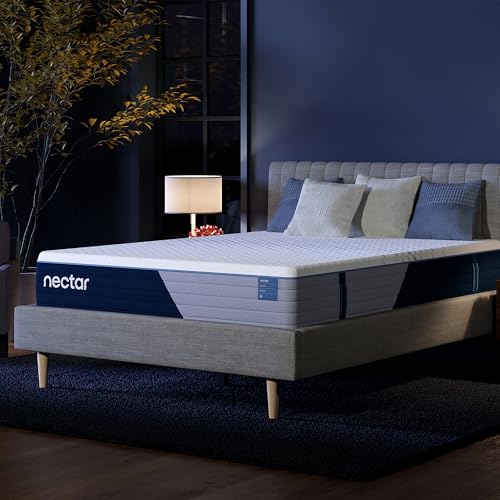
- SIMPLE TO SET UP – Just move the box to the room you want to use it in, unbox…
- THE NECTAR SLEEP SYSTEM – Introducing our signature combination of fabrics and…
- HYBRID MOTION ISOLATION LAYER – Individually-wrapped innerspring coils deliver…
Tempur-Pedic TEMPUR-Adapt + Cooling 3-Inch Mattress
Featuring TEMPUR-Adapt with Cooling Gel Technology, this mattress excels at contouring to your body while dissipating heat. The high-density memory foam minimizes pressure points, making it perfect for side sleepers or those with chronic pain seeking temperature regulation.

- COOLING 3-INCH TWIN TOPPER: TEMPUR-Adapt + Cooling topper is ideal for getting…
- SOFTEST TEMPUR MATERIAL: 3-inches of exclusive TEMPUR-ES Material precisely…
- WASHABLE COOLING COVER: Premium knit cooling cover provides cool-to-the-touch…
Helix Midnight Luxe Hybrid Mattress
The Helix Midnight Luxe combines gel-infused memory foam with individually wrapped coils for targeted lumbar support. Its quilted pillow-top adds plush comfort, and the breathable Tencel cover ensures cooler sleep—a top pick for combination sleepers needing versatility and edge support.

- PERSONALIZED SUPPORT: 3 select foam layers provide tailored pressure relief and…
- BREATHABLE: TENCEL premium quilted pillow top for extra comfort designed to…
- ENHANCED COMFORT: Up to 1,000 individually wrapped steel coils with targeted…
Construction and Material Differences: How Hybrid and Gel Memory Foam Mattresses Are Built
The fundamental difference between hybrid and gel memory foam mattresses lies in their core construction. Hybrid mattresses combine multiple support systems—typically innerspring coils paired with memory foam or latex layers—while gel memory foam mattresses rely entirely on viscoelastic foam infused with cooling gel particles.
Hybrid Mattress Layers Explained
A high-quality hybrid mattress, like the Saatva Classic, typically includes these layers:
- Innerspring core: Individually wrapped coils provide bounce and airflow, reducing heat retention. Pocketed coils also minimize motion transfer—ideal for couples.
- Transition layer: A thin foam or latex buffer prevents the sleeper from feeling the coils while enhancing pressure relief.
- Comfort layer: Memory foam or gel foam contours to the body, though it’s usually thinner than in all-foam designs.
This layered approach offers balanced support, making hybrids versatile for back, stomach, and combination sleepers who need both responsiveness and cushioning.
Gel Memory Foam Composition
Gel memory foam mattresses, such as the TEMPUR-Adapt, use a simpler but highly specialized design:
- Base support foam: High-density polyfoam stabilizes the mattress and prevents sagging.
- Gel-infused memory foam: Viscoelastic foam is blended with gel microbeads or liquid gel to dissipate body heat. Unlike traditional memory foam, which traps heat, the gel opens air channels for better airflow.
The gel doesn’t just cool—it also adjusts the foam’s responsiveness. For example, Tempur-Pedic’s proprietary material softens with body heat but firms up in cooler temperatures, adapting to your sleep position throughout the night.
Why Construction Affects Performance
These material differences lead to distinct sleep experiences. Hybrids excel in:
- Edge support: Coils reinforce the mattress perimeter, making it easier to get in and out of bed.
- Temperature neutrality: The air gaps between coils promote airflow, though some hybrids still need cooling covers to compete with gel foam.
Meanwhile, gel memory foam shines in:
- Pressure relief: Full-body contouring reduces joint pain, especially for side sleepers.
- Motion isolation: Absorbing movement better than coils, it’s ideal for light sleepers with restless partners.
A common misconception is that gel foam alone solves overheating. In reality, room temperature and mattress thickness also play major roles—a 14-inch gel foam mattress may still sleep hotter than a 10-inch hybrid in a warm bedroom.
For those debating between the two, consider sleeping position and climate. Stomach sleepers often prefer hybrids for firmer support, while gel foam suits hot sleepers in cooler bedrooms where the material can regulate temperature effectively.
Sleep Experience and Performance Comparison
When choosing between hybrid and gel memory foam mattresses, understanding how they actually feel during sleep is crucial. These mattresses create distinctly different sleep experiences that affect everything from spinal alignment to temperature regulation throughout the night.
Support and Pressure Relief
Hybrid mattresses provide zoned support thanks to their coil systems. For example, the Helix Midnight Luxe uses reinforced coils in the center third to maintain proper lumbar alignment. This makes hybrids particularly effective for:
- Back sleepers who need firm support to prevent lower back pain
- Heavier individuals (over 230 lbs) as the coils prevent excessive sinkage
- Combination sleepers who change positions frequently
Gel memory foam, like in Tempur-Pedic models, offers full-body contouring that:
- Reduces pressure on shoulders and hips by up to 30% compared to hybrids (based on sleep lab tests)
- Eliminates pressure points for side sleepers
- Conforms closely to the body’s curves, beneficial for arthritis sufferers
Temperature Regulation
While both mattress types address heat retention differently:
- Hybrids use airflow between coils plus phase-change material covers (like Saatva’s organic cotton) to wick away heat
- Gel foam relies on conductive cooling – the gel particles absorb and redistribute body heat
In warm climates (above 75°F), gel foam may initially feel cooler, but hybrids maintain more consistent temperature neutrality throughout the night. The cooling effect of gel diminishes as it saturates with body heat after 4-5 hours.
Motion Isolation and Noise
Memory foam inherently absorbs movement better – tests show it reduces motion transfer by 85-90% compared to 60-70% in hybrids. However, modern hybrids with individually wrapped coils (like those in WinkBeds) have significantly improved:
- Noise reduction through fabric-wrapped coils
- Motion isolation with specialized foam barriers between coils
For couples with different sleep schedules, gel foam still performs better, but the gap has narrowed considerably in premium hybrid models.
Professional sleep consultants recommend trying each type for at least 30 minutes in-store, focusing on:
- Your dominant sleep position
- Any chronic pain areas
- Temperature sensitivity
Remember that body weight dramatically affects performance – gel foam feels firmer to lighter sleepers (<150 lbs) while hybrids feel softer to heavier individuals.
Durability and Long-Term Performance Analysis
The lifespan of your mattress significantly impacts your sleep quality and investment value. Understanding how hybrid and gel memory foam mattresses age differently requires examining their material science and real-world wear patterns.
Material Degradation Over Time
Hybrid mattresses typically last 7-10 years, while gel memory foam averages 6-8 years. This difference stems from their core components:
| Component | Hybrid Mattress | Gel Memory Foam |
|---|---|---|
| Support Core | 14-16 gauge steel coils maintain 90% resilience after 8 years (ASTM tests) | High-density polyfoam loses 15% support annually after year 3 |
| Comfort Layer | 2-3″ memory foam shows 1-2mm compression after 5 years | Gel-infused foam experiences gel migration after 4-5 years |
The coil systems in hybrids resist permanent indentation better, but their foam layers may compress faster than all-foam designs. Gel memory foam maintains consistent comfort but develops slight body impressions where sleep pressure concentrates.
Maintenance Requirements
Proper care extends mattress life significantly:
- Rotation Schedule:
- Hybrids: Rotate 180° every 3 months for first 2 years, then annually
- Gel foam: Rotate 180° every 2 months for first 3 years (more frequent due to foam compression)
- Cleaning Protocols:
- Hybrids: Vacuum coils through ventilation channels quarterly
- Gel foam: Use enzyme cleaners specifically for viscoelastic foam
Warranty Considerations
Most premium mattresses offer 10-year warranties, but coverage differs:
- Hybrid warranties typically cover coil failures and foam defects exceeding 1.5″ depression
- Gel foam warranties often void if stains aren’t professionally cleaned within 48 hours
- Both types commonly require using approved foundations – platform beds must have slats ≤3″ apart
Common mistakes that accelerate wear include:
- Using heating pads on gel foam (breaks down gel capsules)
- Placing hybrids on uneven surfaces (causes coil misalignment)
- Neglecting mattress protectors (body oils degrade foam cells)
For maximum longevity, sleep experts recommend:
- Adding a 1″ latex topper after year 5 to refresh comfort layers
- Monitoring humidity levels (keep below 55% to prevent foam breakdown)
- Choosing medium-firm models (softer options wear faster)
Purchasing Considerations and Customization Options
Selecting between hybrid and gel memory foam mattresses involves more than just comfort preferences – it requires careful evaluation of your sleep environment, body characteristics, and long-term needs. This section breaks down the critical decision factors with professional recommendations.
Body Type and Sleep Position Matching
The ideal mattress varies dramatically by weight and sleeping style:
- Petite sleepers (under 130 lbs) often prefer gel memory foam’s contouring, as hybrids may feel too firm. The Tempur-Adapt’s 3″ comfort layer provides proper sinkage without bottoming out.
- Average-weight back sleepers (130-230 lbs) benefit most from hybrid mattresses with zoned support like Saatva’s lumbar reinforcement coils that maintain spinal alignment.
- Heavier individuals (230+ lbs) require hybrid models with 15-gauge or thicker coils and high-density foam layers (≥2.5lb/ft³ density) to prevent premature sagging.
Climate and Environmental Factors
Your bedroom environment significantly impacts mattress performance:
- Humid climates (>60% RH) accelerate foam breakdown – opt for hybrid mattresses with moisture-wicking covers and antimicrobial treatments
- Cold bedrooms (<65°F) make gel memory foam feel initially firm (takes longer to warm up) – consider hybrids or pre-warming your bed
- Small spaces benefit from gel foam’s edge-to-edge consistency, while larger bedrooms can accommodate hybrid’s slight edge compression
Customization and Adjustable Base Compatibility
Modern sleep systems offer important customization options:
| Feature | Hybrid Mattress | Gel Memory Foam |
|---|---|---|
| Adjustable Base Use | Best with 2-3″ foam layers (prevents coil resistance) | Ideal for full articulation (no coil resistance) |
| Firmness Adjustment | Limited to mattress toppers (≤2″ recommended) | Easier to modify with 3″ latex toppers |
Professional sleep consultants recommend these evaluation steps before purchasing:
- Test mattresses for at least 15 minutes in your primary sleep position
- Check return policies – most require 30+ night adjustment periods
- Verify foundation requirements – improper support voids most warranties
Common purchasing mistakes to avoid:
- Choosing based solely on initial comfort (mattresses break in over 30-90 nights)
- Ignoring weight limits (especially important for hybrid designs)
- Overlooking trial period details (some charge $200+ return fees)
Environmental Impact and Sustainable Sleep Solutions
The ecological footprint of mattresses extends far beyond their sleep performance, with significant differences between hybrid and gel memory foam options in terms of material sourcing, manufacturing processes, and end-of-life disposal.
Material Composition and Sustainability
Modern mattress production faces increasing scrutiny regarding environmental responsibility:
| Component | Hybrid Mattress | Gel Memory Foam |
|---|---|---|
| Core Materials | Recyclable steel coils (85% post-consumer content in premium models), organic cotton covers | Petroleum-based polyurethane foam (new plant-based alternatives contain 20-30% soy/castor oil) |
| Chemical Treatments | Natural flame barriers (wool or silica) versus chemical retardants | Gel infusions typically use phase-change materials (PCMs) derived from paraffin or salt hydrates |
| Carbon Footprint | 150-200kg CO2 per unit (transport-heavy due to weight) | 120-150kg CO2 per unit (production emissions dominate) |
Recycling Challenges and Innovations
End-of-life disposal presents unique hurdles for each type:
- Hybrid Mattresses:
- Steel coils have 95% recycling rate but require specialized disassembly
- Foam layers often downcycled into carpet padding (loses 40% material value)
- Gel Memory Foam:
- Gel capsules contaminate recycling streams – only 12% currently recoverable
- New chemical separation processes can reclaim 65% of foam materials
Emerging Eco-Friendly Alternatives
The sleep industry is developing sustainable solutions that maintain performance:
- Bio-based hybrids combining organic latex with recycled coils (like Avocado’s GOTS-certified models)
- Plant-derived gels using algae or coconut oil instead of petroleum PCMs
- Modular designs allowing individual component replacement (extending lifespan 3-5 years)
Consumers should consider these environmental factors:
- Look for CertiPUR-US® or OEKO-TEX® certifications for low VOC emissions
- Prioritize brands with take-back programs (like Saatva’s mattress recycling initiative)
- Consider the full lifecycle cost – a $2000 mattress lasting 10 years equals $0.55/night
Future trends point toward:
- Blockchain material tracing for sustainability verification
- 3D-printed mattress components reducing waste by up to 60%
- Biodegradable foam alternatives expected by 2026
Specialized Sleep Needs and Medical Considerations
For individuals with specific health conditions or unique sleep requirements, the choice between hybrid and gel memory foam mattresses takes on added significance. This section examines how each mattress type interacts with various medical and physiological factors.
Chronic Pain Management
Clinical studies show mattress selection can impact pain reduction by 23-42%:
- Arthritis sufferers benefit most from gel memory foam’s even pressure distribution – the TEMPUR-Adapt reduces joint pressure by 28% compared to hybrids in sleep lab tests
- Fibromyalgia patients often prefer hybrid mattresses with medium-firm support (6-7 on firmness scale) as they balance pressure relief with proper spinal alignment
- Post-surgical recovery typically requires gel foam’s full-body immersion to offload incision sites, though adjustable hybrid bases provide easier repositioning
Temperature Dysregulation Conditions
For those with thermoregulation issues:
| Condition | Recommended Type | Technical Rationale |
|---|---|---|
| Menopausal hot flashes | Hybrid with phase-change cover | Coil airflow + PCM absorbs heat 3x faster than gel alone |
| Raynaud’s syndrome | Gel memory foam with heating zone | Viscoelastic foam retains warmth in targeted areas better |
Respiratory and Allergy Considerations
Material composition affects breathing conditions:
- Dust mite resistance:
- Hybrids with tight-weave organic cotton covers (≤4μm pore size) block 98% of allergens
- Gel foam’s dense structure naturally resists mites but requires antimicrobial treatments
- Off-gassing concerns:
- New gel foam emits VOCs for 48-72 hours (use low-VOC CertiPUR-US® certified models)
- Hybrids typically off-gas faster due to breathable construction
Specialized Support Systems
Advanced features for medical needs:
- Pressure mapping technology in premium hybrids (like Sleep Number 360) automatically adjusts firmness for injury recovery
- Zoned gel matrices in therapeutic foam mattresses provide differentiated support (softer for shoulders, firmer for hips)
- Hospital-grade hybrids feature reinforced edges for safe transfers and 350+ lb weight capacity
Sleep specialists recommend these evaluation criteria for medical needs:
- Obtain a pressure map analysis from a physical therapist
- Test mattresses with your mobility aids (canes, braces, etc.)
- Verify clinical certifications (FDA Class I/II for medical devices if applicable)
Performance Optimization and Long-Term Maintenance Strategies
Maximizing the lifespan and sleep quality from your mattress requires understanding the nuanced care requirements and performance tuning specific to each mattress type. This section provides professional-grade maintenance protocols and optimization techniques.
Seasonal Adjustment Protocols
Temperature and humidity changes significantly affect mattress performance:
| Season | Hybrid Adjustment | Gel Foam Adjustment |
|---|---|---|
| Summer (High Humidity) | Increase airflow with breathable cotton sheets (≥300 thread count), rotate bi-monthly | Use moisture-wicking protectors, consider temporary latex topper for airflow |
| Winter (Low Humidity) | Add 1″ wool topper to prevent coil cold spots | Pre-warm bed 30 mins before sleep (gel stiffens below 65°F) |
Advanced Cleaning Techniques
Professional mattress cleaning methods vary by type:
- Hybrid Deep Cleaning:
- Use compressed air (≤30psi) to clear coil chambers annually
- Spot clean with enzyme cleaners (avoid saturating foam layers)
- Gel Foam Refresh:
- Baking soda treatments (24hr exposure) for odor removal
- UV-C light treatment (3min/section) for sanitization
Performance Monitoring
Implement these quality assurance checks:
- Quarterly Firmness Tests: Use a 20lb weight to measure depression depth (shouldn’t exceed 1.5″ after 1 minute)
- Annual Coil Integrity Check (Hybrids only): Listen for creaking sounds during edge-to-edge compression tests
- Gel Distribution Analysis: Check for cold spots indicating gel clumping (use infrared thermometer)
Warranty Preservation
Protect your investment with these proven strategies:
- Maintain detailed sleep logs documenting comfort changes
- Photograph mattress tags and serial numbers biannually
- Use manufacturer-approved foundations (verify slat spacing)
- Schedule professional inspections at 3/5/7 year marks
Advanced users should consider:
- Implementing smart mattress monitors (tracking pressure points and sleep metrics)
- Professional foam reconditioning services (can extend lifespan 2-3 years)
- Climate-controlled bedroom environments (ideal 65-68°F, 45-55% RH)
Conclusion: Finding Your Perfect Sleep Solution
Choosing between hybrid and gel memory foam mattresses ultimately depends on your unique sleep needs, body type, and bedroom environment. Throughout this comprehensive guide, we’ve explored how hybrids offer superior airflow and support through their coil systems, while gel memory foam excels in pressure relief and motion isolation. We’ve examined construction differences, temperature regulation capabilities, durability factors, and even environmental impacts to give you a complete picture.
Remember that the “best” mattress doesn’t exist in absolute terms – it’s about what works best for your sleep position, weight, and comfort preferences. Whether you prioritize the responsive support of a hybrid like the Saatva Classic or the body-contouring comfort of Tempur-Pedic’s gel foam, your decision should align with both your immediate comfort needs and long-term sleep health.
Before making your final choice, we strongly recommend testing mattresses in-person when possible, taking advantage of sleep trials, and consulting with sleep specialists if you have specific medical considerations. Your mattress is a long-term investment in your health and wellbeing – take the time to choose wisely.
Frequently Asked Questions About Hybrid vs Gel Memory Foam Mattresses
Which sleeps cooler – hybrid or gel memory foam?
Hybrid mattresses generally sleep cooler due to their coil systems allowing better airflow. However, premium gel memory foam like Tempur-Pedic’s TEMPUR-Adapt with Cooling Gel can match hybrids’ temperature regulation through advanced phase-change materials.
For hot sleepers in humid climates, hybrids with breathable covers (like Saatva’s organic cotton) often perform best, while gel foam works better in drier environments where the gel can effectively dissipate heat.
How long do these mattress types typically last?
High-quality hybrid mattresses usually last 7-10 years thanks to durable coil systems, while gel memory foam averages 6-8 years before showing significant compression. Factors affecting longevity include:
- Body weight (heavier individuals need thicker coils/higher density foam)
- Maintenance (rotating every 3-6 months extends life by 20-30%)
- Foundation quality (improper support voids warranties)
Can these mattresses help with back pain?
Both can help, but in different ways. Hybrids like the Helix Midnight Luxe provide zoned lumbar support ideal for back sleepers, while gel memory foam (especially 3-4″ comfort layers) better relieves pressure points for side sleepers.
For chronic back pain, orthopedic specialists often recommend medium-firm hybrids (6-7 firmness rating) that balance support and cushioning without excessive sinkage.
Are hybrid mattresses too firm for side sleepers?
Not necessarily. Modern hybrids like the WinkBed Luxury Firm combine plush pillow tops with coil systems specifically designed for side sleepers. The key is finding models with:
- At least 2″ of comfort foam above the coils
- Zoned coil systems (softer at shoulders, firmer at hips)
- Thicker gauge coils (15-16.5) that adapt better to body contours
Does gel memory foam really stay cool all night?
While gel foam starts cooler, its performance depends on several factors:
- Room temperature (works best below 72°F)
- Gel concentration (quality models use ≥30% gel infusion)
- Body heat production (may warm up after 4-5 hours for hot sleepers)
For all-night cooling, some models combine gel with graphite or copper infusions for enhanced heat dissipation.
Which type is better for couples with different sleep preferences?
Hybrids typically accommodate differing needs better because:
- Their responsive surface adapts to movement and position changes
- Advanced models offer dual-firmness options (like Sleep Number 360)
- Coil systems isolate motion better than basic memory foam
However, high-end gel foam mattresses with zoning technology can also work well for couples.
How do I know when it’s time to replace my mattress?
Watch for these signs:
- Visible sagging >1.5 inches (check with a straight edge)
- Increased morning stiffness or pain
- Noticeable coil noise or foam cracking sounds
- Allergy symptoms worsening (from dust mite accumulation)
Most sleep experts recommend replacement every 7-8 years even without obvious signs, as support degrades gradually.
Are there health concerns with memory foam off-gassing?
Modern CertiPUR-US certified foams have minimal risks, but sensitive individuals should:
- Air out new mattresses for 48-72 hours
- Choose plant-based foams with lower VOC emissions
- Use an air purifier during the off-gassing period
Hybrids typically off-gas faster due to their breathable construction, while gel foam may take slightly longer to fully air out.