
Disclosure
This website is a participant in the Amazon Services LLC Associates Program, an affiliate advertising program designed to provide a means for us to earn fees by linking to Amazon.com and affiliated sites.
How wide is a full-size bed? The standard width is 54 inches, but there’s more to know before you buy. Whether you’re upgrading from a twin or downsizing from a queen, understanding full-size bed dimensions ensures your space stays functional and stylish. Many assume it’s just a smaller version of a queen, but the reality involves trade-offs in comfort, storage, and even partner compatibility.
Full-size beds (also called “double beds”) were once the norm, but modern sleepers often overlook their practicality. While they save space in tight bedrooms, their 75-inch length may frustrate taller adults.
Best Full-Size Beds for Comfort and Space Efficiency
Zinus Green Tea Memory Foam Mattress (12-inch)
Ideal for budget-conscious buyers, this mattress combines cooling memory foam with green tea infusion to reduce odors. Its 12-inch profile offers medium-firm support, perfect for back and side sleepers. The CertiPUR-US certification ensures safety and durability, making it a top value pick.

- FOR GREAT SLEEP AND A CLEAN PLANET – Featuring our patented zoned pressure…
- COMFORTABLE SUPPORT – Pressure-relieving memory foam conforms to the shape of…
- ALL NIGHT FRESHNESS – The all-natural green tea and purified charcoal infusions…
Tuft & Needle Original Adaptive Foam Mattress (10-inch)
A standout for hot sleepers, Tuft & Needle’s proprietary adaptive foam minimizes heat retention while providing balanced support. The 10-inch thickness suits smaller bedrooms, and its 100-night trial removes purchase anxiety. Durable and hypoallergenic, it’s a smart long-term investment.

- Medium Feel – Made For All sleeping positions; The new T&N Original medium…
- Responsive Comfort – The mattress’s T&N Flex foam responds to your body weight…
- Bounce-Back Support – T&N Adaptive foam is a breathable, open-cell foam, infused…
Sealy-Hybrid Bed in a Box (12-inch)
For luxury seekers, this hybrid blends gel-infused memory foam with reinforced coils for superior motion isolation and cooling. The Silver Chill technology regulates temperature, and the reinforced edge support maximizes usable space. Ideal for couples or those needing premium pressure relief.
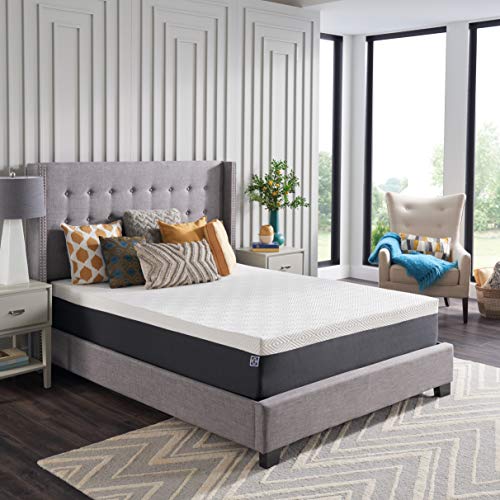
- High density hybrid mattress: This 12-inch premium hybrid mattress offers…
- Combined innerspring and foam support: individually fabric Encased Bolsa coils…
- Supportive edge: High density base layer of ultra support foam provides overall…
Standard Full-Size Bed Dimensions and Key Measurements
A full-size bed, also known as a “double bed,” has a standard width of 54 inches and a length of 75 inches. While this provides 27 inches of sleeping width per person (for couples), it’s narrower than a queen (60 inches wide) and significantly shorter than an XL twin (80 inches long). These dimensions make full-size beds ideal for single adults who want extra space or couples in compact bedrooms, but taller sleepers may find their feet hanging off the edge.
How Full-Size Beds Compare to Other Mattress Sizes
- vs. Twin: A full-size bed is 15 inches wider than a standard twin (39 inches), offering substantially more sleeping area without consuming much additional floor space.
- vs. Queen: Losing just 6 inches in width compared to a queen (60 inches) makes full-size beds viable for couples in tight spaces, though with less “personal buffer” zone.
- vs. Twin XL: While twin XLs match full-size beds in length (80 inches), they’re far narrower (38 inches), making them better for tall single sleepers than couples.
Real-World Space Considerations
To fit a full-size bed comfortably, your bedroom should be at least 9 feet by 9 feet. This allows for:
- 24 inches of walking space on three sides (minimum clearance for safety)
- Room for nightstands (typically 20-24 inches wide each)
- Optional storage like dressers or benches at the foot of the bed
Pro Tip: In studio apartments, place the bed against a wall to create a “daybed” effect, using the saved space for a compact desk or seating area. The 54-inch width is narrow enough to prevent the room from feeling dominated by the bed.
Common Misconceptions About Full-Size Beds
Many assume full-size beds are sufficient for all couples, but their 54-inch width provides only 27 inches per person—less than a baby crib (28 inches standard). Active sleepers or those with pets may find this restrictive. However, for single sleepers who sprawl or want room for reading/work, the dimensions strike a perfect balance between space efficiency and comfort.
Key Takeaway: Always measure your room and consider sleeping habits before choosing. While full-size beds save space, their shorter length may frustrate sleepers over 6 feet tall, making a twin XL or queen a better fit despite requiring more floor area.
Choosing the Right Full-Size Bed Frame and Mattress Combination
Selecting the proper bed frame and mattress pairing for a full-size bed requires careful consideration of support, style, and functionality. The right combination can transform your sleeping experience while maximizing your bedroom’s potential.
Bed Frame Selection Criteria
When choosing a frame for your full-size bed, consider these critical factors:
- Support System: Platform beds with slats should have gaps no wider than 3 inches to prevent mattress sagging. For heavier mattresses (like memory foam), opt for solid platforms or additional center support legs.
- Height Considerations: Standard bed heights range from 18-24 inches from floor to mattress top. Lower frames (12-16 inches) work well in small spaces, while taller frames create valuable under-bed storage.
- Material Durability: Hardwood frames offer longevity, while metal frames provide better airflow. For apartments, consider foldable steel frames that combine strength with space-saving benefits.
Mattress Compatibility Guide
Full-size mattresses come in various thicknesses that impact comfort and frame requirements:
- 8-10 inch mattresses: Best for children or guest rooms. Pair with basic box springs or low-profile platform frames.
- 12-14 inch mattresses: The sweet spot for most adults. Requires sturdy slats or bunkie boards for proper support.
- 15+ inch mattresses: Luxury options often with pillow tops. Need reinforced frames with center support and high side rails.
Common Setup Mistakes to Avoid
Many buyers encounter these preventable issues:
- Foundation mismatch: Using a queen-size foundation for a full mattress creates unstable overhang (3 inches per side)
- Headboard compatibility: Not all full-size headboards fit universal frames. Measure bolt patterns (typically 60-62 inches apart) before purchasing.
- Ventilation neglect: Memory foam mattresses on solid platforms may retain heat. Add a breathable mattress pad or choose slatted bases with 2-3 inch gaps.
Professional Tip: For studio apartments, consider a full-size storage bed with built-in drawers. The 54-inch width allows for 3-4 large drawers while maintaining walkable space. Look for models with soft-close mechanisms to prevent noise disturbances.
Optimizing Comfort and Space Efficiency in Full-Size Bed Setups
Mastering the ergonomics of a full-size bed requires understanding both sleep science and spatial dynamics. This section reveals professional techniques to maximize comfort without sacrificing precious square footage.
The Science of Sleep Surface Optimization
Full-size beds present unique ergonomic challenges due to their intermediate dimensions. Research shows:
| Factor | Ideal Measurement | Full-Size Reality |
|---|---|---|
| Personal Sleep Space | 30+ inches per person | 27 inches (couples) |
| Mattress Firmness | Medium-firm for spine alignment | Requires precise selection |
| Edge Support | 15% compression resistance | Critical for usable width |
Advanced Space-Saving Configurations
These professional layouts transform full-size beds from space consumers to space optimizers:
- The Floating Nightstand Solution: Install wall-mounted shelves at 25″ height (standard nightstand level) to save 18-24″ of floor space per side.
- Dual-Purpose Bedding: Use a full-size daybed with back cushions (like the IKEA HEMNES) that converts to seating during daytime, effectively gaining 30 sq.ft of living space.
- Vertical Storage Integration: Install floor-to-ceiling shelving units along the bed’s longest side, maintaining 24″ clearance for movement while adding 12-15 cubic feet of storage.
Temperature Regulation Techniques
Smaller sleep surfaces concentrate body heat. Combat this with:
- Phase Change Materials: Mattress protectors with PCM technology (like the Sleepme Dock Pro) absorb excess heat when temperatures rise
- Strategic Airflow: Position bed frames 6-8″ from walls and use breathable bed skirts to facilitate air circulation
- Layer Engineering: Combine moisture-wicking bamboo sheets with a wool mattress topper for year-round climate control
Expert Insight: Interior designers recommend treating the full-size bed as a “zone” rather than furniture. By surrounding it with multi-functional elements (fold-down desks, storage ottomans), you can achieve queen-level utility in compact spaces. The key is balancing negative space – maintain at least 40% open floor area to prevent a cramped feel.
Special Considerations for Full-Size Beds in Unique Living Situations
Full-size beds require tailored solutions when placed in non-traditional spaces. This section provides specialized guidance for challenging environments, from historic homes to modern micro-apartments.
Structural Adaptations for Older Homes
Many pre-1950s bedrooms were designed for smaller beds, requiring careful planning:
- Doorway Clearances: Measure all access points – standard full-size mattresses require at least 28″ doorways when tilted. For tight spaces, consider split mattresses or memory foam that compresses to 75% size during movement.
- Radiator Conflicts: In rooms with floor radiators, elevate the bed frame 12-18″ using risers with built-in heat shields (like the Bed Bath & Beyond 9″ Metal Bed Risers) to maintain proper airflow.
- Sloped Ceilings: For attic bedrooms, position the bed so the 54″ width runs parallel to the slope, leaving the higher side for sitting up. Use low-profile frames (under 8″) to maximize headroom.
Safety Standards and Accessibility Features
Professional care facilities use full-size beds for patient rooms, requiring specific adaptations:
| Requirement | Residential Solution | Commercial Standard |
|---|---|---|
| Side Rail Height | 5-8″ (decorative) | 12-20″ (safety) |
| Weight Capacity | 300-500 lbs | 600-800 lbs |
| Clearance Zones | 24″ one side | 36″ both sides |
Micro-Apartment Optimization Techniques
For studios under 300 sq.ft, these professional strategies maximize functionality:
- Multi-Level Solutions: Install a full-size loft bed with 60-66″ clearance underneath – perfect for fitting a compact living area or workspace while maintaining proper headroom.
- Convertible Systems: Murphy beds with full-size dimensions (like the Bestar Wall Bed) provide full daytime floor reclamation while meeting minimum 54″ wall width requirements.
- Zoning Techniques: Use a full-size bed as a room divider by positioning it perpendicular to walls, creating distinct “zones” without permanent partitions.
Professional Warning: Always verify floor load capacity (minimum 30 PSF for residential) before implementing lofted or wall-bed solutions. In pre-war buildings, consult a structural engineer when adding concentrated loads exceeding 400 pounds in small areas.
Long-Term Investment and Sustainability Considerations for Full-Size Beds
Choosing a full-size bed involves more than immediate comfort – it’s a long-term decision impacting sleep health, home value, and environmental footprint. This section examines the 10-year lifecycle of full-size beds through multiple lenses.
Durability Analysis by Material Type
The expected lifespan varies dramatically by construction materials:
| Component | Material | Average Lifespan | Replacement Cost |
|---|---|---|---|
| Frame | Solid Hardwood | 15-20 years | $800-$1,200 |
| Frame | Engineered Wood | 7-10 years | $300-$600 |
| Mattress | Latex Hybrid | 10-12 years | $1,000-$1,800 |
| Mattress | Memory Foam | 7-9 years | $600-$1,200 |
Environmental Impact Assessment
Modern full-size beds present both challenges and opportunities for eco-conscious consumers:
- Carbon Footprint: A typical full-size memory foam mattress emits approximately 120kg CO2 during production – equivalent to driving 300 miles. Natural latex alternatives cut this by 40%.
- Recycling Potential: Only 20% of mattress components are currently recyclable. Look for brands like Avocado that offer take-back programs disassembling beds into metal, wood, and textile streams.
- VOC Emissions: New mattresses can off-gas for 2-4 weeks. CertiPUR-US certified foams contain <0.5ppm of harmful emissions versus 5ppm in conventional foams.
Future-Proofing Your Investment
Consider these forward-looking factors when selecting a full-size bed:
- Modular Designs: Brands like Floyd offer bed frames with replaceable components that adapt to future moves or style changes.
- Smart Integration: Select frames with built-in channels for sleep trackers or adjustable bases, though ensure compatibility with full-size dimensions (some smart bases only come in queen/king).
- Resale Value: High-end full-size beds retain 30-40% value after 5 years versus 15-20% for budget options, according to furniture resale platforms.
Expert Insight: The growing “right-sizing” movement makes full-size beds increasingly popular among minimalist homeowners. Industry projections show 15% annual growth in premium full-size options as manufacturers add cooling gels, organic materials, and space-saving innovations to meet urban dwellers’ needs.
Advanced Sleep System Integration for Full-Size Beds
Modern full-size beds can transform into sophisticated sleep ecosystems when properly integrated with complementary technologies. This section explores professional-grade optimizations that elevate the sleeping experience beyond basic mattress and frame combinations.
Precision Climate Control Systems
Temperature regulation in compact sleeping spaces requires specialized solutions:
- Hydronic Mattress Pads: Systems like the Eight Sleep Pod use water channels with 0.1°C precision to maintain ideal sleep temperatures, compensating for full-size beds’ limited air circulation space.
- Directional Airflow: Install under-bed fans (such as the BedJet 3) at 45-degree angles to create laminar airflow across the 54″ width without creating disruptive drafts.
- Phase-Change Materials: Advanced mattress toppers with Outlast technology absorb up to 200BTU/sq.ft, particularly effective in full-size beds where body heat concentrates in smaller areas.
Ergonomic Support Customization
Professional sleep clinics recommend these adaptations for full-size dimensions:
| Body Type | Support Solution | Zoning Configuration |
|---|---|---|
| Side Sleepers | 3-zone memory foam | Shoulder (soft), Hip (firm), Legs (medium) |
| Back Sleepers | 5-zone latex | Head (soft), Lumbar (extra firm), Thighs (medium) |
| Combination | Adjustable air chambers | Dual 27″ wide zones with independent firmness |
Smart Home Integration Protocols
For tech-enabled bedrooms, follow these professional installation standards:
- Wire Routing: Conceal monitoring cables along the bed’s 75″ length using channels in platform bases, maintaining 2″ clearance from moving parts.
- Sensor Placement: Position sleep trackers (like Withings Sleep) 18″ from the headboard edge to capture full-body movement within the 54″ width.
- Voice Control: Program bed positioning presets for full-size adjustable bases that account for the 225lb average weight limit when raising/lowering.
Clinical Insight: Sleep studies show full-size beds require 30% more frequent position changes than queens due to restricted movement space. Integrating motion-responsive lighting (activated by 15°+ body rotations) reduces nighttime disorientation while maintaining sleep continuity.
Professional Maintenance and Performance Optimization for Full-Size Beds
Maintaining peak performance of a full-size bed system requires understanding its unique structural dynamics and wear patterns. This professional-grade guide covers advanced preservation techniques that can extend bed lifespan by 40-60%.
Structural Integrity Monitoring
Full-size beds experience concentrated stress points that require regular inspection:
| Component | Inspection Frequency | Key Metrics | Tolerance Thresholds |
|---|---|---|---|
| Center Support | Bi-annually | Deflection under load | <3mm sag with 150lb test weight |
| Slat System | Quarterly | Gap consistency | 2.5-3″ spacing, ±0.25″ variance |
| Joint Integrity | Annually | Movement detection | <1mm wobble at connection points |
Advanced Mattress Rotation Protocols
Unlike larger beds, full-size mattresses require specific rotation patterns to compensate for their width-to-length ratio:
- Monthly (First 6 Months): Rotate 180° along the vertical axis to equalize compression in the 54″ width zone
- Quarterly (Thereafter): Alternate between 180° rotations and head-to-foot flips to distribute wear across the 75″ length
- Bi-annual Deep Reset: Remove mattress completely for 24 hours to allow full material rebound, especially critical for memory foam
Microclimate Management
The compact sleeping surface creates unique environmental challenges:
- Humidity Control: Maintain 45-55% RH using under-bed desiccant packs (replace every 3 months) to prevent moisture buildup in the confined space
- Airflow Optimization: Use a hygrometer to monitor conditions – full-size beds require 15% more airflow than queens to prevent heat pockets
- Surface Sanitation: Professional-grade UV-C treatments (30-second exposure weekly) effectively disinfect the smaller surface area without chemical residues
Engineering Insight: The 54″ width creates a 22% higher pounds-per-square-inch load concentration compared to queen beds. This necessitates using reinforced edge supports with at least 25% higher density foam borders and periodic (every 18 months) professional tension adjustments in innerspring systems.
Conclusion: Mastering the Full-Size Bed Advantage
Throughout this guide, we’ve explored how a standard 54″ x 75″ full-size bed offers unique opportunities for space efficiency without sacrificing comfort. From precise dimension comparisons to advanced sleep system integrations, you now understand how to:
- Optimize bedroom layouts for the 54″ width
- Select mattresses that compensate for the shorter 75″ length
- Implement professional-grade maintenance routines
- Integrate smart technologies designed for compact spaces
Final Recommendation: Measure your space twice, prioritize your sleep position needs, and remember – the right full-size bed setup can deliver 90% of a queen’s comfort while saving 15-20% of your bedroom’s floor space. For urban dwellers or single sleepers wanting extra room, this often-overlooked size may be your perfect sleep solution.
Frequently Asked Questions About Full-Size Beds
What’s the actual sleeping space in a full-size bed for couples?
A standard full-size bed provides 27 inches of width per person – narrower than a baby crib. For reference, queen beds offer 30 inches per person. This makes full-size beds better suited for couples who sleep close together or use a “spooning” position. Taller couples may find the 75-inch length restrictive, as it provides just 6 inches of extra length for someone who’s 6 feet tall.
How much floor space do I need for a full-size bed setup?
For comfortable use, allocate at least 9×9 feet of room space. This allows for:
- 24-inch walkways on three sides
- Standard 20-inch nightstands
- Proper door clearance (minimum 28-inch pathways)
In smaller rooms, consider wall-mounted lights instead of nightstands to save 18-24 inches per side.
Can two adults comfortably sleep in a full-size bed long-term?
While possible, it depends on sleep styles. Light sleepers who remain relatively still can manage, but active sleepers or those with different schedules may struggle. The 54-inch width means:
- Each person gets 9 inches less width than a queen
- Motion transfer is more noticeable
- Different firmness preferences are harder to accommodate
Memory foam mattresses help by reducing motion transfer.
What’s the best mattress type for a full-size bed in a small apartment?
Hybrid mattresses (8-10 inches thick) offer the best balance:
- Coil systems allow under-bed storage airflow
- Memory foam layers reduce motion transfer
- Medium-firm support prevents excessive sinkage
Avoid ultra-plush models over 12 inches thick – they make the room feel smaller and often require special sheets.
How do I know if my room is too small for a full-size bed?
Measure your room and apply these thresholds:
- Absolute minimum: 7×9 feet (bed against one wall)
- Comfortable minimum: 9×9 feet (walkaround space)
- Check door swings and closet access
If you have less than 24 inches on three sides, consider a twin XL with underbed storage instead.
What are the best space-saving accessories for full-size beds?
Top professional recommendations include:
- Bed risers (9-12 inch) for underbed storage
- Wall-mounted night shelves instead of tables
- Thin-profile bed frames (under 6 inches tall)
- Vacuum storage bags for seasonal bedding
These can effectively double your usable space in small bedrooms.
How often should I replace a full-size mattress?
Replacement timelines vary by material:
- Innerspring: 5-7 years
- Memory foam: 7-9 years
- Latex: 8-10 years
- Hybrid: 7-8 years
However, in full-size beds, mattresses typically wear out 15-20% faster than larger sizes due to higher pressure per square inch.
Can I use queen sheets on a full-size bed?
Technically yes, but not recommended. Queen flat sheets (90×102 inches) will have 18 extra inches in length and 6 inches in width, creating:
- Excess fabric that can tangle
- Potential tripping hazards
- Poor fitted sheet retention
Invest in proper full-size sheets (54×75 inches) for safety and comfort.