
Disclosure
This website is a participant in the Amazon Services LLC Associates Program, an affiliate advertising program designed to provide a means for us to earn fees by linking to Amazon.com and affiliated sites.
Introduction
Waking up on your first alarm might sound simple, but for many, it’s a daily struggle filled with hitting the snooze button repeatedly. The truth is, waking up immediately when your alarm rings isn’t just about willpower—it involves understanding your sleep cycles, habits, and how your body reacts to waking cues. If you want to stop feeling groggy and actually get out of bed on time, you’re in the right place.
Here’s why waking up on your first alarm matters:
- Boosts productivity: Starting your day early gives you more time to focus and prepare.
- Improves mood: Avoid the stress and frustration caused by rushing or oversleeping.
- Enhances health: Consistent wake times improve your overall sleep quality and energy.
Best Alarm Clocks for Waking Up on Your First Alarm
Choosing the right alarm clock can make a significant difference in how easily you wake up. Here are three top-rated alarm clocks designed to help you wake up on your first alarm, each with unique features to suit different needs:
1.Philips SmartSleep Wake-up Light
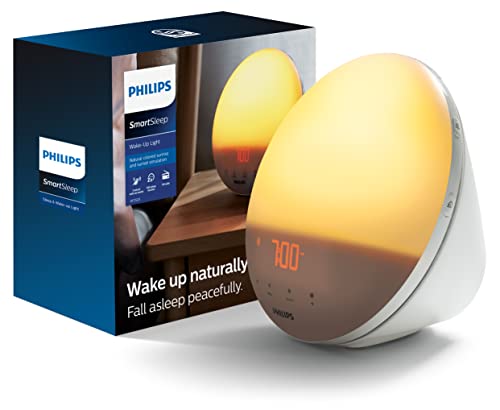
- CLINICALLY PROVEN*: Philips wake-up lights are recommended by physicians and…
- PERSONALIZATION: Simulated sunset and sunrise and choice of 5 different natural…
- SMART FEATURES: FM radio, tap snooze and automatic dimmable display
This alarm clock simulates a natural sunrise with gradual light increase, gently nudging you awake. The combination of light and sound makes waking less jarring, which can reduce morning grogginess.
2.Sonic Bomb Extra Loud Alarm Clock

- …
- …
- 𝗩𝗶𝗯𝗿𝗮𝘁𝗶𝗻𝗴 𝗨𝗻𝗶𝘁: Waking up early in the…
Known for its powerful 113 dB alarm and bed shaker, this clock is ideal for heavy sleepers or those who struggle with hearing traditional alarms. It’s hard to ignore and gets you up on time.
3.iHome Bluetooth Alarm Clock

- Wireless Charger: Wake up recharged with the iHome Wireless PowerBoost, a…
- Digital Alarm Clock: Wake to Bluetooth audio or tone. Automatically sync the…
- Bluetooth Speaker: Wirelessly stream your favorite audio content from up to…
With customizable alarm tones, including your favorite music or radio, plus Bluetooth connectivity, this clock offers a personalized wake-up experience that motivates you to get out of bed.
Understanding Why You Struggle to Wake Up on Your First Alarm
If waking up immediately when your alarm sounds feels impossible, you’re not alone—and it’s not just laziness. Several biological and behavioral factors make this challenge common:
- Sleep Inertia: This is the groggy, disoriented feeling right after waking, caused by your brain transitioning from deep sleep to wakefulness. It can last from a few minutes up to 30 minutes, making it hard to get up instantly.
- Poor Sleep Quality or Sleep Debt: If you don’t get enough restful sleep, your body craves more, making waking up tougher. Irregular sleep schedules and distractions can worsen this.
- Alarm Desensitization: Using the same alarm sound daily can lead your brain to tune it out, reducing its effectiveness over time.
- Circadian Rhythm Misalignment: Your internal body clock might not match your wake-up time, especially if you’re waking too early or after irregular hours.
How to Train Your Body to Wake Up on Your First Alarm
Training your body to respond promptly to your alarm involves building consistent habits and making gradual adjustments that support your natural rhythms. Here’s how to start:
- Set a Consistent Sleep Schedule: Go to bed and wake up at the same time every day, even on weekends. This regularity helps regulate your internal clock, making waking easier.
- Avoid the Snooze Button: Hitting snooze fragments your sleep and worsens grogginess. Try placing your alarm clock across the room so you must physically get up to turn it off.
- Create a Relaxing Bedtime Routine: Engage in calming activities like reading or gentle stretching before bed to prepare your mind and body for restful sleep.
- Use Gradual Alarm Sounds or Light: Alarms that start softly and increase in volume or light intensity gently wake you up, reducing shock and resistance.
- Limit Caffeine and Screen Time Before Bed: Both can disrupt your sleep quality, making it harder to wake up refreshed.
Optimize Your Sleep Environment for Better Morning Wakefulness
Creating a sleep-friendly environment is essential to ensure you fall asleep easily and wake up feeling refreshed on your first alarm. Here’s how to optimize your bedroom for better mornings:
- Control Light Exposure: Use blackout curtains to block outside light, and avoid bright screens at least an hour before bedtime to encourage melatonin production.
- Maintain a Comfortable Temperature: Keep your bedroom cool (around 60-67°F or 15-19°C) to promote deeper sleep and easier waking.
- Reduce Noise: Use white noise machines or earplugs if you live in a noisy area. Consistent ambient noise can prevent sudden awakenings and help you sleep more soundly.
- Choose Supportive Bedding: Invest in a comfortable mattress and pillows that suit your sleep style, reducing discomfort and tossing that can fragment sleep.
- Limit Bedroom Clutter: A tidy, calming space can reduce stress and promote relaxation, making it easier to drift off and wake up peacefully.
Morning Rituals to Help You Wake Up and Stay Awake
Starting your day with intentional rituals can reinforce waking up on your first alarm and keep you alert throughout the morning. Try incorporating these habits:
- Hydrate Immediately: Drinking a glass of water right after waking helps rehydrate your body and jump-starts your metabolism.
- Expose Yourself to Natural Light: Open your curtains or step outside to sunlight soon after waking. Natural light signals your brain to stop producing melatonin, the sleep hormone.
- Move Your Body: Gentle stretching, yoga, or a short walk increases blood flow and reduces residual sleepiness.
- Avoid Checking Your Phone Right Away: Instead of scrolling, focus on mindful breathing or setting your day’s intentions to prevent overwhelm and procrastination.
- Have a Healthy Breakfast: Eating a balanced meal with protein and fiber provides sustained energy and stabilizes blood sugar levels.
Conclusion
Waking up on your first alarm is achievable when you understand the science behind your sleep and adopt supportive habits. To summarize:
- Recognize the causes of morning grogginess like sleep inertia and circadian rhythm misalignment.
- Train your body by maintaining consistent sleep schedules and avoiding the snooze button.
- Optimize your bedroom for restful sleep with proper lighting, temperature, and noise control.
- Establish morning rituals that boost alertness, such as hydration and exposure to natural light.
Frequently Asked Questions About How to Wake Up on Your First Alarm
Why do I feel so groggy even after my alarm goes off?
This is due to sleep inertia — the brain’s transition from deep sleep to full wakefulness. It can last up to 30 minutes and makes getting out of bed immediately difficult. Improving sleep quality and using gradual alarms can help reduce grogginess.
Is it bad to hit the snooze button?
Yes. Hitting snooze causes fragmented sleep and prolongs sleep inertia, making you feel more tired. It’s better to place your alarm out of reach to force yourself to get up right away.
How much sleep do I need to wake up easily?
Most adults need 7-9 hours of quality sleep. Consistent sleep duration helps regulate your internal clock and reduces morning difficulty waking.
Can changing my alarm sound help?
Absolutely. Using different or gradual alarms prevents your brain from becoming desensitized and increases your chances of waking promptly.
What role does my sleep environment play?
A dark, cool, and quiet environment promotes deeper, uninterrupted sleep, making it easier to wake up on the first alarm. Investing in blackout curtains and white noise machines can improve this.
How does morning light affect waking up?
Exposure to natural light signals your body to stop melatonin production and boosts alertness, helping you wake more naturally and feel energized.