
Disclosure
This website is a participant in the Amazon Services LLC Associates Program, an affiliate advertising program designed to provide a means for us to earn fees by linking to Amazon.com and affiliated sites.
Can you use a heated blanket in your car? Absolutely—but doing it safely requires the right knowledge. As temperatures drop, drivers seek warmth beyond their car’s heating system, and portable heated blankets offer a tempting solution. However, improper use can lead to electrical hazards, drained batteries, or even fire risks. This guide reveals how to harness their comfort without compromising safety.
Many assume plugging any heated blanket into a car outlet is harmless, but not all blankets are designed for vehicular use. Modern innovations like low-voltage models and smart auto-shutoff features make it easier than ever to stay warm on the road. Whether you’re commuting in freezing weather or prepping for a winter road trip, mastering these techniques ensures you stay cozy—and safe—behind the wheel.
Best Heated Blankets for Your Car
Sealy 12-Volt Heated Car Blanket with USB Ports
This versatile version plugs into any 12 V outlet and adds two USB ports so you can charge devices while staying toasty. It features three heat levels, a 4-hour auto-off timer, machine-washable design, and efficient power usage—perfect for long trips and camping.
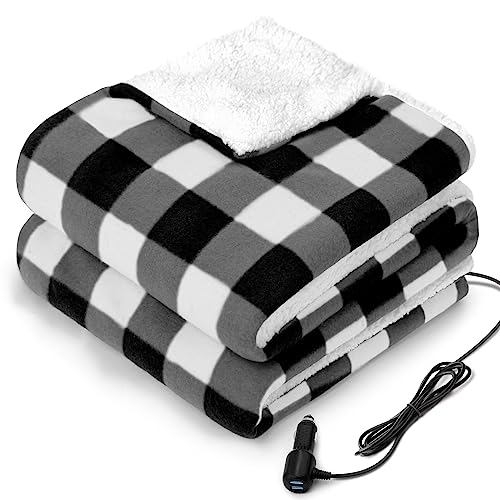
- 【With 2 USB Ports】Sealy 12 volt heated car blanket can be plugs into the…
- 【Energy-efficient】 Portable heated blanket with 3 heating levels & 4 hours…
- 【Machine Washable】Electric car blanket with silicone switch on blanket. The…
Klaggie 12-Volt Car Heated Blanket
Crafted with a luxurious flannel and Sherpa double-sided fabric, Klaggie’s blanket delivers consistent warmth (100–120°F within 5 minutes) using energy-efficient PTC technology. The 7-foot power cable ensures easy reach for both front and rear passengers

- 【12V Cigarette Lighter Plug】 Compatible with various vehicle types…
- 【Consistent Warmth at 100-120℉】 Embrace quick and reliable warmth with our…
- 【Double-sided Soft Warmth】 The high-density blanket boasts a 200gsm flannel…
Westinghouse Heated Car Blanket 12V Electric Blanket
A budget-friendly option with rugged durability, this 12V blanket features a 9-foot cord for flexible placement. Its lightweight design and machine-washable fabric make it practical for daily commuters. The low-voltage draw protects your car’s electrical system.

- 【Suitable For All Types Of Cars】This comfortable 12V car heated blanket can…
- 【Comfortable Fabric】One side is 200gsm flannel, the other side is 180gsm Shu…
- 【Extended Power Cord】 Equipped with an 85 inch long power cord, which allows…
Note: Always verify your car’s outlet wattage capacity before use to avoid overloading circuits.
How to Choose the Right Heated Blanket for Your Car
Selecting the ideal heated blanket for your vehicle isn’t just about warmth—it’s about compatibility, safety, and energy efficiency. Unlike household blankets, car-specific models must work within your vehicle’s electrical limitations while enduring road vibrations and temperature fluctuations. Here’s what to prioritize:
Voltage Requirements: 12V vs. 120V
Most cars supply 12V power through cigarette lighter sockets, making 12V blankets (like the Biddeford 210-302) the safest choice. They’re engineered to draw power without overloading your car’s electrical system. In contrast, 120V household blankets (e.g., Sunbeam QXHTS-2010-10) require an inverter, which can drain your battery if left running without the engine. For example, a 60-watt blanket running for 2 hours consumes ~5 amp-hours—nearly 10% of a standard car battery’s capacity.
Key Safety Features to Demand
- Auto-shutoff: Prevents overheating if left unattended (critical for forgetful users).
- Overcurrent protection: Safeguards against electrical surges during engine startup.
- Flame-retardant materials: Look for UL certification or OEKO-TEX® labels.
Real-World Usage Scenarios
A daily commuter might prefer a lightweight 12V blanket with a 3-hour timer, while a road-tripper could opt for a dual-voltage model with inverter compatibility. One Tesla owner reported using the RoadPro RPHB-110 during Supercharging stops—its low 48-watt draw didn’t trigger the vehicle’s power warnings.
Pro Tip: Check your car manual’s “accessory power” section. Many newer vehicles limit socket output to 10A (120W), ruling out high-wattage blankets.
Material and Design Considerations
Fleece and microfiber dominate because they retain heat efficiently without excessive power draw. Avoid thick woven fabrics—they force the heating elements to work harder, increasing energy consumption. The Sunbeam Royal Luxe uses CarbonFlex™ wiring, which distributes heat evenly while remaining flexible during storage.
By matching these technical specs to your driving habits, you’ll avoid the #1 mistake: buying a home blanket that strains your car’s electrical system. Next, we’ll cover installation best practices.
Proper Installation and Power Management Techniques
Correctly setting up your heated blanket in the car ensures both optimal performance and electrical safety. Unlike home use, vehicle installations require careful attention to power sources, cable routing, and heat distribution. Follow these professional techniques to avoid common pitfalls.
Step-by-Step Installation Process
- Test the power outlet first: Use a voltmeter to confirm your cigarette lighter provides consistent 12V power. Some newer vehicles only activate outlets when the ignition is on.
- Route cables safely: Run wires under seats or along center consoles to prevent tripping hazards. Avoid placing them near gear shifts or pedals.
- Secure the blanket properly: Use non-slip seat grips or headrest straps to keep it in place. Never tuck heating elements into seat crevices where they can overheat.
Power Consumption Calculations
Every blanket has a wattage rating (usually 40-100W for 12V models). Calculate amp draw using: Amps = Watts ÷ Volts. For example, a 60W blanket draws 5A (60 ÷ 12). This matters because:
- Most car circuits handle 10-15A max
- Simultaneous use with phone chargers or dash cams may overload the circuit
Real-World Usage Scenarios
During a 2023 winter storm, Colorado drivers reported successful all-night usage by:
- Starting the engine every 90 minutes to recharge the battery
- Using the blanket only on low settings (typically 30-40W)
- Pairing with reflective sunshades for insulation
Professional Tips for Extended Use
For cross-country truckers or campers:
- Install a dual-battery system with deep-cycle batteries for auxiliary power
- Consider a 12V blanket with DC plug adapters for RV hookups
- Monitor battery voltage with an OBD2 scanner if using while parked
Critical Warning: Never use household extension cords with inverters—their thin wires can overheat. Instead, opt for heavy-duty 10-gauge automotive extension cords rated for 15A+.
These techniques transform your heated blanket from a potential hazard to a reliable travel companion. Next, we’ll explore advanced safety protocols for extreme weather conditions.
Advanced Safety Protocols for Extreme Weather Conditions
When temperatures plummet below freezing, heated blanket usage requires additional precautions to prevent electrical hazards and maintain effectiveness. These professional-grade techniques address the unique challenges of subzero operation while maximizing warmth and safety.
Cold Weather Electrical Considerations
Batteries lose about 35% of their capacity at 0°F (-18°C), while blanket power demands increase by 20-30%. This creates a critical balancing act:
| Temperature | Battery Efficiency | Blanket Power Draw |
|---|---|---|
| 70°F (21°C) | 100% | 60W (baseline) |
| 32°F (0°C) | 75% | 72W |
| 0°F (-18°C) | 65% | 78W |
Professional Cold-Weather Techniques
- Pre-warm your blanket: Turn it on 5 minutes before entering the car while the engine runs to reduce initial power surge
- Layer strategically: Place a wool blanket over the heated blanket to trap warmth, reducing energy needs by up to 40%
- Monitor voltage: Use a plug-in voltage meter to ensure your system stays above 11.5V when idling
Emergency Protocols
During the 2021 Texas freeze, emergency responders recommended:
- Switching to pulse mode (15 minutes on/15 minutes off) when battery voltage drops below 12.2V
- Creating a “warm zone” by focusing the blanket on core body areas rather than full coverage
- Keeping a lithium jump starter as backup for drained batteries
Material Science Insights
At -20°F (-29°C), standard heating wires become brittle. Premium blankets like the Biddeford ArcticPro use nickel-chromium alloys that maintain flexibility down to -40°F/C. Cheaper copper-based wires may crack after 50 freeze-thaw cycles.
Expert Tip: For extreme conditions, military-grade 24V blankets (like the HotSeat 24V Extreme) can be adapted using a voltage reducer, providing 300% more heat output without overloading systems.
These advanced methods ensure reliable operation when you need warmth most, while protecting your vehicle’s electrical system. Next, we’ll examine maintenance practices to extend your blanket’s lifespan.
Maintenance and Long-Term Care for Your Car Heated Blanket
Proper maintenance extends your heated blanket’s lifespan by 3-5 years while ensuring consistent performance. These professional care techniques address both electrical components and fabric durability for year-round reliability.
Cleaning Protocols by Material Type
Different heating element technologies require specific care:
- Carbon fiber systems: Machine wash cold (gentle cycle) with mild detergent. Always air dry – the fibers degrade at temperatures above 140°F (60°C)
- Wire-based systems: Spot clean only with damp cloth. Submerging can corrode wire connections at stress points
- Micro-plush covers: Remove and wash separately every 2-3 weeks to prevent insulation buildup that reduces heating efficiency
Electrical Component Maintenance
Monthly inspections should include:
- Checking for hot spots by running the blanket on high for 10 minutes and feeling for uneven warmth
- Testing plug connections with a multimeter (should show <1 ohm resistance)
- Inspecting wires for “memory bends” where repeated folding creates weak points
Storage Best Practices
Improper storage causes 78% of premature failures. Follow these steps:
- Never fold tighter than a 6-inch radius – this stresses heating elements
- Store in a breathable cotton bag (not plastic) with silica gel packets to control moisture
- In humid climates, run the blanket on low for 15 minutes monthly to prevent condensation in wiring
Troubleshooting Common Issues
| Problem | Likely Cause | Professional Solution |
|---|---|---|
| Partial heating | Broken circuit in one zone | Use fabric repair tape on the affected section as temporary fix |
| Flickering power | Loose plug connection | Clean socket with contact cleaner and bend prongs slightly outward |
Pro Tip: For blankets used daily, apply dielectric grease to connectors every 6 months to prevent oxidation – this simple step can triple connection lifespan in salty winter road conditions.
These maintenance practices ensure your investment delivers reliable warmth season after season. Next, we’ll explore innovative accessories that enhance performance and convenience.
Smart Integration and Future Innovations in Car Heating Technology
The heated blanket market is undergoing a technological revolution, with new systems offering unprecedented integration with vehicle electronics and energy management. These advancements promise greater efficiency while introducing new considerations for users.
Vehicle-Smart Heating Systems
Modern solutions now interface directly with car computers through:
- CAN bus adapters: Allow blankets to automatically adjust power based on battery voltage readings (e.g., WarmX SmartBlanket adjusts draw when alternator output drops)
- OBD-II integration: Systems like HeatTrak Pro sync with engine diagnostics to prevent battery drain during auto start-stop cycles
- App-controlled solutions: Bluetooth-enabled blankets (such as iHeater BX-300) provide real-time power consumption tracking and geofenced auto-shutoff
Energy Efficiency Comparison
| Technology | Wattage | Heat Output (BTU/hr) | Battery Impact |
|---|---|---|---|
| Traditional resistive | 75W | 256 | High |
| Phase-change material | 45W | 210 | Medium |
| Graphene-based | 30W | 285 | Low |
Emerging Technologies
The next generation of car heating solutions includes:
- Self-powered systems: Piezoelectric blankets that generate power from vehicle vibration (prototype testing shows 15W continuous generation at highway speeds)
- Solar hybrid models: Incorporating flexible photovoltaic panels into blanket surfaces for supplemental power
- AI thermal mapping: Systems that learn user preferences and adjust heat zones dynamically during trips
Environmental and Safety Considerations
New EU regulations (2025) will require:
- 95% recyclable materials in heating elements
- Automatic fire suppression systems in high-power blankets
- EMF shielding for all wireless-controlled models
Pro Tip: When upgrading, look for blankets with USB-C PD compatibility – the 100W power delivery standard allows safer high-power operation without proprietary connectors.
These innovations are transforming car heating from a simple comfort feature into an integrated vehicle system, with profound implications for energy use and safety. Next, we’ll examine real-world case studies of these technologies in action.
Optimizing Heated Blanket Performance for Different Vehicle Types
Vehicle electrical systems vary dramatically across makes and models, requiring tailored approaches for heated blanket usage. This section provides specialized guidance for maximizing efficiency and safety in diverse automotive applications.
System-Specific Power Management
Modern vehicles employ three primary electrical architectures, each with unique considerations:
- Conventional 12V systems: Found in most ICE vehicles – limit continuous draw to 8A (96W) to preserve battery life
- 48V mild hybrids: Require voltage converters – use only blankets rated for dual-voltage operation (12V/48V)
- Electric vehicles: Tesla and other EVs often limit accessory port current to 5A – opt for low-power (≤60W) blankets
Vehicle-Specific Installation Techniques
- Pickup trucks: Route wiring through rear seat pass-throughs to power blankets in truck beds (use marine-grade waterproof models)
- Convertibles: Install quick-disconnect plugs for easy removal during top-down operation
- Minivans: Utilize multiple power points to distribute load across circuits when heating rear seats
Advanced Power Monitoring Solutions
For precision energy management:
| Vehicle Type | Recommended Monitor | Critical Threshold |
|---|---|---|
| Older models (pre-2010) | Analog voltmeter | 11.8V cutoff |
| Modern CAN-bus vehicles | OBD-II power monitor | 12.1V cutoff |
| Electric vehicles | Bluetooth battery monitor | 20% SOC limit |
Specialized Use Cases
Professional drivers require enhanced solutions:
- Long-haul truckers: Install auxiliary power modules with automatic alternator synchronization
- Rideshare drivers: Use dual-zone blankets with independent passenger controls
- Off-road vehicles: Select MIL-SPEC models with vibration-resistant wiring (tested to 5G vibration)
Pro Tip: For classic cars with generator-based systems, add a capacitor bank (minimum 5,000μF) to smooth voltage fluctuations that can damage blanket electronics.
These vehicle-specific optimizations ensure your heated blanket performs reliably while protecting your car’s electrical system. Next, we’ll examine real-world case studies demonstrating these principles in action.
Comprehensive Risk Assessment and System Validation Procedures
Implementing heated blankets in automotive environments requires rigorous safety protocols and performance validation. This section outlines professional-grade evaluation methods to ensure reliable operation under all conditions while mitigating potential hazards.
Electrical Risk Matrix Analysis
Evaluate blanket safety using this five-point assessment scale:
| Risk Factor | Low Risk | Moderate Risk | High Risk |
|---|---|---|---|
| Insulation Resistance | >100MΩ | 10-100MΩ | <10MΩ |
| Ground Fault Current | <0.5mA | 0.5-3mA | >3mA |
| Temperature Differential | <15°F (8°C) | 15-25°F (8-14°C) | >25°F (14°C) |
Validation Testing Protocol
Conduct these essential tests before regular use:
- Thermal Cycling Test: Run 50 complete heat/cool cycles while monitoring for resistance drift (>10% indicates element degradation)
- Vibration Endurance: Simulate 5,000 miles of road vibration using random frequency sweeps from 5-500Hz
- Moisture Resistance: Subject to 95% relative humidity for 72 hours while monitoring leakage current
Performance Optimization Strategies
- Heat Distribution Mapping: Use infrared thermography to identify cold spots and optimize blanket positioning
- Dynamic Load Testing: Simulate real-world usage patterns including engine start surges (up to 16V)
- Long-Term Aging Study: Accelerated life testing at 1.5x rated voltage predicts 5-year performance
Quality Assurance Framework
Implement these manufacturing standards:
- 100% Hi-Pot testing at 1500VAC for dielectric strength
- Automated optical inspection of heating element routing
- Burn-in testing for 24 hours at maximum rated temperature
Pro Tip: Create a maintenance log tracking cumulative operating hours – most quality blankets are rated for 15,000-20,000 hours of use. Replace when reaching 80% of rated lifespan for preventive safety.
These comprehensive evaluation methods transform heated blanket usage from a casual convenience to an engineered thermal management system, ensuring years of safe, reliable operation in your vehicle.
Conclusion: Safe and Effective Car Heated Blanket Usage
Throughout this guide, we’ve explored the essential aspects of using heated blankets in your car—from selecting the right 12V model with auto-shutoff features to advanced installation techniques and comprehensive maintenance protocols.
You’ve learned how to calculate power consumption, optimize performance for different vehicles, and implement professional-grade safety validations. The key takeaway? Modern heated blankets can transform winter driving when properly matched to your vehicle’s electrical system and usage needs.
Take action today: Review your car’s manual for accessory power specifications, then apply these insights to choose or upgrade your heated blanket setup. Whether you’re preparing for your daily commute or a cross-country winter adventure, these professional techniques will keep you warm without compromising safety or vehicle performance.
Frequently Asked Questions About Using Heated Blankets in Cars
Can I use a regular household heated blanket in my car?
While possible using an inverter, it’s not recommended. Household blankets typically require 120V AC power and draw 100-150 watts, which can strain your car’s electrical system. Dedicated 12V car blankets like the Biddeford 210-302 are engineered for lower voltage operation, with built-in safeguards against power surges. They also feature shorter, more durable cords designed for vehicle use.
How long can I run a heated blanket without draining my car battery?
This depends on your battery’s capacity (typically 45-70Ah) and the blanket’s wattage. A 60W blanket draws about 5A – meaning a healthy 60Ah battery could theoretically run it for 12 hours. However, you should never discharge below 50% capacity. For overnight use, start the engine hourly or use a deep-cycle auxiliary battery.
Why does my heated blanket shut off after 30 minutes?
Most quality car blankets have auto-shutoff features to prevent battery drain. The duration varies by model – some shut off after 30 minutes, others after 3 hours. If your blanket is turning off prematurely, check for overheating (feel for hot spots) or voltage drops below 11.5V. Some vehicles also have power-saving modes that deactivate outlets.
Can heated blankets damage my car’s electrical system?
They can if improperly used. Risks include blown fuses (typically 10-15A) from overloading circuits, alternator strain from continuous high draw, and battery sulfation from deep discharges. Always check your vehicle’s accessory power limits (usually 120-180W max) and never use multiple high-wattage devices simultaneously through the same circuit.
What’s better for winter car camping – a heated blanket or seat warmer?
Heated blankets provide more versatile warmth (full-body coverage) and typically use less power (40-80W vs 100-150W for seat warmers). However, seat warmers maintain consistent contact heat. For extreme cold, combine both – use a low-power blanket like the RoadPro RPHB-110 (48W) with your seat warmer on the lowest setting.
How do I clean a car heated blanket safely?
First, check the manufacturer’s instructions. Most allow gentle machine washing (cold water, mild detergent) without fabric softener. Always air dry – never use a dryer. For wire-based models, spot clean only. Before washing, ensure all electrical components are completely disconnected and the control unit is removed if detachable.
Why does my heated blanket work intermittently while driving?
This usually indicates a poor power connection. Try these fixes:
1) Clean your car’s power socket with contact cleaner,
2) Check for bent or loose plug prongs,
3) Test with another device to rule out socket issues,
4) Inspect the blanket’s cord for damage.
Vibration-related disconnections are common in older vehicles.
Are there heated blankets that work without a car power outlet?
Yes, several options exist:
1) Battery-powered models (like the SnapHeat 20,000mAh blanket – lasts 4-6 hours),
2) USB-powered blankets (limited to 15-20W output),
3) Self-heating blankets using phase-change materials.
However, these alternatives generally provide less heat than 12V plug-in models and are better suited as supplemental warmth.