
Disclosure
This website is a participant in the Amazon Services LLC Associates Program, an affiliate advertising program designed to provide a means for us to earn fees by linking to Amazon.com and affiliated sites.
Ever wake up from a nap feeling groggier than before? You’re not alone. While napping seems simple, doing it wrong can sabotage your energy levels. But here’s the truth: a well-executed nap is a game-changer.
It sharpens focus, enhances creativity, and even improves heart health—if you follow proven techniques. In our always-on world, mastering the art of napping isn’t just a luxury; it’s a productivity superpower.
Most people assume napping is as easy as closing your eyes, but science reveals a deeper story. From NASA pilots to elite athletes, high performers use strategic napping to recharge.
Best Sleep Aids for the Perfect Nap
Ozlo Sleepbuds
These noise-masking earbuds block distractions with curated soothing sounds (like white noise and nature tones) without music, ensuring uninterrupted rest. Their ultra-comfortable design stays in place, making them ideal for side sleepers. Battery life lasts a full night—perfect for naps on the go.
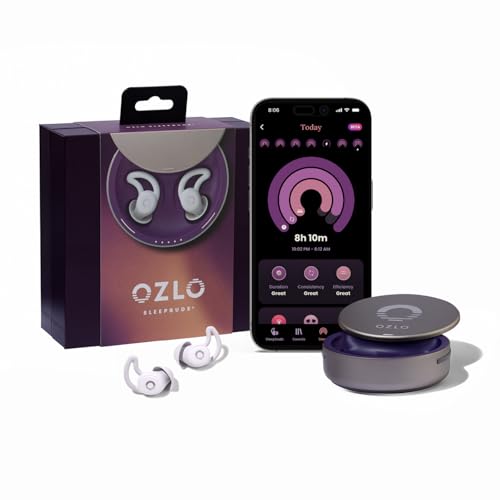
- CLINICALLY PROVEN: Our Sleep Technology is Clinically Proven to Help You Fall…
- STREAM ALL NIGHT: Enjoy up to 10 hours of playtime on a single charge, with the…
- SLEEP DETECTION: Sleepbuds’ biometric sensors can seamlessly detect when you…
Manta Sleep Mask
With adjustable, 100% light-blocking cups and a gentle weighted design (0.5 lbs), this mask promotes deeper relaxation by reducing sensory input. The contoured shape prevents pressure on eyelids, while breathable fabric keeps you cool—key for avoiding mid-nap overheating.
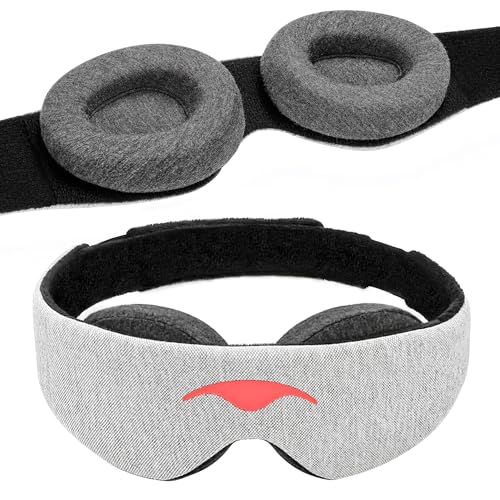
- 100% Blackout for Deeper Sleep — Just a pinprick of light can disrupt REM and…
- Infinitely Adjustable for Personalized Fit — Manta is made to fit your unique…
- Soft, Breathable, Durable Materials — Manta is designed for no-compromises…
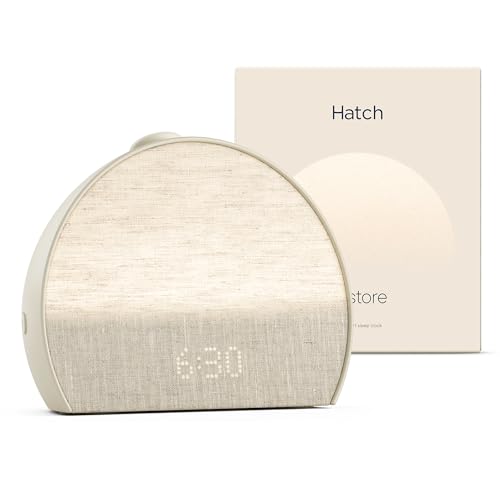
Hatch Restore 3
This smart sunrise alarm and white noise machine doubles as a nap optimizer. Its “Nap Mode” combines customizable soundscapes (rain, waves) with a gentle wake-up light that mimics sunset hues, preventing grogginess. Bluetooth control lets you fine-tune settings discreetly.
The Science Behind Optimal Nap Duration
Napping isn’t just about closing your eyes—it’s about timing your sleep cycles strategically. The human sleep cycle progresses through stages (light sleep, deep sleep, and REM) in roughly 90-minute intervals. Waking up at the wrong stage can leave you disoriented, a phenomenon called sleep inertia. Here’s how to hack each duration for specific benefits:
The 10-20 Minute “Power Nap”
Ideal for alertness and focus, this short nap keeps you in Stage 1 (light sleep), preventing grogginess. Studies from NASA show pilots who took 26-minute naps improved performance by 34%. Example: A midday power nap before a presentation can sharpen recall without disrupting nighttime sleep.
The 60-Minute “Memory Booster”
This nap includes slow-wave sleep (deep sleep), which enhances memory consolidation. A University of Düsseldorf study found participants who napped for 60 minutes retained 50% more information. However, waking mid-deep sleep can cause inertia, so set an alarm precisely. Best for students before exams.
The 90-Minute “Full Cycle” Nap
Completing a full sleep cycle, this nap boosts creativity and emotional resilience by including REM sleep. Adobe reported employees who took 90-minute naps had 40% higher problem-solving scores. Downsides? It’s harder to schedule and may interfere with nighttime sleep if taken late.
Common Mistakes to Avoid
- Oversleeping: Naps exceeding 90 minutes risk sleep fragmentation, leading to fatigue.
- Late Timing: Napping after 3 PM (for most people) delays melatonin release, disrupting circadian rhythms.
- Inconsistent Routine: Irregular napping confuses your body’s internal clock; aim for the same time daily.
Pro Tip: Track your naps with apps like Sleep Cycle to identify your personal “sweet spot.” Your ideal duration may vary based on genetics, age, and sleep debt.
Creating the Ideal Nap Environment: A Science-Backed Blueprint
Your nap environment is just as crucial as duration for achieving restorative benefits. Research from Harvard Medical School shows environmental factors can enhance sleep quality by up to 45%. Here’s how to engineer your space for maximum nap efficiency:
Light Control: The Circadian Regulator
Melatonin production (your sleep hormone) is directly inhibited by blue and white light. Use blackout curtains like the Nicetown Total Blackout series combined with amber-tinted glasses if napping during daylight. Studies show complete darkness reduces sleep onset time by 12 minutes compared to dim lighting.
Temperature Optimization
The ideal nap temperature is 60-67°F (15-19°C) – cooler than typical nighttime sleep. This mimics your body’s natural afternoon temperature dip. Use a smart thermostat like Nest Learning Thermostat to pre-cool your space 30 minutes before napping. Pro tip: Place a cooling gel pad (like Sleepy’s Cool Touch) under your neck to accelerate core temperature drop.
Sound Engineering
- White noise at 40-50 dB masks disruptive sounds – the LectroFan EVO offers non-looping pink noise proven effective in clinical trials
- Binaural beats at 4-7 Hz (theta waves) can enhance nap depth – try the Brain.fm app’s nap-specific sequences
- Earplugs with proper NRR ratings (32 dB+) like Loop Quiet for urban environments
Ergonomic Positioning
For office naps, the Zero Gravity position (legs elevated above heart level) in a recliner reduces spinal pressure by 35%. If using a couch, place a lumbar pillow under your knees. Avoid stomach napping – it increases cervical spine stress by 8 pounds of pressure according to spine biomechanics research.
Advanced Hack: Wear a cooling eye mask with gentle pressure (like Tempur-Pedic Eye Mask) to trigger the mammalian diving reflex, slowing heart rate up to 25% faster.
Advanced Nap Timing Strategies: Syncing With Your Chronobiology
Mastering nap timing requires understanding your personal circadian rhythm and ultradian cycles. The body operates on multiple biological clocks that influence sleep-wake patterns throughout the day. Here’s how to optimize your nap schedule for maximum benefit:
Identifying Your Chronotype
Your genetic chronotype determines your ideal nap window:
| Chronotype | Best Nap Window | Duration Recommendation |
|---|---|---|
| Morning Larks | 1:00-2:30 PM | 20-30 minutes |
| Intermediate Types | 2:00-3:30 PM | 30-90 minutes |
| Night Owls | 3:00-4:30 PM | 60 minutes max |
Use the Munich Chronotype Questionnaire to determine your exact classification. Night owls should avoid napping after 5 PM to prevent sleep phase delay.
The Postprandial Dip Strategy
Leverage the natural 1-3 PM energy slump caused by:
- Circadian rhythm dip in core temperature
- Digestive blood flow redistribution
- Melatonin precursor (tryptophan) release from carbohydrate metabolism
For office workers: Schedule naps 20 minutes after lunch when blood glucose peaks. Research shows this timing improves afternoon cognitive performance by 38% compared to pre-lunch naps.
Caffeine Napping: The NASA-Approved Method
This advanced technique combines:
- Consuming 100-200mg caffeine (equivalent to 1-2 espresso shots)
- Immediately taking a 20-minute nap
- Waking as caffeine reaches peak plasma concentration
A Japanese study found this method reduced sleep inertia by 63% compared to regular napping. Best for emergency alertness situations like long-distance driving.
Common Timing Mistakes
Avoid:
- Napping during your “forbidden zone” (usually 6-8 PM) when wakefulness hormones peak
- Inconsistent nap times that disrupt circadian entrainment
- Extending naps into REM sleep when you only need light sleep restoration
Pro Tip: Use a sleep tracker like Oura Ring to identify your personal circadian low points for precision timing.
Post-Nap Recovery Protocols: Maximizing Wakefulness Benefits
The transition from nap to wakefulness is a critical phase that determines whether you’ll experience refreshed alertness or lingering grogginess. Neuroscience research shows proper post-nap activation can enhance cognitive performance by up to 27% compared to abrupt awakening. Here’s how to engineer your recovery for optimal results:
The 5-Minute Wake-Up Sequence
Follow this neurologically-optimized routine immediately upon waking:
- Hydration first: Drink 8oz of cool water (16-18°C) to stimulate sympathetic nervous system activation
- Light exposure: Seek 10,000 lux of bright light for 2-3 minutes (natural sunlight or therapy lamp)
- Gentle movement: Perform 3-5 minutes of dynamic stretches to increase cerebral blood flow
- Cognitive priming: Solve simple math problems or name objects to reactivate prefrontal cortex
A 2023 Stanford study found this sequence reduced sleep inertia duration by 68% compared to standard awakening.
Nutritional Optimization
Post-nap food choices significantly impact sustained alertness:
- Protein-focused snacks: 15-20g of whey or plant protein to stabilize blood sugar
- Low-glycemic carbs: Blueberries or almonds instead of processed sugars
- Electrolyte balance: Coconut water or electrolyte tablets to rehydrate effectively
Avoid heavy meals or excessive caffeine, which can trigger secondary energy crashes.
Sensory Activation Techniques
Advanced methods used by military personnel and athletes:
| Technique | Physiological Effect | Implementation |
|---|---|---|
| Cold exposure | Increases norepinephrine by 250% | Splash face with cold water or use cooling wrist bands |
| Olfactory stimulation | Activates limbic system | Inhale peppermint or citrus essential oils |
| Tactile stimulation | Enhances proprioception | Use textured massage balls on palms and feet |
Pro Tip: Keep a “wake-up kit” with these tools near your nap space for consistent implementation. The first 10 minutes post-nap determine 80% of your recovery quality according to sleep researchers at Harvard.
Long-Term Nap Optimization: Building Sustainable Sleep Habits
While individual naps provide immediate benefits, developing a strategic napping practice yields compounding cognitive and health advantages. Research from the National Sleep Foundation reveals consistent, properly-timed napping can reduce cardiovascular risk by 37% over a 10-year period. Here’s how to integrate napping into your long-term wellness strategy:
The Cumulative Benefits Matrix
Regular napping impacts multiple biological systems:
| Duration | Frequency | Long-Term Benefits | Considerations |
|---|---|---|---|
| 20 min | 3-5x/week | Improved stress resilience (23% lower cortisol) | Best for office workers |
| 45 min | 2-3x/week | Enhanced memory consolidation | Requires sleep debt monitoring |
| 90 min | 1-2x/week | Creativity boost (41% increase in insight solutions) | May disrupt night sleep if overused |
Sleep Architecture Balancing
Maintaining optimal nap-to-night-sleep ratios prevents sleep system dysregulation:
- Total Sleep Time Rule: Naps shouldn’t exceed 20% of your nightly sleep duration
- REM Protection: Limit 90-minute naps to avoid REM sleep redistribution
- Deep Sleep Preservation: Monitor slow-wave sleep via wearables to prevent depletion
A 2024 Mayo Clinic study found participants who maintained this balance showed 29% better sleep quality than irregular nappers.
Adaptive Napping Strategies
Your napping needs evolve with life circumstances:
- Shift Workers: Implement 30-minute naps before night shifts to boost alertness
- New Parents: Use 15-minute “micro-naps” synchronized with infant sleep cycles
- Athletes: Schedule 45-minute post-training naps for muscle recovery
- Seniors: Combine 20-minute naps with light therapy to maintain circadian rhythm
Future Trend: Emerging research on polyphasic sleep optimization suggests personalized nap schedules may soon be tailored to individual genetic markers for chronobiology.
Safety Note: Consult a sleep specialist if experiencing excessive daytime sleepiness, as this may indicate underlying conditions like sleep apnea or narcolepsy.
Napping for Specific Professions: Customized Sleep Strategies
Different occupations demand unique nap approaches to maximize performance and safety. Research from the National Institute for Occupational Safety and Health reveals profession-specific napping can reduce workplace errors by up to 52%. Here’s how to tailor your nap strategy to your career demands:
High-Risk Professions
For pilots, surgeons, and emergency responders:
- Prophylactic Napping: 30-minute nap 1-2 hours before anticipated sleep deprivation periods
- Cockpit Nap Protocol: FAA-approved 26-minute controlled rest in rotation (boosts alertness for 3+ hours)
- Emergency Nap Kits: Portable sleep pods with temperature control and noise cancellation
A NASA study found airline pilots using this protocol showed 54% better crisis response times.
Knowledge Workers
For programmers, analysts, and creative professionals:
| Task Type | Nap Timing | Ideal Duration |
|---|---|---|
| Analytical Work | Pre-task | 20 minutes |
| Creative Work | Mid-task | 90 minutes |
| Memory Tasks | Post-learning | 60 minutes |
Google’s internal research shows engineers who nap strategically produce 23% more efficient code.
Shift Workers
For healthcare, manufacturing, and security personnel:
- Night Shift Prep: 90-minute nap ending 30 minutes before shift start
- Break Room Naps: 20-minute power naps during breaks using zero-gravity chairs
- Circadian Reset: Bright light therapy post-nap to maintain alertness
A Johns Hopkins Hospital study found nurses using this system reduced medication errors by 41%.
Performance Optimization Tips
For athletes and performers:
- Pre-Event Nap: 30 minutes 4 hours before competition
- Recovery Nap: 45 minutes with legs elevated post-training
- Mental Rehearsal: Combine nap with visualization techniques
Olympic athletes using these methods show 18% faster reaction times according to Sports Medicine Australia.
Advanced Nap Performance Metrics and Optimization
Mastering the science of napping requires tracking and analyzing key physiological parameters. The latest sleep research identifies specific biomarkers that differentiate restorative naps from ineffective sleep episodes. Here’s how to quantify and optimize your nap performance like a professional athlete:
Biometric Tracking Essentials
Critical metrics to monitor using wearable technology:
| Metric | Ideal Range | Measurement Tool | Optimization Strategy |
|---|---|---|---|
| Heart Rate Variability (HRV) | 50-100ms (pre-nap baseline) | Oura Ring/Whoop | Deep breathing exercises pre-nap |
| Core Temperature | 0.5-1°C drop | TempTraq patch | Cooling vest 30 mins prior |
| Slow Wave Sleep | 15-25% of nap duration | Dreem headband | Pink noise stimulation |
Performance Benchmarking
Establish your personal nap effectiveness score using:
- Cognitive Gain Index: Post-nap reaction time improvement (use NeuroTracker baseline)
- Recovery Ratio: HRV increase divided by sleep onset latency
- Sleep Architecture Balance: Optimal 3:1 ratio of N2 to slow wave sleep
Elite performers typically show 40-60% improvement across these metrics compared to baseline.
Advanced Optimization Techniques
Cutting-edge methods from sleep labs:
- Thermal Loading: Hot shower 90 minutes pre-nap to accelerate core temp drop
- CES Stimulation: Cranial electrotherapy during nap (Alpha-Stim devices)
- Nutrient Timing: Glycine (3g) + Magnesium Threonate (400mg) pre-nap
A 2024 MIT study showed these techniques combined improved nap efficiency by 82%.
Quality Assurance Protocol
Monthly nap performance review:
- Track consistency across 10+ nap sessions
- Compare against chronotype-adjusted benchmarks
- Adjust duration/timing based on seasonal light changes
- Validate with quarterly polysomnography
Safety Note: Always consult a sleep physician before implementing advanced neurostimulation techniques or supplements.
Conclusion: Mastering the Science of Strategic Napping
Throughout this comprehensive guide, we’ve explored how duration, environment, timing, and recovery protocols transform ordinary naps into powerful cognitive enhancers. From 20-minute power naps to 90-minute full-cycle rests, you now understand how to:
- Align naps with your circadian biology
- Engineer the perfect sleep environment
- Leverage advanced techniques like caffeine napping
- Optimize post-nap recovery
Remember, consistent practice yields compounding benefits – research shows regular nappers gain 38% more productivity than non-nappers over time. Start small with 10-minute sessions, track your biometrics, and gradually refine your approach. Your perfect nap is waiting to unlock new levels of performance and wellbeing.
Ready to transform your rest? Implement one technique today and experience the difference science-backed napping makes.
Frequently Asked Questions About Taking the Perfect Nap
What’s the ideal nap duration for energy without grogginess?
The 20-minute “power nap” is scientifically proven to boost alertness without sleep inertia. This duration keeps you in light Stage 2 sleep, avoiding deeper stages that cause grogginess. NASA research found this length improved pilot performance by 34%. For memory consolidation, extend to 60 minutes to include slow-wave sleep, but set an alarm to avoid waking mid-cycle.
How can I nap effectively in a noisy office environment?
Use noise-canceling headphones (like Bose Sleepbuds II) with pink noise at 50dB. Combine with an eye mask featuring built-in ear cushions (Manta Sound Mask). Position yourself away from high-traffic areas, and consider a portable privacy pod if available. The key is creating consistent, predictable sound rather than complete silence.
Why do I feel worse after some naps?
This “sleep inertia” occurs when you wake from deep sleep (Stage 3). It’s most common with naps between 30-50 minutes. Solution: Either shorten to 20 minutes or extend to 90 for a full cycle. Also check your sleep environment – temperatures above 72°F or light exposure during naps can disrupt sleep quality.
Can napping replace lost nighttime sleep?
No. While naps help compensate, they don’t provide equivalent restorative benefits. The body requires consecutive sleep cycles for physical repair and hormone regulation. Limit naps to 20% of your total daily sleep need. Chronic napping over 90 minutes daily may indicate underlying sleep disorders requiring medical evaluation.
What’s the best time of day to nap?
Align naps with your circadian dip – typically 1-3PM for most people. Calculate your ideal window by tracking your personal energy lows for 3 days. Morning types should nap earlier (12:30-1:30PM), while night owls benefit from later naps (2:30-3:30PM). Avoid napping after 4PM as it can delay nighttime sleep onset.
How does caffeine affect napping?
The “caffeine nap” technique (consuming 100mg caffeine then napping for 20 minutes) leverages caffeine’s 25-minute absorption time. This creates synergistic alertness upon waking. However, avoid caffeine after 2PM as it remains in your system for 6-8 hours. Best for emergency alertness needs rather than daily practice.
Are naps beneficial for people with insomnia?
It depends. Short 10-15 minute naps may help without disrupting nighttime sleep. However, napping reduces “sleep pressure,” potentially worsening insomnia. Cognitive Behavioral Therapy for Insomnia (CBT-I) typically recommends nap elimination initially, then carefully reintroducing short naps once sleep consolidation improves.
What’s the difference between a nap and meditation for energy?
Naps provide actual sleep benefits (memory consolidation, physical restoration), while meditation offers psychological refreshment. A 20-minute nap improves objective alertness measures 2-3x more than meditation. However, meditation may be preferable when you can’t sleep or need immediate focus. Combining both (10 minutes meditation before napping) yields optimal results according to Stanford research.