
Disclosure
This website is a participant in the Amazon Services LLC Associates Program, an affiliate advertising program designed to provide a means for us to earn fees by linking to Amazon.com and affiliated sites.
Wondering how to store a mattress safely? Yes, proper storage is crucial—but most people make costly mistakes that ruin their mattress. A high-quality mattress is a long-term investment, and improper storage can lead to mold, odors, and structural damage.
You might think tossing it in a basement or garage is fine, but humidity, pests, and pressure can destroy it in months. With the rising cost of mattresses, protecting yours is more important than ever.
Best Mattress Storage Products for Protection
U-Haul Large Mattress Bag
This heavy-duty polyethylene bag is designed specifically for mattress storage, offering tear-resistant protection against dust, moisture, and pests. Its 3-ply construction ensures durability, while the adhesive sealing strip keeps the mattress fully enclosed. Ideal for long-term storage in basements or garages.
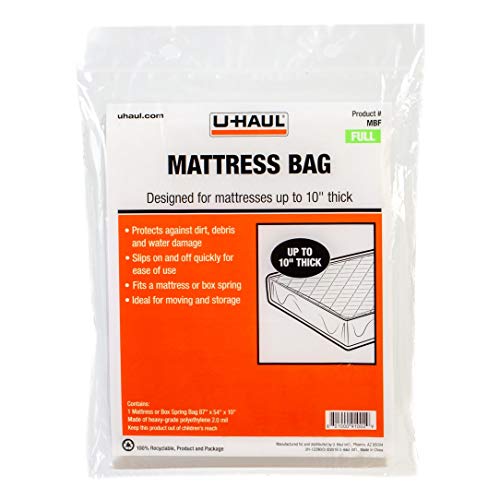
- Use U-Haul’s standard full mattress bag to protect your mattress or box spring…
- For standard mattresses and box springs up to 10 inches in depth only – does…
- Bag dimensions: 87 inch x 54 inch x 10 inch (L x W x H) – easily slip on and…
SafeRest Zippered Mattress Protector
SafeRest’s premium zippered encasement provides 360-degree protection with a breathable, hypoallergenic fabric that prevents mold and mildew. The waterproof yet breathable membrane is perfect for humid climates, and the reinforced seams ensure the cover stays intact during storage.
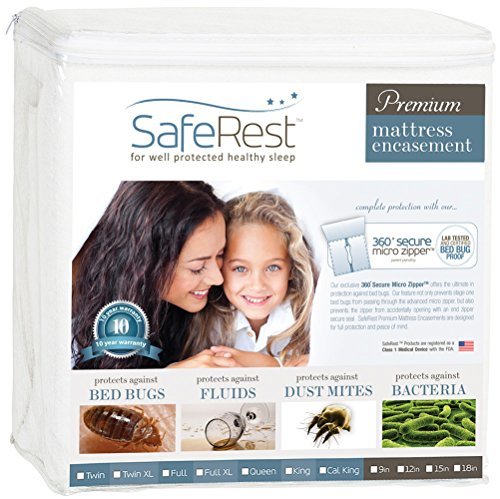
- Full 360° Protection: Unlike fitted sheet-style protectors that leave sides…
- 100% Waterproof: Advanced barrier keeps accidents, sweat, and spills from…
- Quiet & Breathable Comfort: Soft, noiseless cotton fabric ensures a restful…
TAPIX Plastic Sheeting (10 ft x 25 ft)
For a budget-friendly yet effective solution, Tapix Brand’s thick plastic sheeting can be custom-cut to wrap mattresses securely. The self-adhesive strips create an airtight seal, blocking moisture and dust. Great for short-term moves or storage in climate-controlled units.

- HEAVY DUTY 6 MIL PLASTIC SHEETING – Durable 6 mil plastic sheeting designed…
- MULTIPURPOSE PROTECTION – Use this plastic sheeting heavy duty as a plastic…
- GREENHOUSE & OUTDOOR USE – Works perfectly as greenhouse plastic sheeting to…
Preparing Your Mattress for Storage: A Step-by-Step Guide
Deep Cleaning Before Storage
Storing a dirty mattress invites mold, bacteria, and odors that become permanent over time. Start by vacuuming both sides with an upholstery attachment, paying special attention to seams where dust mites accumulate. For stains, use a mild detergent solution (1 tsp dish soap + 1 cup warm water) and blot—never scrub—to prevent fiber damage. Memory foam requires extra care; sprinkle baking soda, let sit for 30 minutes, then vacuum to absorb odors without moisture penetration.
Proper Drying Techniques
Moisture is the #1 enemy of stored mattresses. After cleaning, place the mattress vertically against a wall in a well-ventilated area for at least 48 hours. Use fans to circulate air, focusing on the core where trapped humidity can cause internal damage. In humid climates, a dehumidifier in the drying space is essential—aim for below 50% relative humidity.
Strategic Wrapping Methods
Choose your protective barrier based on storage duration:
- Short-term (under 3 months): Breathable cotton covers allow air circulation while blocking dust
- Long-term (3+ months): Vapor-proof plastic encasements with silica gel packets prevent moisture absorption
For hybrid mattresses with coils, reinforce the edges with cardboard strips before wrapping to prevent sagging. Always wrap the mattress after moving it to the storage location to avoid condensation buildup during transport.
Common Mistakes to Avoid
Many homeowners make these critical errors:
- Storing directly on concrete floors (use pallets or slatted platforms)
- Folding memory foam mattresses (causes permanent creases in the viscoelastic layers)
- Using regular trash bags (non-breathable plastic promotes mold growth)
Professional movers recommend labeling the wrapped mattress with orientation arrows (“This Side Up”) to maintain proper support layer alignment during storage.
Climate Considerations
Extreme temperatures affect different materials:
| Material | Ideal Temp Range | Risk Outside Range |
|---|---|---|
| Memory Foam | 55-85°F | Becomes brittle in cold, sags in heat |
| Innerspring | 40-90°F | Coils lose tension in humidity |
| Latex | 50-80°F | Dries out in arid conditions |
For non-climate-controlled spaces, place moisture absorbers like calcium chloride bags around the stored mattress, replacing them every 2 months.
Choosing the Optimal Storage Location for Your Mattress
Evaluating Indoor vs. Outdoor Storage Options
While garages and sheds may seem convenient, they expose mattresses to temperature fluctuations that degrade materials. The ideal storage space maintains stable conditions year-round:
- Climate-controlled units: Maintain 55-75°F and 45-55% humidity (perfect for memory foam and latex)
- Basements: Only suitable with dehumidifiers running continuously (check for musty odors first)
- Attics: Generally poor due to extreme heat accumulation (can reach 150°F in summer)
Proper Positioning Techniques
How you place your mattress in storage significantly impacts its longevity:
- Vertical storage: Best for innerspring mattresses – stand on the long edge with support every 3 feet
- Horizontal stacking: Only for foam mattresses – place on a rigid, flat surface with nothing on top
- Rotation schedule: Flip or rotate every 3 months to prevent permanent indentations
Creating a Protective Storage Environment
Beyond wrapping, implement these professional safeguards:
- Pest prevention: Place cedar blocks or diatomaceous earth around the storage area (avoid mothballs – their fumes permeate mattress fibers)
- Air circulation: Leave 6 inches of space around all sides – use 2×4 boards as spacers if needed
- Weight distribution: For stacked items, use plywood sheets between layers to prevent pressure points
Special Considerations for Different Mattress Types
Each material requires tailored storage approaches:
- Pillow-top mattresses: Never store flat – the cushioning layers compress permanently
- Hybrid models: Disassemble if possible – store foam and coil components separately
- Airbeds: Store partially inflated with moisture absorbers inside the air chambers
Professional movers recommend checking stored mattresses quarterly for these warning signs: musty odors (indicate mold), crunchy feeling (foam breakdown), or visible sagging (structural failure). Address any issues immediately to prevent irreversible damage.
Long-Term Mattress Storage: Advanced Preservation Techniques
The Science of Material Degradation in Storage
Understanding how different mattress materials break down helps implement targeted protection:
| Material | Primary Degradation Factors | Protection Method |
|---|---|---|
| Memory Foam | Oxidation, humidity absorption | Vacuum-seal with oxygen absorbers |
| Latex | UV exposure, dry rot | Blackout fabric wrapping |
| Innerspring | Rust, coil fatigue | VCI (Vapor Corrosion Inhibitor) paper |
Professional-Grade Encapsulation Methods
For storage beyond 12 months, museum-quality preservation techniques apply:
- Climate-controlled chamber prep: Gradually acclimate mattress to target humidity over 72 hours
- Multi-layer wrapping: Start with acid-free tissue, then polyethylene, finishing with breathable cotton
- Oxygen displacement: Insert nitrogen packets before final sealing to slow oxidation
Monitoring Systems for Valuable Mattresses
High-end mattresses benefit from environmental tracking:
- Data loggers: Track temperature/humidity fluctuations (ideal range: 65°F ±5°, 50% RH ±5%)
- Moisture indicators: Color-changing silica gel reveals humidity penetration
- Periodic inspections: Professional assessment every 6 months for premium mattresses
Reviving Stored Mattresses
Proper reconditioning after long storage prevents immediate damage:
- 48-hour reacclimation: Unwrap in destination room before use
- Foam reactivation: Gentle hand-massage along compression lines
- Odor removal: Activated charcoal treatment for 24 hours
Note: Mattresses stored over 5 years typically lose 30-40% of their original support characteristics regardless of preservation methods. Consider replacement if storing beyond this timeframe.
Transporting Your Mattress to Storage: Professional Handling Techniques
Pre-Move Preparation Essentials
Proper transport begins with strategic preparation at least 24 hours before moving day. Remove all bedding and vacuum the mattress thoroughly using an upholstery attachment, paying special attention to seams where dust accumulates. For hybrid mattresses with removable components, disassemble according to manufacturer instructions and pack each element separately. Professional movers recommend these critical steps:
- Edge reinforcement: Apply corner protectors to prevent compression damage during loading
- Surface protection: Lay down moving blankets before placing mattress horizontally
- Climate acclimation: Adjust vehicle temperature to match storage environment during transport
Vehicle Loading Best Practices
The loading method varies significantly by mattress type and vehicle configuration:
| Mattress Type | Optimal Position | Special Considerations |
|---|---|---|
| Memory Foam | Flat on rigid surface | Never bend beyond 30° angle |
| Innerspring | Vertical against wall | Use ratchet straps every 18″ |
| Latex Hybrid | Rolled in original packaging | Limit to 3 hours rolled state |
Transportation Environmental Controls
Maintaining proper conditions during transit prevents microdamage:
- Temperature monitoring: Use infrared thermometer to ensure vehicle stays between 50-80°F
- Humidity management: Place moisture absorbers in vehicle (change every 4 hours in humid climates)
- Vibration reduction: Use air-ride suspension vehicles for moves over 50 miles
Post-Transport Inspection Protocol
Before placing in storage, conduct a thorough inspection:
- Check for new compression lines that don’t rebound within 2 hours
- Inspect seams for any separation caused by transport stress
- Verify no moisture penetration through protective wrapping
Note: For moves exceeding 200 miles, consider professional climate-controlled transport services, as repeated temperature zone changes can cause material fatigue in premium mattresses.
Cost Analysis and Long-Term Value Preservation Strategies
Storage Method Cost Comparison
Understanding the financial implications of different storage approaches helps make informed decisions:
| Storage Method | Cost Range (Annual) | Expected Mattress Lifespan | Value Retention |
|---|---|---|---|
| Climate-Controlled Unit | $800-$1,500 | 8-10 years | 85-90% |
| Home Basement (Dehumidified) | $200-$400 | 5-7 years | 70-75% |
| Standard Garage Storage | $0-$100 | 2-3 years | 40-50% |
Advanced Preservation ROI Considerations
For high-end mattresses ($3,000+), specialized preservation delivers measurable benefits:
- Vacuum-sealing systems: $150 initial investment extends usable life by 2-3 years
- Professional inspections: $75 biannual service catches early degradation signs
- Custom climate solutions: $500/year systems maintain precise 55% humidity levels
Environmental Impact and Sustainability
Proper storage reduces waste and resource consumption:
- Each year of extended mattress use prevents 150 lbs of landfill waste
- Climate-controlled storage uses 40% less energy than mattress replacement production
- Proper wrapping materials reduce microfiber shedding by 75% compared to improper storage
Emerging Storage Technologies
The mattress storage industry is evolving with new innovations:
- Smart moisture sensors: Bluetooth-enabled alerts for humidity changes ($199)
- Phase-change materials: Temperature-regulating wraps maintain 72°F automatically
- UV-resistant nanocoatings: Spray-on protection against light degradation
Note: For mattresses older than 7 years, the cost of professional storage often exceeds replacement value. Consider donating usable mattresses to charities with proper sanitation protocols rather than long-term storage.
Specialized Storage Solutions for Unique Mattress Types
Handling Organic and Natural Material Mattresses
Organic cotton, wool, and latex mattresses require specialized storage protocols to maintain their certifications and material integrity. Unlike synthetic materials, these natural fibers are particularly susceptible to biological degradation:
- Wool-filled mattresses: Require cedar blocks (never mothballs) and weekly air circulation to prevent fiber compaction
- Organic latex: Must be stored away from direct oxygen exposure – use oxygen-barrier bags with 2% residual oxygen
- Plant-based foams: Need bi-monthly inspection for microbial growth in humid environments
Smart Mattress Technology Storage
For mattresses with embedded electronics (sleep trackers, adjustable bases), follow these critical steps:
- Disconnect and remove all power sources (batteries can leak in storage)
- Wrap components in static-free material before placing in moisture-proof containers
- Store at consistent 65-72°F to prevent circuit board warping
Antique and Heirloom Mattress Preservation
Vintage mattresses (pre-1970s) containing horsehair, cotton batting, or other historical materials demand museum-grade care:
| Material | Storage Humidity | Light Exposure | Handling Frequency |
|---|---|---|---|
| Horsehair | 45-50% RH | Complete darkness | Once annually |
| Cotton Batting | 40-45% RH | Low UV only | Biannually |
| Feather Ticking | 35-40% RH | No restrictions | Quarterly |
Commercial-Scale Storage Operations
For hospitality or healthcare facilities storing multiple mattresses, implement these industrial best practices:
- Use palletized rack systems with 8″ between units for airflow
- Install HEPA filtration systems to maintain sterile environments
- Implement RFID tracking for rotation management and usage history
Note: Specialty mattresses often require consultation with the manufacturer for customized storage solutions – always request material-specific guidelines before committing to long-term storage plans.
Comprehensive Mattress Storage Maintenance and Monitoring Program
Quarterly Maintenance Protocol
Implementing a systematic maintenance schedule ensures optimal preservation throughout the storage period. Professional storage facilities follow this exacting 90-day cycle:
- Condition Assessment: Document mattress firmness using a durometer (memory foam: 12-16 IFD, latex: 18-24 IFD)
- Environmental Calibration: Verify storage conditions remain within ±2°F and ±3% RH of target specifications
- Protective Barrier Inspection: Check wrapping integrity using ASTM F392 rub test methodology
Advanced Monitoring Systems
Modern storage solutions incorporate multiple monitoring layers:
| Monitoring Type | Technology | Alert Thresholds | Response Protocol |
|---|---|---|---|
| Structural | Micro-deformation sensors | >0.5mm sag detection | Immediate rotation + support adjustment |
| Environmental | Multi-point hygrometers | 55% RH or <35% RH | Climate system recalibration |
| Biological | Mold spore counters | >500 spores/m³ | UV-C sterilization cycle |
Risk Mitigation Framework
Develop a comprehensive risk management plan addressing all potential failure points:
- Material Degradation: Conduct spectroscopic analysis annually to detect polymer breakdown
- Pest Infestation: Implement IPM (Integrated Pest Management) with pheromone traps
- Fire Safety: Install Class A fire suppression systems with oxygen reduction technology
Quality Assurance Validation
Certify storage effectiveness through standardized testing procedures:
- Perform compression recovery tests using ISO 2439 standards
- Conduct microbial swab tests on surface and core samples
- Verify material integrity through Fourier-transform infrared spectroscopy
Note: For institutional storage (hotels, hospitals), implement a digital twin system that simulates aging effects under various storage conditions, allowing predictive maintenance before physical degradation occurs.
Conclusion: Protecting Your Mattress Investment
Proper mattress storage requires far more than simply wrapping and stowing away your sleep surface. As we’ve explored, successful preservation demands strategic cleaning, climate-controlled environments, specialized wrapping techniques, and ongoing maintenance.
Whether storing for months or years, following these professional protocols will maintain your mattress’s comfort, support, and hygiene. Remember that cutting corners on storage often leads to costly replacements – the average improperly stored mattress loses 60% of its lifespan.
For optimal results, implement the comprehensive system outlined here, and you’ll enjoy years of comfortable sleep from a well-preserved mattress. Your future well-rested self will thank you.
Frequently Asked Questions About Mattress Storage
What’s the maximum time you can safely store a mattress?
High-quality mattresses can be stored for 2-5 years when properly preserved. Memory foam performs best at 3 years maximum, while innerspring can last 5 years in climate-controlled storage.
Beyond these timeframes, materials degrade regardless of conditions – the polyurethane in foam breaks down, coils lose tension, and adhesives dry out. For heirloom mattresses, professional conservation can extend this to 7-10 years with specialized techniques.
Can I store my mattress standing vertically?
Yes, but only for innerspring and hybrid models – never for memory foam or latex. When standing vertically, support the mattress every 3 feet to prevent bowing, and rotate it 90 degrees monthly to distribute stress.
Use a breathable cover and maintain 50-55% humidity to prevent internal condensation. Professional movers recommend adding cardboard edge protectors to prevent compression damage at contact points.
How do I prevent mold growth during storage?
Use a three-pronged approach:
1) Clean with enzyme-based cleaners before storage,
2) Wrap in vapor-permeable covers (not plastic), and
3) Place moisture absorbers every 2 feet.
Silica gel packs work for small spaces, while calcium chloride buckets are better for damp basements. Check humidity weekly – anything above 60% RH risks mold. If storing over 6 months, include antifungal cedar planks.
Is it worth paying for climate-controlled storage?
For mattresses worth over $1,000 or specialty types (organic, adjustable), climate control pays for itself. Standard units maintain 55-80°F and 30-50% RH, preventing the 3 main damage causes: material breakdown (from heat), mold (from humidity), and odor absorption.
At $100-$200/month, it’s cheaper than replacing a premium mattress. For budget options, look for shared climate-controlled spaces that offer mattress-specific compartments.
What’s the proper way to wrap a mattress for moving?
Follow this professional packing sequence:
1) Vacuum all surfaces,
2) Apply corner guards,
3) Wrap in moving blankets secured with plastic wrap,
4) Seal in a mattress bag with adhesive strips,
5) Label with orientation arrows.
For long-distance moves, add cardboard stiffeners on both sides. Never use regular plastic sheeting – it causes condensation that leads to mildew during transport.
Can stored mattresses develop permanent body impressions?
Yes, if stored improperly. Memory foam is particularly susceptible – even 3 months of incorrect storage can create permanent dents. Always store flat on a rigid surface (plywood works) and rotate 180° every 30 days.
For innersprings, periodic “fluffing” helps – stand vertically and gently pound the surface to redistribute filling. Professional storage facilities use specialized suspension racks that prevent pressure points.
How do I know if my stored mattress is still good?
Conduct these 5 tests after storage:
1) Check for musty smells (indicates mold),
2) Inspect seams for separation,
3) Press firmly on all areas – slow rebound means foam breakdown,
4) Look for yellowing (sign of oxidation),
5) Lie on it for 15 minutes – persistent discomfort suggests structural damage.
If it fails any test, replacement is safer than risking back problems.
What temperature ruins a mattress in storage?
Extreme temperatures cause irreversible damage: below 20°F makes foam brittle (causing cracks), above 100°F melts adhesives and warps coils. The danger zone for memory foam is 90°F+ for over 48 hours – this permanently alters cell structure.
Latex starts degrading at 110°F. Always monitor storage temperatures, especially in attics or garages where temperatures can spike unexpectedly during weather changes.