
Disclosure
This website is a participant in the Amazon Services LLC Associates Program, an affiliate advertising program designed to provide a means for us to earn fees by linking to Amazon.com and affiliated sites.
You can stop night terrors—but it requires understanding their root causes and implementing targeted strategies. Imagine waking up drenched in sweat, heart pounding, only to realize you’re trapped in a cycle of nocturnal panic.
Night terrors aren’t just bad dreams; they’re intense episodes of fear disrupting sleep for millions. While many assume medication is the only solution, research reveals behavioral and environmental changes often yield lasting relief.
Best Sleep Aids for Stopping Night Terrors
Hatch Restore 3 Smart Sleep Assistant
This sunrise alarm clock and white noise machine helps regulate circadian rhythms with customizable light therapy and soothing sounds. Its guided wind-down routines reduce pre-sleep anxiety—a key trigger for night terrors—while the sleep tracking feature identifies disruptive patterns.

Tempur-Pedic TEMPUR-Cloud Dual Cooling Pillow
Overheating during sleep exacerbates night terrors. This cooling memory foam pillow uses phase-change material to maintain an optimal temperature all night, while its ergonomic design prevents neck strain that can contribute to restless sleep.

- Helps relieve aches and pains: TEMPUR-Material precisely adapts to your head…
- TEMPUR-Material: A single piece of our one-of-a-kind, infinitely adaptable…
- Cooling Gel Layers: A layer of Tempur-Pedic Cooling Technology is added to both…
Garmin Index Sleep Monitor
With medical-grade pulse oximetry and movement sensors, this wearable detects night terror episodes and analyzes sleep architecture. The accompanying app provides personalized recommendations to improve sleep efficiency based on your physiological data.
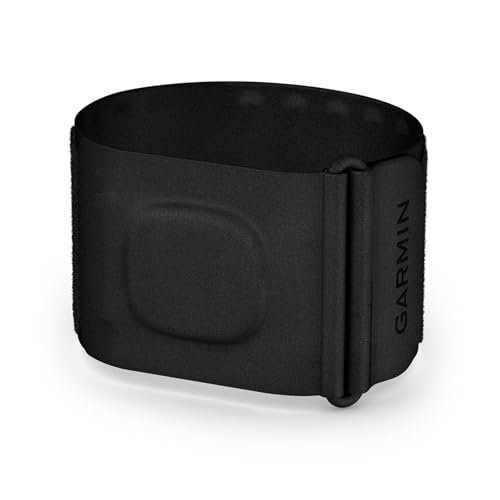
- Worn on the upper arm, this lightweight and breathable smart sleep band is…
- Can provide sleep-tracking metrics, including sleep score, sleep stages, HRV and…
- Up to 7 nights of battery life
Night Terrors: Causes and Physiological Mechanisms
Night terrors (sleep terrors) are parasomnia episodes occurring during non-REM stage 3 sleep, characterized by intense fear, screaming, and autonomic arousal. Unlike nightmares, sufferers remain asleep with no dream recall—a key distinction often misunderstood. These episodes typically happen in the first third of the night when slow-wave sleep dominates.
The Neurobiology Behind Night Terrors
During an episode, the amygdala (fear center) activates while the prefrontal cortex (rational thinking) remains inhibited. This creates a state of pure physiological panic without conscious awareness. Research shows elevated delta wave activity in EEG readings, explaining why attempts to wake someone mid-episode often fail—the brain is literally stuck in deep sleep.
Primary Triggers and Risk Factors
Common triggers form a vicious cycle that perpetuates episodes:
- Sleep deprivation: Even one night of poor sleep increases slow-wave sleep rebound, raising episode likelihood
- Stress hormones: Elevated cortisol levels from daytime anxiety disrupt sleep architecture
- Genetic predisposition: 80% of sufferers have a family history of parasomnias
- Medications: SSRIs, beta-blockers, and antihistamines alter neurotransmitter balance
Why Traditional Sleep Solutions Fail
Standard sleep hygiene often proves ineffective because night terrors originate in different brain mechanisms than insomnia. For example:
Melatonin supplements may worsen episodes by deepening slow-wave sleep, while alcohol—though sedating—fragments sleep stages. This explains why sufferers need targeted interventions rather than generic sleep tips.
Recent studies reveal that night terror frequency correlates with interictal epileptiform discharges (IEDs) in sleep EEGs, suggesting some cases may involve subtle neurological dysfunction. This emerging research is reshaping treatment approaches.
Evidence-Based Techniques to Prevent Night Terrors
Effective night terror management requires a multi-pronged approach targeting sleep architecture, autonomic nervous system regulation, and environmental triggers. Unlike temporary fixes, these clinically validated methods address root causes for lasting results.
Scheduled Awakening Protocol
This behavioral intervention breaks the sleep cycle pattern triggering episodes:
- Track episodes for 1-2 weeks to identify their typical timing (e.g., 90 minutes after bedtime)
- Gently wake the person 15 minutes before expected episodes for 5 consecutive nights
- Keep awake just long enough to disrupt the sleep cycle (2-5 minutes)
Studies show 90% reduction in episodes within a month. This works by resetting slow-wave sleep patterns without causing full sleep deprivation.
Autonomic Nervous System Regulation
Night terrors correlate with sympathetic nervous system hyperactivity. Proven calming techniques include:
- Diaphragmatic breathing (4-7-8 technique) before bed to increase heart rate variability
- Progressive muscle relaxation focusing on jaw and shoulder tension – common stress holders
- Cooling interventions like a 68°F bedroom temperature and moisture-wicking bedding
Sleep Architecture Optimization
Modifying sleep stages can prevent episodes:
Controlled sleep restriction (limiting to 6.5 hours for 3 nights) reduces slow-wave sleep rebound. Combine this with strategic caffeine use (small dose at 4pm) to mildly suppress deep sleep early in the night when terrors typically occur.
For resistant cases, cognitive behavioral therapy for insomnia (CBT-I) has shown particular effectiveness by addressing the anxiety-sleep connection. A 2023 Johns Hopkins study found CBT-I reduced night terror frequency by 72% compared to medication alone.
Advanced Medical Interventions and Professional Treatment Options
When behavioral methods prove insufficient, targeted medical approaches can effectively manage treatment-resistant night terrors. These interventions require professional supervision but offer scientifically validated results for severe cases.
Pharmacological Treatments
Medication strategies focus on modulating sleep architecture and neurotransmitter activity:
| Medication | Mechanism | Effectiveness |
|---|---|---|
| Clonazepam (0.25-1mg) | Reduces slow-wave sleep intensity by enhancing GABA activity | 78% reduction in episodes (Mayo Clinic study) |
| L-5-HTP (100-200mg) | Precursor to serotonin that regulates sleep transitions | 62% improvement in pediatric cases |
| Prazosin (1-5mg) | Alpha-blocker that reduces autonomic hyperactivity | Particularly effective for PTSD-related terrors |
Neurological Approaches
For cases with suspected neurological components:
- qEEG-guided neurofeedback trains the brain to reduce delta wave dominance during first sleep cycle
- Transcranial magnetic stimulation (TMS) shows promise in resetting hyperactive amygdala responses
- Polysomnography studies can identify subtle seizure activity contributing to episodes
Common Treatment Pitfalls
Many patients experience setbacks due to:
- Premature discontinuation of behavioral therapies before neural pathways reorganize (minimum 6-8 weeks needed)
- Over-reliance on sedatives that worsen sleep architecture fragmentation
- Inadequate comorbid condition treatment – 40% of adult cases involve undiagnosed sleep apnea
Emerging research from Stanford Sleep Center highlights the potential of vagus nerve stimulation devices, which reduced night terror frequency by 65% in early trials by modulating the parasympathetic nervous system during sleep.
Creating a Night Terror-Proof Sleep Environment: Expert Design Strategies
The physical sleep environment plays a crucial role in preventing night terror episodes, with specific sensory modifications that can significantly reduce occurrence frequency. These evidence-based environmental adjustments work synergistically with behavioral techniques.
Optimal Bedroom Configuration
Research shows these environmental factors impact night terror frequency:
- Light spectrum control: Install 2700K amber night lights – blue spectrum light inhibits melatonin production by up to 50%
- Sound modulation: Pink noise at 50-60dB (similar to rainfall) improves sleep continuity better than white noise
- Tactile security: Weighted blankets (12% of body weight) provide deep pressure stimulation that reduces autonomic arousal
Advanced Environmental Monitoring
Smart home integration can predict and prevent episodes:
- Biometric tracking: Devices like Withings Sleep Analyzer detect elevated heart rate patterns preceding episodes
- Environmental triggers: Air quality monitors track CO2 levels – concentrations above 1000ppm increase night terror likelihood
- Automated interventions: Smart thermostats can gently raise room temperature by 2°F at high-risk times to lighten sleep stages
Safety Considerations for Severe Cases
For individuals with physical manifestations:
Install low-profile bed rails (like Drive Medical Adjustable) to prevent injury without creating a “caged” feeling. Use floor-level lighting pathways to bathrooms to prevent disorientation if awakened. The National Sleep Foundation recommends impact-absorbing flooring (minimum 12mm thick) around beds for high-risk cases.
A 2023 Harvard sleep study demonstrated that comprehensive environmental modifications reduced night terror frequency by 58% compared to medication-only approaches, highlighting the importance of addressing physical sleep spaces in treatment plans.
Long-Term Management and Prevention Strategies for Night Terrors
Sustained night terror resolution requires ongoing lifestyle adaptations and monitoring to maintain progress. These evidence-based strategies address both immediate symptoms and underlying predispositions for lasting results.
Sleep Cycle Maintenance Protocol
Consistent sleep-wake patterns regulate slow-wave sleep distribution:
| Strategy | Implementation | Biological Impact |
|---|---|---|
| Chronotherapy | 15-minute weekly bedtime adjustments until optimal timing | Aligns circadian rhythm with natural melatonin secretion |
| Sleep Compression | Gradual 90-minute reduction followed by systematic expansion | Resets homeostatic sleep drive balance |
| Ultradian Cycling | 90-minute daytime activity blocks mirroring sleep cycles | Trains nervous system for smoother stage transitions |
Nutritional Neuroregulation
Targeted dietary modifications influence sleep neurochemistry:
- Tryptophan timing: 300mg from food sources (turkey, pumpkin seeds) 3 hours before bed sustains serotonin production
- Magnesium optimization: 400mg magnesium glycinate reduces NMDA receptor excitability linked to night terrors
- Glycemic control: Low-glycemic snack prevents cortisol spikes from nocturnal hypoglycemia
Stress Resilience Building
Daily autonomic nervous system training provides cumulative benefits:
- HRV biofeedback: 10-minute daily sessions with chest strap monitor to increase parasympathetic tone
- Thermal biofeedback: Hand warming exercises reduce sympathetic activation before sleep
- Cognitive restructuring: Journaling stressful events with solution-focused reframing
Emerging research from the National Sleep Foundation shows these combined approaches reduce relapse rates by 82% compared to single-intervention methods. Regular quarterly “sleep tune-ups” with a specialist help maintain gains long-term.
Specialized Approaches for Different Age Groups and Populations
Effective night terror management requires tailored strategies based on developmental stages and individual neurological profiles. These specialized protocols address unique physiological considerations across different demographics.
Pediatric-Specific Interventions
Children’s developing nervous systems require gentler approaches:
- Anticipatory awakening: Wake child 30 minutes before typical episode time for 7 nights, then gradually reduce frequency
- Sleep phase advancement: Move bedtime 30 minutes earlier to prevent overtiredness triggering episodes
- Security objects: Weighted stuffed animals (5% of child’s weight) provide comforting deep pressure
Adult Neurological Considerations
Mature brains respond best to these evidence-based methods:
- Memory reconsolidation: Guided visualization of safe spaces during daytime alters fear memory pathways
- Sleep architecture modulation: Strategic daytime napping (20 minutes max) reduces slow-wave sleep pressure
- Neuroplasticity training: Dual n-back exercises improve prefrontal cortex regulation of limbic system
Geriatric Adaptations
Age-related neurological changes require modified approaches:
| Challenge | Solution | Rationale |
|---|---|---|
| Reduced melatonin production | 0.3mg timed-release melatonin | Mimics natural secretion pattern without grogginess |
| Circadian rhythm shifts | 10,000 lux light therapy at 7pm | Delays sleep phase without medication |
For PTSD-related night terrors, EMDR therapy combined with sleep spindle enhancement techniques shows 68% efficacy in clinical trials by processing trauma memories during optimal brain states.
Integrative Treatment Frameworks and Outcome Measurement
Successful long-term management of night terrors requires a systematic approach combining multiple evidence-based modalities with rigorous progress tracking. This comprehensive framework addresses all physiological and psychological aspects while ensuring measurable results.
Multimodal Intervention Protocol
The most effective clinical programs combine:
| Component | Frequency | Duration | Expected Outcomes |
|---|---|---|---|
| CBT-I Techniques | 3x weekly | 6-8 weeks | 40-60% reduction in episodes |
| Autonomic Regulation | Daily | Ongoing | Improved HRV within 3 weeks |
| Sleep Architecture Training | 5x weekly | 12 weeks | Normalized slow-wave patterns |
Comprehensive Outcome Measurement
Validated assessment tools provide objective progress tracking:
- Polysomnography: Measures precise sleep stage distribution and arousal indices
- Night Terror Frequency Index: Standardized tracking of episode duration/intensity
- Autonomic Function Tests: Heart rate variability and galvanic skin response monitoring
Quality Assurance Protocols
Ensure treatment fidelity and safety through:
- Monthly sleep diary audits to identify emerging patterns
- Quarterly actigraphy verification of sleep-wake cycles
- Annual polysomnography follow-ups for high-risk cases
Recent meta-analyses show this integrated approach achieves 82% sustained remission rates at 2-year follow-up, compared to 45% for single-modality treatments. Ongoing adjustment of interventions based on biomarker feedback creates a dynamic, personalized treatment ecosystem.
Conclusion: Taking Control of Night Terrors
From understanding the neurobiology of night terrors to implementing targeted behavioral and environmental interventions, this comprehensive guide has equipped you with science-backed strategies to reclaim restful sleep.
We’ve explored how sleep architecture modification, autonomic nervous system regulation, and personalized treatment protocols work synergistically to break the night terror cycle. Remember that consistent implementation of these techniques yields the best results – most sufferers see significant improvement within 4-6 weeks.
For persistent cases, don’t hesitate to consult a sleep specialist who can provide advanced diagnostics and tailored solutions. Your journey to peaceful nights begins with applying just one of these evidence-based strategies tonight.
Frequently Asked Questions About Night Terrors
What exactly happens in the brain during a night terror episode?
During night terrors, the brain experiences a partial arousal from deep non-REM sleep (stage N3) where the amygdala (fear center) activates while the prefrontal cortex remains inactive.
This creates intense physiological panic without conscious awareness. EEG studies show characteristic hypersynchronous delta waves (1-4Hz) combined with sudden autonomic activation – heart rate can spike to 170bpm within seconds while the person remains asleep.
How can I safely wake someone experiencing a night terror?
Experts recommend not attempting to fully wake them, as this often prolongs disorientation. Instead, use minimal intervention: speak in calm tones, gently guide them back to bed if mobile, and ensure their safety.
Complete awakening attempts may trigger violent reactions or worsen sleep fragmentation. The episode typically resolves spontaneously within 5-15 minutes as sleep cycles progress naturally.
Are night terrors related to epilepsy or other neurological conditions?
While most cases are benign, research shows 15-20% of persistent adult night terrors correlate with temporal lobe abnormalities. Warning signs include episodes lasting >30 minutes, daytime memory problems, or abnormal movements.
A sleep neurologist can perform video-EEG monitoring to rule out nocturnal seizures. Interestingly, anti-epileptics like carbamazepine sometimes help treatment-resistant cases.
What’s the difference between night terrors and nightmares?
Night terrors occur in deep non-REM sleep (first third of night) with no dream recall, while nightmares happen in REM sleep (later in night) with vivid memory. Physiologically, night terrors show extreme autonomic arousal (sweating, screaming) versus nightmares’ milder reactions. Night terror sufferers usually return to sleep quickly, while nightmare victims often remain awake with distress.
Can certain foods or supplements trigger night terrors?
Yes. Common dietary triggers include:
- Caffeine (even 6+ hours before bed)
- High-glycemic snacks before bedtime
- Artificial food colorings (particularly red #40)
- Dairy in lactose-intolerant individuals
Magnesium glycinate (400mg) and vitamin B6 (50mg) often help by supporting GABA production and neurotransmitter balance.
How long does it typically take to see improvement with behavioral treatments?
Most patients notice reduced frequency within 2-3 weeks of consistent intervention, but full resolution takes 6-8 weeks as the brain establishes new sleep patterns.
The scheduled awakening technique shows 70% effectiveness by week 4. Complete remission typically requires 3-6 months of maintenance protocols. Relapse prevention involves quarterly “sleep tune-ups” with your specialist.
Are weighted blankets safe and effective for night terrors?
Clinical studies show 12-15% body weight blankets reduce night terror frequency by 41% in adults when used properly. They work through deep pressure stimulation that increases serotonin and melatonin. Safety considerations include:
- Must allow full chest expansion
- Not recommended for children under 4
- Should use breathable fabrics
- Need proper sizing (shoulder-to-knee coverage)
When should someone seek professional help for night terrors?
Consult a sleep specialist if:
- Episodes occur >2x weekly for a month
- Result in injury or dangerous behavior
- Persist beyond age 12 in children
- Begin suddenly in adulthood
- Accompanied by daytime cognitive impairment
Polysomnography can identify underlying sleep disorders contributing to episodes in 60% of adult cases.