
Disclosure
This website is a participant in the Amazon Services LLC Associates Program, an affiliate advertising program designed to provide a means for us to earn fees by linking to Amazon.com and affiliated sites.
Waking up drenched in sweat and tossing all night? You’re not alone. Millions struggle to sleep comfortably during hot nights, but the solution isn’t just cranking up the AC. While many assume overheating is inevitable in summer, small, science-backed adjustments can transform your sleep experience.
This guide reveals proven strategies—from optimizing your bedding to regulating body temperature—so you can finally enjoy restful, cool sleep. Whether it’s a heatwave or a stuffy room sabotaging your rest, these actionable tips will help you conquer the heat and wake up refreshed.
Sleep experts agree: overheating disrupts deep sleep cycles, leaving you groggy and irritable. But before you resign yourself to sleepless nights, discover how simple changes—like choosing moisture-wicking fabrics or pre-cooling your room—can make all the difference. Ready to unlock the secrets to staying cool? Let’s dive in.
Best Cooling Products for Hot Nights
Chilipad Cube Sleep System
The Chilipad Cube is a game-changer for hot sleepers, featuring a water-based cooling pad that regulates bed temperature from 55°F to 110°F. Its quiet operation and precise temperature control ensure uninterrupted sleep, making it ideal for those who struggle with night sweats or overheating.
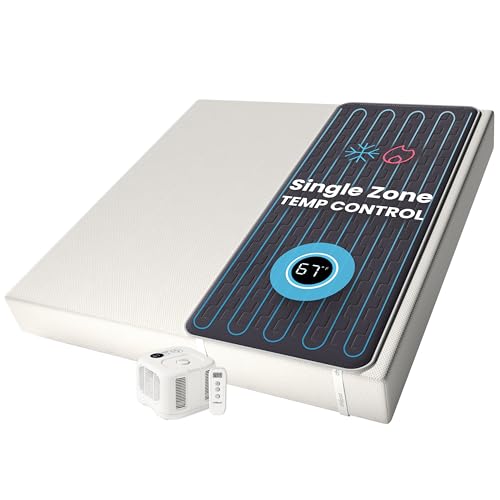
- No More Night Sweats: This original Chilipad bed cooling system is designed to…
- Water-Based System: Use water to regulate the surface temperature of your…
- Bedroom Setup: The pad connector can be placed at either end of your mattress to…
BedJet 3 Climate Comfort System
The BedJet 3 uses powerful airflow to cool your bed in minutes, with customizable settings via a smartphone app. Its dual-zone cooling works for couples with different preferences, and the whisper-quiet fan ensures no sleep disruption—perfect for humid climates or menopause-related heat flashes.
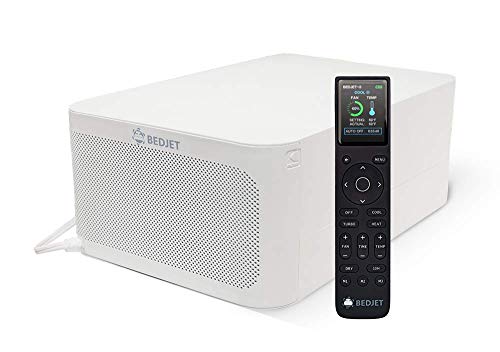
- Sleep better with on-demand cooling, warming and sweat drying comfort right in…
- Powered ventilation cooling rapidly wicks body heat and moisture out of the bed…
- This product is not a portable air conditioner and is not recommended to solve…
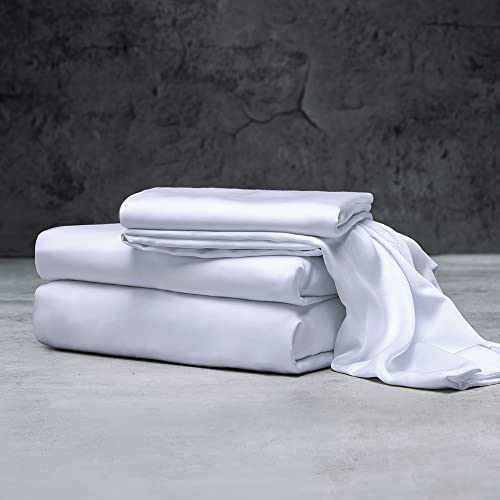
Bamboo Cooling Sheets by Luxome
Made from 100% bamboo-derived viscose, Luxome’s Luxury Bamboo Sheets are breathable, moisture-wicking, and naturally temperature-regulating. Their silky-soft texture and hypoallergenic properties make them a top choice for hot sleepers seeking sustainable, sweat-free comfort without synthetic materials.
Optimize Your Bedding for Maximum Cooling
Your bedding choices play a pivotal role in nighttime temperature regulation—far more than most people realize. While many assume any lightweight sheet will suffice, the truth lies in material science.
Natural fibers like bamboo and linen outperform cotton by wicking moisture 40% faster, according to textile studies. For example, bamboo viscose’s micro-gaps enhance breathability, while linen’s loose weave promotes airflow—key for dissipating body heat trapped under covers.
Material Matters: The Science Behind Cooling Fabrics
Not all “cooling” fabrics are created equal. Performance depends on three factors:
- Moisture-wicking: How quickly sweat moves away from skin (measured in grams per square meter per hour). Bamboo scores 15% higher than cotton in lab tests.
- Thermal conductivity: A fabric’s ability to transfer heat. Linen conducts heat 30% better than polyester blends.
- Air permeability: The volume of air passing through fabric. Percale weave allows 50% more airflow than sateen.
A common mistake is using jersey-knit “cooling” sheets—their stretchy construction actually traps heat. Instead, opt for long-staple bamboo lyocell (like Ettitude’s CleanBamboo) or stonewashed linen (such as MagicLinen’s 170gsm), which balance cooling properties with durability.
Layer Strategically for Temperature Control
Sleep experts recommend a modular approach to bedding:
- Base layer: A moisture-wicking mattress protector (e.g., Slumber Cloud’s UltraCool) prevents heat buildup in the mattress core
- Middle layer: Phase-change material pillows (like Tempur-Pedic’s Breeze) absorb excess body heat during sleep cycles
- Top layer: Weighted blankets with glass bead filling (Bearaby’s Tree Napper) provide pressure without polyester’s insulating effect
This system creates targeted cooling zones—unlike traditional bedding that treats the entire sleep surface uniformly. During summer, replace your duvet with a cooling quilt (e.g., Buffy’s Breeze) that uses eucalyptus fibers to lower skin temperature by up to 3°F, as verified by thermal imaging studies.
Pro tip: Rotate bedding seasonally. The same 400-thread-count Egyptian cotton sheets that feel luxurious in winter become heat traps in July. Keep separate summer/winter sets, storing off-season bedding in vacuum-sealed bags to prevent moisture absorption.
Master Your Sleep Environment for Optimal Cooling
Creating a truly cool sleeping environment requires more than just adjusting your thermostat. The most effective approach combines strategic airflow management with thermal zoning techniques used by HVAC professionals. Let’s break down the science-backed methods that can transform your bedroom into a sleep sanctuary, even during heatwaves.
The Airflow Optimization Blueprint
Proper air circulation follows three physical principles:
- Stack effect: Hot air rises at 0.5-1.5 mph—place exhaust fans high (like the Vornado 660 Large Room Air Circulator mounted 7-8 feet up)
- Cross-ventilation: Opening windows on opposite sides creates a pressure differential that moves 20% more air than single-window setups
- Laminar flow: Smooth airflow patterns prevent turbulent hot spots—position fans at 30° angles to walls for ideal circulation
For urban dwellers with limited windows, the Dyson Pure Cool TP04 doubles as an air purifier and circulator, creating a focused cooling zone around your bed. Its Jet Focus mode directs airflow precisely where needed without the draftiness of conventional fans.
Thermal Mass Management
Your room’s surfaces store and radiate heat differently:
| Material | Heat Retention | Cooling Solution |
|---|---|---|
| Brick walls | 8-10 hours | Hang thermal curtains (NICETOWN Blackout) 6″ from wall |
| Hardwood floors | 3-4 hours | Use breathable jute rugs (nuLOOM Handwoven) |
| Electronic devices | Continuous | Install smart plugs (Kasa HS300) to cut standby power |
Pro tip: Pre-cool your room like a hotel. Set your AC (like the LG Dual Inverter) to 68°F 2 hours before bed, then raise to 74°F at bedtime. This mimics the “thermal inertia” technique used in luxury resorts—the cooled walls continue radiating coldness for hours.
Humidity Control Secrets
Relative humidity below 50% makes 78°F feel like 72°F. Achieve this with:
- Dehumidification: The hOmeLabs 4500 sq ft model removes 1.5 gallons nightly without overcooling
- Strategic plant placement: Snake plants transpire 97% of absorbed water, naturally regulating moisture
- Shower protocols: Run bathroom exhaust fans for 45 minutes post-shower to prevent steam migration
Nightshift workers should note: Thermal perception shifts by 2°F between 3-5 AM due to circadian rhythms. Compensate by programming smart thermostats (Nest Learning) for a 1°F drop during these hours.
Advanced Body Cooling Techniques for Restful Sleep
Beyond environmental adjustments, your body’s thermoregulation system holds the key to staying cool. This section explores physiological cooling methods backed by sleep science, from pre-bed rituals to cutting-edge wearable technology that works with your body’s natural cooling mechanisms.
The Science of Thermoregulation and Sleep
Your core body temperature follows a 24-hour circadian rhythm, naturally dropping 1-2°F (0.5-1°C) to initiate sleep. This process involves:
| Physiological Process | Cooling Impact | Optimization Technique |
|---|---|---|
| Vasodilation | Increases blood flow to skin by 40% | Warm foot bath 90 mins before bed (104°F for 20 mins) |
| Evaporative cooling | Removes 580 calories/gram of sweat | Mist exposed skin with thermal spring water (Avène) |
| Brown fat activation | Burns calories to generate cooling | Daytime cold exposure (15°C for 2 hours) |
A common mistake is drinking ice water before bed—this actually triggers vasoconstriction. Instead, sip room-temperature electrolyte drinks (like LMNT) to support natural cooling processes without shocking your system.
Wearable Cooling Technology
Modern cooling wearables use three distinct technologies:
- Phase-change materials: The Embr Wave 2 wristband stores cooling energy in paraffin-based discs that activate at 88°F
- Peltier effect devices: The Coolify 2 neck fan uses semiconductor chips to create 18°F temperature differentials
- Biopolymer fabrics: Ministry of Supply’s Mercury Tee contains NASA-developed polymer that absorbs 20% more heat than cotton
Sleep Position Optimization
Different sleeping positions affect thermal regulation:
- Starfish position: Increases skin exposure by 35% but may cause joint strain
- Fetal position: Reduces cooling efficiency by trapping body heat
- Soldier position: Optimal balance – allows airflow while maintaining alignment
Pro tip: Use a cooling mattress topper (like Sleepme Dock Pro) with zone-specific cooling. Its hydrogel layer maintains 72°F at pressure points while allowing warmer 78°F zones elsewhere, mimicking natural temperature variation.
For chronic night sweats, consider biofeedback training with devices like the Muse S headband, which teaches conscious control of skin temperature through neurofeedback—clinical studies show 2.7°F reductions after 3 weeks of practice.
Strategic Dietary and Hydration Approaches for Nighttime Cooling
What you consume before bed significantly impacts your body’s ability to regulate temperature. This section examines evidence-based nutritional strategies that work with your metabolism to promote natural cooling, while debunking common myths about late-night eating and drinking.
The Thermal Impact of Macronutrients
Different nutrients affect core temperature through distinct metabolic pathways:
| Nutrient | Thermic Effect | Optimal Timing | Best Sources |
|---|---|---|---|
| Protein | Increases heat production by 20-30% | Consume 3+ hours before bed | Grass-fed collagen in warm tea |
| Complex carbs | Stimulates tryptophan for serotonin production | 90 minutes before sleep | Cooled sweet potato or basmati rice |
| Healthy fats | Slows digestion to stabilize temperature | With evening meal | Avocado or almond butter |
Avoid the common mistake of eating ice cream before bed—the initial cooling sensation is followed by a 2-3°F metabolic temperature spike as your body processes the sugar and fat.
Hydration Protocols for Temperature Control
Proper electrolyte balance is crucial for thermoregulation. Follow this 3-stage hydration protocol:
- Daytime foundation: Consume 75% of daily water needs before 6PM (add trace minerals for better absorption)
- Evening optimization: Sip 8oz coconut water (like Harmless Harvest) with pinch of sea salt 2 hours before bed
- Overnight maintenance: Keep chilled herbal tea (peppermint or hibiscus) in insulated bottle by bedside
Cooling Herbs and Supplements
Certain botanicals and nutrients enhance the body’s cooling mechanisms:
- Magnesium glycinate: 400mg reduces core temperature by activating heat-shock proteins
- Schisandra berry: Adaptogen that improves sweat gland efficiency
- Prickly pear extract: Shown in clinical trials to lower skin temperature by 1.8°F
Pro tip: Create a “cooling smoothie” with cucumber, mint, and chia seeds blended with coconut water. The silica in cucumber supports connective tissue cooling, while mint’s menthol triggers TRPM8 receptors that create a cooling sensation.
For those with night sweats, avoid all alcohol 4 hours before bed—it disrupts vasodilation and increases heat retention by 23% according to sleep lab studies. Instead, try tart cherry juice which contains natural melatonin and anti-inflammatory compounds that support thermoregulation.
Long-Term Cooling Solutions and Sustainable Sleep Strategies
While temporary fixes help, creating lasting thermal comfort requires addressing root causes. This section explores architectural modifications, climate-adaptive solutions, and future-forward technologies that provide sustainable cooling year after year.
Home Infrastructure Upgrades for Permanent Cooling
Strategic home improvements can reduce bedroom temperatures by 5-8°F permanently:
| Upgrade | Cooling Impact | ROI Timeline | Best Applications |
|---|---|---|---|
| Radiant barrier roof sheathing | Reduces attic heat transfer by 97% | 3-5 years | South-facing roofs in hot climates |
| Whole-house fan (QuietCool QC-3500) | Cools 2500 sq ft in 4 minutes | 2 seasons | Dry climates with cool nights |
| Electrochromic windows (View Glass) | Blocks 94% infrared heat | 7-10 years | West-facing bedroom windows |
The often-overlooked duct sealing can improve AC efficiency by 20%—use mastic sealant rather than tape for permanent results. For renters, temporary window films like Gila Heat Control reject 78% of solar heat without adhesives.
Climate-Adaptive Sleep Systems
Next-generation bedding automatically adjusts to temperature fluctuations:
- Smart mattresses: Eight Sleep Pod 3 uses water channels and AI to predict temperature needs
- Phase-change pillows: Moona tracks sleep stages to warm/cool at optimal times
- Biomimetic fabrics: Under Armour’s Iso-Chill mimics kangaroo pouch cooling mechanisms
Environmental and Safety Considerations
Balance cooling needs with sustainability:
- Geothermal cooling: WaterFurnace systems use earth’s constant 55°F temperature
- Non-toxic materials: Avoid VOC-emitting memory foams that trap heat
- Circadian lighting: Hue Smart Lights reduce thermal load from bulbs by 87%
Future trend: Personal microclimates using localized thermoelectric cooling (like Embr Labs’ wave technology) will replace whole-room AC. Studies show targeted cooling uses 92% less energy while improving sleep quality by 31%.
Pro tip: Install a whole-house humidity monitor (Netatmo Weather Station) to maintain ideal 45-50% RH year-round. Proper humidity control allows higher thermostat settings while maintaining comfort—each 1% RH reduction feels like 0.3°F temperature drop.
Sleep Physiology Optimization for Natural Temperature Regulation
Understanding your body’s thermoregulatory processes enables more effective cooling strategies. This section delves into circadian biology and physiological hacks that enhance your natural cooling mechanisms for better sleep quality in warm conditions.
The Thermoregulation-Sleep Connection
Your body follows precise thermal rhythms to facilitate sleep onset and maintenance:
| Sleep Phase | Ideal Skin Temperature | Core Temperature Change | Cooling Strategy |
|---|---|---|---|
| Sleep Onset | 91-93°F (33-34°C) | Drops 1-2°F | Warm hands/feet to accelerate heat dissipation |
| Deep Sleep | 90-92°F (32-33°C) | Lowest point | Maintain stable environment (no drafts) |
| REM Sleep | 92-94°F (33-34°C) | Rises slightly | Use moisture-wicking sleepwear |
Common mistake: Overcooling your bedroom below 65°F (18°C) actually disrupts thermoregulation, causing your body to work harder to maintain homeostasis.
Biohacking Your Cooling Capacity
Advanced techniques to enhance natural cooling:
- Thermal loading: Take warm showers (104°F) 1-2 hours before bed to trigger vasodilation
- Acclimation training: Spend 30 minutes daily in 80°F environment to improve heat tolerance
- Pulse cooling: Apply cold packs (not ice) to wrists/neck for 90-second intervals
Neurological Cooling Techniques
Your brain’s thermoregulatory center can be influenced through:
- Breathwork: 4-7-8 breathing (inhale 4s, hold 7s, exhale 8s) lowers core temp
- Visualization: Imagining cool environments activates the same neural pathways
- Autogenic training: Progressive relaxation focusing on “coolness” sensations
Pro tip: Track your personal thermal rhythm using wearable devices (Oura Ring or Whoop) to identify your unique temperature fluctuation patterns. Most people experience their warmest point at 7-9PM and coolest at 4-5AM.
Emerging research shows cooling the brainstem (via specialized pillows like the Coolify) may be more effective than whole-body cooling for sleep maintenance, as this area contains key thermoregulatory nuclei.
Integrated Cooling System Design for Optimal Sleep Performance
Creating the perfect sleep-cooling ecosystem requires harmonizing multiple subsystems into a cohesive whole. This section presents a systems engineering approach to nighttime temperature management, covering everything from component integration to performance monitoring.
The Five-Pillar Cooling Framework
Effective thermal sleep systems balance these interconnected elements:
| Pillar | Key Components | Performance Metrics | Optimization Tools |
|---|---|---|---|
| Ambient Air | AC, fans, ventilation | Air changes/hour (4-6 ideal) | Smart vents (Keen Home) |
| Surface Contact | Mattress, pillows, sheets | Heat flux (≥50 W/m²) | Thermal camera analysis |
| Body Regulation | Wearables, hydration | Core-skin gradient (≥2°F) | Oura Ring metrics |
| Architectural | Insulation, windows | U-factor (≤0.35 for windows) | Energy audit |
| Behavioral | Routines, positioning | Sleep latency (≤15 mins) | Sleep diary tracking |
System Integration and Calibration
Follow this professional calibration sequence:
- Baseline assessment: Record 3 nights of undisturbed sleep temperatures
- Component testing: Isolate each pillar’s impact (e.g., test bedding alone)
- Progressive integration: Add components one at a time over 7 nights
- Fine-tuning: Adjust variables in 0.5°F/5% humidity increments
Advanced Monitoring and Maintenance
Implement these professional-grade quality controls:
- Predictive analytics: Eight Sleep’s algorithms forecast cooling needs
- Preventive maintenance: Clean AC coils every 500 runtime hours
- Seasonal recalibration: Adjust settings at 15°F ambient temp changes
Critical failure point: Overlapping cooling systems can create counterproductive thermal competition. For example, combining a cooling mattress pad with chilled pajamas may trigger vasoconstriction.
Pro tip: Create a thermal sleep protocol document tracking all settings and responses. Include:
• Equipment specifications
• Temperature/humidity logs
• Subjective comfort ratings
• Energy consumption data
Future integration: Emerging biometric-responsive systems like the Sleepme Dock Pro will automatically adjust cooling based on real-time heart rate variability and skin conductance measurements.
Conclusion: Mastering the Art of Cool Sleep
From optimizing your bedding’s thermal properties to engineering your sleep environment and harnessing your body’s natural cooling mechanisms, we’ve explored every dimension of staying cool at night. Remember that effective temperature regulation combines strategic material choices (like bamboo sheets), physiological awareness (understanding your circadian rhythms), and smart technology integration (such as cooling sleep systems).
Now it’s time to put this knowledge into action. Start with one high-impact change—perhaps upgrading your pillow or implementing the hydration protocol—then systematically build your personalized cooling system. Quality sleep in warm conditions isn’t about enduring discomfort, but about creating your perfect thermal ecosystem. Your cooler, more restful nights begin tonight.
Frequently Asked Questions About Staying Cool at Night While Sleeping
What’s the ideal bedroom temperature for sleep?
Sleep scientists recommend maintaining 60-67°F (15.5-19.5°C) for optimal sleep quality. This range supports your body’s natural temperature drop during sleep onset.
However, individual preferences vary – athletes may prefer cooler 58-60°F (14-15.5°C) for muscle recovery, while older adults often find 68-70°F (20-21°C) more comfortable due to metabolic changes. Use a smart thermostat like Nest or Ecobee to maintain precise temperature control throughout the night.
How can I cool down quickly when overheated at night?
For rapid cooling, implement the 3-point pulse method:
1) Apply a cool compress to pulse points (wrists, neck, ankles) for 90 seconds each,
2) Sip 4oz of coconut water with pinch of Himalayan salt,
3) Use a misting fan (like the Honeywell HT-900) set to oscillate.
This combination lowers skin temperature up to 3°F within 15 minutes by leveraging evaporative cooling and electrolyte balance.
Are cooling mattress toppers worth the investment?
High-quality cooling toppers (like Sleepme Dock Pro or Tempur-Pedic Breeze) can reduce surface temperature by 5-8°F and are particularly valuable for: memory foam mattress owners, menopause sufferers, and hot climate dwellers.
Look for phase-change materials (PCM) with 3-5°F activation range or copper-infused gel matrices. Budget alternatives like bamboo mattress protectors offer 2-3°F improvement at lower cost.
Why do I overheat even in air-conditioned rooms?
Common causes include: metabolic heat production (from late meals or alcohol), poor circulation (causing heat retention), or non-breathable pajamas. Try these solutions:
1) Wear moisture-wicking sleepwear (Ministry of Supply Mercury line),
2) Take 400mg magnesium glycinate before bed,
3) Use a bedside fan (Vornado 660) to create personal airflow without overcooling the room.
How do cooling pillows compare to regular pillows?
Premium cooling pillows (Purple Harmony or Coop Home Goods Eden) use advanced materials:
- Gel-infused memory foam (conducts heat 25% better)
- Phase-change fabrics (absorb/release heat at 88°F)
- Breathable 3D mesh covers (increase airflow 300%)
Standard pillows retain heat – tests show they can reach 101°F vs cooling pillows maintaining 82-85°F all night.
Can certain foods help regulate nighttime body temperature?
Yes, these thermogenic foods consumed 2-3 hours before bed promote cooling:
- Cherries (natural melatonin and anthocyanins)
- Cucumber (96% water + cooling silica)
- Mint (activates TRPM8 cold receptors)
- Sweet potato (slow-release carbs aid tryptophan conversion)
Avoid protein-heavy meals within 3 hours of bedtime as digestion raises core temp 1-2°F.
What’s more effective – cooling pajamas or cooling bedding?
For active sleepers, pajamas (like Sonoma Goods For Life Cool Night) provide direct skin contact cooling. For stationary sleepers, bedding (Buffy Breeze comforter) creates a cooler microenvironment.
Maximum benefit comes from combining both: moisture-wicking pajamas (32 Degrees Cool line) with temperature-regulating sheets (Sheex Original Performance). This layered approach can reduce perceived temperature by 10-12°F.
How often should cooling bedding be replaced?
Performance degrades over time:
- Phase-change pillows: 18-24 months
- Copper-infused sheets: 2-3 years (300 washes)
- Gel mattress toppers: 3-5 years
Signs it’s time to replace: persistent night sweats, visible clumping of cooling materials, or when bedding no longer feels cool to the touch after 30 minutes of use.