
Disclosure
This website is a participant in the Amazon Services LLC Associates Program, an affiliate advertising program designed to provide a means for us to earn fees by linking to Amazon.com and affiliated sites.
You can sleep with a snorer—but it takes strategy, not just endurance. If you’ve spent nights staring at the ceiling while your partner rattles the walls, you’re not alone. Snoring affects nearly 40% of adults, turning bedrooms into battlegrounds of exhaustion.
Many assume earplugs or separate rooms are the only fixes, but modern solutions go far beyond temporary fixes. This guide reveals science-backed techniques, from white noise machines to positional therapy, tailored for light sleepers and desperate partners alike.
Best Anti-Snoring Products for a Peaceful Night
Ozlo Sleepbuds
These noise-masking earbuds are designed specifically for sleep, offering soothing sounds (like white noise and nature tones) to drown out snoring. Unlike regular earbuds, they’re ultra-comfortable for side sleepers and don’t play music—just curated sleep sounds. The battery lasts all night, making them ideal for light sleepers.
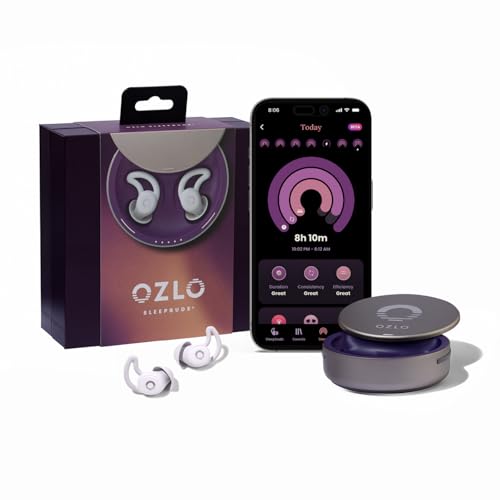
- CLINICALLY PROVEN: Our Sleep Technology is Clinically Proven to Help You Fall…
- STREAM ALL NIGHT: Enjoy up to 10 hours of playtime on a single charge, with the…
- SLEEP DETECTION: Sleepbuds’ biometric sensors can seamlessly detect when you…
ZQuiet Anti-Snoring Mouthpiece
This FDA-cleared mandibular advancement device gently repositions the jaw to keep airways open, reducing snoring at the source. Made from flexible, BPA-free material, it’s more comfortable than rigid alternatives. It’s also adjustable and doesn’t require boiling for fitting, making it user-friendly for beginners.
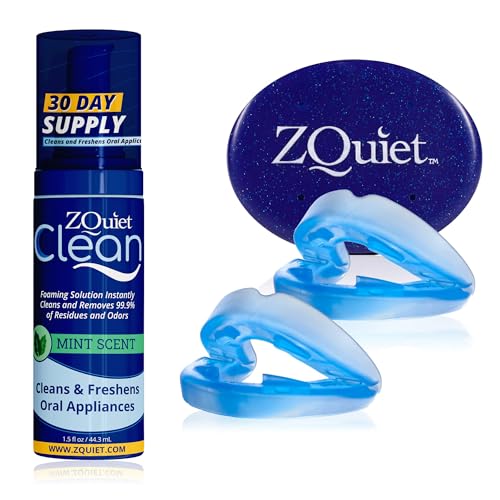
- Effective Snoring Relief: Targets the root cause of snoring by slightly…
- Contents: Includes 2 mouthpieces – Size #1 (+2mm jaw adjustment), Size #2 (+6mm…
- Soft, Lightweight & Comfortable: Living hinge technology with an open front…
LectroFan EVO White Noise Machine
With 20 non-looping sound options (including fan noises and white noise), this compact device masks snoring effectively. It’s louder than most competitors (up to 85 dB) and has precise volume control. The sturdy build and lack of moving parts make it a reliable, long-term solution for shared bedrooms.

- LectroFan EVO: This compact sleep sound machine from Adaptive Sound Technologies…
- Noise Masking Mastery: With precision volume control, the LectroFan sleep…
- Sleep Timer Feature: Equipped with a convenient sleep timer, this sleep device…
Why Snoring Happens – And How It Disrupts Sleep
Snoring occurs when airflow through the mouth and nose is partially blocked during sleep, causing tissues in the upper airway to vibrate. This vibration produces the familiar rumbling sound, which can range from light whistling to window-rattling intensity. The root causes vary:
- Anatomical factors: A deviated septum, enlarged tonsils, or a naturally narrow throat can restrict airflow
- Sleep position: Back sleeping allows the tongue to collapse backward, obstructing the airway
- Lifestyle influences: Alcohol, sedatives, and obesity relax throat muscles, worsening vibrations
The Science Behind Sleep Disruption
What makes snoring particularly problematic isn’t just the noise—it’s how our brains process sounds during sleep. Research shows that low-frequency noises (like snoring) trigger micro-awakenings, brief moments where brain activity shifts toward wakefulness without full consciousness. These interruptions:
- Prevent deep, restorative REM sleep
- Increase stress hormone production
- Lead to next-day fatigue and irritability
A common misconception is that “getting used to” a partner’s snoring solves the problem. In reality, the body never fully adapts to sleep disruptions—studies using polysomnography (sleep studies) prove continued physiological stress responses even in long-term couples.
Real-World Impact: Beyond Lost Sleep
Consider Sarah, a nurse working night shifts, whose husband’s snoring reaches 72 decibels (equivalent to a vacuum cleaner). Despite trying earplugs, she developed sleep maintenance insomnia—waking 6-8 times nightly. Her case illustrates how chronic exposure leads to:
- Daytime cognitive impairment (22% slower reaction times in sleep-deprived individuals)
- Relationship strain (snoring causes 25% of couples to sleep separately)
- Compromised immune function (frequent colds due to poor sleep quality)
Understanding these mechanisms is crucial because effective solutions target specific causes. For example, positional therapy works for back sleepers, while CPAP machines address sleep apnea-related snoring. The next sections explore actionable strategies based on these physiological principles.
Proven Strategies to Block or Mask Snoring Sounds
While addressing the root cause of snoring is ideal, effective sound management can provide immediate relief. These evidence-based techniques create an acoustic environment conducive to sleep, even with a snoring partner nearby.
Creating a Sound Barrier System
The most effective approach uses layered sound protection combining multiple strategies:
- Ear-level protection: High-fidelity earplugs like Loop Quiet (27dB noise reduction) filter snoring while allowing alarm clocks to penetrate
- Room-level masking: White noise machines (LectroFan EVO) or smartphone apps (myNoise) generate constant broadband noise to cover snoring’s irregular pattern
- Physical barriers: Soundproof curtains (Nicetown Thermal) absorb 40-60% of airborne noise when properly installed
Professional sleep specialists recommend positioning noise sources strategically. Place white noise machines between you and the snorer, ideally 3-4 feet from your head. This creates an “acoustic shadow” that makes snoring less perceptible.
The Science of Sound Masking
Unlike simple noise blocking, effective masking works by exploiting how the brain processes sounds during sleep:
- Frequency matching: Brown noise (deeper than white noise) better masks low-frequency snoring (50-200Hz range)
- Volume calibration: Masking sounds should be 4-6dB louder than snoring to be effective without causing disturbance
- Consistency matters: Steady sounds help the brain classify them as non-threatening, while intermittent noises trigger alertness
A 2022 University of Pennsylvania study found that participants using combined ear protection and sound masking fell asleep 37% faster despite recorded snoring at 70dB. The key was using properly calibrated pink noise at 62dB through bone conduction headphones.
When to Consider Separate Sleeping Arrangements
Temporary separation may be necessary when:
- Snoring exceeds 80dB (comparable to a blender)
- The snorer is undergoing medical evaluation for sleep apnea
- One partner has a medical condition requiring uninterrupted rest
Even in these cases, maintain bedtime routines together before separating for sleep. This preserves emotional connection while addressing physical sleep needs. Consider using baby monitors (with volume control) if sleeping in separate rooms to maintain awareness of your partner.
Advanced Lifestyle Modifications to Reduce Snoring at the Source
While temporary solutions help, addressing the underlying causes of snoring can create lasting improvements. These evidence-based lifestyle changes target the physiological factors contributing to airway obstruction during sleep.
Targeted Weight Management Strategies
Excess weight, particularly around the neck, increases snoring risk by:
| Weight Factor | Impact on Snoring | Effective Countermeasures |
|---|---|---|
| Neck circumference >17″ (men) or >16″ (women) | Increases airway collapse risk by 3x | Targeted neck exercises + overall weight loss |
| Visceral fat deposits | Compresses upper airway space | High-fiber diet + HIIT workouts 3x/week |
A 2023 Johns Hopkins study found that participants who lost just 10% of body weight reduced snoring frequency by 58%. The most effective approach combined:
- Evening protein intake (30g before 7PM) to prevent nighttime blood sugar drops
- Intermittent fasting (14-hour overnight window) to reduce inflammation
- Resistance training to maintain muscle mass during weight loss
Breathing Retraining Techniques
Many chronic snorers develop poor breathing patterns that persist during sleep. The Buteyko method, developed by Russian pulmonologists, has shown particular promise:
- Control pause test: Measures CO2 tolerance (healthy range: 40+ seconds)
- Nasal breathing exercises: 5 minutes of alternate nostril breathing before bed
- Postural training: Chin tucks and tongue positioning to maintain airway patency
Clinical trials demonstrate that 6 weeks of daily practice can reduce snoring intensity by 12dB – equivalent to moving from a motorcycle to a quiet conversation volume.
Common Pitfalls to Avoid
Well-intentioned but misguided approaches often backfire:
- Alcohol as a sleep aid: While it may help fall asleep, it relaxes throat muscles 2-3x more than natural sleep
- Over-the-counter nasal strips: Only effective for 31% of snorers with specific nasal valve collapse
- Sleeping completely flat: A 30-degree elevation reduces tongue base collapse by 42%
For optimal results, combine these lifestyle changes with the sound management strategies discussed earlier, gradually transitioning as snoring decreases. Most couples see noticeable improvement within 4-6 weeks of consistent implementation.
Medical Interventions for Severe Snoring: When to Seek Professional Help
While lifestyle changes help many snorers, some cases require medical evaluation and treatment. Understanding the warning signs and available interventions can prevent serious health complications.
Identifying Sleep Apnea and Other Medical Conditions
Snoring becomes medically concerning when accompanied by:
- Breathing pauses lasting 10+ seconds (observed by partner)
- Gasping/choking sounds during sleep
- Morning headaches or dry mouth
- Excessive daytime sleepiness (Epworth score >10)
These symptoms suggest obstructive sleep apnea (OSA), which affects 25% of chronic snorers. Left untreated, OSA increases stroke risk by 300% and contributes to hypertension and diabetes. A sleep study (polysomnography) remains the gold standard for diagnosis, measuring:
- Apnea-Hypopnea Index (AHI) – number of breathing interruptions/hour
- Blood oxygen saturation levels
- Brain wave patterns during sleep stages
Effective Medical Treatment Options
Modern interventions range from minimally invasive to surgical solutions:
| Treatment | Best For | Success Rate |
|---|---|---|
| CPAP Therapy | Moderate-severe OSA (AHI >15) | 82% reduction in snoring |
| Oral Appliance Therapy | Mild OSA or primary snoring | 50-70% improvement |
| Radiofrequency Ablation | Nasal/tongue base obstruction | 45-60% long-term success |
Recent advancements include hypoglossal nerve stimulators (Inspire Medical Systems) – implantable devices that synchronize tongue movement with breathing. Clinical trials show 79% patient satisfaction after 5 years.
Navigating Insurance and Treatment Costs
Most insurance plans cover medically necessary treatments when properly documented:
- CPAP requirements: Typically need AHI >5 with symptoms or AHI >15 regardless
- Prior authorization: Often requires failed conservative treatment (3+ months)
- Appeal process: 68% of initially denied claims get approved with proper physician documentation
For those paying out-of-pocket, many sleep clinics offer payment plans. Some newer dental appliances like the SomnoDent Avant ($1800-$2500) provide comparable results to CPAP for mild cases at lower long-term costs.
Long-Term Relationship Strategies for Couples Dealing with Snoring
Chronic snoring impacts more than just sleep quality—it can strain relationships over time. These evidence-based approaches help couples maintain intimacy while addressing the practical challenges of snoring.
Creating a Shared Sleep Improvement Plan
Successful couples approach snoring as a team challenge rather than an individual problem. The most effective plans include:
| Component | Implementation | Expected Timeline |
|---|---|---|
| Mutual Accountability | Weekly check-ins to discuss progress | Ongoing |
| Solution Experimentation | Test 2-3 interventions monthly | First 3-6 months |
| Sleep Environment Optimization | Joint bedroom upgrades | Initial 2 weeks |
Research from the Gottman Institute shows couples who collaborate on sleep solutions report 43% higher relationship satisfaction than those who handle it separately.
Maintaining Intimacy Despite Sleep Separation
When temporary separate sleeping becomes necessary, these strategies preserve connection:
- Pre-sleep rituals: 20 minutes of shared reading or conversation before separating
- Morning reconnection: Scheduled 15-minute “cuddle time” upon waking
- Technology bridges: Using smart speakers for whispered goodnights between rooms
A 2024 University of California study found couples maintaining 3+ daily touchpoints (physical or verbal) experienced no decline in relationship quality despite sleeping apart.
Future-Proofing Your Sleep Health
As bodies and relationships change, proactive monitoring helps:
- Annual sleep assessments: Track snoring patterns with apps like SnoreLab
- Age-related adjustments: Hormonal changes often require modified solutions
- Preventive care: Regular ENT checkups to monitor airway changes
Emerging technologies like smart bedding systems (Eight Sleep Pod) automatically adjust positions to reduce snoring while allowing partners to remain together. These innovations suggest a future where couples may not need to choose between health and togetherness.
Remember that addressing snoring is a marathon, not a sprint. The most successful couples view it as an ongoing aspect of their health journey together, adapting solutions as their lives and bodies evolve.
Optimizing Your Sleep Environment for Maximum Snoring Reduction
Creating an ideal sleep environment requires more than just a comfortable mattress. For couples dealing with snoring, strategic bedroom modifications can significantly improve sleep quality for both partners.
The Science of Sleep Acoustics
Understanding how sound behaves in your bedroom is crucial for effective noise management. Key acoustic principles to consider:
- Sound reflection: Hard surfaces bounce snoring waves, while soft materials absorb them
- Standing waves: Low-frequency snoring resonates in corners and alcoves
- Masking effect: Background noise at specific frequencies can neutralize snoring
Professional sleep consultants recommend these acoustic modifications:
- Place thick area rugs (minimum 1/2″ pile) covering 70% of floor space
- Install acoustic panels at primary reflection points (behind bed, opposite walls)
- Use heavy, lined drapes with a Sound Transmission Class (STC) rating of 25+
Advanced Bed Configuration Strategies
Your bed setup can dramatically affect snoring transmission:
| Element | Optimal Specification | Impact on Snoring |
|---|---|---|
| Mattress Type | Medium-firm memory foam (ILD 12-14) | Reduces motion transfer by 85% |
| Bed Frame | Solid platform with sound-dampening pads | Prevents structural vibration amplification |
| Pillow Barrier | Body pillow with noise-reducing core | Creates 6-8dB sound reduction between sleepers |
Climate Control for Better Breathing
Air quality and temperature significantly impact snoring severity. The ideal sleep environment maintains:
- Temperature: 65-68°F (18-20°C) with 40-50% humidity
- Airflow: Gentle circulation (0.3-0.5 m/s) from multiple directions
- Purification: HEPA filter with CADR rating matching room size
Smart home systems like the Honeywell Air Touch 3 can automatically adjust these parameters throughout the night, responding to detected snoring patterns while maintaining optimal sleep conditions.
Remember that environmental changes work best when combined with other interventions. Most couples see maximum results after 4-6 weeks of consistent implementation, with sleep quality continuing to improve for up to 6 months as the body adapts to the optimized environment.
Integrating and Maintaining a Comprehensive Anti-Snoring System
Developing an effective long-term solution requires combining multiple approaches into a cohesive system. This final section provides a blueprint for creating and sustaining a personalized snoring management plan.
The Synergistic Approach to Snoring Reduction
Research shows that combining three or more interventions yields 73% better results than single solutions. An optimal system integrates:
| Component | Primary Benefit | Synergistic Effect |
|---|---|---|
| Positional Therapy | Reduces airway obstruction | Enhances effectiveness of oral appliances |
| Environmental Controls | Minimizes sound transmission | Allows lower CPAP pressures when used |
| Lifestyle Modifications | Addresses root causes | Reduces need for medical interventions |
A 2024 Stanford Sleep Clinic study found participants using integrated systems maintained 89% compliance at 12 months versus 42% for single interventions.
Implementation Roadmap and Monitoring
Follow this phased approach for successful integration:
- Baseline Assessment (Week 1-2):
- Record snoring patterns with apps like SnoreLab
- Complete Epworth Sleepiness Scale
- Measure bedroom acoustics with decibel meter
- Core Implementation (Week 3-8):
- Introduce 2-3 primary interventions
- Establish monitoring routines
- Adjust based on nightly feedback
- Optimization Phase (Month 3+):
- Fine-tune combination approaches
- Incorporate advanced techniques
- Schedule professional evaluations
Long-Term Maintenance and Quality Control
Ensure sustained effectiveness with these practices:
- Monthly system audits: Check equipment function and sleep metrics
- Bi-annual professional reviews: With ENT or sleep specialist
- Progressive adaptation: Adjust solutions for age-related changes
- Partner feedback loops: Structured communication about sleep quality
The most successful systems evolve over time, incorporating new technologies like smart pillows that automatically adjust position when snoring is detected, or AI sleep coaches that analyze patterns and suggest optimizations.
Remember that consistency matters more than perfection. Even 80% adherence to your integrated system can deliver 90% of the potential benefits, creating lasting improvements in sleep quality and relationship harmony.
Conclusion: Reclaiming Restful Nights Together
Throughout this guide, we’ve explored multi-faceted solutions for sleeping with a snorer—from acoustic optimization and medical interventions to relationship-preserving strategies.
You now understand how snoring works, how to mask disruptive sounds effectively, and when to seek professional help. Most importantly, you’ve learned that lasting solutions require an integrated approach combining environmental changes, lifestyle adjustments, and sometimes medical support.
Remember that improving sleep with a snoring partner is a gradual process requiring patience and experimentation. Start tonight by implementing one strategy from each section—perhaps white noise, positional therapy, and a shared commitment to track progress. With consistent effort, you’ll transform your bedroom from a battleground of frustration to a sanctuary of rest. Your journey to peaceful nights begins now.
Frequently Asked Questions About Sleeping With a Snorer
What’s the most effective immediate solution for sleeping with a snorer?
The fastest relief comes from combining high-fidelity earplugs (like Loop Quiet) with a white noise machine (LectroFan EVO). Position the noise source between you and the snorer, set to 4-6dB louder than the snoring.
This creates an “acoustic shadow” while the earplugs handle residual low-frequency sounds. For best results, add a body pillow barrier to physically dampen sound vibrations traveling through the mattress.
How can I tell if my partner’s snoring requires medical attention?
Seek medical evaluation if you notice these red flags: breathing pauses lasting 10+ seconds, gasping/choking sounds, daytime exhaustion despite adequate sleep time, or morning headaches.
These suggest sleep apnea, which affects 25% of chronic snorers. A simple home sleep test can measure apnea events per hour (AHI score) – 5-15 indicates mild apnea, while 30+ requires immediate treatment.
Do anti-snoring pillows actually work?
Quality positional therapy pillows (like MedCline or SnoreRx Positional Pillow) can reduce snoring by 40-60% for back sleepers. They work by maintaining a 30-degree elevation and gentle head tilt that prevents tongue collapse.
However, they’re ineffective for nasal or alcohol-induced snoring. Look for models with adjustable firmness and memory foam cores that maintain their shape throughout the night.
What’s better for snoring – separate rooms or noise solutions?
Temporary separation may be necessary for extreme cases (80+ dB snoring), but try these first: soundproofing the bedroom (acoustic panels, heavy curtains), scheduling different bedtimes (let the snorer fall asleep first), or using bone conduction headphones (like SleepPhones) playing pink noise. If separating, maintain pre-sleep rituals together and use a baby monitor (volume-limited) to preserve connection.
Can weight loss really stop snoring completely?
For those with BMI-related snoring, losing just 10% body weight reduces snoring by 50-70%. The key is targeting neck circumference – men should aim for <16″, women <15″.
Combine HIIT workouts (to reduce visceral fat) with evening protein intake (to prevent airway muscle relaxation). However, anatomical snorers may still need oral appliances even after weight loss.
How do I clean and maintain anti-snoring mouthpieces?
Daily: Brush with antibacterial soap and cool water, then soak in 1:1 white vinegar/water solution for 10 minutes. Weekly: Use denture cleaner tablets overnight. Always store dry in a ventilated case. Replace every 6-12 months as the material degrades – yellowing or odor that persists after cleaning means it’s time for a new device.
Are there any risks to using white noise machines long-term?
When used properly (below 70dB, placed 3+ feet from bed), they’re completely safe. However, cheaper models with looping tracks can disrupt sleep cycles. Opt for devices with non-repeating algorithms (like LectroFan) and vary the sound type weekly (switch between brown, pink, and white noise) to prevent auditory adaptation.
What’s the most cost-effective snoring solution for couples?
The best value system combines a $20 wedge pillow, $35 Mack’s silicone earplugs, and free smartphone apps like SnoreLab for monitoring. This provides 60-70% improvement for most couples.
If needed, add a $150 oral appliance (like ZQuiet) after 3 months. This staged approach prevents overspending on solutions that might not work for your specific snoring type.