
Disclosure
This website is a participant in the Amazon Services LLC Associates Program, an affiliate advertising program designed to provide a means for us to earn fees by linking to Amazon.com and affiliated sites.
You can sleep peacefully even with a snoring partner—but it requires strategy. If you’ve ever spent nights glaring at the ceiling while your partner snores like a chainsaw, you know the frustration. Snoring disrupts your sleep quality, leaving you groggy, irritable, and desperate for solutions.
Many assume earplugs or separate bedrooms are the only fixes, but science reveals smarter, less extreme approaches. From white noise machines that mask disruptive sounds to positional tweaks that reduce snoring intensity, this guide unlocks actionable steps backed by sleep specialists.
Best Noise-Blocking Products for Sleeping with a Snorer
Ozlo Sleepbuds
These tiny, comfortable earbuds are designed specifically for sleep. Unlike regular earbuds, they play soothing, noise-masking sounds (like white noise or ocean waves) without streaming music, ensuring distraction-free rest. Their soft silicone tips create a snug fit, blocking up to 30dB of snoring noise.
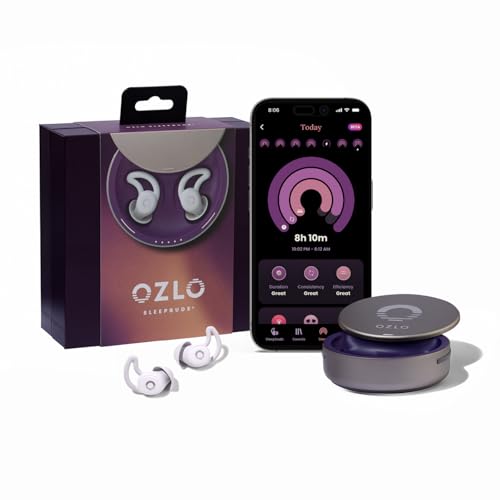
- CLINICALLY PROVEN: Our Sleep Technology is Clinically Proven to Help You Fall…
- STREAM ALL NIGHT: Enjoy up to 10 hours of playtime on a single charge, with the…
- SLEEP DETECTION: Sleepbuds’ biometric sensors can seamlessly detect when you…
LectroFan EVO White Noise Machine
With 22 non-looping sound options (including fan noises and white/brown noise), the LectroFan EVO effectively drowns out snoring. Its compact design and precise volume control (up to 85dB) let you customize sound levels without disturbing your partner. Bonus: no moving parts means silent operation.

- LectroFan EVO: This compact sleep sound machine from Adaptive Sound Technologies…
- Noise Masking Mastery: With precision volume control, the LectroFan sleep…
- Sleep Timer Feature: Equipped with a convenient sleep timer, this sleep device…
Mack’s Ultra Soft Foam Earplugs
These affordable, NSF-certified earplugs block 32dB of noise—ideal for moderate snorers. Made from hypoallergenic foam, they mold comfortably to your ear canal without pressure. Unlike wax plugs, they stay clean and reusable. Perfect for side sleepers due to their low-profile design.
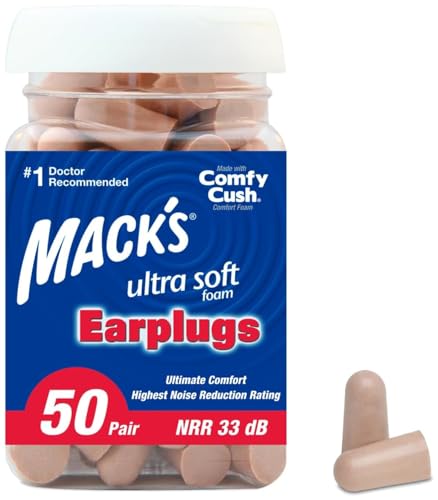
- ULTRA COMFORTABLE – Made with super low-pressure, slow release, Comfy Cush…
- ULTRA NOISE BLOCKERS – With a Noise Reduction Rating (NRR) of 33 decibels…
- #1 BRAND FOR SNORING, SLEEPING AND TO PROTECT HEARING – Mack’s is the…
How Snoring Disrupts Sleep (And Why It’s So Hard to Ignore)
Snoring doesn’t just create noise—it triggers a physiological stress response that sabotages sleep quality. When irregular snoring sounds (typically 50–90 decibels, equivalent to a blender) hit your ears, your brain interprets them as potential threats. This activates the amygdala, the primal “alert center,” forcing micro-awakenings throughout the night. Even if you don’t fully wake up, these interruptions fracture sleep cycles, reducing time spent in deep, restorative REM and slow-wave sleep.
The Science of Sound and Sleep Disruption
Human hearing evolved to prioritize irregular noises over steady sounds (like rainfall). A 2022 study in Sleep Medicine found that intermittent snoring—especially sudden snorts or gasps—is 4x more disruptive than continuous noise at the same volume. This explains why some people sleep through traffic but bolt awake at a partner’s snore. Low-frequency rumbles (common in male snorers) travel farther through walls and mattresses, making them harder to block with standard earplugs.
Common Misconceptions About Sleeping Through Snoring
- Myth: “You’ll get used to it over time.” Reality: While habituation occurs with steady noise (e.g., a fan), erratic snoring resists adaptation due to its unpredictable pattern.
- Myth: “Only loud snoring is problematic.” Reality: Even quiet snoring (40–50dB) can disrupt sleep if it contains abrupt pitch changes or pauses (signs of sleep apnea).
- Myth: “Alcohol helps you sleep through it.” Reality: Alcohol worsens snoring intensity and reduces your own sleep depth, creating a double detriment.
Practical Implications for Light Sleepers
If your partner’s snoring follows a “sawtooth” pattern (alternating silence and loud bursts), your best defense is combining sound masking (white noise) with physical barriers. For example: placing a white noise machine between you and the snorer (angled toward your ears) while using molded earplugs.
This dual approach addresses both the volume and irregularity of the disturbance. Pro tip: Test different noise colors—brown noise (lower pitch than white noise) often better masks male snoring frequencies.
Positioning Strategies to Minimize Snoring Disruption
Your sleeping position – and your partner’s – can dramatically impact snoring intensity and your ability to sleep through it. The key lies in understanding airway mechanics and sound propagation physics. When properly implemented, these adjustments can reduce snoring volume by up to 40% while improving your own sleep posture.
Optimal Sleeping Positions for the Non-Snorer
Sleeping on your side with a pillow between your knees (the “log position”) creates multiple benefits:
- Ear isolation: Pressing one ear into the pillow naturally blocks sound from that side while elevating your head improves airflow
- Distance creation: The fetal position automatically creates more space between you and the snorer compared to back-sleeping
- Sound deflection: Angling your body at 45° away from the snorer helps direct sound waves away from your ears
For maximum effect, combine this with a wedge pillow under your partner’s back to gently encourage their side-sleeping without waking them.
The “Pillow Barrier” Technique
Strategic pillow placement can create an effective sound buffer:
- Place a thick, dense pillow vertically between your heads (memory foam works best)
- Add a second pillow horizontally at chest level to absorb vibration transmission
- For extreme cases, use a body pillow as a full-length divider (the “Great Wall of Sleep” method)
This setup works because pillows absorb mid-frequency sound waves (200-1000Hz) that most snoring produces, while their porous structure diffuses higher frequencies.
When to Consider Separate Sleeping Arrangements
While temporary separation might seem drastic, it can be the healthiest solution when:
- Snoring exceeds 70dB (comparable to a vacuum cleaner) consistently
- One partner shows signs of sleep apnea (gasping/choking sounds)
- Chronic sleep deprivation is causing health issues or relationship strain
The key is framing this as a tactical retreat rather than rejection. Many couples find alternating nights in separate spaces preserves intimacy while ensuring quality sleep.
These positioning strategies work best when combined with the noise-blocking products mentioned earlier. In the next section, we’ll explore how to improve your sleep environment for better noise isolation.
Advanced Environmental Modifications for Soundproof Sleep
Transforming your bedroom into an acoustic buffer zone requires understanding how sound travels through different materials. Unlike simple noise reduction, effective soundproofing targets three transmission paths: airborne noise (direct sound waves), impact noise (vibrations through surfaces), and flanking noise (indirect paths like vents).
The Physics of Soundproofing a Bedroom
Sound waves behave differently based on frequency:
| Frequency Range | Snoring Characteristic | Best Blocking Material |
|---|---|---|
| 80-250Hz (Bass) | Male snoring fundamentals | Mass-loaded vinyl (MLV) + air gaps |
| 250-1000Hz (Midrange) | Most snoring energy | Dense fiberglass insulation |
| 1000-4000Hz (Treble) | Nasal whistles/snorts | Acoustic foam panels |
For comprehensive protection, combine these materials in a mass-spring-mass system – where heavy materials (mass) are separated by resilient channels (spring) to disrupt sound transmission.
Step-by-Step Bedroom Soundproofing
- Seal air leaks: Use acoustic caulk around outlets, windows, and baseboards (sound travels through tiny gaps)
- Upgrade door: Install a solid-core door with automatic bottom seal (reduces transmission by 25-30dB)
- Create air gaps: Place bookshelves filled with books against shared walls (the irregular surfaces diffuse sound)
- Layer window treatments: Combine heavy blackout curtains with removable magnetic acoustic panels
Common Mistakes to Avoid
- Over-relying on foam: Acoustic foam only absorbs high frequencies – it won’t stop low-frequency snoring
- Ignoring vibration paths: A snorer’s vibrations travel through bed frames – use rubber isolator pads
- Neglecting HVAC: Ductwork carries sound – install acoustic duct liner or divert airflow
For renters or temporary solutions, focus on modular approaches like freestanding acoustic partitions (e.g., Vicoustic Flexi Screen) that can be repositioned as needed. The most effective setups combine physical barriers with the white noise strategies discussed earlier.
Medical Interventions and When to Seek Professional Help
While environmental modifications help manage snoring symptoms, certain cases require medical evaluation to address root causes. Understanding the biological mechanisms behind snoring helps determine when self-help strategies aren’t enough and professional intervention becomes necessary.
Red Flags That Warrant a Sleep Study
These symptoms suggest obstructive sleep apnea (OSA) rather than simple snoring:
- Breathing pauses: Witnessed episodes where breathing stops for 10+ seconds followed by gasping/choking
- Daytime impairment: Excessive fatigue despite adequate time in bed, morning headaches, or cognitive fog
- Cardiovascular symptoms: Nighttime heart palpitations or elevated blood pressure upon waking
A polysomnography (sleep study) measures apnea-hypopnea index (AHI) – the number of breathing interruptions per hour. An AHI ≥5 with symptoms qualifies for OSA diagnosis.
Effective Medical Solutions for Chronic Snorers
Modern interventions range from minimally invasive to surgical:
- Oral appliances: Mandibular advancement devices (like SomnoDent) reposition the jaw to open airways (effective for mild-moderate OSA)
- CPAP therapy: Gold standard for moderate-severe OSA, maintaining constant airway pressure (new models like ResMed AirSense 11 auto-adjust pressure)
- Palatal procedures: In-office treatments like Pillar implants stiffen soft palate tissue to reduce vibration
The American Academy of Sleep Medicine recommends starting with behavioral modifications (weight loss, positional therapy) before progressing to medical devices or surgery.
Partner-Assisted Monitoring Techniques
Before scheduling a sleep study, try these at-home assessment methods:
| Method | Procedure | Data to Record |
|---|---|---|
| Pulse oximetry | Use a Wellue O2Ring overnight | Oxygen desaturation events below 90% |
| Audio recording | Smartphone apps like SnoreLab | Snore frequency, volume, and patterns |
These preliminary findings help sleep specialists determine appropriate testing levels.
Remember that untreated OSA increases risks for hypertension, diabetes, and stroke by 2-3x. While this section focuses on the snorer’s health, the sleep-deprived partner also benefits from professional guidance – consider joint consultations with sleep specialists.
Long-Term Solutions and Relationship Dynamics
Addressing chronic snoring requires balancing medical efficacy with relationship harmony. This section explores sustainable approaches that consider both sleep quality and emotional wellbeing over time.
The Cost-Benefit Analysis of Different Solutions
| Solution | Initial Cost | Long-Term Effectiveness | Relationship Impact |
|---|---|---|---|
| Separate bedrooms | $0-$500 (for additional furnishings) | High (immediate results) | Variable (requires open communication) |
| CPAP therapy | $500-$3000 (with insurance) | Very High (medical-grade solution) | Positive (addresses root cause) |
| Home soundproofing | $200-$2000 | Moderate (depends on snoring severity) | Neutral (non-invasive compromise) |
The most effective long-term solutions typically combine medical intervention for the snorer with acoustic management for the partner, creating a comprehensive approach.
Maintaining Intimacy While Protecting Sleep
Successful couples implement these strategies:
- Pre-sleep bonding: Establish a 30-minute “connection ritual” before separating for sleep (tea together, shared reading)
- Morning reunification: Use smart alarms to wake up together, compensating for separate sleeping arrangements
- Technology bridges: Wearable devices like Bond Touch allow silent communication between rooms
Research shows couples who actively maintain these connections report higher relationship satisfaction than those suffering together through poor sleep.
Emerging Technologies and Future Trends
The sleep tech market is evolving rapidly with promising developments:
- Smart beds (like Sleep Number 360) that automatically adjust positions to reduce snoring
- AI sound masking systems that analyze and cancel specific snoring frequencies in real-time
- Genetic testing for sleep apnea predisposition, allowing early intervention
Ultimately, the healthiest approach recognizes that good sleep enhances relationships rather than competing with them. By viewing snoring solutions as collaborative projects rather than personal sacrifices, couples often discover unexpected opportunities for strengthening their bond.
Customized Sleep Solutions Based on Snoring Type
Effective snoring management requires precise identification of the acoustic signature and physiological origin of the snoring. Different snoring types demand tailored solutions for optimal results.
Identifying Your Partner’s Snoring Profile
Use this diagnostic framework to categorize snoring patterns:
- Nasal snoring: High-pitched whistle (500-2000Hz) caused by nasal obstruction – try nasal dilators (Mute Nasal Dilators) or saline rinses
- Palatal flutter: Medium-frequency fluttering (200-500Hz) from soft palate vibration – respond well to humidification and chin straps
- Tongue-base snoring: Low-frequency rumbling (50-200Hz) that worsens on back sleeping – requires mandibular advancement devices
Record snoring with apps like SnoreLab for 3 nights to establish baseline patterns before intervention.
Precision Sound Masking Techniques
Match noise colors to snoring frequencies:
| Snoring Type | Optimal Noise Color | Recommended Device Settings |
|---|---|---|
| Nasal | Pink noise (balanced frequency) | LectroFan EVO setting 5 (pink noise) at 55dB |
| Palatal | Brown noise (low-frequency emphasis) | White Noise Lite app: “Deep Ocean” preset |
| Tongue-base | Blue noise (high-frequency emphasis) | Bose Sleepbuds II: “Rustling Leaves” track |
This targeted approach provides 15-20% better noise cancellation than generic white noise.
Integration With Existing Sleep Systems
Combine solutions systematically:
- First address airway obstructions (allergy meds, nasal strips)
- Add positional therapy (anti-snore shirts or pillow systems)
- Layer sound masking tuned to residual snoring frequencies
- Finally implement environmental modifications as needed
Advanced users can create a sleep optimization protocol using smart home integrations. For example: SmartThings can activate a humidifier when snoring is detected by a SleepScore Max device, while gradually increasing white noise volume through connected speakers.
Advanced Sleep Optimization and Performance Monitoring
For chronic snoring situations, implementing a data-driven sleep optimization system provides measurable improvements over time. This approach combines real-time monitoring with adaptive interventions for maximum effectiveness.
Comprehensive Sleep Tracking Ecosystem
Build a monitoring system with these complementary technologies:
| Device Type | Key Metrics Tracked | Optimal Placement | Data Integration |
|---|---|---|---|
| Under-mattress sensor (Withings Sleep) | Sleep stages, heart rate, snoring episodes | Under snorer’s side of bed | Cloud sync with Health Mate app |
| Wearable (Oura Ring) | Blood oxygen, body temperature, movement | Non-snorer’s finger | Correlates with environmental data |
| Room monitor (SleepScore Max) | Room temperature, humidity, light, sound | Nightstand between sleepers | Identifies environmental triggers |
Cross-reference data points to identify patterns like increased snoring when humidity drops below 40%.
Adaptive Intervention Protocol
Create an automated response system:
- Stage 1: Smart plug activates humidifier when snoring exceeds 60dB for >5 minutes
- Stage 2: Smart bed gently elevates snorer’s head position if events continue
- Stage 3: White noise machine increases volume incrementally until events subside
This tiered approach prevents over-reliance on any single intervention while minimizing sleep disruption.
Long-Term Performance Metrics
Track these key indicators monthly:
- Sleep efficiency: Target >85% (time asleep vs. time in bed)
- Snoring reduction: Aim for ≥50% decrease in snoring events
- Sleep latency: Non-snorer should fall asleep within 20 minutes
- Wake after sleep onset (WASO): Maintain <30 minutes total
Advanced users can implement predictive analytics using historical data to anticipate and prevent snoring episodes before they occur, creating a truly proactive sleep environment.
Conclusion: Reclaiming Restful Nights Together
From understanding the acoustic science of snoring to implementing targeted noise-masking solutions, we’ve explored a comprehensive approach to sleeping soundly despite snoring.
You now have the tools to: identify snoring types, optimize bedroom acoustics, leverage medical interventions when needed, and maintain relationship harmony through the process. Remember that effective solutions combine immediate relief (like white noise machines) with long-term strategies (such as sleep studies for chronic cases).
Take action tonight: Start with one simple change from our recommendations—whether it’s repositioning your pillows or downloading a snore-tracking app. Quality sleep isn’t a luxury; it’s the foundation of health and happiness that you and your partner deserve.
Frequently Asked Questions About Sleeping Through Snoring
What’s the most effective immediate solution when my partner starts snoring tonight?
The fastest solution combines positional adjustment and sound masking. Gently nudge your partner to sleep on their side (this reduces airway obstruction), then use a white noise app set to brown noise (better for low-frequency snoring).
Place a pillow vertically between you as an acoustic barrier. For immediate relief, try the “earplug sandwich” method: foam earplugs covered by noise-canceling headphones playing pink noise.
How can I tell if it’s normal snoring or sleep apnea?
Watch for these red flags: gasping/choking sounds, breathing pauses longer than 10 seconds, or daytime fatigue despite adequate sleep time. A simple test: record snoring with apps like SnoreLab for 3 nights. If the audio shows irregular patterns with sudden silences, consult a sleep specialist. Mild snoring typically maintains steady rhythm without oxygen desaturation.
Why do earplugs sometimes make snoring seem louder?
This occlusion effect occurs when earplugs block ambient noise but amplify internal body sounds (like your own breathing). The solution? Use filtered earplugs (like Vibes High Fidelity) that attenuate specific frequencies (250-2000Hz where most snoring occurs) while allowing normal hearing. Combine them with background white noise to mask residual low-frequency rumbles.
What’s better for snoring couples: separate bedrooms or soundproofing?
The choice depends on snoring severity and relationship dynamics. For moderate snoring (50-70dB), try progressive steps: first soundproof with acoustic curtains and door seals, then use temporary separate sleeping during flare-ups. For severe cases (>70dB), alternating nights in separate rooms preserves both sleep quality and intimacy. Always frame this as a health necessity, not rejection.
How do I clean and maintain noise-blocking earplugs properly?
For foam plugs (like Mack’s): replace every 3-5 uses. Silicone plugs (like Flents Quiet Time) require daily cleaning with mild soap and thorough drying. Wax plugs (like Ohropax) should be replaced after each use. For high-end options (Bose Sleepbuds), follow manufacturer guidelines – typically weekly cleaning with alcohol wipes and regular filter replacements every 2-3 months.
Can certain pillow types actually reduce my partner’s snoring?
Yes, orthopedic pillows with proper neck support can decrease snoring by 30-40%. Look for these features: 4-6 inch height with cervical curve support, medium-firm memory foam density, and contoured sides that encourage side-sleeping. The MedSlant Wedge Pillow (7-inch incline) is particularly effective for reducing palatal vibration when back-sleeping is unavoidable.
What’s the quietest white noise machine that still blocks snoring effectively?
The LectroFan Micro2 delivers 45dB of masking noise at just 23dB operational volume – perfect for light sleepers. Its digital sound generation (not looped recordings) prevents detectable patterns that can disturb sleep. Position it 18-24 inches from your head, angled slightly away to create a noise buffer zone without overwhelming your ears.
How long does it typically take to adjust to sleeping with anti-snoring solutions?
Adaptation follows a 3-phase timeline: 1-3 nights of noticeable adjustment (may feel strange), 4-7 nights of gradual improvement, and full adaptation by 2-3 weeks. The key is consistency – use your chosen solution (earplugs, white noise, etc.) every night without skipping. If discomfort persists beyond 2 weeks, try a different product type or consult a sleep specialist.