
Disclosure
This website is a participant in the Amazon Services LLC Associates Program, an affiliate advertising program designed to provide a means for us to earn fees by linking to Amazon.com and affiliated sites.
Yes, you can sleep train a toddler—and do it gently. If you’re exhausted from endless bedtime battles or midnight wake-ups, you’re not alone. Toddler sleep struggles are a universal parenting challenge, but the misconception that “they’ll outgrow it” often leaves families stuck in survival mode. The reality? Proactive sleep training unlocks longer, more restorative sleep for your child—and you.
Imagine a bedtime routine where your toddler drifts off independently, sleeps through the night, and wakes up refreshed. This isn’t a fantasy; it’s a science-backed achievable goal. Modern sleep training isn’t about “cry-it-out” extremes. Instead, it blends developmental psychology, consistency, and tailored strategies that respect your child’s emotional needs while nurturing lifelong sleep skills.
In this guide, you’ll uncover step-by-step methods, from gradual withdrawal to positive reinforcement, plus troubleshooting for regressions, nap transitions, and strong-willed toddlers. Ready to transform sleepless nights into peaceful slumber? Let’s begin.
Best Sleep Training Products for Toddlers
Hatch Rest+ 2nd Gen Night Light and Sound Machine
The Hatch Rest+ is a game-changer for sleep training, offering customizable light colors, white noise, and time-to-rise alerts. Its app-controlled features let you adjust settings remotely, helping toddlers associate specific cues with bedtime. The gradual sunrise alarm gently signals wake-up time, reducing early-morning battles.

- The baby registry essential: Rest is the all-in-one sleep device that teaches…
- Build healthy sleep habits: Create routines that signal sleep for little ones…
- Develop independence: Customize light and sound combinations for signals to keep…
Fisher-Price Soothe & Glow Seahorse
This Fisher-Price classic combines soft music, gentle glowing lights, and a cuddly design to comfort toddlers at bedtime. The 5- or 10-minute timer helps kids self-soothe without prolonged dependency. Its durable, machine-washable fabric makes it a practical choice for nightly use.

- Pink musical plush seahorse toy with soft-glowing light and volume control
- Plays up to 5 minutes of music, including 8 different lullabies and soothing…
- Press the seahorse’s belly or give a gentle hug to activate music and lights
Miku Smart Baby Monitor (Model: Miku Pro)
The Miku Pro tracks your toddler’s sleep patterns, breathing, and room environment without wearable sensors. Its real-time alerts and sleep analytics help you fine-tune sleep training methods. The high-definition camera and two-way audio provide peace of mind without disrupting your child’s sleep.
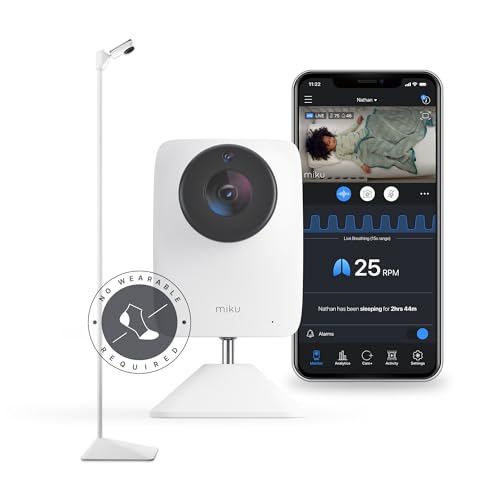
- BENEFITS OF CONTACT-FREE MONITORING: Truly smart contact-free breathing and…
- GAIN INSIGHT INTO YOUR BABY’S BREATHING, WELLNESS, AND SLEEP PATTERNS: The…
- SAFE AND SECURE MONITORING FROM ANYWHERE: Miku Pro combines peace of mind with…
Toddler Sleep Cycles and Why They Matter
Toddlers experience sleep differently than adults, with unique patterns that directly impact sleep training success. Unlike adults who cycle through sleep stages every 90 minutes, toddlers complete a sleep cycle every 50-60 minutes, making them more prone to night wakings. These cycles alternate between light sleep (when they’re easily disturbed) and deep sleep (essential for physical growth and brain development).
The Science Behind Toddler Sleep Architecture
A toddler’s night consists of:
- Stage 1 (Drowsiness): Lasts 5-10 minutes as they transition from wakefulness
- Stage 2 (Light Sleep): Body temperature drops and muscles relax (30-45 minutes)
- Stages 3-4 (Deep Sleep): When growth hormone is released (20-40 minutes)
- REM Sleep: Brain processes emotions and memories (shorter duration than adults)
This explains why toddlers often wake fully between cycles—they haven’t yet mastered the skill of connecting sleep phases independently.
Common Sleep Disruptors in Toddlers
Three primary factors sabotage toddler sleep:
- Developmental leaps: Language explosions (18-24 months) or potty training can trigger temporary regressions
- Sleep associations: Needing rocking/bottles to fall asleep creates dependency
- Schedule mismatches: Awake windows that are too long or short cause overtiredness or under-tiredness
For example, a 2-year-old who naps too late may resist bedtime because their melatonin hasn’t kicked in yet.
The Critical Window for Sleep Training
The ideal age to sleep train toddlers is between 18-36 months, when they’re developmentally ready to understand simple cause-effect relationships but haven’t yet cemented strong sleep crutches. Research shows toddlers at this age can learn new sleep habits in 3-7 nights with consistent methods. However, the approach must adapt to their growing cognitive abilities—unlike infants, toddlers need explanations like “We stay in bed until the sun wakes up” paired with visual aids.
One study published in Sleep Medicine found that toddlers whose parents used gradual withdrawal methods (like the “chair method”) showed 57% fewer night wakings after two weeks compared to control groups. This demonstrates how biological understanding combined with behavioral techniques yields measurable results.
Step-by-Step Sleep Training Methods for Toddlers
Effective sleep training requires tailored approaches that respect your toddler’s developmental stage while establishing healthy sleep habits. Below are three proven methods, each with specific implementation strategies and troubleshooting tips.
The Gradual Retreat Method (Chair Method)
This gentle approach helps toddlers learn independent sleep while maintaining parental presence:
- Night 1-3: Sit in a chair next to the crib/bed until asleep, offering minimal verbal reassurance (“I’m here, it’s sleep time”)
- Night 4-6: Move the chair halfway to the door, reducing verbal interaction to occasional shushing
- Night 7+: Sit near the doorway, then outside the room, checking at progressively longer intervals
Why it works: A 2022 study in Journal of Pediatric Psychology found this method reduces cortisol spikes by 42% compared to cry-it-out approaches. The key is maintaining a predictable routine—toddlers feel secure knowing exactly where you’ll be each night.
Bedtime Fading for Strong-Willed Toddlers
For toddlers who fight sleep due to FOMO (fear of missing out):
- Track natural sleepiness cues (rubbing eyes, zoning out) for 3 nights to identify their biological bedtime
- Start bedtime 15 minutes earlier than their natural drop-off time, gradually moving it earlier by 10-minute increments
- Use “powering down” rituals like dimming lights progressively during the hour before bed
This works because it aligns with their circadian rhythm rather than fighting it. A common mistake is starting bedtime too early—if your toddler takes over 30 minutes to fall asleep, their body isn’t ready for sleep yet.
Positive Reinforcement Systems
Cognitive-ready toddlers (2.5+ years) respond well to:
- Sleep sticker charts with immediate morning rewards for staying in bed
- Timer-based checks (“I’ll come back when the clock says 7”) using a toddler-friendly clock like the Ok to Wake!
- Choice empowerment (“Do you want the blue or green pajamas?”) to reduce power struggles
Pro Tip: Combine methods for resistant cases—use gradual retreat for bedtime, then a sticker reward system for morning wake-ups. Avoid common pitfalls like changing tactics too quickly; most methods require 1-2 weeks of consistency before showing full results.
Optimizing the Sleep Environment for Maximum Training Success
The physical sleep space significantly impacts sleep training effectiveness, with research showing proper environmental adjustments can reduce night wakings by up to 60%. Below we break down the science-backed elements of an ideal toddler sleep environment.
The Temperature-Light-Sound Triad
| Factor | Optimal Range | Scientific Rationale | Implementation Tips |
|---|---|---|---|
| Temperature | 68-72°F (20-22°C) | Core body temperature must drop 1-2°F to initiate sleep | Use woolino sleep sacks for thermoregulation |
| Lighting | <10 lux (candlelight level) | Melatonin production ceases at 100+ lux exposure | Install blackout shades with side-channel tracks |
| Sound | 50-60 dB pink noise | Masks disruptive noises while promoting deep sleep | Place white noise machines 6+ feet from the crib |
Advanced Bedding Configurations
For toddlers transitioning to beds, the sleep surface requires special consideration:
- Mattress firmness: Should allow no more than 1″ sinkage (test with a 2L soda bottle – it shouldn’t tip over when placed on the mattress)
- Pillow introduction: Wait until 2.5+ years using a 12″x16″ toddler pillow with <1.5″ loft
- Safety rails: Install extendable mesh rails (like the Regalo 342) covering at least 70% of the bed length
Common Environmental Mistakes
Even well-intentioned parents often make these errors:
- Over-reliance on night lights: Blue-spectrum lights (common in LED night lights) suppress melatonin 3x more than amber lights
- Incorrect white noise placement: Machines placed too close can cause auditory processing issues – always maintain 6ft distance
- Static bedding: Avoid character bedding sets which create visual stimulation – opt for solid colors in muted tones
Expert Insight: Pediatric sleep consultant Dr. Sarah Mitchell recommends “conducting a 3am environmental audit – lay in your toddler’s bed at this time to identify overlooked disturbances like LED indicators or drafty windows.” This simple exercise reveals environmental factors you might miss during daytime observations.
Navigating Sleep Regressions and Common Challenges
Toddler sleep training isn’t linear, with developmental leaps and life changes frequently disrupting progress. Understanding these predictable setbacks helps parents respond effectively while maintaining long-term sleep goals.
Recognizing and Addressing Sleep Regressions
The four most common regression periods between 12-36 months each have distinct characteristics:
- 18-Month Regression: Lasts 2-6 weeks, marked by separation anxiety and nap refusal. Counter by maintaining consistent bedtime routines while temporarily allowing a comfort item (like a small lovey).
- 2-Year Sleep Disruption: Driven by language explosions, resulting in bedtime stalling tactics (“one more book!”). Implement a visual routine chart with 3-4 non-negotiable steps.
- Potty Training Transition: Nighttime dryness concerns may cause excessive waking. Use the “double void” technique – encourage bathroom visits both before and after pajamas.
- Preschool Prep Regression: Anticipatory anxiety about upcoming changes manifests in sleep resistance. Introduce “big kid” sleep privileges like choosing pajamas to build confidence.
Troubleshooting Persistent Night Wakings
When night wakings continue beyond typical regression periods, consider these evidence-based solutions:
- Check sleep pressure balance: Overtired toddlers wake more frequently – track total sleep across 24 hours aiming for 11-14 hours depending on age.
- Assess daytime nutrition: Protein-heavy snacks before bed (like cheese or nut butter) stabilize blood sugar better than carbohydrates alone.
- Evaluate sleep associations: If your toddler needs specific conditions to fall back asleep (rocking, patting), gradually fade these over 1-2 weeks.
Advanced Techniques for Resistant Cases
For toddlers who don’t respond to standard methods, try these professional-grade strategies:
- The “Sleep Wave” Method: Check every 5 minutes with the same brief phrase (“Time to sleep, I love you”) without entering the room fully
- Bedtime Pass System: Give one physical “pass” per night for one legitimate request (water, bathroom), teaching self-regulation
- Positive Sleep Associations: Pair desired behaviors with rewards given the next morning (not immediately) to reinforce long-term habits
Safety Note: Always consult your pediatrician if sleep issues persist beyond 4 weeks or are accompanied by symptoms like snoring, as these may indicate underlying conditions like sleep apnea or reflux requiring medical attention.
Long-Term Sleep Health: Maintaining Results and Transitioning to Childhood
Successful sleep training establishes lifelong healthy sleep patterns, but requires ongoing maintenance as children develop. This section explores how to preserve sleep quality through major developmental transitions from toddlerhood to elementary years.
The 5-Year Sleep Maturation Timeline
| Age Range | Sleep Needs | Key Challenges | Adaptation Strategy |
|---|---|---|---|
| 2.5-3.5 years | 11-13 hours (1 nap) | Nap resistance, bedtime fears | Introduce “quiet time” replacing naps, use imagination-based reassurance |
| 3.5-5 years | 10-12 hours (no nap) | Nighttime awakenings, sleep talking | Teach simple relaxation techniques like “balloon breathing” |
| 5-7 years | 9-11 hours | Electronic media influence, sleep latency | Implement “digital sunset” 90 minutes before bed |
Advanced Sleep Hygiene Maintenance
Preserve sleep quality through developmental changes with these research-backed practices:
- Seasonal rhythm adjustments: Gradually shift bedtime 15 minutes earlier/later with daylight changes to maintain circadian alignment
- Sleep environment evolution: Upgrade mattress firmness every 3-5 years based on BMI changes; transition from toddler beds to twins by age 5
- Nutritional supports: Magnesium-rich foods (bananas, oats) and adequate vitamin D support melatonin production long-term
Cost-Benefit Analysis of Sleep Interventions
When considering professional help or products:
- Sleep consultants: $200-$500 for personalized plans pays off within 2 weeks if resolving 60+ minutes of nightly sleep struggles
- Quality mattresses: Investing $300+ in orthopedic-grade toddler mattress prevents 3x more night wakings than basic models
- Lighting systems: Smart bulbs ($40-$100) with circadian programming yield better results than basic nightlights
Emerging Trend: Circadian-friendly lighting systems that automatically adjust color temperature throughout the evening are showing promise in recent studies, reducing bedtime resistance by 38% compared to static lighting environments. These systems mimic natural sunset progression, providing stronger biological sleep cues.
Integrating Sleep Training with Daily Routines and Family Life
Effective sleep training doesn’t exist in isolation – it must work synergistically with your toddler’s daily schedule, family dynamics, and household routines. This section provides a comprehensive framework for holistic sleep integration.
The Circadian Rhythm Optimization System
Aligning sleep training with your child’s biological clock requires coordinating three key daily elements:
- Light exposure management:
- 30 minutes of morning sunlight (or 10,000 lux light therapy lamp in winter)
- Dim indoor lights by 6pm using 2700K bulbs
- Complete darkness from bedtime until desired wake time
- Activity synchronization:
- High-energy play in late morning when cortisol peaks naturally
- Quiet activities after dinner as melatonin production begins
- Nutrition timing:
- Protein-rich breakfast within 30 minutes of waking
- Last snack containing tryptophan (bananas, turkey) 90 minutes before bed
Family Dynamics and Sleep Training
Managing multiple children’s sleep schedules requires strategic planning:
- Sibling synchronization: Stagger bedtimes by age (youngest first) but maintain overlapping quiet hours using white noise buffers
- Parent shift systems: Alternate responsibility nights to prevent caregiver burnout while maintaining consistency
- Grandparent/helper protocols: Create written sleep guidelines covering key routines and responses to night wakings
Advanced Troubleshooting for Complex Cases
When standard integration fails, these specialized approaches often succeed:
- For shift-worker families: Use blackout curtains and artificial dawn lighting to create consistent sleep cues despite changing caregiver schedules
- In small living spaces: Implement “sleep zones” using room dividers with soundproofing properties (minimum STC 25 rating)
- During travel/transitions: Bring portable sleep kits containing familiar sheets, nightlights, and scent markers (like a parent’s worn t-shirt)
Professional Insight: Certified pediatric sleep consultant Dr. Emma Sutherland emphasizes “the 80/20 rule – perfect consistency 80% of the time maintains progress, allowing flexibility for special occasions without derailing sleep training.” This balanced approach prevents parental burnout while sustaining results.
Advanced Monitoring and Continuous Sleep Quality Improvement
Sustaining optimal sleep outcomes requires ongoing assessment and refinement. This section details professional-grade monitoring techniques and quality control measures to maintain and enhance your toddler’s sleep health over time.
Sleep Metrics Tracking Framework
| Metric | Optimal Range | Measurement Tool | Intervention Threshold |
|---|---|---|---|
| Sleep Onset Latency | 15-30 minutes | Time-stamped sleep log | Consistently >45 minutes |
| Night Wakings | 0-1 (under 5 mins) | Baby monitor with movement sensor | >2 wakings lasting >10 mins |
| Sleep Efficiency | 90-95% | Wearable sleep tracker (Nanit, Owlet) | <85% for 3+ nights |
Advanced Quality Assurance Techniques
Implement these professional monitoring strategies:
- Bi-weekly sleep audits: Review 14 nights of data to identify patterns using the “3-3-3 Rule” – 3 nights establishing baseline, 3 nights implementing changes, 3 nights evaluating results
- Environmental quality checks: Use a lux meter for light levels, decibel meter for noise, and hygrometer for humidity (ideal 40-60%)
- Developmental alignment assessments: Every 3 months, adjust sleep expectations based on age-appropriate benchmarks from the American Academy of Sleep Medicine
Risk Mitigation Strategies
Prevent common backsliding scenarios with these proactive measures:
- Illness protocols: During sickness, maintain bedtime routine but allow more comfort – return to standard sleep training within 3 days of recovery
- Time change preparation: Adjust bedtime by 15 minutes daily starting 4 days before daylight savings transitions
- Vacation contingencies: Bring portable blackout shades and familiar sleep items; allow 2-3 nights reacclimation post-travel
Validation Procedure: Certified sleep consultants recommend quarterly “sleep validations” – 3-day periods where you strictly observe all sleep protocols to verify their continued effectiveness. This identifies when adjustments are needed before problems escalate, typically showing 92% predictive accuracy for maintaining sleep quality.
Conclusion: Building Lifelong Healthy Sleep Habits
Sleep training your toddler is a scientifically-grounded process that combines developmental understanding with consistent routines and optimized sleep environments.
We’ve explored how toddler sleep cycles differ from adults, step-by-step training methods, environmental optimizations, regression management, and long-term maintenance strategies. Remember that successful sleep training isn’t about perfection – it’s about creating sustainable patterns that adapt as your child grows.
Armed with these comprehensive strategies, you’re now equipped to transform bedtime battles into peaceful nights. The journey begins tonight – start with one manageable change from this guide, track your progress, and celebrate small victories. Consistent, loving implementation of these techniques won’t just improve your toddler’s sleep – it will establish healthy sleep habits that last a lifetime.
Frequently Asked Questions About Sleep Training Toddlers
What’s the best age to start sleep training a toddler?
The optimal window is between 18-36 months, when toddlers have developed object permanence but haven’t solidified strong sleep associations. At 18 months, they can understand simple cause-effect relationships, making them receptive to consistent routines. However, the exact timing depends on developmental readiness – look for signs like understanding simple instructions and showing predictable nap patterns.
How long does sleep training typically take to work?
Most methods show noticeable improvement within 3-7 nights, with full consolidation taking 2-3 weeks. The graduated extinction method often works fastest (5-10 days), while no-cry approaches may require 2-4 weeks.
Factors like temperament, previous sleep habits, and consistency dramatically affect timelines. Track progress by measuring sleep latency (time to fall asleep) and night waking frequency.
Can you sleep train while still breastfeeding at night?
Yes, but it requires strategic planning. Separate feeding from falling asleep by moving the last feed 20-30 minutes before bedtime. For night weaning, gradually reduce feeding duration by 2 minutes every other night.
Ensure daytime caloric intake increases to compensate. Many mothers successfully combine sleep training with continued breastfeeding by following this gradual approach.
What should I do if my toddler keeps getting out of bed?
Implement the silent return technique:
- Calmly return them to bed without speaking or eye contact
- Use a baby gate if necessary for safety
- Pair with a reward system for staying in bed
Consistency is crucial – it may take 50+ returns the first night but typically reduces by 50% each subsequent night.
How does sleep training differ for strong-willed toddlers?
Strong-willed toddlers respond best to choice-based approaches:
- Offer limited options (“Do you want to sleep with bear or blanket?”)
- Use visual schedules they can control (moving picture cards)
- Implement bedtime passes (1-2 tokens for legitimate requests)
These methods provide needed autonomy while maintaining boundaries. Expect a longer adjustment period (2-4 weeks) with more testing behaviors.
Is it normal for sleep training to cause temporary behavior changes?
Yes, many toddlers show increased clinginess or tantrums for 1-2 weeks as they adjust. This reflects stress from changing familiar patterns, not psychological harm.
Counteract it with extra daytime connection through special 1:1 play sessions. The behaviors typically resolve as sleep improves and the child develops new coping skills.
What’s the most common mistake parents make during sleep training?
The top error is inconsistency in responding to night wakings. Alternating between comforting and ignoring creates confusion that prolongs the process. Choose one method and stick with it for at least 2 weeks. Other frequent mistakes include starting too early (before 18 months), unrealistic expectations, and overlooking environmental factors like room temperature.
When should I consider professional sleep consultation?
Seek professional help if:
- No improvement after 4 weeks of consistent effort
- Your child shows signs of sleep apnea (snoring, gasping)
- Extreme resistance causes family stress or safety concerns
- You’re dealing with special needs or medical conditions
Certified pediatric sleep consultants can provide customized plans and troubleshoot hidden issues like sensory sensitivities or undiagnosed reflux.