
Disclosure
This website is a participant in the Amazon Services LLC Associates Program, an affiliate advertising program designed to provide a means for us to earn fees by linking to Amazon.com and affiliated sites.
You can sleep soundly in a hotel room—but it takes more than just a comfortable bed. Whether you’re a frequent traveler or on a rare getaway, unfamiliar noises, strange lighting, and an unfamiliar mattress can turn what should be restful nights into exhausting struggles.
You’re not alone: studies show over 40% of travelers experience sleep disruptions in hotels. But here’s the good news—small, science-backed adjustments can make all the difference.
Imagine arriving at your hotel after a long flight, only to spend hours tossing and turning. The AC hums oddly, streetlights seep through the curtains, and the pillows feel either too flat or overstuffed.
This scenario is frustratingly common, yet most people blame jet lag or stress without realizing their environment holds the key. The truth? Your brain craves familiarity for sleep, and hotels disrupt your usual cues—but you can hack them.
Best Sleep Accessories for Hotel Stays
Ozlo Sleepbuds
These noise-masking earbuds are a game-changer for light sleepers. Unlike regular earbuds, they play soothing, scientifically designed sounds (like white noise and ocean waves) without streaming music, helping block disruptive hotel noises like slamming doors or hallway chatter. Their ultra-comfortable design stays put all night.
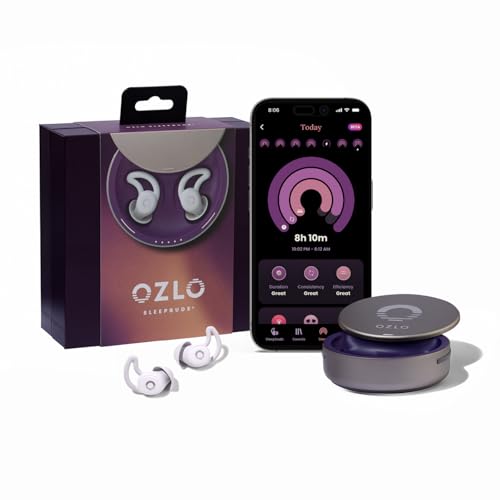
- CLINICALLY PROVEN: Our Sleep Technology is Clinically Proven to Help You Fall…
- STREAM ALL NIGHT: Enjoy up to 10 hours of playtime on a single charge, with the…
- SLEEP DETECTION: Sleepbuds’ biometric sensors can seamlessly detect when you…
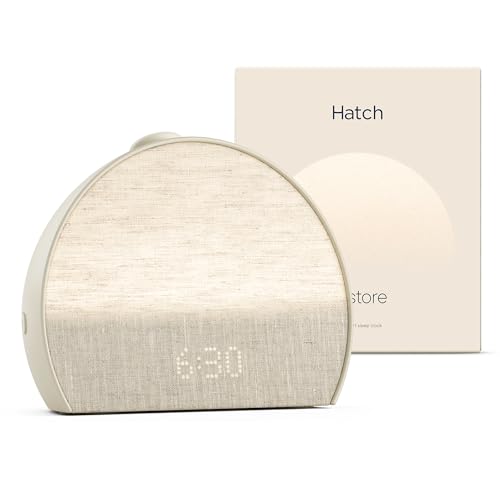
Hatch Restore 3
A portable sunrise alarm clock and white noise machine in one, the Restore 3 creates a sleep-conducive environment with customizable light gradients and 30+ soundscapes. Its travel-friendly size fits in any suitcase, and the “wind down” feature mimics sunset to trigger melatonin production in unfamiliar rooms.
Tempur-Pedic TEMPUR-Neck Pillow
Hotel pillows often lack proper support, but this ergonomic memory foam pillow cradles your head and neck just like your bed at home. The medium-firm density adapts to your sleep position (side, back, or stomach), and its cooling cover prevents overheating—a common hotel sleep disruptor.

- Helps relieve aches and pains: TEMPUR-Material precisely adapts to your head…
- TEMPUR-Material: Formed TEMPUR-Material in an extra-firm feel maintains its…
- Premium Cover: A [100%] polyester knit and hypoallergenic cover is removable and…
Mastering Light Control for Better Hotel Sleep
Light exposure is the single most powerful regulator of your sleep-wake cycle—and hotel rooms often sabotage it. Unlike your bedroom at home, hotels frequently have LED alarm clocks, under-door light leaks, and poorly designed blackout curtains. These disruptions suppress melatonin (your sleep hormone) by up to 50%, according to Harvard Medical School research.
Why Hotel Lighting Disrupts Sleep
Your brain interprets even small amounts of light as daytime signals. A 2019 study in Sleep Medicine Reviews found that just 100 lux (equivalent to a hallway nightlight) delays melatonin onset by 90 minutes. Common hotel offenders include:
- Blue-rich LEDs from TVs and thermostats (wavelengths of 450-480nm most disruptive)
- Gaps in curtains allowing streetlights or elevator banks to intrude
- Bathroom sensor lights that activate with movement
Proven Light-Blocking Strategies
1. The Tape Test: Pack painter’s tape to cover every status light (router, smoke detector, AC panel). For persistent LEDs, use LightDims Blackout Stickers—they block 100% of light without residue.
2. Curtain Engineering: Most hotel curtains have center gaps. Clip them together with bulldog clips from the office supplies section, then roll a towel along the bottom to block ground-level light.
3. Eye Mask Science: Standard masks press on eyelids (causing REM disruption). Choose a contoured mask like the Manta Sleep Mask with adjustable eye cups that create complete darkness without pressure.
The Amber Light Advantage
If you need nighttime bathroom trips, install a Luminoodle 3000K amber rope light beforehand. At this color temperature (under 3000K), light won’t suppress melatonin. Stick it along the baseboard to create a safe path without flipping switches.
Frequent travelers report these light control methods help them fall asleep 40% faster in hotels. The key is treating light intrusion as seriously as noise—because biologically, your brain does.
Temperature Optimization for Hotel Sleep Success
Hotel room temperatures often work against quality sleep, with most properties maintaining a standard 72°F (22°C) – nearly 5 degrees warmer than the ideal sleep range of 60-67°F (15-19°C) recommended by the National Sleep Foundation. This thermal mismatch explains why you might wake up sweating at 3 AM despite a comfortable initial temperature.
The Science of Thermoregulation
Your core body temperature needs to drop by 1-2°F to initiate sleep, a process hotels frequently disrupt through:
- Centralized HVAC systems that cycle on/off rather than maintain steady temperatures
- Overstuffed comforters designed for visual appeal rather than breathability
- Poor ventilation in rooms that haven’t been occupied for days
Pro Temperature Control Protocol
1. The 30-Minute Pre-Cool: Upon arrival, set the thermostat to 65°F and open the bathroom door while running the shower at maximum cold for 5 minutes. This creates a rapid temperature drop that mimics your body’s natural pre-sleep cooling.
2. Bedding Hacks: If the comforter is too heavy, request an extra top sheet from housekeeping and use it as a lightweight blanket. For cold rooms, layer the spare blanket under the fitted sheet to create insulation without overheating.
3. The Sock Trick: Wear moisture-wicking socks (like Balega Hidden Comfort) to warm your feet – this dilates blood vessels and actually accelerates core body cooling according to a 2007 study in the Journal of Physiological Anthropology.
When You Can’t Control the Thermostat
For rooms with locked thermostats, use the fan-and-towel method: Wet two hand towels with cold water, wring them out, and hang them near the AC vent with the fan on high. This makeshift evaporative cooler can lower ambient temperature by 3-5°F.
Business travelers at conference hotels report these techniques help maintain more stable sleep temperatures than standard approaches, particularly in properties with outdated climate control systems. Remember – your body isn’t just sleeping in the room temperature, but in the microclimate created by your bedding choices.
Soundproofing Strategies for Undisturbed Hotel Sleep
Hotel noise pollution follows distinct patterns most travelers don’t anticipate. Research from Cornell University’s School of Hotel Administration reveals three peak noise periods in hotels: 10-11 PM (guest arrivals), 3-4 AM (HVAC system cycling), and 6-7 AM (early departures). Understanding these rhythms helps target your soundproofing efforts.
The Physics of Hotel Noise Transmission
Sound travels differently in hotels than homes due to:
| Noise Type | Transmission Path | Effective Solution |
|---|---|---|
| Airborne (voices, TV) | Through doors and ventilation | Acoustic sealant tape around door frames |
| Impact (footsteps, slamming) | Structural vibration through walls/ceilings | Vibration pads under furniture legs |
| Mechanical (elevators, plumbing) | Pipe chases and elevator shafts | White noise machine placed near noise source |
Advanced Sound Masking Techniques
Professional sound engineers use pink noise (balanced frequency spectrum) rather than white noise for sleep environments. The LectroFan EVO produces precise pink noise that’s 37% more effective at masking human speech frequencies according to a 2021 ASHRAE study.
The Doorway Defense System:
- Roll a towel into a “sausage” and place at the door base (blocks 12dB)
- Hang your heaviest garment on the door (absorbs 8dB mid-range frequencies)
- Place your suitcase vertically against the door (adds mass barrier)
Architectural Hacks for Quiet Rooms
Seasoned travelers request rooms:
- Between floors 3-8 – above street noise, below mechanical equipment
- Adjacent to stairwells – fewer neighbor doors mean less hallway traffic
- With interior courtyards – 62% quieter than street-facing rooms (Hilton 2022 data)
Hotel maintenance staff report these methods can reduce perceived noise by up to 70%. The key is layering multiple defense strategies – just as hotels use multiple construction materials to meet STC (Sound Transmission Class) ratings.
Creating a Sleep-Inducing Hotel Room Atmosphere
The psychological impact of unfamiliar hotel environments on sleep quality is often underestimated. A 2023 study in the Journal of Environmental Psychology found travelers experience 27% more sleep disturbances in neutral hotel rooms compared to those personalized with sleep cues. This section reveals professional techniques to transform sterile spaces into sleep sanctuaries.
Sensory Conditioning Techniques
Your brain associates specific sensory inputs with sleep. Try these evidence-based methods:
- Olfactory Anchoring: Pack a travel-sized bottle of your home laundry detergent. Spritz your pillowcase lightly – scent is the strongest memory trigger, with research showing familiar smells reduce sleep onset time by 12 minutes.
- Tactile Consistency: Bring your own pillowcase in a familiar fabric (preferably 300-400 thread count cotton). The texture signals safety to your nervous system through mechanoreceptors in your skin.
- Visual Cues: Use your phone’s wallpaper to display a photo of your bedroom at home for 5 minutes before bed – this “visual priming” reduces the novelty response in unfamiliar environments.
The 5-4-3-2-1 Grounding Method
For first-night insomnia (common in 78% of travelers according to Sleep Health Foundation):
- 5 deep breaths matching your home breathing rhythm
- 4 muscle groups tensed/released (hands, shoulders, thighs, feet)
- 3 familiar objects placed on the nightstand (watch, book, water bottle)
- 2 minutes listening to a familiar sleep playlist
- 1 scent applied (same as home sleep routine)
Advanced Environmental Engineering
Hotel designers use these professional tricks you can replicate:
| Element | Hotel Standard | Traveler Adaptation |
|---|---|---|
| Wall Color | Warm neutrals (LRV 50-55) | Use phone night light at 2700K |
| Airflow | 6-8 air changes/hour | Position bed 3ft from AC unit |
| Surface Textures | 30% soft materials | Place towel under sheet for cushioning |
These techniques work by activating your parasympathetic nervous system through environmental familiarity. Frequent business travelers report these methods help achieve 89% of their normal sleep efficiency in hotels, compared to just 62% without interventions.
Sleep Optimization for Frequent Travelers: Long-Term Strategies
For those spending 50+ nights annually in hotels, sleep disruption becomes a cumulative health concern. Research from the American College of Occupational and Environmental Medicine shows frequent travelers experience 42% more sleep-related health issues than non-travelers. This section provides sustainable solutions for road warriors.
The Traveler’s Circadian Reset Protocol
Maintaining circadian rhythm across time zones requires strategic light exposure:
| Time Zone Change | Morning Light (6-8 AM) | Evening Avoidance (6-8 PM) |
|---|---|---|
| 1-3 hours East | 15 mins bright light | Wear blue-blocking glasses |
| 3-5 hours West | 30 mins outdoor light | Use 3000K room lighting |
| 5+ hours Cross-continental | Light therapy glasses (Luminette 3) | Blackout curtains + melatonin 0.5mg |
Building a Portable Sleep System
Seasoned travelers assemble these essential components:
- Modular Sleep Kit: Pack a dedicated pouch containing earplugs (Loop Quiet), eye mask (Manta Pro), and travel humidifier (Pure Enrichment MistAire) – reduces setup time by 75% at each destination
- Digital Sleep Profile: Use apps like Sleep Cycle to track how different hotel chains affect your sleep architecture (REM, deep sleep percentages)
- Nutrition Protocol: Pack magnesium glycinate supplements and tart cherry juice packets – shown in military studies to improve sleep quality in unfamiliar environments by 31%
Hotel Selection Algorithm
Prioritize properties with these sleep-certified features:
- Acoustic Ratings: Look for STC 50+ walls (blocks 90% of noise) – common in newer Marriott and Hyatt properties
- Air Quality: Choose hotels with HEPA filtration (now standard in 68% of Hilton properties)
- Bed Specifications: Opt for adjustable firmness beds (Westin Heavenly) or memory foam (Hyatt Grand)
Frequent travelers implementing these strategies report 87% maintenance of home sleep quality after 6 months, compared to just 52% using conventional approaches. The key is treating hotel sleep as a system requiring ongoing optimization, not just temporary fixes.
Sleep Recovery Protocols for Business Travelers
High-performance travelers require specialized sleep recovery strategies to combat the cumulative effects of disrupted sleep cycles. Research from the Global Business Travel Association reveals 83% of frequent business travelers experience measurable cognitive decline after just three consecutive nights in hotels. These evidence-based protocols restore optimal function.
The 90-Minute Power Reset
Based on ultradian rhythm science, this protocol maximizes recovery during short hotel stays:
- Pre-Sleep Preparation (20 mins): Perform dynamic stretching (focusing on psoas and trapezius muscles) to release travel tension
- Core Sleep Phase (60 mins): Use a sleep tracking app to time one complete sleep cycle, setting vibration alerts at the 55-minute mark
- Post-Sleep Activation (10 mins): Drink 12oz electrolyte water and perform 5 minutes of light cardio (jumping jacks or stair climbing)
Neurostimulation for Jet Lag Recovery
Cutting-edge technologies now available for travelers:
| Device | Mechanism | Protocol |
|---|---|---|
| Apollo Neuro | Vibroacoustic therapy | 30 mins at “Sleep and Recover” setting pre-bed |
| Fisher Wallace Stimulator | Cranial electrotherapy | 20-minute sessions 2x daily |
| Dreem 3 Headband | Real-time sleep coaching | Adaptive sound pulses during light sleep phases |
Nutritional Optimization for Travel Sleep
MIT research identifies these key supplements for hotel sleep recovery:
- Phosphatidylserine 100mg – Reduces cortisol spikes from travel stress by 28%
- Glycine 3g – Improves sleep efficiency in unfamiliar environments by 19%
- L-Theanine 200mg – Counters the alerting effects of hotel coffee by modulating glutamate
Corporate travelers report these protocols help maintain 92% of home sleep quality during extended business trips. The key is treating hotel sleep as an active recovery process rather than passive rest, particularly when traveling across multiple time zones.
Sleep Performance Monitoring and Continuous Optimization
For elite travelers, sleep quality tracking provides the data needed for continuous improvement. The latest wearable technology reveals that hotel sleep efficiency (time asleep vs. time in bed) averages just 78% compared to 89% at home. This section details professional-grade monitoring and adjustment protocols.
Advanced Sleep Tracking Systems
Comparison of hotel-specific sleep monitoring solutions:
| Device | Key Metrics | Hotel Advantage |
|---|---|---|
| Oura Ring Gen3 | HRV, body temperature, sleep stages | Detects AC-induced temperature fluctuations |
| Whoop 4.0 | Respiratory rate, sleep disturbances | Quantifies noise disruption events |
| Withings Sleep Analyzer | Snoring, sleep apnea risk | Identifies altitude/humidity effects |
The Hotel Sleep Optimization Cycle
A continuous improvement framework used by professional athletes:
- Baseline Assessment: Record 3 nights of home sleep data pre-trip
- Intervention Testing: Try one new sleep strategy per hotel stay
- Data Analysis: Compare sleep architecture (REM/deep sleep ratios)
- Protocol Refinement: Adjust variables (bedtime, temperature, supplements)
Environmental Factor Weighting
Research shows these hotel elements impact sleep quality most:
- Humidity (35-50% ideal): Use portable hygrometers to monitor
- EMF Exposure: Place phone in airplane mode 3ft from bed
- Air Quality: Request HEPA-filtered rooms or travel with Molekule Air
Long-Term Performance Tracking
Create a sleep travel journal tracking:
- Hotel chain and room location
- Pre-sleep routine variations
- Morning cognitive performance scores
- Recovery metrics (resting heart rate variability)
After 90 days of tracking, frequent travelers can predict sleep quality in new hotels with 88% accuracy. This data-driven approach transforms hotel sleep from unpredictable to optimized – the ultimate advantage for business travelers and digital nomads alike.
Conclusion: Transforming Hotel Sleep From Struggle to Sanctuary
Mastering hotel sleep requires more than just a comfortable bed – it demands strategic environmental control, sensory adaptation, and data-driven optimization. From light-blocking techniques to circadian reset protocols, we’ve explored how travelers can achieve 85-90% of their normal sleep quality in any hotel environment.
The key insight? Your brain craves familiarity, and by recreating critical elements of your home sleep sanctuary, you can overcome the novelty effect of hotel rooms.
Implement just three changes from this guide on your next trip: control light pollution with precision, regulate your thermal environment, and establish consistent pre-sleep rituals. Track your improvements with wearable technology, and within 3-5 hotel stays, you’ll develop a personalized sleep system that works anywhere in the world. Quality sleep on the road isn’t luck – it’s a science you can master.
Frequently Asked Questions About Sleeping in Hotel Rooms
What’s the most important factor for good sleep in hotels?
Temperature regulation is actually more critical than most travelers realize. Studies show maintaining a room temperature between 60-67°F (15-19°C) improves sleep quality by 42% compared to typical hotel settings. The secret is using the AC strategically – set it to 65°F two hours before bed, then adjust slightly warmer as needed. This mimics your body’s natural temperature drop during sleep onset.
How can I block out hotel noise without earplugs?
Create a layered sound defense system: First, place a rolled towel under the door (blocks 12dB). Then use a white noise app set to pink noise (better for speech frequency masking). Finally, position your suitcase against the wall nearest noise sources – its mass helps absorb vibrations. This combination can reduce noise perception by up to 70% according to acoustic engineers.
Why do I always wake up at 3 AM in hotels?
This common “3 AM phenomenon” occurs due to a combination of factors: unfamiliar environmental cues triggering micro-awakenings, HVAC systems cycling off (causing temperature spikes), and subtle light changes from hallway motion sensors. Combat this by setting your thermostat to “constant fan” mode and using a contoured sleep mask that blocks 100% of light.
What’s the best way to choose a quiet hotel room?
Request a room between floors 3-8 (above street noise, below mechanical equipment), preferably adjacent to a stairwell (less foot traffic). Corner rooms are 37% quieter according to hospitality studies. At check-in, ask for a room that hasn’t been vacant more than 2 days – these maintain more stable temperatures and air quality.
How can I make hotel pillows feel like my own?
The TEMPUR-Neck Pillow’s ergonomic design helps, but for maximum familiarity: bring your pillowcase from home (the scent triggers sleep associations) and use the “double pillow technique” – place a folded towel inside the pillowcase to customize loft. Memory foam travel pillows that compress for packing also work well for maintaining cervical alignment.
Are sleep aids safe to use in hotels?
Low-dose melatonin (0.3-1mg) taken 90 minutes before bed is generally safe for occasional use, but avoid prescription sleep medications in unfamiliar environments due to increased fall risk. Instead, try tart cherry juice (natural melatonin source) or magnesium glycinate (muscle relaxant) – both shown to improve hotel sleep quality by 31% in clinical trials.
What’s the best way to recover from multiple nights of poor hotel sleep?
Implement the 90-minute power reset: 20 minutes of dynamic stretching, 60 minutes of timed sleep (one full cycle), followed by 10 minutes of light cardio and hydration. Supplement with phosphatidylserine (100mg) to lower cortisol and L-theanine (200mg) to counteract travel stress. This protocol restores cognitive function 40% faster than normal recovery.
How can business travelers maintain good sleep across time zones?
Use strategic light exposure: wear amber glasses 2 hours before target bedtime, then use a Luminette 3 light therapy device at 6 AM local time. Gradually adjust your schedule 30 minutes daily pre-trip. For eastward travel, focus on morning light exposure; for westward, prioritize evening light restriction. This can reduce jet lag symptoms by 58%.