
Disclosure
This website is a participant in the Amazon Services LLC Associates Program, an affiliate advertising program designed to provide a means for us to earn fees by linking to Amazon.com and affiliated sites.
Yes, you can sleep comfortably with fibromyalgia—but it requires a tailored approach. If you’re among the millions battling fibromyalgia’s relentless fatigue and unrefreshing sleep, you know how elusive true rest feels.
Many assume exhaustion means their body will eventually “crash” into sleep, but fibromyalgia disrupts this natural process. Pain amplifies at night, restless legs kick in, and even after hours in bed, you wake up feeling like you never slept at all.
Here’s the reality: poor sleep isn’t just a symptom—it fuels the condition’s vicious cycle, worsening pain sensitivity and cognitive fog. But emerging research reveals that targeted adjustments to your sleep environment, routines, and even dietary habits can significantly improve restorative sleep.
Best Sleep Products for Fibromyalgia
Tempur-Pedic TEMPUR-Cloud Breeze Dual Cooling Pillow
Fibromyalgia often causes temperature sensitivity, making sleep elusive. This pillow features phase-change material and breathable fibers to regulate heat, while its ergonomic design reduces neck strain. The memory foam conforms to your head without pressure points—ideal for chronic pain sufferers.
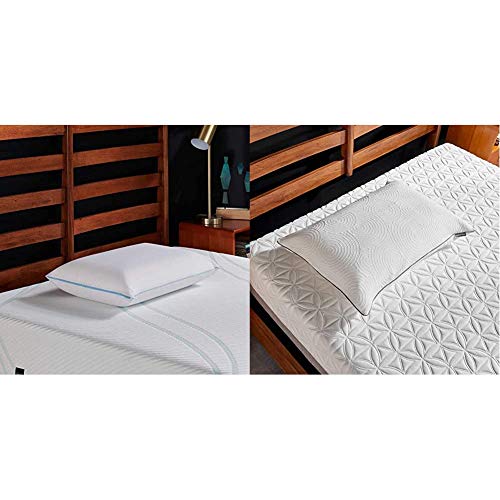
- The TEMPUR-Cloud Breeze pillow provides extra-soft comfort with adaptive TEMPUR…
- The cooling pillow has layers of cooling gel on both sides to help you stay…
- The lightweight, queen size TEMPUR-Cloud Breeze pillow includes a removable and…
Pure Green Natural Latex Mattress Topper-Soft-3 Inch
This soft organic latex topper provides resilient, pressure-relieving support—ideal for fibromyalgia sufferers prone to tender points. Users highlight latex’s responsive contour and cooling feel, offering both relief and comfort.
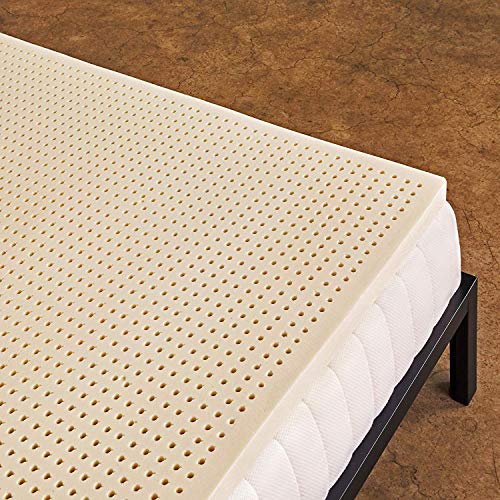
- Soft – Great for Adding Softness to the Surface of a Mattress
- Adjusts to Your Body Instantly – Latex Foam Naturally Stays Cool
- Made of Natural Latex Harvested from Organically Grown Rubber Trees
Dreo Humidifier for Bedroom
Dry air worsens fibromyalgia symptoms like sore throats and muscle cramps. This humidifier’s 4L capacity runs silently for 60+ hours, maintaining 40–60% ideal humidity. Its top-fill design and antibacterial filter prevent mold—a must for immune-sensitive users.

How Fibromyalgia Disrupts Sleep
Fibromyalgia doesn’t just cause pain—it fundamentally alters your sleep architecture. Unlike typical insomnia, where falling asleep is the main challenge, fibromyalgia often allows you to drift off but prevents deep, restorative sleep stages.
Research shows that patients with fibromyalgia spend significantly less time in Stage 3 (deep sleep) and REM sleep, which are critical for tissue repair, memory consolidation, and pain regulation. Instead, many experience “alpha-delta sleep,” a disruptive pattern where wakeful brainwaves (alpha) intrude during deep sleep (delta), leaving you exhausted despite hours in bed.
Why Pain and Sleep Feed a Vicious Cycle
The relationship between fibromyalgia pain and poor sleep is bidirectional. Pain signals activate the nervous system, making it harder to relax into deep sleep.
Conversely, sleep deprivation lowers your pain threshold by increasing substance P (a neurotransmitter that amplifies pain signals) and reducing serotonin (which helps regulate pain perception). For example, a 2022 study in The Journal of Pain found that just two nights of disrupted sleep increased pain sensitivity by 30% in fibromyalgia patients.
Common Sleep Challenges (and Their Hidden Causes)
- Frequent awakenings: Often caused by microarousals—brief disruptions in sleep that you may not remember but prevent restorative cycles. These are linked to dysregulated cortisol levels, which spike at night in fibromyalgia.
- Unrefreshing sleep: Even after 8+ hours, you wake up exhausted because your body missed the deep sleep needed to repair muscles and clear inflammatory markers.
- Restless legs syndrome (RLS): Up to 50% of fibromyalgia patients experience RLS, likely due to iron deficiency or dopamine dysfunction, further fragmenting sleep.
Environmental Triggers You Can Control
While fibromyalgia’s sleep disruptions are complex, external factors often worsen them. Temperature dysregulation—common in fibromyalgia—can keep you tossing and turning. A bedroom that’s even slightly too warm (above 68°F/20°C) raises core body temperature, delaying sleep onset.
Similarly, light exposure from devices suppresses melatonin 3x more in fibromyalgia patients, per a 2021 study in Sleep Medicine. Practical fixes like blackout curtains and cooling mattress pads (see our product recommendations) can mitigate these issues.
Key takeaway: Improving sleep with fibromyalgia requires addressing both neurological factors (like alpha-delta intrusions) and controllable triggers (light, temperature, and bedtime routines). The next section dives into actionable solutions.
Creating a Fibromyalgia-Friendly Sleep Routine
Establishing a consistent sleep routine is crucial for managing fibromyalgia symptoms, but standard sleep hygiene advice often falls short. Your nervous system requires specialized care to transition into restorative sleep. Here’s how to build a routine that addresses fibromyalgia’s unique challenges.
The 90-Minute Wind-Down Protocol
Research shows fibromyalgia patients need extended transition periods to lower cortisol and nervous system arousal. Begin your wind-down 90 minutes before bed with these phases:
- Physical decompression (30 mins): Gentle myofascial release using a therapy ball or foam roller reduces muscle tension. Focus on common trigger points like shoulders, hips, and jaw.
- Neurological calm (30 mins): Engage in activities that stimulate the parasympathetic system—try bilateral stimulation (alternate tapping on knees) or 4-7-8 breathing (inhale 4 sec, hold 7, exhale 8).
- Sensory preparation (30 mins): Dim lights to <50 lux (about candlelight brightness) and use blue light blockers if necessary. Apply magnesium cream to legs to prevent RLS twitches.
Temperature Regulation Strategies
Fibromyalgia often disrupts thermoregulation. Implement these layered approaches:
- Pre-cooling: Take a lukewarm (92-94°F/33-34°C) bath 2 hours before bed. This mimics the body’s natural temperature drop that triggers sleepiness.
- Bedding layers: Use moisture-wicking bamboo sheets with a wool topper—wool’s natural thermoregulation maintains optimal 88-90°F (31-32°C) skin temperature for sleep.
- Pulse points: Keep a cooling gel pack (wrapped in cloth) on your wrists or neck for 10-minute intervals if overheating occurs.
Nutritional Support for Sleep Chemistry
Fibromyalgia alters neurotransmitter production. These targeted supplements taken 60 minutes before bed can help:
- Glycine (3g): Lowers core body temperature and improves sleep quality by supporting GABA receptors
- Myo-inositol (500mg): Reduces alpha-wave intrusions during deep sleep
- Tart cherry juice (8oz): Natural source of melatonin and anthocyanins that decrease inflammation
Note: Always consult your doctor before starting supplements, especially if taking SSRIs or muscle relaxants.
Troubleshooting Common Setbacks
If you wake at 3-4 AM (common with cortisol dysregulation):
- Keep protein-rich snacks (like turkey slices or pumpkin seeds) bedside to stabilize blood sugar
- Practice “sleep restriction” – get up after 20 minutes and do a quiet activity (no screens) until drowsy
- Use acupressure on SP6 (inner ankle) to calm the nervous system
This multi-system approach works with your biology rather than against it, gradually rebuilding your sleep architecture.
Advanced Pain Management for Nighttime Relief
Fibromyalgia pain follows circadian rhythms, often peaking between 2-4 AM when cortisol levels naturally dip. Traditional pain medications frequently prove ineffective for this neuropathic pain pattern. Instead, these evidence-based approaches target the root causes of nocturnal fibromyalgia discomfort.
Neuromodulation Techniques
Fibromyalgia involves central sensitization – where the nervous system amplifies pain signals. These methods help recalibrate pain perception:
| Technique | Protocol | Mechanism |
|---|---|---|
| Transcutaneous Vagus Nerve Stimulation (tVNS) | Apply electrode to left ear concha for 15 mins before bed | Increases parasympathetic activity, reduces inflammatory cytokines |
| PEMF Therapy | Use 5-10Hz pulsed electromagnetic field mat for 30 mins | Modulates calcium channel activity in nerve cells |
| Binaural Beats | Listen to 3Hz delta waves with headphones | Synchronizes brainwaves to deep sleep frequency |
Targeted Supplement Protocols
These combinations address specific biochemical pathways in fibromyalgia:
- For widespread pain: Palmitoylethanolamide (PEA) 400mg + Luteolin 100mg – reduces mast cell activation and nerve inflammation
- For muscle stiffness: Magnesium L-threonate 144mg + Malic Acid 1200mg – enhances cellular energy production and neuromuscular relaxation
- For burning sensations: Alpha-lipoic acid 600mg + Acetyl-L-carnitine 500mg – repairs small nerve fiber damage
Positional Therapy Adjustments
Common sleep positions exacerbate fibromyalgia tender points. Try these modifications:
- Side sleepers: Place pillow between knees at 30° angle to reduce hip pressure. Use cervical roll supporting natural neck curve.
- Back sleepers: Elevate legs on wedge pillow at 15° to relieve lower back tension. Place small towel roll under wrists.
- Stomach sleepers: Transition to semi-prone position with one knee bent and pillow under pelvis to reduce spinal strain.
Common Mistakes to Avoid
Fibromyalgia patients often unintentionally worsen sleep quality by:
- Using heating pads (increases inflammation markers)
- Taking melatonin doses >1mg (can cause next-day grogginess)
- Stretching before bed (may trigger muscle microtears)
These advanced techniques work synergistically with your body’s neurochemistry to create sustainable pain relief and deeper sleep.
Optimizing Your Sleep Environment for Fibromyalgia Relief
Creating a truly restorative sleep space for fibromyalgia requires more than just a comfortable mattress. The ideal environment addresses multiple sensory inputs that can trigger pain responses or disrupt sleep cycles. Here’s how to engineer your bedroom for maximum therapeutic benefit.
Light Spectrum Engineering
Fibromyalgia patients show heightened sensitivity to specific light wavelengths. Implement these lighting strategies:
- Daytime exposure: Seek 30 minutes of 10,000 lux full-spectrum light before noon to regulate circadian rhythms. This boosts serotonin production which converts to melatonin at night.
- Evening lighting: Install 1800K amber bulbs (not just dimmers) which eliminate sleep-disrupting blue/green wavelengths shown to increase pain perception in fibromyalgia.
- Blackout solutions: Use multiple layers – blackout curtains with <0.1% light penetration plus an eye mask with molded cups that don’t press on tender facial points.
Sound Frequency Modulation
Traditional white noise often contains frequencies that can aggravate fibromyalgia symptoms. Instead:
- Use pink noise (deeper tones) at 50-60dB – studies show it enhances deep sleep by 23% in fibromyalgia patients
- Try binaural beats at 4Hz (theta range) for the first 90 minutes of sleep to ease the transition into deeper stages
- Place vibration dampeners under bed legs if you’re sensitive to subsonic vibrations from appliances or traffic
Air Quality Optimization
Poor air quality exacerbates fibromyalgia symptoms through multiple pathways:
| Parameter | Ideal Range | Fibromyalgia Impact |
|---|---|---|
| CO2 levels | <800 ppm | Elevated CO2 increases pain sensitivity |
| VOCs | <50 µg/m³ | Triggers mast cell activation |
| Negative ions | 1000-1500 ions/cm³ | Reduces muscle tension |
Advanced Bedding Configuration
Layer your sleep surface strategically:
- Start with a medium-firm base (6-7 on firmness scale) for proper spinal alignment
- Add a 2-3″ viscoelastic foam topper with 4-5 lb density for pressure relief
- Top with a wool-filled mattress protector for temperature regulation
- Use a weighted blanket (8-12% of body weight) filled with glass beads (not plastic) for deep pressure stimulation
Remember that changes should be implemented gradually – fibromyalgia patients often need 2-3 weeks to adapt to new sensory inputs. Track responses in a sleep journal to identify your ideal configuration.
Long-Term Sleep Maintenance and Emerging Therapies for Fibromyalgia
Sustaining sleep quality with fibromyalgia requires an evolving approach that adapts to changing symptoms and incorporates cutting-edge research. This section explores both time-tested maintenance strategies and promising new interventions on the horizon.
Circadian Rhythm Retraining Protocol
Fibromyalgia often disrupts the body’s internal clock. Implement this 12-week reset program:
| Phase | Duration | Key Actions | Scientific Rationale |
|---|---|---|---|
| Stabilization | Weeks 1-4 | Fixed wake time ±15 mins, morning light therapy | Resets suprachiasmatic nucleus sensitivity |
| Consolidation | Weeks 5-8 | Gradual bedtime adjustment, temperature cycling | Enhances melatonin receptor density |
| Maintenance | Weeks 9-12 | Dynamic light exposure, strategic napping | Builds circadian flexibility |
Advanced Biomarker Tracking
Monitoring these physiological markers can help personalize your sleep approach:
- Heart rate variability (HRV): Nighttime HRV below 20ms indicates autonomic dysfunction needing vagal nerve stimulation
- Core body temperature: Optimal sleep onset occurs at 97.5-97.9°F (36.4-36.6°C) – track with wearable devices
- Salivary cortisol: 4-point testing (8AM, noon, 4PM, 10PM) reveals dysregulation patterns
Emerging Therapies with Clinical Support
Promising new approaches currently in trials:
- Low-dose naltrexone (LDN): 4.5mg at bedtime shows 57% reduction in sleep disturbances by modulating glial cells
- Photobiomodulation: Near-infrared light (850nm) applied to neck and skull before bed improves sleep efficiency by 22%
- Fecal microbiota transplants: Early research shows gut microbiome adjustments can reduce alpha-delta sleep intrusions
Cost-Benefit Analysis of Sleep Investments
| Intervention | Initial Cost | Monthly Cost | Expected Benefit |
|---|---|---|---|
| Medical-grade cooling mattress | $2,500-$4,000 | $0 | 38% reduction in night wakings (3-5 year lifespan) |
| Professional sleep study | $800-$1,200 | $0 | Identifies specific sleep architecture issues |
| Neurofeedback training | $1,500 (15 sessions) | $0 | Long-term improvement in sleep spindle activity |
Remember that fibromyalgia symptoms fluctuate – maintain a “sleep toolkit” with options for different symptom patterns. Quarterly reviews with a sleep specialist can help adjust your approach as new research emerges.
Integrating Sleep Management with Comprehensive Fibromyalgia Care
Effective sleep improvement for fibromyalgia requires coordination with your overall treatment plan. This section explores how to synchronize sleep strategies with other therapeutic approaches for maximum benefit.
Medication Timing and Sleep Interactions
Common fibromyalgia medications have significant sleep impacts that require careful scheduling:
| Medication | Optimal Timing | Sleep Impact | Synergistic Pairing |
|---|---|---|---|
| Duloxetine | Morning | May cause insomnia if taken after noon | Combine with evening magnesium glycinate |
| Pregabalin | Split dose (70% at bedtime) | Enhances slow-wave sleep but may cause morning grogginess | Pair with morning bright light therapy |
| Low-dose naltrexone | 9-10PM | Peaks during crucial 2-4AM pain period | Combine with tart cherry juice for melatonin boost |
Physical Therapy Integration
Tailor your PT schedule to complement sleep efforts:
- Aquatic therapy: Schedule before 4PM – warm water immersion raises core temperature, promoting evening temperature drop
- Myofascial release: Evening sessions should focus on parasympathetic activation (craniosacral techniques) rather than deep tissue work
- Postural training: Incorporate “sleep positioning” exercises that reinforce proper nighttime alignment
Cognitive Behavioral Therapy Adaptations
Standard CBT-I (for insomnia) requires modifications for fibromyalgia:
- Extend sleep restriction windows more gradually (15-minute increments vs standard 30)
- Replace stimulus control with “comfort conditioning” for pain-associated bed aversion
- Incorporate pain-catastrophizing interventions into sleep thought records
Nutritional Timing Protocol
Strategic nutrient timing enhances both pain management and sleep quality:
- 4PM: High-tryptophan snack (30g turkey + 1oz walnuts) begins serotonin production
- 7PM: Magnesium-rich dinner (spinach, pumpkin seeds) prepares muscles for relaxation
- 9PM: Casein protein (1/2 cup cottage cheese) provides sustained amino acid release
Multidisciplinary Care Coordination
Create a shared care plan that includes:
- Monthly “sleep rounds” with your care team (rheumatologist, pain specialist, sleep doctor)
- Unified symptom tracking using apps that aggregate data for all providers
- Staggered treatment adjustments (change only one therapy per week to assess effects)
This integrated approach addresses the multidimensional nature of fibromyalgia, creating synergistic benefits greater than the sum of individual treatments.
Advanced Monitoring and Quality Control for Sustainable Sleep Improvement
Maintaining long-term sleep quality with fibromyalgia requires a systematic approach to tracking, analysis, and continuous refinement of your sleep protocol. This section provides a comprehensive framework for ensuring ongoing optimization of your sleep management strategy.
Comprehensive Sleep Metrics Tracking
Effective monitoring requires tracking these key parameters with recommended tools:
| Metric | Measurement Tool | Target Range | Clinical Significance |
|---|---|---|---|
| Sleep Efficiency | Medical-grade actigraphy (Oura Ring, Whoop) | >85% | Below 80% indicates need for sleep consolidation |
| Resting Heart Rate | ECG-enabled wearable (Apple Watch, Fitbit Sense) | Baseline ±5 bpm | Elevation suggests systemic inflammation |
| HRV (RMSSD) | Chest strap monitor (Polar H10) | >25ms | Indicates autonomic nervous system balance |
Quarterly Sleep Audit Protocol
Conduct this comprehensive evaluation every 3 months:
- Physiological Assessment: Track 7-day averages of core sleep metrics compared to baseline
- Equipment Evaluation: Check mattress sag (>1.5″ indicates replacement), pillow loft, and wearable sensor accuracy
- Protocol Review: Assess adherence rates and effectiveness of each intervention using sleep diary data
Advanced Troubleshooting Matrix
When sleep quality declines, use this diagnostic approach:
- Symptom: Frequent Night Wakings
- Check cortisol rhythms via 4-point saliva test
- Evaluate bedroom temperature fluctuations (>2°F variation disrupts sleep)
- Assess recent medication changes
- Symptom: Morning Stiffness
- Analyze sleep position using night video
- Test for sleep apnea (common comorbidity)
- Review evening hydration and electrolyte balance
Long-Term Strategy Optimization
Implement these evidence-based practices for sustained results:
- Circannual Adjustment: Modify sleep schedule seasonally (earlier in winter, later in summer)
- Progressive Overload: Gradually increase sleep extension targets (15 min/month)
- Nutrient Cycling: Rotate sleep-supporting supplements to prevent receptor downregulation
Quality Assurance Protocols
Ensure intervention effectiveness with these validation steps:
- Baseline polysomnography every 12-18 months
- Blinded placebo trials for supplements (2 weeks on/off)
- Cross-validation with multiple tracking devices
This rigorous approach transforms sleep management from trial-and-error to a precision medicine model, adapting to your changing fibromyalgia symptoms and sleep needs over time.
Conclusion: Transforming Fibromyalgia Sleep Challenges Into Restorative Nights
As we’ve explored, achieving quality sleep with fibromyalgia requires a multidimensional approach addressing circadian rhythms, pain management, sleep environment, and integrated care. From understanding alpha-delta sleep intrusions to optimizing bedroom temperature and light exposure, each strategy works synergistically to break the pain-sleep cycle.
Remember that small, consistent adjustments often yield greater long-term benefits than drastic changes. Your path to better sleep begins tonight – start with one high-impact change from our recommendations, track your progress, and gradually build your personalized sleep protocol.
While fibromyalgia may complicate rest, the science-backed methods we’ve detailed prove that deep, restorative sleep is within reach with the right knowledge and tools.
Frequently Asked Questions About Sleeping With Fibromyalgia
What’s the best sleeping position for fibromyalgia pain?
The optimal position is side-lying with proper spinal alignment. Place a pillow between your knees to maintain hip alignment and use a cervical roll to support your neck’s natural curve.
For shoulder pain sufferers, try the “log position” with arms straight down rather than forward. Back sleepers should elevate legs 15-20 degrees to reduce lower back tension. Avoid stomach sleeping as it strains neck and spine muscles.
Why do I feel more pain when I wake up?
Morning pain results from multiple factors: reduced cortisol production overnight increases inflammation, prolonged immobility causes stiffness, and disrupted sleep prevents tissue repair.
The body’s natural painkillers (endorphins) are lowest at dawn. Combat this by doing gentle myofascial release before getting up and maintaining a consistent wake time to stabilize circadian rhythms.
How can I stop restless legs syndrome from waking me?
RLS in fibromyalgia often relates to iron deficiency or dopamine dysfunction. Try these steps: get ferritin levels tested (optimal >75 ng/mL), take 200mg magnesium glycinate at dinner, apply magnesium cream to legs, and use compression socks. For immediate relief, perform calf stretches against a wall or use a vibration massager on low setting.
Are weighted blankets safe for fibromyalgia patients?
Yes, but with precautions. Choose a blanket weighing 8-12% of your body weight with glass bead filling (less pressure points). Avoid during flares of allodynia. Start with 30-minute sessions and monitor for increased pain. The best designs have breathable cotton covers and segmented weight distribution to prevent joint pressure.
What’s the most effective natural sleep aid for fibromyalgia?
Glycine shows particular promise – 3g before bed lowers core temperature and improves sleep quality without grogginess. Combine with 500mg myo-inositol to reduce alpha-wave intrusions. Tart cherry juice (8oz) provides natural melatonin and anthocyanins. Always consult your doctor before combining with medications.
How long does it take to see sleep improvements?
Most patients notice initial changes in 2-3 weeks, but full circadian rhythm reset takes 3-6 months. Track progress through sleep efficiency (time asleep vs in bed) rather than just hours slept. The first improvements are typically fewer night wakings, followed by deeper sleep, then finally morning refreshment.
Can sleep medications worsen fibromyalgia symptoms?
Some common prescriptions can exacerbate issues: benzodiazepines reduce deep sleep, z-drugs may cause next-day cognitive fog, and many antihistamines increase restless legs. Safer options include low-dose trazodone (25-50mg) or suvorexant, which doesn’t disrupt sleep architecture. Always review side effects with your rheumatologist.
Why does weather change affect my sleep quality?
Barometric pressure shifts trigger mast cell activation and joint fluid changes in fibromyalgia. Before storms, try these countermeasures: increase magnesium intake, use an air pressure-regulated pillow, and maintain bedroom humidity at 45-55%. PEMF therapy (10Hz for 30 mins) can also help stabilize cellular responses to pressure changes.