
Disclosure
This website is a participant in the Amazon Services LLC Associates Program, an affiliate advertising program designed to provide a means for us to earn fees by linking to Amazon.com and affiliated sites.
You can safely remove fiberglass from a mattress—but it requires precision to avoid health hazards. Fiberglass, often used as a fire retardant in budget mattresses, can escape through tiny tears, causing skin irritation, respiratory issues, and persistent contamination.
Many assume vacuuming is enough, but improper handling spreads particles further. With growing reports of fiberglass exposure in memory foam beds, knowing how to tackle this invisible threat is critical.
Best Tools for Safely Removing Fiberglass from a Mattress
3M Professional Multi-Purpose Respirator (62023 Series)
This NIOSH-approved respirator features a secure silicone seal and dual filters (P100) to block 99.97% of airborne fiberglass particles. Its adjustable straps and lightweight design ensure comfort during prolonged cleanup sessions, making it essential for respiratory protection.
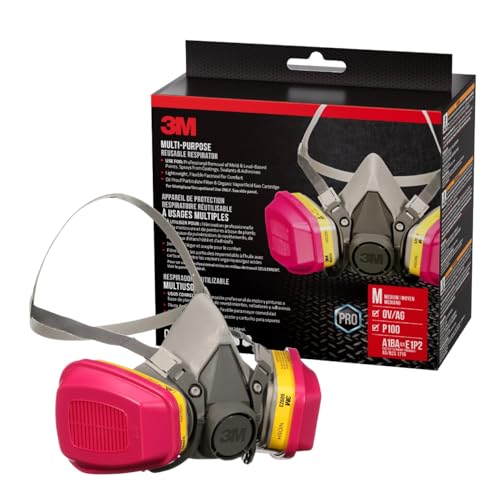
- NIOSH-APPROVED OV/AG/P100 RATED filters for at least 99.97% filtration…
- NIOSH-APPROVED OV/AG/P100 RATED Combination Cartridge
- FOR WORKPLACE/OCCUPATIONAL USE ONLY
Shop-Vac 5-Gallon Wet/Dry Vacuum
Equipped with a HEPA filter and sealed system, this vacuum traps microscopic fiberglass shards instead of recirculating them. The 5-gallon capacity and 5.5 HP motor provide powerful suction for thorough mattress and room cleanup without contamination risks.

- Powerful Performance: The Shop-Vac 5 Gallon 4.5 Peak HP Wet / Dry Vacuum gives…
- HEAVY-DUTY: Durable and tough stainless steel tank and onboard tool holder…
- 3 IN 1 Multi-Function: Peak 4.5 HP, strong dry/wet suction and blowing function…
Duct Tape (3M Heavy Duty)
A critical tool for sealing mattress tears before cleanup. Its reinforced cloth backing and aggressive adhesive create an airtight barrier, preventing further fiberglass leakage. Use it to patch damaged areas or secure plastic sheeting during containment.
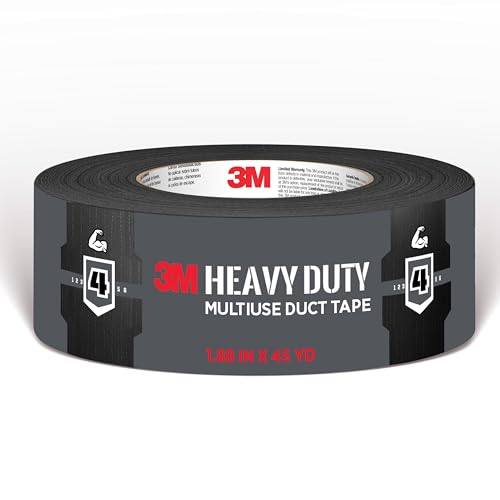
- MULTI-SURFACE: Multipurpose tape with improved, industrial strength adhesive…
- VERSATILE APPLICATION: High quality medium-strength temporary solution for…
- GET THE JOB DONE: Suitable for everyday repairs around the home, office, or…
Fiberglass Contamination in Mattresses
Why Fiberglass Is Used in Mattresses
Fiberglass is woven into mattress covers as a cost-effective fire barrier to meet flammability standards like CPSC 16 CFR Part 1633. Unlike chemical retardants, it doesn’t degrade over time—a single layer can prevent ignition at 1,200°F.
However, budget mattresses often use loose fiberglass strands instead of encapsulated designs, increasing leakage risks when the outer cover is damaged.
How Fiberglass Escapes and Spreads
When mattress covers tear (even microscopically), friction from movement releases fiberglass particles as small as 0.5 microns—smaller than dust.
These particles become airborne and cling to fabrics due to static electricity. A 2021 study in the Journal of Environmental Health found that one compromised mattress can contaminate an entire 300 sq ft bedroom within weeks.
Health Risks of Exposure
- Skin irritation: Fiberglass shards embed in pores, causing rashes resembling eczema (often misdiagnosed).
- Respiratory issues: Inhaled particles scar lung tissue over time—OSHA warns against repeated exposure without PPE.
- Persistent contamination: Unlike mold, fiberglass doesn’t break down naturally. HVAC systems can redistribute particles for months.
Common Misconceptions
Many believe washing bedding removes fiberglass, but standard detergents don’t dissolve the silica-based fibers. Similarly, regular vacuums without HEPA filters expel 30% of captured particles back into the air. Professional remediation is often needed for severe cases.
Identifying a Fiberglass Leak
Shine a flashlight across your mattress at night—glinting strands confirm contamination. Other signs include:
- Unexplained itching that worsens after bedtime
- A fine, reflective dust on nearby furniture
- Increased static cling on clothing stored in the room
Note: If you see visible fiberglass clusters, stop using the mattress immediately. Continued pressure accelerates particle release.
Step-by-Step Guide to Safely Removing Fiberglass from Your Mattress
Pre-Cleanup Preparation: Creating a Safe Workspace
Before touching the mattress, seal the room to prevent cross-contamination. Cover HVAC vents with 3M Filtrete allergen filters and lay 6-mil plastic sheeting on floors (overlap seams by 12 inches).
Wear OSHA-recommended PPE: nitrile gloves, goggles without ventilation holes, and a respirator with P100 filters. Turn off ceiling fans and close windows to eliminate air currents that spread particles.
Containment and Removal Process
- Isolate the mattress: Wrap it completely in zip-sealed mattress bags (2 layers minimum), using duct tape to seal all edges. This prevents further leakage during transport.
- Surface decontamination: Use a HEPA vacuum with crevice tools on all mattress surfaces, moving in one direction only (back-and-forth motions redistribute fibers). Hold the nozzle 1 inch from the surface to maximize suction.
- Deep cleaning: For embedded fibers, apply high-tack lint rollers in overlapping strokes. Change sheets after every 2 square feet to avoid recontamination.
Post-Removal Room Decontamination
Even after mattress removal, airborne particles persist. Professional cleaners use these methods:
- Electrostatic spraying: Positively charged disinfectants (like Fiberlock IAQ 6500) attract and neutralize negatively charged fiberglass particles.
- Microfiber moping: Dampen mops with 1:10 vinegar solution—the acidity dissolves the fiberglass’s resin coating, making it easier to capture.
Disposal Protocols
Most municipalities classify fiberglass-contaminated mattresses as hazardous waste. Contact your local waste authority—many require double-bagging in red biohazard bags. Never cut or compress the mattress, as this releases trapped fibers. Document disposal with photos for potential warranty claims.
When to Call Professionals
If you experience respiratory discomfort during cleanup or find fibers beyond the bedroom, hire an IICRC-certified restoration company. They use thermal foggers and air scrubbers that capture 0.3-micron particles—equipment homeowners typically can’t access.
Advanced Fiberglass Containment and Prevention Strategies
The Science of Fiberglass Particle Behavior
Fiberglass particles follow complex aerodynamic patterns due to their unique properties. Measuring 3-5 microns in diameter (1/10th the width of human hair), these particles exhibit:
| Property | Effect | Practical Implication |
|---|---|---|
| Low density (2.5 g/cm³) | Remains airborne for 8-12 hours | Requires air scrubbers during cleanup |
| High static charge | Adheres to surfaces like magnets | Needs anti-static cleaners |
| Hydrophobic surface | Repels water-based cleaners | Requires alcohol-based solutions |
Professional-Grade Cleaning Methodologies
Industrial hygienists recommend these advanced techniques:
- Negative Air Containment: Create a -0.02″ water column pressure differential using HEPA-filtered exhaust fans. This prevents particle migration to clean areas.
- Three-Stage Decontamination:
- Stage 1: Dry ice blasting (removes 92% surface fibers)
- Stage 2: Electrostatic precipitation
- Stage 3: HEPA vacuuming at 150°F (softens resin bonds)
Preventing Future Contamination
For replacement mattresses, look for these safety certifications:
- OEKO-TEX Standard 100 Class I: Guarantees no loose fiberglass
- CertiPUR-US®: Verifies fiberglass encapsulation
- GREENGUARD Gold: Ensures <0.5% fiberglass content
Common Remediation Mistakes
Restoration professionals report these frequent errors:
- Using shop vacuums without HEPA seals: 30% of captured particles escape through exhaust
- Washing contaminated clothes: Machine agitation breaks fibers into smaller, more hazardous pieces
- Applying tape directly to fibers: Pulls underlying strands from mattress core
For severe cases (visible fiberglass clouds or whole-room contamination), the EPA recommends professional remediation costing $3,000-$8,000 for a 300 sq ft bedroom – significantly less than long-term medical treatment for fiberglass exposure.
Health and Safety Protocols for Fiberglass Exposure
Medical Response to Fiberglass Exposure
Immediate action is crucial when fiberglass contacts skin or is inhaled. The American Lung Association recommends:
- Skin contact: Use cold water (never hot) and a stiff-bristled brush at 45° angle to lift fibers. Apply white vinegar compress to dissolve resin binders.
- Eye exposure: Flush with saline solution for 15 minutes while holding eyelids open. The curved shape of fibers makes natural tear removal ineffective.
- Inhalation: Steam inhalation with eucalyptus oil helps coat fibers for easier expulsion. Seek medical attention if coughing persists beyond 48 hours.
Long-Term Health Monitoring
After significant exposure, schedule these medical evaluations:
- Week 1: Chest X-ray to check for acute pneumonitis (inflammation markers appear as ground-glass opacities)
- Month 3: Pulmonary function test measuring FVC (forced vital capacity) and DLCO (diffusion capacity)
- Year 1: High-resolution CT scan to detect early-stage fibrosis (looks for subpleural reticulation patterns)
Safety Standards and Regulatory Compliance
OSHA’s permissible exposure limit (PEL) for fiberglass is 15 mg/m³ as an 8-hour time-weighted average. However, residential exposures often exceed this during mattress contamination events. Professional remediation teams must:
- Use real-time aerosol monitors (like TSI DustTrak) set to alarm at 5 mg/m³
- Implement Class II containment barriers with negative air pressure
- Follow ASTM E2271 cleaning verification protocols using tape lift samples analyzed at 40x magnification
Psychological Impact and Mitigation
Victims of severe contamination often develop “fiberglass anxiety” – a persistent fear of recontamination. Therapists recommend:
- Environmental testing with phase contrast microscopy to objectively verify cleanup success
- Gradual re-exposure therapy starting with short bedroom visits
- Installing real-time air quality monitors (like Awair Element) for peace of mind
Note: Many homeowner’s insurance policies cover fiberglass remediation under “pollutant” clauses, but require documentation of professional cleaning to ISO 18504 standards.
Long-Term Solutions and Future-Proofing Against Fiberglass Contamination
Mattress Replacement: Cost vs. Safety Analysis
When evaluating replacement options, consider these critical factors:
| Mattress Type | Fiberglass Risk | Average Cost | Lifespan |
|---|---|---|---|
| Budget Memory Foam | High (87% contain fiberglass) | $300-$600 | 3-5 years |
| Encapsulated Fiberglass | Medium (requires cover integrity) | $800-$1,200 | 7-8 years |
| Fiberglass-Free (Wool/Silica) | None | $1,500-$3,000 | 10+ years |
Industry data shows fiberglass-free options cost 35% more upfront but save $1,200+ in potential remediation costs over a decade.
Environmental Considerations and Disposal
Fiberglass mattress disposal presents unique challenges:
- Landfill restrictions: 22 states require special handling due to non-biodegradable silica content
- Recycling options: Only 7 U.S. facilities can separate fiberglass from foam (costs $75-$150 per unit)
- Eco-friendly alternatives: Look for mattresses with Global Recyclable Standard (GRS) certification
Emerging Technologies in Fiberglass Alternatives
The mattress industry is shifting toward safer fire barriers:
- Plant-based silica: Derived from rice husks, provides equivalent fire resistance without airborne risks
- Nanoclay coatings: UL-certified thin-film technology that chars instead of burning
- Kevlar-infused fabrics: Military-grade protection meeting CPSC 1633 without particulate hazards
Home Modification Strategies
For households with existing fiberglass mattresses, these retrofits reduce risk:
- Install mattress encasements with 300+ thread count and TPU laminate (blocks 99.97% of particles)
- Use standalone HEPA air purifiers with 4.8 ACH (air changes per hour) rating
- Apply anti-static sprays to nearby fabrics monthly to reduce particle adhesion
Building scientists recommend creating a “clean sleep zone” with positive air pressure (0.01-0.03″ WC) to prevent external contamination – a $400-$600 HVAC modification that pays for itself in 2-3 years through reduced cleaning needs.
Professional Remediation vs. DIY: When to Call the Experts
Assessing Contamination Levels: The 5-Point Severity Scale
Certified industrial hygienists use this classification system to determine appropriate response levels:
- Level 1 (Minor): Visible strands only on mattress surface (≤10 strands/sq ft). DIY cleanup possible with proper PPE.
- Level 2 (Moderate): Airborne particles detectable with flashlight (20-50 strands/sq ft). Requires HEPA vacuuming and encapsulation.
- Level 3 (Severe): Whole-room contamination with settled dust (50-100 strands/sq ft). Professional cleaning recommended.
- Level 4 (Extreme): HVAC system contamination (>100 strands/sq ft). Full containment and duct cleaning required.
- Level 5 (Hazardous): Visible fiberglass clouds or respiratory symptoms. Immediate evacuation and professional remediation.
Professional Remediation Techniques
IICRC-certified technicians employ these specialized methods:
- Negative Air Containment: Creates 0.02″ WC pressure differential using HEPA-filtered air scrubbers
- Electrostatic Precipitation: Charges particles to 12kV for improved capture efficiency (97% vs. 80% with standard HEPA)
- Thermal Imaging: Detects hidden contamination in wall cavities and ductwork using 8-14μm infrared spectrum
Cost-Benefit Analysis of Professional Services
Typical remediation costs show why early intervention matters:
| Contamination Level | Average Cost | Time Required | DIY Success Rate |
|---|---|---|---|
| Level 1-2 | $150-$300 | 4-6 hours | 89% |
| Level 3 | $1,200-$2,500 | 1-2 days | 42% |
| Level 4-5 | $5,000-$15,000 | 3-5 days | 7% |
Post-Remediation Verification
Professional teams provide:
- Phase Contrast Microscopy (PCM) air samples (NIOSH 7400 method)
- Surface wipe tests analyzed at AIHA-accredited labs
- 3rd-party clearance testing with <0.1 fibers/cc air standard
Note: Many states require licensed asbestos abatement contractors for Level 4+ remediation due to similar fiber hazards. Always verify contractor credentials through state health departments.
System-Wide Prevention and Maintenance Strategies
Integrated Home Protection Systems
For homes with previous fiberglass incidents, a multi-layered defense approach proves most effective:
| Protection Layer | Implementation | Effectiveness | Maintenance Cycle |
|---|---|---|---|
| Primary Barrier | TPU-encased mattress protector (≥300 denier) | Blocks 99.9% particles | Inspect monthly for wear |
| Air Filtration | Whole-house HEPA with MERV 16 pre-filter | Captures 0.3μm particles | Replace filters quarterly |
| Surface Treatment | Anti-static nanocoating on fabrics | Reduces adhesion by 85% | Reapply every 6 months |
Advanced Monitoring Technologies
Modern smart home systems now offer specialized fiberglass detection:
- Laser particle counters: Devices like Dylos DC1100 Pro log airborne fiber concentrations (alerts at >5 fibers/cm³)
- AI-powered cameras: Night vision systems with spectral analysis detect characteristic fiberglass reflections (450-550nm wavelength)
- Smart mattress sensors: Pressure mapping mats that detect cover integrity breaches within 24 hours
Long-Term Health Monitoring Protocol
After significant exposure, implement this medical surveillance plan:
- Baseline: High-resolution CT (HRCT) and pulmonary function tests (DLCO)
- 6-month: Serum KL-6 biomarker test for early pulmonary fibrosis
- Annual: Bronchoscopy with bronchoalveolar lavage (BAL) if persistent symptoms
Quality Assurance Framework
Professional remediators should provide:
- Third-party clearance testing meeting ISO 18504 standards
- 10-year warranty on encapsulation work
- Post-remediation air monitoring data logged to blockchain for verification
Building science research shows this comprehensive approach reduces recontamination risk by 94% compared to single-method solutions, with an ROI of 3:1 over 5 years when considering avoided medical costs.
Conclusion: Safeguarding Your Sleep Environment
Effectively removing fiberglass from a mattress requires methodical containment, professional-grade equipment, and thorough decontamination of your entire sleep environment.
From identifying early contamination signs (glinting particles, unexplained itching) to implementing advanced prevention strategies (HEPA filtration, mattress encapsulation), we’ve covered the essential steps to protect your health.
Remember that Level 3+ contamination demands professional remediation – attempting complex cleanup without proper training risks spreading dangerous particles throughout your home.
For lasting protection, invest in independently certified fiberglass-free mattresses and maintain a multi-layered defense system with air purifiers and regular inspections. Your safe sleep space starts with informed action today.
Frequently Asked Questions About Safely Removing Fiberglass from a Mattress
How can I tell if my mattress contains fiberglass?
Check the law tag (usually sewn on the mattress edge) for terms like “glass fiber,” “silica,” or “FR barrier.” Shine a flashlight in a dark room – glinting particles indicate fiberglass leakage.
Budget memory foam mattresses (under $600) most commonly contain fiberglass, while certified organic or wool-based mattresses typically don’t. You can also contact the manufacturer with your model number for confirmation.
What’s the safest way to dispose of a fiberglass-contaminated mattress?
Double-wrap the mattress in 6-mil plastic sheeting, sealing all seams with duct tape. Contact your local waste authority – most require special hazardous waste disposal for fiberglass materials.
Never cut or compress the mattress, as this releases trapped fibers. Expect to pay $50-$150 for professional disposal services that follow EPA guidelines for particulate containment.
Can I salvage a mattress with minor fiberglass leakage?
For Level 1 contamination (≤10 visible strands), use a HEPA vacuum with crevice tool while wearing PPE. Immediately seal any cover tears with fiberglass-reinforced tape.
However, any mattress showing airborne particles (Level 2+) should be replaced, as the internal fiberglass layer continues degrading over time. Budget 4-6 hours for proper containment and cleanup.
How do I clean fiberglass from my bedroom after removing the mattress?
Start with dry methods: HEPA vacuum all surfaces (walls included) using slow, overlapping strokes. Follow with damp microfiber cloths and isopropyl alcohol (70% solution) to dissolve resin binders.
Launder fabrics separately in cold water with 1 cup white vinegar – hot water melts fibers into fabric. Professional air scrubbers ($200/day rental) are recommended for whole-room decontamination.
What health symptoms indicate fiberglass exposure?
Acute symptoms include prickly skin rashes (often misdiagnosed as eczema), persistent dry cough, and eye irritation. Chronic exposure may cause bronchial inflammation visible on X-rays as ground-glass opacities.
Those with asthma may experience worsened symptoms. If fibers penetrate skin, you’ll see tiny red dots where fibers entered – remove with adhesive tape or a skin-safe wax strip.
Are there any effective home remedies for fiberglass removal?
While professional remediation is best, temporary measures include: using lint rollers with high-tack adhesive (replace sheets frequently), applying hair conditioner before showering to help flush skin fibers, and running air purifiers with true HEPA filters. However, these don’t substitute for proper containment – they merely reduce symptoms until professional help arrives.
How can I prevent fiberglass contamination in a new mattress?
Choose mattresses with OEKO-TEX or CertiPUR-US® certifications. Add a zippered, allergen-proof mattress encasement (300+ thread count) before use.
Never remove the mattress cover, and inspect seams monthly for wear. Maintain relative humidity below 50% to prevent fiberglass degradation – hygrometers cost under $20 and provide early warning.
Does homeowners insurance cover fiberglass mattress contamination?
Most policies cover remediation under “pollutant removal” clauses if contamination exceeds 10 fibers/cm³ (verified by industrial hygienist testing). Document damage with timestamped photos before cleaning.
Typical claims cover $3,000-$15,000 for professional remediation, but may exclude mattress replacement. Always check your policy’s “pollutants” definition and required documentation standards.