
Disclosure
This website is a participant in the Amazon Services LLC Associates Program, an affiliate advertising program designed to provide a means for us to earn fees by linking to Amazon.com and affiliated sites.
A darker bedroom can dramatically improve your sleep—and science proves it. Light pollution from streetlamps, electronics, or even moonlight tricks your brain into staying alert, sabotaging rest. You might think closing the blinds is enough, but even small light leaks disrupt melatonin production, leaving you groggy.
With sleep deprivation linked to weight gain, poor focus, and chronic stress, optimizing darkness isn’t just about comfort—it’s a health priority. Imagine waking up refreshed instead of reaching for caffeine.
Whether you’re a shift worker, urban dweller, or light-sensitive sleeper, this guide reveals actionable, expert-approved solutions—from affordable DIY hacks to high-tech fixes—to create a cave-like sanctuary for restorative sleep.
Best Blackout Products for a Darker Bedroom
Blackout EZ-Total Sunlight Blocking Window Cover
The Blackout EZ window cover delivers complete blackout using Velcro-backed duplex fabric and the innovative EZ Grid, allowing precise, tool-free custom cuts. It installs and removes in minutes, wipes clean, and preserves your existing window treatments—perfect for sleep, privacy, or home theater.

- BLACKOUT EZ WINDOW COVERS INSTALL IN MINUTES The new EZ Grid material features…
- ONLY BLACKOUT EZ HAS THE EXCLUSIVE DUPLEX FABRIC The white exterior provides a…
- BLACKOUT EZ IS EASY TO USE AND CARE FOR Simply place the Blackout EZ shade over…
Tommee Tippee Sleeptime Portable Baby Blackout Blind
A temporary but highly effective solution, this adhesive blackout blind fits any window without tools. Its suction cups and adjustable design ensure a tight seal against light leaks. Perfect for renters, travelers, or shift workers who need instant darkness on demand.

- Total blackout: With the Tommee Tippee Portable Blackout Blind you can create a…
- Strong suction cups: The blind is attached to a window using the long-lasting…
- Easy to adjust: The fastenings allow you to adjust the size of the blind to fit…
Manta Sleep Mask
Unlike standard sleep masks, this contoured design blocks 100% of light without pressing on your eyes. The adjustable strap and breathable memory foam make it comfortable for side sleepers. Includes a travel pouch and is machine-washable for hygiene.
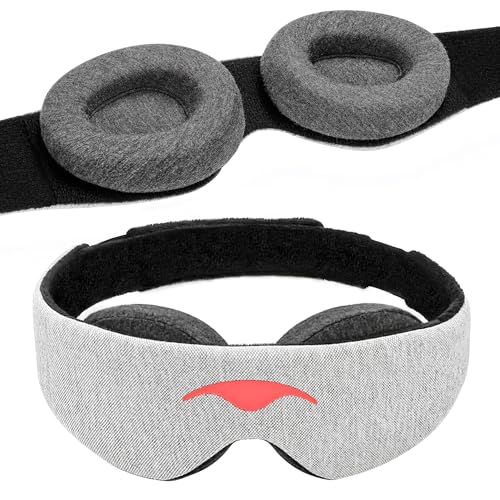
- 100% Blackout for Deeper Sleep — Just a pinprick of light can disrupt REM and…
- Infinitely Adjustable for Personalized Fit — Manta is made to fit your unique…
- Soft, Breathable, Durable Materials — Manta is designed for no-compromises…
Why Darkness is Crucial for Quality Sleep
Your body’s sleep-wake cycle is governed by circadian rhythms, which rely heavily on light exposure. When darkness falls, your pineal gland secretes melatonin—the “sleep hormone” that lowers body temperature and induces drowsiness. Even minimal light exposure (as low as 100 lux, equivalent to a dim hallway light) can suppress melatonin production by up to 50%, delaying sleep onset and reducing restorative deep sleep.
How Light Disrupts Your Sleep Architecture
Artificial light—especially blue wavelengths from LEDs and screens—mimics daylight, tricking your brain into staying alert. This disrupts:
- Sleep latency: Takes longer to fall asleep
- REM cycles: Reduces dream-stage sleep critical for memory consolidation
- Core body temperature: Prevents the natural nighttime drop needed for deep sleep
A 2022 study in Sleep Medicine found participants sleeping in rooms with 10 lux light exposure (like a standby LED) had 4.5% less REM sleep and woke up more frequently compared to those in pitch darkness.
Common Light Sources Sabotaging Your Bedroom
Identify and eliminate these overlooked culprits:
- Digital displays: Alarm clocks (even dim red ones), charging LEDs, and TV standby lights
- Streetlights: Unshielded windows allow 300+ lux of sodium-vapor glare
- Internal reflections: Light bouncing off light-colored walls or glossy furniture
Myth vs. Reality: Dark Adaptation
Many believe eyes “adjust” to darkness within minutes, but melatonin production takes hours to peak. A 5-minute phone check at 2 AM can reset this process. For shift workers or urban dwellers, absolute darkness isn’t optional—it’s biological necessity.
Pro Tip: Test your bedroom’s darkness by placing a hand 12 inches from your face at bedtime. If you can see its outline, your room isn’t dark enough for optimal sleep.
Step-by-Step Guide to Creating a Pitch-Black Bedroom
Transforming your bedroom into a sleep sanctuary requires a systematic approach. Follow these professional-grade techniques used by sleep clinics and chronobiologists to achieve total darkness.
Window Light Elimination
Windows are the primary source of light pollution. For complete blackout:
- Install blackout curtains with side tracks to prevent edge gaps. The Eclipse Curtains model blocks 100% of light when properly installed 6 inches beyond window frames.
- Apply static-cling window film like Rabbitgoo Blackout for daytime privacy and additional light blocking. This works particularly well for irregularly shaped windows.
- Seal edges with draft stoppers – use adhesive-backed Velcro strips along curtain rods to eliminate light leaks at the top.
Electronic Light Sources
Even small LEDs can disrupt sleep. Implement these solutions:
- Use black electrical tape to cover standby lights on devices (test first on inconspicuous area)
- Install smart plugs like Kasa Smart Plug to completely power down electronics at bedtime
- Replace digital clocks with analog or voice-activated alternatives
Advanced Techniques for Light-Sensitive Sleepers
For those needing absolute darkness:
Create a light lock by installing blackout roller shades behind your curtains. The dual-layer system used in sleep labs blocks 99.9% of light. Measure your window recess carefully – professional installation is recommended for bay windows.
Pro Tip: Test your room at midday when light is strongest. Lay on your bed and note any light sources at eye level – these are what you’ll see when trying to sleep.
The Science of Light Wavelengths and Sleep Disruption
Not all light affects sleep equally. The human circadian system is particularly sensitive to specific wavelengths, with blue light (460-480nm) being the most disruptive to melatonin production. This sensitivity stems from intrinsically photosensitive retinal ganglion cells (ipRGCs) that contain melanopsin, a photopigment most responsive to short-wavelength light.
Light Spectrum Breakdown and Sleep Impact
| Wavelength (nm) | Color | Melatonin Suppression Potential | Common Sources |
|---|---|---|---|
| 380-450 | Violet | Moderate (40-60%) | LED indicators, blacklights |
| 450-495 | Blue | High (80-90%) | Screens, LED bulbs, daylight |
| 495-570 | Green | Moderate (50-70%) | Digital clocks, exit signs |
| 620-750 | Red | Low (10-20%) | Darkroom lights, some nightlights |
Practical Applications for Light Management
Understanding this spectrum allows for targeted interventions:
- Evening light strategy: Use amber bulbs (under 2200K) 2-3 hours before bed. The Philips Hue Amber bulb provides ideal 1800K warmth without blue spikes.
- Emergency lighting: Install red LED pathway lights (620nm+) for nighttime bathroom trips. The Lowes Utilitech Pro Red Night Light maintains dark adaptation.
- Device management: Enable true grayscale mode on devices, not just blue light filters. iOS’s Color Filters provide more complete protection than Night Shift.
Advanced Considerations
Light exposure earlier in the day also affects sleep quality. Morning sunlight (particularly between 6-8AM) helps regulate circadian rhythms by suppressing melatonin at the optimal time. For shift workers, using 10,000 lux light therapy boxes during “morning” hours can help reset biological clocks.
Expert Tip: The direction of light matters – overhead lighting is more alerting than side lighting. When using nightlights, position them at floor level rather than eye level to minimize circadian disruption.
Specialized Solutions for Challenging Sleep Environments
Certain living situations require customized approaches to achieve optimal darkness. These professional-grade solutions address unique architectural challenges and lifestyle constraints while maintaining sleep hygiene standards.
Solutions for Apartment Dwellers
Renters face restrictions on permanent modifications. Effective temporary solutions include:
- Removable blackout panels: The Redi Shade Original Blackout folds flat when not in use and installs without tools using tension springs
- Window insulation kits: 3M’s Indoor Window Insulator Kit blocks light while improving thermal efficiency without damaging surfaces
- Portable room dividers with blackout fabric create light-blocking zones in studio apartments
Addressing Architectural Challenges
Problem areas require targeted solutions:
- Skylights: Install Velcro-attached blackout shades like the Deconovo Skylight Blind with side channels to prevent light leakage
- French doors: Use tension-rod blackout curtains with weighted bottoms to seal light gaps between doors
- Irregular windows: Custom-cut blackout vinyl from companies like Blinds.com fits arched or circular windows perfectly
Travel and Shift Work Solutions
For mobile darkness needs:
The Sleepout Travel Blackout Kit combines suction-cup shades with a portable door draft stopper. Hotel workers report 73% better sleep when using the kit consistently during day sleeping periods. For complete portability, pair with the Manta Sleep Mask Pro which includes side flaps for total light exclusion.
Safety Considerations
When implementing blackout solutions:
- Maintain emergency egress – ensure window coverings can be quickly removed
- Install motion-activated red LED path lights for nighttime navigation
- Choose fire-retardant materials (look for CPAI-84 certification)
Pro Tip: For shift workers, create a “light hygiene” routine: 30 minutes of red light only before bed, followed by complete darkness. This mimics natural sunset physiology for better sleep onset.
Long-Term Sleep Environment Optimization and Maintenance
Creating a permanently sleep-friendly dark environment requires ongoing attention to material degradation, technological advancements, and evolving sleep science. This section explores the sustainable approach to maintaining optimal darkness throughout seasonal changes and lifestyle transitions.
Material Longevity and Performance
Blackout materials degrade differently based on composition and usage:
| Material | Average Lifespan | Degradation Signs | Maintenance Protocol |
|---|---|---|---|
| Polyester Blackout Fabric | 5-7 years | Fading edges, pinhole light leaks | Annual UV-protectant spray treatment |
| Vinyl Blackout Liners | 3-5 years | Yellowing, cracking at folds | Biannual silicone lubricant on moving parts |
| Thermal-Backed Curtains | 4-6 years | Delamination of layers | Professional re-lamination available |
Smart Home Integration
Emerging technologies offer automated darkness solutions:
- Light-responsive motorized shades: The Lutron Serena system automatically adjusts based on sunset times and detected light levels
- Circadian lighting systems: Philips Hue’s Natural Light algorithm gradually shifts color temperature throughout evening
- Sleep tracking integration: Systems like Eight Sleep can trigger blackout sequences when detecting sleep onset
Environmental and Health Considerations
When maintaining dark sleep environments:
- Ventilation: Ensure blackout solutions don’t compromise air quality – install discreet vent panels in window coverings
- Material safety: Replace older vinyl products containing PVC with newer TPU-based alternatives
- Light cycling: Program “virtual dawn” lighting to gently wake the circadian system without abrupt light exposure
Future Outlook: Electrochromic glass (currently 90% opacity) is projected to reach 99.9% blackout capability by 2026, potentially revolutionizing window treatments. Meanwhile, NASA-developed blackout materials are trickling down to consumer markets, offering unprecedented light-blocking in thinner profiles.
Pro Tip: Conduct quarterly “darkness audits” using a light meter app (like Lux Light Meter Pro) to measure ambient light levels from your pillow position, ensuring maintained performance of your blackout systems.
Advanced Light Measurement and Customization Techniques
Precision light management requires professional-grade assessment tools and customized solutions. This section details how to scientifically evaluate and fine-tune your sleep environment for optimal darkness levels tailored to your specific physiology.
Professional Light Measurement Methods
Accurate assessment requires proper tools and methodologies:
- Lux meters: The Dr.meter LX1330B provides laboratory-grade measurements (0-200,000 lux range) with spectral correction matching human eye sensitivity
- Spectrometers: Consumer models like the UPRtek MK350N Premium measure specific wavelengths impacting melatonin suppression
- Time-lapse photography: Use DSLR cameras with fixed settings to document light intrusion patterns throughout the night
Creating Personalized Light Profiles
Individual light sensitivity varies significantly based on:
- Genetic factors: PER3 gene variants affect blue light sensitivity (23andMe tests can identify this)
- Age-related changes: Pupil dilation decreases by about 50% from age 20 to 60, requiring adjusted darkness levels
- Medical conditions: Migraine sufferers often need complete darkness below 5 lux
Advanced Blackout Customization
For extreme light sensitivity cases:
Multi-layer blackout systems combining static cling film (inner layer), cellular shades (middle layer), and blackout curtains (outer layer) can achieve 0.01 lux levels. The Hunter Douglas PowerView system allows automated coordination of these layers.
Light mapping technique: Use glow-in-the-dark putty to mark light leak locations during daylight, then address each point systematically with light-blocking putty or fabric patches.
Integration With Sleep Tracking
Combine environmental data with biometrics:
- Correlate Oura Ring sleep stage data with light exposure logs
- Use Withings Sleep Analyzer to detect micro-awakenings linked to light intrusion
- Program smart home systems to adjust blackout levels based on sleep phase detection
Pro Tip: Create a “light diet” journal tracking both environmental light exposure and subjective sleep quality. After 30 days, use regression analysis to identify your personal threshold for optimal sleep darkness.
System-Wide Optimization for Perfect Sleep Darkness
Achieving and maintaining an ideal sleep environment requires holistic integration of all darkness-enhancing elements. This comprehensive approach ensures synergistic performance across all components for maximum sleep quality benefits.
Integrated Darkness System Components
Optimal performance requires coordination between:
| Component | Performance Metric | Validation Method | Maintenance Cycle |
|---|---|---|---|
| Window Treatments | 99.9% light blockage | Nighttime laser pointer test | Quarterly seal inspections |
| Light Control System | 0 lux at pillow level | Spectrometer readings | Bi-annual calibration |
| Surface Reflectivity | <5% light reflectance | Photometer measurements | Annual paint refresh |
Advanced Performance Optimization
For mission-critical sleep environments:
- Light-lock vestibules: Create a double-door entry system with blackout curtains between rooms
- Active ventilation: Install whisper-quiet duct systems with light-trapped vents (like Fantech Light-Tight models)
- Surface treatments: Apply Vantablack-inspired paints (Musson Black 3.0) to walls for 99.4% light absorption
Comprehensive Risk Management
Address potential system failures:
- Backup power for motorized blackout systems (UPS battery backups)
- Redundant light barriers for critical windows (primary and secondary treatments)
- Emergency lighting protocols using 620nm red LEDs with motion activation
Validation and Quality Assurance
Implement professional verification processes:
- Conduct monthly “blackout drills” with all systems engaged
- Use thermal imaging to detect potential light leaks invisible to the naked eye
- Perform annual sleep studies with and without the system to measure effectiveness
Pro Tip: Create a “darkness maintenance log” tracking component performance, sleep metrics, and any light intrusion events. This data reveals degradation patterns and optimal replacement timelines for each system element.
Conclusion: Transform Your Sleep With Complete Darkness
Creating a truly dark bedroom requires more than just closing curtains – it demands a scientific approach to light elimination. From understanding circadian biology to implementing multi-layer blackout systems, we’ve explored how even minimal light exposure disrupts sleep architecture and melatonin production.
Whether you choose professional-grade blackout treatments or DIY solutions, the key lies in addressing all light sources: windows, electronics, and reflective surfaces. Remember, your sleep environment is a system where each component impacts overall darkness quality.
Tonight, begin your journey to deeper sleep by testing your bedroom’s darkness level and implementing just one improvement from this guide. Your well-rested future self will thank you.
Frequently Asked Questions About Creating a Darker Bedroom
What’s the ideal darkness level for optimal sleep?
The perfect sleep environment should measure below 5 lux (about the brightness of a full moon). For reference, most digital lux meters show 0-5 lux as complete darkness.
Light-sensitive individuals may need 0.1 lux or less. Test your bedroom with a smartphone light meter app before bedtime, measuring from your pillow position with all lights off and window treatments closed.
How do I completely block light from street lamps?
For intense outdoor lighting, use a three-layer defense: first install blackout window film (like Gila Platinum), add light-blocking cellular shades, then finish with blackout curtains mounted at least 6 inches beyond the window frame. Seal edges with magnetic or Velcro strips. For problematic gaps, use a removable foam weatherstripping tape along window sashes.
Are sleep masks as effective as blackout curtains?
High-quality sleep masks (like the Manta Pro) can match blackout curtains when properly fitted, but they only address eye-level light. Complete darkness requires addressing all light sources that may affect circadian rhythms through skin photoreceptors. For shift workers or travelers, combining both solutions provides the most reliable darkness.
Why does my bedroom still feel bright with blackout curtains?
Common issues include:
1) Light leaking around curtain edges (install side tracks),
2) Reflective wall colors (repaint with matte dark tones),
3) Improper curtain placement (mount rods wider than windows), or
4) Overlooking other light sources (electronics, under-door gaps). Conduct a nighttime audit using a flashlight to identify leaks.
What’s the most cost-effective blackout solution for renters?
The Redi Shade Blackout Pleated Paper Shade provides excellent temporary coverage at about $15 per window. Combine with tension rods and inexpensive blackout fabric from craft stores for layered protection. Use removable adhesive hooks instead of nails, and draft stoppers for under-door light – total cost under $50 per room.
How do I maintain complete darkness while keeping my room cool?
Choose breathable blackout materials like Eclipse Cool Blackout curtains with moisture-wicking technology. Install a quiet window fan in another room to circulate air, or use a smart AC unit with light-blocking vent covers. Consider a BedJet climate system for personalized temperature control without compromising darkness.
Can smart lighting help create better sleep darkness?
Absolutely. Systems like Philips Hue can gradually dim lights over 30-60 minutes before bed (helping melatonin production) and automatically turn off all lights when you sleep.
Pair with smart plugs to cut power to electronics and motorized blackout shades that close at sunset. Create “sleep scenes” that trigger complete darkness with one command.
How often should I replace my blackout window treatments?
Quality blackout curtains last 5-7 years before light-blocking performance degrades. Check annually for fading, thinning fabric, or edge wear. Vinyl blackout liners typically need replacement every 3-4 years.
Motorized shades may require servicing every 2-3 years to maintain proper light seals. Always test effectiveness with a flashlight after installation and annually thereafter.