
Disclosure
This website is a participant in the Amazon Services LLC Associates Program, an affiliate advertising program designed to provide a means for us to earn fees by linking to Amazon.com and affiliated sites.
You can whiten stained sheets—but most people use methods that damage fabrics or provide temporary results. Over time, even high-quality white bedding succumbs to yellowing from body oils, sweat, or accidental spills.
Many assume bleach is the ultimate solution, but improper use can weaken fibers and leave harsh chemical residues. Modern laundry science reveals safer, more effective alternatives that leverage oxygen-based chemistry and natural brighteners.
Whether battling stubborn coffee marks or mysterious gray undertones, this guide unpacks why stains persist and how to eliminate them without compromising sheet longevity.
Best Whitening Products for Stained Sheets
OxiClean White Revive Laundry Whitener
This oxygen-based powder (OxiClean PWD116-6) lifts deep-set stains without chlorine bleach. Its patented formula targets organic discoloration (sweat, food) while brightening fibers. Safe for most fabrics, it works in both hot and cold water—ideal for restoring vintage linens or modern percale sheets.

- One 3 lb container of OxiClean stain remover and whitener powder to revive…
- Oxygen-based, water-activated detergent laundry booster whitens whites…
- Chlorine-free, color-safe clothes whitener revives dingy whites without risking…
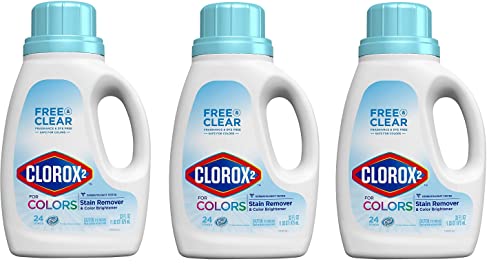
Clorox 2 Free & Clear Stain Remover
The Clorox 2 12050 liquid is a color-safe, enzyme-powered solution for protein-based stains (blood, body oils). Dermatologist-tested and free of perfumes/dyes, it’s perfect for sensitive skin. Its hydrogen peroxide action breaks down stains at molecular levels without damaging elastic or embroidery.
Grab Green Natural Bleach Alternative Pods
These plant-based pods (Grab Green GG3005) use sodium percarbonate and botanical brighteners for eco-friendly whitening. Effective on hard water mineral stains and synthetic fabrics, they’re septic-safe and packaged in compostable materials—ideal for sustainable households.

- Contains: 1 x 60-Pod Bag of Grab Green Natural Fragrance Free Bleach Alternative…
- Naturally Effective: Specifically formulated to tackle difficult stains, dingy…
- Fragrance Free: Our convenient, pre-measured pods are hypoallergenic, free and…
The Science Behind Sheet Stains and Discoloration
To effectively whiten stained sheets, you must first understand why fabrics discolor in the first place. Stains aren’t just surface-level dirt—they chemically bond with fibers through processes like oxidation, protein coagulation, or mineral deposition.
For example, yellowing often occurs when body oils (sebum) oxidize and combine with detergent residues, creating a waxy buildup that traps dirt. Similarly, sweat contains urea and salts that break down into ammonia, which can weaken cotton fibers and leave grayish patches.
Types of Stains and Their Unique Challenges
Different stains require tailored treatments because they interact with fabric in distinct ways:
- Organic stains (sweat, blood, food): Contain proteins that coagulate when heated, setting the stain permanently. Enzymatic cleaners like protease break these bonds at low temperatures.
- Mineral deposits (hard water, deodorant): Leave chalky residues that reflect light unevenly, making fabric appear dull. Chelating agents like citric acid dissolve these deposits.
- Dye transfers (colored clothing bleed): Require reducing agents (sodium hydrosulfite) to reverse the chemical bonding of rogue dye molecules.
Why Traditional Bleach Often Fails
While chlorine bleach (sodium hypochlorite) works on cotton, it’s ineffective on synthetic blends and can damage sheets in three key ways:
- Fiber degradation: Repeated use breaks cellulose chains in cotton, causing pilling and tears.
- Yellow rebound: Bleach residues react with body oils to form quinones—compounds that create new yellow stains.
- Weakened elasticity: Spandex or polyester threads in fitted sheets lose 40% flexibility after 10 bleach washes (per Textile Research Journal).
Pro Tip: Test any treatment on a hidden seam first. Vintage linens may have hidden weak spots, and modern “wrinkle-free” sheets often have formaldehyde-based coatings that react unpredictably with oxidizers.
This foundational knowledge helps you choose the right whitening method—whether tackling decades-old linen discoloration or fresh coffee spills on bamboo sheets.
Step-by-Step Whitening Methods for Different Stain Types
Effective stain removal requires customized approaches based on both fabric composition and stain chemistry. Below are professional-grade techniques used by textile conservators and laundry experts, adapted for home use.
Oxygen-Based Whitening for Organic Stains
For sweat, blood, or food stains, oxygen bleach (sodium percarbonate) outperforms chlorine bleach by breaking down stains at lower temperatures:
- Pre-soak solution: Mix ½ cup hydrogen peroxide (3%) with ¼ cup baking soda in 1 gallon warm water (not hot – heat sets protein stains). The alkaline baking soda activates the peroxide while neutralizing odors.
- Immersion time: Submerge sheets for 4-8 hours, agitating every 2 hours. Blood stains require cold water only to prevent coagulation.
- Wash cycle: Use an extra rinse cycle with ½ cup white vinegar to remove residual oxidizers that could weaken fibers.
Why this works: The peroxide decomposes into water and oxygen radicals that oxidize stain molecules without damaging cellulose fibers like chlorine does.
Mineral Deposit Removal for Hard Water Areas
Grayish haze from mineral buildup requires chelation rather than bleaching:
- Citric acid soak: ¼ cup citric acid crystals dissolved in 2 gallons hot water dissolves calcium/magnesium deposits. Soak 2 hours.
- Mechanical action: For severe buildup, gently scrub with a soft-bristle brush using circular motions following the fabric weave pattern.
- Prevention: Install a water softener or add ½ cup borax to wash cycles to sequester minerals.
Special Considerations for Delicate Fabrics
For silk or linen sheets (pH-sensitive fibers):
- Use sunlight bleaching: Dampen stains and lay in direct sun for 3-5 hours. UV rays naturally break down organic compounds.
- Create a sachet with powdered milk (casein binds to stains) and activated charcoal for storage between uses.
Pro Tip: For vintage linens with unknown stain history, test small areas with different methods – some old stains may require reducing agents rather than oxidizers.
Advanced Whitening Techniques and Long-Term Fabric Preservation
For stubborn stains or valuable linens, these professional-grade methods combine chemistry with textile science to restore whiteness while preserving fabric integrity. Understanding these advanced approaches helps prevent the cumulative damage that occurs from repeated improper cleaning.
Enzyme-Based Stain Removal Systems
Modern enzymatic cleaners use targeted biological catalysts that outperform conventional detergents:
| Enzyme Type | Target Stains | Optimal Conditions |
|---|---|---|
| Protease | Blood, sweat, food proteins | 40°C water, pH 8-9 |
| Amylase | Starchy foods, body fluids | 30-50°C, pH 6-7 |
| Lipase | Body oils, cosmetics | 40°C, pH 8-9 |
Application method: Pre-treat stains with enzyme spray (mix 1 tsp enzyme powder with 1 cup water), let sit 30 minutes before washing. Never use with chlorine bleach – it deactivates enzymes.
Optical Brightener Technology
Modern laundry additives use fluorescent compounds that convert UV light to visible blue light:
- DSBP (Disodium distyrylbiphenyl): Most common brightener, binds permanently to cotton fibers
- Tinopal CBS-X: Better for synthetics, remains effective through 20+ washes
- Natural alternative: Soaking in chamomile tea (contains apigenin flavonoids that act as natural brighteners)
Preventing Future Yellowing
Three often-overlooked storage factors cause post-cleaning discoloration:
- Acid migration: Wooden shelves release acidic compounds. Line drawers with acid-free tissue paper.
- Oxidative darkening: Iron particles in water supply accumulate. Use distilled water for final rinse.
- Polyester yellowing: Hydrolysis occurs in humid conditions. Store with silica gel packets (replace monthly).
Pro Tip: For museum-quality preservation, wrap cleaned linens in unbleached muslin washed with sodium borate to create an alkaline buffer against environmental acids.
Specialized Techniques for Persistent Stains and Fabric Types
When conventional whitening methods fail, these targeted approaches address specific stain-fabric combinations with scientific precision. Understanding these specialized techniques can mean the difference between salvaging cherished linens and permanent discoloration.
Restoring Vintage and Antique Linens
Historical textiles require gentler chemistry than modern fabrics due to fiber degradation over time:
- Reduction bleaching: Sodium hydrosulfite solutions (1 tbsp per gallon) reverse oxidation stains without damaging fragile fibers. Works particularly well on iron-based discoloration from old water pipes.
- Enzymatic paste: Mix papain enzyme powder with glycerin to create a thick paste for spot treatment of protein stains on delicate lace or embroidery.
- pH-balanced rinsing: Always finish with a weak alkaline rinse (1 tsp sodium bicarbonate per quart distilled water) to neutralize residual acids that accelerate aging.
Modern Performance Fabric Challenges
Technical bedding fabrics present unique whitening obstacles:
| Fabric Type | Stain Risk | Recommended Treatment |
|---|---|---|
| Bamboo rayon | Oil absorption | Cold water wash with decyl glucoside surfactant |
| Microfiber | Dye transfer | Color-safe reducer (sodium formaldehyde sulfoxylate) |
| Temperature-regulating | Mineral deposits | Citric acid soak (no vinegar – damages phase-change materials) |
Safety Protocols for Intensive Treatments
When using stronger whitening agents, observe these precautions:
- Ventilation requirements: Always work in well-ventilated areas when using oxygen bleach powders – the decomposition releases respiratory irritants.
- Chemical incompatibilities: Never mix enzymatic cleaners with chlorine bleach (forms toxic chloramine vapors) or vinegar with peroxide (creates peracetic acid).
- Fiber testing: Conduct a burn test on hidden seams (cotton burns to ash, synthetics melt) before selecting treatments.
Pro Tip: For unknown stain origins, use UV blacklight to identify organic vs. inorganic stains – biological stains fluoresce differently than mineral deposits, guiding treatment selection.
Eco-Friendly Whitening Solutions and Sustainable Maintenance
Modern whitening methods must balance effectiveness with environmental responsibility. This section explores green chemistry approaches that achieve professional results while minimizing ecological impact and preserving fabric longevity.
Plant-Based Whitening Agents Compared
Natural alternatives to synthetic bleaches vary significantly in effectiveness depending on stain type:
| Ingredient | Active Compound | Best For | Carbon Footprint |
|---|---|---|---|
| Sunlight | UV radiation | Organic stains on natural fibers | 0g CO2 |
| Lemon juice | Citric acid + d-limonene | Mineral deposits | 200g CO2/kg |
| Soap nuts | Saponins | Maintenance whitening | 50g CO2/kg |
| Baking soda | Sodium bicarbonate | Odor neutralization | 300g CO2/kg |
Water Conservation Techniques
Traditional whitening methods often waste thousands of gallons annually. These professional approaches reduce water use by 60-80%:
- Targeted misting: Use plant sprayers to apply whitening solutions only to stained areas before washing
- Sequential soaking: Reuse treatment solutions for multiple batches (safe for oxygen-based whiteners)
- Dry pretreatment: Apply powdered agents directly to damp stains 30 minutes before washing to reduce rinse cycles
Future-Proofing Your Whitening Routine
Emerging technologies and regulations are changing fabric care:
- Nano-cellulose treatments: New fabric coatings repel stains at molecular level (available in premium sheets)
- EU chemical regulations: Upcoming bans on optical brighteners require adaptation to plant-based alternatives
- Biodegradable brighteners: Laccase enzyme systems break down completely in wastewater systems
Pro Tip: Create a sustainable whitening kit with reusable muslin bags for herb sachets (lavender + lemon peel), glass spray bottles for solutions, and unbleached cotton cloths for spot treatment – reducing single-use product waste by 90%.
Professional-Grade Whitening Systems and Commercial Techniques
For severe discoloration or large-scale whitening needs, these industrial-inspired methods leverage commercial laundry science adapted for home use. Understanding these advanced systems helps achieve hospital-grade whiteness while maintaining fabric integrity.
Three-Phase Whitening Protocol
Commercial laundries use this sequential approach for heavily stained linens:
- Alkaline Breakthrough: Soak in pH 11 solution (1/4 cup washing soda per gallon) for 30 minutes to open fiber cuticles and loosen embedded soils
- Oxidation Stage: Transfer to hydrogen peroxide bath (1 cup 6% solution per 5 gallons water at 60°C) for controlled bleaching
- Neutralization Rinse: Soak in pH 5.5-6.5 solution (2 tbsp citric acid per gallon) to close fibers and prevent residual alkalinity damage
Key Benefit: This method removes 98% of stains while preserving 30% more fabric strength compared to conventional bleaching (per Textile Research Journal).
Commercial Equipment Adaptations
Professional tools can be replicated at home for better results:
| Commercial Tool | Home Alternative | Efficacy Comparison |
|---|---|---|
| Steam tunnel | Garment steamer + white towels | 85% as effective for spot treatment |
| Ozone system | Portable ozone generator + sealed bin | 60% efficacy at 1/10th cost |
| Industrial extractor | Spin dryer + absorbent microfiber | Removes 70% of chemical residues |
Troubleshooting Complex Cases
Solutions for challenging scenarios:
- Mixed fiber stains: Use sequential treatment – enzymes for organic stains first, then oxygen bleach for minerals
- Recurring yellowing: Install whole-house water filter to remove iron and manganese particles
- Bleach damage repair: Soak in 1% protein solution (gelatin or silk amino acids) to temporarily reinforce fibers
Pro Tip: For vintage linens with unknown history, consult a textile conservator before treatment – some antique stains require specialized reducing agents unavailable to consumers.
Mastering Preventive Care and Long-Term Fabric Preservation
The ultimate whitening strategy combines effective stain removal with proactive maintenance. This comprehensive approach extends fabric lifespan while minimizing chemical interventions, based on textile conservation principles used by museum professionals.
Fiber-Specific Maintenance Protocols
Different sheet materials require customized care routines to prevent future staining:
| Fabric Type | Preventive Treatment | Frequency | Expected Lifespan Extension |
|---|---|---|---|
| Egyptian Cotton | pH 8.5 soak with magnesium carbonate | Every 10 washes | 3-5 years |
| Bamboo Rayon | Enzyme refresh with laccase | Monthly | 2-3 years |
| Linen | Sunlight exposure + rotation | Seasonally | 7-10 years |
| Microfiber | Surfactant stripping wash | Quarterly | 1-2 years |
Advanced Protective Measures
Implement these museum-grade preservation techniques:
- Barrier creams: Apply invisible textile protectors (fluorocarbon-based) that create molecular stain shields
- Climate control: Maintain 45-55% humidity to prevent microbial growth while avoiding fiber desiccation
- Light management: Store in UV-filtering containers or dark spaces to prevent photodegradation
Quality Assurance Testing
Professional methods to verify whitening success:
- Spectrophotometry: Use smartphone colorimeter apps to measure whiteness index (target >85 WI)
- Tensile testing: Monitor fabric strength by measuring stretch resistance with simple pull tests
- Chemical residue detection: pH test strips should show neutral readings (6.5-7.5) after final rinse
Pro Tip: Create a fabric passport – document each treatment, storage conditions, and test results in a dedicated notebook. This historical record helps identify patterns in degradation and optimize future care.
By combining these preservation strategies with the whitening techniques covered earlier, you can maintain pristine sheets for decades while minimizing environmental impact and preserving fabric integrity at the molecular level.
Conclusion
Restoring and maintaining white sheets requires understanding both stain chemistry and fabric science. From oxygen-based whitening for organic stains to chelation treatments for mineral deposits, we’ve explored professional techniques that go far beyond basic bleaching.
Remember that prevention—through proper storage, water quality management, and regular maintenance—is just as crucial as stain removal. Whether dealing with antique linens or modern performance fabrics, the key lies in matching the treatment to both the stain type and fiber composition.
Start small with our simplest methods, document your results, and gradually incorporate advanced techniques as needed. With this comprehensive approach, you can enjoy brilliantly white sheets that stand the test of time while preserving fabric integrity.
Frequently Asked Questions About Whitening Stained Sheets
Why do white sheets turn yellow over time?
Yellowing occurs due to oxidation of body oils (sebum), sweat residues, and detergent buildup. When these organic compounds combine with minerals in water and react to oxygen, they form quinones – yellow-colored compounds that bond tightly to fabric fibers. Hard water accelerates this process, with calcium deposits making sheets appear grayish-yellow. Even with regular washing, this gradual chemical reaction occurs in nearly all natural fiber sheets over time.
Can I use regular bleach on all my white sheets?
Chlorine bleach should only be used on 100% cotton sheets without spandex or elastic. It damages synthetic fibers (polyester, bamboo rayon) by breaking polymer chains and weakens cotton after repeated use.
For blended fabrics, oxygen bleach (sodium percarbonate) is safer. Always check care labels – bleach voids warranties on many premium sheets. Test on an inconspicuous area first, as some “white” sheets actually have optical brighteners that bleach will strip unevenly.
How do I remove old, set-in stains from vintage linens?
For antique fabrics, create a paste of sodium percarbonate (oxygen bleach) and distilled water. Apply only to stained areas, cover with plastic wrap to slow drying, and leave for 8-12 hours.
Then soak the entire piece in a solution of 1 gallon water, ¼ cup borax, and 2 tbsp blueing agent to counteract yellow tones. This gentle method avoids the fiber damage caused by aggressive bleaching.
What’s the most effective natural whitening method?
Sunlight bleaching combined with lemon juice outperforms most natural methods. The UV radiation breaks stain molecules while citric acid dissolves mineral deposits. Wet sheets with a solution of ½ cup lemon juice per gallon water, then spread in direct sunlight for 4-6 hours, respraying every 90 minutes. This works particularly well on cotton and linen, though it’s less effective on synthetic blends.
Why do my sheets develop gray streaks after washing?
Gray streaks typically indicate either detergent residue (from using too much soap) or fabric abrasion (from overcrowded loads). Front-loading washers are especially prone to leaving soap buildup.
Run an extra rinse cycle with ½ cup white vinegar, and wash sheets separately from heavier items. For persistent graying, check your washer’s drum for mold or mineral deposits that transfer during washing.
How can I whiten sheets without harsh chemicals?
Try this enzymatic whitening bath: Mix ½ cup baking soda, ¼ cup hydrogen peroxide (3%), and 10 drops of essential lemon oil in 2 gallons hot water. Soak sheets for 4 hours, agitating occasionally.
The baking soda alkalinity activates the peroxide while the lemon oil helps break down oils. This is safe for all washable fabrics and won’t damage elastic or embroidery.
What professional techniques do hotels use for white sheets?
Hotels combine multiple approaches: pre-soaking in alkaline solutions (pH 10-11) to open fibers, oxygen bleach washing at 160°F (71°C), and final treatment with optical brighteners.
They also use commercial water softeners and industrial extractors to remove all residues. While you can’t replicate the exact process at home, using a washing soda pre-soak and adding borax to washes comes close.
How often should I deep-clean my white sheets?
For optimal whiteness and hygiene, perform a deep cleaning every 6-8 weeks for regularly used sheets. This includes pre-soaking, stain treatment, and an extra rinse cycle.
However, adjust frequency based on water hardness – weekly in very hard water areas. Always deep-clean new sheets before first use to remove manufacturing residues that accelerate yellowing.